Custom Pearl Heart Earrings for Wholesale: Materials, Personalization, and OEM/ODM Options
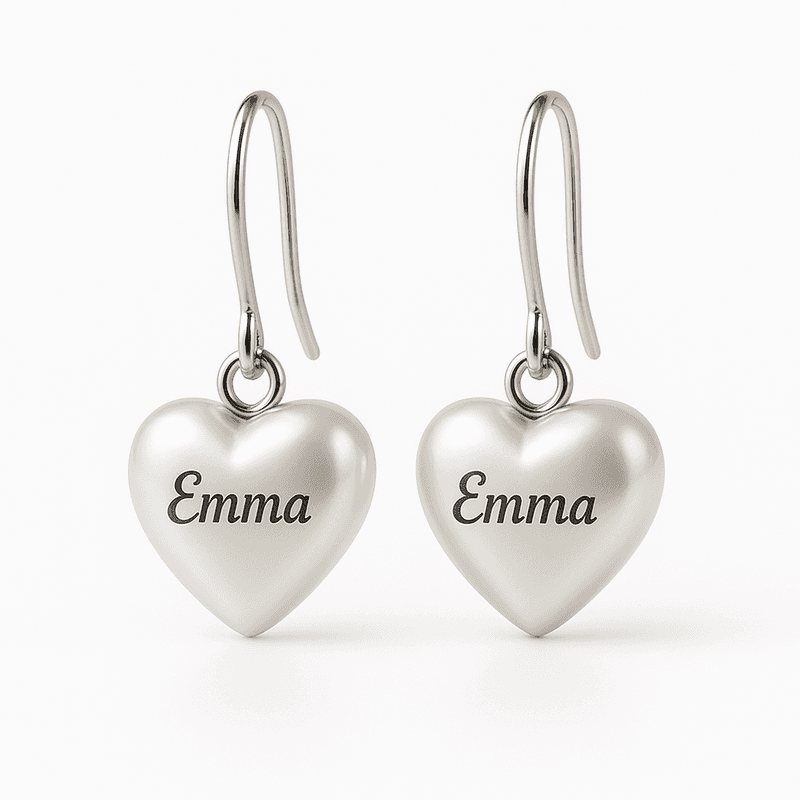
Personalized pearl heart earrings can help jewelry brands build collections around romantic motifs, giftable designs, and everyday styling. For wholesalers, retailers, and private-label businesses, the challenge is to translate an appealing design into a product that meets customer expectations for appearance, comfort, construction, and price positioning.
Working with an OEM/ODM jewelry supplier can provide a starting point for developing an existing design or exploring a new concept. Before moving toward sampling or bulk production, buyers should clarify the intended customer, required materials, customization scope, and quality criteria. This guide outlines the key considerations for developing pearl heart earrings for wholesale collections.
1. Define the Design Direction for Your Target Market
Pearl heart earrings can be developed in different styles depending on the intended audience and retail positioning. Minimal heart-shaped settings may suit everyday collections, while decorative pearl accents and more elaborate silhouettes may fit occasionwear or gifting ranges. The best direction depends on your brand identity, target price point, and preferred styling.
Before requesting a sample, prepare a brief that identifies the intended earring shape, approximate dimensions, pearl appearance, metal color, fastening style, and desired overall look. Reference images, sketches, or existing product samples can help communicate design expectations. If the design must be adapted for manufacturing, ask the supplier which details are feasible and which may require modification.
2. Explore Personalization and OEM/ODM Options
Customization can help differentiate a wholesale jewelry collection, but the available options depend on the design, materials, manufacturing methods, and order requirements. Discuss the following possibilities with your supplier:
- Design adjustments: Subject to feasibility, explore changes to heart proportions, pearl placement, earring dimensions, and decorative details.
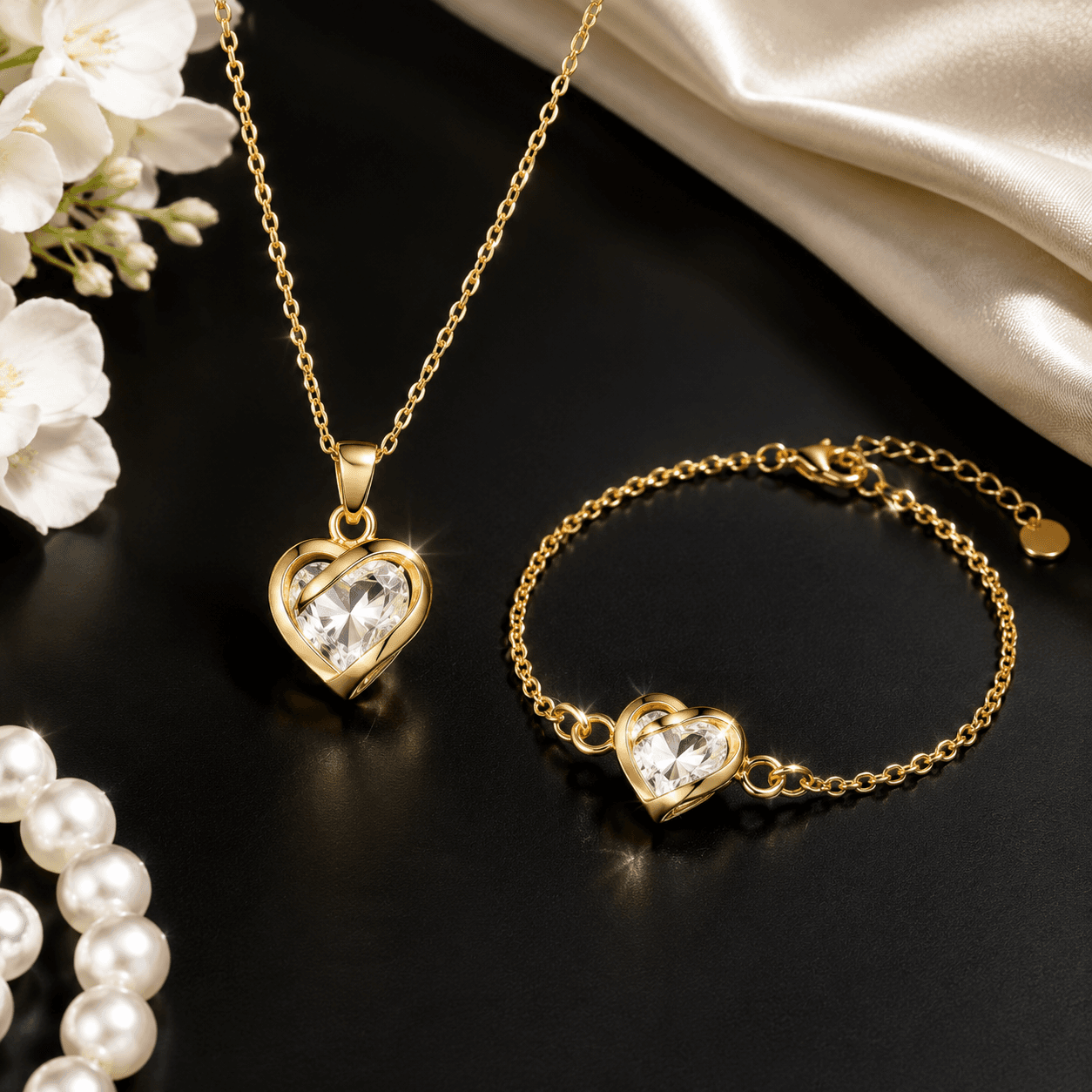
- Metal color and finish: Discuss suitable finishes for the intended product design and target market, including the appearance and maintenance requirements of each option.
- Branding and packaging: Ask whether branded cards, labels, gift boxes, or other packaging elements can be incorporated into the project.
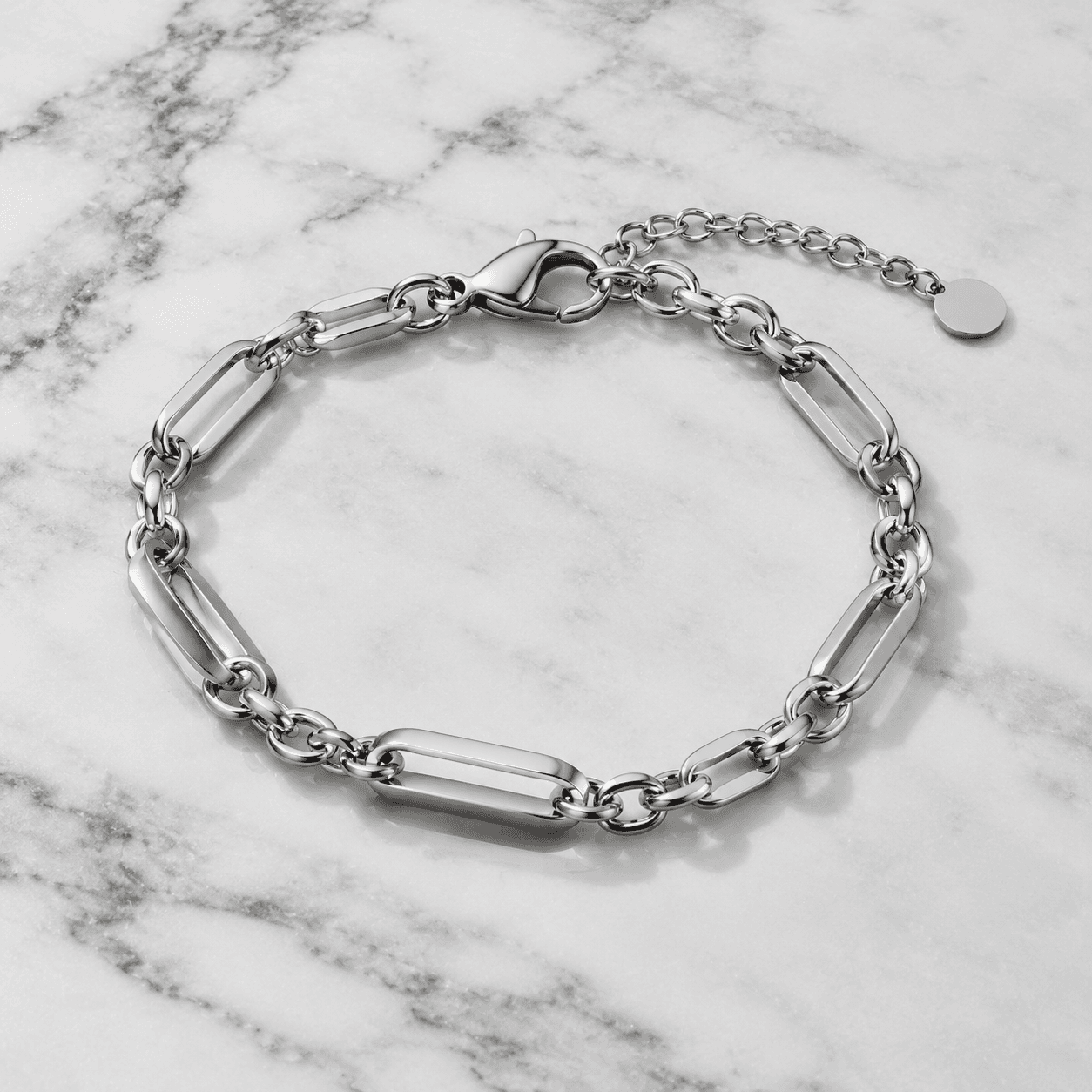
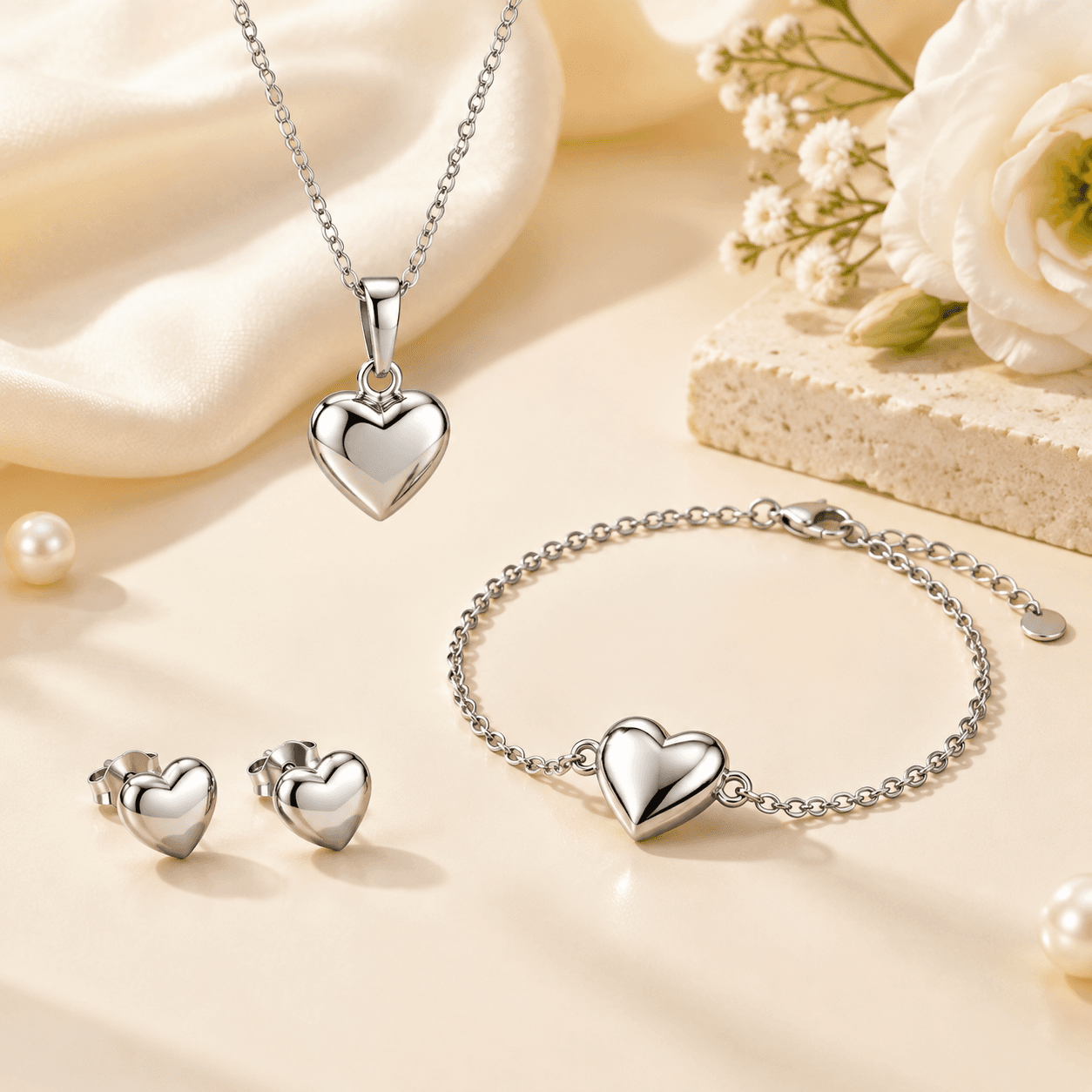
- Collection coordination: Consider whether matching necklaces, bracelets, or other earrings could be developed to create a coordinated assortment, subject to design and production feasibility.
OEM projects generally focus on manufacturing to a buyer's supplied specifications, while ODM projects may start from a supplier's existing designs or development capabilities. Confirm the supplier's actual services, customization scope, design ownership arrangements, and sample approval process before proceeding.
3. Evaluate Materials and Construction Before Ordering
Material selection influences appearance, cost, maintenance, and the suitability of earrings for different retail markets. The appropriate specification depends on the product design and the expectations of your customers.
For designs using stainless steel components, ask the supplier to identify the proposed steel grade and explain which components use that material. If a gold-colored finish is required, clarify the finishing method, coating specification where applicable, and care instructions. Do not assume that a gold-colored appearance establishes the composition, thickness, or durability of a finish.
For pearl details, establish whether the proposed material is a natural pearl, cultured pearl, shell-based material, glass, or another pearl-like alternative. Confirm the material description and expected variation in color, shape, size, and surface appearance. Accurate descriptions help buyers align product listings, pricing, and customer expectations.
Also review the construction of the earring posts, hoops, connectors, settings, and closures. Ask how components are assembled and what checks are available for attachment security and finish consistency. Material and construction specifications should be documented rather than inferred from product photographs.
4. Assess Durability with Clear, Verifiable Requirements
Terms such as waterproof, tarnish-resistant, and hypoallergenic should not be treated as interchangeable or accepted without supporting specifications. Actual performance depends on the materials, surface treatments, construction, and conditions of use.
If your collection requires resistance to water or perspiration, ask the supplier whether the proposed finished product has been evaluated for those conditions and request relevant test documentation where available. Clarify the test method, conditions, tested components, and acceptance criteria before making product-performance claims.
For coated jewelry, discuss finish adhesion, wear expectations, and appropriate care instructions. For earrings intended for sensitive customers, request clear information about the composition of skin-contact components and any applicable test evidence. Do not advertise a product as waterproof, hypoallergenic, or suitable for prolonged wear unless the relevant specifications and evidence support the claim.
Before approving a sample, compare its appearance and construction with your agreed requirements. Depending on the product, useful checks may include component attachment, closure function, surface consistency, sharp edges, dimensional accuracy, and visible defects. Agree on inspection criteria with the supplier before bulk production.
5. Prepare a Practical Wholesale Product Brief
A well-defined product brief can make supplier discussions more efficient and help reduce avoidable specification changes. Include the information relevant to your project:
- Product concept: Share sketches, reference images, target dimensions, and design details.
- Material requirements: Specify the desired metal, pearl or pearl-like material, component composition, and finish.
- Customization scope: Identify requested design changes, branding elements, and packaging requirements.
- Target market: Explain your intended customer, retail positioning, and applicable product or labeling requirements.
- Commercial expectations: Provide your target order quantity, budget range, intended launch schedule, and preferred shipping destination for feasibility review.
- Quality requirements: Define sample approval criteria, inspection expectations, documentation needs, and any performance claims that require verification.
Ask the supplier to confirm which requirements can be met, which remain subject to feasibility or sample approval, and which may affect cost or production planning. Confirm pricing, minimum order quantities, development schedules, and production timelines directly with the supplier rather than relying on general industry assumptions.
6. Build a Coordinated Collection Without Losing Focus
Pearl heart earrings may serve as a focal product within a broader jewelry assortment. Depending on your target market, you could explore complementary heart-motif earrings, pearl-accent necklaces, matching bracelets, or simple gold-tone hoops. These related designs can provide options for different styling preferences and price points.
When considering adjacent products, distinguish between the core design and supporting styles. Keep the primary pearl heart earring specification consistent with your brand positioning, then evaluate complementary items according to their material requirements, target costs, and potential role in the collection. Each product should have its own confirmed specifications rather than inheriting material or performance claims from another item.
7. Questions to Ask an OEM/ODM Jewelry Supplier
Before committing to a development project, ask prospective suppliers:
- Which pearl heart earring designs or manufacturing services are currently available?
- Which components and materials are proposed for the selected design?
- What customization and branding options are feasible for the requested product?
- Can the supplier provide a pre-production sample and document the approval process?
- What inspection procedures and supporting material or performance documentation are available?
- What are the confirmed minimum order quantity, quoted price, sample charges, and estimated production schedule for the specific project?
- Which packaging, labeling, and shipping arrangements can be supported?
Compare supplier responses against the same product brief. Clear specifications, transparent limitations, and documented sample approval criteria provide a more useful basis for evaluating suppliers than broad promises about quality or durability.
Develop Your Wholesale Pearl Heart Earring Collection
Successful custom jewelry development starts with a clear design concept and a practical understanding of materials, construction, customization, and quality requirements. For pearl heart earrings, buyers should establish the intended pearl material, metal composition, finish, dimensions, branding requirements, and evidence needed to support any product-performance claims.
If you are planning a private-label or wholesale jewelry collection, share your design references, material preferences, target order quantity, and customization requirements with an OEM/ODM supplier. Request a project-specific feasibility assessment and sample plan before confirming the final specifications. This approach helps align product expectations with manufacturing requirements and supports more informed wholesale purchasing decisions.