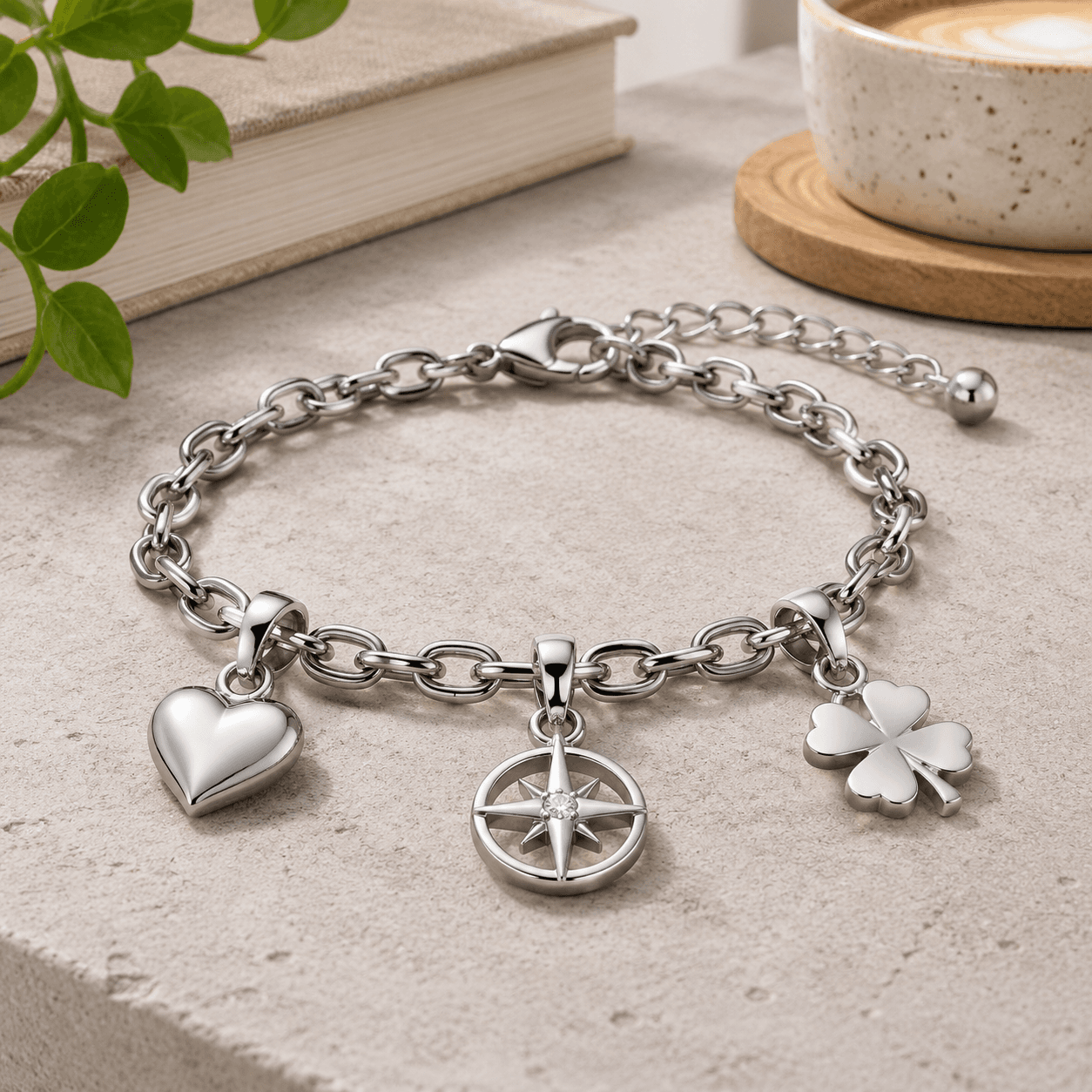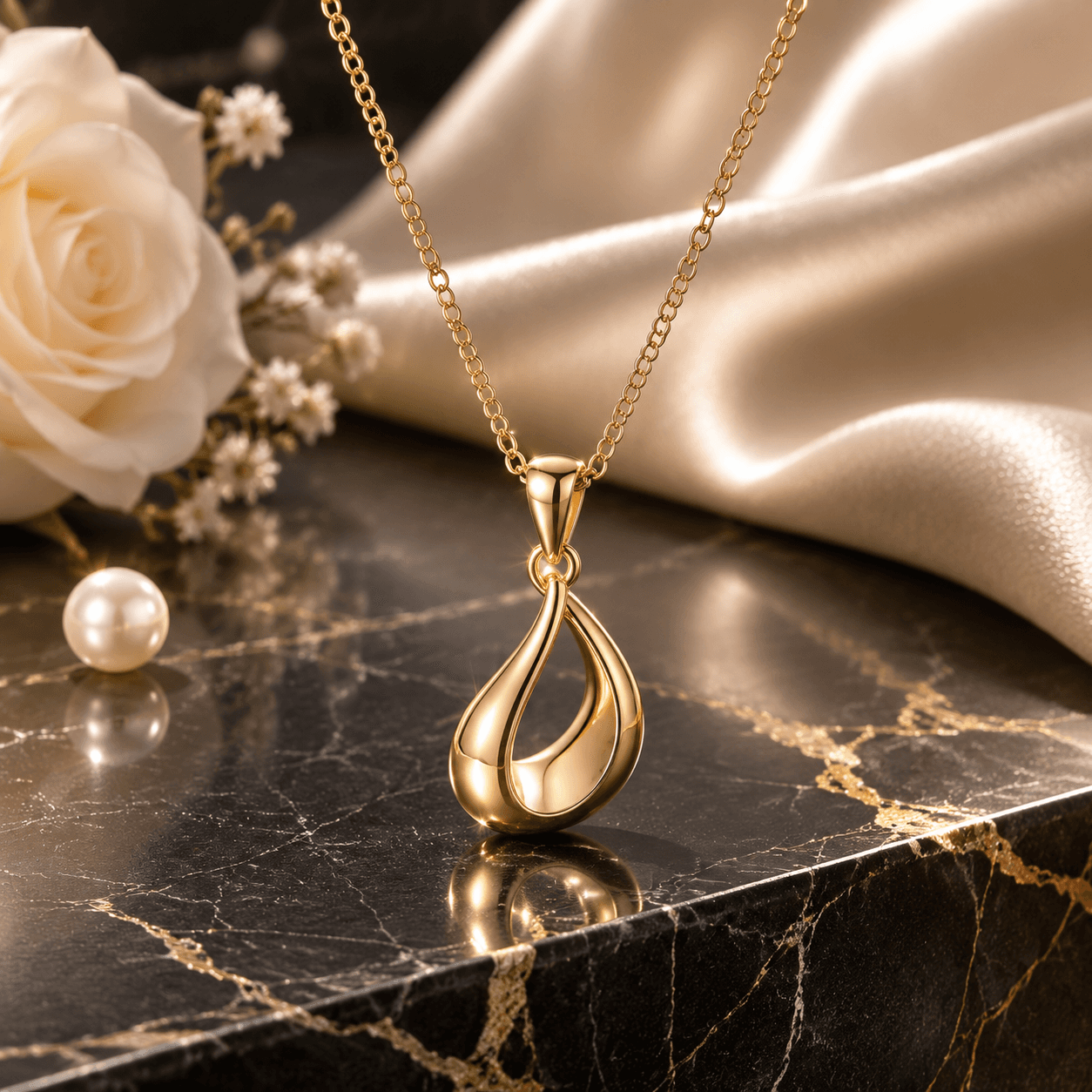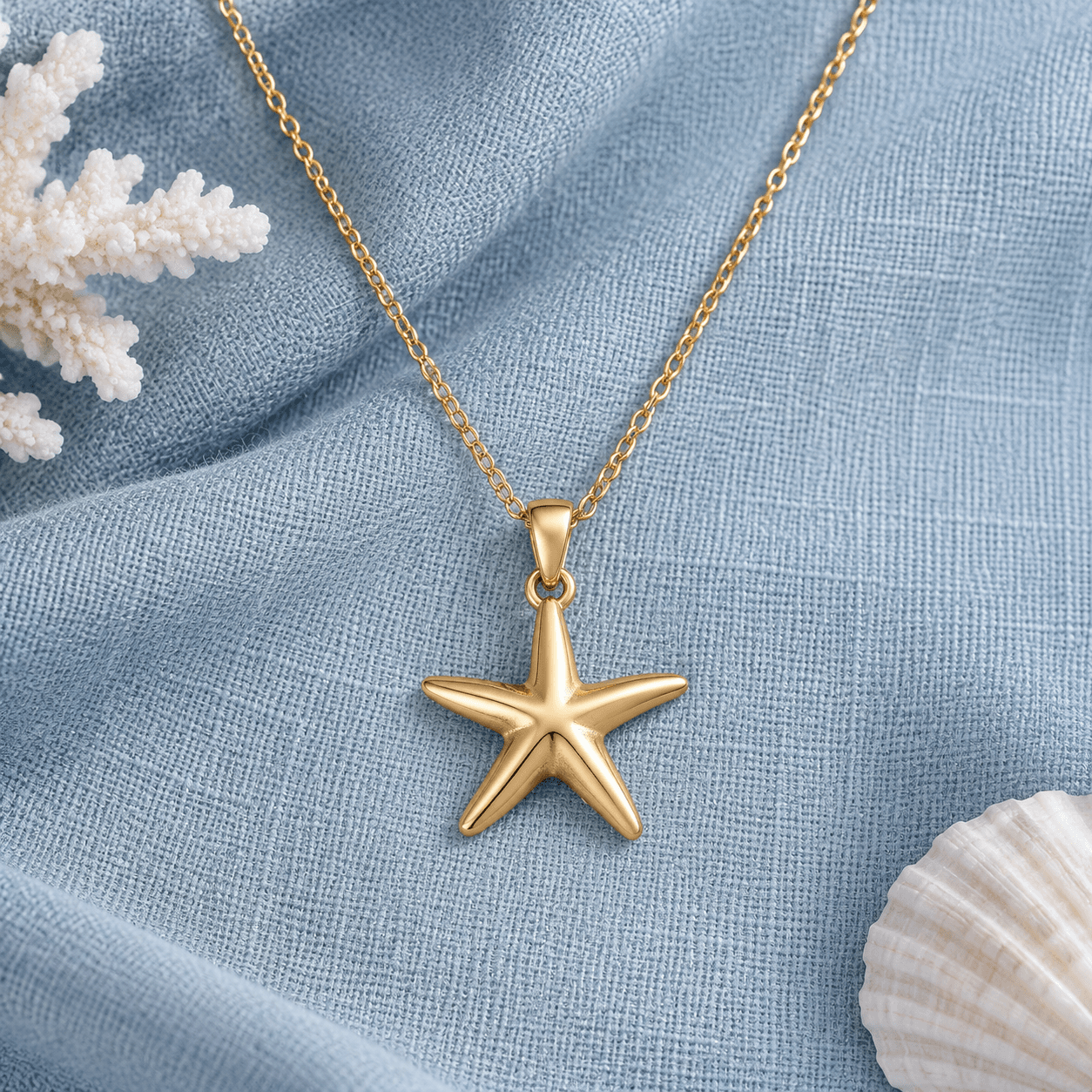
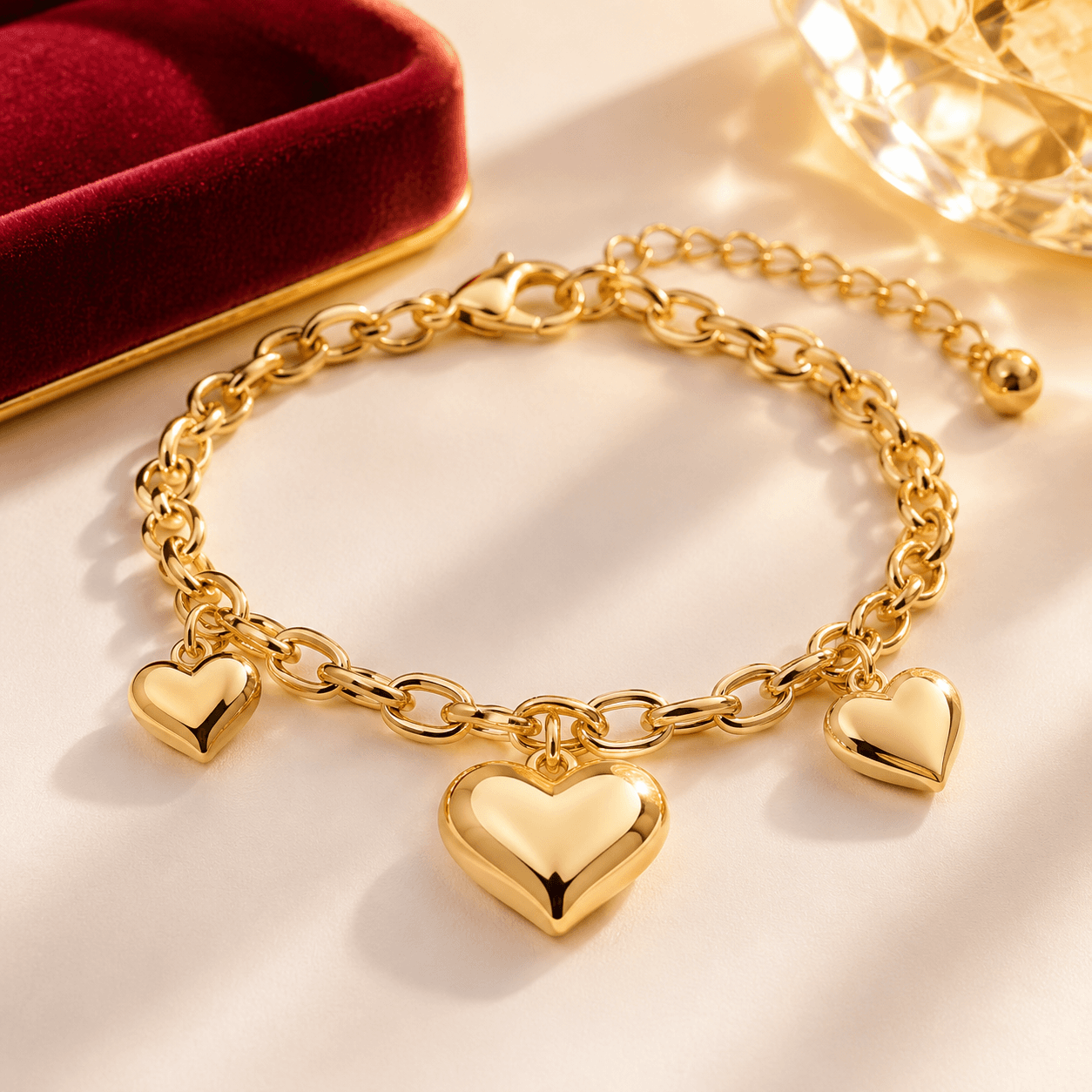
Heart charms can add a recognizable accent to necklace and bracelet collections, coordinated jewelry sets, and private-label programs. For wholesale buyers in the US and Canada, design is only one part of the decision. Material, dimensions, finish, attachment construction, inspection criteria, and repeat-order references all deserve review before bulk production.
This guide presents design directions and a practical checklist for evaluating stainless steel heart charms. Use it to prepare a product brief, assess samples, compare quotations on an equal basis, and document the requirements that matter to your order.
Stainless Steel Heart Charm Design Ideas
Heart charms can be adapted to different collection styles without changing the basic silhouette. The best option is one that suits your customer and can be specified clearly for sampling and production.
Minimalist polished hearts
A clean outline and smooth surface suit understated necklace, bracelet, and jewelry-set designs. Check symmetry, front-and-back polishing, edge smoothness, and the position of the bail or loop. Confirm that the charm hangs as intended when attached to the planned chain or connector.
Textured or engraved hearts
Geometric textures, line engraving, initials, or a logo can add distinction. Review line clarity, placement, and consistency on a physical sample. Approve the artwork and its dimensions before production, and document any tolerances that matter to your design.
Gold-tone finishes
PVD gold-tone or rose-gold-tone finishes can create color options within a collection. Specify the required appearance using an approved physical reference rather than relying only on a digital image. Review color coverage on the front, back, edges, and connection areas, and establish any project-specific finish evaluation before approving production.
Hearts with zircon or crystal details
Decorative stones introduce additional inspection points. Check alignment, setting appearance, and consistency under normal viewing conditions. Include the relevant setting criteria in the product specification and use an approved sample as the reference for repeat orders.
Wholesale Quality Checklist
Adapt these checks to your product, intended market, and commercial requirements. A written specification and approved physical sample give both buyer and supplier a clearer reference than general descriptions such as “premium quality.”
1. Confirm materials and product configuration
- Specify whether the charm is required to use 316L, 304, or another stainless steel grade.
- Request material documentation for the actual production item when your program requires it.
- List other components, such as stones, crystal, or enamel, in the specification.
- Check that the quotation, sample, and product specification describe the same configuration.
316L is one material option buyers may evaluate for jewelry. Material selection alone does not establish the performance of a finished charm; construction, surface condition, finishing, and use conditions also matter.
2. Review dimensions and construction
- Confirm length, width, thickness, and other relevant dimensions against a drawing or written specification.
- Check the outline for symmetry and the edges for burrs, sharp areas, or irregularities.
- Review the bail, loop, or jump-ring connection for fit with the intended chain or connector.
- Check that the charm hangs in the intended direction and compare it with the approved sample.
Approve the attachment structure during sampling. A later change to the connection point may require an updated specification and sample review.
3. Evaluate surface finish
- Inspect for scratches, dents, discoloration, uneven polishing, or visible processing marks.
- Compare finish color and coverage with the approved physical reference.
- Review the front, back, edges, and connection areas.
- Check that polishing or finishing has not obscured engraving or decorative details.
Appearance alone does not establish wear resistance. If measurable performance evidence is needed, agree on an appropriate evaluation method and conditions before ordering. Any result should identify the tested product configuration and method.
4. Define testing and documentation needs
- Identify requirements that apply to the product, intended use, and target market.
- Decide whether material or restricted-substance testing is needed.
- Clarify whether supplier documentation or independent testing is required.
- Check that any report relates to the specified material, finish, and product configuration.
- Keep relevant specifications and supporting documents with the approved product record.
For US buyers, FDA approval should not be treated as a general certification for ordinary fashion jewelry. Identify the requirements applicable to the specific product and intended use; products intended for children or products making particular claims may need additional review. Canadian buyers should likewise confirm applicable Canadian requirements. A supplier’s internal quality checks and independent testing documentation are different forms of evidence.
5. Agree on quality-control criteria
- Review and approve a sample before bulk production.
- Document dimensions, finish references, artwork, and acceptable appearance.
- Agree on relevant checkpoints for construction, polishing, plating, and decorative components.
- Define how nonconforming items will be identified and handled.
- Set the scope and acceptance criteria for final inspection and packaging review.
6. Compare commercial terms on the same basis
- Request quotations using the same material, dimensions, finish, and product configuration.
- Confirm MOQ separately for each design, finish, and customization option.
- Ask whether designs or finishes can be combined within a purchasing program.
- Clarify sample-development charges, packaging, inspection, payment terms, quotation validity, and shipment responsibilities.
- Evaluate how clearly the supplier responds to technical questions and proposed changes.
Do not assume that a low MOQ means lower total sourcing costs. Setup requirements, finishing choices, packaging, and order quantity can affect the quotation. Confirm exact terms through an RFQ.
How to Evaluate a Heart Charm Supplier
Prepare a product brief
Share a drawing or reference image, target dimensions, material, finish, attachment requirements, order estimate, and packaging expectations. A complete brief helps suppliers assess the request and quote against a consistent specification.
Review a physical sample
Assess the outline, dimensions, edges, finish, connection structure, and decorative details. Record requested revisions and obtain confirmation of the updated sample before approving it as the production reference.
Compare process and communication
Ask how sample approval is recorded, how specifications are communicated to production, what inspection criteria can be agreed, and how issues are reported. Compare answers alongside price, sample arrangements, and commercial terms.
Document the production reference
Before ordering, confirm which sample, drawing, material specification, finish reference, artwork, inspection criteria, and packaging instructions apply. Keep a written record of any agreed changes.
Review shipment preparation
Agree on final inspection scope and packaging requirements before shipment. Confirm order quantity, product configuration, and any supporting documents required for your program.
OEM/ODM Heart Charm Project Planning
Custom heart charm projects can involve design adjustments, logo details, finish choices, decorative components, or packaging requirements. Which options are feasible depends on the design, materials, order details, and manufacturer’s confirmed capabilities.
When discussing a project with Lefeng Jewelry, use an RFQ to confirm the available development and production options for your specific requirements. Explore OEM/ODM manufacturing services, browse the stainless steel charms collection, or see new stainless steel jewelry designs for product inspiration.
Confirm MOQ, pricing, sample arrangements, documentation, and any requested processes individually. Do not treat general product information as confirmation of project-specific terms or capabilities.
Frequently Asked Questions
Is 316L stainless steel suitable for wholesale heart charms?
316L is one stainless steel option buyers may specify. Confirm the material for the actual production item, review a sample, and consider construction, finishing, and intended use as part of your evaluation.
How can buyers evaluate a PVD gold-tone finish?
Compare a physical sample with the required appearance, including coverage across edges and connection areas. If wear-resistance evidence is needed, agree on an appropriate evaluation and request documentation for the specified product configuration.
What should wholesalers confirm before a bulk order?
Confirm material, dimensions, attachment construction, finish, decorative details, sample approval, inspection criteria, MOQ, pricing, packaging, and shipment requirements. A written specification and approved physical sample help establish a shared production reference.
Can a supplier develop a custom stainless steel heart charm?
Custom development depends on the design and the supplier’s confirmed capabilities. Share a product brief and ask which options, sampling arrangements, and commercial terms can be offered for your project.
Plan Your Next Heart Charm Collection
Use the checklist to prepare an RFQ and compare suppliers against the same requirements. For a project inquiry, share your reference design, material and finish preferences, target quantity, packaging needs, and any documentation requirements. Confirm feasibility, MOQ, pricing, and sample arrangements for the specific project before placing an order.