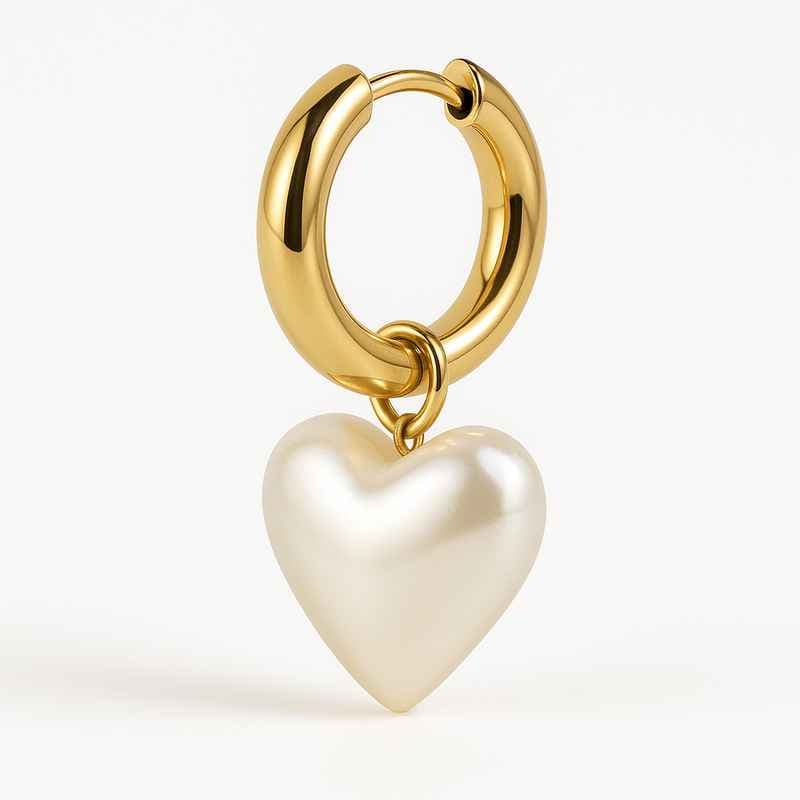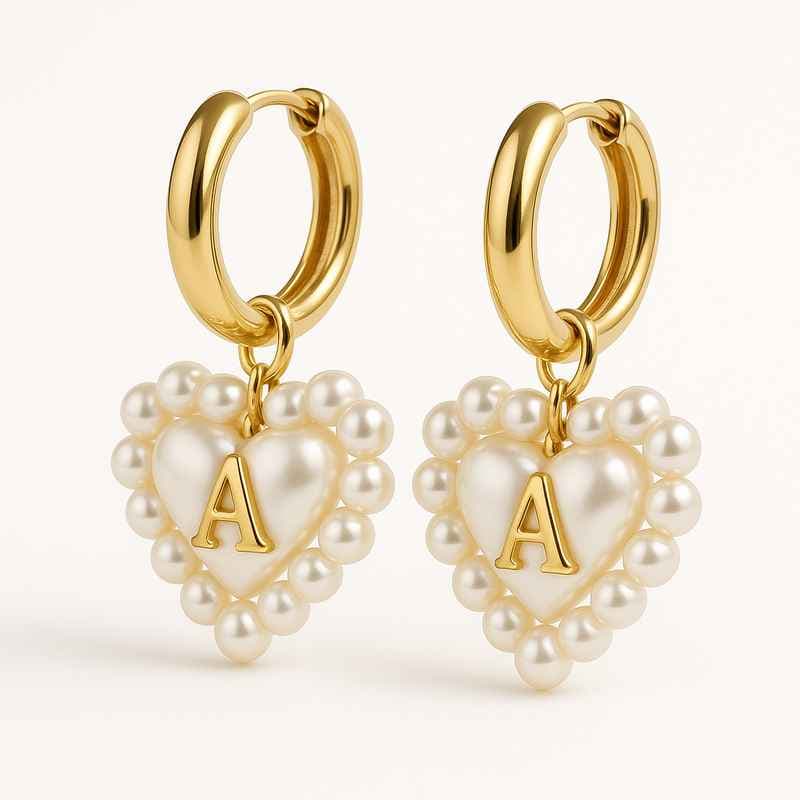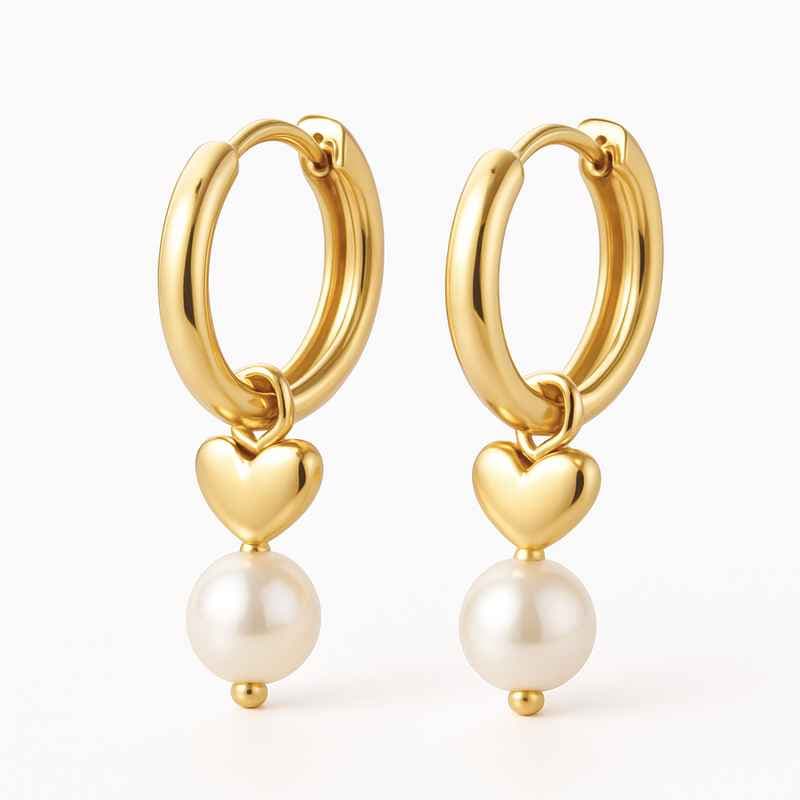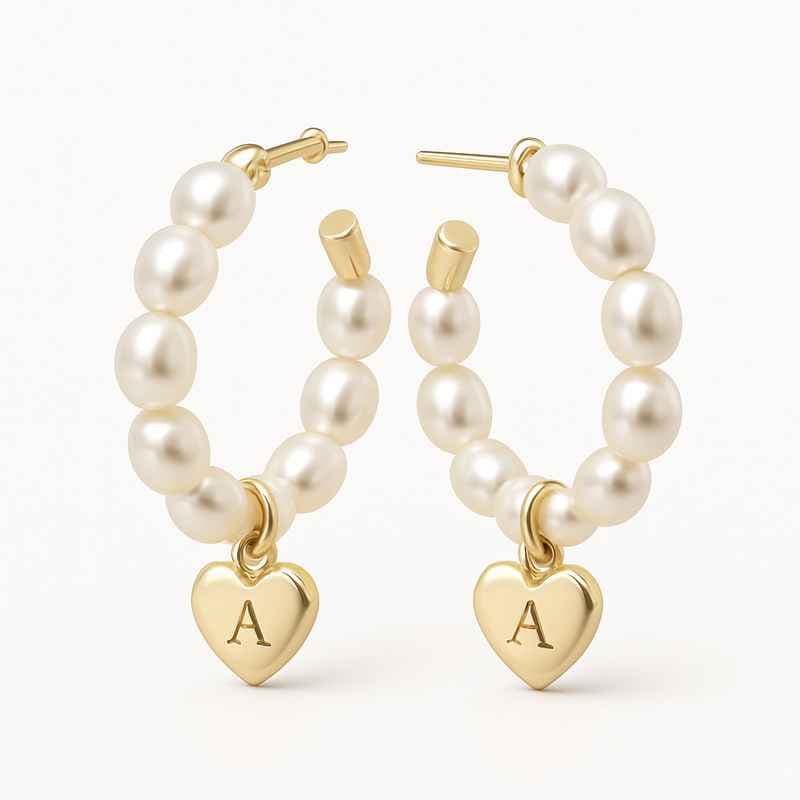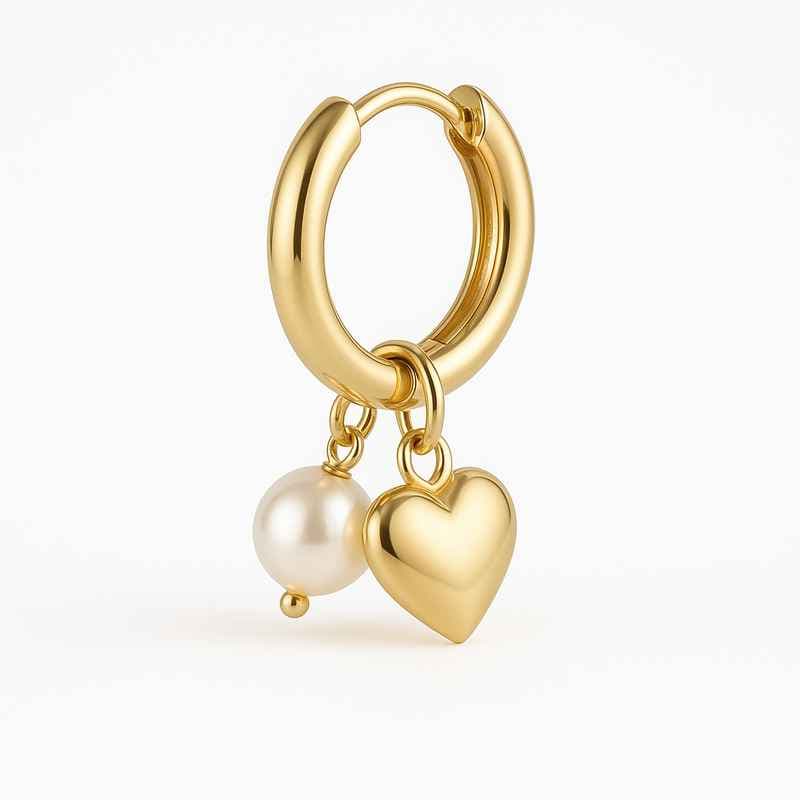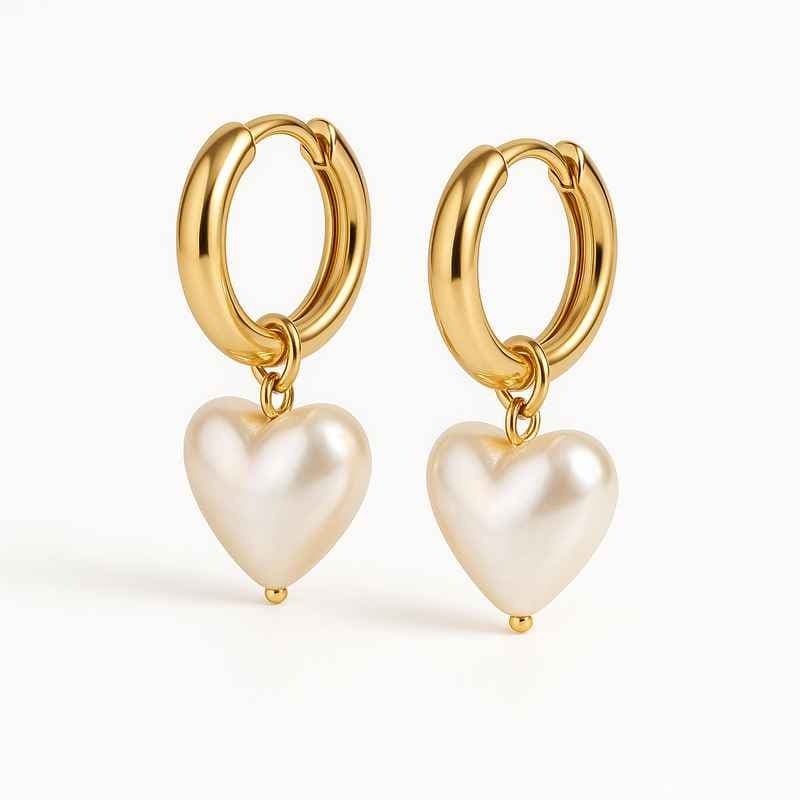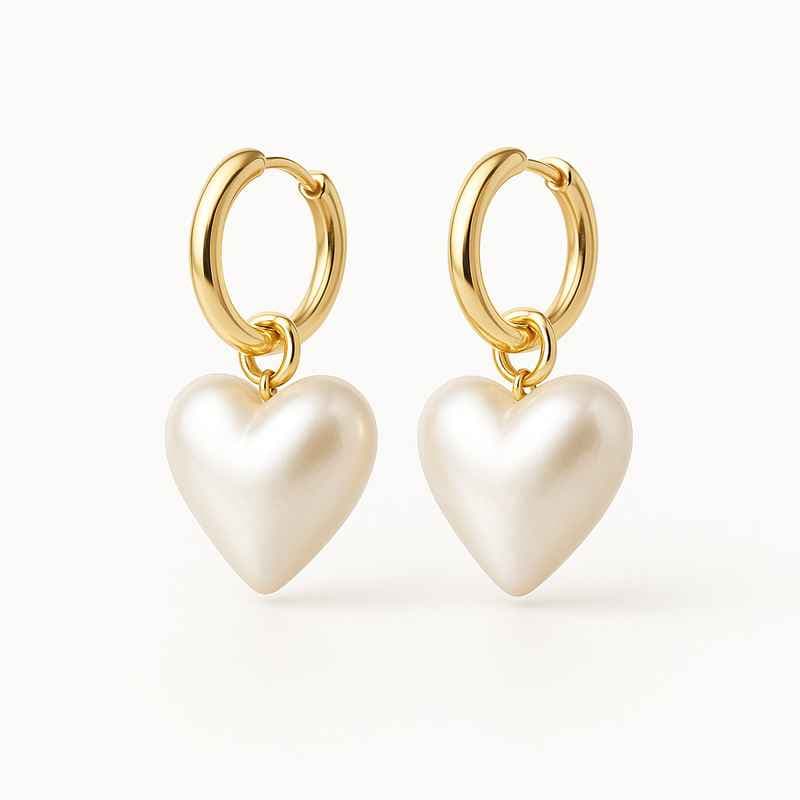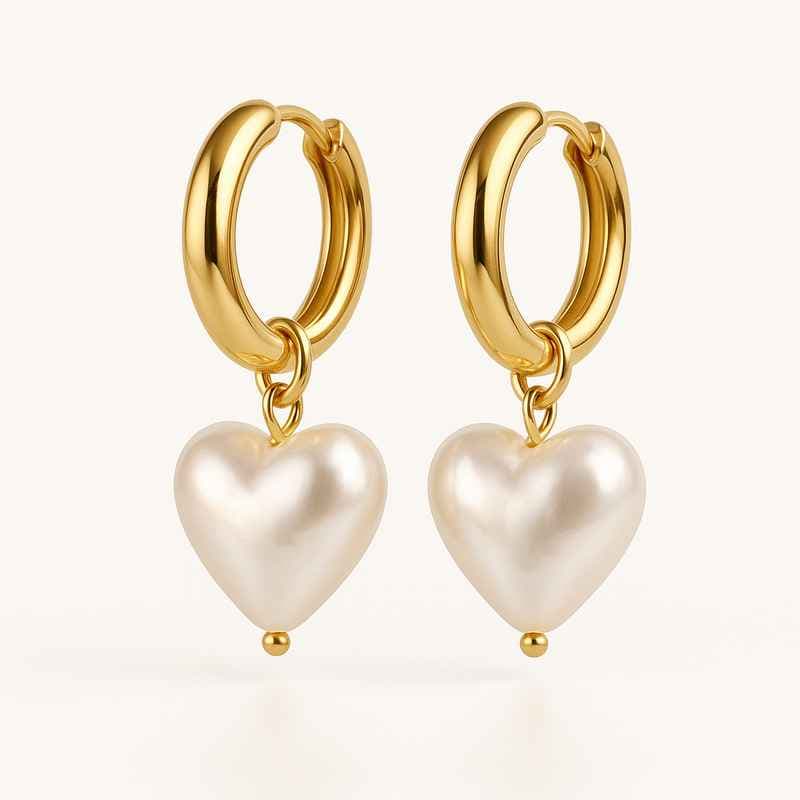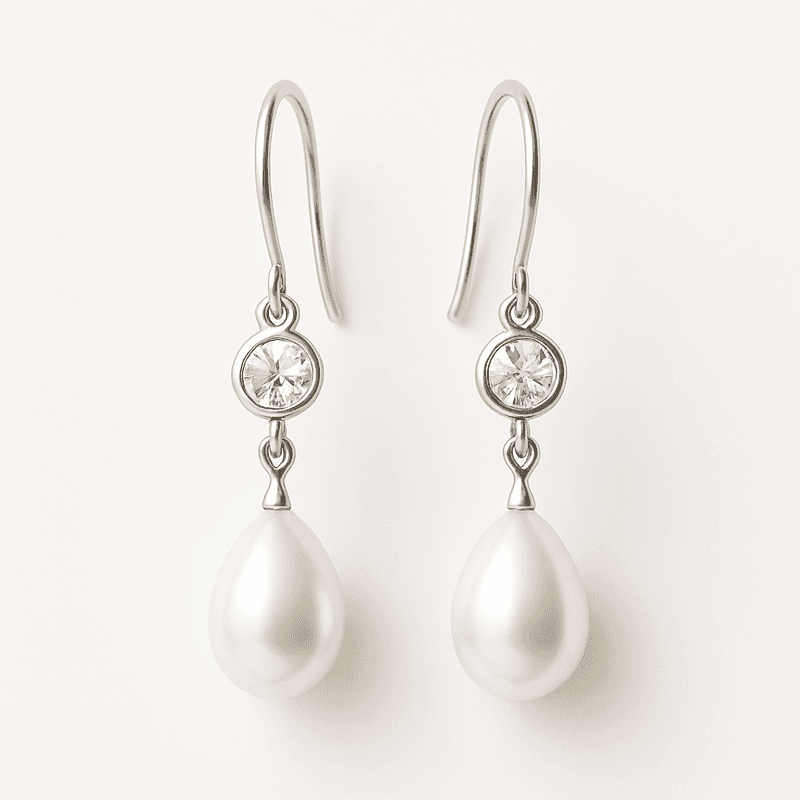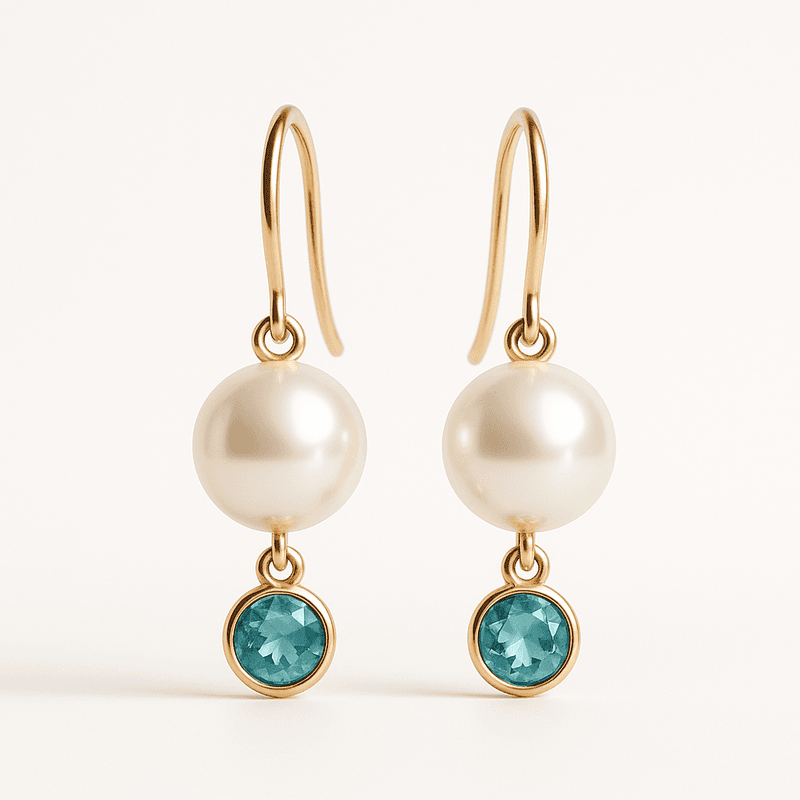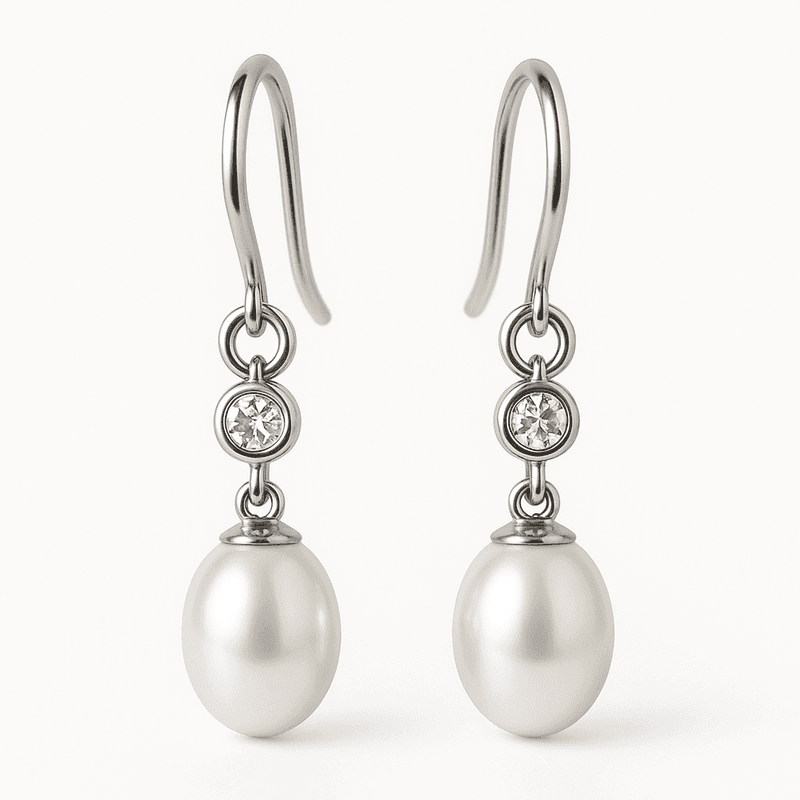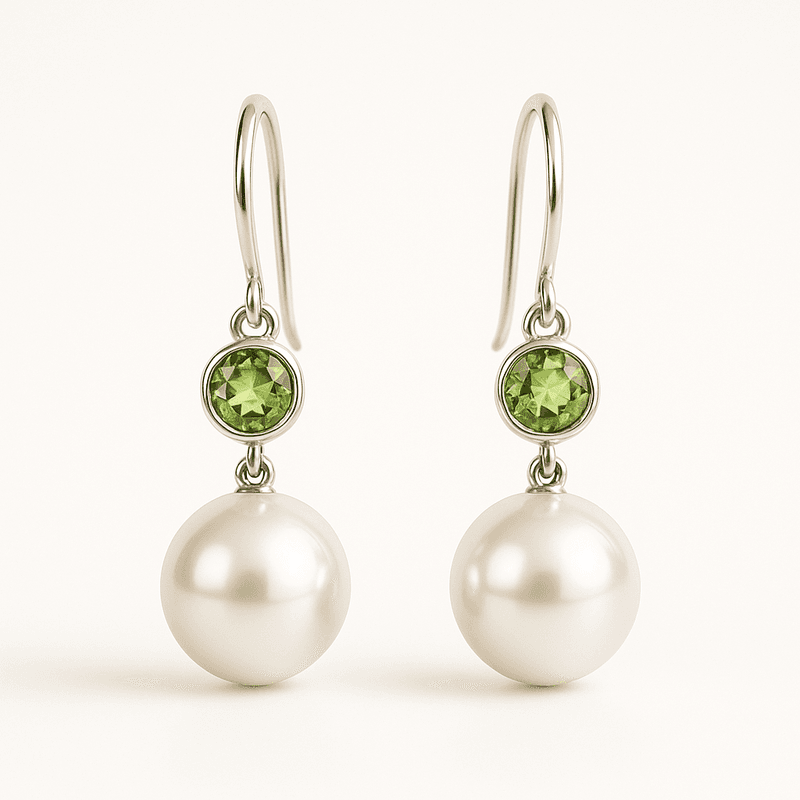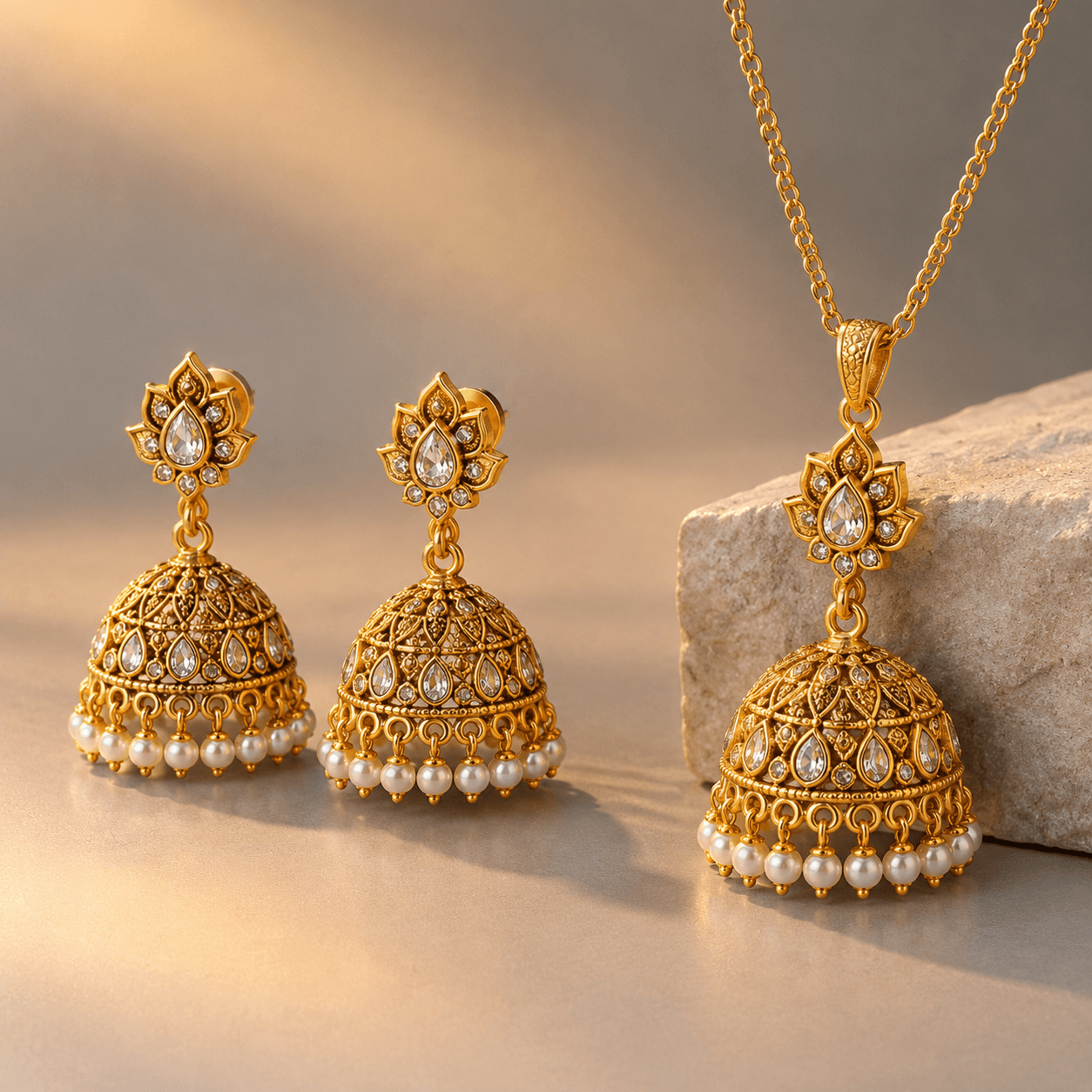
Indian dangle earrings can combine expressive ornament, layered drops, hoops, pearls, stones, and symbolic motifs with practical metal construction. For jewelry designers, importers, and private-label buyers, material selection affects more than appearance: it also influences component thickness, movement, attachment points, finishing, and sample approval.
This guide approaches Indian-inspired dangle earrings from an OEM/ODM product-development perspective. It explains how to specify 316L stainless steel, surface finishes, decorative elements, hardware, and connection details so a visual concept can be translated into a workable sample. Lefeng Jewelry's stated workflow includes OEM/ODM design development, sampling, CNC and laser processing, polishing, PVD/plating, enamel and stone setting, quality inspection, custom logo work, packaging, and export coordination.
How Material and Construction Shape Dangle Earrings
How Material and Construction Shape Dangle Earrings
For Indian dangle earrings, start specification work with the silhouette and intended movement rather than decoration alone. Long drops, layered pendants, hoops, and compact charms place different demands on thickness, connection points, and component clearance. A stainless steel base can be developed into structured drops and decorative components, while the final appearance depends on the selected finish and added materials.
Separate the specification into four practical areas: base material, component geometry, surface treatment, and decorative assembly. For example, a design may use stainless steel for the main body, PVD for a gold-tone surface, and pearl or zircon as a focal element. Each choice should be connected to a defined attachment method and visible finish so the sample can be evaluated against the original design intent.
For an OEM jewelry manufacturer, the useful question is whether these elements can be considered together during development. Lefeng Jewelry's stated workflow covers design development, sampling, processing, finishing, inspection, packaging, and export coordination, giving buyers a basis for discussing the product from concept through production preparation.
Why 316L Stainless Steel Fits Structured Dangle Designs
Why 316L Stainless Steel Fits Structured Dangle Designs
316L stainless steel is a practical material option for designers developing dangle earrings with defined profiles, loops, holes, and other processed components. The material choice should still be evaluated alongside the actual geometry. Thickness, edge treatment, hole placement, moving clearances, and the relationship between connected parts all influence the finished sample.
A useful OEM drawing therefore communicates more than a front-view image. Include approximate dimensions, component profiles, attachment points, post or hoop construction, decorative setting requirements, finish direction, and logo placement. If pearl, zircon, crystal, or enamel is included, identify its intended location and the desired setting or application area.
Where a buyer needs material documentation, test reports, or other compliance evidence, those requirements should be stated in the project specification and confirmed for the applicable product and market. The material designation itself should not be treated as proof of a separate certification or test result.
PVD Coating, Polishing, and Decorative Finishes
PVD Coating, Polishing, and Decorative Finishes
The finish establishes much of the visible character of a dangle earring. Polishing can emphasize smooth contours, while PVD coating can create specified gold-tone or rose-gold-tone appearances on stainless steel. A technical brief should state which components and surfaces require the finish, especially where a design combines polished, recessed, engraved, or intentionally contrasting areas.
Decorative elements should also be specified as part of the construction. Pearl, zircon, and crystal need an appropriate setting or attachment approach, while enamel needs a defined application area and clean boundaries. During sample approval, inspect these transitions on the physical piece rather than judging the finish only from a rendering.
For private label jewelry, the approved finish should be considered together with logo placement and packaging presentation. These details can be finalized during sample development so the product specification and brand presentation are aligned before production discussions proceed.
Movement, Connections, and Earring Hardware
Movement, Connections, and Earring Hardware
The defining feature of a dangle earring is movement, making the connection between components a key design and manufacturing consideration. Map the transition from the ear-worn hardware to each decorative drop and specify whether each component is fixed or intended to move independently.
Posts, hoops, backings, jump rings, bails, side loops, and drilled holes should each have a clear function. During physical sample review, check pair balance, closure function, component clearance, attachment integrity, and the cleanliness of connection points. For chain-based designs, verify that the chain passes through the intended loop or bail and that closure hardware is located at the appropriate end.
These checks help an ODM jewelry supplier translate a visual concept into a manufacturable structure without changing the core design direction. Sampling and processing capabilities can then be used to resolve construction details before the production specification is finalized.
OEM Sample Development: From Concept to Approved Sample
OEM Sample Development: From Concept to Approved Sample
Effective jewelry sample development begins with a concise technical brief. Include the earring silhouette, target dimensions, base material, finish, decorative materials, hardware, attachment method, logo requirements, and packaging direction. Marked-up drawings are particularly useful when they distinguish polished, coated, engraved, enameled, or uncoated areas.
Review the first physical sample against the design brief. Check silhouette and scale first, then component alignment, movement, edge quality, finish appearance, and decorative placement. A pearl drop should be checked at its connection point; a hoop should be reviewed for continuity and closure; and a logo should be assessed for location and legibility on the actual component.
Once the design is approved, consolidate the confirmed details into the production and inspection specification. Buyers can also review Lefeng Jewelry's OEM/ODM manufacturing services and new stainless steel jewelry designs when evaluating related collection concepts.
Quality Control Checkpoints for Dangle Earrings
Quality Control Checkpoints for Dangle Earrings
Quality control should mirror the product's construction. Confirm the specified material and component dimensions, then inspect cut or machined edges, hole and loop positioning, polishing, and the relationship between connected parts. For PVD or plated designs, compare the finish with the approved sample and confirmed specification.
Final assembly inspection should cover posts, backings, hoops, jump rings, settings, and decorative components. Review the earrings as complete pairs and check that moving parts have appropriate clearance. Where pearl, zircon, or crystal is used, inspect placement, alignment, and retention. Packaging should then be checked against the agreed private-label requirements.
Lefeng Jewelry states that its workflow includes sampling and quality inspection. Any buyer-required certificates, laboratory documents, or compliance evidence should be handled as project-specific documentation and confirmed against the applicable material, product, and destination-market requirements.
Specifications for Wholesale and Private Label
Specifications for Wholesale and Private Label
For wholesale stainless steel jewelry, a clear RFQ helps the supplier quote and sample the actual product rather than a broad product category. For dangle earrings, specify the preferred material, dimensions, finish, decorative components, earring hardware, logo placement, packaging format, and expected order structure.
MOQ and pricing should be confirmed for the specific project. Construction, material, finishing, decorative setting, packaging, and order requirements can all affect the commercial quotation. Providing several related designs in one brief can also make it easier to identify shared materials and finishing requirements across a collection.
For a new collection, Lefeng Jewelry can support concept-to-sample development through its stated OEM/ODM workflow. Buyers can explore the stainless steel earrings collection for related product references and use the RFQ and sales inquiry page when the specification is ready for a sourcing discussion.
FAQs About Indian Dangle Earring Materials and OEM Development
Start Your Indian Dangle Earring OEM/ODM Development
Start Your Indian Dangle Earring OEM/ODM Development
If you are sourcing Indian-inspired dangle earrings for a private-label, boutique, or wholesale collection, send an RFQ with enough detail to evaluate the actual construction. Include the preferred material, target dimensions, finish such as a PVD gold or rose-gold tone, pearl/zircon/crystal details where applicable, hardware, logo placement, packaging requirements, target market, and reference drawings.
If the design is still being developed, describe the intended silhouette, decorative direction, and commercial positioning rather than sending only a product name. Lefeng Jewelry states that its OEM/ODM workflow includes design development, sampling, CNC and laser processing, polishing, finishing, quality inspection, custom logo work, packaging, and export coordination.
A useful RFQ should include: product drawings or marked-up images, material preference, dimensions, finish, decorative details, hardware requirements, logo specifications, packaging requirements, target market, and expected order quantity. Clear inputs make sample review more productive and give both sides a clearer basis for discussing manufacturability and commercial requirements.
Related resources
Related resources
- How to Clean a 316L Stainless Steel Heart Charm: Care Guide for Jewelry Designers
- Stainless Steel Earrings
- Lefeng Jewelry - OEM/ODM Stainless Steel Jewelry Manufacturer
- Why Is Stainless Steel Heart Charm Waterproof? 316L Guide
- Best Stainless Steel Heart Charm Ideas: A Buyer's Design Guide
- Stainless steel jewelry gift ideas: Retail design trends guide
- Dashboard
- My account
- Shop
- Download