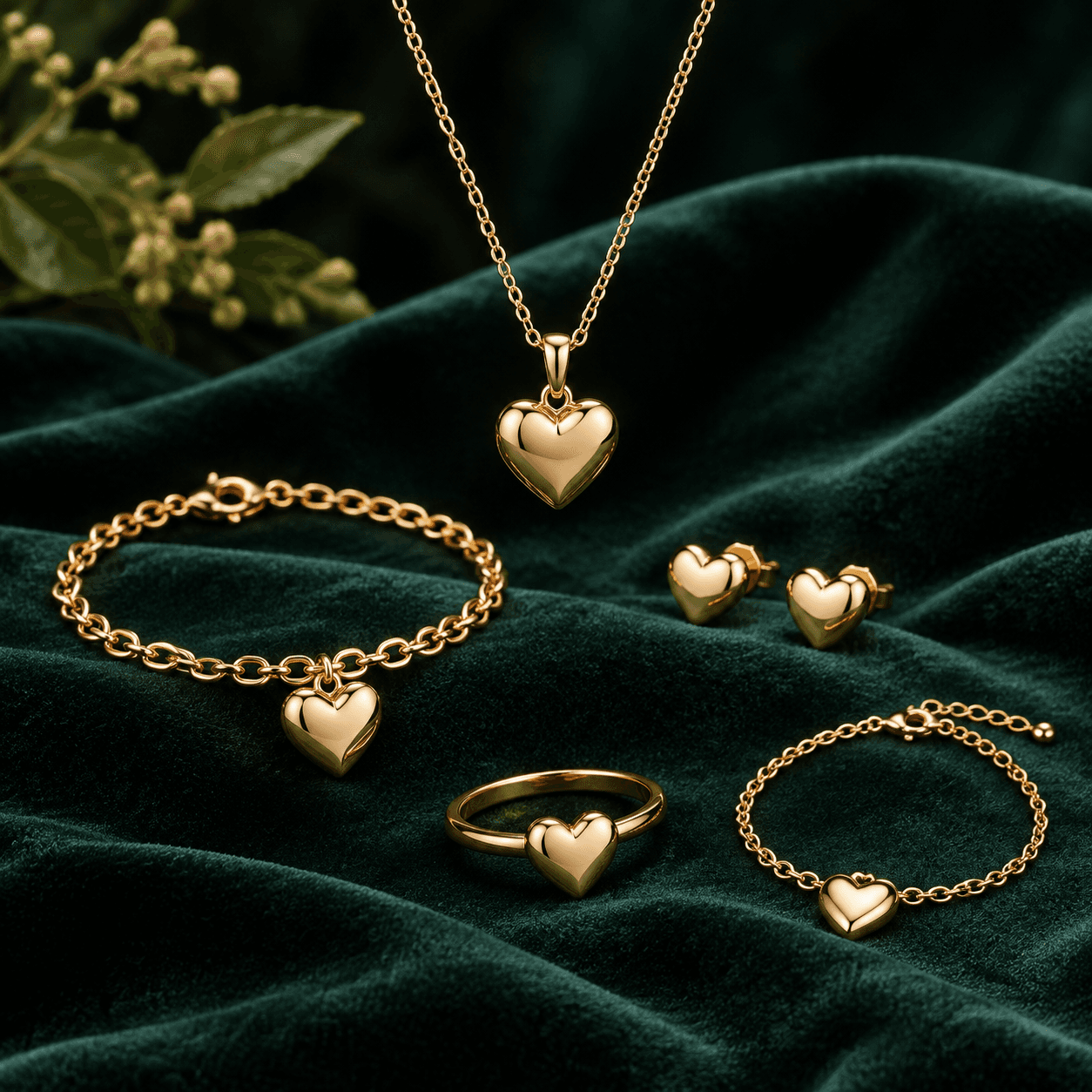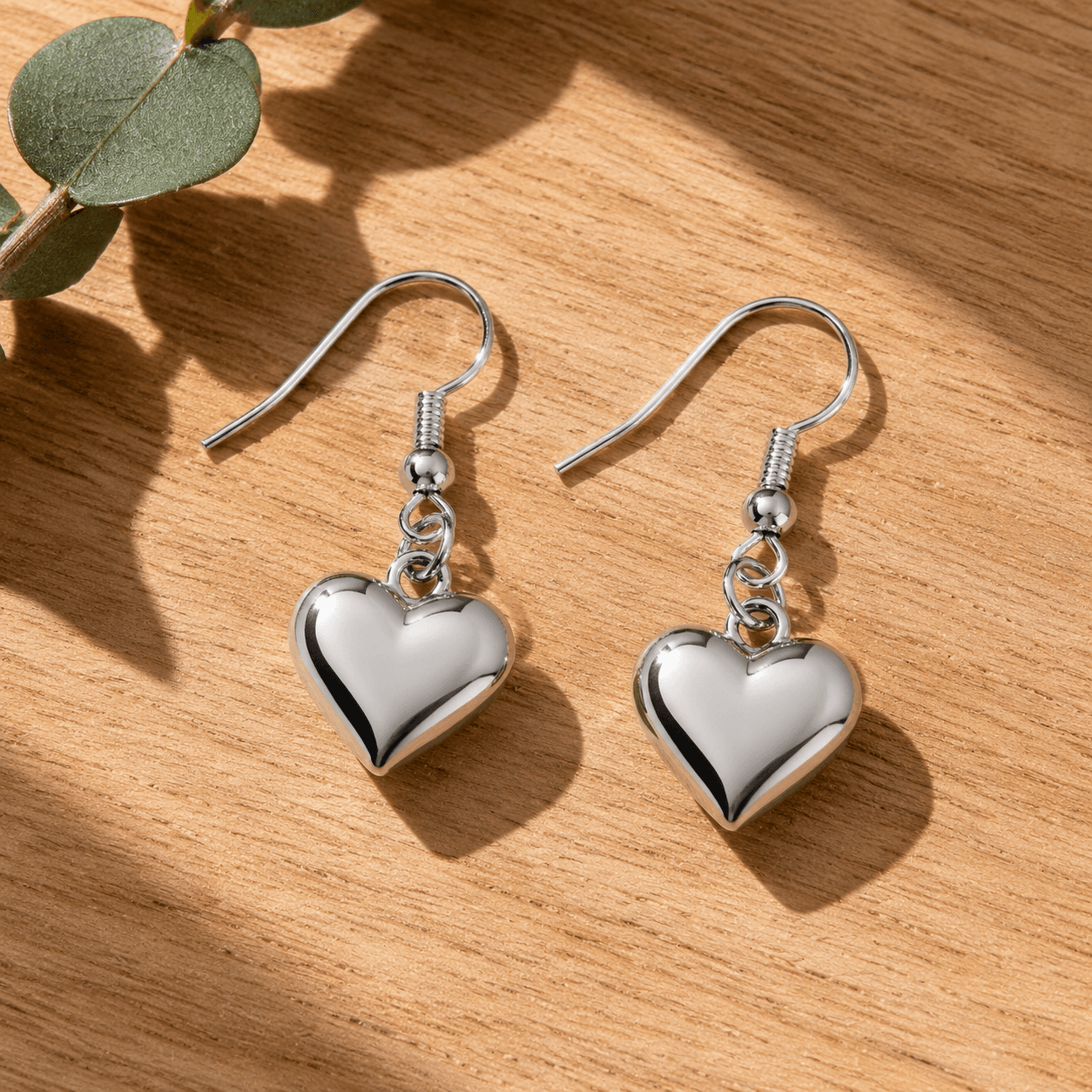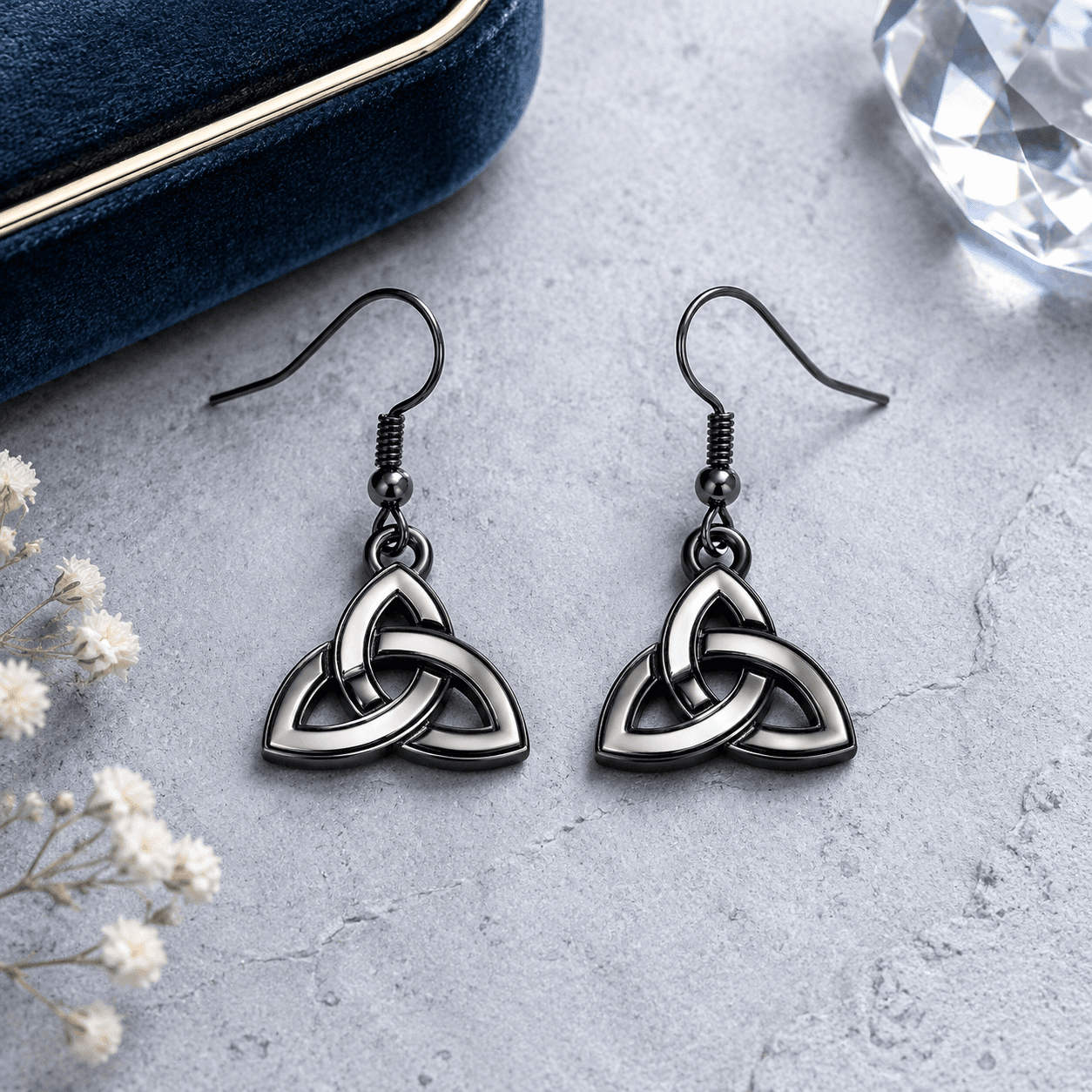
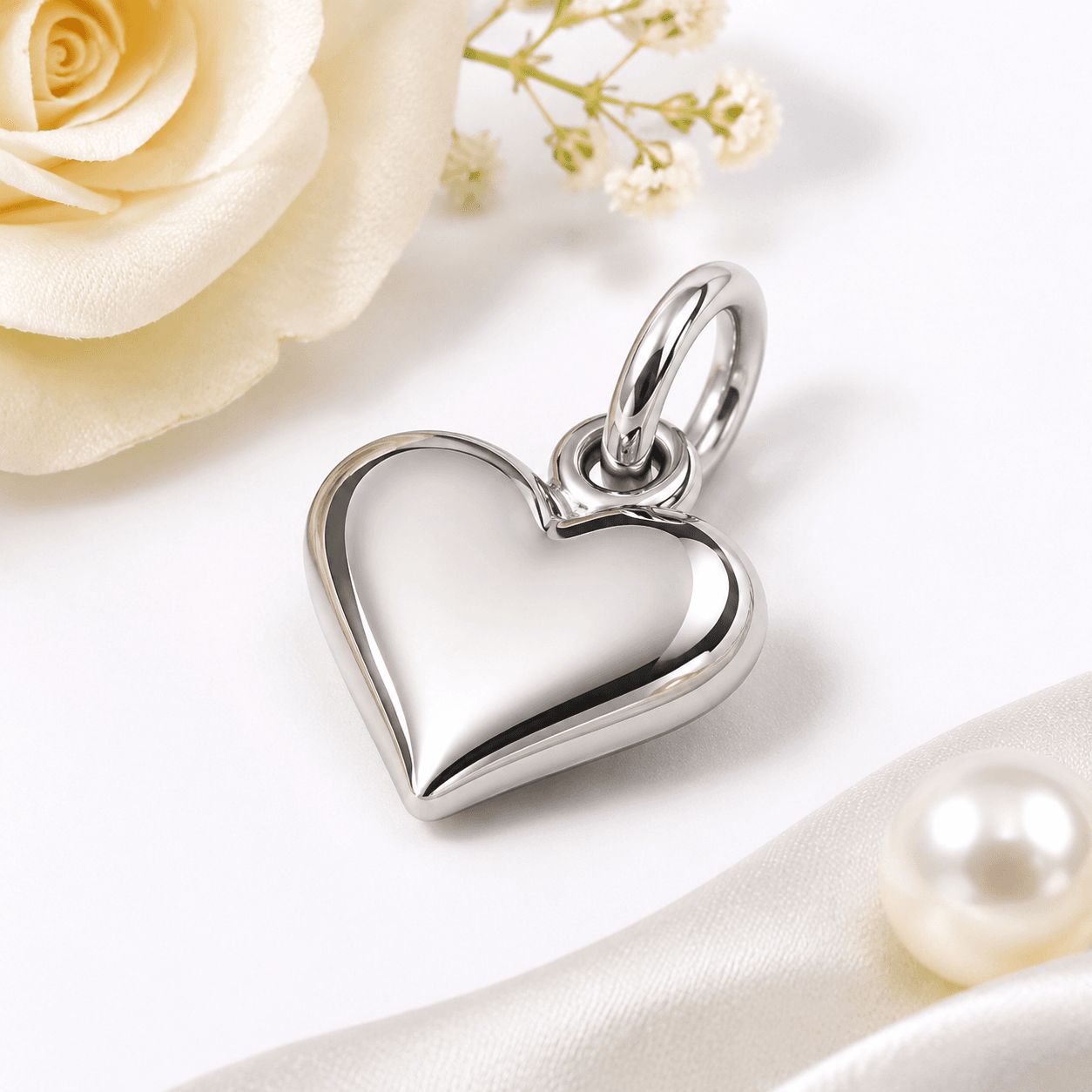
Cleaning guidance for stainless steel heart charms depends on the product’s material, finish, and decorative details. For OEM/ODM buyers and e-commerce sellers, confirming those specifications before writing care instructions can help prevent avoidable finish damage and customer confusion.
This guide covers gentle cleaning, finish-related precautions, incoming inspection, and the product details to confirm with a supplier before placing a wholesale or private-label order. Follow the care instructions approved for the specific product; not every method is suitable for every construction.
How to clean stainless steel heart charms
For routine care, first try a clean, soft cloth. If more cleaning is needed, use a cloth lightly dampened with lukewarm water and, where permitted by the product specification, a small amount of mild soap.
- Inspect the charm for visible damage or loose decorative components.
- Gently wipe away fingerprints and surface residue. Avoid vigorous rubbing.
- If the approved care method permits, wipe with a cloth lightly dampened with mild soapy water.
- Remove soap residue with a separate clean, lightly dampened cloth.
- Dry the charm thoroughly with a soft, lint-free cloth, including recessed areas and attachment points.
- Let it dry completely before storing or packaging it.
Avoid abrasive pads, rough brushes, polishing compounds, and harsh chemical cleaners unless the supplier has confirmed they are suitable for the complete product. Do not assume that immersion, ultrasonic cleaning, or other mechanical cleaning is appropriate, particularly for charms with enamel, crystals, pearls, or attached components.
Confirm the material and finish before publishing care instructions
Record the specified stainless steel grade and the actual surface finish, such as polished steel, PVD-treated color, or electroplating. Also note decorative elements, attachment methods, and any product-specific care limits. The base material alone does not determine the appropriate cleaning method.
For colored finishes, cleaning may remove residue, but it cannot restore a finish that has worn away or resolve a manufacturing variation. Abrasive polishing may change the appearance. If a color difference remains after approved cleaning, compare the item with the approved sample under consistent lighting and document the issue for supplier review.
During sampling, ask the manufacturer to confirm the finish description, care guidance, and visible appearance criteria. Keep the approved sample or an agreed reference as a comparison point for production inspection.
Common appearance issues and buyer responses
- Dull appearance: Fingerprints, dust, or residue may affect the surface’s appearance. Try the approved gentle cleaning method. If the dullness remains, request a review rather than polishing more aggressively.
- Water spots: Remaining moisture or mineral residue may leave marks. Dry the charm promptly and thoroughly after approved cleaning.
- Scratches: Contact with other jewelry or abrasive cleaning tools may cause visible marks. Stop using abrasive materials, document the condition, and compare it with the approved sample.
- Uneven color: Lighting, surface residue, or a finish variation may affect how color appears. Clean only as approved, then compare under consistent lighting. Cleaning cannot correct a finish defect.
- Decorative details: Use the confirmed method for the complete product construction. Ask the supplier before using immersion or mechanical cleaning.
If a shipment appears different from its approved sample, photograph the items before cleaning. Record whether the concern is removable residue, scratches, packaging marks, or a finish difference, and share the documentation with the supplier.
Sampling, inspection, and packaging considerations
Use sample approval to document the heart charm’s shape, surface appearance, attachment points, decorative components, and finish. Agree on observable inspection criteria, such as visible surface marks and consistency with the approved reference. Avoid relying only on broad descriptions such as “premium quality.”
Review how finished charms will be handled and packed. Individual protection and separation between components may help reduce contact during storage and shipping. Confirm the packaging configuration during sample approval, and establish who is responsible for final inspection and customer-facing care information.
Care information for product listings
Keep customer instructions brief and consistent with the confirmed product specification. A starting point for review might be:
Gently wipe with a soft, clean cloth. If suitable for this product’s finish and decorative components, clean with mild soapy water and dry thoroughly. Avoid abrasive tools and unapproved chemical cleaners. Follow any product-specific care instructions.
Adapt this wording for each product’s material, finish, and construction before publishing it. For US and Canadian sales, review applicable labeling, advertising, and importer requirements before making material or performance claims. Avoid claims that lack an appropriate basis.
Questions to ask an OEM/ODM jewelry supplier
- What base material and grade are specified for this charm?
- What surface finish and decorative components are included?
- What cleaning method is approved for the complete product?
- Which visible appearance criteria will be used for sample approval and production inspection?
- How will the charms be separated and protected during packing?
- Can the agreed specifications and care instructions be provided for product documentation?
Confirm these details before bulk production so that sampling, inspection, packaging, and customer guidance are based on the same product specification.