At Lefeng Jewelry, we understand that the true backbone of any exquisite piece lies in its individual jewelry parts. From the sleek curves of a lobster clasp to the precision-cut edges of a chain link, each component plays a vital role in the overall look, durability, and manufacturing feasibility of your final design. As a leading OEM jewelry manufacturer with over 15 years of experience, we offer a one-stop solution for custom parts development, sample creation, quality control, and private label packaging. Whether you’re launching a new boutique line or scaling up wholesale stainless steel jewelry production, mastering the basics of jewelry parts is key to success.
What Are Jewelry Parts?
Definition and Key Components of Jewelry Parts
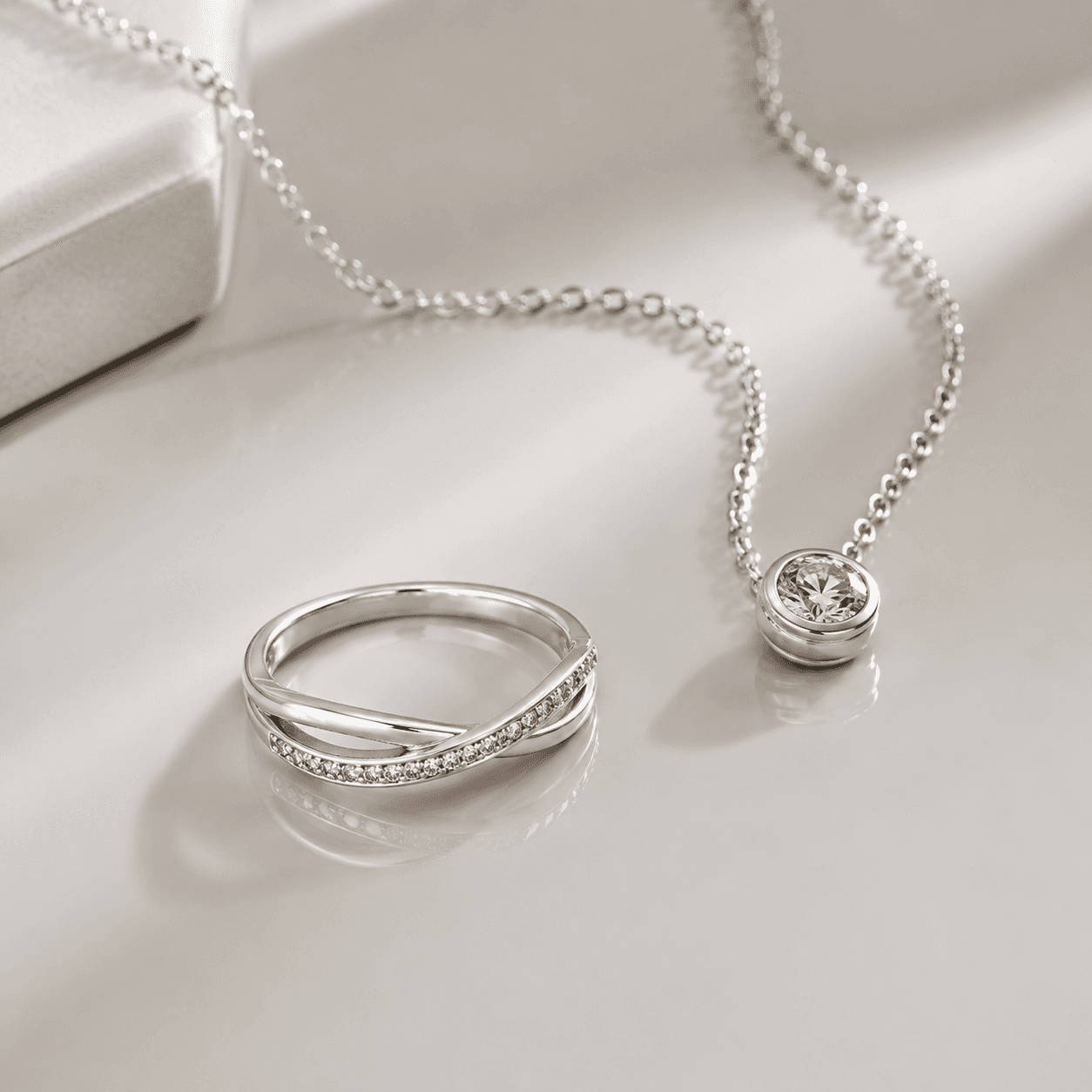
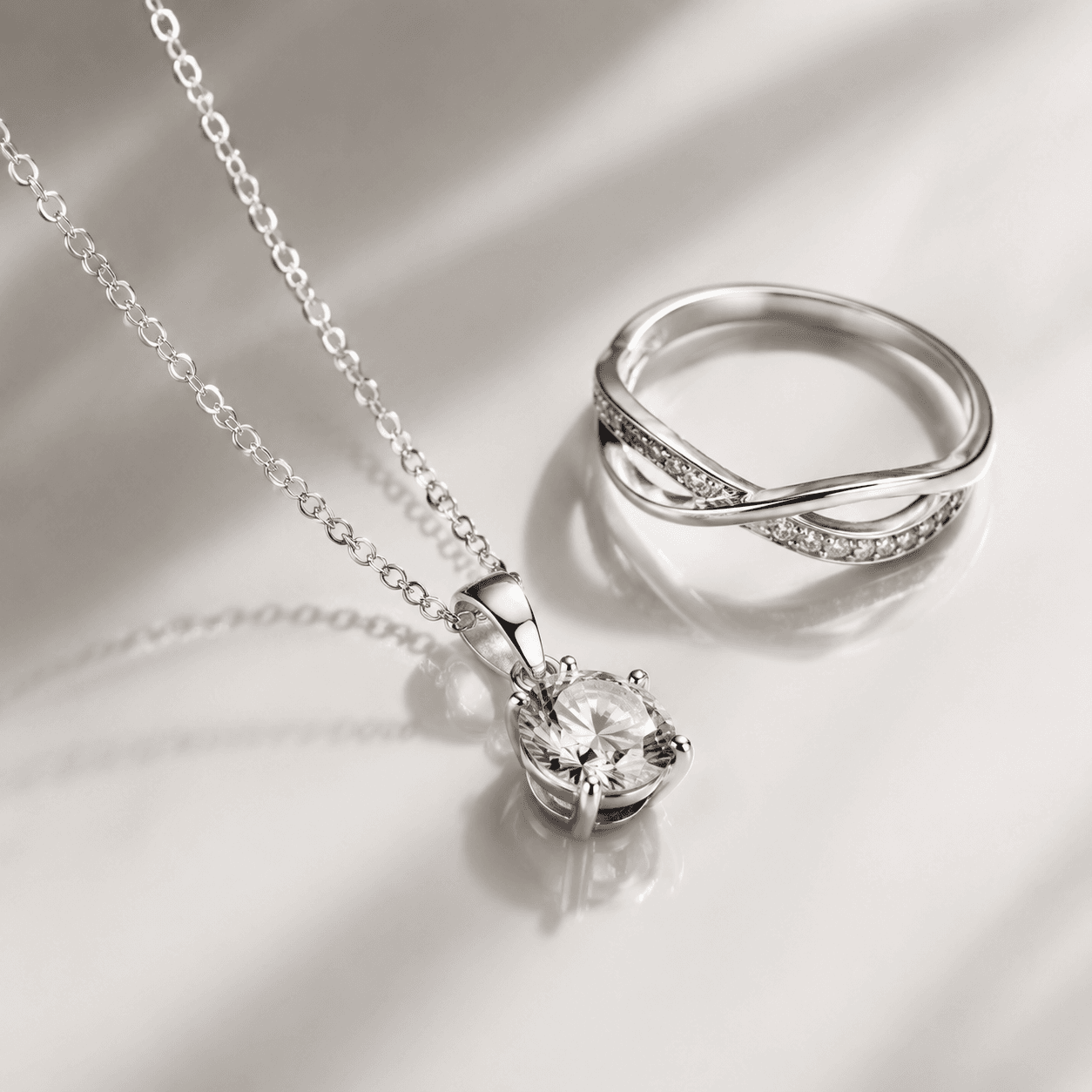
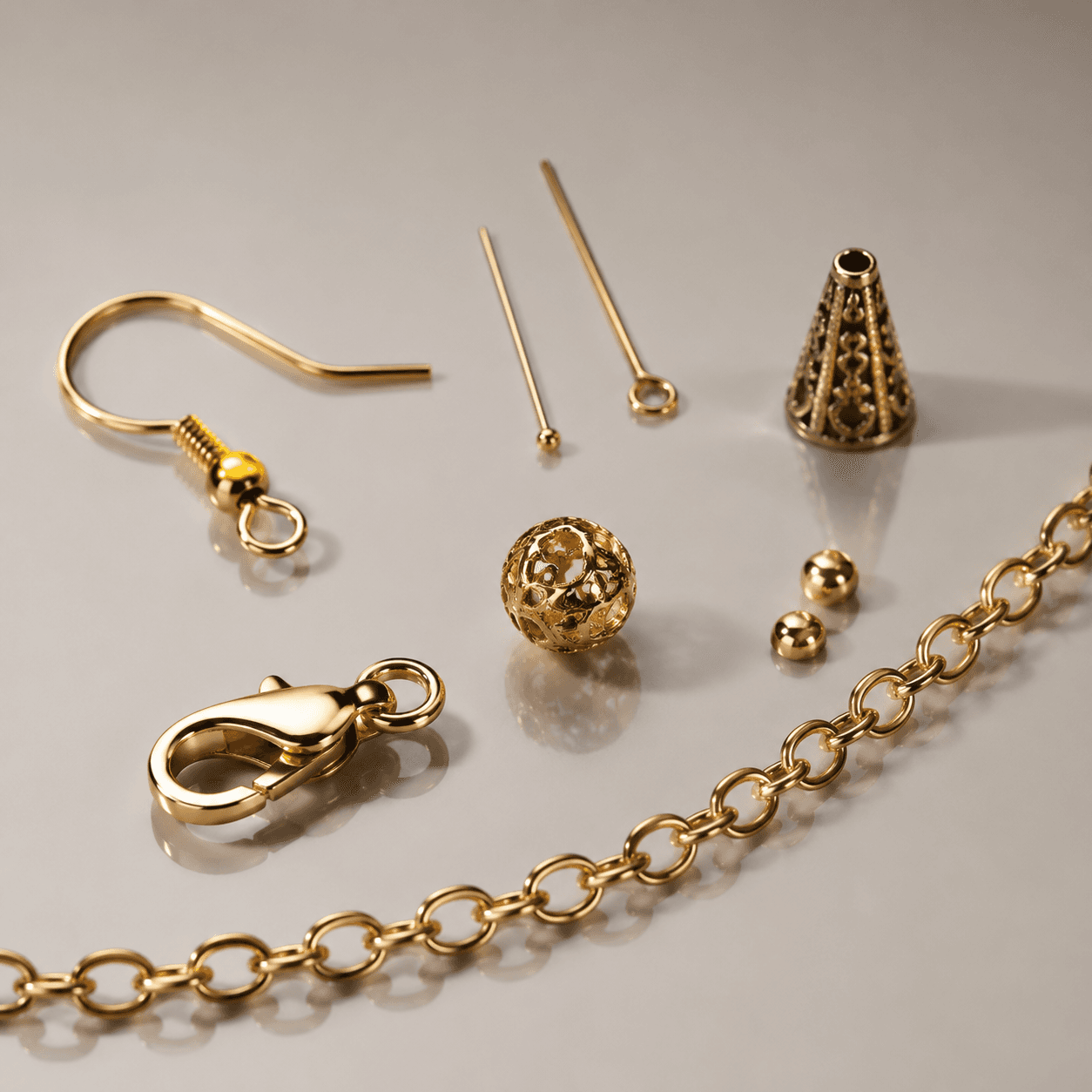
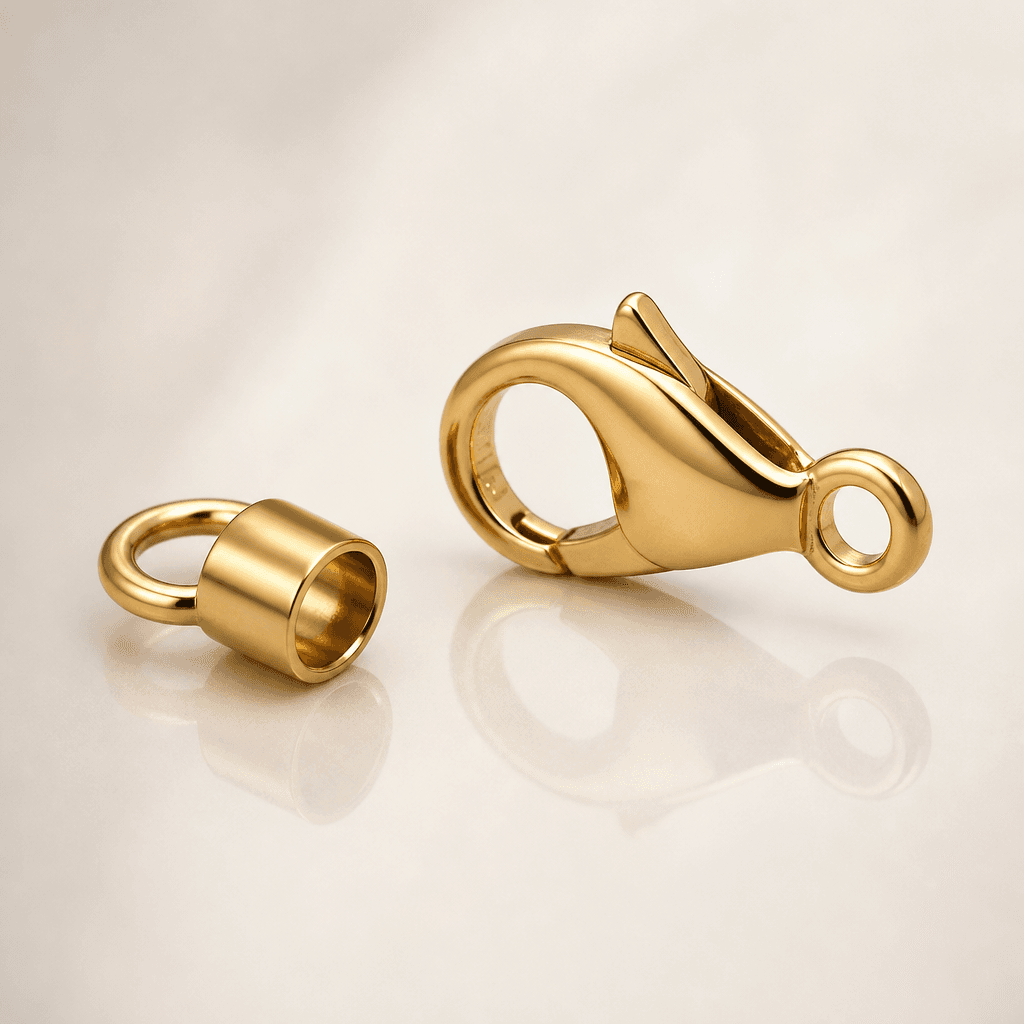
In the world of jewelry manufacturing, “jewelry parts” refer to the individual components used to assemble necklaces, bracelets, earrings, rings, and charms. Common parts include clasps (lobster clasps, spring ring clasps), chains (cable, rolo, paperclip), connectors, jump rings, bails, studs, and decorative elements such as pendants and bezels. Each part is engineered to precise dimensions to ensure seamless assembly and consistent performance.
Behind every part, there is a complex process: from CAD-assisted design and mold development to fiber laser cutting, CNC engraving, and manual polishing. With our in-house factory, real-time adjustments during casting and stamping guarantee parts that align perfectly with your brand’s specifications.
Common Materials Used in Jewelry Parts
Material selection is critical for both aesthetics and functionality. Our factory specializes in:
- 316L stainless steel: Hypoallergenic, corrosion-resistant, and ideal for everyday wear
- 304 stainless steel: Cost-effective with good mechanical properties
- 925 sterling silver: Premium finish for high-end collections
- Copper and zinc alloy: Versatile base metals for PVD gold plating and rose gold plating
- Enamel, zircon, crystal, and pearl inlays: For added color and luxury effect
Choosing the right material impacts plating adhesion, soldering integrity, and long-term durability. At Lefeng Jewelry, we maintain strict control over material composition via XRF testing and periodic nickel release checks.
Role of Parts in Design Flexibility
By selecting modular components like interchangeable charms and extendable chains, designers can create versatile collections that adapt to seasonal trends and consumer preferences. Modular parts reduce design time and tooling costs. With Lefeng Jewelry’s in-house mold library and quick-change tooling, adding new elements or adjusting existing part geometries becomes a seamless process. This agility enables brands to respond rapidly to market feedback and maintain fresh assortments with minimal investment in new molds.
Why It Matters: Benefits of Quality Jewelry Parts
Enhanced Durability and Compliance
High-grade parts ensure end products can withstand daily wear and environmental stress. By choosing SGS certified components tested for RoHS, REACH/SVHC compliance, nickel release (EN1811), and salt spray resistance (240H), you minimize the risk of tarnishing, metal fatigue, and customer complaints. Our rigorous QC process includes coating thickness measurements and adhesion tests to guarantee every batch meets these industry benchmarks.
Streamlined OEM/ODM Production
Reliable parts simplify the manufacturing workflow. With turnkey services—including sample development, mold design, casting, stamping, PVD plating, and stone setting—Lefeng Jewelry helps you reduce lead times and optimize production costs. Our efficient sample turnaround (3–7 days for basic parts) and flexible MOQ support allow brands of all sizes to test new designs without hefty upfront investment.
Brand Reputation and Private Label Success
Exceptional components contribute to premium product perception. Wholesale stainless steel jewelry buyers and private label retailers benefit from consistent part quality, customizable finishes, and bespoke logo engraving options. A flawless assembly not only improves customer satisfaction but also reinforces your brand’s authority in competitive markets such as the US, EU, and UK.
Competitive Advantage in Market Expansion
Strategic selection of jewelry parts empowers brands to enter new markets with confidence. Offering hypoallergenic metal options, customizable plating colors, and trend-responsive elements (e.g., charms for gift programs) positions your collection for higher conversion rates and repeat orders.
Cost Efficiency and Waste Reduction
By standardizing components and using batch production, brands can achieve economies of scale and lower per-unit costs. Consistent part sizes reduce material waste and minimize scrap rates. Automated stamping and laser cutting optimize yield. Partnering with a single supplier for multiple part types—clasps, chains, and connectors—streamlines logistics and reduces air freight volume. These efficiencies translate into cost savings that can be reinvested in marketing or R&D.
Step-by-Step Guide to Selecting and Sourcing Jewelry Parts
Step 1: Identify Your Design Requirements
Begin by defining the aesthetic, functional, and budgetary criteria for your collection. Create mood boards, outline target demographics, and finalize design sketches. Clearly specifying part dimensions, finishes, and connection methods ensures efficient communication with your manufacturer and speeds up sample development.
Step 2: Select the Right Materials and Finishes
Match materials to your brand positioning. For hypoallergenic and corrosion-free pieces, choose 316L stainless steel with PVD gold or rose gold plating. Specify plating thickness (0.2–0.5 microns) for optimal wear resistance. For luxury assortments, integrate 925 sterling silver and embellish with zircon or real pearl inlays.
Step 3: Partner with an OEM Jewelry Manufacturer
Collaborate with a factory-direct supplier that offers in-house capabilities. Evaluate potential partners based on:
- Certifications and test reports (SGS RoHS, REACH, EN1811 Nickel Release)
- Turnkey services from design to export-ready delivery
- Transparent lead times, MOQ policy, and competitive pricing
Lefeng Jewelry’s team coordinates every step from mold development to final inspection, ensuring seamless integration of your chosen parts into finished jewelry assemblies.
Step 4: Scale Production and Manage Inventory
Once samples are approved, plan your production schedule. Establish reorder triggers and buffer stock levels to avoid stockouts. Leveraging batch production techniques and just-in-time shipments optimizes cash flow and warehouse space.
Best Practices for Inventory Control
- Use SKU-level tracking for each part type
- Align reorder points with seasonal demand forecasts
- Implement regular QC audits and maintain traceability records
Step 5: Plan Logistics and Compliance
After production, proper packaging and documentation ensure smooth customs clearance and product safety. Select export-ready boxing with protective inserts and branding options for private label shipments. Include detailed packing lists, material certificates, and test reports (RoHS, REACH). Work with carriers experienced in jewelry logistics to manage shipping insurance and tracking. This meticulous approach prevents delays and maintains supply chain transparency across the US, EU, UK, Australia, and Canada.
Frequently Asked Questions
What are the most common materials for jewelry parts?
The most popular materials include 316L stainless steel for its hypoallergenic and corrosion-resistant properties, 925 sterling silver for a premium finish, and copper or zinc alloys as cost-effective bases for PVD plating. Each material choice impacts plating adhesion and long-term performance.
How do SGS certifications benefit my supply chain?
SGS certifications like RoHS and REACH ensure parts comply with global safety standards, reducing compliance risks and potential custom delays. Nickel release and salt spray tests enhance consumer trust by validating hypoallergenic and corrosion-resistant performance.
What is the typical MOQ for custom parts?
MOQ varies by design complexity and material. At Lefeng Jewelry, we support low MOQ options—starting from 50–100 pieces for sample runs—and scalable bulk production for orders of 1,000+ units, enabling both emerging brands and established wholesalers to optimize costs.
How does the sample development process work?
After design approval, we produce a prototype using CNC machining or die casting. The sample undergoes PVD plating, stone setting, and manual polishing. Following an internal QC review, you receive detailed inspection reports and annotated photos for final confirmation.
Partner With Lefeng Jewelry
Ready to elevate your collection with precision-engineered jewelry parts? Partner with Lefeng Jewelry for free samples, custom OEM/ODM solutions, and competitive pricing with flexible MOQ. Our dedicated team guarantees fast sampling, robust quality control, and secure export processes. Contact us today or build your quote list to start your project. Discover our full suite of OEM ODM Services and explore new stainless steel designs at New Design.