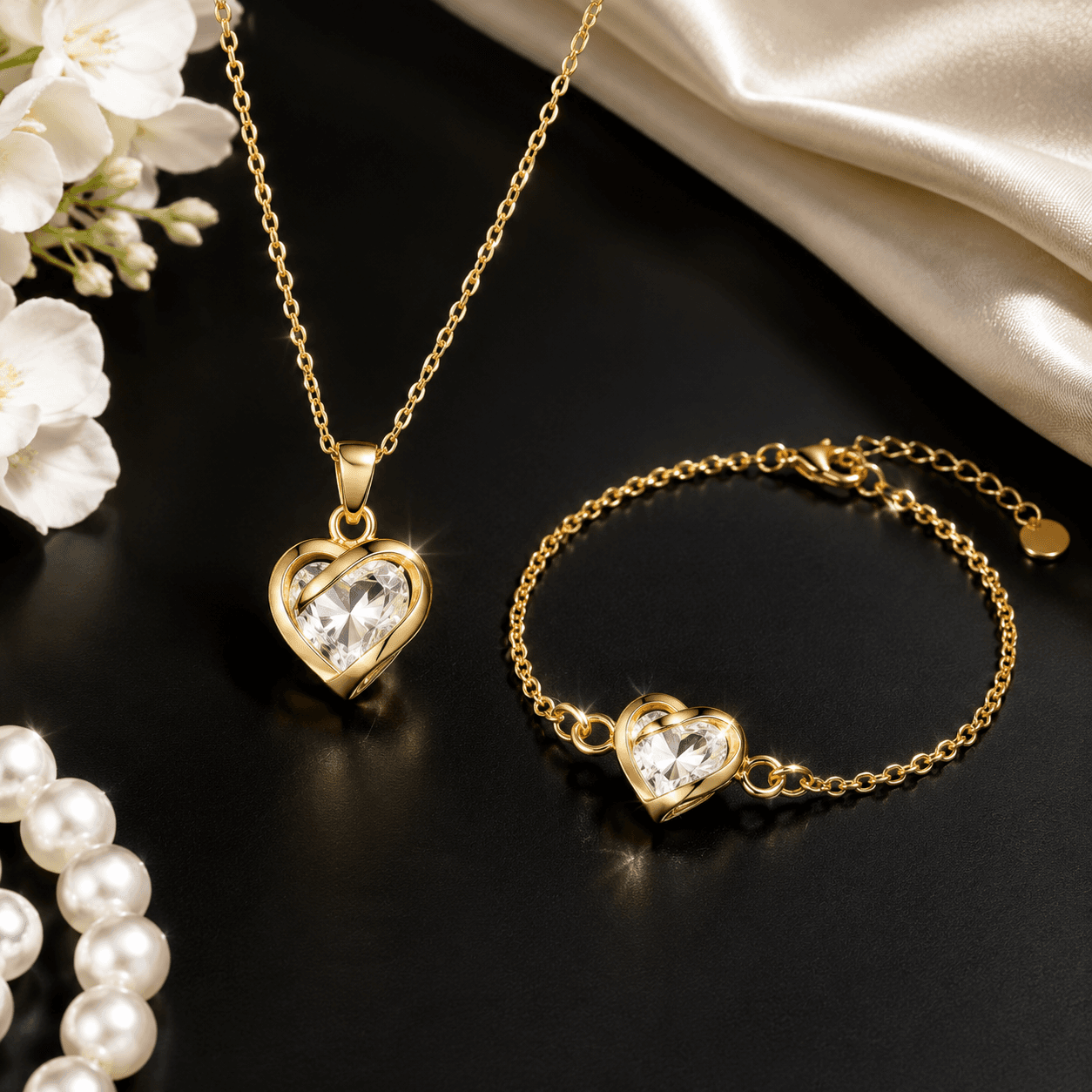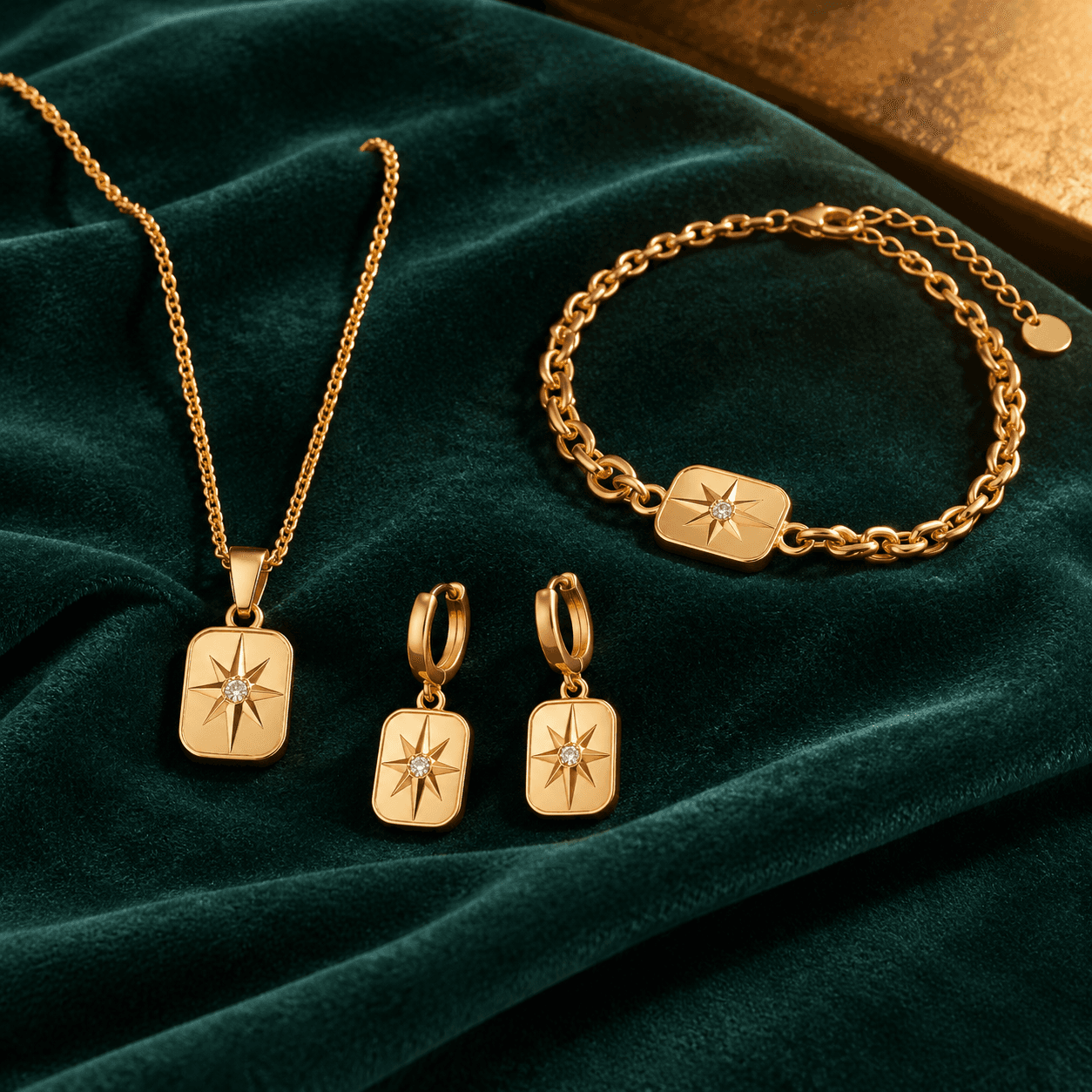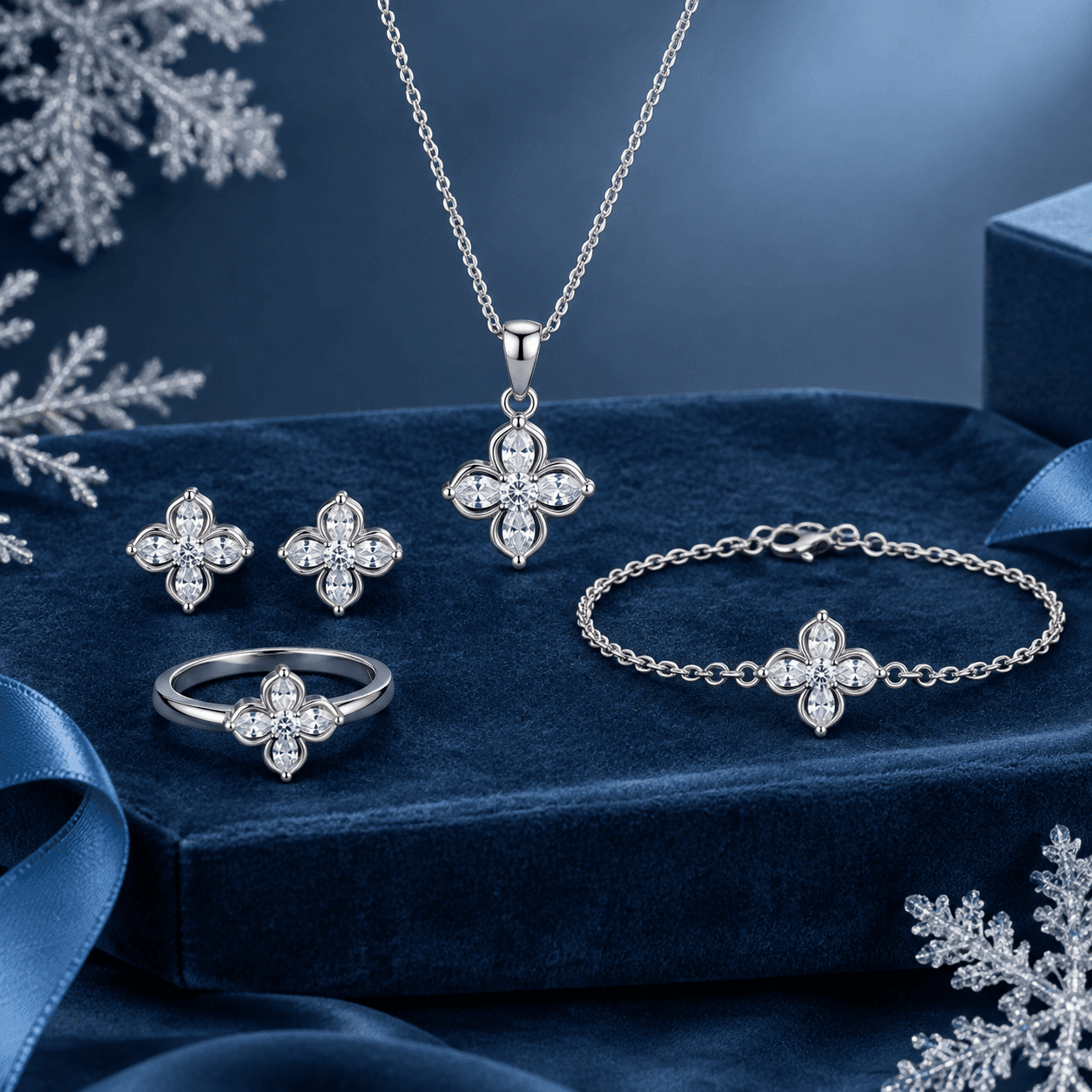
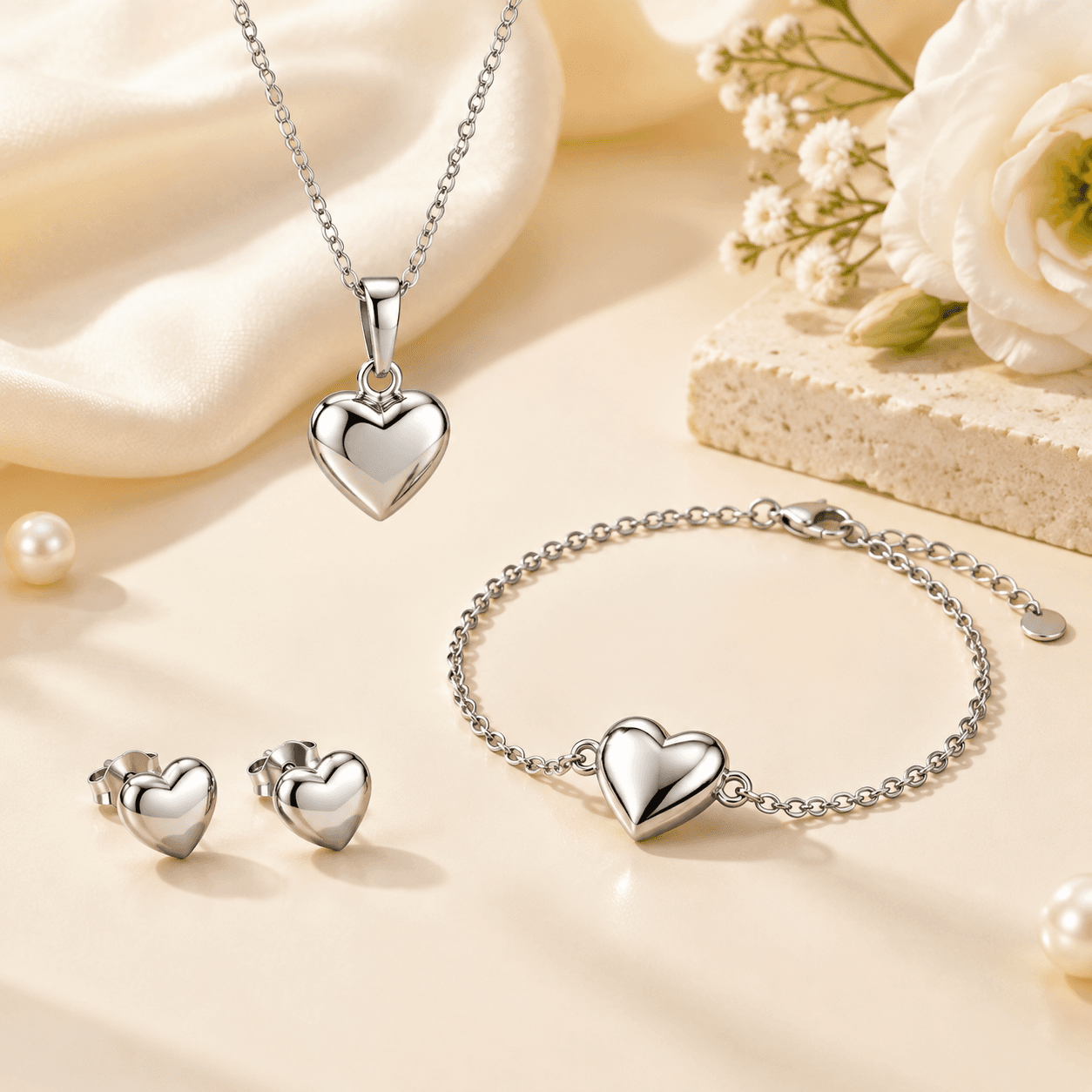
For B2B jewelry buyers, a stainless steel heart charm is more than a decorative component. Its material grade, surface preparation, finish color, and edge quality all influence how the finished piece looks and how consistently it can be reproduced across a collection.
This guide compares physical vapor deposition (PVD), electroplating, and mechanical polishing from an OEM/ODM sourcing perspective. It also explains how to prepare a finish specification, approve production samples, establish inspection criteria, and submit a more complete request for quotation (RFQ).
1. Start With Material, Surface Preparation, and Appearance
Before choosing a finish, define three elements: the stainless steel grade, the required surface texture, and the final color or decorative treatment. These details give a manufacturer a clearer basis for assessing feasibility, preparing samples, and quoting the project.
316L vs. 304 Stainless Steel
Both 316L and 304 stainless steel are used in jewelry components. Their properties differ, so buyers should specify the intended grade rather than relying on color, shine, or a product description alone. Request material confirmation and any documentation required for the target market or product claims.
Include the heart charm's overall dimensions, thickness, edge profile, attachment opening, engraving, and decorative elements in the design brief. If the charm will be combined with a chain, bracelet, or other components, identify the related items so their appearance and dimensions can be reviewed together.
Surface Preparation vs. Final Finish
Mechanical polishing changes surface texture and reflectivity. PVD and electroplating apply coatings to a prepared surface. These are different manufacturing processes, although polishing may be used as a preparation step before a coating is applied.
Describe the intended result in observable terms: mirror-like, satin, brushed, bright silver-colored, gold-colored, or another defined appearance. When a coating is planned, confirm the proposed process and surface preparation with the manufacturer. The final combination should be evaluated on a physical sample rather than assumed feasible from finish names alone.
2. Compare PVD, Electroplating, and Mechanical Polishing
The appropriate process depends on the target appearance, design geometry, available manufacturing methods, and project requirements. The following comparison is a starting point for supplier discussions, not a universal ranking of finish quality or durability.
| Evaluation point | PVD coating | Electroplating | Mechanical polishing |
|---|---|---|---|
| Process | Deposits a coating using physical vapor deposition. | Deposits a metal layer through an electrochemical process. | Refines the metal surface through mechanical action. |
| Color | Can produce specified metallic colors, subject to process capability. | Depends on the selected plating system and specification. | Does not add a gold or rose-gold coating by itself. |
| Appearance | Depends on the coating, substrate preparation, and design. | Depends on the plating system, preparation, and process conditions. | Can produce a brighter, smoother, or specified textured surface. |
| Design considerations | Edges, recesses, geometry, and color consistency. | Coverage, geometry, color, and surface preparation. | Fine details, edge definition, scratches, and reflectivity. |
| Sample inspection | Color match, visible coverage, and surface appearance. | Color, coverage, uniformity, and visible defects. | Smoothness, surface marks, edge quality, and uniform appearance. |
| Specification essentials | Base material, target color, reference sample, and inspection criteria. | Plating system where specified, target color, reference sample, and acceptance criteria. | Surface texture, reflectivity, edge treatment, and acceptable surface marks. |
PVD Coating for Colored Stainless Steel Charms
Physical vapor deposition is used to apply coatings that can create metallic colors, including gold-toned and rose-gold-toned appearances, depending on the coating system. For a heart charm, the intended color should be documented with a visual reference and reviewed on the specified substrate.
During sample approval, inspect the front, sides, edges, attachment opening, and recessed details under consistent lighting. Do not assume that all PVD coatings have identical wear characteristics. If wear resistance or another performance property is important, define the requirement and agree on an appropriate evaluation method before production.
Electroplating for Specified Metallic Finishes
Electroplating uses an electrochemical process to deposit a metal layer. The resulting appearance depends on the selected plating system, substrate preparation, component geometry, and processing conditions. Buyers should identify the required color and clarify any specific requirements for the plating system or intermediate layers.
Inspect visible surfaces and transitions between the face, edges, and attachment opening. Compare electroplating with PVD against the same design brief, sample criteria, and project requirements. The preferred option should be based on demonstrated suitability rather than a general claim that one process is always better.
Mechanical Polishing for Reflective or Textured Surfaces
Mechanical polishing refines the surface without independently adding a gold or rose-gold coating. Depending on the specified process, it can produce a bright, smooth, or other defined surface appearance. Highly reflective surfaces may make fine scratches and other imperfections easier to see.
Specify the desired reflectivity and texture, then inspect the charm's face, edges, attachment point, and detailed features. If a coating will follow polishing, ask the manufacturer to confirm the proposed preparation and finish sequence before approving the sample.
Which Finish Should Buyers Evaluate?
| Project requirement | Options to discuss | Question for the manufacturer |
|---|---|---|
| Gold-colored appearance | A suitable PVD coating or electroplating system | Which proposed process can reproduce the approved color on the specified substrate? |
| Rose-gold-colored appearance | A suitable rose-gold-toned coating or plating system | How will color consistency be documented and checked? |
| Bright, silver-colored surface | Mechanical polishing, with any additional finish specified separately | What reflectivity and surface condition define acceptance? |
| Detailed heart silhouette or recessed features | A process sequence selected for the geometry | How will the face, edges, recesses, and opening be inspected? |
| Coordinated jewelry collection | A shared finish specification and reference sample | Can related components be reviewed against the same approved visual standard? |
3. How to Specify a Stainless Steel Heart Charm for OEM/ODM Production
A complete design brief reduces avoidable questions during sampling and provides a common reference for the buyer and manufacturer. Include the following details in your initial inquiry.
Step 1: Define the Design and Material
Provide a technical drawing, CAD file if available, or clear reference images. Identify the heart silhouette, dimensions, thickness, edge treatment, attachment opening, engraving, and decorative features. Specify 316L or 304 stainless steel as required and request confirmation of the material grade.
If the design includes enamel, zircon, crystal, or pearl, identify the element, its position, and the intended setting method. Confirm feasibility during design review.
Step 2: Specify the Surface and Final Appearance
State the target color, surface texture, reflectivity, and any areas that require a distinct finish. Use written notes alongside reference images to clarify which visual details matter. Distinguish the preparation process from any subsequent coating or plating process.
For example, an RFQ could request a 316L stainless steel heart charm with a defined polished substrate and a proposed gold-colored PVD coating, subject to manufacturer feasibility review and physical sample approval.
Step 3: Approve a Physical Sample
Review the sample under consistent lighting and compare its color, reflectivity, dimensions, edge quality, and attachment opening with the design brief. If the charm will be sold with a chain or bracelet, evaluate the components together where practical.
Record requested adjustments and retain the approved sample or an agreed reference record for production comparison. If the material, color, geometry, or process changes, confirm whether a revised sample is needed before production approval.
Step 4: Agree on Quality-Control Criteria
Translate the approved design into specific inspection points. Depending on the product, these may include silhouette consistency, dimensions, surface marks, finish appearance, edge condition, attachment-opening dimensions, and decorative-setting quality.
Ask the manufacturer which inspections and records are available for the proposed order. If test reports, chemical-compliance documentation, or other market-specific documents are required, define the scope and confirm availability before ordering. A finish description alone does not establish a particular certification or test result.
Step 5: Confirm Quantity, Branding, and Packaging
Include the estimated order quantity, destination market, logo requirements, packaging concept, and export-documentation needs. Request confirmation of the applicable minimum order quantity (MOQ), sampling arrangements, quotation inclusions, and production schedule for the specified design.
For private-label projects, clarify whether logo engraving, custom packaging, and coordinated presentation across multiple products are included in the quotation or require separate pricing. This makes supplier quotations easier to compare.
4. Common Sourcing Mistakes to Avoid
Choosing a Finish by Name Alone
Terms such as gold tone, rose gold, and high polish do not fully define an acceptable production result. Pair finish terminology with a visual reference, written specification, and agreed sample-review conditions.
Overlooking Edges and Attachment Openings
A charm may look correct on its main face while showing differences at its edges or opening. Include these areas in sample review, particularly when the charm connects to other jewelry components.
Assuming Appearance Proves Performance
A visual inspection cannot establish every aspect of coating performance. If wear resistance or another measurable property matters to the project, specify the requirement and agree on suitable supporting evidence or evaluation before placing the order.
Leaving Approval and Change Control Undefined
Without an agreed reference, design changes can be confused with production variation. Record the approved material, finish, dimensions, and inspection criteria, and clarify how changes will be reviewed and authorized.
5. Frequently Asked Questions
Is PVD gold plating better than electroplating for stainless steel heart charms?
Neither is universally better. PVD and electroplating use different deposition methods, and their suitability depends on the specified appearance, substrate, geometry, manufacturing capabilities, and project requirements. Compare samples against the same acceptance criteria and request relevant performance evidence where needed.
Should I choose 316L or 304 stainless steel?
The choice depends on the design, intended use, and purchasing specification. The grades are not automatically interchangeable. Confirm the material grade with the manufacturer and obtain documentation appropriate to the product and destination market.
Can I develop a custom heart charm for a private-label jewelry collection?
OEM/ODM development can cover a custom silhouette, dimensions, surface finish, logo engraving, decorative details, and packaging, subject to manufacturing feasibility. Share a drawing or reference image and request a sample to evaluate the proposed design before production approval.
What should an RFQ for stainless steel heart charms include?
Include the material grade, dimensions, design reference, finish requirements, order quantity, decorative elements, logo instructions, packaging, destination market, and required quality documentation. Also request confirmation of MOQ, sample arrangements, quotation scope, and the expected production schedule.
6. Discuss Your Stainless Steel Heart Charm Project
A clear specification, an approved physical sample, and agreed inspection criteria give B2B buyers a more structured basis for evaluating stainless steel heart charm suppliers. Lefeng Jewelry can be presented as a potential OEM/ODM partner for projects involving custom charm designs, surface-finish selection, branding, and packaging, subject to confirmation of the services and processes available for the specific project.
To begin a sourcing discussion, prepare your design reference, preferred material, target finish, estimated quantity, destination market, and packaging requirements. Ask for a feasibility review, sample-development options, and a quotation based on the complete specification.
Explore OEM/ODM manufacturing services for development and sourcing support, visit stainless steel charms to explore related products, or contact Lefeng Jewelry for an RFQ to discuss your project requirements.
Related resources
- Contact Us | Lefeng Jewelry
- Lefeng Jewelry - OEM/ODM Stainless Steel Jewelry Manufacturer
- Men Gold Earrings Materials & Gold Finish Guide for OEM/ODM Jewelry Sourcing
- The Science Behind stainless steel initial charm
- stainless steel initial necklace silver Materials
- stainless steel initial pendant necklace: Material Guide