Minimalist stainless steel necklaces offer a versatile SKU for OEM/ODM programs and wholesale channels, but a clean appearance alone won’t guarantee repeat orders. Buyers should verify material declarations, finish consistency, assembly integrity, photography readiness, listing accuracy, and protective packaging to minimize risk and protect margins. This guide is written for North American buyers and OEM/ODM partners, with practical checks on 316L stainless steel, PVD finishes, wear performance, presentation, and order fulfillment. It also provides questions to pose to an OEM jewelry manufacturer before approving a sample or issuing a bulk quotation.
Minimalist Stainless Steel Necklace Styling: A Buyer Checklist
1. Define the collection's visual direction
Establish a cohesive visual language across the line using restrained proportions and clear, recognizable details. For a commercial collection, aim for consistency without creating items that look interchangeable.
- Define the target customer, retail positioning, and primary occasions before selecting designs.
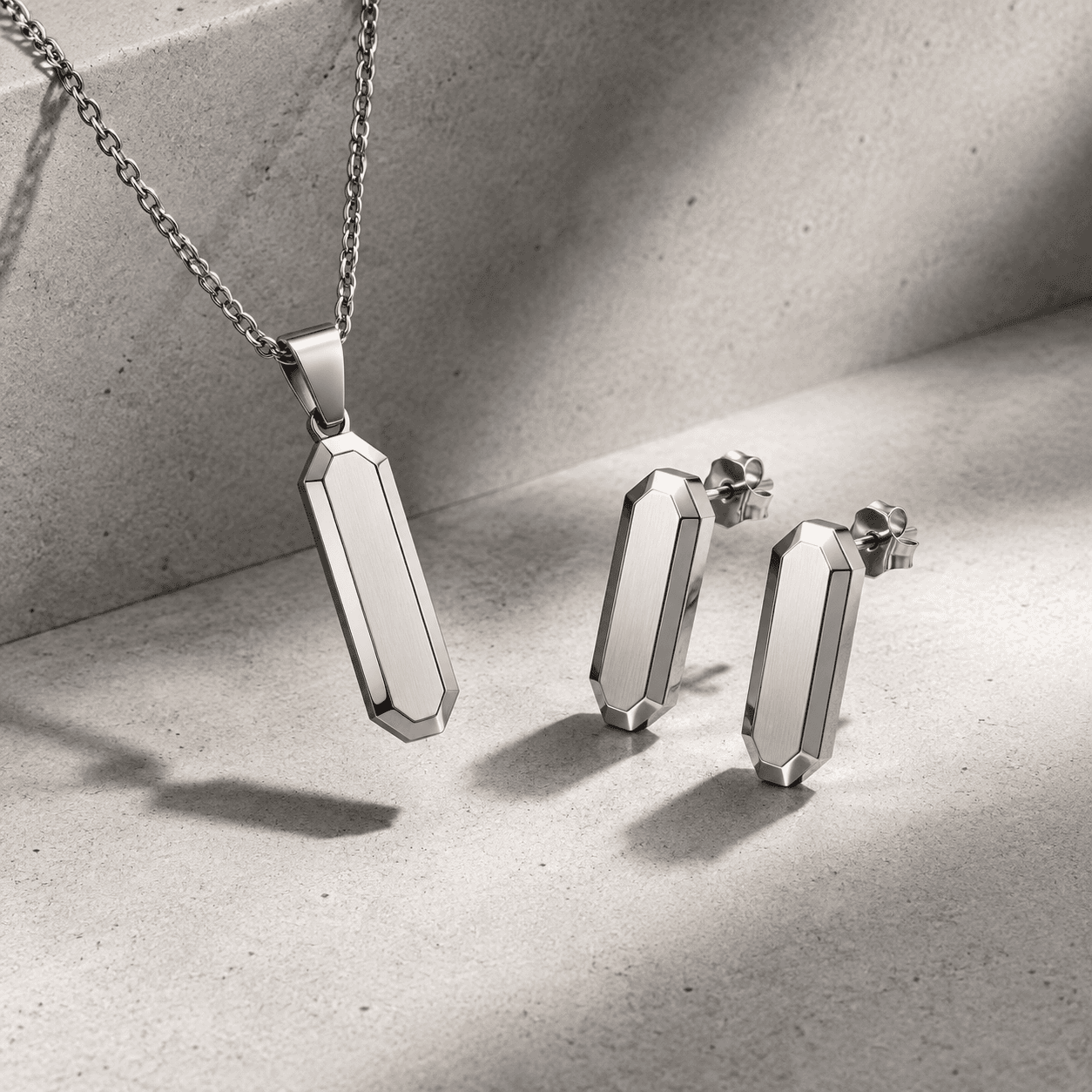
- Choose a focused mix (chain necklaces, pendant necklaces, or simple geometric pendants) aligned with a clear collection plan.
- Confirm chain length, pendant dimensions, link proportions, closure type, and extension requirements in the specification.
- Decide on silver-tone, PVD gold, or rose-gold finishes and identify which options require sampling.
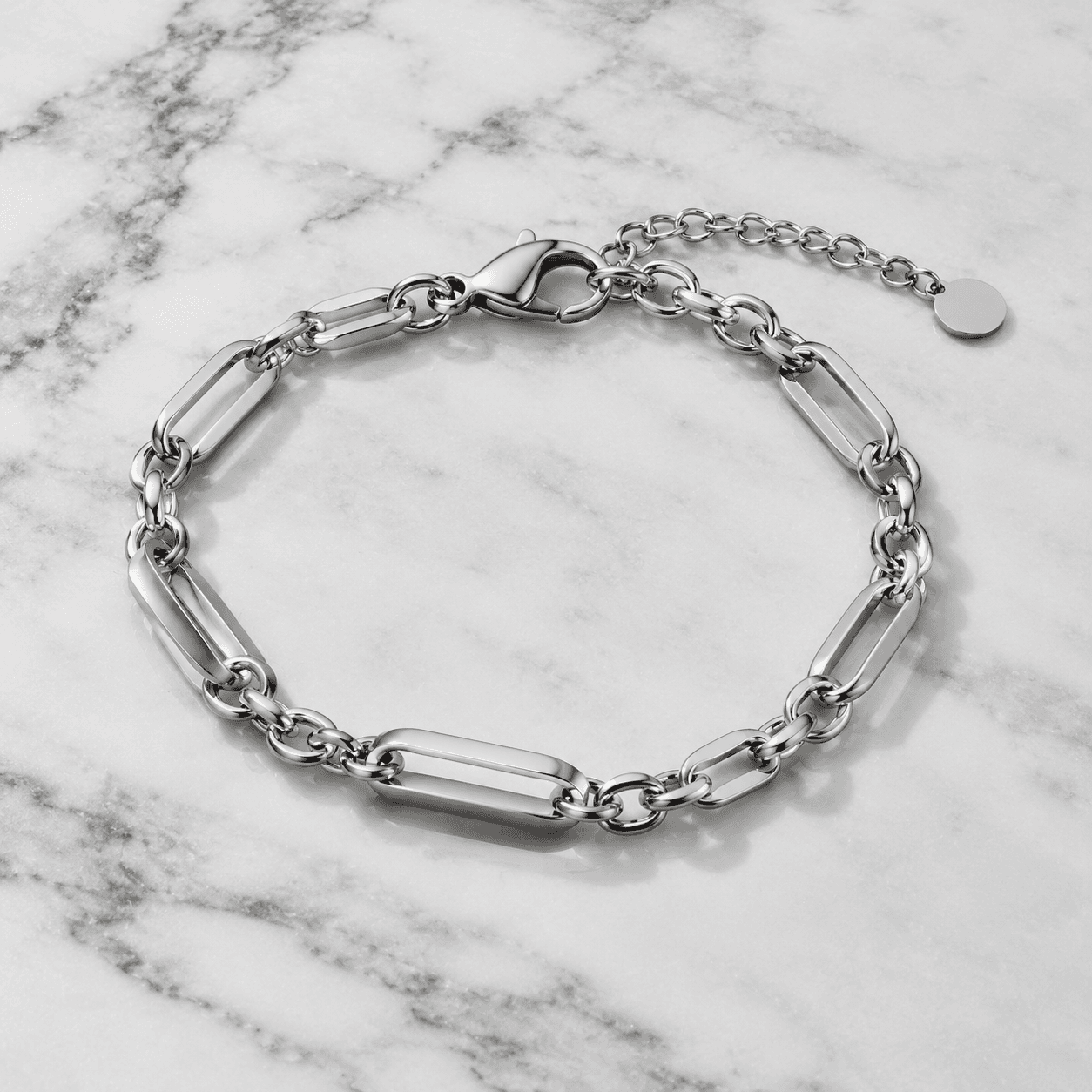
- Ensure each pendant, bail, jump ring, chain, extension chain, and lobster clasp is represented accurately in drawings or samples.
These decisions affect hanging, photography, variant listings, and inspection criteria.
2. Specify the base material and finish
Material details should be explicit to support purchasing, inspection, and customer communication. Do not assume two items with the same color share the same base material or coating process.
- Confirm 316L vs. 304 stainless steel for each component (chain, pendant, hardware).
- Record base materials for each component and note any differences between parts.
- Specify the finish (including whether PVD gold or rose gold plating is required).
- Provide a visual reference for color, reflectivity, polishing, and acceptable surface variation.
- Ask which material declarations and documentation can be provided for the confirmed specification.
Clear specifications reduce mismatches, listing inaccuracies, and post-delivery disputes.
Why Product Quality and Durability Matter
Key benefit: More consistent purchasing decisions
A documented sample and inspection process gives buyers a practical reference for supplier proposals. Material declarations, construction, finish, dimensions, and packaging can be evaluated against agreed requirements beyond appearance alone.
- Use an approved sample as the production reference for visuals and dimensions.
- Record critical dimensions and tolerances (chain length, pendant size, extension length where applicable).
- Identify unacceptable defects (deep scratches, uneven polishing, color inconsistency, loose connections).
- Establish inspection checkpoints for incoming components, finishing, assembly, final appearance, and packaging.
- Agree on inspection methods, sampling plans, acceptance criteria, and records before production begins.
These controls make supplier evaluation more objective and help buyers distinguish between a visually appealing sample and a consistently manufactured product.
Key benefit: Better evidence for durability claims
Wear resistance depends on the complete construction and finish, not just on a product category name. For PVD-finished products, define which finish characteristics can be evaluated and select tests appropriate to the actual product. The methods and acceptance criteria should be agreed for the product itself, not inferred from a description.
- Request available test documentation or arrange project-specific testing where required.
- Confirm the test method, sample identification, acceptance criteria, and results before using technical claims in a listing.
- Ask how surface finish and component condition are checked during production.
- Avoid promising a fixed service life or lifetime finish unless supported by evidence and precise terms.
Coordination of quality control is valuable, but it should reflect actual product configuration and verifiable results.
Detailed Guide: Sourcing, Photography, Listings, and Shipping
3. Evaluate sample construction before approval
Sample development is essential for ODM/OEM programs to review a proposed design before committing to large orders. Treat the sample as a complete functional item, not just a partial surface.
- Inspect chain links for consistent shape and smooth movement.
- Test clasp operation by repeated opening/closing with the end ring.
- Check extension chains, end tags, jump rings, and pendant bails for secure connections.
- Verify pendant orientation and absence of twists under normal handling.
- Review edges, polished surfaces, and any stone settings for defects.
- Compare the sample against approved drawings, dimensions, finish references, and packaging requirements.
Functional checks are screening steps, not a substitute for defined durability tests. If clasp strength or wear resistance matters commercially, agree on a test method and acceptance limit with the supplier.
4. Prepare product photography for e-commerce
Images should support quick evaluation on mobile and desktop. Thin chains and small attachments can vanish against busy backgrounds; framing must preserve detail.
- Photograph the full necklace on a neutral background with margins to show the full chain and pendant.
- Include a front-facing view showing silhouette and pendant proportions.
- Provide close-ups of the clasp, jump rings, bail, and finish where these influence purchase decisions.
- Include scale or stated dimensions for actual pendant size and chain length.
- Maintain consistent lighting and white balance across variants.
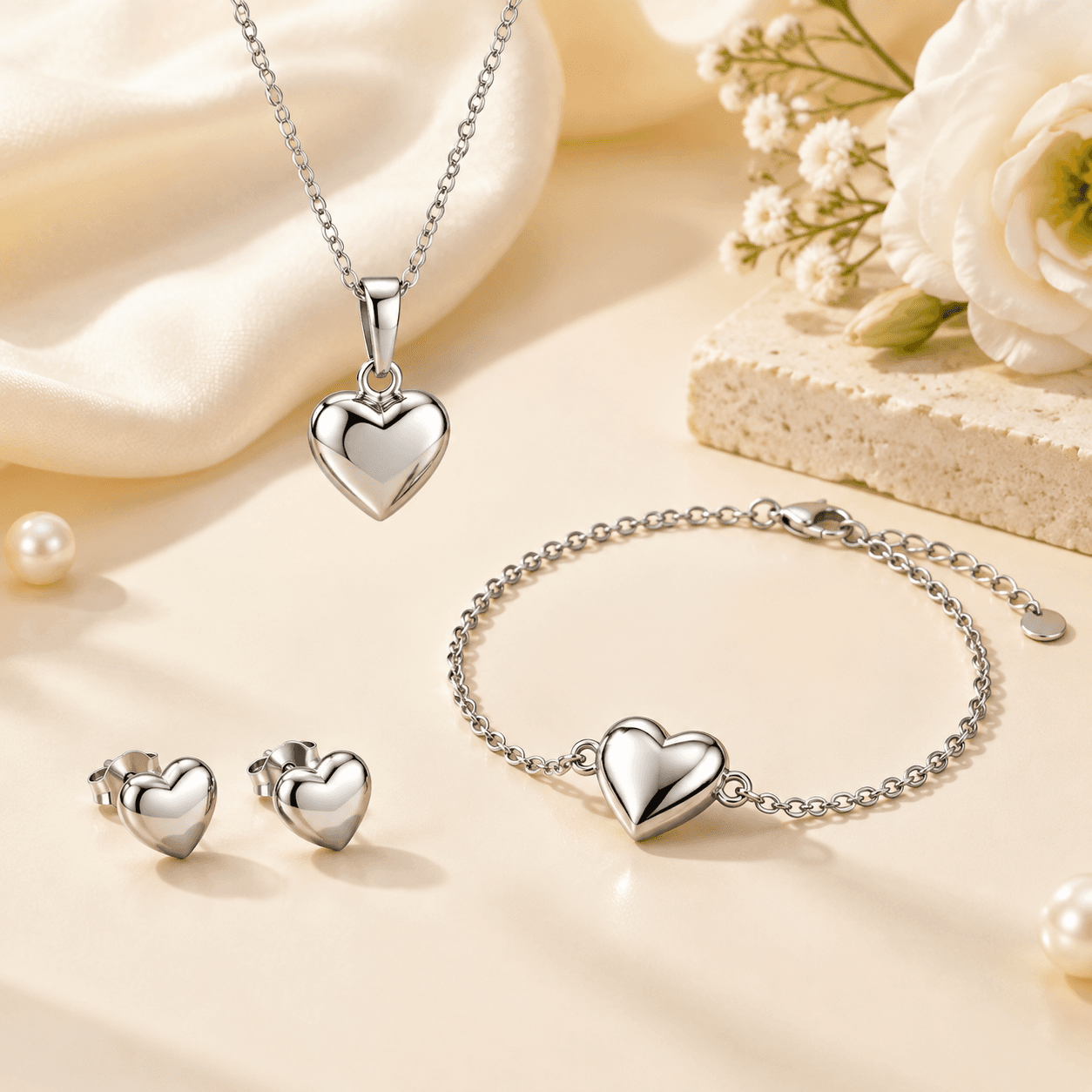
- Ensure lifestyle images accurately reflect the product and do not conceal construction details.
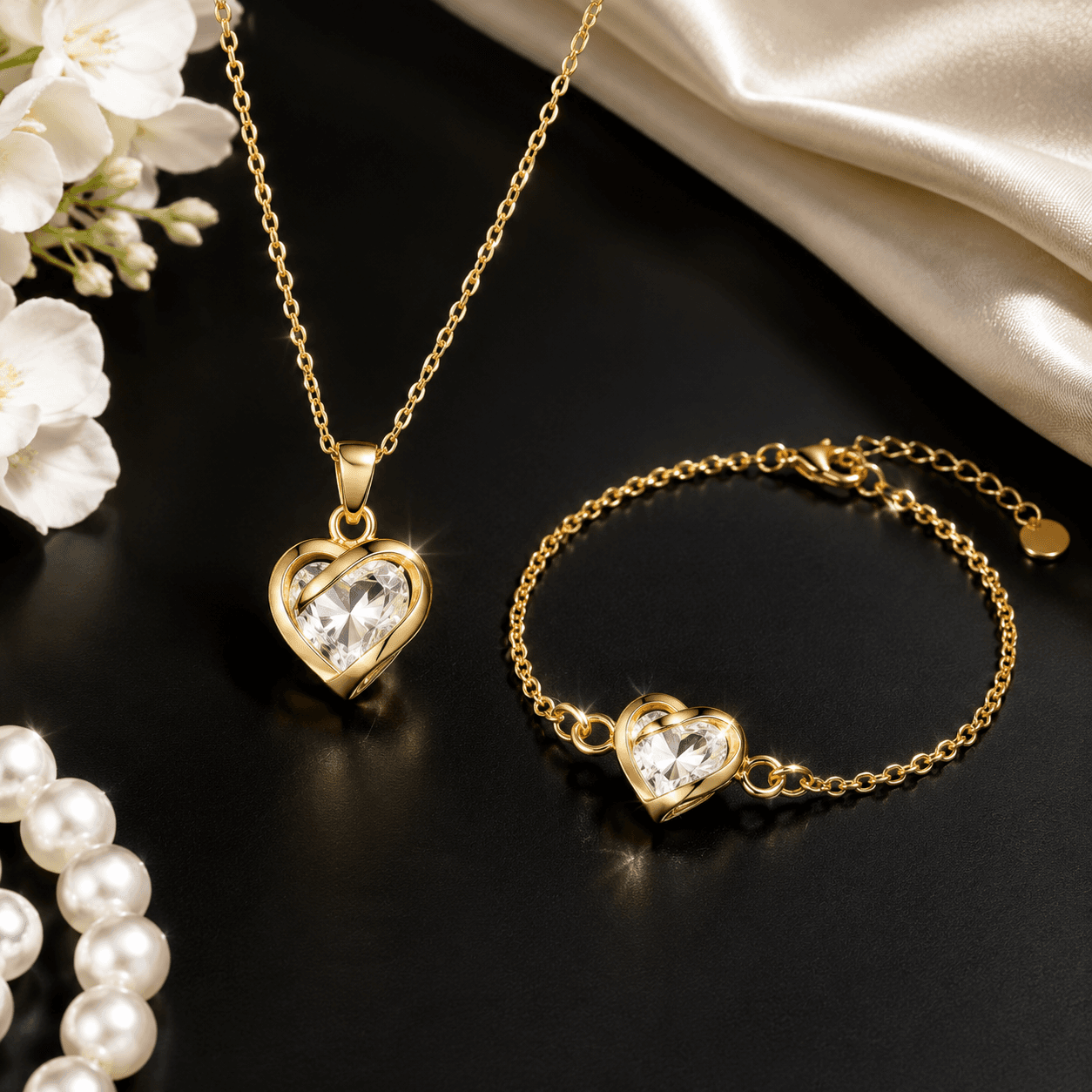
Photography should reflect the actual product spec. A gold-tone image should not imply a specific coating process unless confirmed. Keep the approved sample available for image comparison.
5. Build accurate product listings
Clear information supports search visibility and conversions. Present design, dimensions, finish, and care requirements without requiring buyers to deduce missing details.
- Write a descriptive title including necklace type, confirmed material, finish, and design feature.
- State chain length, pendant dimensions, closure type, and available finish options.
- Describe 316L stainless steel only when the grade has been verified for relevant components.
- Explain the finish accurately; avoid unsupported claims about scratch resistance or long-term color retention.
- Provide practical care instructions reflecting the confirmed material and finish.
- Use consistent variant names, product identifiers, and image order across the collection.
- Keep technical claims consistent across product pages, packaging, advertising, and customer-service materials.
Example: a listing can state confirmed 316L stainless steel with a specified PVD gold plating finish, followed by chain length and pendant dimensions. Do not claim a fixed lifespan or universal allergy suitability without supporting evidence.
6. Review North American regulatory and safety considerations
Regulatory needs vary by market. Identify applicable US federal/state and Canadian requirements before finalizing specs and packaging. Determine whether material declarations or other documentation are needed and assess restrictions on lead, cadmium, nickel release, or other substances. Confirm whether age grading or small-part warnings are necessary, and review labeling and country-of-origin information with a compliance adviser if needed.
The FDA regulates specific product categories and claims, but ordinary fashion jewelry should not automatically be described as FDA-approved. For Canada, confirm federal and provincial obligations. Documentation should align with the confirmed product specification and market requirements.
7. Check packaging and shipping protection
A necklace can arrive damaged if packaging is inadequate. Packaging should protect the item while supporting presentation and fulfillment requirements.
- Specify required packaging format (pouch, card, box, or retail-ready pack) for the project.
- Ensure secure fit to prevent movement that could damage the pendant or clasp during transit.
- Review packaging materials and printed information before production packaging.
- Confirm carton quantities, item identification, packing lists, and shipment documentation.
- Ask how finished goods are inspected before packing and how packaging defects are recorded.
- Plan shipping arrangements, destinations, terms, and import documentation responsibilities.
Dropship options should be confirmed. If not, plan delivery to a warehouse or fulfillment partner instead.
8. Compare wholesale and private-label proposals
Private-label decisions should account for the full path from sample approval to repeat orders. The lowest unit price may exclude packaging, inspection, testing, or export coordination.
- Request a written quotation covering design, material, finish, quantity, packaging, and shipping assumptions.
- Ask for MOQs per design/finish/variant rather than a single blanket quantity.
- Confirm sample charges, tooling or development costs, and revision processes.
- Compare quality-control checkpoints and available documentation across proposals.
- Clarify repeat-order and change-of-spec conditions, and how nonconforming goods are handled.
- Agree on production scheduling and shipment milestones before market launch.
A clear RFQ enables suppliers to quote comparable specifications. Include reference images, material grade, finish, dimensions, target order quantity, packaging, and testing/document requirements. Avoid relying on informal descriptions for commercially important specs.
How to Establish a Practical Quality Control Checklist
Before production
- Approve the design drawing, dimensions, materials, finish reference, and sample.
- Define inspection points and acceptance criteria for appearance, dimensions, function, and packaging.
- Confirm required tests, documentation, and responsibility for arranging them.
During production
- Review checks for component consistency, polishing, plating, assembly, and engraving as specified.
- Record deviations from the approved sample and agree on corrective action before affected goods proceed.
- Confirm any approved changes are reflected in the final specification.
Before shipment
- Inspect finished appearance, clasp function, visible connections, and agreed dimensions.
- Review counts, variant identification, packaging condition, and carton information.
- Collect inspection records and applicable test documentation for the order.
This framework provides a repeatable basis for supplier communication but does not establish a universal pass standard. Acceptance criteria must be agreed for the specific necklace and its commercial requirements.
Frequently Asked Questions
What should buyers check when sourcing minimalist stainless steel necklaces?
Confirm base material, dimensions, finish, chain construction, clasp operation, attachment points, sample consistency, packaging, and required documentation. Approve a complete sample and define quality-control criteria before bulk ordering.
Is 316L stainless steel sufficient to guarantee a durable necklace?
No. Grade is one factor; construction, finish quality, assembly, exposure, and care also matter. Seek confirmation of the specified grade and evaluate durability claims with appropriate documentation or project-specific testing.
What testing should buyers request for PVD gold plating?
Discuss finish adhesion, wear/abrasion resistance, color consistency, and relevant corrosion evaluations. Agree on methods and acceptance criteria for the actual product and review results before making specific durability claims.
Can a manufacturer support private-label packaging and dropship fulfillment?
Private-label packaging is achievable within an OEM/ODM project. Dropship fulfillment for individual orders is separate and must be confirmed, including shipping methods, tracking, packaging, returns, and order processing responsibilities.
Partner With Lefeng Jewelry for Your Next Necklace Collection
Lefeng Jewelry brings 15 years of OEM/ODM stainless steel jewelry manufacturing experience with in-house design development, sampling, quality inspection, custom logo work, packaging, and export coordination. Use this process to develop a clear product specification, evaluate samples, and establish inspection expectations before moving to production orders.
To discuss a minimalist necklace collection, prepare design references, confirmed 316L stainless steel or other material specification, finish requirements, dimensions, estimated order quantity, target market, packaging, and any testing documentation requirements. A complete brief helps set a practical scope for sampling and quotation.
Explore our stainless steel necklace manufacturing options, review our stainless steel necklace offerings, and contact Lefeng Jewelry to begin your OEM/ODM project.
Related resources