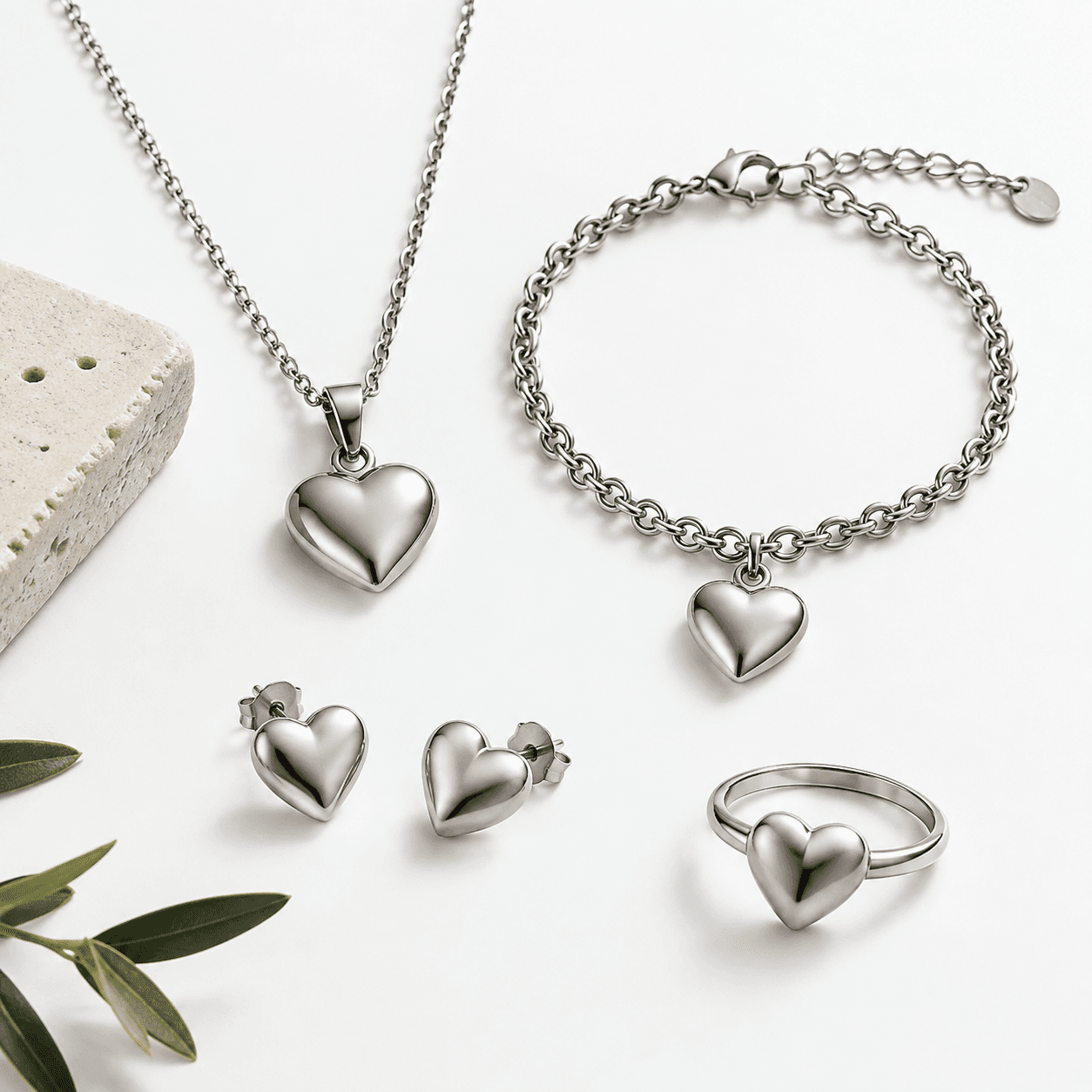
For jewelry designers developing private label collections, material selection directly influences customer experience, product positioning, and long-term brand value. A stainless steel heart charm is often selected because it offers a practical combination of durability, surface stability, and design flexibility. However, the question "is stainless steel heart charm waterproof" requires a detailed materials explanation rather than a simple yes or no answer.
The performance of a heart charm depends on the stainless steel grade, surface treatment, manufacturing process, attachment structure, and care expectations defined for the final product. Among available stainless steel options, 316L stainless steel is widely considered a strong choice for jewelry applications because of its alloy composition and corrosion-resistant characteristics. For jewelry designers working with an OEM jewelry manufacturer, understanding these factors helps create products that match both creative goals and buyer expectations.
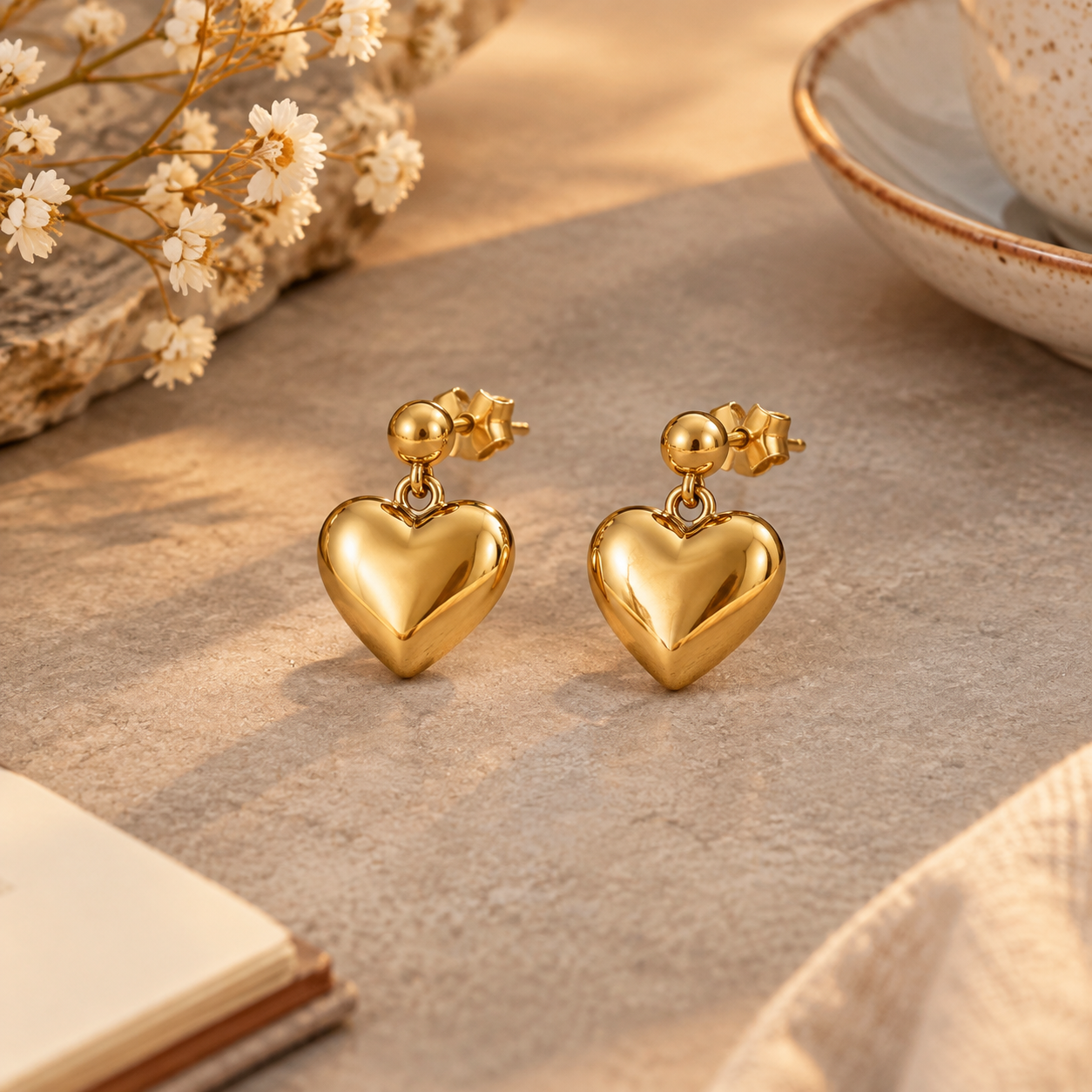
Is Stainless Steel Heart Charm Waterproof? Understanding 316L Properties
The phrase waterproof is commonly used in consumer discussions, but in jewelry manufacturing, professionals usually evaluate water exposure through material behavior, finishing quality, and construction details. A stainless steel heart charm made with 316L stainless steel can provide strong resistance to everyday moisture conditions because of the properties of the alloy.
The metal chemistry behind 316L stainless steel
316L stainless steel is an alloy containing iron, chromium, nickel, and molybdenum. The chromium content contributes to the formation of a protective surface layer that helps reduce corrosion processes. The addition of molybdenum improves the alloy's resistance characteristics in environments where exposure to moisture and certain chemicals may occur.
The low carbon composition represented by the "L" designation also supports improved corrosion resistance during manufacturing processes involving heat. For jewelry designers, this means 316L stainless steel provides a reliable foundation for creating heart charms, pendants, and other components where surface appearance and durability are important.
Why water resistance depends on more than material grade
Although 316L stainless steel offers valuable material advantages, the final performance of a stainless steel charm is influenced by the complete manufacturing process. A heart charm includes multiple details such as the charm body, attachment point, surface finish, and any decorative elements. Each area requires careful production control.
Factors that influence durability include polishing quality, PVD plating application when selected, enamel work, zircon or crystal setting, connection points, and inspection standards. A well-developed product specification helps manufacturers and buyers align expectations before production.
Why 316L Stainless Steel Matters for Jewelry Designers
For designers creating necklace collections, bracelet collections, or gift programs, material choice affects design possibilities and sourcing decisions. 316L stainless steel allows manufacturers to develop detailed shapes while maintaining a practical production approach.
Design flexibility for custom jewelry development
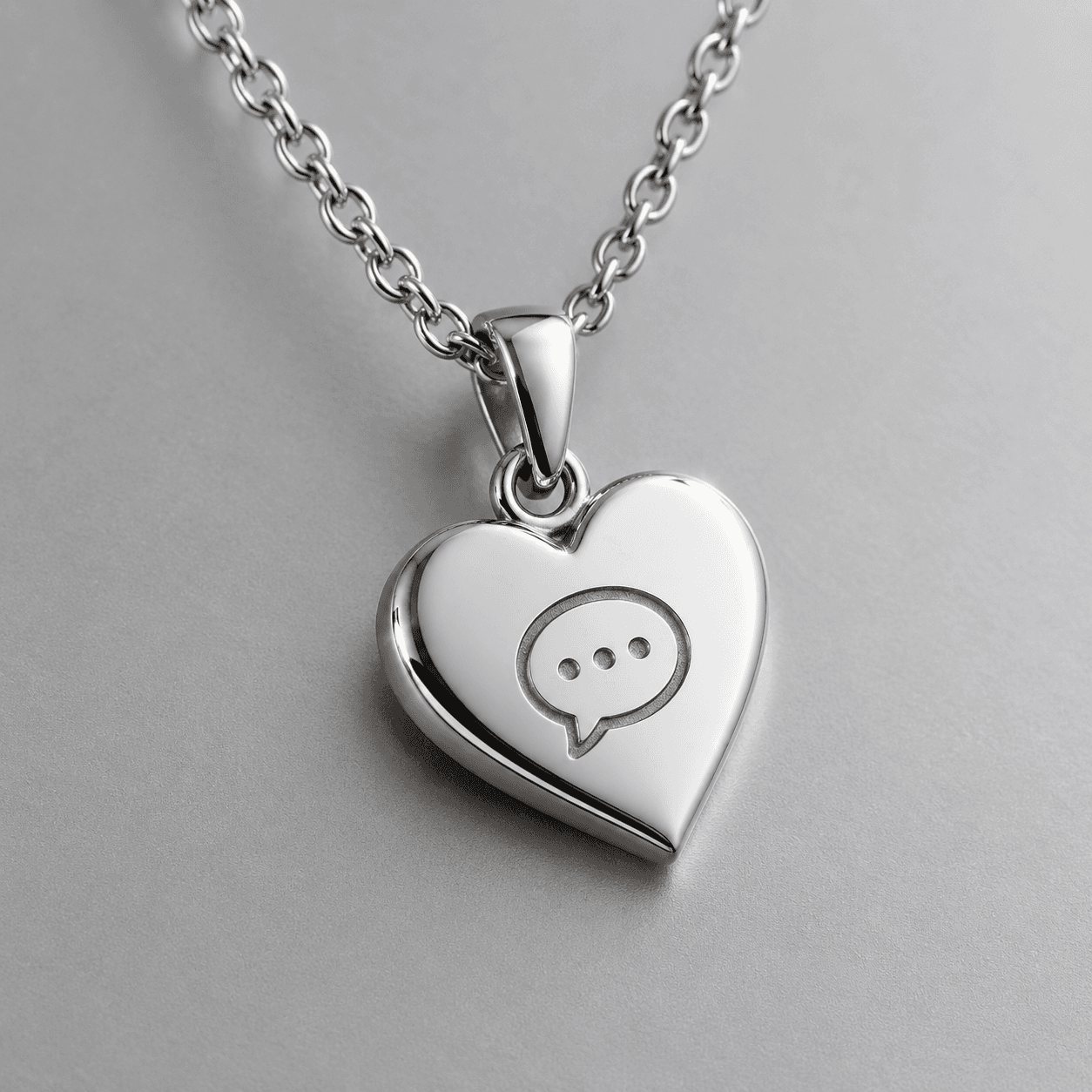
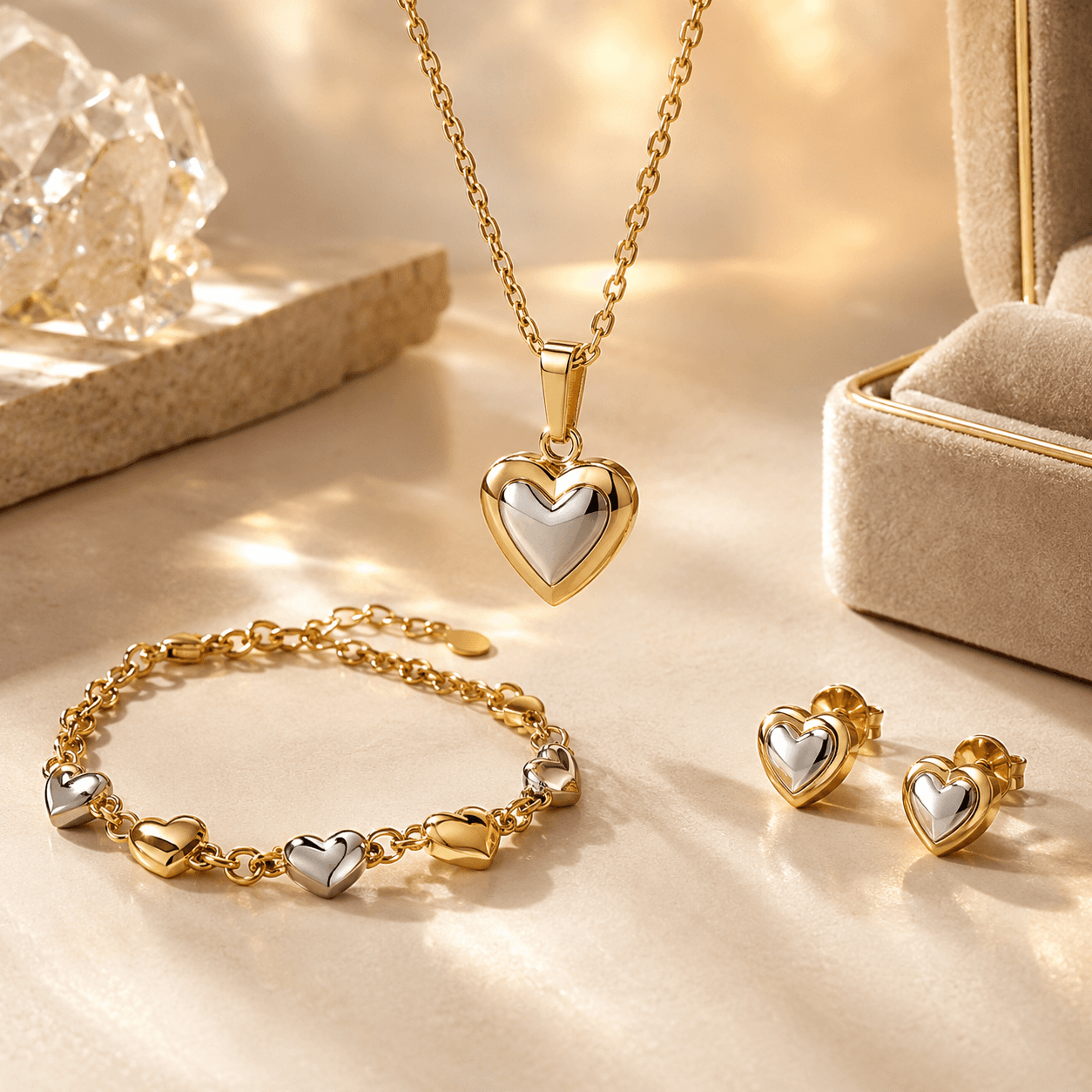
Heart charms can be developed in different forms, including symbolic designs, engraved details, textured surfaces, and coordinated elements for jewelry sets. Through jewelry sample development, designers can evaluate shape accuracy, connection structures, surface quality, and finishing options before moving into larger production stages.
An experienced ODM jewelry supplier can support the transition from concept to production by reviewing design requirements, recommending suitable structures, and confirming manufacturing feasibility. This process helps reduce avoidable adjustments after production begins.
Surface finishes and decorative options
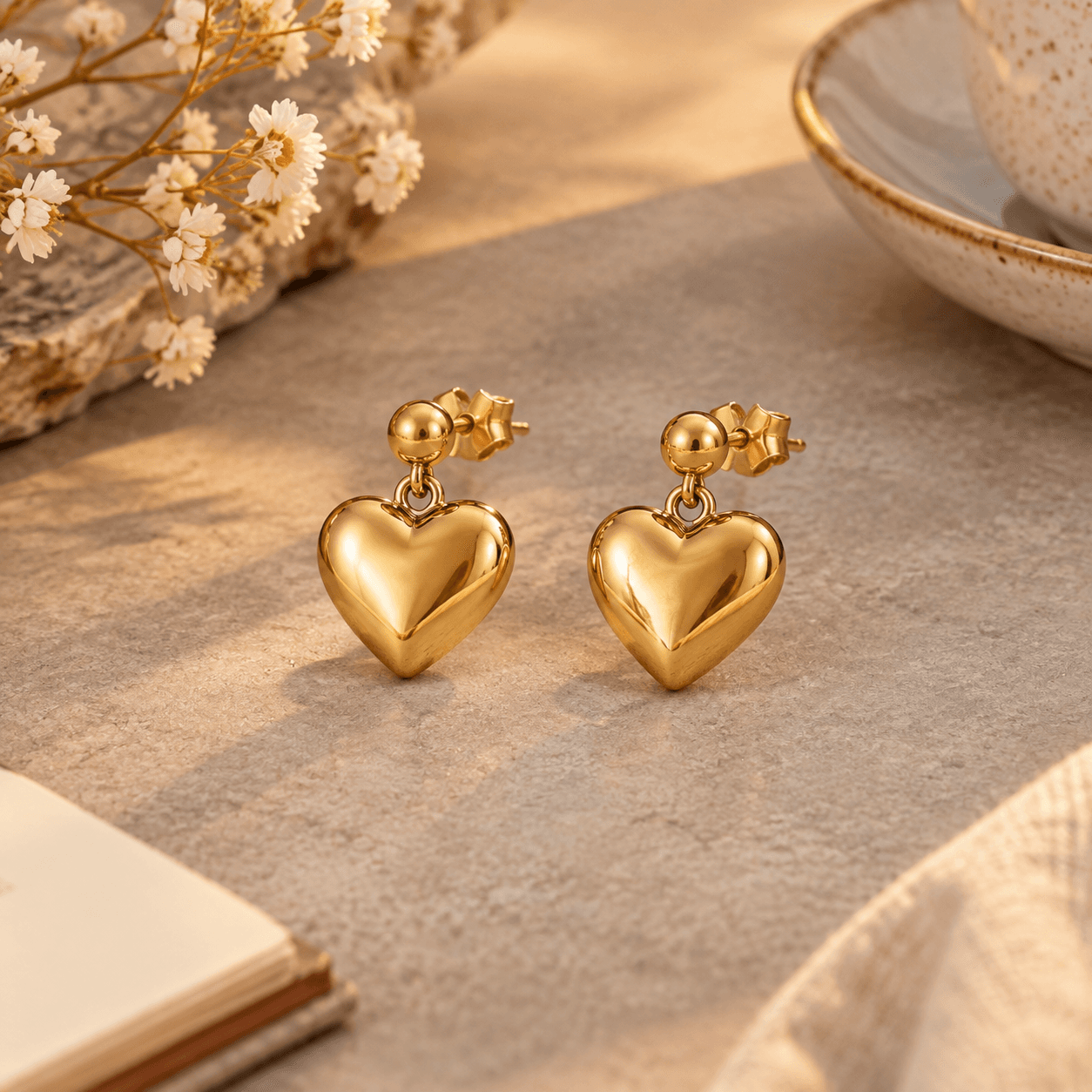
316L stainless steel can support multiple finishing directions. Depending on the project specification, options may include PVD gold plating, rose gold plating, polishing, enamel details, zircon settings, crystal accents, or pearl applications. Each finish requires appropriate process control and inspection attention.
For example, PVD plating is a finishing process that can create a decorative metallic surface. The final appearance depends on preparation, application conditions, and quality review. Buyers should confirm finish requirements, color expectations, and inspection standards during the development stage.
Benefits of Stainless Steel Heart Charms for B2B Jewelry Sourcing
For wholesalers, boutique buyers, and jewelry brand founders, stainless steel heart charms offer several practical advantages when developing commercial collections.
Durability-focused product positioning
Consumers often look for jewelry that can fit into daily lifestyles. Stainless steel jewelry provides a material option that supports durable product positioning when combined with suitable design, finishing, and care guidance. For B2B buyers, this creates opportunities to develop collections focused on practical value.
Efficient private label jewelry development
Private label jewelry projects require coordination between design, sampling, manufacturing, and packaging. A factory-direct approach can simplify communication by connecting product requirements with production capabilities.
Lefeng Jewelry supports OEM/ODM projects with in-house factory operations, sampling support, QC checkpoints, packaging support, and export coordination. Buyers can discuss specifications, request samples, and confirm production details according to their project needs.
Controlled quality evaluation
Quality control is an essential part of jewelry manufacturing. For stainless steel heart charms, inspection can include checking dimensions, surface finish, attachment points, plating appearance, stone or decorative element placement, and packaging requirements.
Rather than relying only on material selection, professional buyers review the complete production process. This approach helps ensure the delivered product matches the approved specification.
Detailed Guide: How to Evaluate 316L Stainless Steel Heart Charm Quality
Step 1: Confirm the material specification
The first step is defining the required material clearly. Buyers should confirm whether the project requires 316L stainless steel, 304 stainless steel, or another configured material option. Material selection should align with the intended market positioning, design requirements, and product expectations.
Step 2: Review sample development details
Sample development allows designers to evaluate the physical product before bulk orders. During this stage, important details include charm proportions, surface smoothness, connection structure, and decorative finishing.
A practical sample review process helps identify improvements early. For OEM and ODM projects, clear feedback between the buyer and manufacturer supports efficient refinement.
Step 3: Evaluate finishing and processing quality
Finishing has a significant impact on the final appearance of a heart charm. Buyers should review polishing consistency, PVD plating quality when applicable, engraving details, enamel application, and setting accuracy.
Manufacturing processes such as CNC processing, laser processing, polishing, plating, enamel work, and stone setting require organized production management. Each stage contributes to the final product result.
Step 4: Confirm quality control checkpoints
Quality control should be considered throughout production rather than only at the final stage. Inspection checkpoints help review key product characteristics and support consistent manufacturing communication.
For customized projects, buyers may also discuss specific inspection requirements and documentation needs with the manufacturer. Any project-specific records should be confirmed according to the agreed specification.
Step 5: Prepare packaging and export requirements
For international B2B sourcing, packaging and export coordination are important parts of the supply process. Proper packaging review helps protect finished jewelry during handling and shipment.
Lefeng Jewelry provides packaging support and export coordination for global buyers seeking structured OEM/ODM manufacturing cooperation.
Frequently Asked Questions About Stainless Steel Heart Charms
Are 316L stainless steel heart charms suitable for daily jewelry collections?
316L stainless steel heart charms are commonly selected for daily jewelry collections because the alloy provides useful durability and corrosion resistance characteristics. Final product performance depends on manufacturing quality, finishing, and proper care instructions.
Can a stainless steel heart charm be customized with private label requirements?
Yes, stainless steel heart charms can be developed for private label jewelry projects. Custom options may include design adjustments, logo engraving, finishing choices, packaging requirements, and coordinated collection development based on project specifications.
What should buyers check before placing bulk orders?
Before bulk orders, buyers should confirm material specifications, approved samples, finishing requirements, quality control expectations, packaging details, and export arrangements. Clear specifications help create efficient manufacturing cooperation.
How can designers start a custom heart charm project?
Designers can begin by preparing product concepts, drawings, reference details, or customization requirements. An OEM/ODM manufacturing partner can then review feasibility, support sample development, and guide the next steps toward production.
Partner With Lefeng Jewelry for Stainless Steel Charm Development
Choosing the right manufacturing partner is an important step for jewelry businesses building long-term collections. Lefeng Jewelry is a 15-year OEM/ODM stainless steel jewelry manufacturer supporting global B2B buyers with in-house factory capabilities, sampling, quality control, packaging, and export coordination.
From initial concept review to finished product preparation, Lefeng Jewelry focuses on practical manufacturing support for custom jewelry manufacturer projects. Our capabilities include stainless steel jewelry production, logo engraving, PVD plating, finishing review, and structured quality control processes.
Whether you are developing a new necklace collection, expanding wholesale stainless steel jewelry options, or preparing a private label launch, you can submit an RFQ to discuss your requirements.
Learn more about our manufacturing services at OEM/ODM manufacturing services, explore current designs through new stainless steel jewelry designs, or contact our team through RFQ inquiry support.