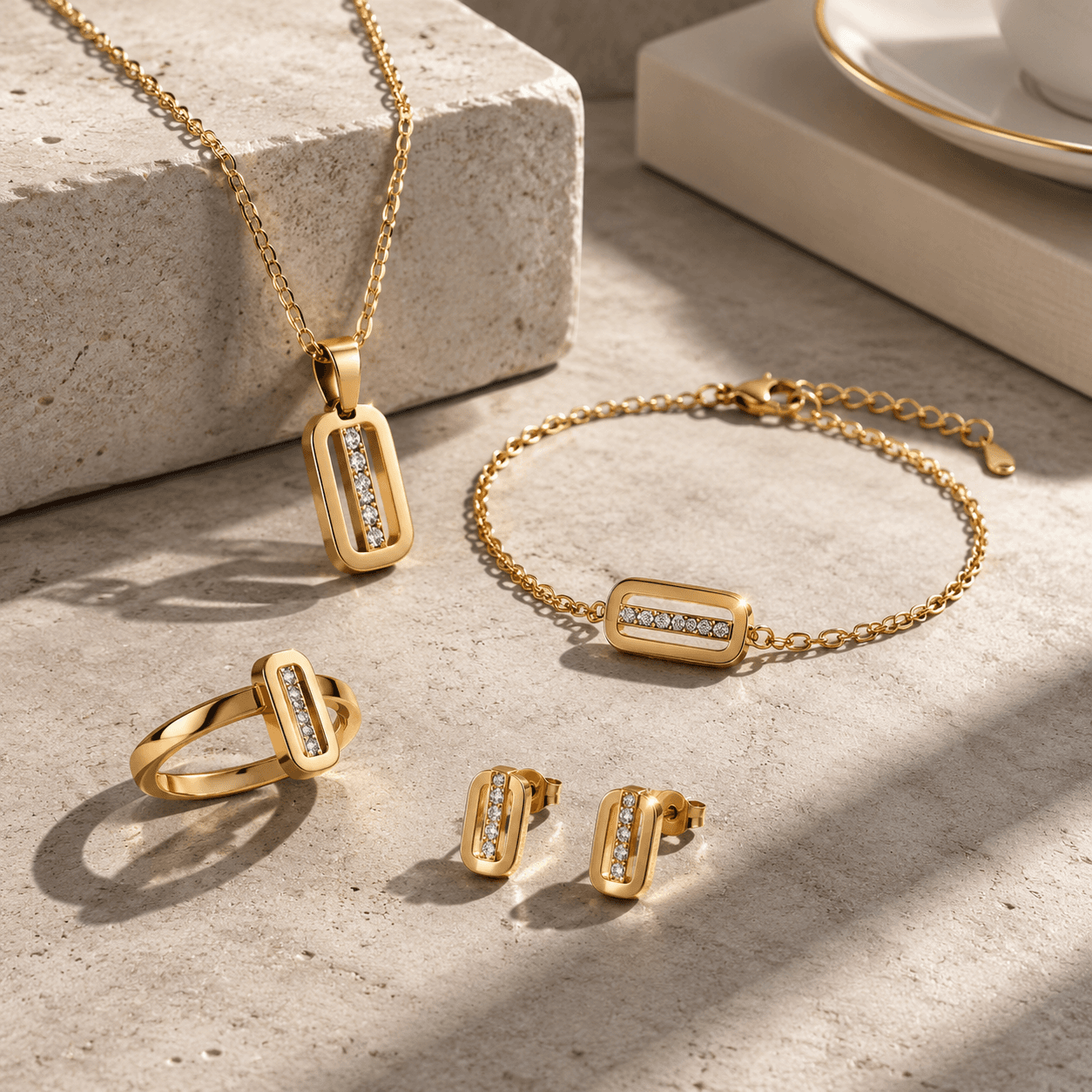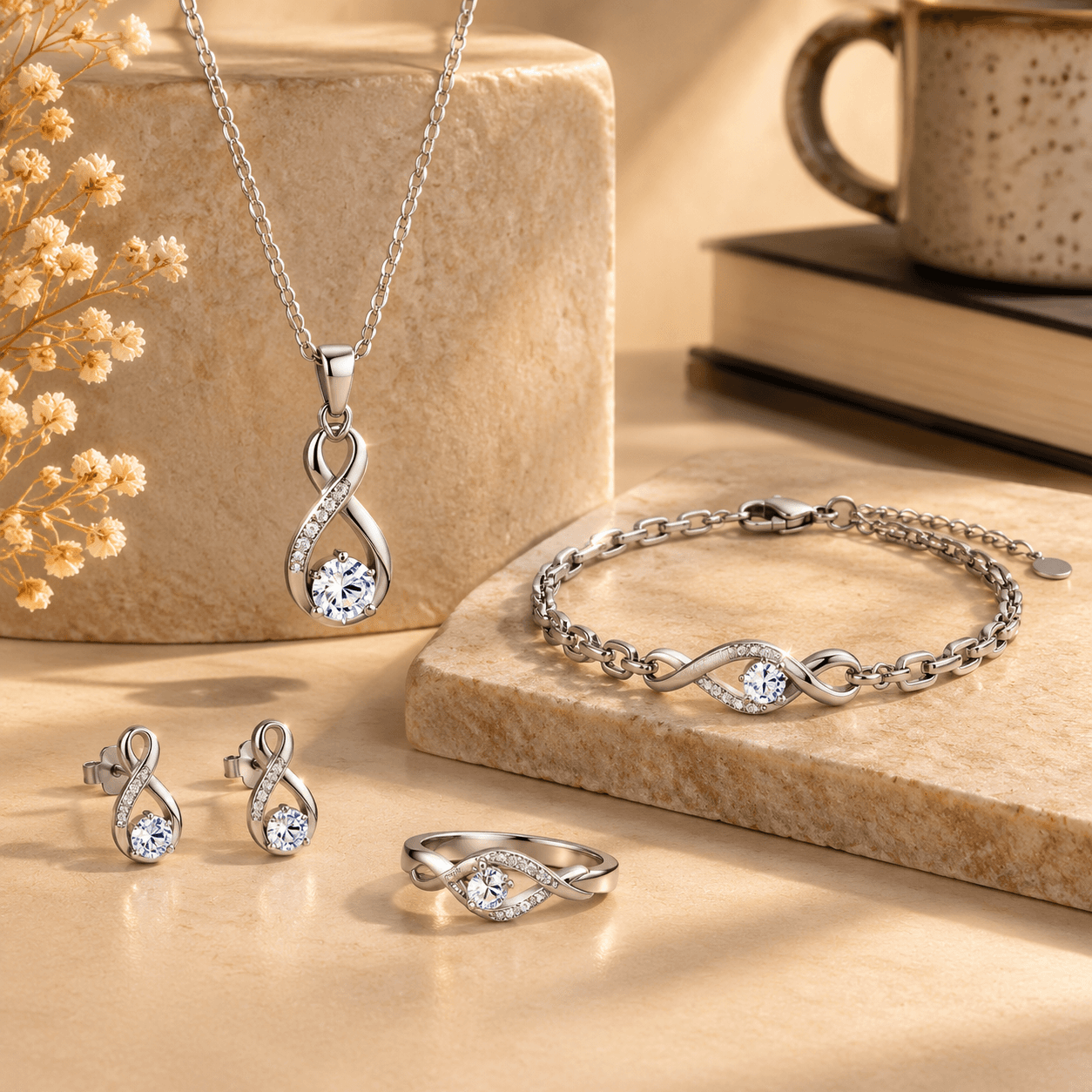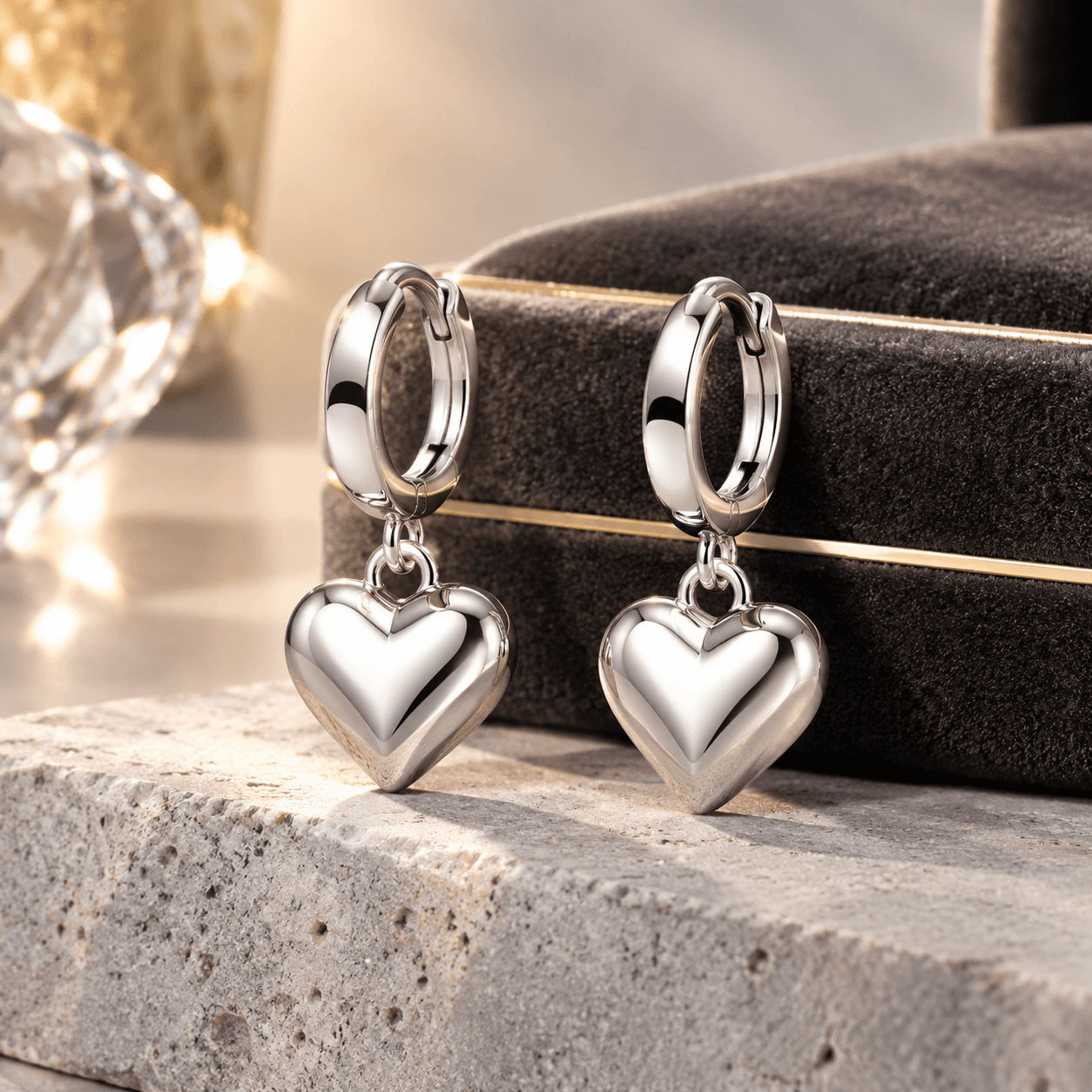
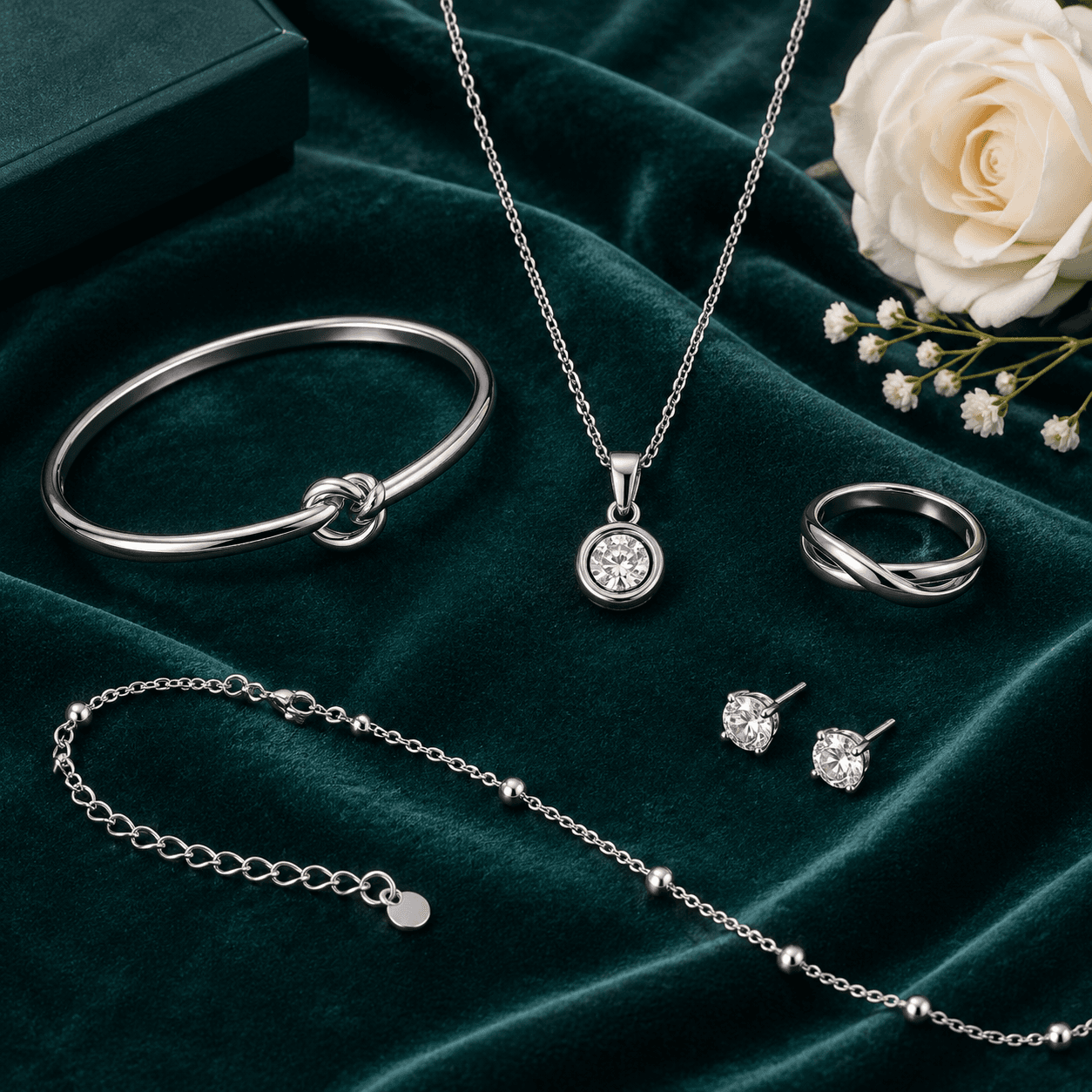
For e-commerce sellers, jewelry care guidance can help customers maintain a product’s appearance and distinguish routine cleaning needs from potential quality issues. Stainless steel is used in many jewelry collections for its strength and corrosion resistance, but the finished product’s performance also depends on its material grade, construction, surface treatment, and conditions of use.
This guide covers gentle cleaning methods, care for decorative finishes, and practical questions to discuss with an OEM/ODM supplier before ordering a collection. Cleaning instructions should always reflect the complete product construction, including any stones, enamel, pearls, or other components.
How to Clean Stainless Steel Jewelry
For many stainless steel pieces, lukewarm water, a small amount of mild soap, and a soft, lint-free cloth are suitable for routine cleaning. A soft-bristled brush can help reach accessible areas around links and settings. If a piece combines materials, confirm that the cleaning method is appropriate for all of them.
- Place the jewelry on a clean, soft surface.
- Mix lukewarm water with a small amount of mild soap.
- Gently wipe the metal with a soft, damp cloth.
- If the construction permits, use a soft brush on accessible links and connections.
- Rinse away soap residue when rinsing is suitable for the complete piece.
- Dry thoroughly with a lint-free cloth before storage.
Avoid aggressive scrubbing, abrasive cleaners, and rough polishing materials, especially on plated surfaces. Do not assume ultrasonic cleaning is suitable for every item. When the product includes stones, enamel, pearls, adhesives, or other materials, follow care instructions confirmed for that specific product.
Common Appearance Issues
Dullness or fingerprints
Skin oils, dust, and fingerprints can make a surface look dull. Try gentle cleaning with mild soap and water, then dry the item. If the appearance does not improve, avoid repeated polishing and inspect the piece further.
Water spots or residue
Mineral deposits or leftover soap can leave visible marks. Wipe the surface with a clean, slightly damp cloth when appropriate, then dry it thoroughly. Take care around settings and small connections.
Changes to a gold-colored finish
PVD and other decorative finishes can be affected by friction, harsh chemicals, and unsuitable polishing. Use a soft cloth and the care instructions confirmed for the finish. Cleaning may not correct a lasting color change; document the issue and request a product review when appropriate rather than assuming it is dirt or normal wear.
Dirt around links, clasps, or settings
Use a soft brush and mild soapy water only when the product construction permits. Dry connections thoroughly. Check the function and condition of clasps, links, and settings separately; cleaning should not substitute for inspection of possible damage.
Storage and Customer Care
Encourage customers to store jewelry dry and separate individual pieces where possible. This can reduce surface friction and contact scratches. A short care card can explain gentle cleaning and storage, while helping set realistic expectations for the specific product.
Before product photography, gently clean samples and inspect them under consistent lighting. Close-up images should accurately show the finish, connections, clasp, and settings without relying on excessive retouching.
Material and Finish Considerations for B2B Buyers
316L stainless steel
316L stainless steel is commonly used in jewelry manufacturing. Material grade is one part of a product specification, not a guarantee of the finished item’s overall performance. Surface preparation, polishing, construction, components, and finishing also matter.
PVD and other decorative finishes
PVD is a surface treatment used for decorative finishes, including gold-colored finishes. Appearance and wear depend on the specified process, substrate preparation, product geometry, and conditions of use. During sampling, review color, consistency, and coverage in detailed areas under consistent lighting. Describe the confirmed finish accurately, and avoid promising indefinite color retention.
For routine care, avoid bleach and chlorine-based cleaners, abrasive powders, aggressive polishing compounds, and unnecessary friction on plated surfaces. Keep jewelry dry before storage or packaging. Confirm care guidance for the complete product rather than relying on the metal specification alone.
How to Evaluate Jewelry Durability Before Ordering
1. Confirm the specification
Ask the supplier to identify the intended steel grade, finish, and decorative components, and confirm that the specification applies to the sample and production product. Request relevant material documentation if your purchasing program requires it. Establish documentation requirements before production.
2. Review samples
Examine the sample’s surface, dimensions, connections, clasp operation, stone settings, and overall finish. Provide reference drawings, measurements, finish expectations, and functional requirements so the supplier can assess the product before bulk production.
3. Agree on inspection criteria
Define practical inspection requirements in advance. Depending on the product, these may cover material and component specifications, finish consistency, visible defects, chain and clasp construction, setting security, dimensions, logo details, and packaging. If wear or cleaning performance matters to the project, agree on the evaluation method and acceptance criteria beforehand. Any results should relate to the product specification being purchased.
4. Set realistic durability and warranty terms
Terms such as “long-lasting,” “tarnish-resistant,” and “wear-resistant” should be defined for the specific product and supported by appropriate evidence. Agree on expected appearance, acceptable variation, inspection conditions, and how reported defects will be handled. Document any warranty coverage, exclusions, and conditions rather than assuming them.
5. Review packaging and listings
Confirm that products are clean and dry before packing and are protected from unnecessary movement and surface friction during shipping. Review packaging samples, labeling, logo placement, and product separation. For online listings, describe materials, finishes, dimensions, and care accurately. Avoid unqualified claims about lifetime color retention, universal skin suitability, or regulatory approval. Do not present FDA approval as a general jewelry durability certification; seek appropriate advice for product-specific compliance questions.
Frequently Asked Questions
Can stainless steel jewelry be cleaned with soap and water?
For many pieces, lukewarm water and mild soap are suitable for routine cleaning. Use a soft cloth, dry thoroughly, and follow product-specific guidance for plated finishes and decorative components.
Does 316L stainless steel jewelry lose its color?
The appearance of a finished piece depends on its surface treatment and components. Decorative finishes, including PVD finishes, can experience wear under some conditions. Evaluate the actual finish specification and avoid unlimited color-retention promises.
How often should customers clean stainless steel jewelry?
There is no single schedule for every product. Customers can clean a piece when visible oils, dust, or residue accumulate, taking its construction and wearing conditions into account.
What should wholesale buyers request before ordering?
Consider requesting product samples, material and finish specifications, relevant documentation where required, inspection criteria, packaging details, and agreed acceptance conditions. Confirm MOQ, customization requirements, and quality-issue procedures directly with the supplier before approving production.
Discuss Your OEM/ODM Jewelry Project
Care instructions support customers after a sale, while clear specifications, sample review, and agreed inspection criteria help buyers assess a product before production. Share your product concept, target market, material and finish preferences, packaging needs, and estimated order quantity when discussing a project with a manufacturer.
Learn more about OEM/ODM manufacturing services, review the company and factory information, or contact Lefeng Jewelry about an RFQ. Confirm project-specific capabilities, specifications, and requirements with the supplier.