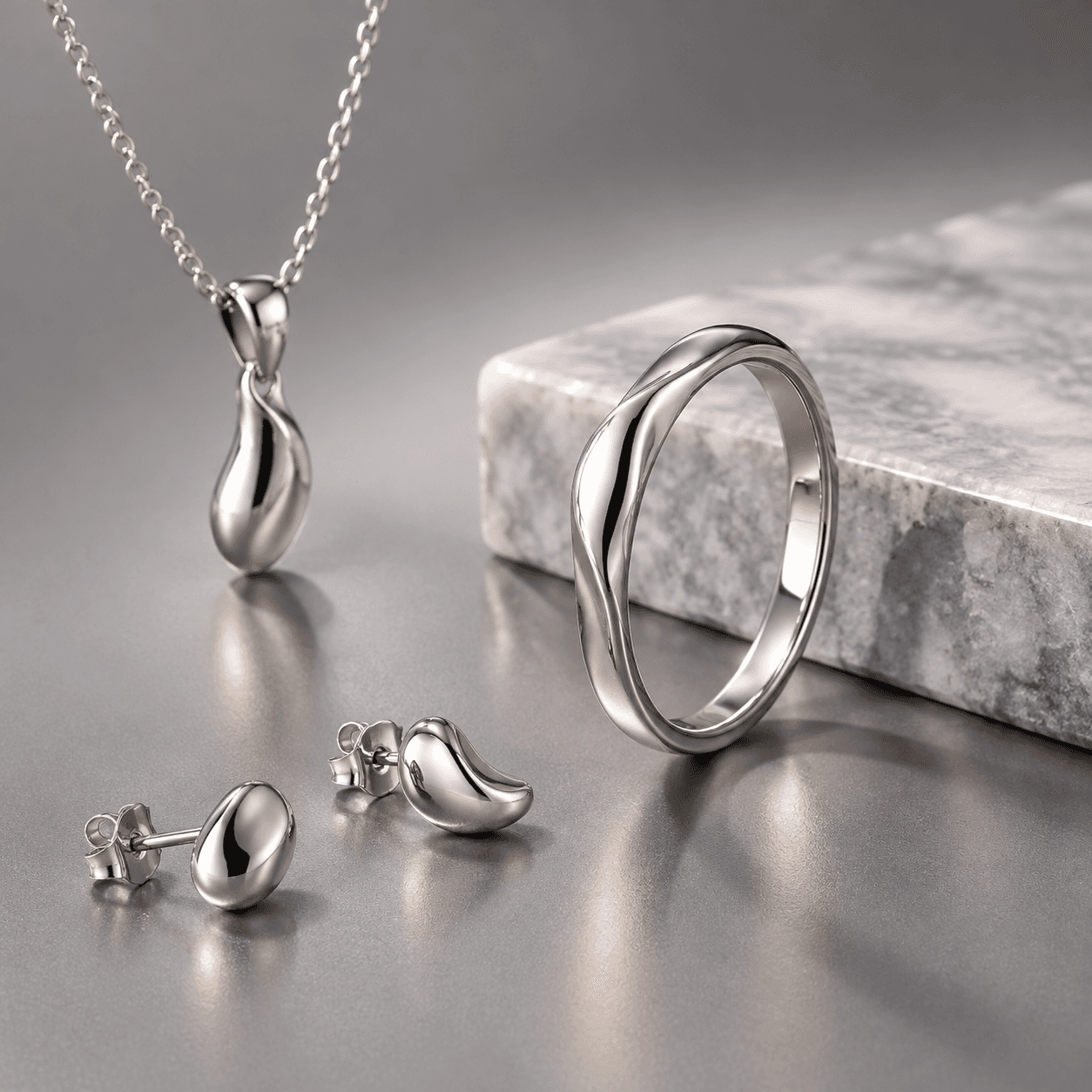
A minimalist stainless steel ring is more than a simple metal band. Its visual quality, wearing characteristics, structural stability, and long-term surface appearance depend on material selection, ring geometry, manufacturing precision, and finishing technology. For jewelry designers developing distinctive collections, understanding these technical factors makes it easier to translate a creative concept into a manufacturable product.
This material deep dive examines 316L and 304 stainless steel, ring construction, polishing, PVD gold plating, prototyping, and practical quality-control considerations. It also outlines the information B2B buyers should prepare when requesting OEM/ODM development, including material grade, dimensions, finish, logo requirements, packaging, and inspection criteria. Use the technical guidance to compare supplier proposals and establish a clear product specification before sampling.
فهم خامات الخواتم المصنوعة من الفولاذ المقاوم للصدأ بتصميم بسيط
تولي الخاتم المصنوع من الفولاذ المقاوم للصدأ بتصميم بسيط أهمية غير معتادة لمادته الأساسية، لأن التصميم غالبًا ما يحتوي على عدد قليل جدًا من العناصر الزخرفية. ومع وجود حلقة بسيطة، أو منحنى نحتي، أو سطح أملس، أو شكل هندسي دقيق، يصبح المعدن نفسه السمة البصرية الأساسية. لذلك، يُعد اختيار درجة الفولاذ المقاوم للصدأ المناسبة بالنسبة لمصممي المجوهرات قرارًا مبكرًا في مرحلة التطوير، وليس مجرد تفصيل نهائي. والخياران المناسبان من الفولاذ المقاوم للصدأ ضمن نطاق التصنيع هذا هما الفولاذ المقاوم للصدأ 316L والفولاذ المقاوم للصدأ 304. وينتمي كلاهما إلى عائلة الفولاذ المقاوم للصدأ، إلا أنه ينبغي تقييم خصائص مادتهما ومدى ملاءمتهما لمواصفات المنتج الفردية بشكل منفصل.
الفولاذ المقاوم للصدأ 316L هو فولاذ مقاوم للصدأ أوستنيتي يحتوي على الكروم والنيكل والموليبدينوم. ويسهم تركيبه المادي في مقاومة التآكل، بما في ذلك تحسين مقاومته لبعض ظروف التآكل الموضعي مقارنةً بالعديد من بدائل الفولاذ المقاوم للصدأ. كما أن تصنيف انخفاض محتوى الكربون ذو صلة بسلوكه المعدني أثناء المعالجة. وتجعل هذه الخصائص الفولاذ المقاوم للصدأ 316L مادة عملية تستحق التقييم عند تطوير خواتم بسيطة مخصصة للارتداء اليومي المتكرر. ومع ذلك، لا ينبغي وصف الفولاذ المقاوم للصدأ بأنه محصّن تمامًا ضد التآكل أو تلف السطح أو التعرض للمواد الكيميائية. ويعتمد الأداء الفعلي على الدرجة المختارة، وحالة التصنيع، وتشطيب السطح، والتعرض البيئي، وممارسات العناية. وينبغي على مُصنّع مجوهرات OEM محترف مراجعة الاستخدام المقصود والمواصفات المتفق عليها قبل تأكيد اختيار المادة.
يوفر الفولاذ المقاوم للصدأ 304 خيارًا ماديًا آخر لتصاميم الخواتم المناسبة. وينبغي على المصممين مقارنة الاستخدام المقصود، ومتطلبات التشكيل، وتوقعات التشطيب، والتموضع التجاري قبل الاختيار بين الدرجتين. وينبغي أن تحدد مواصفات المادة الدرجة المطلوبة بدلًا من الاعتماد على وصف عام مثل معدن بلون فضي. ولمزيد من تطوير المنتج، استكشف مجموعة الخواتم المصنوعة من الفولاذ المقاوم للصدأ وقدرات التصنيع الموضحة على صفحة خدمات OEM/ODM.
خصائص المواد التي تؤثر في تصميم الخاتم
The performance of a minimalist stainless steel ring is influenced by several interconnected material properties. Hardness, strength, ductility, corrosion resistance, and surface condition all affect how a particular design can be manufactured and evaluated. Designers should understand that these properties are not interchangeable. Hardness relates to resistance to localized indentation and scratching, while strength describes the material's ability to withstand applied loads. Ductility concerns how a material deforms before fracture. These distinctions matter when translating narrow bands, rounded edges, open silhouettes, or sculptural wave forms into production-ready designs. The selected material must be considered together with the ring's dimensions and construction.
Stainless steel is valued in jewelry manufacturing partly because it combines useful mechanical characteristics with a naturally protective passive surface layer. This chromium-rich surface layer helps limit corrosion under appropriate conditions. It does not mean that every stainless steel ring will remain unchanged in every environment. Strong chemical exposure, abrasive contact, unsuitable cleaning practices, and manufacturing-related surface defects can influence appearance over time. For designers, the practical objective is to specify a suitable material and establish a repeatable finishing process. A 316L stainless steel ring with a carefully controlled polished surface, for example, has different visual requirements from a ring featuring a brushed or sculptural finish.
Ring geometry also influences perceived material quality. A wide band creates a larger visible surface, while a narrow band makes edge consistency and dimensional accuracy particularly noticeable. Rounded internal edges can contribute to a smoother contact surface, while external edge profiles determine the overall visual character. Designers should consider these features during initial CAD or drawing development. During OEM/ODM development, material choices, dimensions, and visual details can be reviewed together during sample evaluation before a production specification is finalized. Buyers can also explore custom ring manufacturing for additional development information.
تركيب الخاتم وسمكه وهندسته الهيكلية
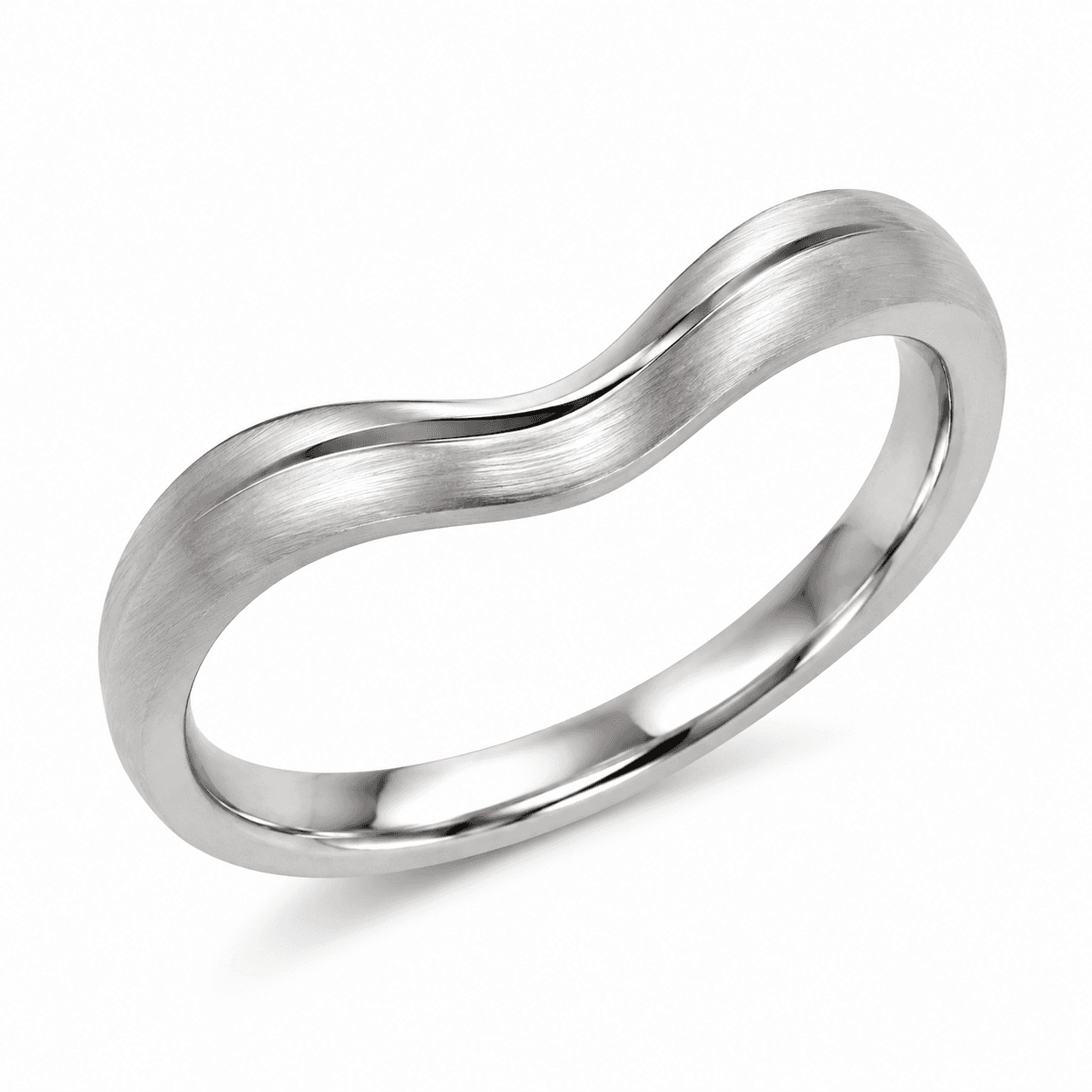
يتطلب تصميم الخاتم البسيط تنسيقًا دقيقًا بين المظهر الخارجي والبنية المادية. قد يبدو الشريط الدائري البسيط مباشرًا في الرسم، إلا أن عرضه وسماكته وقطره الداخلي وشكله المقطعي ومعالجة حوافه تحدد شكل المنتج النهائي وملمسه. ويُحدث الشريط ذو المقطع المسطح تأثيرًا بصريًا مختلفًا عن الشريط المقبب أو ذي المقطع المستدير المريح. كما يفرض خاتم الموجة النحتي متطلبات إضافية، إذ يجب أن يظل تغير ارتفاع السطح وانحنائه متوازنًا بصريًا حول الإصبع. ينبغي للمصممين تحديد هذه الخصائص قبل إعداد العينات، بدلًا من الاعتماد على مراجع المظهر وحدها.
تُعد سماكة الشريط مهمة بشكل خاص لأنها تؤثر في الاعتبارات الهيكلية والوزن المتصور والنسب البصرية للخاتم النهائي. وقد يواجه التصميم شديد النحافة تحديات تصنيع ومناولة مختلفة عن تلك التي يواجهها الشريط الأكثر سماكة. كما يتطلب الخاتم الأعرض اهتمامًا بالمقاس، لأن تلامس الإصبع والإحساس بالملاءمة قد يختلفان عن خاتم ضيق له القطر الداخلي الاسمي نفسه. ينبغي معالجة هذه الاعتبارات من خلال الرسومات المزوّدة بالأبعاد ومواصفات المقاسات وتقييم العينات المادية. وبالنسبة إلى الخواتم التي تحتوي على عناصر زخرفية، ينبغي النظر في موضع وعمق أي تثبيت أو نقش إلى جانب سماكة المادة المتبقية. ولا ينبغي أن يأتي المظهر البسيط والنظيف على حساب البنية العملية.
قد يشمل تطوير التصنيع المعالجة باستخدام CNC والمعالجة بالليزر والتشكيل والتلميع، إلى جانب التشطيب اللاحق وفقًا للتصميم المعتمد. وتعتمد العملية المناسبة على هندسة الخاتم والمظهر المطلوب. فعلى سبيل المثال، لا يتطلب الشريط الأملس المتصل بالضرورة اعتبارات تشغيل وتلميع مطابقة لتلك الخاصة بخاتم ذي هيئة نحتيّة على شكل موجة سائلة. وأثناء مراجعة العينة، ينبغي للمصممين فحص الخاتم كاملًا بدلًا من تقييم مظهره الأمامي فقط. تحققوا من الفتحة الداخلية، والتماثل، والمقطع العرضي، وانتقالات الحواف، واستمرارية السطح، واتساق الهيئة العامة. وتساعد هذه الملاحظات على تحويل مفهوم جذاب إلى مواصفة منتج قابلة للتكرار ومناسبة للمجوهرات ذات العلامة الخاصة ومجموعات البيع بالجملة.
تشطيبات الأسطح وتقنية الطلاء بالذهب بتقنية PVD
Surface finishing is a defining part of minimalist stainless steel ring development. Because uncomplicated designs contain relatively few visual distractions, small variations in reflectivity, polishing direction, edge definition, or coating appearance can become prominent. Polished stainless steel produces a reflective surface that emphasizes the ring's geometry. A brushed finish creates a more directional visual texture, while carefully controlled matte finishing reduces reflected light and produces a restrained appearance. Designers should choose a finish based on the intended collection identity and the physical form of the ring. Surface treatments should be specified clearly so that the sampling and production teams can evaluate the same visual requirements.
PVD gold plating is another finishing option for stainless steel jewelry. Physical vapor deposition is a vacuum-based coating technology in which material is vaporized and deposited onto a prepared substrate. In jewelry applications, the process can be used to develop decorative gold-tone surfaces, including gold and rose-gold appearances. The final appearance and functional characteristics depend on substrate preparation, coating specification, process conditions, geometry, and subsequent handling. A coating should not be assumed to have identical performance across different designs or production conditions. When specifying a finish, identify the intended color, surface appearance, coverage requirements, and project-specific evaluation criteria.
Surface preparation is essential because a coating does not automatically conceal underlying manufacturing imperfections. Scratches, polishing marks, contamination, and inconsistent substrate preparation can affect the appearance of the final surface. A practical development sequence includes reviewing the base material, checking the polished surface, evaluating the sample finish under consistent lighting, and confirming the approved appearance before production. For a gold-tone minimalist stainless steel ring, inspect the inner and outer surfaces, edges, and transitions rather than assessing only the top surface. Buyers can discuss the requested finish and specification through an RFQ inquiry.
خيارات التخصيص لمجموعات الخواتم البسيطة
Minimalist stainless steel ring design offers considerable creative flexibility because small changes in shape and proportion can produce noticeably different visual identities. Designers can develop smooth classic bands, gently domed silhouettes, geometric profiles, sculptural wave forms, and coordinated ring combinations. Other customization possibilities include engraved details, contrasting surface treatments, selective decorative elements, and carefully positioned stone settings where appropriate. The important distinction is between a visual concept and a manufacturable design. Each requested feature should be assessed according to its dimensions, physical construction, finishing requirements, and relationship to the overall ring structure.
Logo engraving is one practical customization option for private label jewelry projects. A brand's approved artwork or wordmark can be evaluated for suitable placement on the inner or outer surface of the ring. The engraving method, available area, line thickness, and readability should be reviewed during sampling. Small text and intricate artwork may require adjustments to maintain clarity within the available surface dimensions. Other customization decisions include band width, thickness, size range, profile, finish, and packaging presentation. Where a design incorporates zircon, crystal, or pearl, the setting arrangement and physical attachment should be evaluated independently from the base ring construction.
For jewelry designers, a useful approach is to develop a coherent collection rather than treating every ring as an isolated product. A shared material grade, finish family, visual language, and packaging direction can create consistency across multiple designs. Variations in band width, silhouette, engraving, and surface treatment can then provide meaningful differentiation. Buyers can use the new stainless steel jewelry designs page to explore product development directions and the About Lefeng Jewelry page for available company information. Final customization options should remain subject to design review and sample approval.
من مفهوم التصميم إلى عينة الخاتم الفعلية
Sampling is the stage where a minimalist stainless steel ring moves from a visual idea into a physical object that can be evaluated. A rendering may communicate the overall silhouette, but it cannot fully demonstrate surface reflectivity, actual proportions, edge comfort, dimensional consistency, or the interaction between the ring and its decorative elements. A useful sample request should therefore include the ring's intended material, internal diameter or size range, band width, thickness, cross-sectional profile, finish, and any engraving or setting requirements. Dimensioned drawings are particularly valuable when the design contains sculptural curves, asymmetrical elements, or transitions between different surface profiles.
A practical sample development workflow begins with design review and specification clarification. The manufacturing team can assess whether the requested geometry and finish are compatible with the proposed processing route. CNC and laser processing may be considered for suitable construction details, followed by shaping and polishing as required by the design. If the project includes PVD gold plating or another configured finish, the finishing requirements should be recorded separately from the base-metal specification. Once the physical sample is available, the designer can assess the overall form, dimensions, material appearance, edge transitions, surface consistency, and functional details. Requested revisions should be documented clearly so that the next sample iteration can be evaluated against an identifiable set of changes.
Design approval should be based on a confirmed specification rather than a general statement that the sample looks acceptable. Record the approved material grade, size, dimensional tolerances, surface finish, logo placement, and decorative components. Photographs and annotated drawings can help maintain communication between the design team and factory. A sample should also be reviewed for the exact appearance expected in the final collection, including relevant packaging presentation. Buyers seeking sample development can submit the required drawings, references, and specifications through an RFQ inquiry. For additional sourcing guidance, visit the jewelry manufacturing insights section.
نقاط فحص مراقبة الجودة لخواتم الفولاذ المقاوم للصدأ
Quality control for minimalist stainless steel rings should evaluate both measurable specifications and visible workmanship. Because the design is visually restrained, inconsistent dimensions, surface scratches, uneven polishing, and poorly defined edges can significantly affect perceived quality. A structured inspection process begins by comparing the incoming or prepared material specification with the approved project requirements. The material grade should be identified in the production documentation, and any requested supporting material records should be reviewed against the actual specification. A general description such as stainless steel is insufficient when the buyer has specified 316L stainless steel.
Dimensional inspection is another essential checkpoint. Relevant measurements may include internal diameter, ring size, band width, band thickness, and other design-specific dimensions. The buyer and manufacturer should agree on applicable tolerances before production. Visual inspection should examine surface continuity, polishing consistency, edge transitions, symmetry, and obvious manufacturing defects. For coated products, inspection should also cover color consistency, surface coverage, visible coating irregularities, and the agreed finish appearance. Where stones or other decorative components are configured, inspect their positioning, setting quality, and attachment against the approved design and project-specific acceptance criteria.
For private label jewelry and bulk orders, inspection checkpoints should be defined before manufacturing begins. A useful process can include material and specification review, in-process workmanship checks, finishing inspection, final product inspection, and packaging review. Packaging should be checked against approved requirements, including product presentation and requested logo or labeling details. Certification interpretation also requires care: any certificate or test report should be reviewed for the exact material, product, scope, issuing organization, and applicable specification. Where a buyer requires specific testing, certifications, or compliance documentation, availability and suitability should be confirmed against the project specification before order approval.
اختيار المواد واعتبارات العناية والمظهر طويل الأمد
يتطلب اختيار خاتم من الفولاذ المقاوم للصدأ بتصميم بسيط تحقيق التوازن بين خصائص المادة وبيئة الاستخدام المتوقعة ومكانة المجموعة. بالنسبة إلى العديد من التصاميم، يُعد الفولاذ المقاوم للصدأ 316L نقطة بداية مناسبة نظرًا إلى خصائصه المقاومة للتآكل وتطبيقاته العملية في تصنيع المجوهرات. ومع ذلك، يعتمد مظهر الخاتم بمرور الوقت على أكثر من مجرد درجة الفولاذ. إذ يمكن أن تؤثر تشطيبات الأسطح، والطلاءات، وملامسة الأجسام الكاشطة، والتعرض للمواد الكيميائية والرطوبة، وممارسات الصيانة، جميعها في حالته. وقد يُظهر الخاتم المصقول العلامات السطحية الدقيقة بطريقة تختلف عن الخاتم ذي التشطيب المصقول بالفرشاة، في حين أن تشطيب الطلاء الذهبي بتقنية PVD يضيف اعتبارًا منفصلًا يتعلق بالطلاء. وينبغي للمصممين تقديم إرشادات واقعية للعناية بناءً على مواصفات المادة والتشطيب الفعلية.
يمكن أن تتضمن إرشادات العناية الأساسية تنظيف الخاتم بقطعة قماش ناعمة وتجنب التعرض غير الضروري لمواد التنظيف الكيميائية القاسية أو الأسطح الكاشطة. وينبغي التعامل مع المنتجات المطلية بالذهب بتقنية PVD بعناية للحفاظ على السطح الزخرفي. كما ينبغي للمشترين التمييز بين خصائص المعدن الأساسي وخصائص الطلاء عند تقييم توقعات التآكل. فمقاومة ركائز الفولاذ المقاوم للصدأ للتآكل لا تحدد تلقائيًا أداء الطلاء الزخرفي من حيث التآكل. وبالمثل، فإن العبارة العامة المتعلقة بالفولاذ المقاوم للصدأ لا تغني عن تقييم خاص بالمشروع للمادة والتشطيب. وإذا كان بائع التجزئة يعتزم تقديم ادعاءات بشأن العناية أو المتانة، فينبغي مواءمة هذه العبارات مع مواصفات المنتج الفعلية وأي أدلة داعمة متاحة.
ينبغي أن يراعي اختيار المواد أيضًا الهيكل العام للمجموعة. فقد يختار المصمم الفولاذ المقاوم للصدأ 316L لمجموعة الخواتم الأساسية، ويقيّم مواد أخرى مُهيأة، مثل الفولاذ المقاوم للصدأ 304، أو الفضة الإسترلينية 925، أو النحاس، أو سبائك الزنك، لمنتجات منفصلة عند الاقتضاء. ولا ينبغي التعامل مع هذه المواد على أنها قابلة للتبادل، لأن متطلبات معالجتها وخصائص أسطحها تختلف. وبالنسبة إلى مجموعة تركز على الفولاذ المقاوم للصدأ، فإن الحفاظ على مواصفات محددة بوضوح للمادة الأساسية والتشطيب يساعد على تحقيق الاتساق بين التصاميم الفردية. ويمكن للمشترين مراجعة المقالات التعليمية ذات الصلة، بما في ذلك هل المجوهرات المصنوعة من الفولاذ المقاوم للصدأ مقاومة للماء؟ دليل مشتري 316L، ولماذا تفقد المجوهرات المصنوعة من الفولاذ المقاوم للصدأ لمعانها؟ تحليل معمق لكيمياء 316L، وكيفية تنظيف المجوهرات المصنوعة من الفولاذ المقاوم للصدأ: دليل المتانة للبائعين، للاطلاع على مزيد من الاعتبارات المتعلقة بالمواد والعناية.
الأسئلة الشائعة حول خواتم الفولاذ المقاوم للصدأ البسيطة
طوّر مجموعة خواتمك الفولاذية المقاومة للصدأ ذات الطابع البسيط مع Lefeng Jewelry
Turning a minimalist stainless steel ring concept into a production-ready product requires more than selecting a metal grade. Material identification, band geometry, surface preparation, finishing, sample evaluation, and inspection requirements should work together as one coordinated development process.
Before requesting an OEM/ODM quotation or sample, prepare the target material grade, ring size range, band width and thickness, cross-sectional profile, finish, logo artwork, decorative details, packaging expectations, and documentation requirements. Dimensioned drawings and reference images can help clarify sculptural curves, asymmetry, engraving placement, and transitions between polished, brushed, or coated areas.
Use the RFQ inquiry to submit the project brief and confirm feasibility, sample requirements, finishing options, and quality-control criteria. You can also review the OEM/ODM services page, stainless steel rings collection, and jewelry manufacturing insights for related product-development information.
Related resources
Related resources
- Why Is Stainless Steel Heart Charm Waterproof? 316L Guide
- Stainless Steel Heart Charm vs Sterling Silver: Buyer’s Guide
- What Buyers Should Know About Minimalist Stainless Steel Necklace Styling for OEM/ODM Partnerships
- Why stainless steel rings outfit ideas Are Shaping Design Trends
- Best Stainless Steel Heart Charm Ideas: A Buyer's Design Guide
- Gold Plated Stainless Steel Jewelry: Durability and Sourcing Guide
- Stainless steel jewelry gift ideas: Retail design trends guide
- How to Clean Stainless Steel Jewelry: A Complete B2B Guide
- Can You Shower With Stainless Steel Necklace? A Buyer’s Guide
- Stainless Steel Heart Charms: A B2B Buyer’s Guide to Premium Finishes