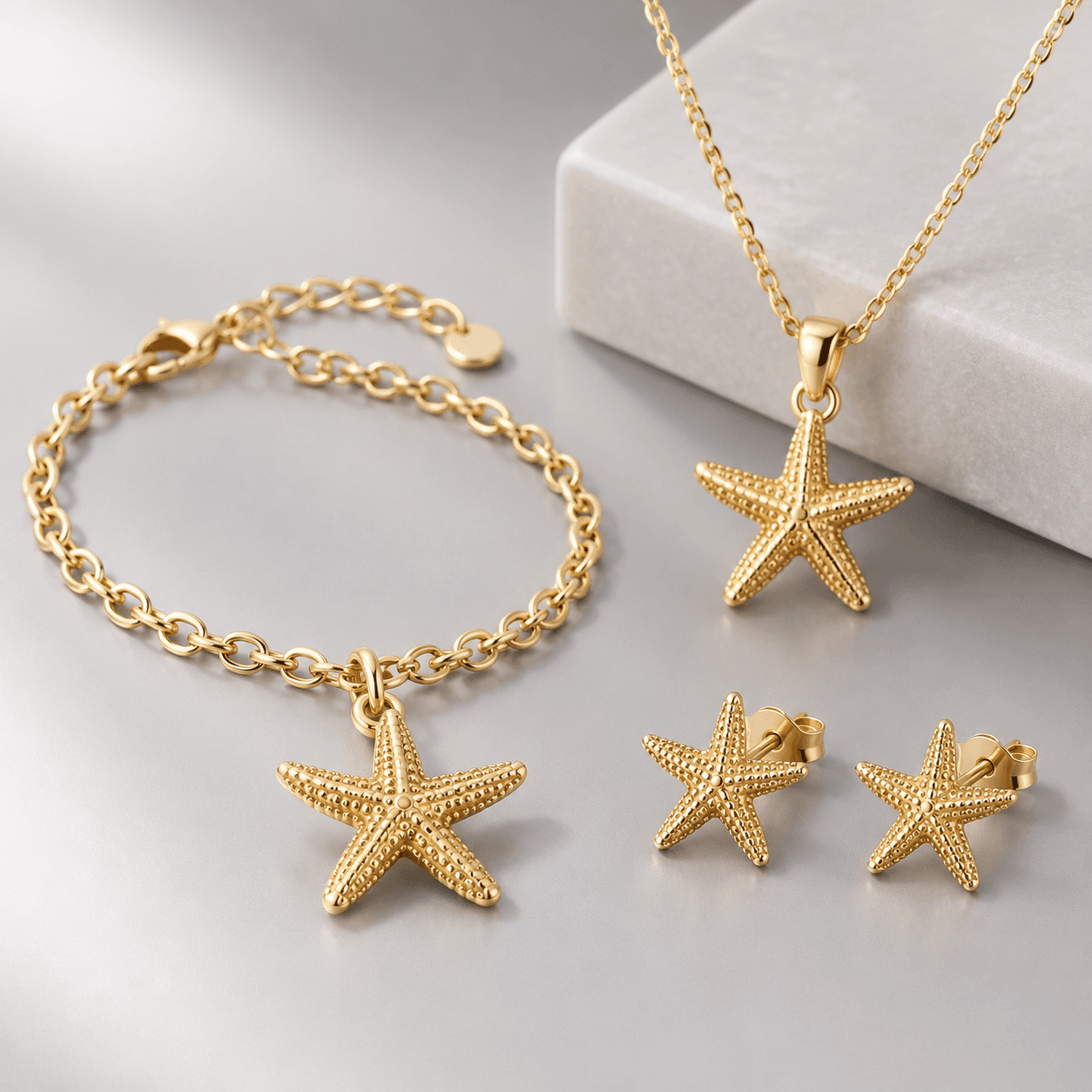
A starfish charm bracelet combines marine-inspired design with practical jewelry engineering. For jewelry designers developing a boutique jewelry collection, private label jewelry range, or wholesale jewelry program, material selection influences appearance, structural integrity, surface finishing, and long-term product consistency. Understanding how stainless steel grades, decorative finishes, charm geometry, and attachment hardware work together helps turn an initial design concept into a manufacturable product.
This material guide examines the technical considerations behind a custom starfish charm bracelet, from selecting 316L stainless steel and evaluating PVD gold plating to planning sampling, stone setting, and quality control. Buyers can use these manufacturing considerations when discussing design development, sample production, CNC and laser processing, polishing, finishing, inspection, custom logo work, and packaging with Lefeng Jewelry or another qualified supplier. The aim is to prepare more precise specifications and develop commercially practical collections.
فهم متطلبات المواد اللازمة لسوار مزين بتعليقة نجم البحر
The first step in designing a starfish charm bracelet is understanding how the base material influences the finished product. Stainless steel is a practical option for jewelry designers who need a defined metal appearance, consistent component geometry, and flexibility across different bracelet constructions. Within stainless steel options, 316L stainless steel and 304 stainless steel should be evaluated according to the intended product specification, component function, finishing requirements, and target market expectations.
316L stainless steel is particularly relevant when a design requires a refined metal surface and a carefully specified material composition. Its chromium content contributes to the formation of a passive surface layer, while its molybdenum content distinguishes it from common 304 stainless steel. These material characteristics are relevant to corrosion-resistance considerations, although actual product performance depends on the complete alloy specification, manufacturing process, surface condition, and intended environment. Designers should avoid treating a material grade alone as proof of a finished bracelet's performance.
For a starfish charm bracelet, the base material must also suit the dimensions and construction of the decorative element. A small starfish charm may require fine surface detailing, while a larger charm may need a different thickness and attachment configuration. During supplier discussions, buyers can review design development, sampling, polishing, inspection, and other requested processes against the confirmed project scope. Buyers can also review the available stainless steel bracelet collection when evaluating product structures and potential development directions.
هندسة تعليقة نجم البحر وبنيتها واعتبارات تصنيعها
يُعدّ الشكل الظلي لنجم البحر إحدى السمات التصميمية المهمة، إلا أن قابليته للتصنيع تعتمد على أكثر من مجرد المحيط الخارجي. ينبغي للمصممين مراعاة عدد الأذرع، ونسب الجسم المركزي، وتحديد الحواف، والتضاريس السطحية، والسماكة، وموضع التثبيت. تُعدّ التصاميم ذات الأذرع الخمسة توجهاً تصميمياً مألوفاً، ولكن يمكن تعديل النسب لإنشاء هويات بصرية مختلفة. تمنح الأذرع المستديرة مظهراً أكثر نعومة، بينما تُضفي الخطوط المحددة بوضوح شكلاً زخرفياً أكثر حدة. وينبغي أن تظل الهندسة المختارة عملية ومتوافقة مع عمليات الإنتاج والتشطيب المطلوبة.
تستحق السماكة والانتقالات الهيكلية اهتماماً خاصاً. فقد تتطلب الأجزاء الضيقة جداً بالقرب من أذرع نجم البحر مراجعة تصميمية إضافية، لأنها قد تؤثر على سهولة المناولة، وإمكانية الوصول لأغراض التلميع، واتساق الشكل النهائي. كما ينبغي مراعاة التفاصيل الغائرة والأنسجة البارزة من حيث توافقها مع القوالب وعمليات التشطيب. يمكن أن تدعم عمليات CNC والمعالجة بالليزر تطوير الأشكال والتفاصيل المحددة بدقة، بينما يساعد التلميع على تحسين تشطيب الأسطح التي يسهل الوصول إليها. وتعتمد طريقة التصنيع المناسبة على الرسم الهندسي المعتمد والأبعاد والمظهر السطحي المطلوب.
لا تقل هندسة التثبيت أهمية عن ذلك. إذ يمكن توصيل تعليقة نجم البحر بسوار من خلال حلقة وصل (Jump Ring) ذات حجم مناسب، أو حلقة تثبيت مدمجة، أو أي وصلة أخرى محددة. وينبغي تحديد موضع الوصلة بما يسمح بالحركة الطبيعية دون التسبب في اتجاه غير مقصود أو تقييد حركة مكونات السوار المجاورة. يجب على المصممين توضيح الاتجاه المطلوب للتعليقة، وأبعاد الحلقة، والخلوص اللازم عند نقطة الاتصال، وتركيبة السوار ضمن الموجز الفني. للاطلاع على المزيد من التوجهات التصميمية، يُرجى مراجعة تعليقات Lefeng Jewelry المصنوعة من الفولاذ المقاوم للصدأ وتصاميم المجوهرات الجديدة.
اختيار الطلاء الذهبي بتقنية PVD والتشطيبات السطحية الزخرفية
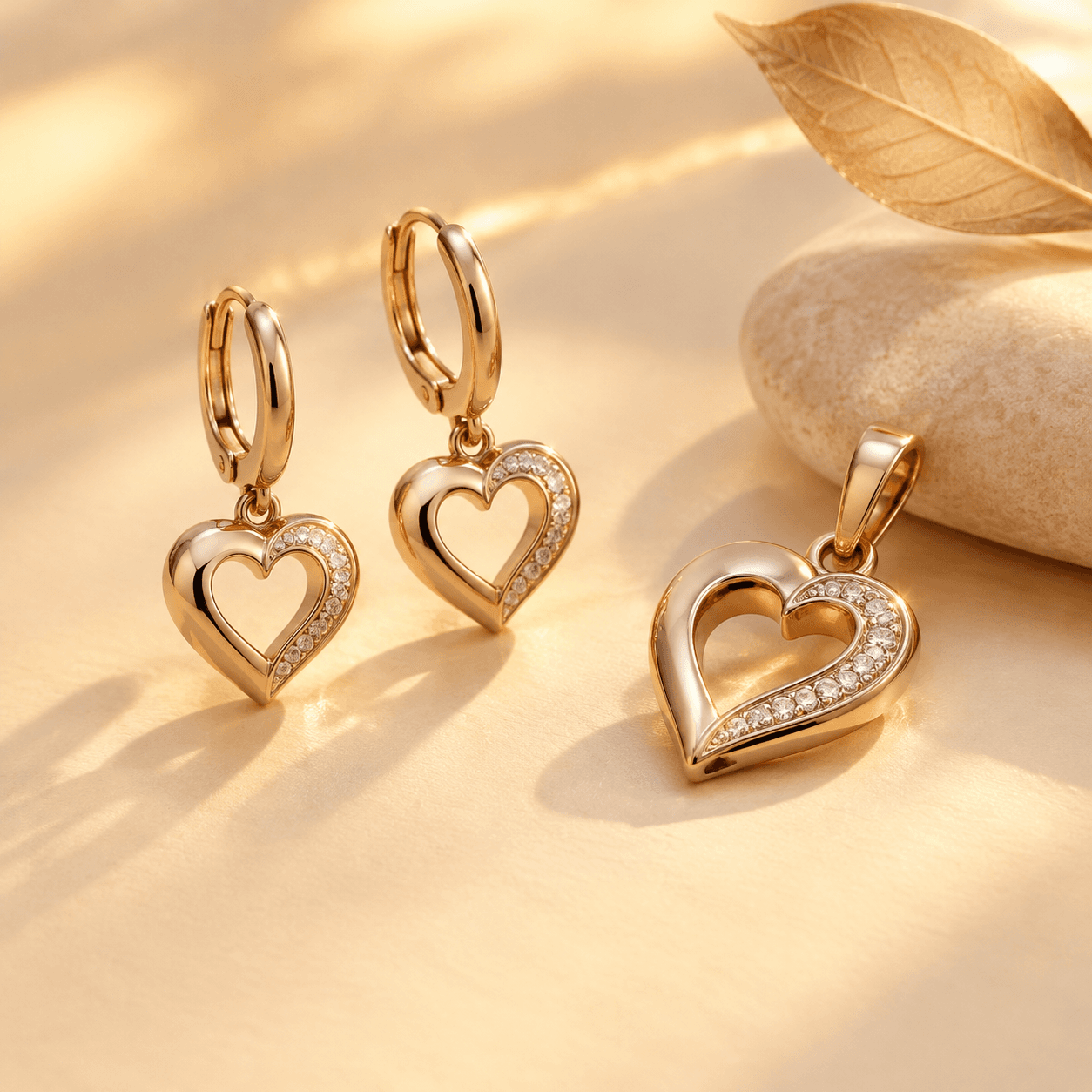
يؤثر تشطيب السطح بشكل كبير على الطابع البصري لسوار التعليقة المزينة بنجمة البحر. إذ يمنح سطح الفولاذ المقاوم للصدأ المصقول مظهراً معدنياً أنيقاً ونقياً، بينما تضفي الطلاءات الذهبية بتقنية PVD لمسة نهائية بلون ذهبي يمكن أن تدعم توجهاً أكثر دفئاً للمجموعة. كما يوفر الطلاء بالذهب الوردي خياراً آخر للتشطيب. ينبغي للمصممين اختيار التشطيبات وفقاً للوحة الألوان العامة للمجموعة، والتموضع المستهدف للمنتج في سوق التجزئة، والعلاقة البصرية بين التعليقة وسلسلة السوار ومكونات التوصيل.
تشير تقنية PVD، أو الترسيب الفيزيائي للبخار، إلى تقنية طلاء تُرسَّب فيها المواد على سطح مُجهز في ظل ظروف تفريغ محكومة. وفي صناعة المجوهرات، يُعد الطلاء الذهبي بتقنية PVD مهماً لأنه يوفر طريقة لإنشاء سطح زخرفي بلون ذهبي. ومع ذلك، تعتمد النتيجة النهائية على تجهيز الركيزة، ونظافة السطح، ومواصفات الطلاء، وهندسة المكونات، والتحكم في العملية. لذلك، ينبغي أن يحدد التصميم ذو المواصفات الفنية التفصيلية التشطيب المطلوب، والمرجع اللوني، ومستوى اللمعان، وما إذا كانت جميع مكونات السوار تتطلب المعالجة نفسها.
يُعد تجهيز السطح جزءاً أساسياً من تطوير التشطيب. إذ يمكن أن تؤثر علامات التلميع والحواف والتجاويف ومناطق التثبيت في مظهر الطلاء النهائي. ينبغي للمصممين مراجعة العينات في ظل إضاءة موحدة وفحص كل من الوجه الزخرفي الرئيسي والأسطح الهيكلية الأقل وضوحاً. وعندما يتطلب المشروع وثائق محددة للطلاء أو أدلة على الأداء، ينبغي تحديد المتطلبات ذات الصلة قبل بدء الإنتاج. ويمكن لشركة Lefeng Jewelry مراجعة المواصفات المطلوبة ومناقشة الوثائق المتاحة للتكوين المعتمد، بدلاً من افتراض أن جميع أنواع التشطيب تتمتع بخصائص متطابقة.
ولإنشاء مجموعة منتجات متناسقة، يمكن للمصممين أيضاً التفكير في استخدام تفاصيل المينا أو الزركون أو الكريستال أو اللؤلؤ، حيثما كان ذلك مناسباً للتصميم المعتمد. ويترتب على إضافة كل عنصر زخرفي اعتبارات خاصة بالتثبيت والفحص. ويتمثل الهدف في وضع مواصفات للتشطيب يمكن توضيحها بجلاء، وإعادة تنفيذها من خلال عملية متفق عليها، ومراجعتها ومقارنتها بعينة معتمدة.
الجمع بين الملمس واللون والتفاصيل الزخرفية
A starfish charm bracelet offers several opportunities for creative customization without changing its fundamental product category. The charm surface can be developed with smooth polished areas, recessed lines, raised textures, or carefully defined contours. These treatments influence how light interacts with the metal and how clearly the starfish form appears. Designers should decide which details are essential to the visual identity and which may complicate manufacturing without adding meaningful value.
Enamel can introduce controlled color accents into selected recessed areas, while zircon and crystal can create decorative focal points through appropriate setting structures. Pearl elements may also be considered when the design requires a softer decorative contrast. Each option needs a specific placement plan. For example, a small central stone may require an appropriate seat and secure setting geometry, whereas enamel requires suitable recess dimensions and clean boundaries. These details should be developed around the actual component dimensions rather than added after the main structure has been finalized.
Mixed-material concepts require particular attention to interfaces. A bracelet may combine stainless steel structural components with a decorative element in another configured material, such as 925 sterling silver, copper, or zinc alloy. Such combinations should be evaluated according to the functional role of each component, joining method, surface finish, and inspection requirements. The material list and component responsibilities should be clearly recorded in the approved specification so that buyers understand exactly what is being manufactured.
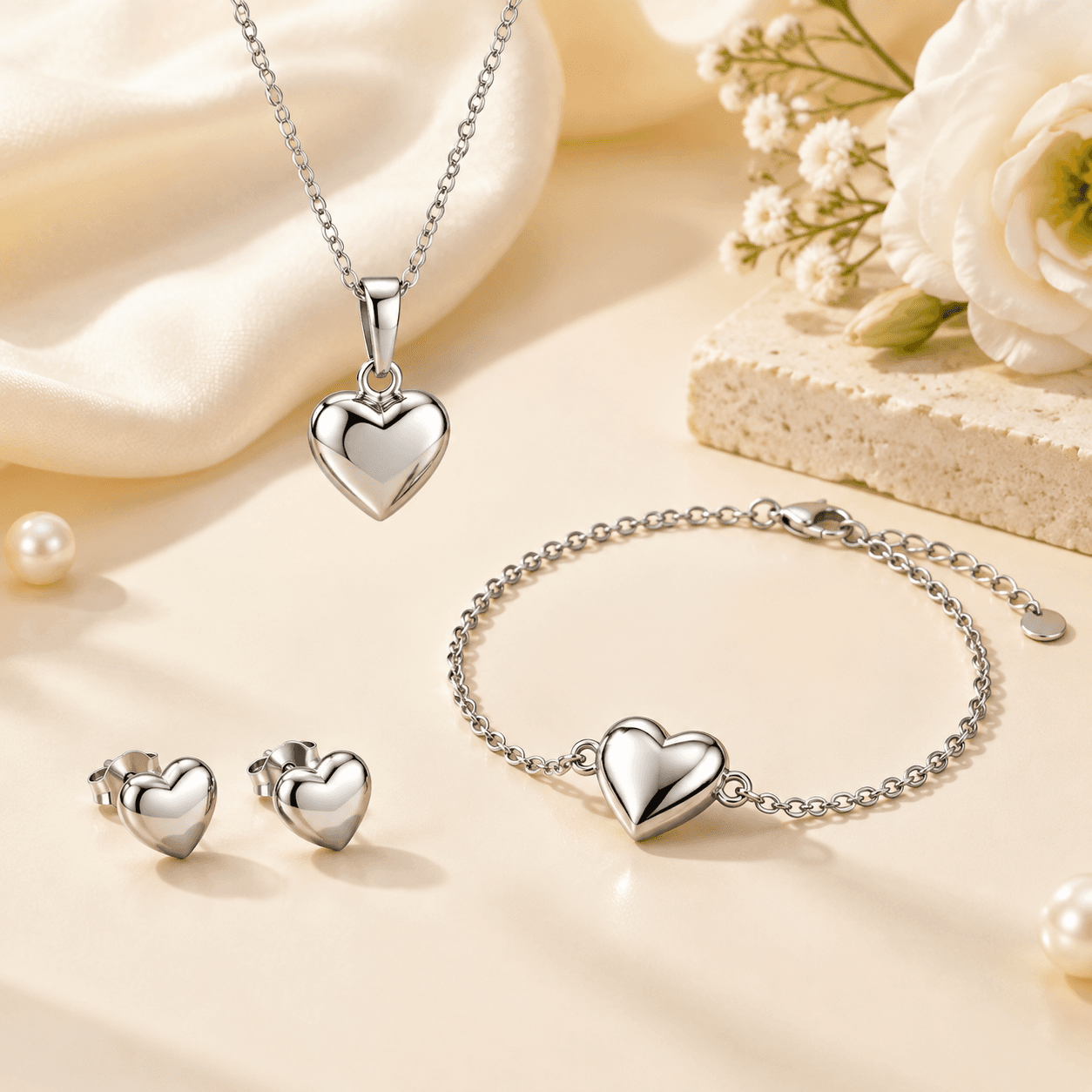
Designers can develop a cohesive collection by applying a consistent decorative language across bracelets, necklaces, earrings, and rings. A starfish motif may become the central visual element, while differences in scale, finish, and stone placement create variation between products. Explore the stainless steel necklace range, stainless steel earrings, and stainless steel rings when planning coordinated product development.
تصميم سلسلة السوار، وتوزيع التعليقات الزخرفية، والتناسبات الملائمة للارتداء
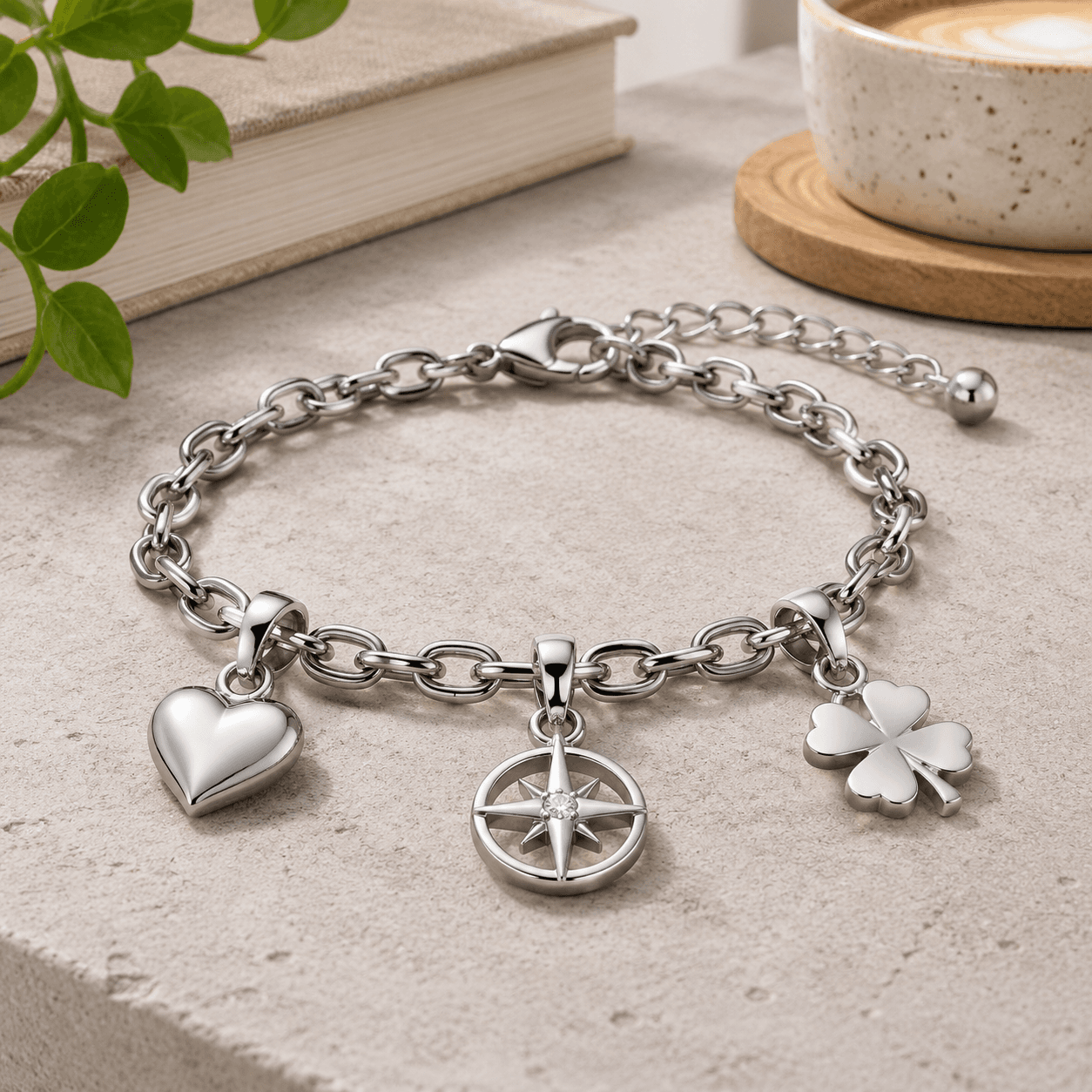
The bracelet structure determines how the starfish charm sits, moves, and interacts with the wrist. Designers can consider chain bracelets, link-based constructions, or other suitable bracelet formats according to the desired appearance and approved manufacturing design. Chain link dimensions, bracelet length, extension chain configuration, and closure selection should be evaluated together. A decorative charm that appears balanced in a standalone drawing may look different when attached to a moving bracelet, so the complete assembly should be reviewed during sampling.
Charm placement affects both visual balance and product functionality. A central starfish charm creates a clear focal point, while multiple decorative elements can distribute visual interest along the bracelet. The attachment loop and jump ring must have suitable proportions for the charm and chain. Excessively restricted movement may cause the charm to sit awkwardly, while an unsuitable connection arrangement may allow unwanted rotation. The intended movement and orientation should therefore be demonstrated in the sample rather than judged only from a flat design image.
Closure selection is another practical consideration. A lobster clasp is a separate bracelet closure positioned at the appropriate chain end, not an attachment component that connects directly to the starfish charm. Its dimensions should be suitable for the bracelet chain and the intended user experience. Extension chains can provide adjustment flexibility when included in the design. Designers should specify closure type, connection dimensions, chain length, and extension length independently so that each component can be evaluated during production.
Before confirming a design, review the complete bracelet on a flat surface and in a natural curved position. Check that the starfish charm remains visually balanced, connecting rings are properly attached, the clasp operates as intended, and no component interferes with another. This assembly-focused approach helps a stainless steel jewelry manufacturer identify design adjustments before the project moves beyond sample development.
تطوير العيّنة: تحويل مفهوم تعليقة نجم البحر إلى مواصفات إنتاجية
Sampling is the stage where a jewelry designer can evaluate whether a creative concept translates into a practical manufacturing structure. A useful starfish charm bracelet development brief should include a reference drawing or visual concept, overall bracelet dimensions, charm measurements, material grade, surface finish, connection details, and any decorative requirements. If the design includes enamel, zircon, crystal, or pearl, the location and construction of each decorative feature should also be documented. More complete information reduces ambiguity during technical review.
During an OEM or ODM supplier discussion, the project may progress from concept review to sample production through design development, CNC and laser processing, polishing, PVD or other configured finishing, decorative setting, and sample inspection, subject to the confirmed project scope. Designers should treat the first sample as an opportunity to review both appearance and construction. The charm silhouette, metal thickness, surface transitions, attachment position, chain proportions, and closure arrangement should be compared with the original design intention.
Sample feedback should be specific and measurable wherever possible. Instead of requesting a charm that simply looks more balanced, provide the preferred position, dimension, proportion, or drawing revision. Instead of requesting a better gold color, provide a physical finish reference or an agreed color specification. This makes communication between the design team and factory more productive. Any revisions should be recorded so that the approved sample and production specification remain aligned.
Designers developing a private label jewelry range should also consider the commercial structure during sampling. The intended quantity, packaging requirements, logo placement, product variations, and target markets may affect the final specification. MOQ should be discussed against the actual design, material configuration, process requirements, and order scope rather than assumed to be identical for every product. Learn more about the available OEM and ODM manufacturing services and prepare project information for an initial technical discussion.
نقاط فحص مراقبة الجودة لسوار تعليقة نجم البحر بالجملة
Quality control should cover the complete bracelet rather than concentrating only on the decorative starfish charm. A structured inspection approach begins with specification confirmation. The material grade, component dimensions, finish reference, connection structure, and approved sample should be available as the basis for review. Where multiple components use different configured materials or finishes, their individual specifications should be recorded clearly. This creates a practical reference for evaluating incoming materials, work-in-progress components, and assembled products.
During component processing, relevant inspection points include the starfish outline, arm proportions, edge condition, surface smoothness, recess definition, and attachment-loop geometry. Polishing should be reviewed for visible inconsistencies, while finished surfaces should be examined for unwanted marks and differences against the approved reference. For PVD gold plating and rose gold plating, the agreed visual finish should be checked across the relevant components. Decorative settings should be inspected for positioning and visible construction issues according to the approved design.
Final assembly inspection should examine bracelet length, chain connections, jump rings, charm movement, clasp operation, extension chain attachment, and overall appearance. Packaging review should confirm that the selected packaging configuration matches the order specification and that the product is presented appropriately for handling and shipment. These checkpoints are practical process controls, not a substitute for project-specific laboratory testing or external certification.
For buyers supplying products to the US, EU, UK, Canada, or Australia, regulatory and documentation requirements should be identified according to the destination market, product composition, and intended claims. If a certificate, material declaration, coating report, or specific test result is required, the buyer should identify the applicable standard and documentation scope during the RFQ stage. Lefeng Jewelry can review or discuss documentation arrangements for the confirmed specification. Any supplier's in-house inspection and finishing processes should be distinguished from external certification or independent test evidence.
For further buyer education, see manufacturing and sourcing insights, including material selection, bracelet inspection, and finishing considerations. A clear quality checklist gives designers and sourcing teams a shared basis for approving samples and reviewing production requirements.
تصميم مجموعة أساور بعلامة تجارية خاصة قابلة للتطبيق تجاريًا
A successful starfish charm bracelet collection should combine creative differentiation with a specification that can be manufactured and reviewed consistently. Designers can establish a core product structure and develop variations through charm dimensions, metal finishes, decorative accents, chain proportions, and packaging presentation. This approach allows a collection to maintain a recognizable design direction without requiring every variation to introduce an entirely different manufacturing structure.
For example, a collection may use one approved bracelet construction with different starfish charm surface treatments. One version could emphasize a polished stainless steel surface, while another could feature PVD gold plating. A further variation could introduce an enamel detail or a specified zircon setting. The feasibility of each variation should be evaluated according to processing requirements and the complete product specification. Designers should also consider whether the selected finishes and decorative details can be applied consistently across all related components.
Commercial planning should begin before the final sample approval. Buyers should establish the anticipated order quantity, SKU structure, packaging format, logo requirements, target retail positioning, and delivery-market documentation needs. A low MOQ request should be discussed in relation to the selected material, tooling or development requirements, finishing processes, and packaging configuration. Different variations may have different production considerations, so the factory should review the complete order plan rather than evaluate a single product image.
Buyers can discuss private-label development requirements with Lefeng Jewelry, including sampling, logo placement, packaging, inspection arrangements, and export documentation, subject to the confirmed project scope. Review the Lefeng Jewelry factory and company information to understand the available company information and prepare a project discussion. For a broader range of product options, explore the stainless steel bracelets collection before preparing a product list or RFQ.
الأسئلة الشائعة حول مواد أساور التعليقات بزخرفة نجم البحر
ابدأ تطوير سوارك المخصص المزخرف بقلادة نجم البحر
Ready to turn your starfish charm bracelet concept into a practical private label jewelry product? Share your design reference with Lefeng Jewelry for an initial manufacturing discussion. Buyers can discuss OEM and ODM design development, sample production, CNC and laser processing, polishing, PVD and plating, decorative setting, quality inspection, custom logo work, packaging, and export coordination according to the confirmed project scope.
For a useful RFQ, include your preferred material grade, such as 316L stainless steel or 304 stainless steel; charm dimensions and thickness; bracelet length and chain structure; connection and clasp requirements; desired surface finish; and any enamel, zircon, crystal, or pearl details. Attach technical drawings, reference photographs, color specifications, or an existing sample where available. Also indicate your target quantity, expected MOQ, number of design variations, logo requirements, packaging preferences, destination market, and any required material or product documentation.
If you are still developing the concept, Lefeng Jewelry can review the available information and discuss practical sample development considerations before the final specification is approved. You can contact our team for an RFQ, browse new stainless steel jewelry designs, or add relevant products to your quote list. A clear brief is the starting point for evaluating materials, confirming construction details, and developing a bracelet that reflects your collection requirements.
Related resources
Related resources
- How to Evaluate Quality in Stainless Steel Charm Bracelets
- Why Is Stainless Steel Heart Charm Waterproof? 316L Guide
- Best Stainless Steel Heart Charm Ideas: A Buyer's Design Guide
- Stainless steel jewelry gift ideas: Retail design trends guide
- Is Stainless Steel Jewelry Waterproof? Quality Tests Guide
- Seasonal Charm Collection Guide for OEM Jewelry Buyers
- Seasonal Charm Collection: OEM Jewelry Trends for Brands
- Jewelry Parts: A Practical Guide for OEM/ODM Manufacturing
- Stainless Steel Heart Charms: A B2B Buyer’s Guide to Premium Finishes
- Seasonal Charm Collection: Premium OEM Stainless Steel