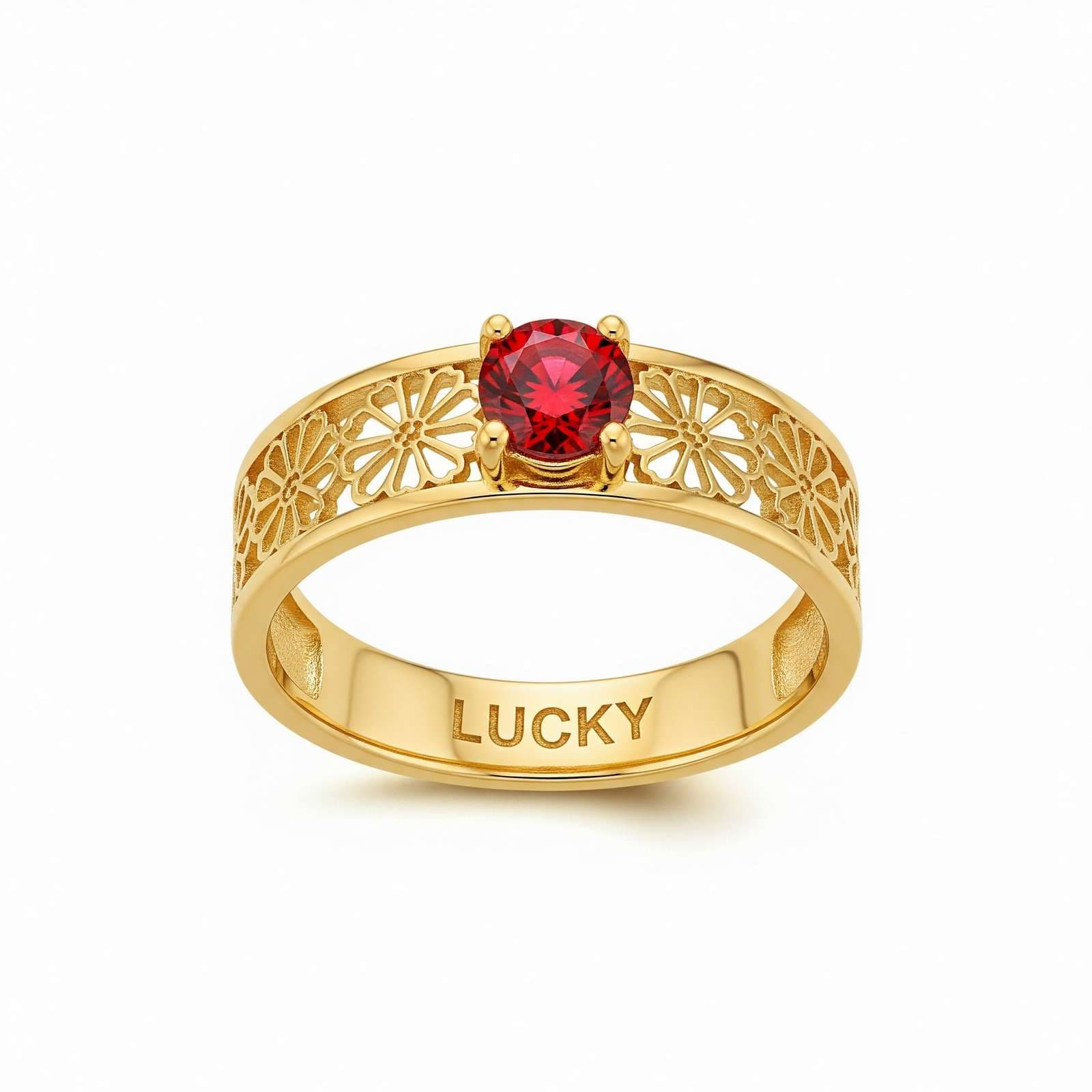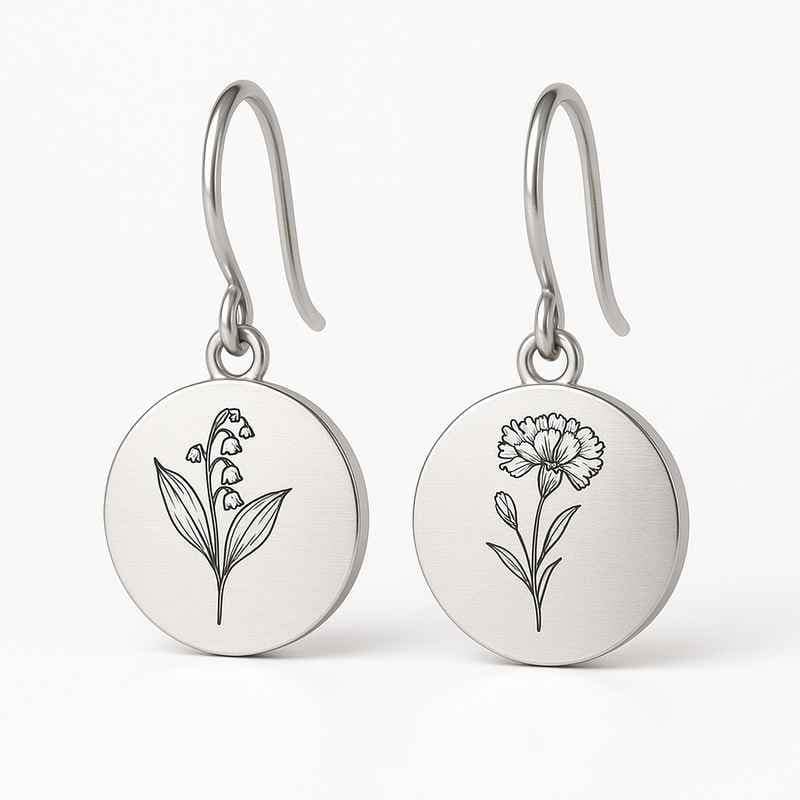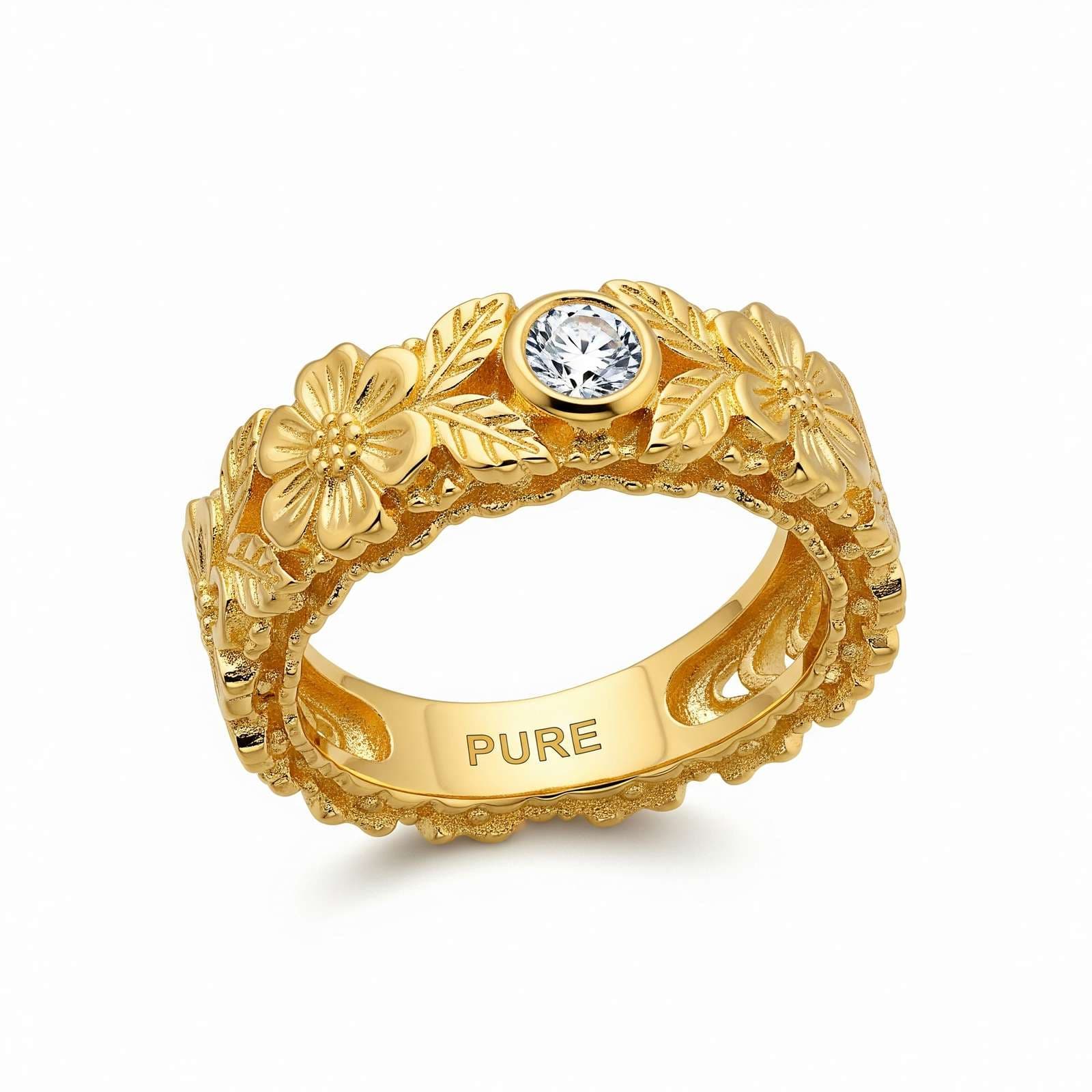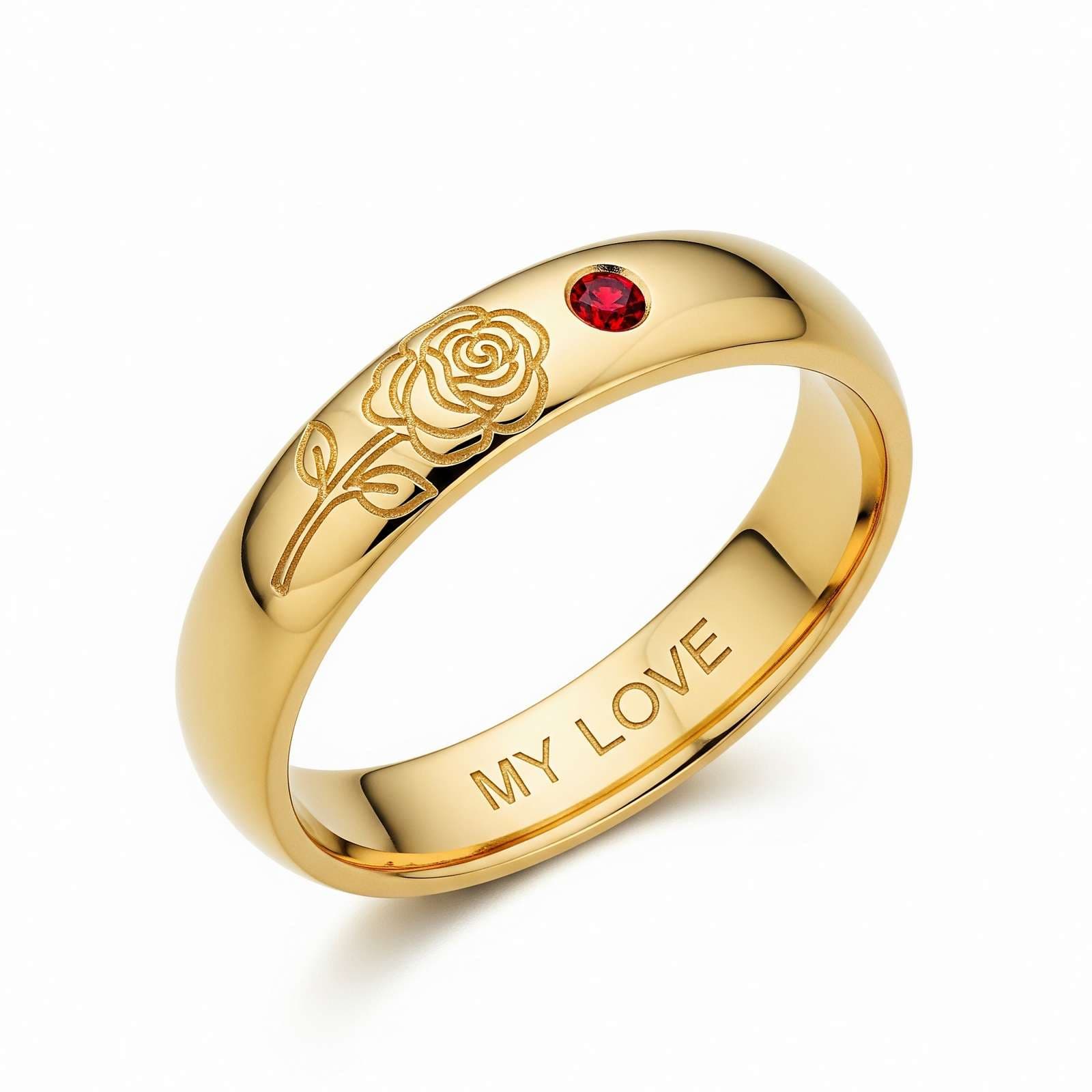
Knowing how to clean stainless steel earrings helps jewelry designers maintain product appearance, prepare accurate care cards, and define practical specifications for private label collections. Skin oils, cosmetics, dust, and soap residue can accumulate around earring posts, hinges, stone settings, and connecting components. For plain stainless steel earrings, gentle cleaning with mild soap and lukewarm water is a practical starting point when the construction permits rinsing.
Cleaning requirements can change when a design includes PVD gold or rose gold finishes, enamel, zircon, crystal, pearl, adhesive-dependent components, or intricate mechanisms. The base metal alone does not determine the safest cleaning method. Designers should identify the material, surface treatment, decorative components, and assembly method, then validate the proposed care instructions against the finished sample.
For OEM and ODM jewelry projects, cleaning requirements can be incorporated into the product brief, sample review, quality inspection criteria, and packaging instructions. Lefeng Jewelry's manufacturing services and available project capabilities should be confirmed against the requirements of each order. This guide answers common questions about cleaning stainless steel earrings and explains how sourcing teams can translate care requirements into production-ready specifications.
How to Clean Stainless Steel Earrings Safely
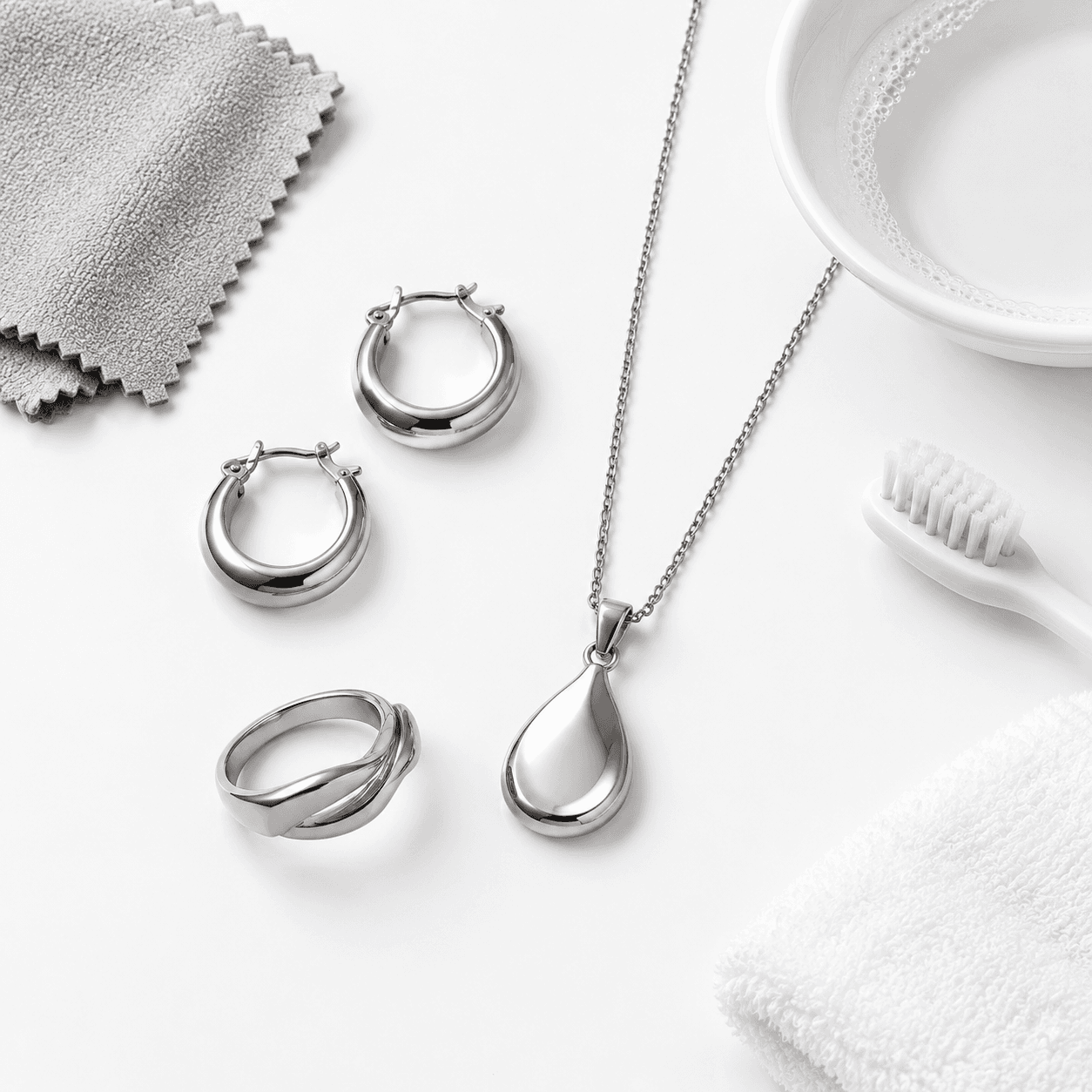
For plain stainless steel earrings without delicate decorative components, start with clean hands, lukewarm water, and a small amount of mild soap. Gently wipe the surface with a soft, non-abrasive cloth. For accessible recesses or textured areas, use a soft-bristled brush with light pressure. Avoid abrasive pads, aggressive scrubbing, and metal tools that could scratch the surface.
If the confirmed construction and finish permit water cleaning, rinse away soap residue and dry the earrings thoroughly with a clean, lint-free cloth. Pay attention to posts, backs, hollow sections, hinges, and connecting joints where moisture may remain. Allow the pieces to finish drying in a clean, ventilated area before placing them in closed packaging.
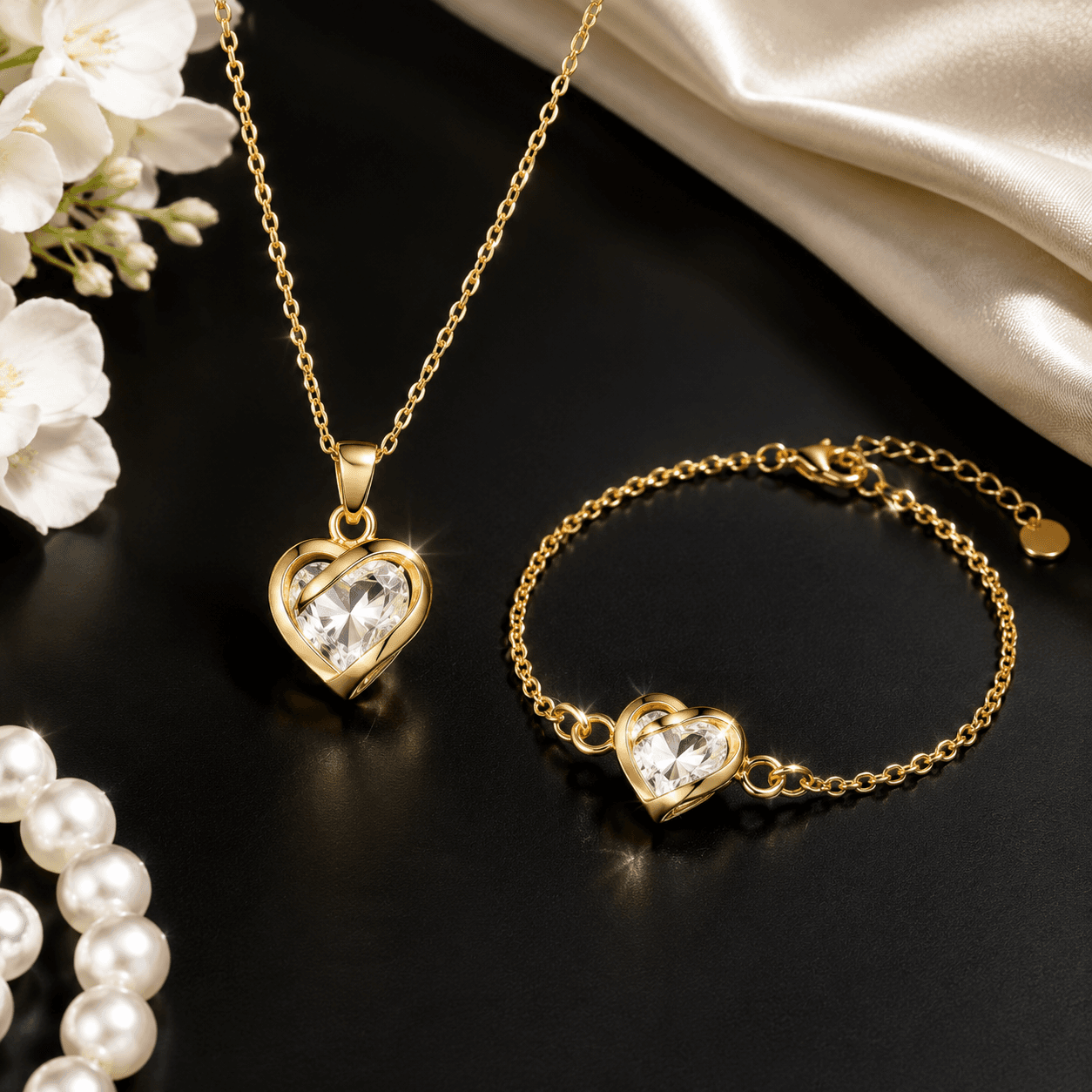
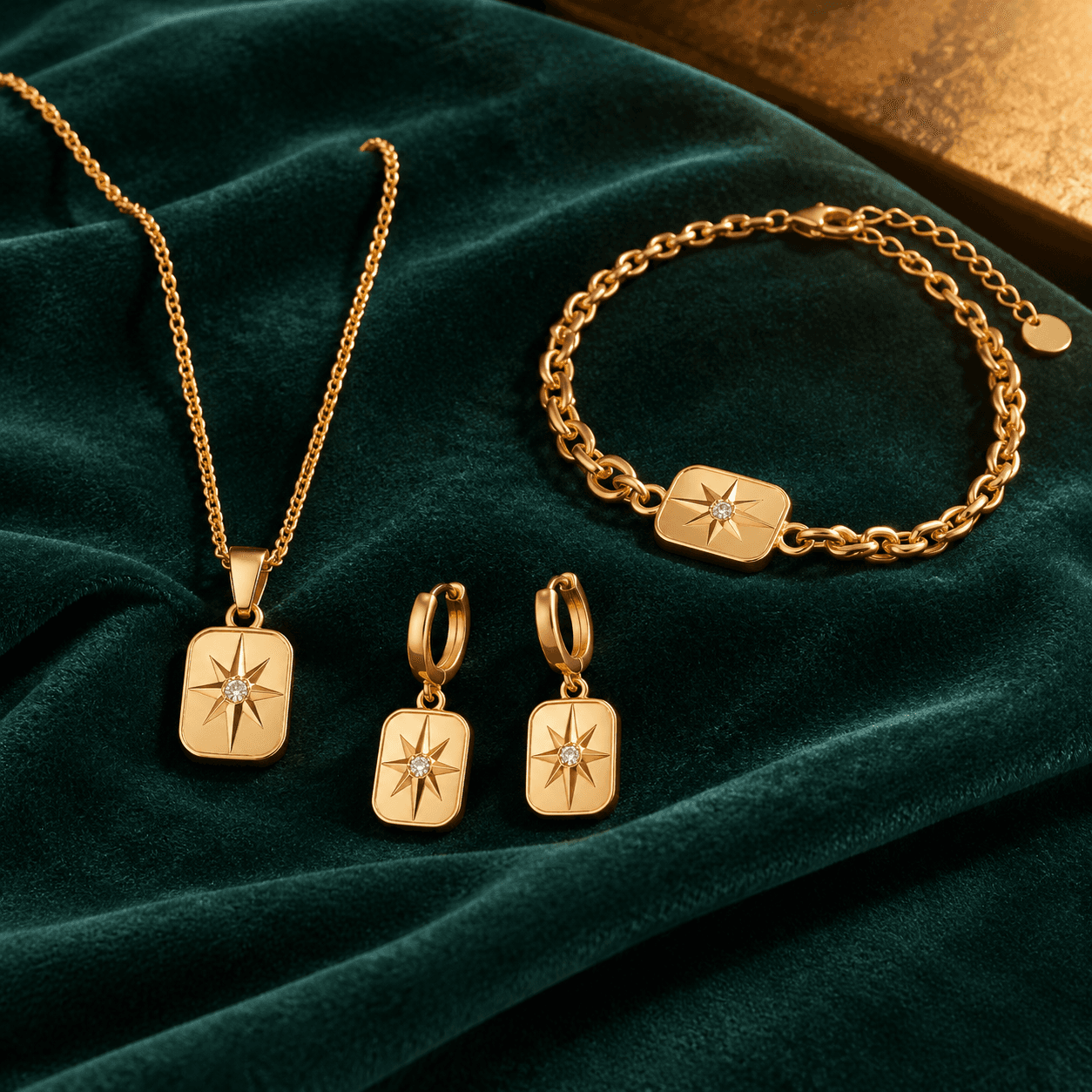
For PVD gold-plated or rose gold-plated earrings, enamel designs, and pieces featuring zircon, crystal, or pearl, check the care requirements for the complete assembly before rinsing or applying any cleaning agent. Avoid prolonged soaking, bleach, harsh chemicals, and unapproved ultrasonic or steam cleaning. When developing a new design, test the proposed care procedure on a representative sample and finalize customer-facing instructions only after reviewing the result.
Häufig gestellte Fragen zur Reinigung von Ohrringen aus Edelstahl
Materialeigenschaften und reinigungsspezifische Entscheidungen je nach Oberflächenveredelung
Cleaning decisions should account for both the base metal and the finished assembly. 316L and 304 stainless steel are distinct grades with different compositions and applications. Neither grade name alone establishes the cleaning tolerance of a complete earring, particularly when it includes coatings, decorative materials, adhesives, or moving components.
PVD gold and rose gold finishes require separate consideration because they change the surface of the underlying metal. Non-abrasive cleaning and careful drying help avoid unnecessary wear, but no routine can guarantee that a finish will remain unchanged under every condition. Enamel, zircon, crystal, and pearl also require care suited to the material, setting, and attachment method. Deep recesses and narrow joints may retain residue or moisture, so the cleaning method should reflect the full construction.
For OEM and ODM projects, record the specified substrate, surface treatment, decorative details, and approved care procedure. During sample review, inspect coating uniformity, surface marks, exposed edges, residue around settings, post alignment, and functional components where applicable. If chemical resistance, corrosion performance, or other technical properties are part of the commercial specification, define the assessment and required documentation in advance. Any claims about performance should be supported by evidence applicable to the actual product configuration.
Reinigungsrisiken bei individuellen Ohrringen und der Musterentwicklung
Custom earring designs can introduce cleaning challenges that are not present in a simple metal form. Textured surfaces, engraved details, narrow joins, stone settings, and moving components may retain oils or moisture. Review posts and backs, hinge areas, and other connection points carefully without forcing mechanisms or applying pressure that could distort the assembly.
During sample development, document the original appearance, apply the proposed cleaning procedure, dry the piece thoroughly, and inspect the same areas under consistent lighting. Look for changes in gloss, color, coating appearance, stone stability, enamel condition, and functional performance. This practical review helps identify visible concerns but does not replace laboratory testing when formal technical or regulatory evidence is required. Investigate any change before approving the design.
For Lefeng Jewelry projects, confirm which design development, sampling, machining, polishing, finishing, stone-setting, logo customization, inspection, and packaging services are available for the requested configuration. Provide clear drawings, finish references, component requirements, and care expectations so that manufacturing and sample-review decisions can be aligned before bulk production.
Qualitätskontrolle, Pflegehinweise und Konformitätsdokumentation
A useful quality-control specification connects the material grade, surface treatment, decorative components, construction, and approved care instructions. During sample review, inspect visible finishes, edges, joints, posts, backs, and settings, along with the item's condition after the agreed cleaning procedure. Define acceptable visual differences and the criteria for correcting defects before production. Keep the approved sample and written specification as shared references for subsequent production reviews and reorders.
Inspection checkpoints may include surface consistency, functional components, decorative attachments, logo placement, and packaging requirements. Their scope should be agreed for each product and order; visual inspection alone does not establish a certification or laboratory result. Requirements for markets such as the US, EU, UK, Canada, and Australia depend on the applicable rules, product composition, and intended use. Identify the relevant requirements and required evidence before production.
If material declarations, chemical testing, coating assessments, or other compliance documents are needed, list them in the RFQ and confirm which documents can be provided or arranged for the specified product. Keep the approved sample, material and finish details, cleaning instructions, inspection criteria, and applicable supporting documents together to support consistent product reviews and future reorders.
Pflegekarten für Eigenmarken und Vorbereitung von Großhandelsprodukten
For wholesale stainless steel jewelry, care cards should reflect the actual product rather than make broad claims about all stainless steel. Explain how to remove everyday residue, which cleaning agents and processes to avoid, when rinsing is permitted, and why thorough drying matters. Separate instructions for plain metal pieces from those for plated, enameled, or stone-set designs when their care requirements differ. Avoid promises that a finish is immune to wear or damage.
Review packaging against the approved product specification, including product protection, presentation, logo placement, item identification, and any care-card content. Confirm the availability and scope of private-label packaging services for the project. If packaging includes material, durability, or finish-performance claims, verify that each claim is accurate and supported before printing.
To streamline collection planning, group SKUs by base material, finish, decorative components, and cleaning restrictions. OEM projects can follow buyer-provided designs and requirements, while ODM projects may involve supplier-supported design development, subject to the agreed scope. Review OEM/ODM manufacturing services and factory and company information for initial sourcing discussions, then confirm the applicable capabilities, MOQ, sampling requirements, and documentation for your project.
Ressourcen für Ohrschmuckdesigner und Schmuckbeschaffungsteams
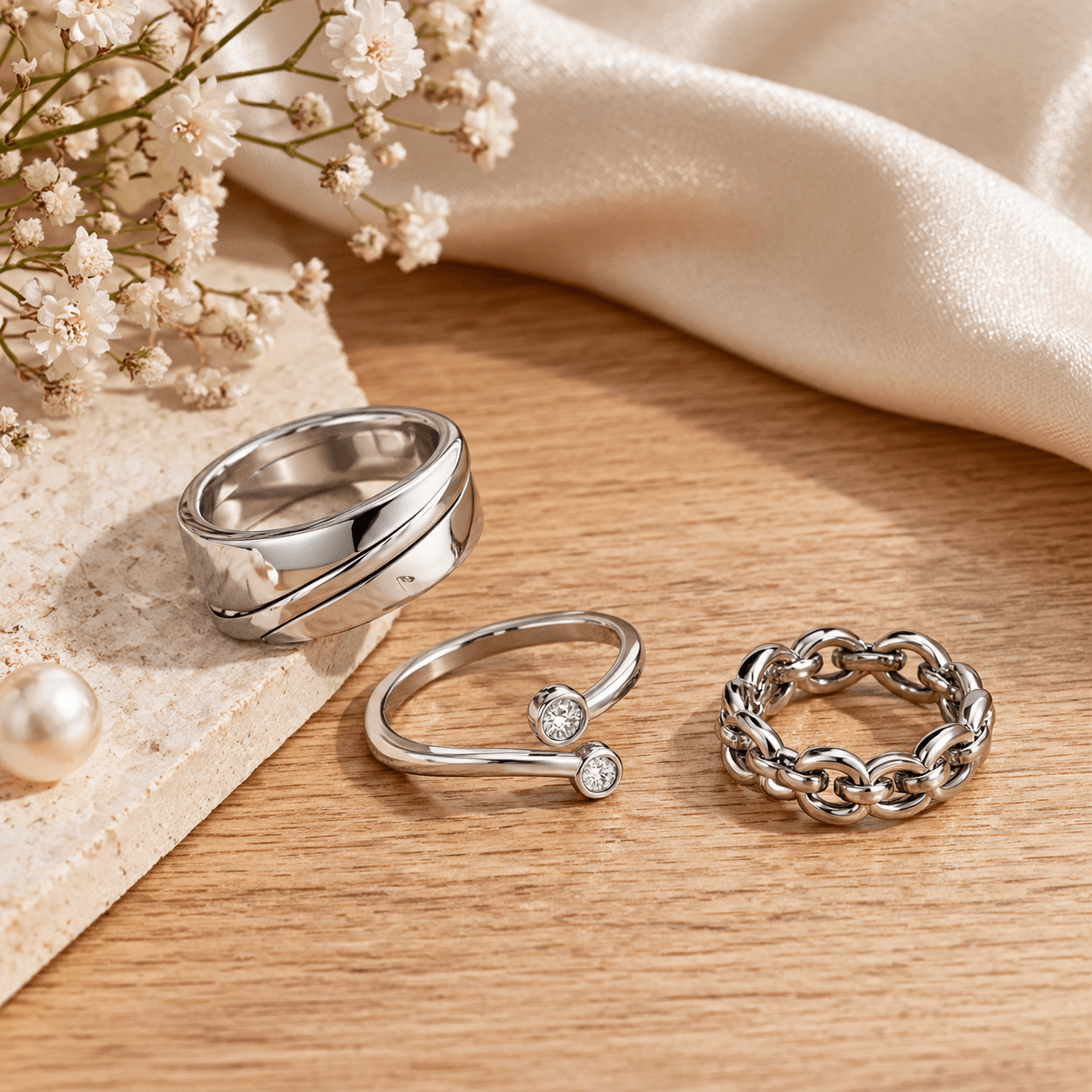
When planning a collection, start with the product category and manufacturing requirements most relevant to your project. Explore stainless steel earrings and custom earrings manufacturing to discuss earring designs. For coordinated private-label collections, review stainless steel necklaces, stainless steel bracelets, and stainless steel rings.
For broader sourcing research, the manufacturing insights and buyer education resources and jewelry sourcing blog offer additional starting points for material selection, sampling, and production planning. Use general guidance as background, not as a substitute for reviewing the actual material, finish, and assembly of each product.
Before approving a new design, consolidate the drawing, material and finish requirements, logo details, target quantity, packaging brief, and intended-market documentation needs. Record the cleaning procedure reviewed against the sample and identify restrictions that must appear on care cards. This creates a shared reference for design, procurement, quality, and packaging teams and helps keep future reorders aligned with the approved specification.
Besprechen Sie Ihr Edelstahl-Ohrringprojekt mit Lefeng Jewelry
Planning a private-label earring collection or refining an existing design? Contact Lefeng Jewelry with an RFQ covering the material, finish, sample requirements, inspection criteria, and packaging needs. Include drawings or reference images, target dimensions, preferred base material such as 316L or 304 stainless steel, requested PVD or plating finish, and any enamel, zircon, crystal, or pearl details. Specify post and backing requirements, logo placement, and intended retail presentation.
Also provide your estimated order quantity, target MOQ, intended markets, packaging format, requested sample scope, and any required material declarations, tests, certifications, or compliance documents. If cleaning performance or finish care is important to your product positioning, include the proposed care instructions and request a review against the actual sample. Confirm the availability and scope of any requested services or documentation rather than assuming they are included.
Start with Contact Lefeng Jewelry for an RFQ, review the OEM/ODM manufacturing services, or add relevant products to the quote list when evaluating existing designs. A clear project brief helps align sample development, product specifications, quality checks, and packaging decisions before bulk production commitments are finalized.
Related resources
Related resources
- How to Clean Stainless Steel Jewelry: Factory Care Guide for Buyers
- How to Clean Stainless Steel Jewelry: Expert Guide for Buyers
- Lefeng Jewelry - OEM/ODM Stainless Steel Jewelry Manufacturer
- Wholesale Stainless Steel Jewelry: Quality, Sourcing, and Private-Label Guide for OEM/ODM
- How to Clean Stainless Steel Jewelry: A Complete B2B Guide
- How to Clean Stainless Steel Jewelry: OEM Factory Care Guide Tips
- Gold Plated Stainless Steel Jewelry: Durability and Sourcing Guide
- How to Clean Stainless Steel Jewelry for Lasting Quality
- Stainless steel jewelry gift ideas: Retail design trends guide
- How to Clean Stainless Steel Jewelry: Expert Care Guide