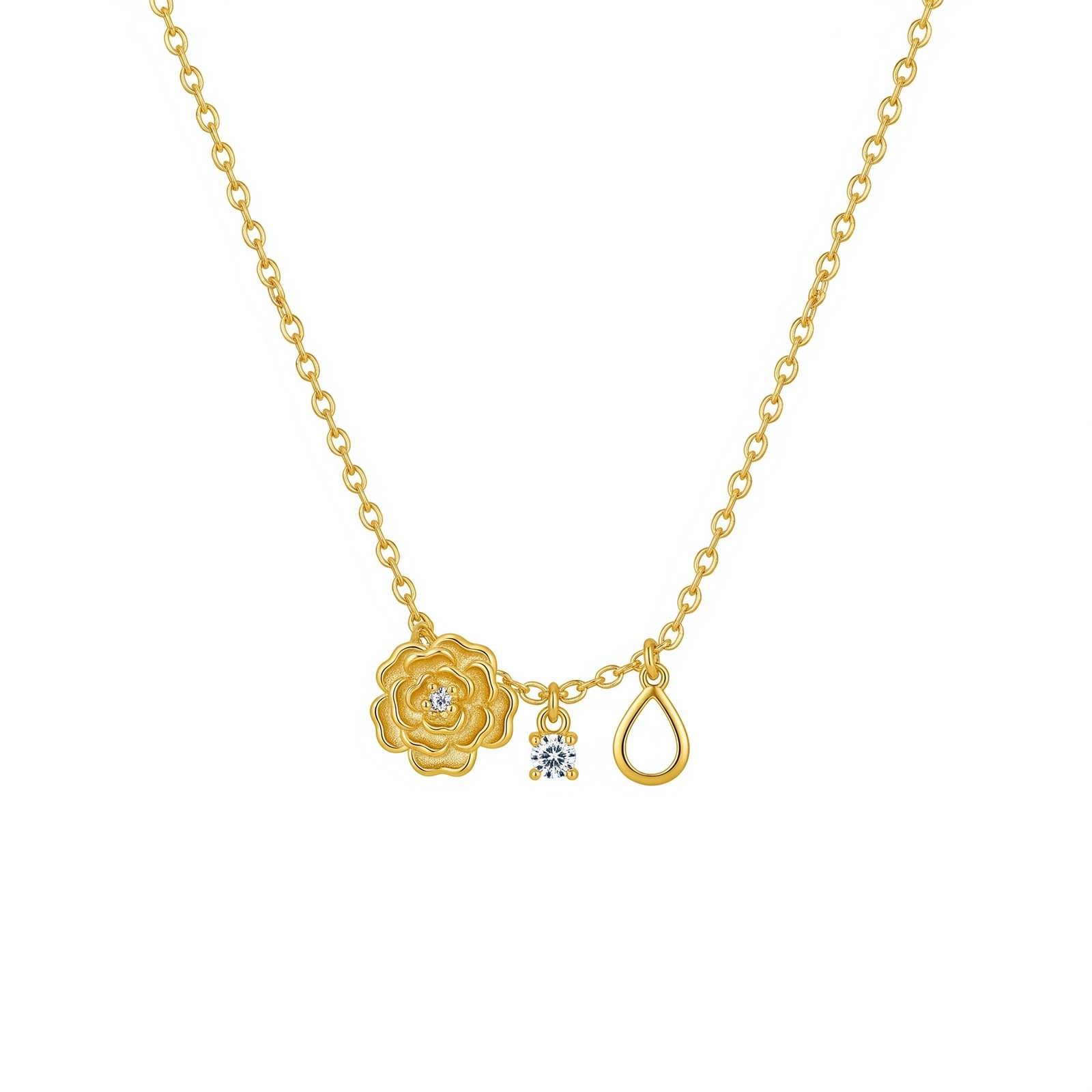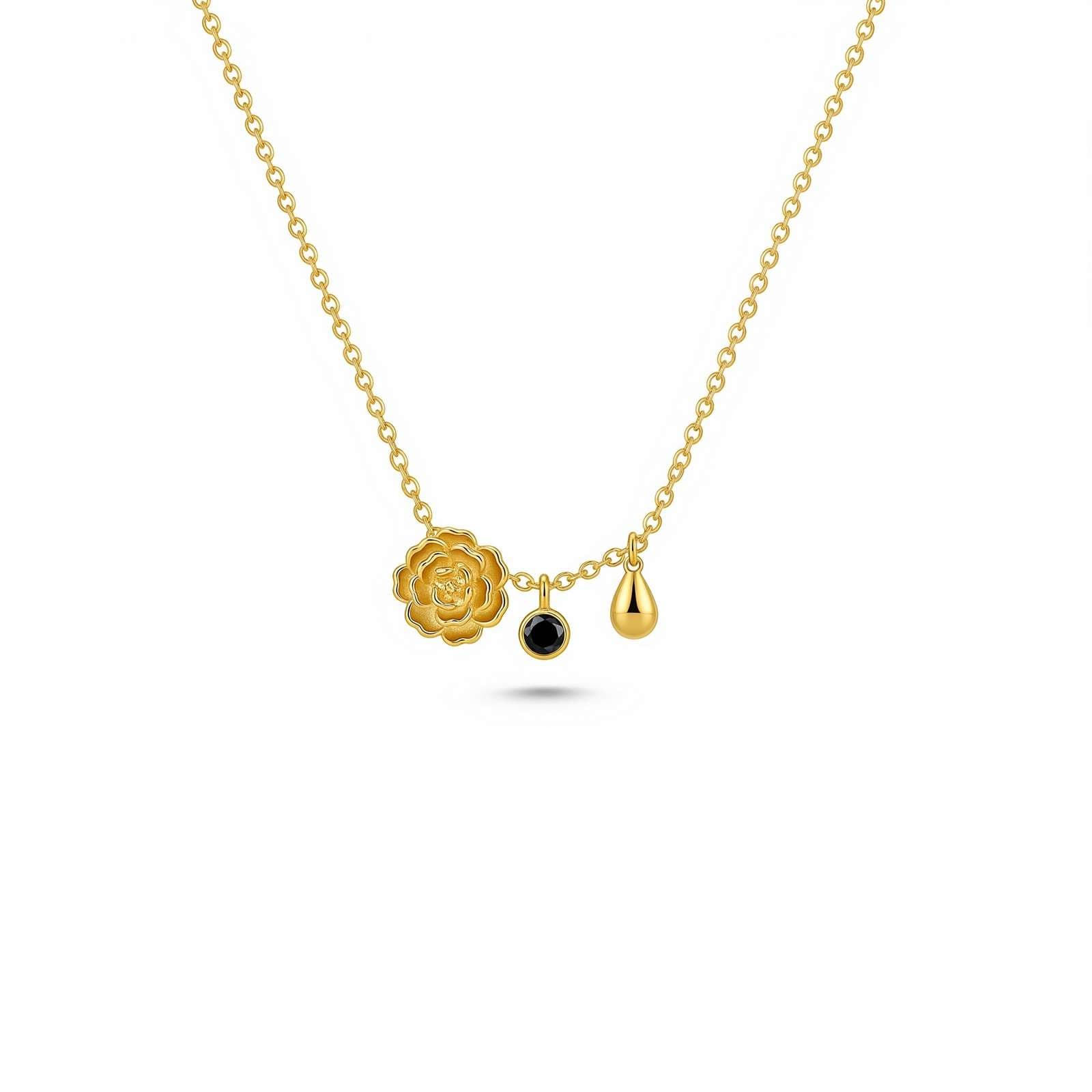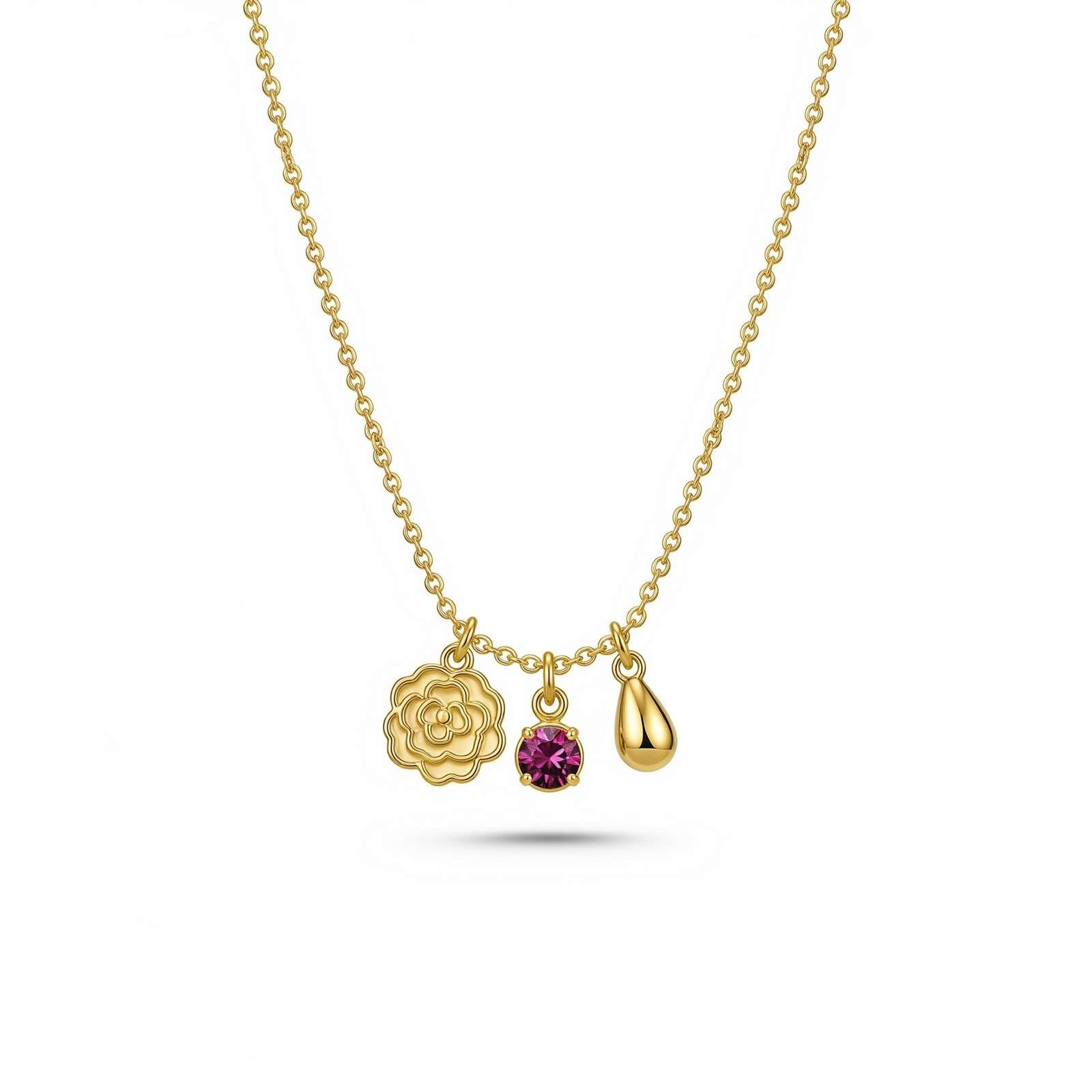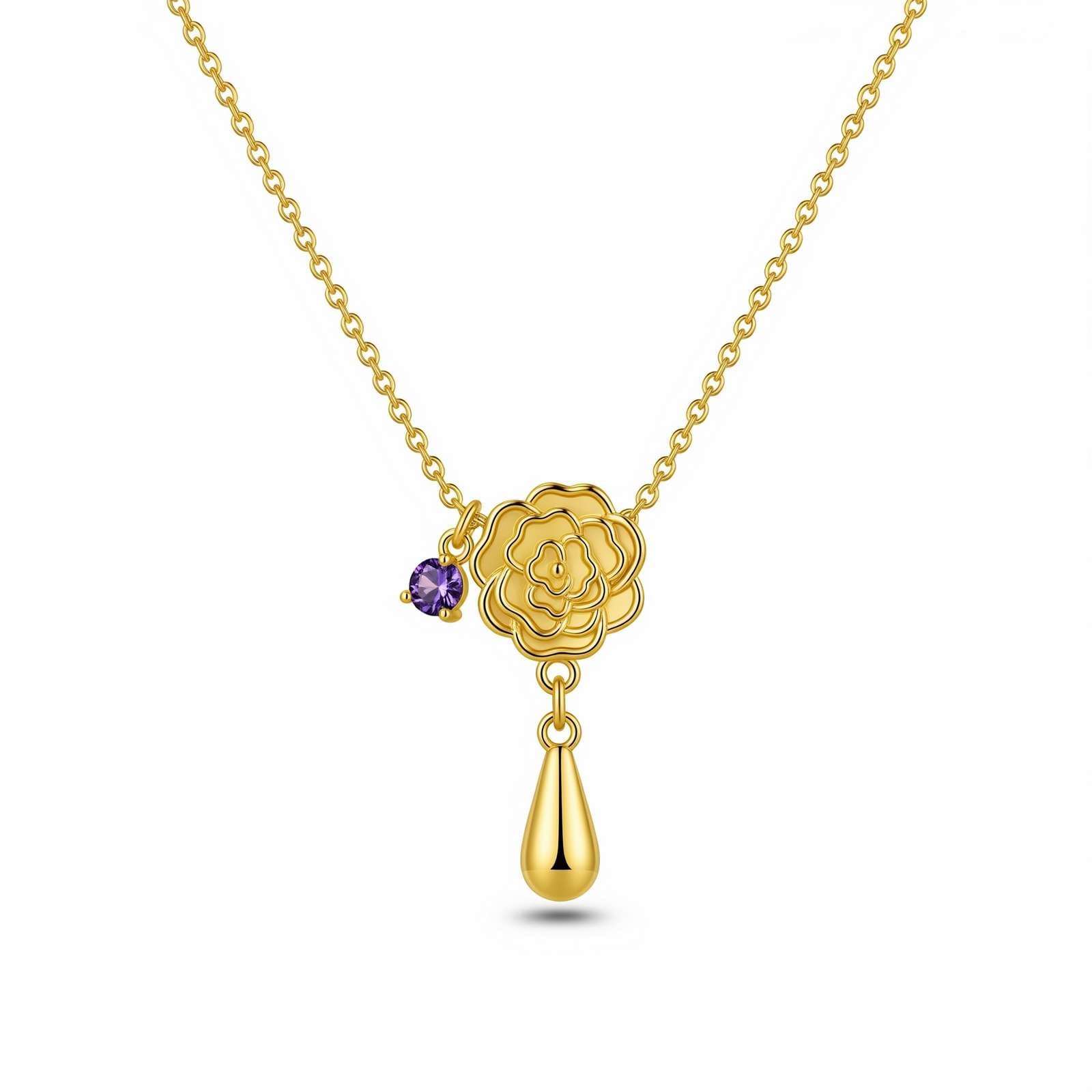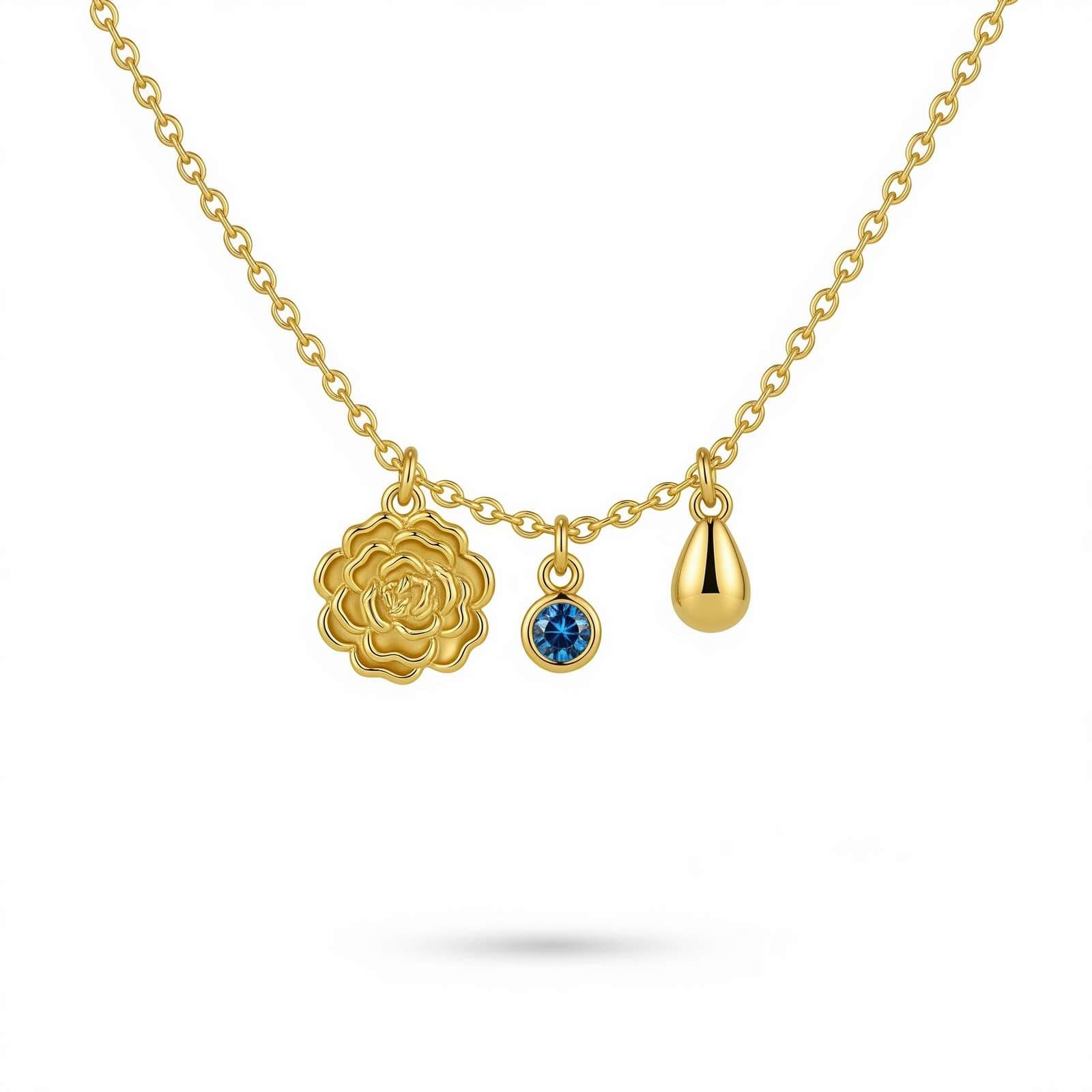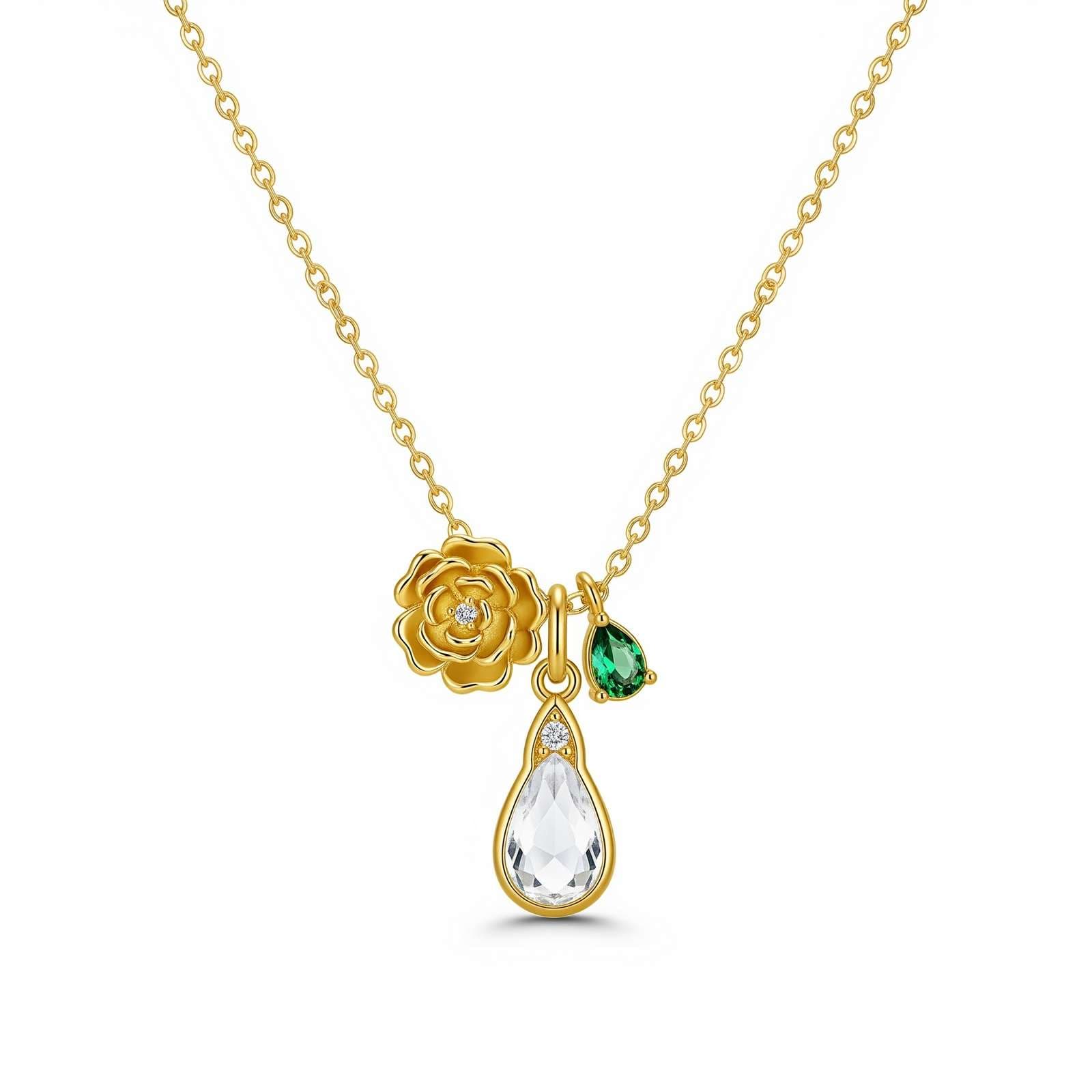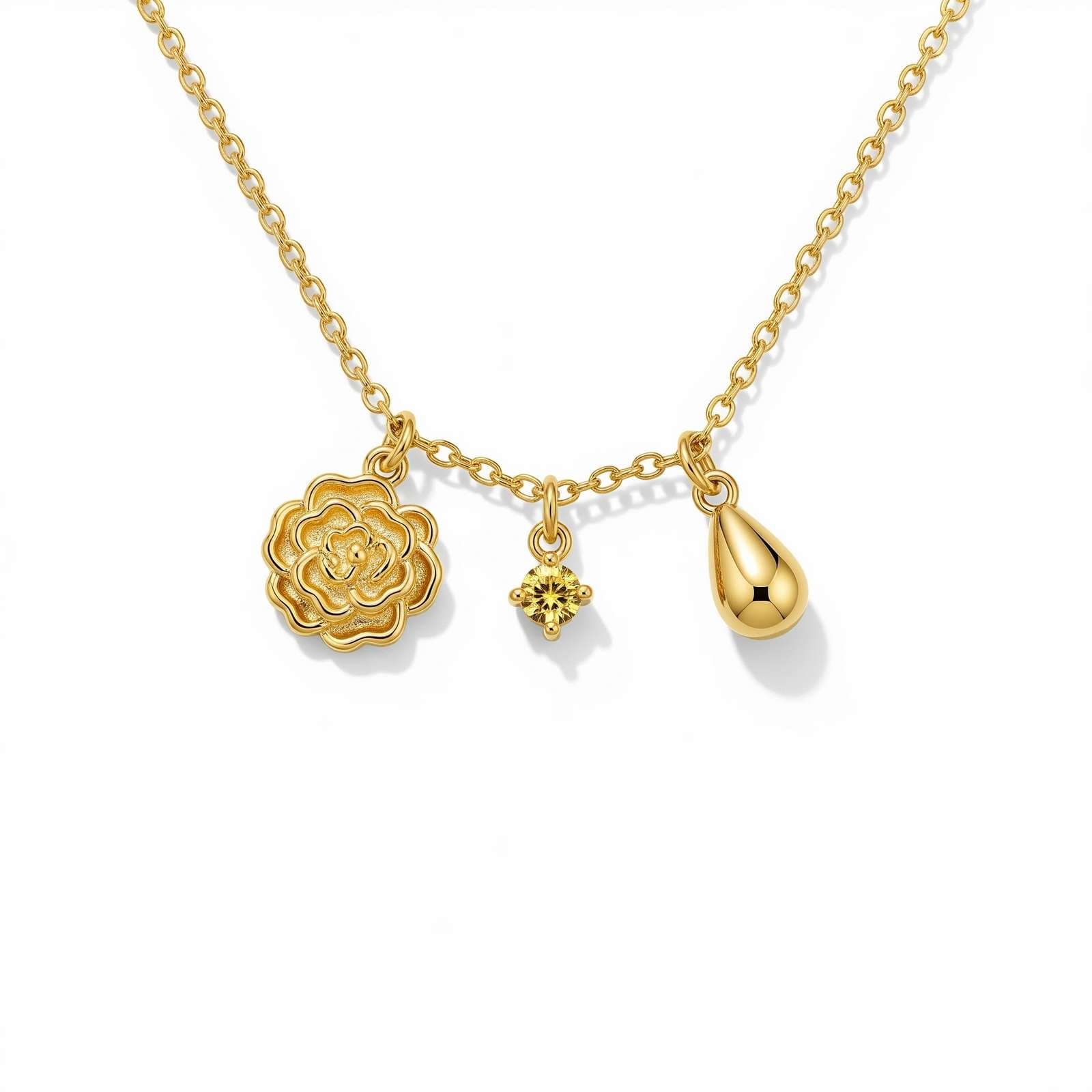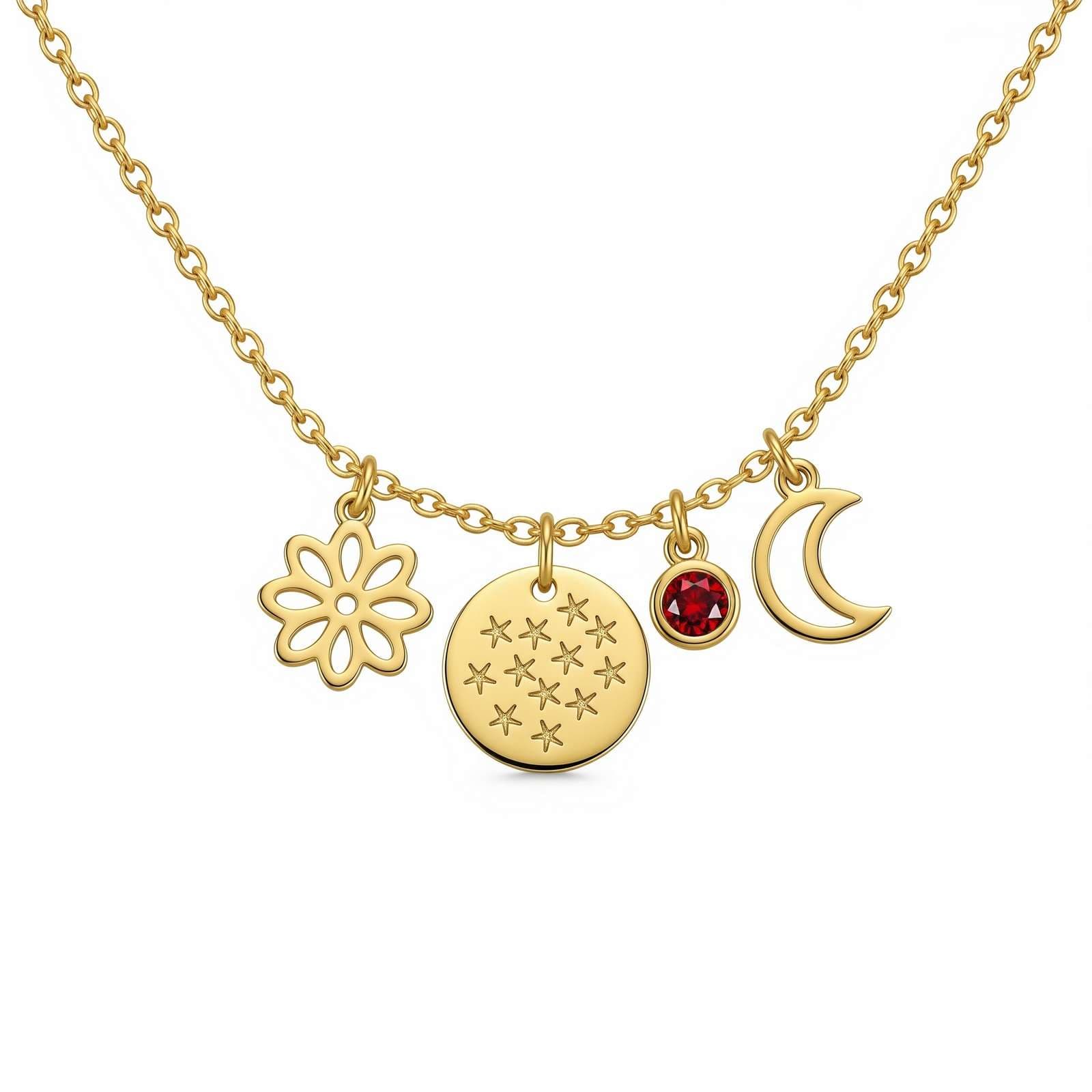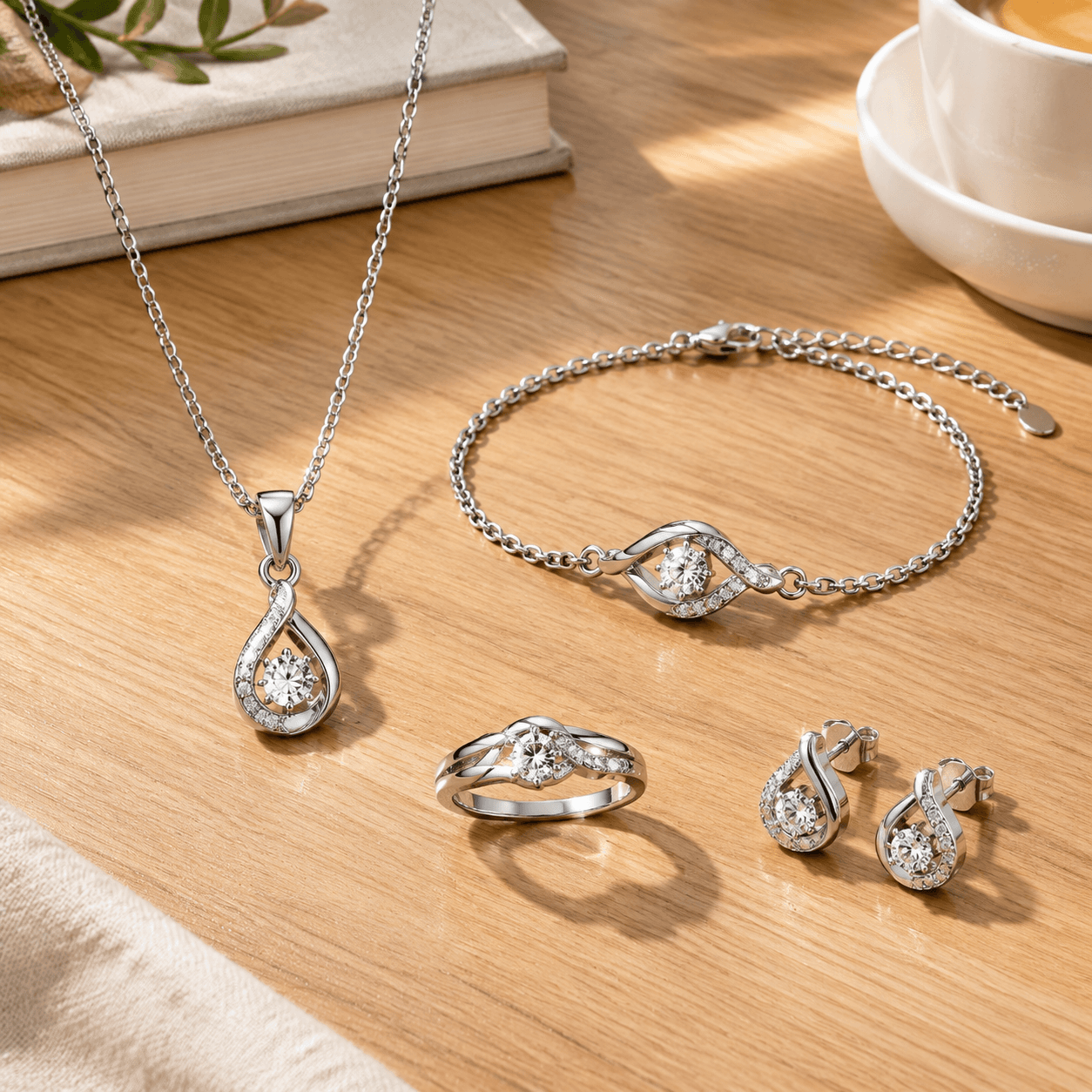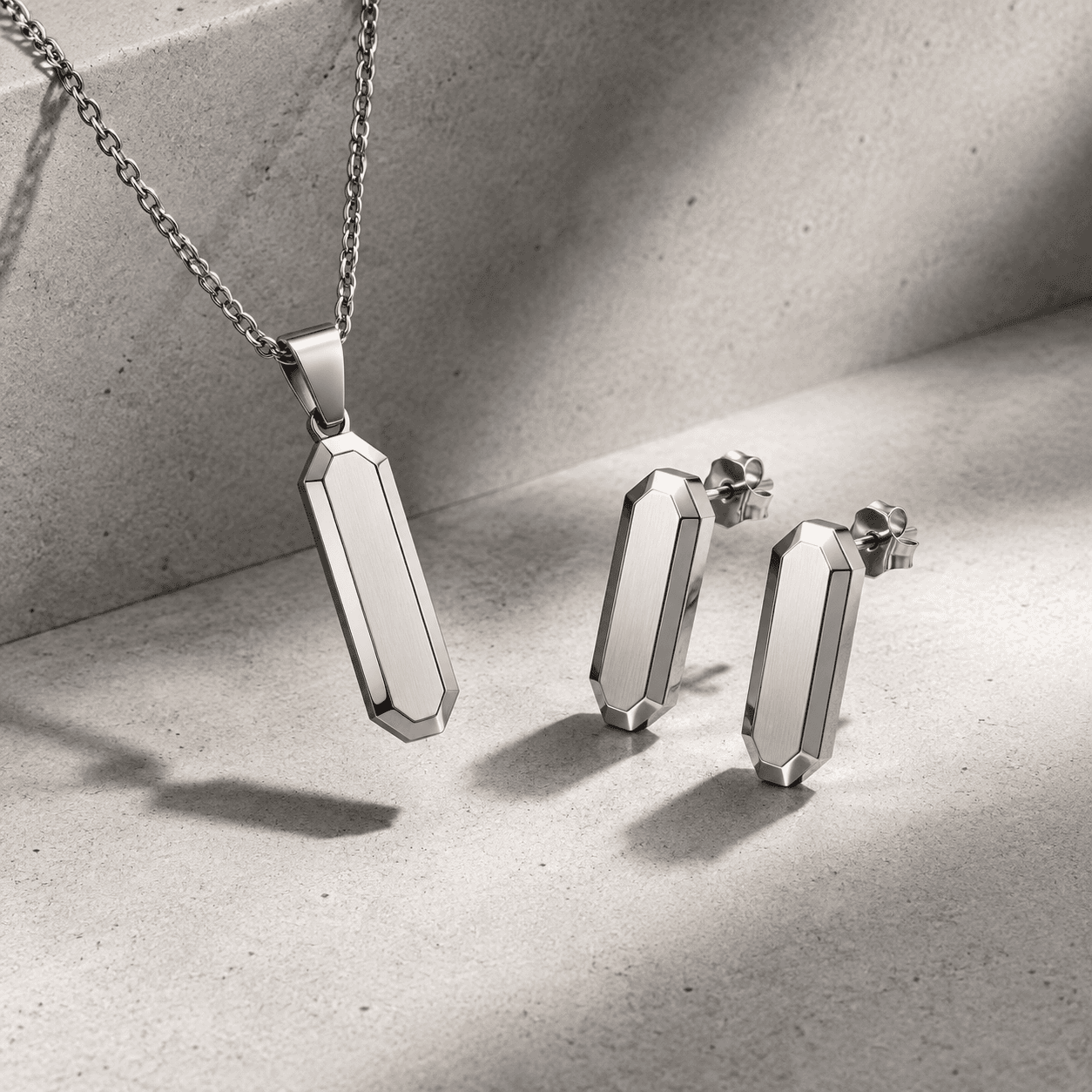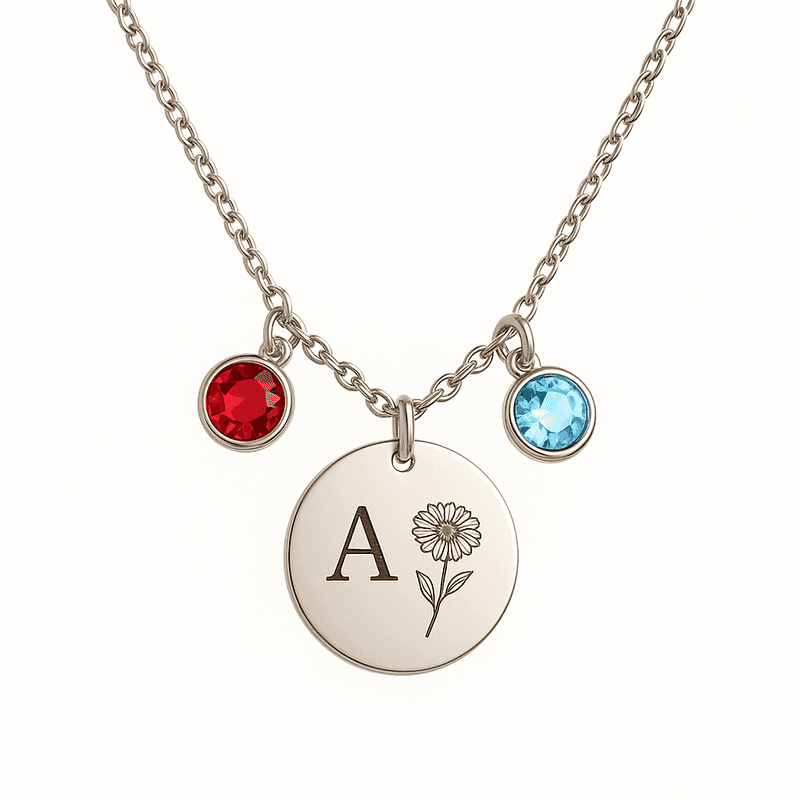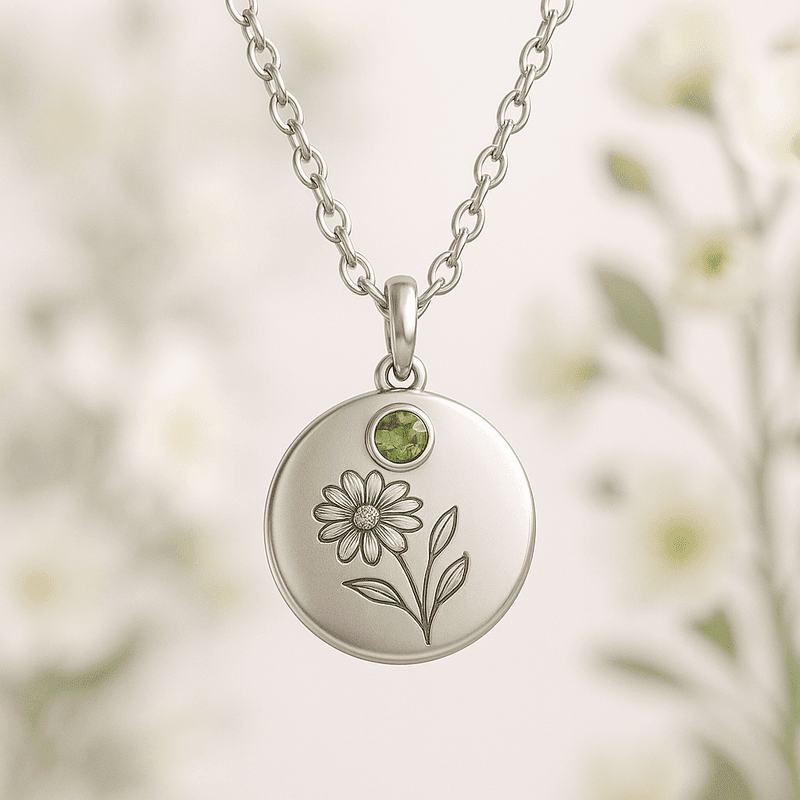
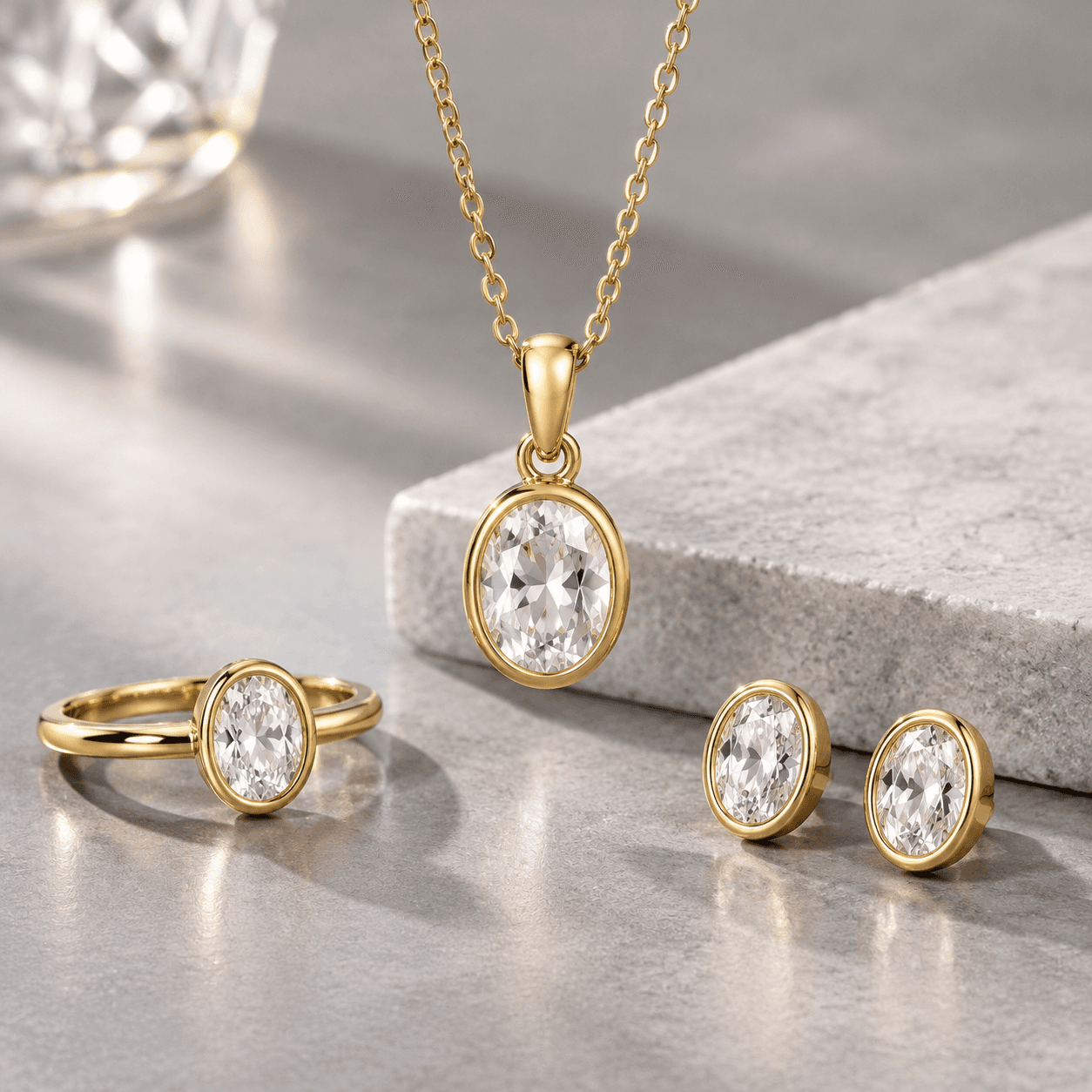
An oval bezel pendant necklace combines a distinctive gemstone silhouette with a smooth metal setting, creating a versatile design for contemporary jewelry collections. Understanding the relationship between pendant geometry, metal selection, bezel construction, and surface finishing helps jewelry designers develop pieces that balance visual character with practical manufacturing requirements.
For designers developing private label jewelry, the oval bezel pendant necklace offers multiple customization opportunities, including pendant proportions, setting depth, stone selection, chain configuration, and gold-tone finishes. As an experienced OEM jewelry manufacturer, Lefeng Jewelry supports concept development, material selection, jewelry sample development, CNC and laser processing, polishing, PVD plating, stone setting, and quality control. This guide explains the technical considerations behind developing an oval bezel pendant necklace from an initial design concept to a production-ready specification.
Verständnis der Konstruktion von Anhängerketten mit ovaler Zargenfassung
An oval bezel pendant necklace consists of several interconnected components: an oval decorative stone or configured insert, a surrounding metal bezel, a pendant body, an attachment point, and a necklace chain with its closure. Each component influences the overall appearance, structural integrity, and manufacturing complexity. The oval silhouette creates a continuous visual outline, while the bezel setting frames the central element with a metal perimeter. Unlike settings that rely on multiple individual prongs, a bezel uses a surrounding metal structure to retain the selected insert.
For jewelry designers, the first consideration is the relationship between the stone dimensions and the external pendant dimensions. A wider bezel produces a more substantial metal border, while a narrower border creates greater visual emphasis on the central stone. Pendant thickness, edge curvature, and setting depth also influence the finished profile. These dimensions should be defined during design development rather than left entirely to production interpretation. An OEM jewelry manufacturer can review drawings, reference samples, and dimensional requirements to identify practical construction considerations before sampling begins.
The attachment system deserves equal attention. A pendant may connect to the necklace through an integrated bail, a separate bail, or a side loop with a jump ring. These elements should be designed as distinct functional components with sufficient clearance for the chain to move naturally. The chain, extension chain, and lobster clasp form the necklace assembly and should be evaluated independently from the pendant setting. For additional design options, explore the stainless steel necklace collection and new jewelry designs.
Auswahl von 316L-Edelstahl und anderen konfigurierten Materialien
Material selection determines the manufacturing approach, surface appearance, component dimensions, and finishing options of an oval bezel pendant necklace. 316L stainless steel is an important material option for contemporary jewelry because it offers a durable metal base and supports precision manufacturing and different surface treatments. Its material characteristics make it suitable for pendant bodies, necklace chains, and other configured jewelry components. Designers should consider the intended product structure and finishing requirements when specifying the grade rather than selecting a material based on appearance alone.
304 stainless steel is another configured option for selected jewelry components. The choice between 316L stainless steel and 304 stainless steel should account for the intended application, component requirements, and confirmed project specifications. Other configured material options include 925 sterling silver, copper, and zinc alloy. Each material requires appropriate consideration of forming, polishing, assembly, and finishing processes. For an oval bezel pendant, the selected base metal should be evaluated together with the dimensions of the bezel wall and the method used to retain the decorative element.
The central decorative component can also influence the material specification. Depending on the approved design, configured options include zircon, crystal, and pearl. Enamel can provide additional color and surface differentiation. These options should be assessed according to their dimensions, appearance, setting requirements, and intended position within the pendant. Lefeng Jewelry develops projects using the configured material range of 316L stainless steel, 304 stainless steel, 925 sterling silver, copper, zinc alloy, and applicable decorative elements. Buyers can discuss material requirements through OEM/ODM manufacturing services before confirming a sample specification.
Lünettengeometrie, Steinfassung und präzise Handwerkskunst
The bezel is the defining technical feature of an oval bezel pendant necklace. Its primary function is to create a continuous metal boundary around the selected decorative element. Important design variables include the internal opening, bezel wall height, wall thickness, edge profile, and setting depth. These measurements must correspond to the actual dimensions and shape of the insert. If the opening is too large, the setting may not retain the insert as intended. If the surrounding structure is insufficiently proportioned, the pendant can lose its intended visual balance or become difficult to assemble consistently.
Oval geometry requires particular attention because the curved ends and elongated sides create different dimensional relationships. A symmetrical oval should maintain a balanced outline, with consistent transitions between the two ends and the longer sides. The bezel perimeter should follow the selected insert geometry without unwanted gaps or irregular edges. Designers should also specify whether the finished setting has a flat border, rounded edge, raised rim, or another defined profile. CNC processing can support dimensional development, while laser processing may be incorporated where the approved design requires precise detailing or component work.
Stone setting should be considered a separate manufacturing operation rather than an automatic consequence of completing the pendant body. The selected decorative element, bezel structure, and assembly method must work together. During sample review, examine whether the insert sits evenly, whether the bezel edge is visually consistent, and whether the surrounding metal has an appropriate finish. For projects involving zircon or crystal, the approved design should identify the exact decorative component and its placement. These details help an ODM jewelry supplier translate creative direction into a manufacturable construction specification.
Entwicklung der PVD-Goldbeschichtung und Oberflächenveredelung
Die Oberflächenveredelung hat einen wesentlichen Einfluss auf den visuellen Charakter einer Halskette mit Anhänger und ovaler Fassung. Eine polierte Edelstahloberfläche erzeugt eine reflektierende metallische Optik, während andere zugelassene Veredelungsverfahren unterschiedliche visuelle Kontraste und Oberflächenkonturen hervorbringen können. Eine PVD-Goldbeschichtung ist eine konfigurierbare Veredelungsoption für Projekte, bei denen eine goldfarbene Optik gewünscht ist. Eine Roségoldbeschichtung bietet eine weitere verfügbare Farbvariante. Die gewählte Oberflächenveredelung sollte beim Anhänger, bei der Kette, bei der Anhängeröse und bei allen anderen sichtbaren Metallkomponenten berücksichtigt werden, um eine einheitliche Produktspezifikation sicherzustellen.
Bei der PVD-Entwicklung sollten Designer die gewünschte Farbe, das Oberflächenbild und die zu behandelnden Komponenten festlegen. Eine polierte Grundoberfläche und eine sorgfältig kontrollierte Veredelungsabfolge sind wichtige Aspekte, da Oberflächenunregelmäßigkeiten auch nach dem Veredelungsprozess sichtbar bleiben können. Die Fassungkante, die Rückseite des Anhängers, die Kettenglieder und die Befestigungspunkte sollten hinsichtlich ihres vorgesehenen Erscheinungsbildes geprüft werden. Wenn das Design Emaille- oder dekorative Steinelemente umfasst, sollte die Produktionsabfolge berücksichtigen, wie diese Komponenten mit dem Metallveredelungsprozess zusammenwirken.
Die Freigabe der Oberflächenveredelung sollte nach Möglichkeit auf Grundlage eines tatsächlichen Musters in Produktionsqualität erfolgen. Käufer sollten das Muster mit ihrer freigegebenen Referenz hinsichtlich Farbkonsistenz, Reflexionswirkung, Kantendefinition und Übergängen zwischen verschiedenen Komponenten vergleichen. Außerdem sollten sie klären, ob für Kette und Anhänger dieselbe Veredelungsspezifikation gilt. Lefeng Jewelry koordiniert Polier-, PVD- und Beschichtungsprozesse, das Auftragen von Emaille sowie das Fassen von Steinen entsprechend den festgelegten Projektanforderungen. Käufer können die Erwartungen an die Oberflächenveredelung im Rahmen von Gesprächen über die Fabrik und das Unternehmen abstimmen und die freigegebenen Details in ihre RFQ-Unterlagen aufnehmen.
Anpassung der Anhängerproportionen, Ketten und Designdetails
Customization allows an oval bezel pendant necklace to become a distinctive element within a broader jewelry collection. Designers can begin by defining the pendant silhouette, length-to-width ratio, border proportions, overall thickness, and central decorative element. A vertically oriented oval creates a different visual impression from a wider horizontal oval. The bezel can be designed with a minimal border or a more pronounced metal frame. Additional design variables include the pendant back profile, engraved details, surface texture, and the relationship between the pendant and its chain.
Chain selection should follow the weight, dimensions, and attachment arrangement of the pendant. The chain style, link dimensions, overall length, extension chain, and closure should be specified as part of the necklace design. An integrated bail may create a streamlined connection, while a separate bail can introduce another design detail. If a jump ring is used, it should be positioned and sized to support the intended movement of the pendant. The lobster clasp should remain a distinct closure component at the rear chain ends, not an attachment directly to the pendant. These physical details are important when evaluating a drawing or prototype.
Logo engraving and custom packaging can extend the customization beyond the jewelry itself. A private label jewelry project may specify a discreet logo position on the pendant back, an approved mark on a suitable component, or coordinated packaging for a boutique jewelry collection. The design brief should distinguish between essential functional requirements and optional decorative features. Lefeng Jewelry supports OEM and ODM design development, custom logo work, sampling, and packaging coordination. Designers developing a broader product range can also review stainless steel bracelets, stainless steel rings, and stainless steel earrings.
Entwicklung von Schmuckmustern: Vom Designkonzept zur Produktionsspezifikation
Die Entwicklung von Schmuckmustern ist eine wesentliche Phase, um ein Konzept für eine Halskette mit ovalem Anhänger und Zargenfassung in ein physisches Produkt umzusetzen. Ein hilfreiches Ausgangspaket umfasst eine bemaßte Zeichnung, Referenzbilder des Anhängers, Materialanforderungen, Spezifikationen für dekorative Elemente, Kettendetails, bevorzugte Oberflächenveredelungen und Verpackungsvorgaben. Designer sollten festlegen, welche Abmessungen unveränderlich sind und welche während der Entwicklung angepasst werden können. Diese Unterscheidung hilft dem Fertigungsteam, das Design zu bewerten, ohne wichtige optische Merkmale oder funktionale Anforderungen zu verändern.
Der Musterprozess sollte den Anhängerkörper, das Profil der Zargenfassung, die Befestigungsstruktur und die vollständige Montage der Halskette berücksichtigen. Ein erstes Muster bietet die Möglichkeit, Proportionen, Konstruktion und optische Erscheinung zu beurteilen. Anschließend können Designer den zentralen Einsatz, die Ausrichtung der Zargenfassung, die Glätte der Kanten, die Beweglichkeit der Kette und die Funktion des Verschlusses überprüfen. Falls Änderungen erforderlich sind, sollte das Feedback das genaue Bauteil und die gewünschte Anpassung benennen. Beispielsweise kann ein Designer einen schmaleren Rand der Zargenfassung, eine andere Anhängerdicke, eine angepasste Öffnung der Anhängeröse oder eine bestimmte Kettenlänge anfordern. Klare Änderungsanmerkungen machen die Bewertung nachfolgender Muster wesentlich aussagekräftiger.
Nach der Freigabe des Designs sollten das Muster und die dazugehörigen Spezifikationen als Referenz für die Produktionsgespräche dienen. Materialqualitäten, Anforderungen an die Oberflächenveredelung, Bauteilabmessungen, Logo-Positionierung und Verpackungsanweisungen sollten dokumentiert werden, anstatt sich auf informelle Beschreibungen zu verlassen. Lefeng Jewelry bietet interne Designentwicklung, Musterfertigung, CNC- und Laserbearbeitung, Polieren, PVD und Galvanisierung, Steinfassen, Qualitätskontrolle und Exportkoordination. Dieser integrierte Fertigungsansatz hilft Designern, technische Anforderungen während des gesamten Entwicklungsprozesses zu kommunizieren. Entdecken Sie unsere Fertigungsdienstleistungen oder lesen Sie die Einblicke in die Schmuckbeschaffung, um weitere Informationen zu erhalten.
Qualitätskontrollpunkte für ovale Anhängerketten mit Zargenfassung
Quality control for an oval bezel pendant necklace should evaluate the product as a complete functional assembly rather than focusing exclusively on its appearance. At the incoming specification stage, the manufacturing team should confirm the selected material, dimensions, decorative component, finish, and approved design reference. During processing, relevant checkpoints can include pendant geometry, bezel consistency, surface condition, component alignment, and the condition of the attachment points. These checks provide a practical framework for identifying deviations before the complete necklace reaches final inspection.
During assembly inspection, the bezel should be examined for consistent edges and appropriate positioning around the decorative element. The pendant attachment should be checked for secure construction and natural chain movement. Chain links should be reviewed for consistent connections, while the extension chain and lobster clasp should be checked for their intended function. Surface inspection should cover the pendant front, reverse, edges, chain, and visible connecting components. For PVD gold plating or rose gold plating, the approved reference sample should be used to assess the intended color and overall finish appearance.
Final inspection can include checking the necklace dimensions against the approved specification, reviewing the complete assembly, confirming logo details, and examining packaging presentation. Buyers should define any project-specific acceptance criteria before production so that inspection expectations are clear. Documentation relating to a particular material, certification, test, or destination-market requirement should be reviewed or arranged according to the confirmed specification. No general material description should be treated as proof of a particular certification or compliance result. Lefeng Jewelry incorporates quality inspection checkpoints into its manufacturing workflow and can coordinate specification and packaging reviews with B2B buyers before shipment.
Entwicklung einer wirtschaftlich rentablen Private-Label-Halskettenkollektion
Eine Halskette mit ovalem Anhänger in Zargenfassung kann als eigenständiges Produkt dienen oder die Grundlage einer aufeinander abgestimmten Halskettenkollektion bilden. Für Schmuckdesigner umfasst die Kollektionsplanung mehr als nur die Auswahl verschiedener dekorativer Elemente. Durch einheitliche Anhängerproportionen, Fassungsprofile, Kettenstrukturen, Oberflächenveredelungen und Logopositionierungen lässt sich eine konsistente Designsprache etablieren. Variationen können anschließend durch freigegebene Farben der Einlagen, Anhängerabmessungen und Veredelungsoptionen eingeführt werden. Dieser Ansatz schafft eine wiedererkennbare Produktstruktur und ermöglicht es gleichzeitig, dass jedes einzelne Design seinen eigenen visuellen Charakter bewahrt.
Aus Großhandelssicht sollten Einkäufer bewerten, welche Designmerkmale bei mehreren Produkten standardisiert werden können und welche eine individuelle Entwicklung erfordern. Einheitliche Kettenspezifikationen, gemeinsame Befestigungskomponenten und aufeinander abgestimmte Verpackungen können die Verwaltung der Produktspezifikationen vereinfachen. Unterschiede bei den Anhängerabmessungen und dekorativen Elementen können jedoch separate Musterproduktionen und Prüfungsreferenzen erforderlich machen. Einkäufer sollten außerdem die MOQ für jede vorgeschlagene Konfiguration bestätigen, anstatt davon auszugehen, dass mehrere Varianten automatisch dieselbe Mengenanforderung erfüllen können. Unterschiede bei Material, Veredelung, Verpackung und Montage sollten in der RFQ klar angegeben werden.
Ein praktischer Produktentwicklungsplan beginnt mit einem klar definierten Sortiment, freigegebenen technischen Referenzen und einem realistischen Zeitplan für die Musterproduktion. Designer können Produkte nach Material, Veredelung, Anhängerform oder vorgesehenem Einzelhandelssortiment gruppieren. Bei einem Geschenkprogramm können aufeinander abgestimmte Verpackungen im Vordergrund stehen, während eine Boutique-Schmuckkollektion möglicherweise ein einheitliches Erscheinungsbild von Halsketten und passenden Ohrringen betont. Lefeng Jewelry unterstützt die Entwicklung von Schmuck unter Eigenmarken durch Designberatung, Musterproduktion, Fertigung, individuelle Logogestaltung, Qualitätsprüfung und Verpackungskoordination. Einkäufer können die Kollektion mit neuen Designs nutzen, um verfügbare Produktkonzepte zu erkunden, und über die Kontaktseite ihre Projektanforderungen besprechen.
Häufig gestellte Fragen zu ovalen Anhängerketten mit Zargenfassung
Entwickeln Sie Ihre individuelle ovale Anhänger-Halskette mit Zargenfassung
Ready to develop an oval bezel pendant necklace for your next private label jewelry collection? Lefeng Jewelry offers OEM/ODM support for design development, sampling, CNC and laser processing, polishing, PVD and plating, stone setting, quality inspection, custom logo work, packaging, and export coordination.
To begin your RFQ, prepare your reference images or technical drawings, preferred pendant dimensions, material grade, bezel profile, decorative element specifications, finish requirements, chain style and length, clasp configuration, logo artwork, estimated order quantity, and destination market. If you have a physical reference sample, include its dimensions and the specific features you want to retain or adjust. Also identify any documentation, inspection, or packaging requirements that need to be reviewed for your project.
The Lefeng Jewelry team can review your design information, discuss suitable material and manufacturing options, and coordinate sample development according to the confirmed specification. For related product directions, explore the stainless steel necklace collection and stainless steel jewelry sets. Visit OEM/ODM services or contact Lefeng Jewelry to discuss your project and request a quotation.
Related resources
Related resources
- Oval Bezel Pendant Blank: Custom OEM Jewelry Manufacturing Guide
- What Buyers Should Know About Minimalist Stainless Steel Necklace Styling for OEM/ODM Partnerships
- Oval Bezel Pendant Blank: OEM Stainless steel Charm | Lefeng
- Oval Bezel Pendant Blank: OEM Stainless Steel Jewelry Manufacturing
- Why Is Stainless Steel Heart Charm Waterproof? 316L Guide
- Best Stainless Steel Heart Charm Ideas: A Buyer's Design Guide
- Oval Bezel Pendant Blank for OEM Jewelry | Lefeng Supplier
- Why stainless steel rings outfit ideas Are Shaping Design Trends
- Oval Bezel Pendant Blank: A Practical OEM Solution for Jewelry Manufacturing
- Stainless steel jewelry gift ideas: Retail design trends guide