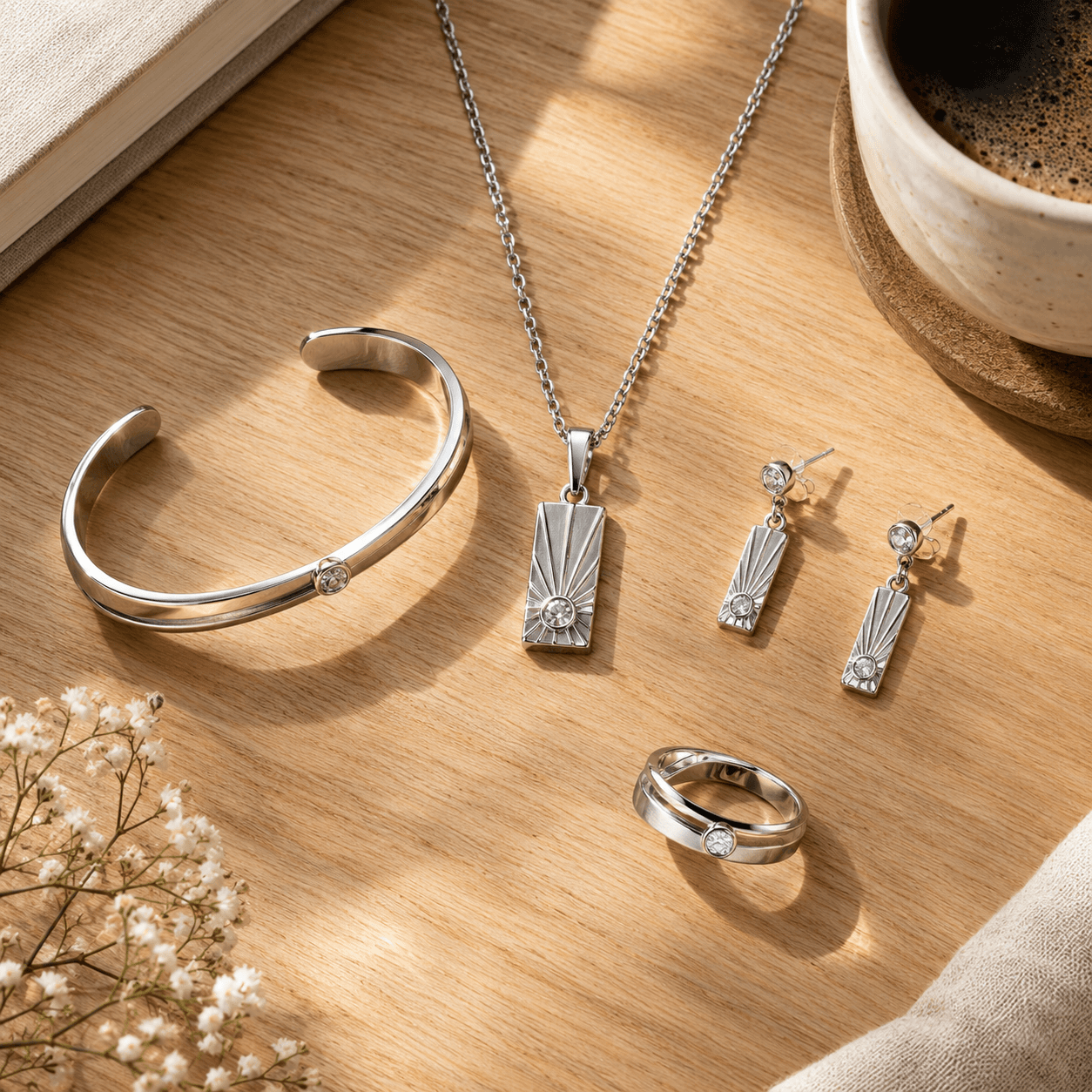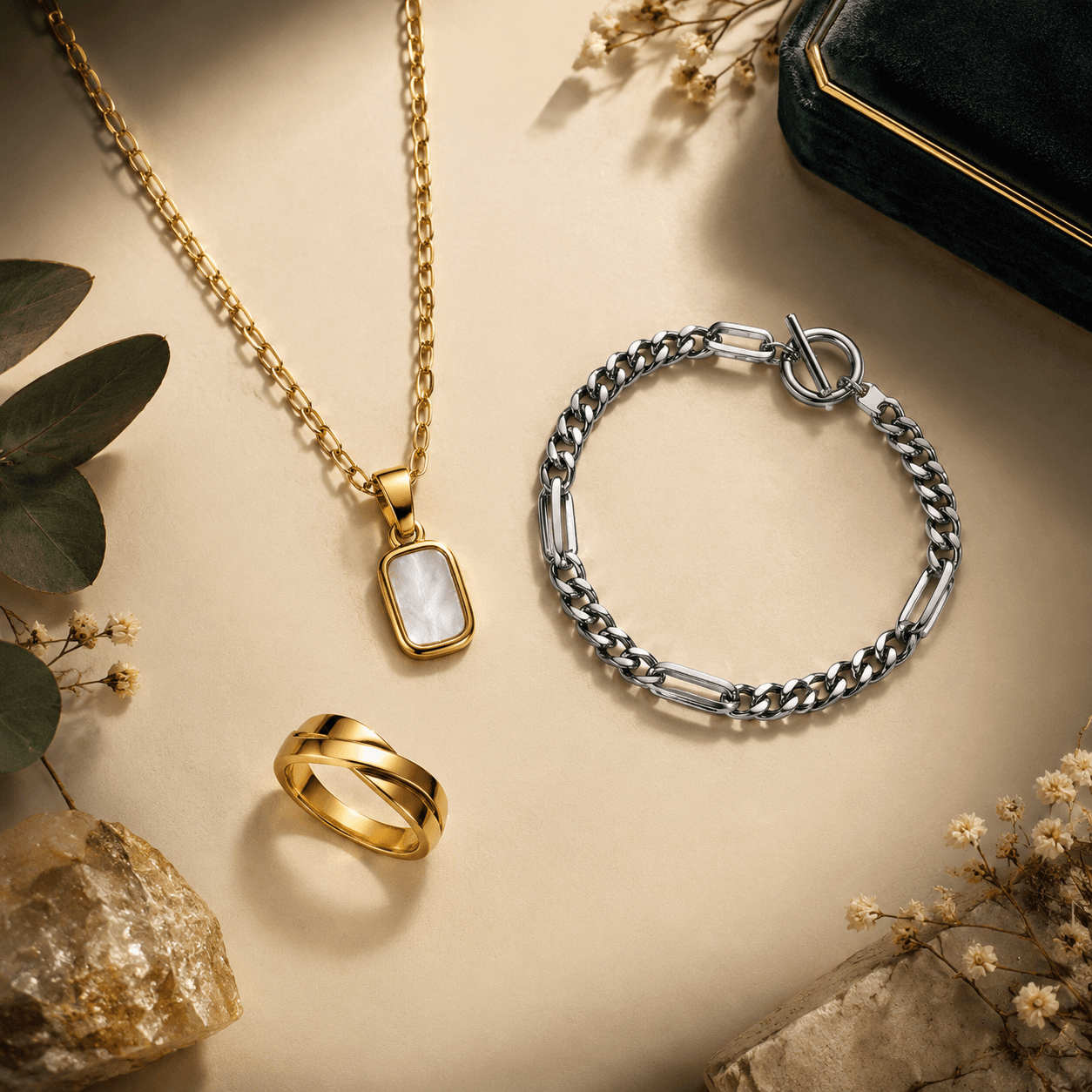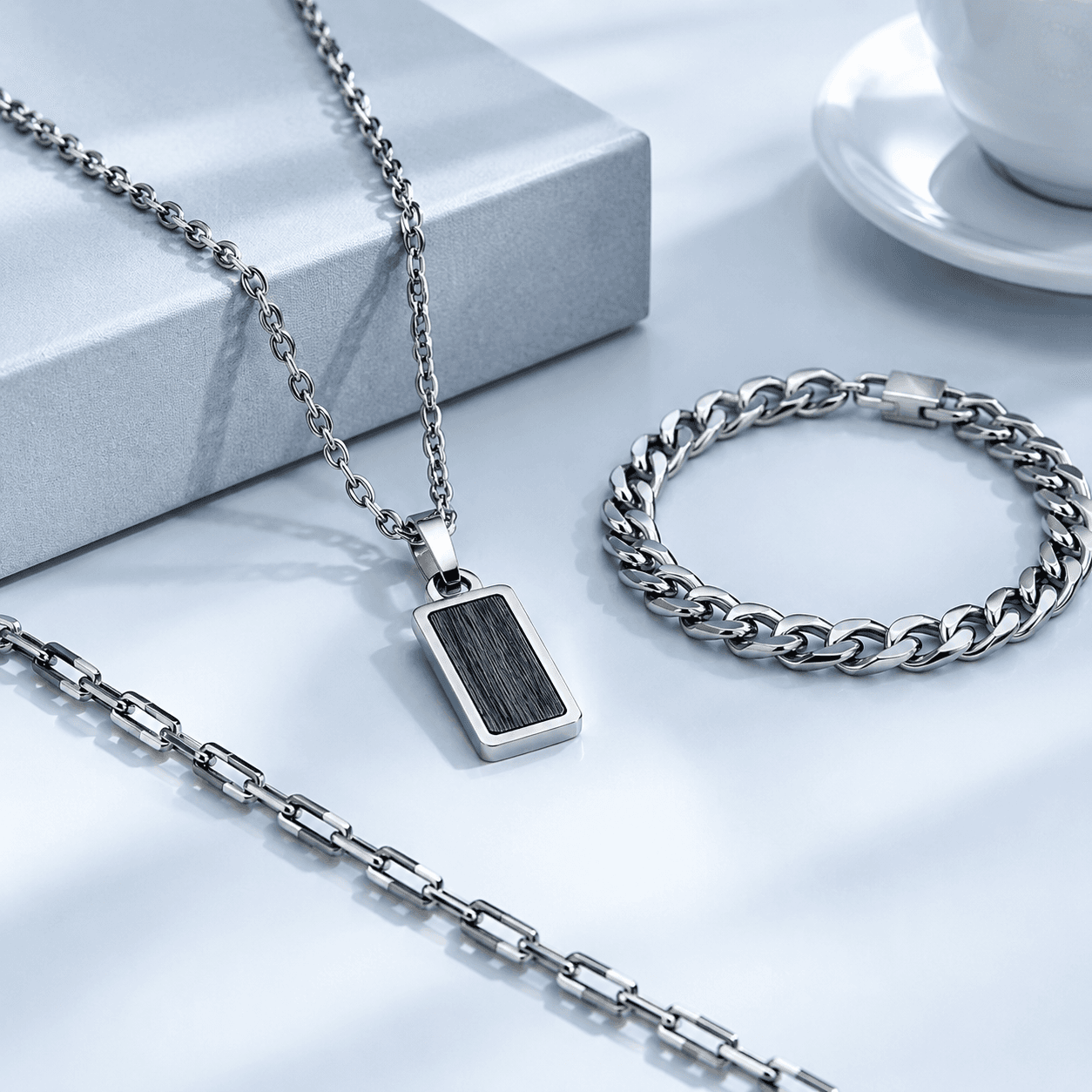
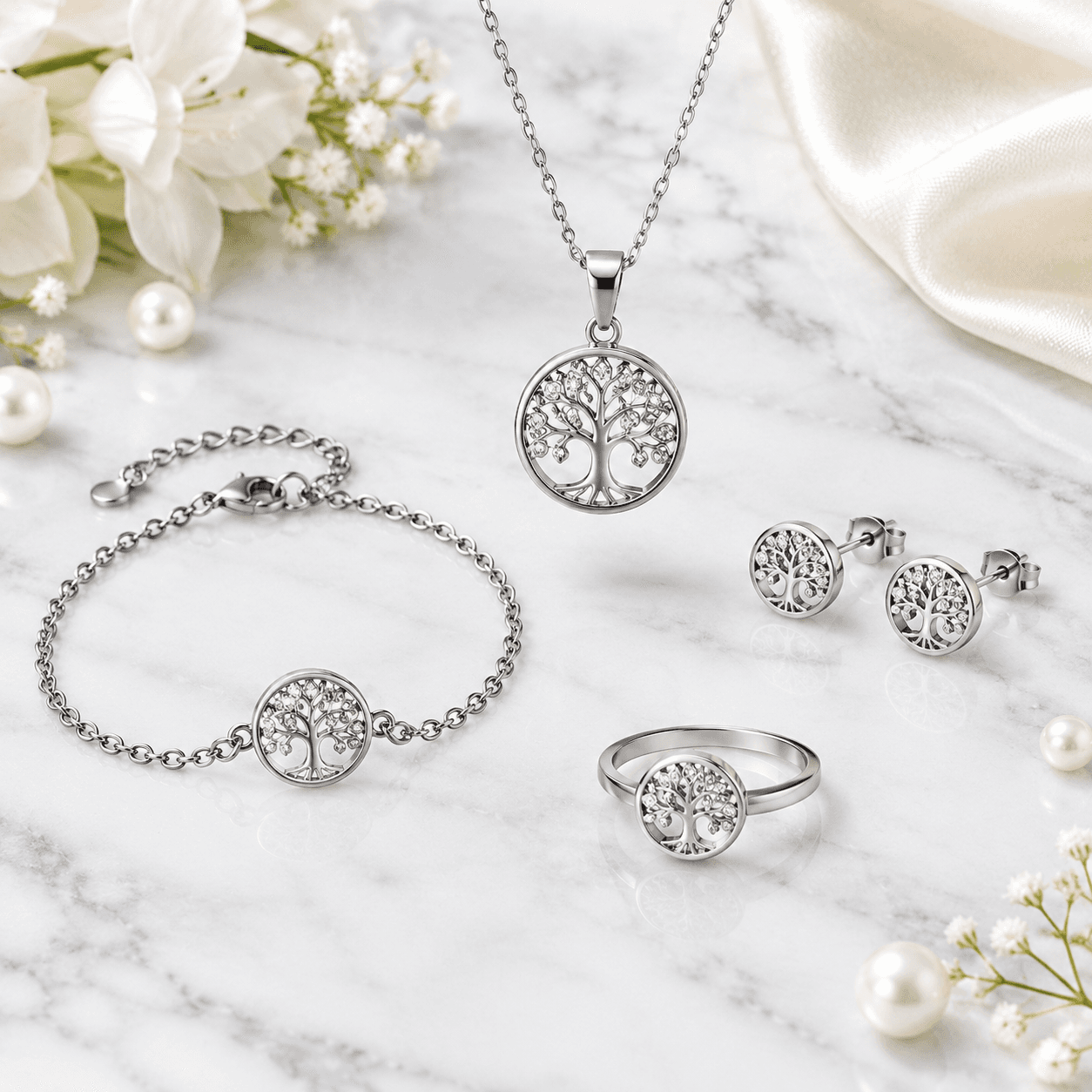
For jewelry retailers, durability is one of the most important factors when selecting products for a long-term collection. Customers often ask whether stainless steel jewelry is waterproof, but the answer depends on material selection, finishing methods, product structure, and quality control processes. Understanding the facts helps buyers choose products that deliver reliable daily wear performance while supporting customer satisfaction and inventory value.
At Lefeng Jewelry, we support global B2B buyers with OEM and ODM stainless steel jewelry manufacturing, including sampling, finishing review, inspection checkpoints, packaging support, and export coordination. This guide explains common misconceptions about water resistance and shows how retail buyers can evaluate jewelry quality before adding products to their collections.
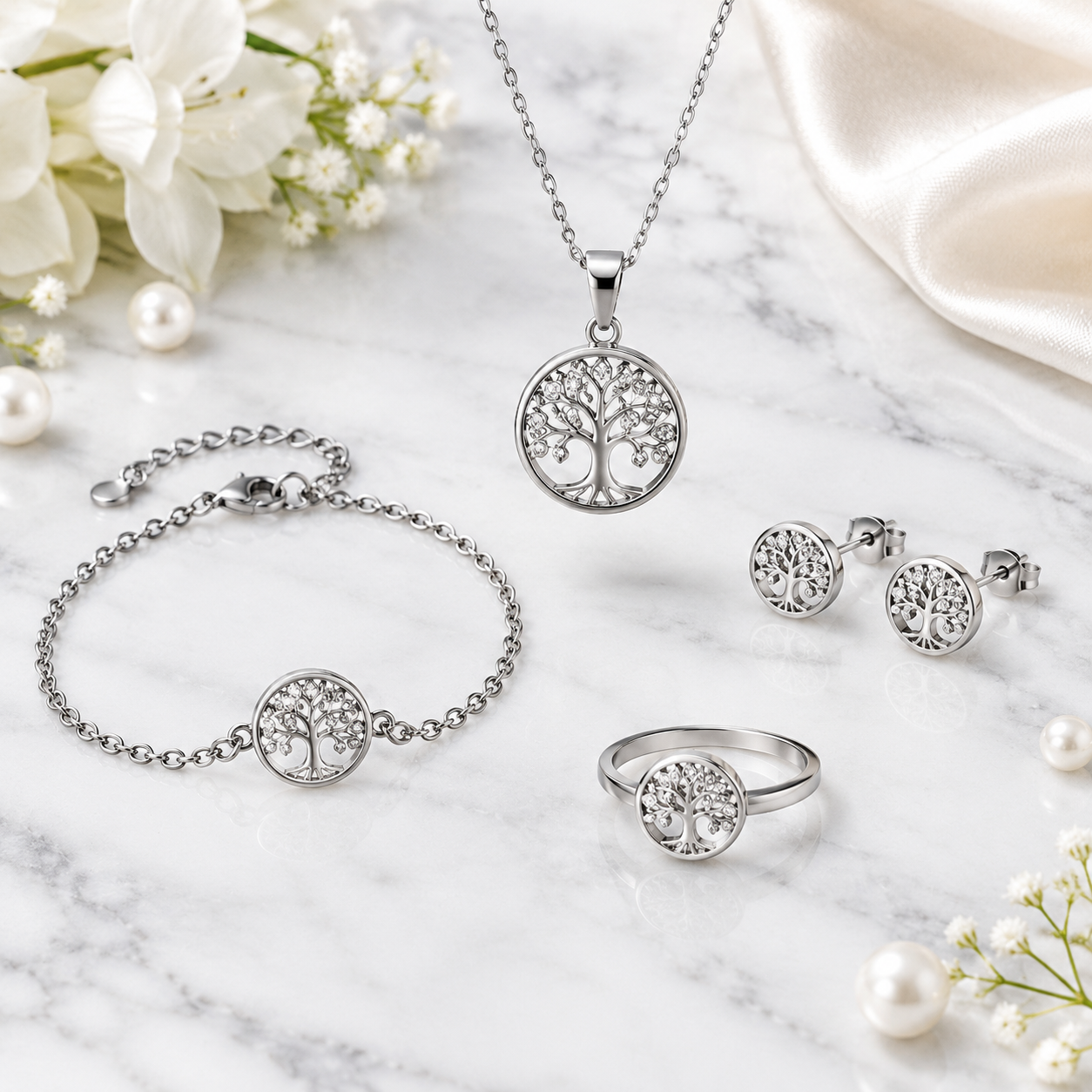
Is Stainless Steel Jewelry Waterproof?
The term “waterproof” is often used in consumer discussions, but jewelry performance is more accurately evaluated through material characteristics, surface finishing, construction quality, and intended use. Stainless steel jewelry is known for its practical durability and resistance to everyday environmental exposure, but specific performance depends on the product specification and manufacturing process.
Misconception 1: All stainless steel jewelry has unlimited water resistance
A common misunderstanding is that stainless steel jewelry can never be affected by water or environmental conditions. In reality, stainless steel is a durable material, but different designs and finishes may react differently depending on exposure conditions. Factors such as plating, stone setting, connection points, and surface treatment influence long-term appearance.
For example, 316L stainless steel is widely selected for jewelry applications because of its durability and suitability for daily wear products. However, buyers should still review the complete product specification, including whether the item uses PVD gold plating, rose gold plating, enamel, zircon, crystal, or pearl details.
Misconception 2: Water exposure alone determines jewelry quality
Water exposure is only one part of durability evaluation. A well-manufactured jewelry item also requires attention to polishing quality, connection strength, clasp function, surface consistency, and inspection standards. A product that looks attractive in initial samples must also maintain stable construction during production.
Why Water Resistance Matters for Retail Jewelry Buyers
For retail store owners and online jewelry sellers, durability directly affects customer experience, return concerns, and collection reputation. Selecting reliable products helps buyers build collections that meet practical market expectations.
Key benefit: Better customer confidence
When buyers understand material properties and communicate realistic care information, customers receive clearer product expectations. Stainless steel jewelry with suitable finishing and proper manufacturing control can become a practical option for everyday jewelry collections.
Key benefit: Improved inventory planning
Retailers need products that maintain appearance during storage, display, and normal customer use. Working with an experienced stainless steel jewelry factory helps buyers review production details, identify possible quality concerns, and make informed purchasing decisions.
Key benefit: More reliable private label collections
For companies developing private label jewelry, consistent quality is essential. A professional manufacturing partner can support design confirmation, jewelry sample development, finish selection, and production communication before larger orders are arranged.
How Manufacturers Evaluate Stainless Steel Jewelry Durability
Quality evaluation is a process rather than a single test. B2B buyers should review several areas when selecting an OEM jewelry manufacturer or ODM jewelry supplier.
1. Material and specification review
The first step is confirming the material requirements. Buyers should identify whether products use 316L stainless steel, 304 stainless steel, 925 sterling silver, copper, or zinc alloy according to the project specification. Material selection affects product positioning, pricing structure, and customer communication.
For stainless steel collections, buyers should also confirm surface requirements such as polishing, color finish, and whether PVD plating or other configured finishing options are needed.
2. Sample development and design verification
Before production, sample development allows buyers and manufacturers to review product structure. This stage helps confirm details such as chain connections, clasps, pendant attachment points, ring profiles, earring structures, and finishing appearance.
At Lefeng Jewelry, OEM and ODM projects include practical sample development support so buyers can review design details before moving toward production decisions. Product specifications and buyer requirements should always be confirmed for each project.
3. Surface finish inspection
The surface finish has a major influence on jewelry appearance. Inspection may include checking polishing consistency, plating appearance, enamel application, and decorative elements such as zircon, crystal, or pearl settings where applicable.
PVD plating is commonly reviewed for color consistency and surface quality. Buyers should confirm the required finish standard during the development process and review samples before production.
4. Structural quality control checkpoints
Durability is also connected to physical construction. Quality control checkpoints may include reviewing chain connections, clasp operation, earring components, ring shape, and overall assembly accuracy.
A complete quality control process helps identify production issues before shipment. Lefeng Jewelry provides in-house manufacturing support including sampling, QC, packaging review, and export coordination for global B2B buyers.
Practical Guide: How Retail Buyers Can Assess Jewelry Durability
Step 1: Define product usage expectations
Before sourcing, buyers should define how the jewelry will be positioned. A gift program, boutique jewelry collection, wholesale jewelry range, and online retail collection may have different requirements for appearance, packaging, and price structure.
Step 2: Request clear product specifications
A detailed specification sheet helps avoid misunderstandings. Important points include material, finish, dimensions, components, logo engraving requirements, packaging needs, and inspection expectations.
Step 3: Review samples carefully
Samples provide an opportunity to inspect real product details. Buyers should check surface quality, attachment points, closure functions, and finishing consistency. For customized collections, jewelry sample development is an important step before bulk orders.
Step 4: Confirm quality control procedures
Ask manufacturing partners how they manage inspection checkpoints during production. A structured process can include incoming material review, production inspection, finishing review, final product checking, and packaging confirmation based on the project requirements.
Step 5: Provide accurate care information
Even durable jewelry benefits from proper care guidance. Retailers can provide customers with practical recommendations based on the product specification rather than making broad claims about unlimited water exposure.
FAQ: Stainless Steel Jewelry Water Resistance and Quality
Is stainless steel jewelry waterproof for daily use?
Stainless steel jewelry is designed for durability and can handle normal daily environments, but exact performance depends on material, finishing, construction, and care. Buyers should evaluate each product specification instead of assuming every item has identical water resistance.
Does 316L stainless steel make jewelry more durable?
316L stainless steel is a commonly selected jewelry material because of its durability characteristics. However, overall product quality also depends on manufacturing processes, finishing, design structure, and quality control.
How can retailers verify jewelry quality before ordering?
Retail buyers can review samples, confirm specifications, discuss quality control checkpoints, and request project documentation where needed. A professional supplier should provide clear communication throughout product development.
Can Lefeng Jewelry support custom and private label jewelry projects?
Yes. Lefeng Jewelry provides OEM/ODM manufacturing support with in-house factory capabilities, sampling, quality control, packaging support, logo engraving, and export coordination. Buyers can submit an RFQ to discuss product requirements and project details.
Partner With Lefeng Jewelry for Reliable Stainless Steel Jewelry Manufacturing
Choosing the right manufacturing partner helps retailers create durable collections with clearer product expectations. Lefeng Jewelry combines 15 years of OEM/ODM manufacturing experience with practical support for global buyers, from concept discussion and sampling to quality review and shipment coordination.
Whether you are developing private label jewelry, expanding wholesale stainless steel jewelry collections, or launching a new product range, our team can support your sourcing process with factory-direct communication and structured production management.
Explore our OEM/ODM manufacturing services, view new product options on new designs, or contact Lefeng Jewelry through an RFQ inquiry to discuss your next jewelry project.
Related resources
- Contact Us | Lefeng Jewelry
- Lefeng Jewelry - OEM/ODM Stainless Steel Jewelry Manufacturer
- Stainless Steel Cross Pendant Necklace Material Guide
- The Science Behind stainless steel initial charm
- Hypoallergenic Hoop Earrings Sourcing Guide for UK Jewellery Buyers
- stainless steel initial pendant necklace: Material Guide