For boutique owners and jewelry brands, sourcing stainless steel jewelry is a commercial decision as well as a design choice. The quoted unit price is only one part of the investment: material and finish specifications, customization, packaging, freight, import costs, quality checks, and inventory risk all affect the final economics.
This guide explains how to compare OEM and private label quotations, estimate landed cost and gross margin, assess samples, and plan an assortment without relying on unverified performance or profitability claims.
What affects stainless steel jewelry cost?
Product cost depends on the specified material, dimensions, weight, design complexity, manufacturing steps, finish, decorative components, order quantity, and packaging. A simple chain and a pendant with multiple settings may require different production operations, even when both use stainless steel.
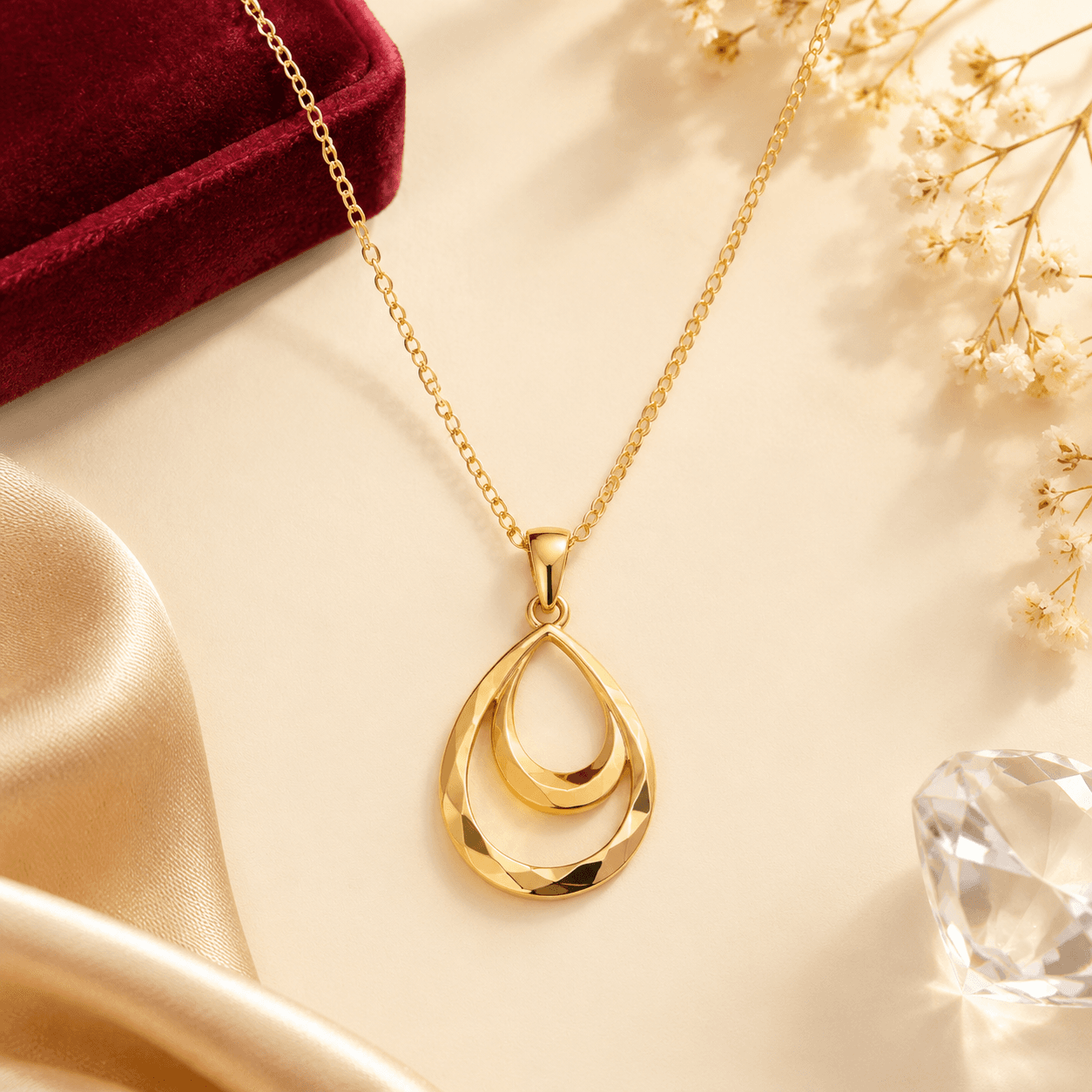
Ask suppliers to state the exact base material and finish in the quotation. 304 and 316L stainless steel are options buyers may evaluate for a project. Gold-tone or rose-gold-tone finishes, including PVD processes, should be specified and reviewed on samples. Do not treat “tarnish free” as an unconditional guarantee: performance depends on the material, finish, processing, exposure, and care.
Compare like-for-like quotations
Give shortlisted suppliers the same product brief so that quotations can be compared fairly. Include material, dimensions, finish, hardware, decorative components, logo requirements, packaging, quantity, shipping assumptions, and requested inspection arrangements. Check which services and costs are included or quoted separately.
| Product type | Common cost drivers | Sample inspection points |
|---|---|---|
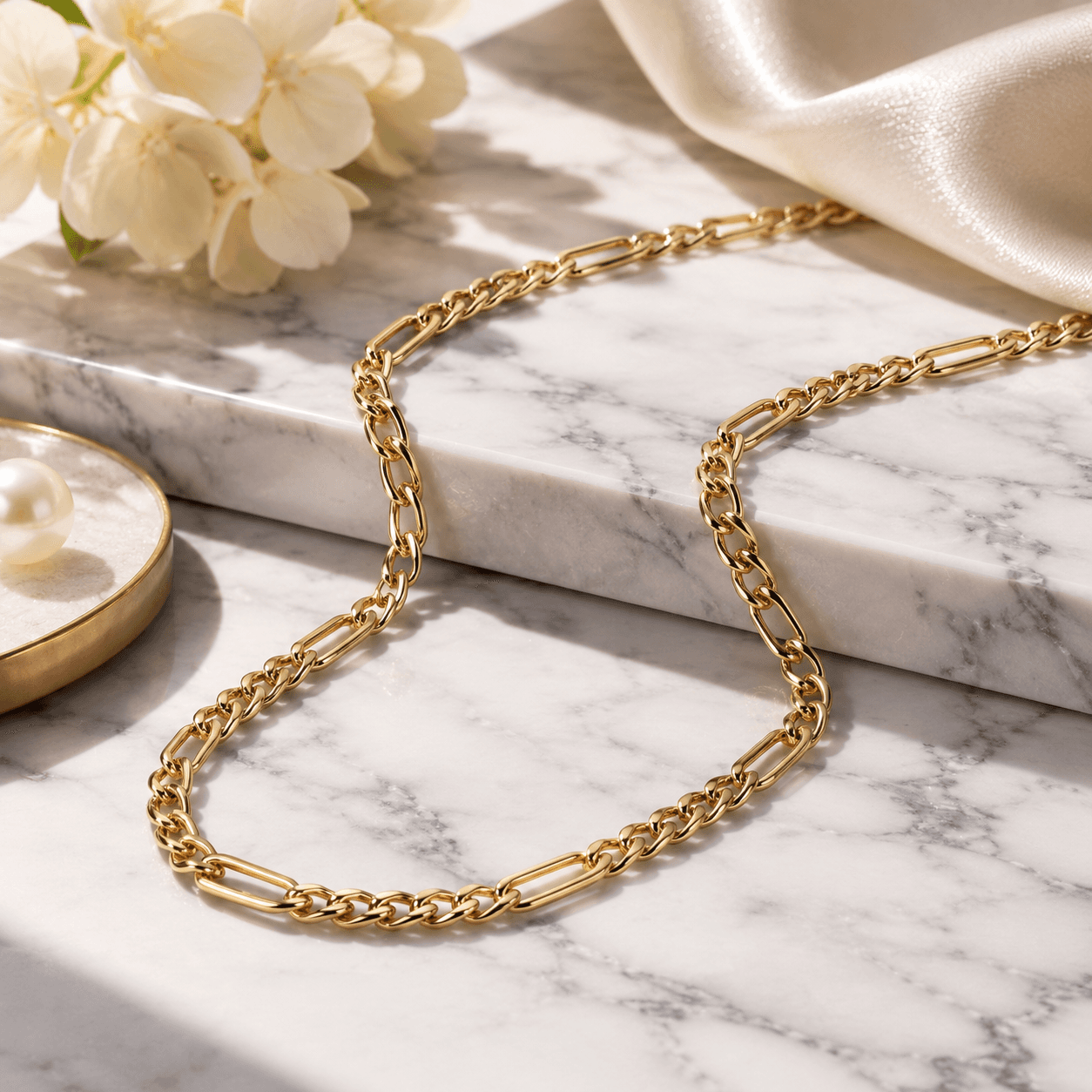
| Necklaces | Chain length, pendant, clasp, and attachment hardware | Connections, pendant alignment, clasp function |
| Bracelets | Link design, dimensions, closure, and decorative details | Link movement, closure, surface finish |
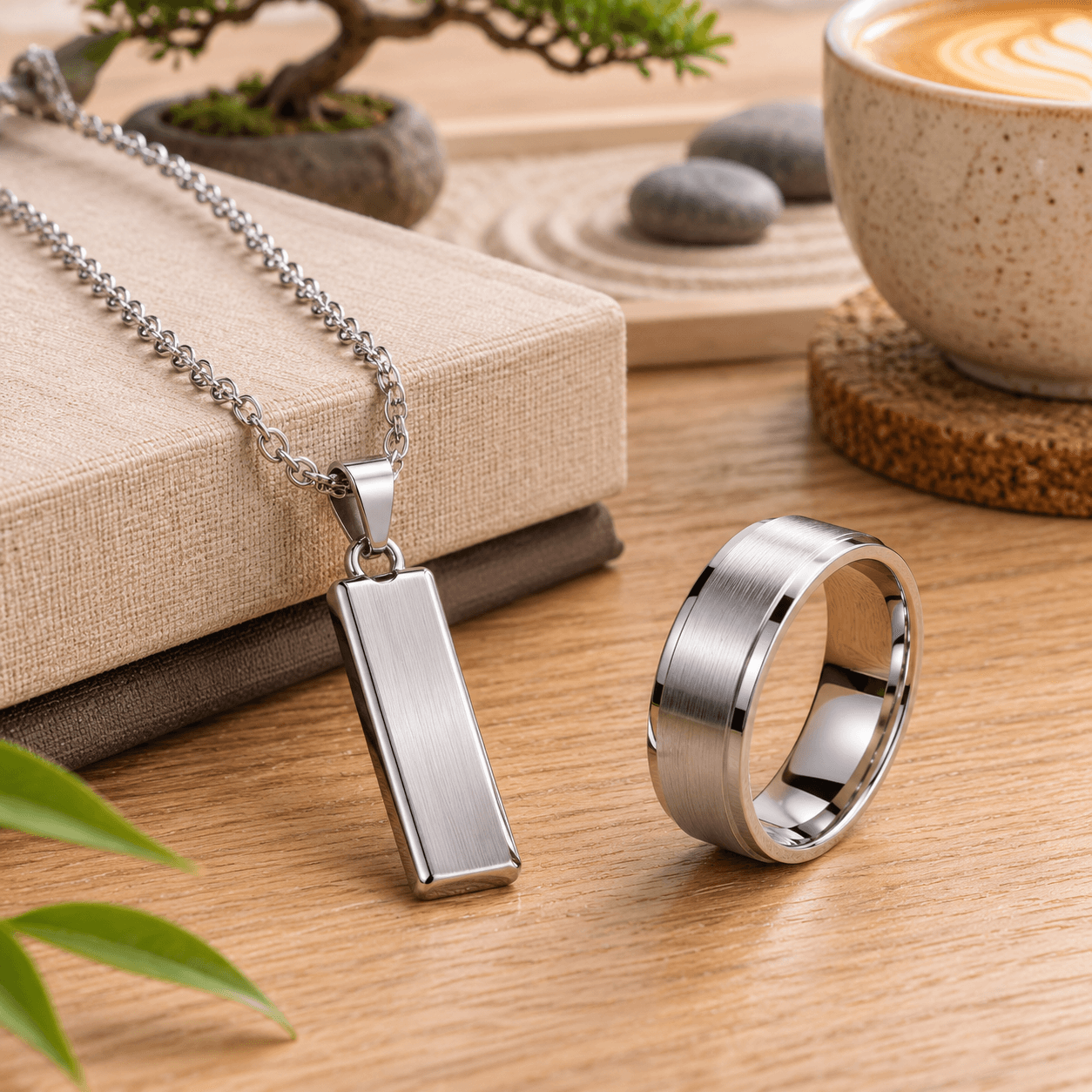
| Rings | Band profile, sizing, finish, and stone settings | Shape, size, inner surface, setting security |
| Earrings | Post or hoop construction, backing, and decorative parts | Pair consistency, post alignment, backing fit |
Calculate landed cost and gross margin
Calculate the cost of receiving sellable products, not just the factory unit price. Depending on the order, relevant expenses may include product cost, customization, packaging, freight, insurance, duties, brokerage, and other applicable import costs.
Landed cost per unit = (Product cost + customization + packaging + freight + duties + other applicable import costs) / sellable units
Use current quotations and applicable import information. US and Canadian buyers should confirm tariff classification, country-of-origin documentation, and import requirements with a customs broker.
Then compare landed cost with the planned retail price:
Gross profit per unit = Retail selling price − Landed cost per unit
Gross margin = (Gross profit per unit / Retail selling price) × 100
For example, a product with an $8 landed cost and a $24 selling price has $16 gross profit per unit and an illustrative gross margin of about 66.7%, before operating expenses. Discounts, payment fees, labor, marketing, rent, returns, and unsold inventory can affect actual profitability. This example is a calculation, not a recommended price or sales forecast.
Assess OEM and private label suppliers
Evaluate more than the quotation. Ask how the supplier handles specification review, sample development, production communication, inspections, customization, packaging, and export coordination. Confirm which processes are performed directly and which involve external partners.
Approve a sample and written specification
Before authorizing bulk production, review a sample against the intended design and record the approved details. Check material and dimensions, polish and finish appearance, clasps and connections, decorative components, logo placement, and packaging. Request relevant material or finish documentation if your project or market requires it, and clarify how changes to the approved specification will be handled.
Agree on inspection and order terms
Discuss inspection points and acceptance criteria before production. Request MOQ, sample, payment, packaging, and shipping terms for the specific design and customization; do not assume that the same MOQ or terms apply across products. For larger orders, consider documenting the inspection method and acceptance criteria in writing.
Plan a commercially focused assortment
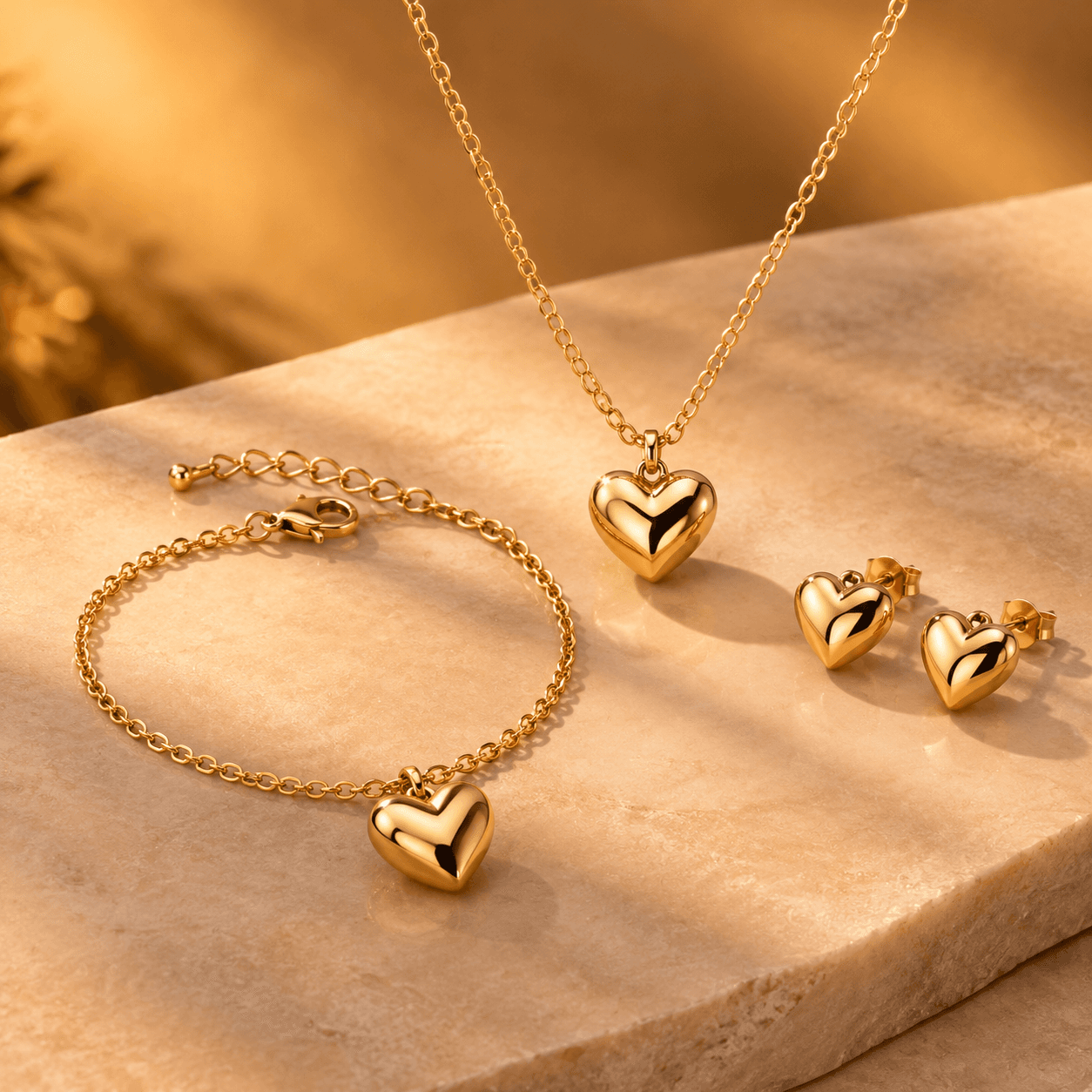
A coordinated range can be easier to merchandise than a collection of unrelated designs. Consider combining everyday necklaces, bracelets, rings, and earrings with a limited number of statement pieces. A consistent theme based on shape, finish, color, or occasion can support product photography and collection storytelling.
Use sample feedback and sales data to guide reorders. Start with products that have a clear role in the assortment, and avoid committing excessive working capital to untested variations. Custom logos and packaging can support a private label presentation, but include their costs and requirements in the initial sourcing brief.
Product descriptions and market requirements
Make product claims match the actual material and finish specifications. Avoid describing every stainless steel product as completely tarnish-proof or calling a finish permanent without supporting evidence. Material descriptions should also be distinguished from claims about skin sensitivity or performance.
Ordinary fashion jewelry should not be marketed as FDA-approved merely because it uses stainless steel. Buyers should review applicable product safety, labeling, advertising, and import requirements for their product and market. Seek regulatory advice where a product or claim involves a regulated use or health-related representation.
Frequently asked questions
Is stainless steel jewelry completely tarnish free?
Do not assume that any material or finish is unconditionally tarnish free. Appearance and finish performance depend on the specific product, processing, exposure, and care. Request the specification and evaluate a representative sample.
Is 316L stainless steel an option for wholesale jewelry?
It is one material option buyers can evaluate for a wholesale or private label project. Confirm the material specification, construction, finish, and any documentation required for the intended market before approving production.
How can a boutique compare sourcing costs?
Compare like-for-like specifications and calculate landed cost per sellable unit. Include customization, packaging, freight, import costs, and other relevant expenses rather than comparing unit prices alone.
What should I request before placing an OEM order?
Request a written product specification and quotation, sample arrangements, project-specific MOQ and terms, finish and packaging details, inspection expectations, and export documentation information. Approve the sample and final production specification before authorizing bulk production.
Discuss your jewelry project with Lefeng Jewelry
If you are developing a stainless steel jewelry collection, share your reference design or product brief, preferred material and finish, target quantity, logo requirements, and packaging expectations. Lefeng Jewelry can discuss project requirements and available OEM/ODM options subject to specification and feasibility.
Explore OEM/ODM manufacturing services, read the company and factory overview, or browse the stainless steel necklace collection for product ideas. To discuss a project, contact Lefeng Jewelry for an RFQ.