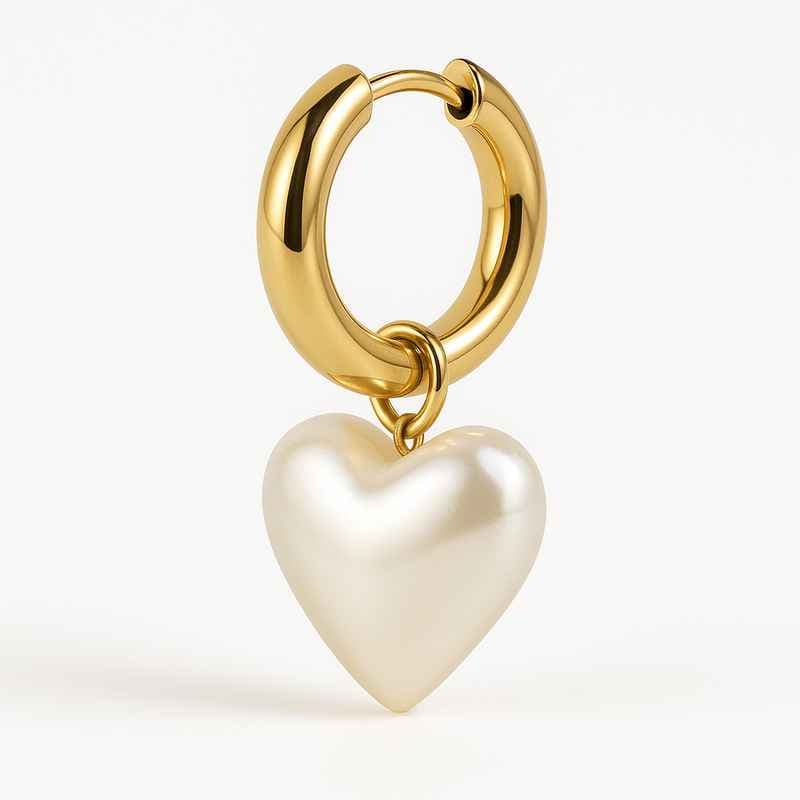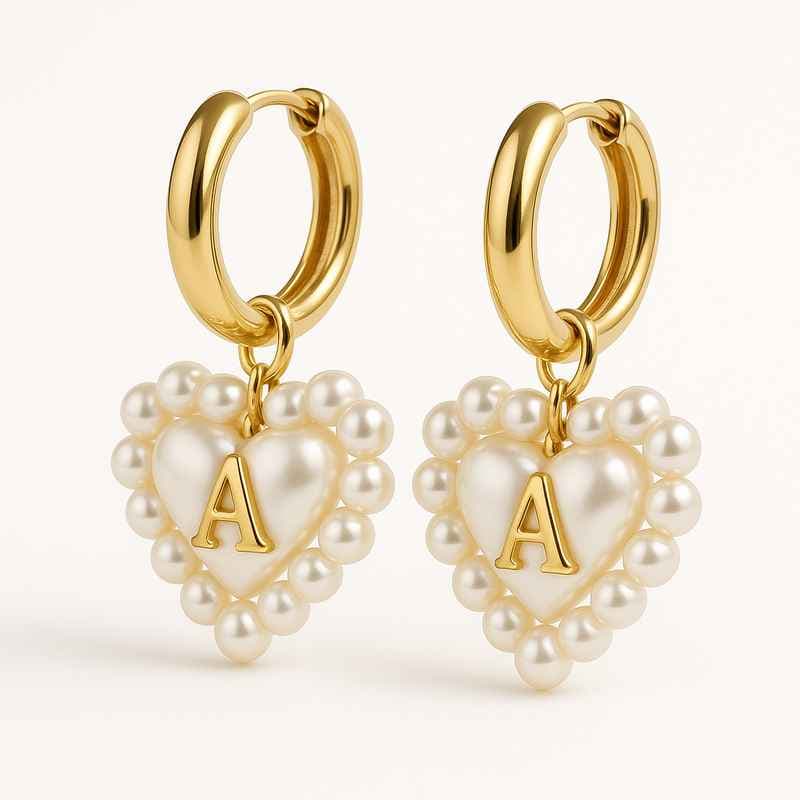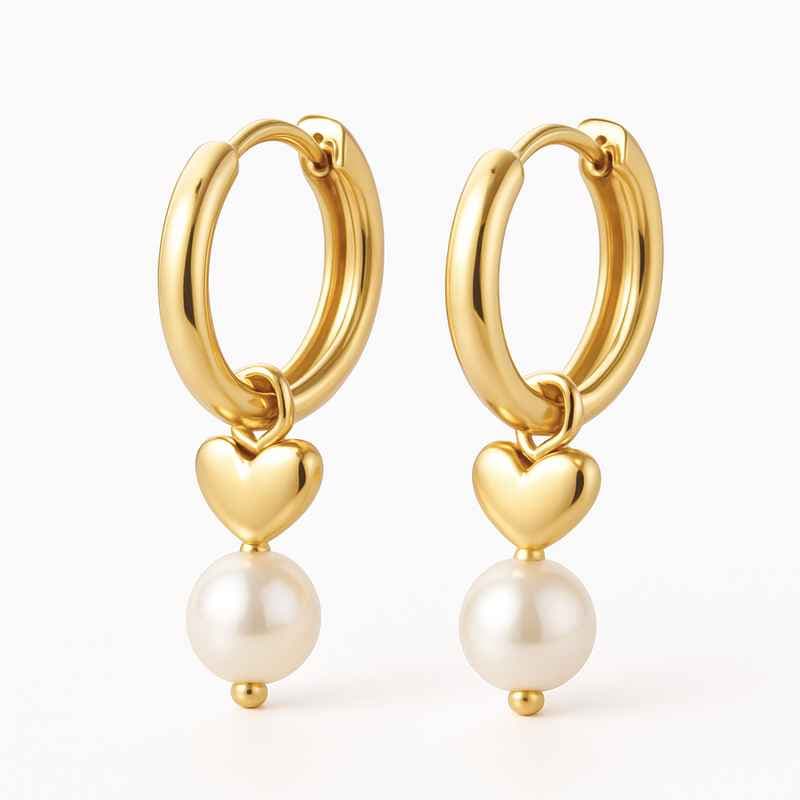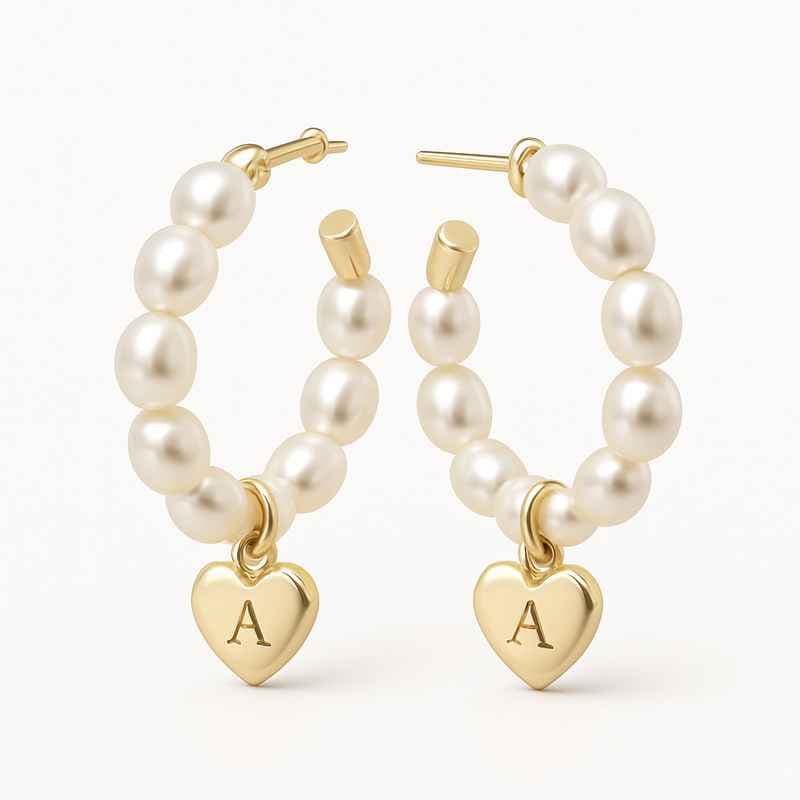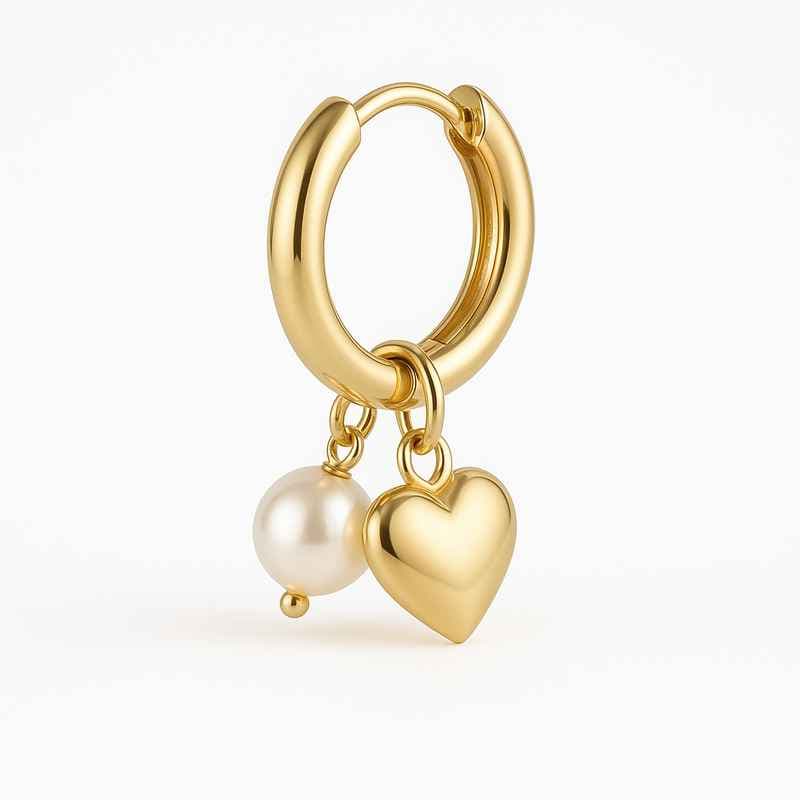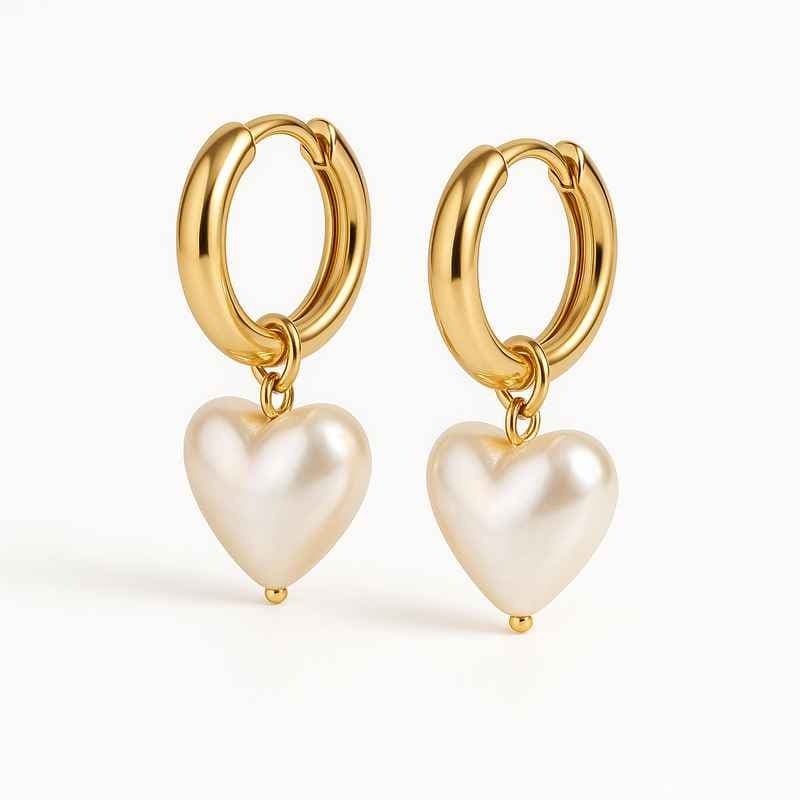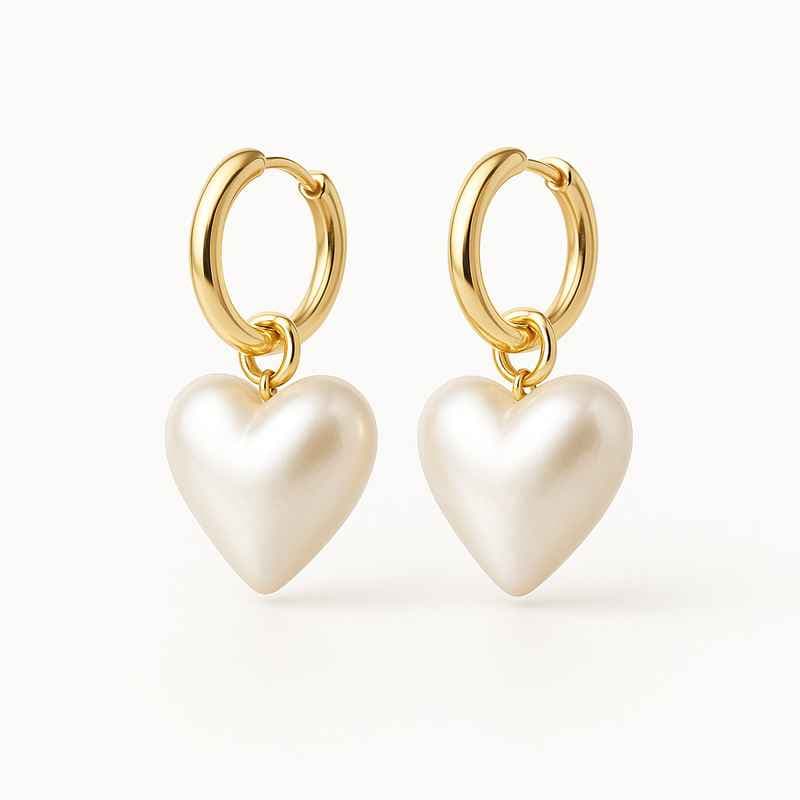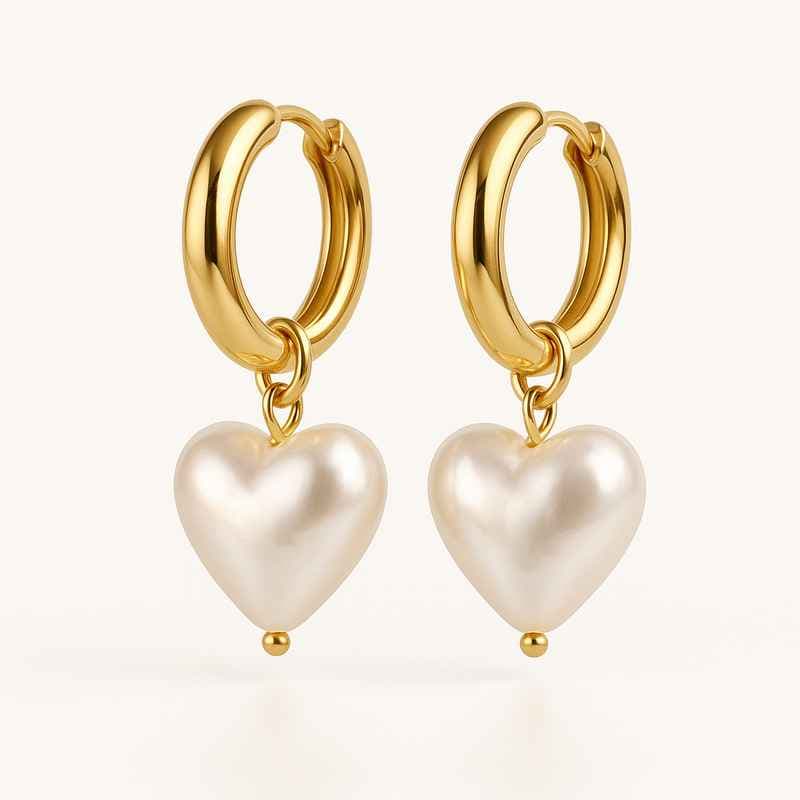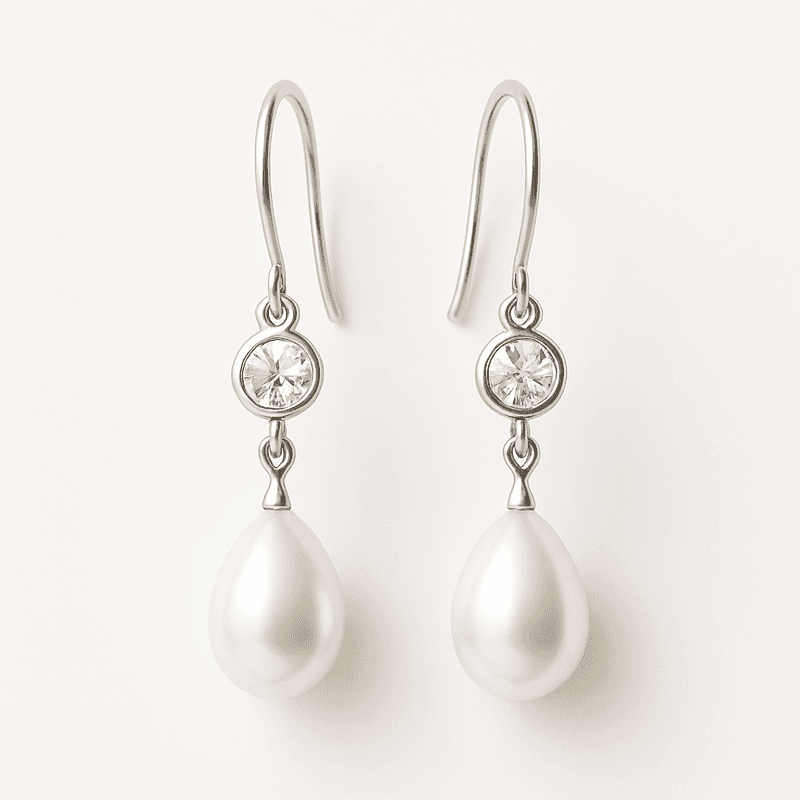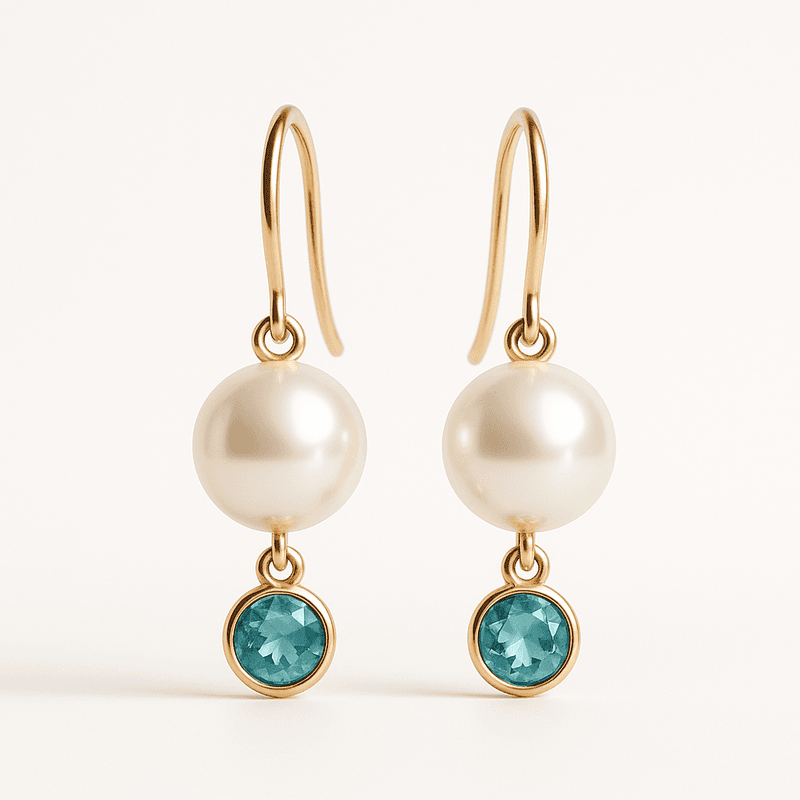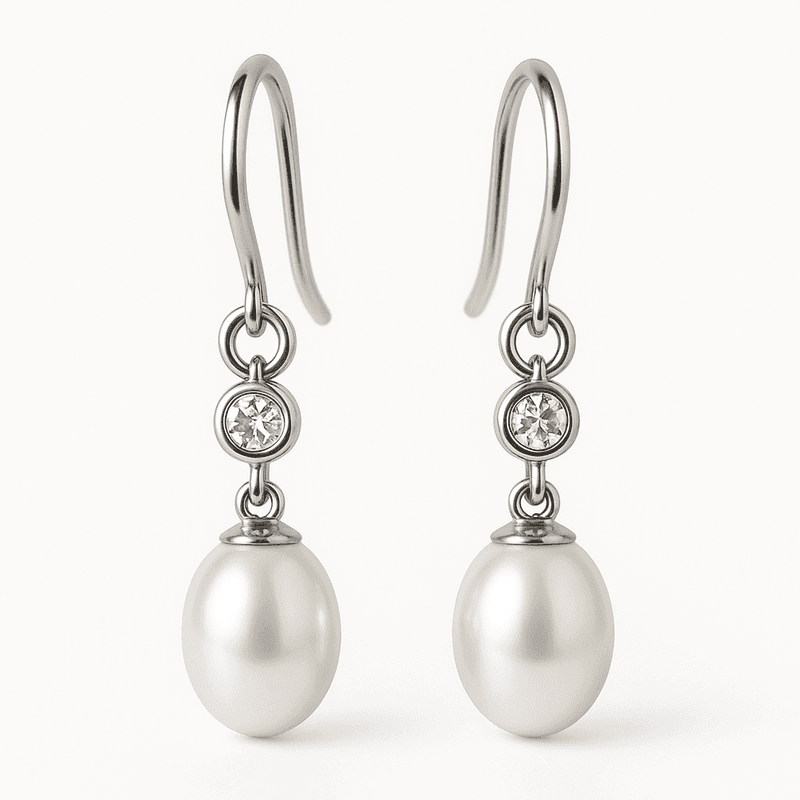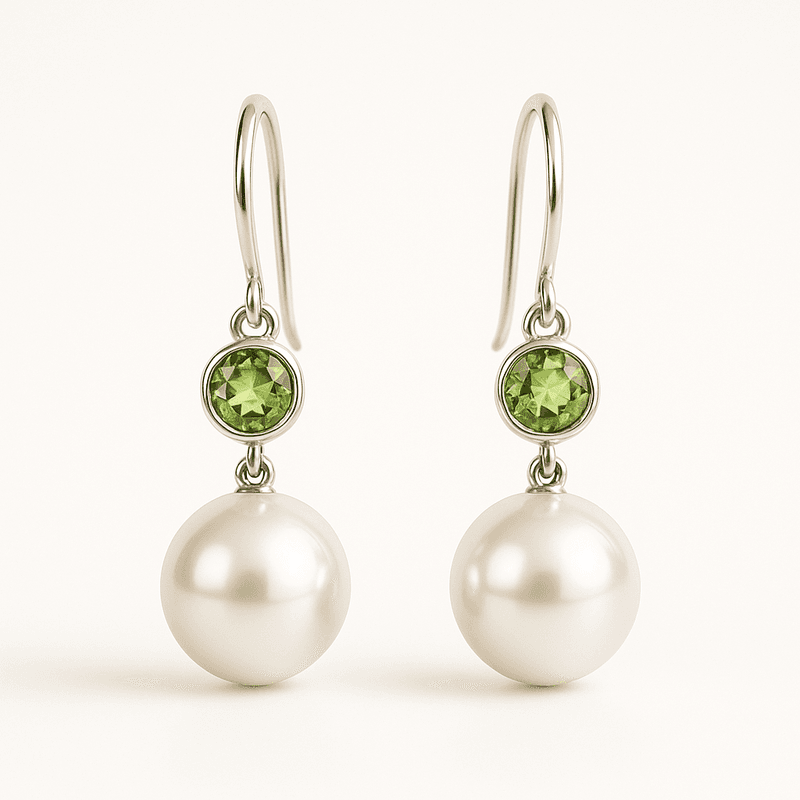
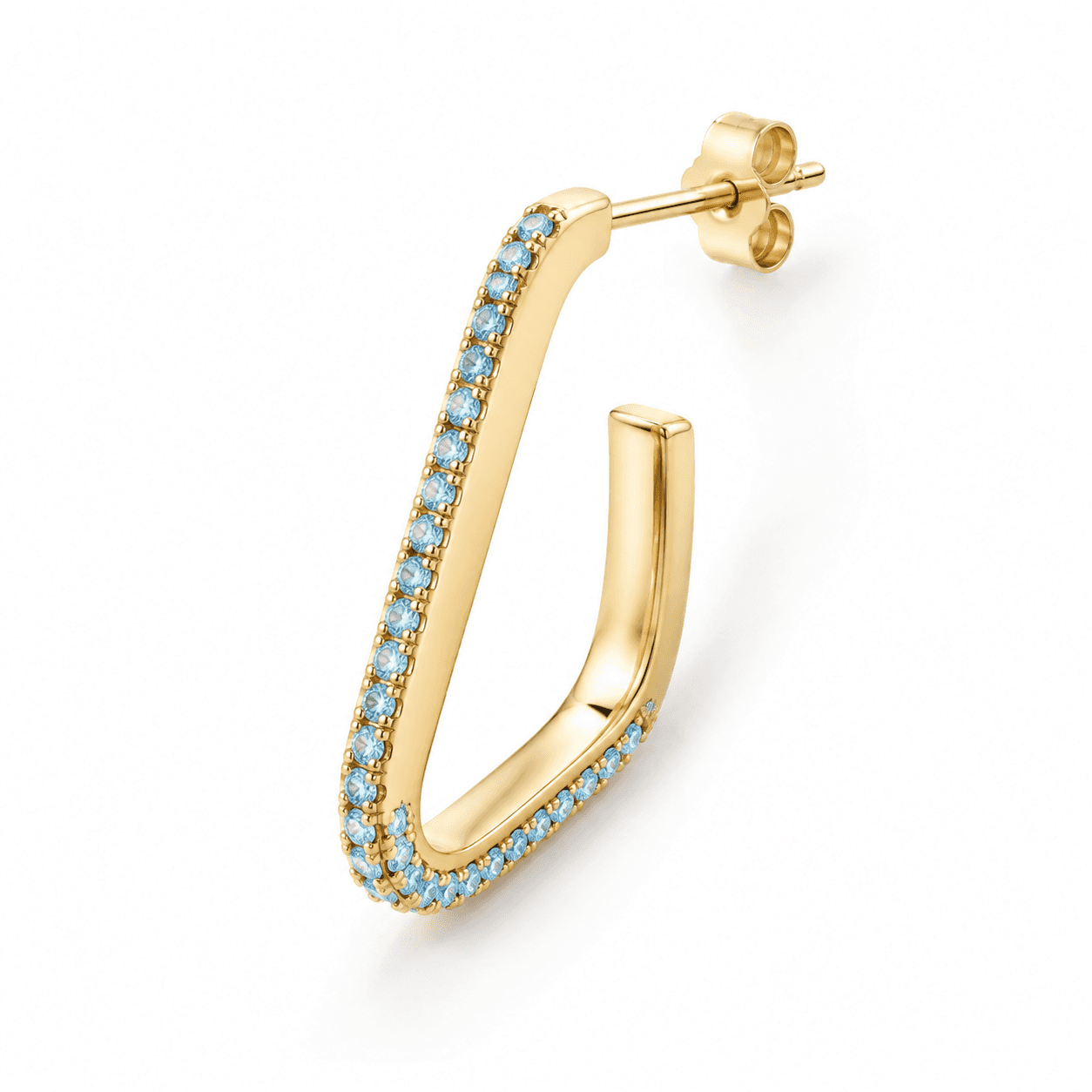
The maneckt earring concept can be treated as a design reference built around recognizable details such as pearls, heart motifs, personalization, hoops, and contrasting metallic finishes. For jewelry brands and retailers, the commercial opportunity is to turn those visual cues into a consistent assortment with defined silhouettes, materials, finishes, decorative elements, and packaging.
For B2B buyers, the key step is converting a reference image or concept into a production-ready brief. Lefeng Jewelry supports OEM and ODM development with sampling, finishing, quality inspection, packaging, and export coordination. During sample development, buyers can review proportions, connection points, surface finish, pearl or stone placement, logo execution, and packaging before confirming the production specification.
Defining the Earring Design Language
A useful earring concept starts with a repeatable design language rather than a single decorative feature. Pearl accents can create a softer collection direction, while hearts, initials, symbols, or other personalized elements can establish a recognizable theme. Studs, compact hoops, and controlled drops can form core commercial silhouettes, with larger drops or more distinctive finishes reserved for statement or occasion-led pieces.
For OEM/ODM development, the visual direction should be translated into physical construction details. Buyers can define dimensions, post and backing style, hoop or drop connections, decorative attachment points, pearl or stone placement, and the intended surface finish. Product images and references are most useful when they show both the overall silhouette and the construction details that need to be reproduced.
Personalization can be developed as an assortment system rather than an isolated feature. For example, initials, symbols, heart motifs, and pearl accents can be coordinated across several silhouettes to create a boutique, gifting, or private-label collection. The sample stage provides an opportunity to check whether the intended visual language remains consistent in the physical product.
Using Styling Directions for Assortment and Merchandising
Styling references can help buyers define the intended market position of an earring range. Everyday assortments may favor compact studs, small hoops, or restrained drops that work with shirts, knitwear, tailoring, and other repeat-wear looks. Occasion or gifting ranges can give greater emphasis to pearl-centered designs, visible drops, personalization, or coordinated metallic finishes.
These use cases can also inform assortment architecture. A buyer might establish a core everyday silhouette, a personalized variation, a pearl-focused option, and a more distinctive occasion style while maintaining shared materials or finish directions. This creates visual variety without making the collection feel disconnected.
For sourcing and merchandising, lifestyle images should be supported by clear product views that show scale, construction, and decorative details. Buyers planning related products can also review Lefeng Jewelry's New Design selection and Stainless Steel Earrings category for additional earring directions.
Converting a Design Reference into a Product Specification
Once the design direction is selected, buyers should convert visual preferences into measurable product requirements. An earring RFQ can define the silhouette, dimensions, base material, finish, decorative elements, attachment method, logo requirements, packaging direction, estimated quantity, and any project-specific documentation or testing requirements.
Configured material options include 316L stainless steel, 304 stainless steel, 925 sterling silver, copper, and zinc alloy, depending on the confirmed specification. Finishing and decorative options include PVD gold plating, rose gold plating, enamel, zircon, crystal, and pearl where suitable. The intended appearance should be checked on the physical sample so that finish, proportions, and decorative placement can be evaluated before production is finalized.
Lefeng Jewelry's supplied in-house capabilities include CNC and laser processing, polishing, PVD/plating, enamel and stone setting, quality inspection, custom logo work, packaging, and export coordination. These capabilities can support the transition from reference design to sample and then to an agreed production specification. Any project-specific testing or documentation should be stated in the RFQ so availability can be reviewed for the confirmed product.
Planning a Buyer-Ready Private-Label Earring Collection
A private-label earring collection needs controlled variation: enough silhouettes and design details to create merchandising depth, while retaining a recognizable collection identity. A practical structure could combine a core pearl style, a personalized heart or initial variation, a hoop, and a minimal stud or drop. Buyers can then organize the assortment by occasion, personalization, finish, or gifting position.
Physical sample review should be used to compare the details that affect both appearance and manufacturability. Buyers can assess silhouette, dimensions, connection points, polishing, finish consistency, pearl or stone placement, logo execution, hardware, and packaging presentation. The applicable MOQ should be requested for the confirmed project rather than assumed to be universal, because requirements can vary with customization, packaging, and production scope.
Private-label development can include the jewelry and its presentation. Custom logo work and packaging can be incorporated into the project specification, while inspection and packaging review provide checkpoints before shipment. Buyers building a coordinated range can also explore Stainless Steel Jewelry Sets, Stainless Steel Necklace, and Stainless Steel Bracelets for complementary products.
Frequently Asked Questions About Earring OEM/ODM Development
Start Your OEM/ODM Earring Project
Turn an earring design reference into a practical B2B product brief with Lefeng Jewelry. For an RFQ, provide the preferred earring structure, material such as 316L stainless steel or another configured option, finish, pearl or decorative details, dimensions, logo artwork, packaging requirements, estimated quantity, and target market. If you have an existing sample or drawing, include it so the manufacturing team can review the construction and sampling requirements.
You can also specify the desired collection size, whether the project is OEM or ODM, and any particular quality-control, testing, or documentation requirements. Lefeng Jewelry's supplied in-house capabilities include sampling, CNC and laser processing, polishing, PVD/plating, enamel and stone setting, inspection, custom logo work, packaging, and export coordination. Visit Services for manufacturing capabilities, About Lefeng Jewelry for factory information, or Contact Us to submit an RFQ and begin sample development.
Related resources
Related resources
- Stainless steel jewelry gift ideas: Retail design trends guide
- Why stainless steel rings outfit ideas Are Shaping Design Trends
- Best Stainless Steel Heart Charm Ideas: A Buyer's Design Guide
- Stainless Steel Jewelry Trend 2026: Market Shifts Brands Need
- Lefeng Jewelry - OEM/ODM Stainless Steel Jewelry Manufacturer
- Stainless Steel Charm Bracelet Ideas: A Practical Guide for OEM/ODM Buyers
- Why Is Stainless Steel Heart Charm Waterproof? 316L Guide
- Seasonal Charm Collection: OEM Jewelry Trends for Brands
- What Buyers Should Know: Does Stainless Steel Heart Charm Tarnish
- How to Clean Stainless Steel Jewelry: A Complete B2B Guide