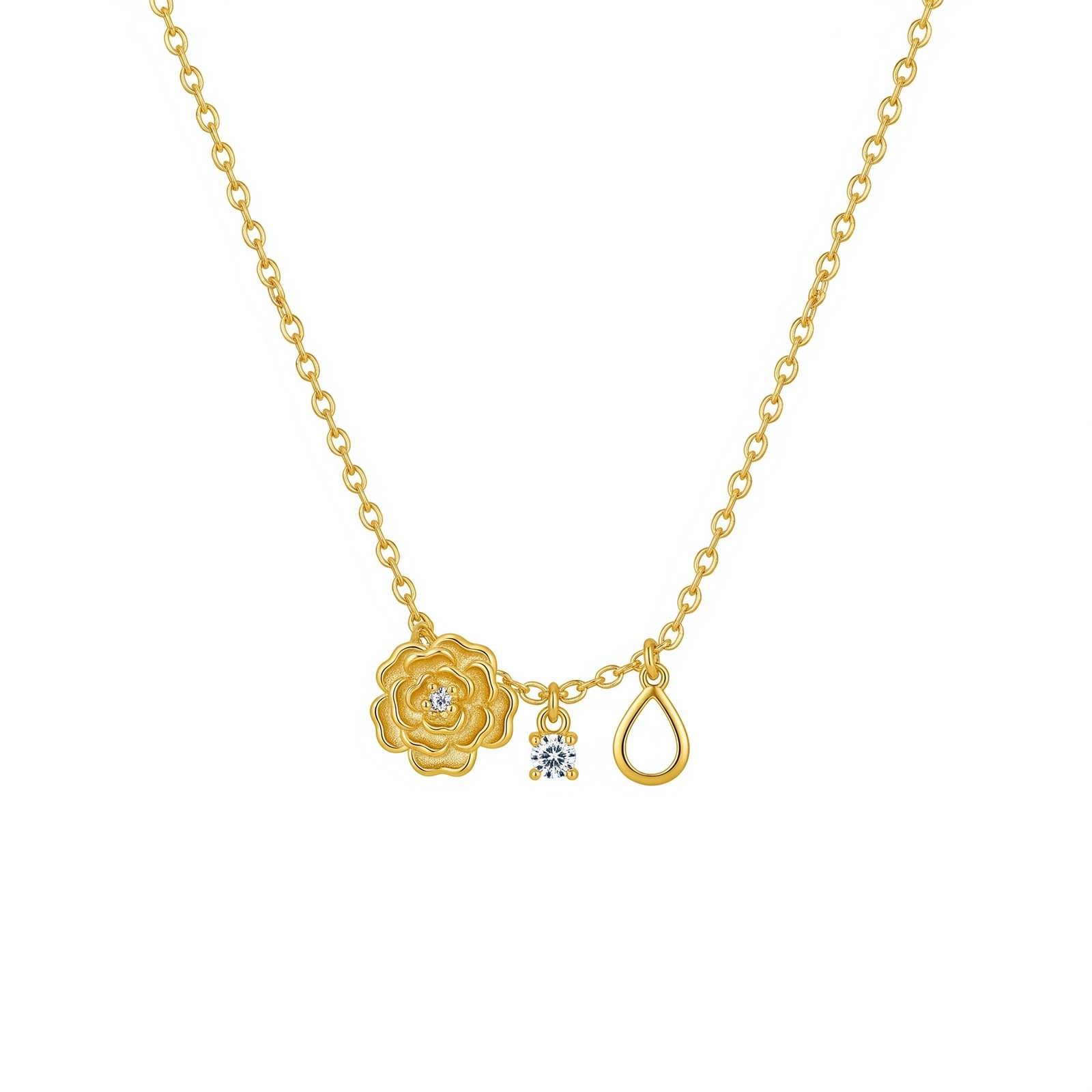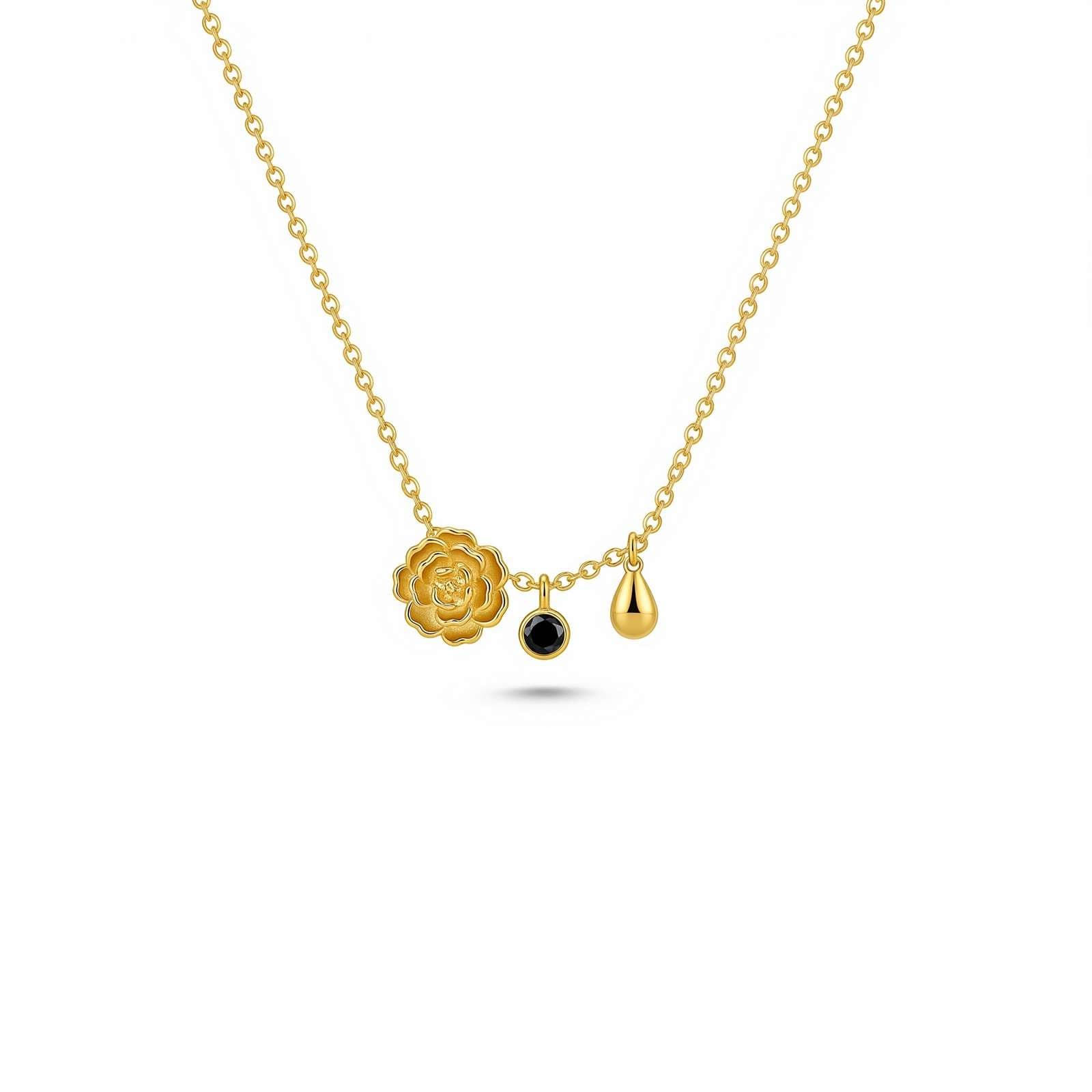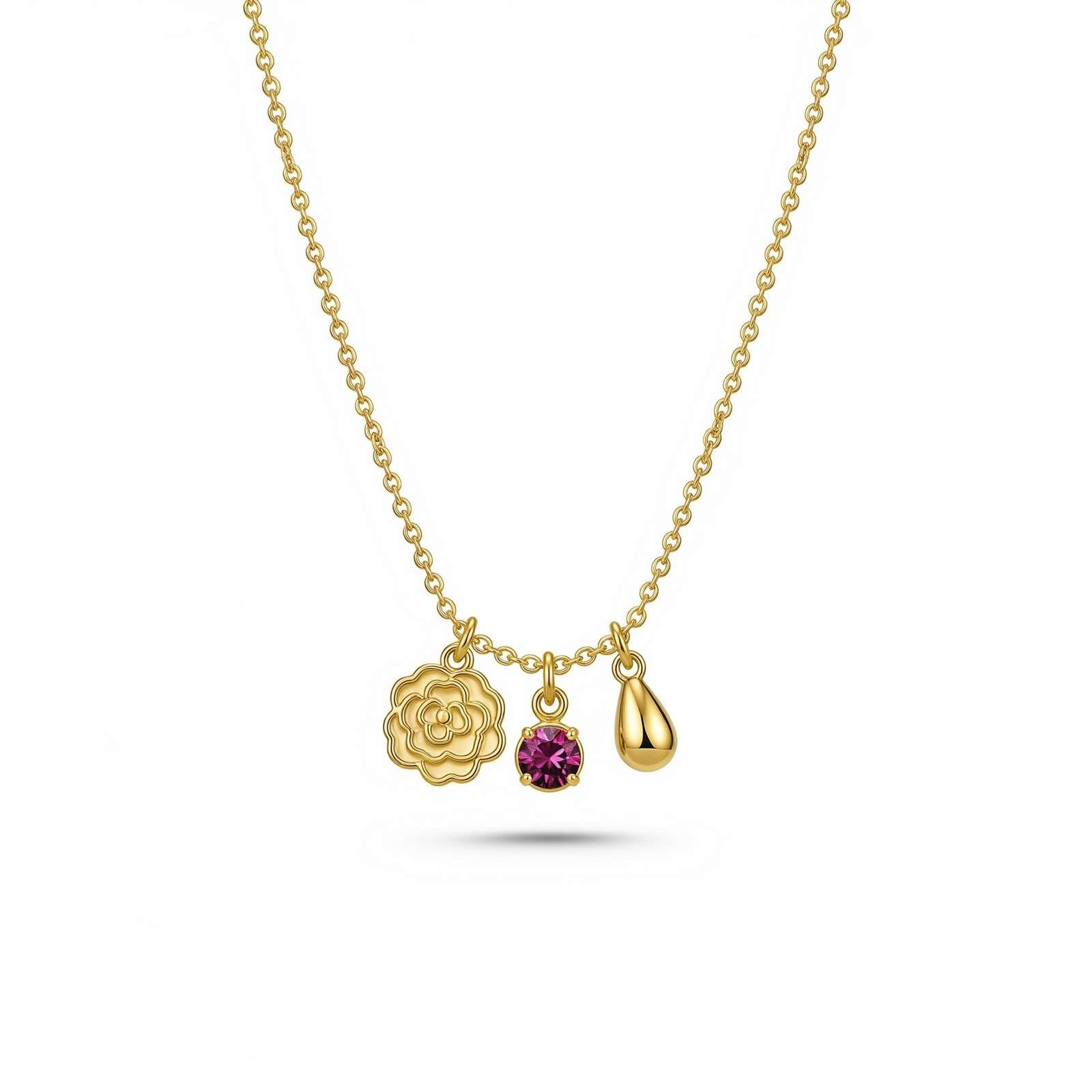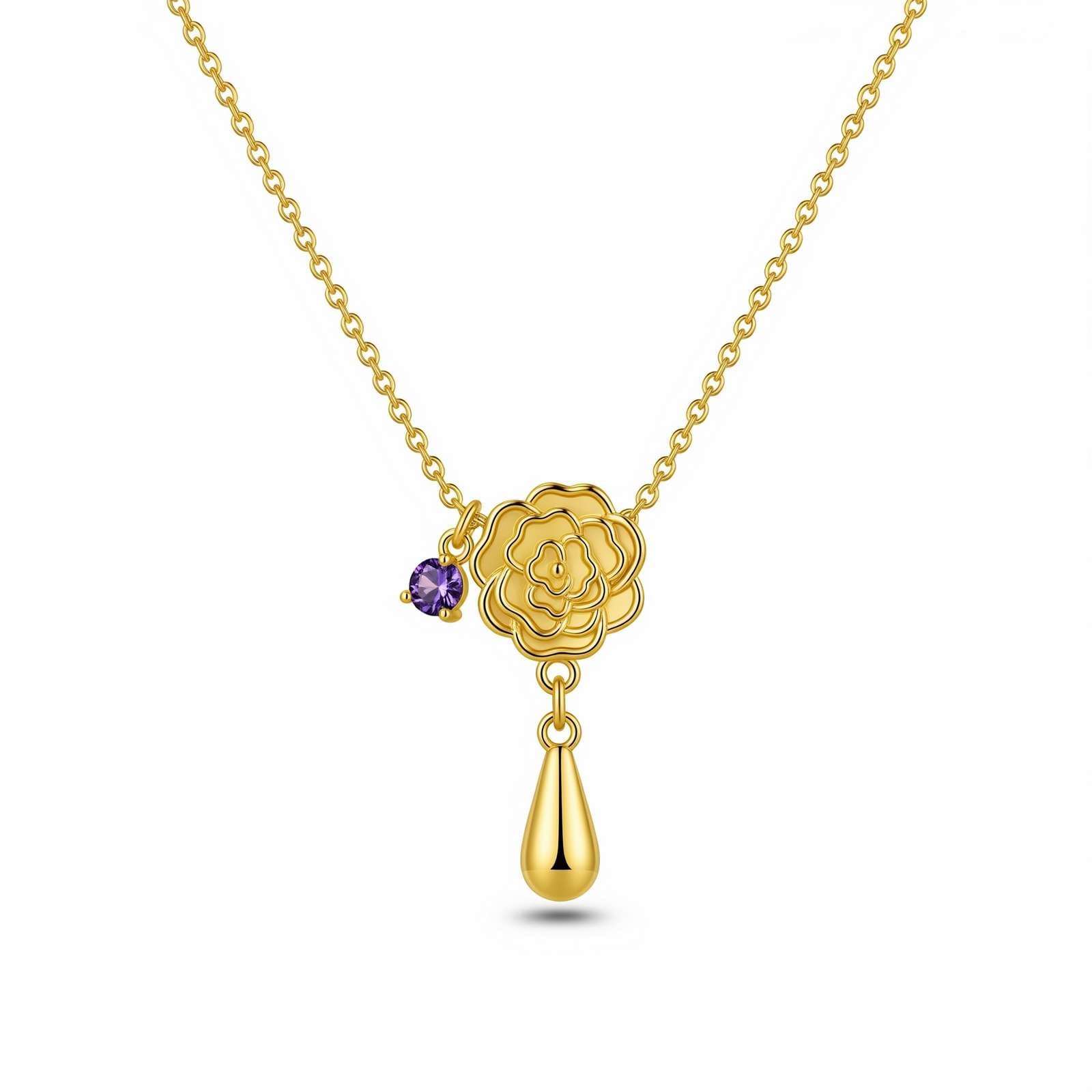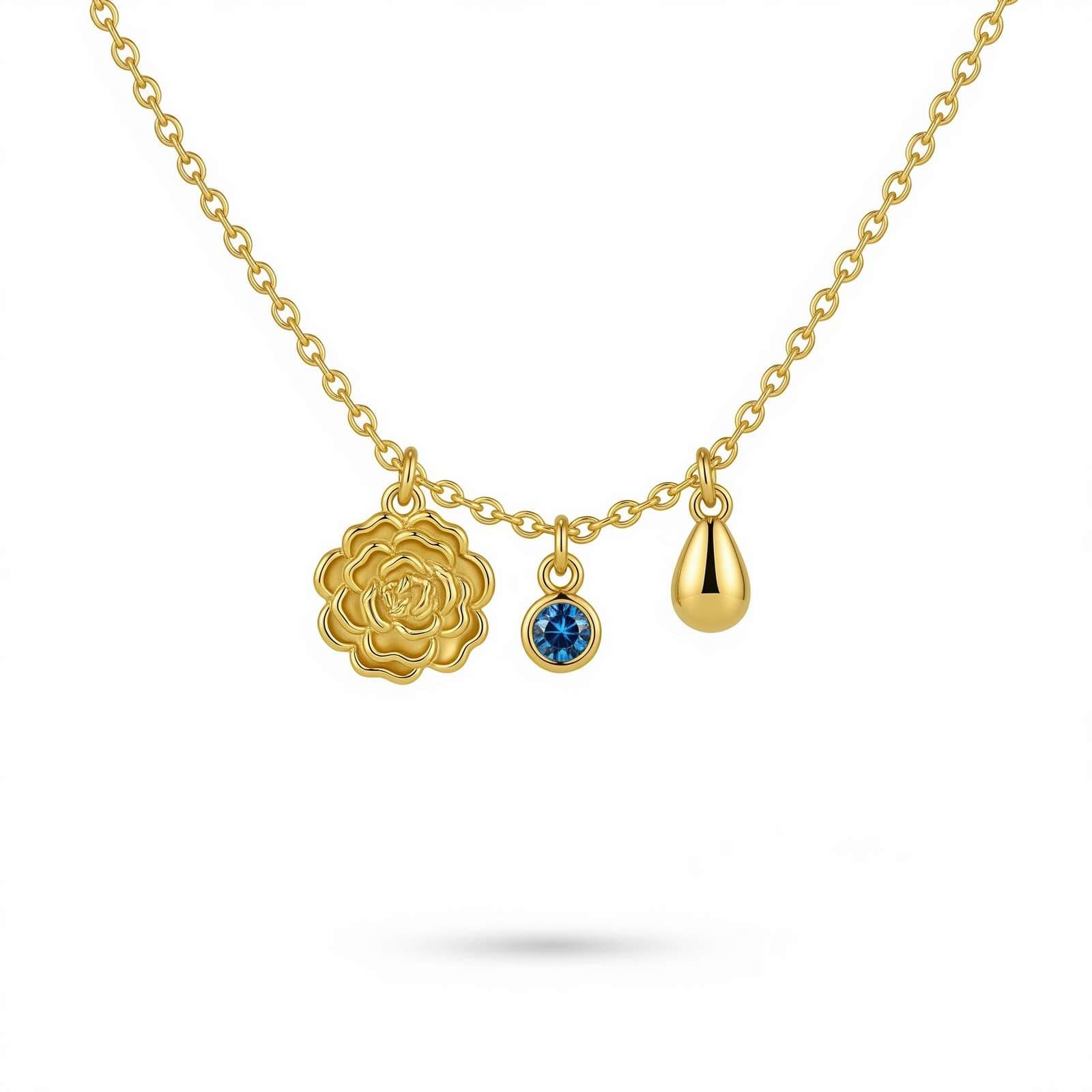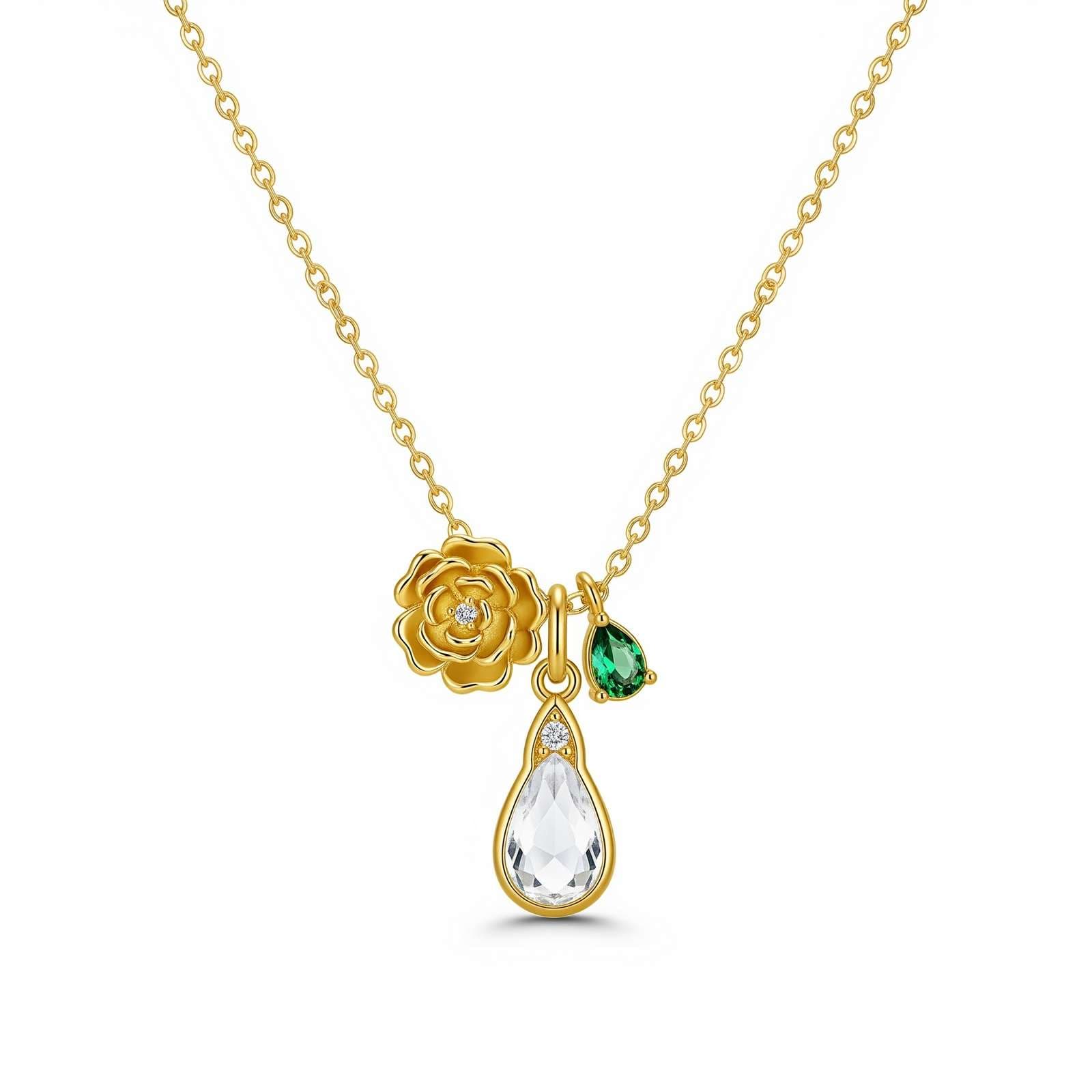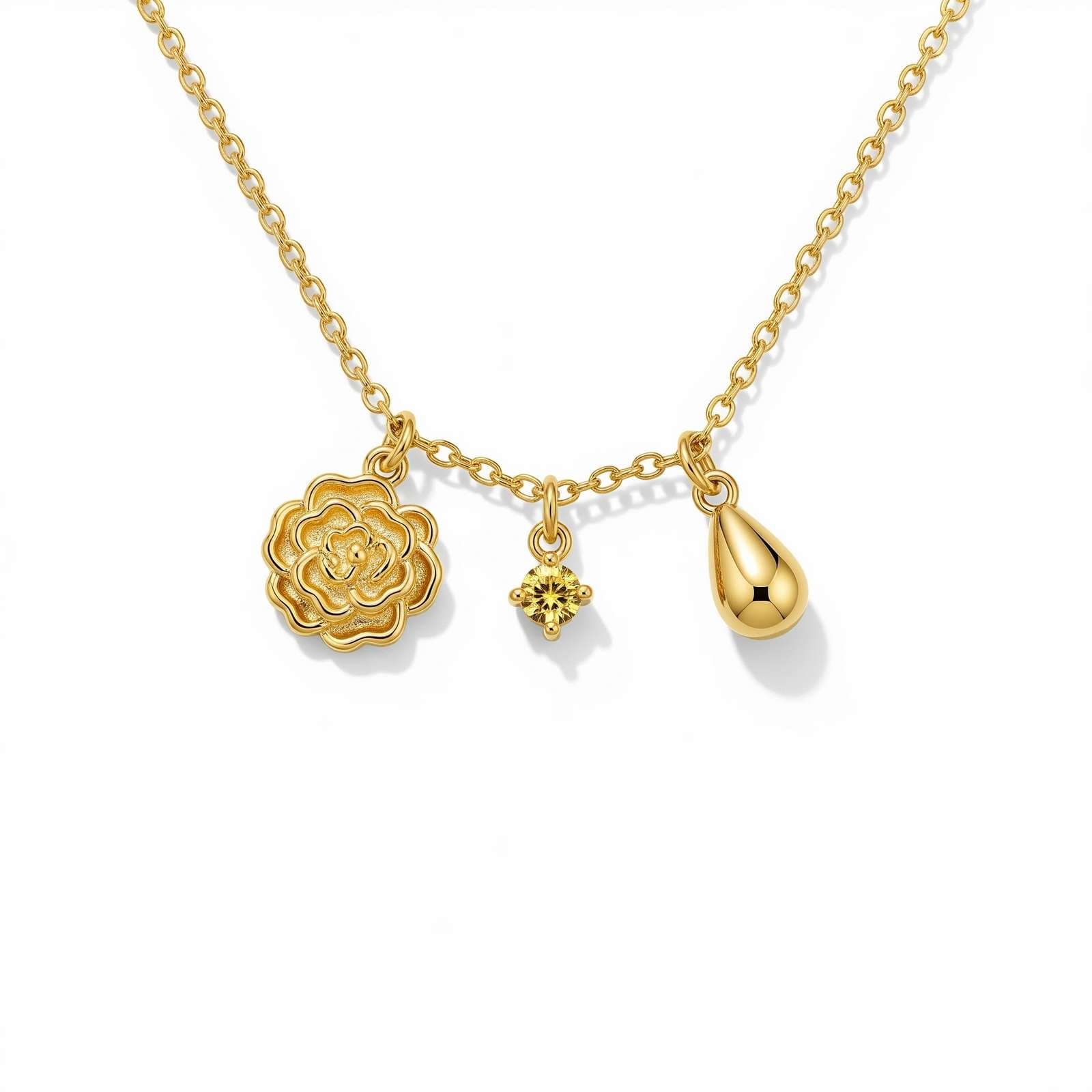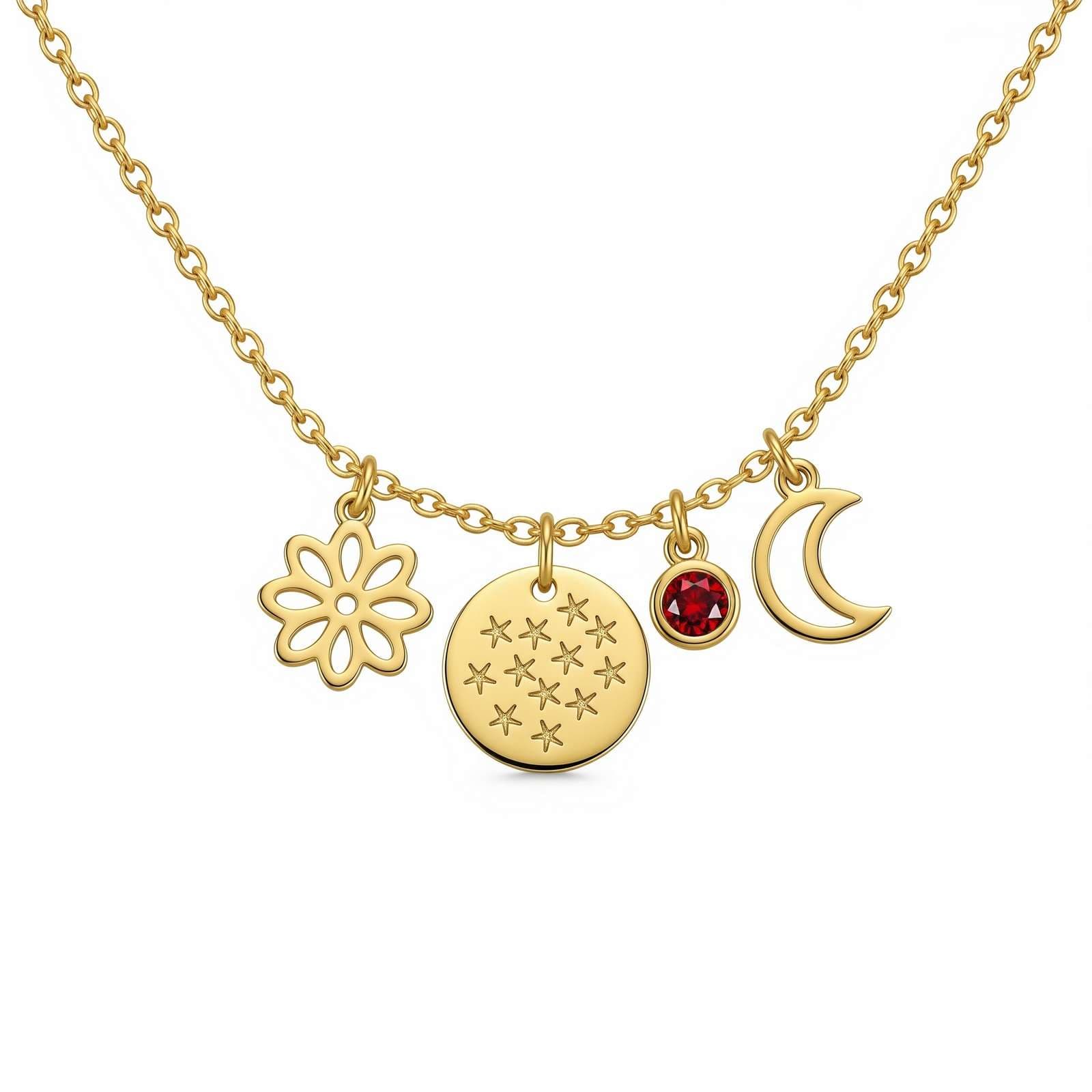
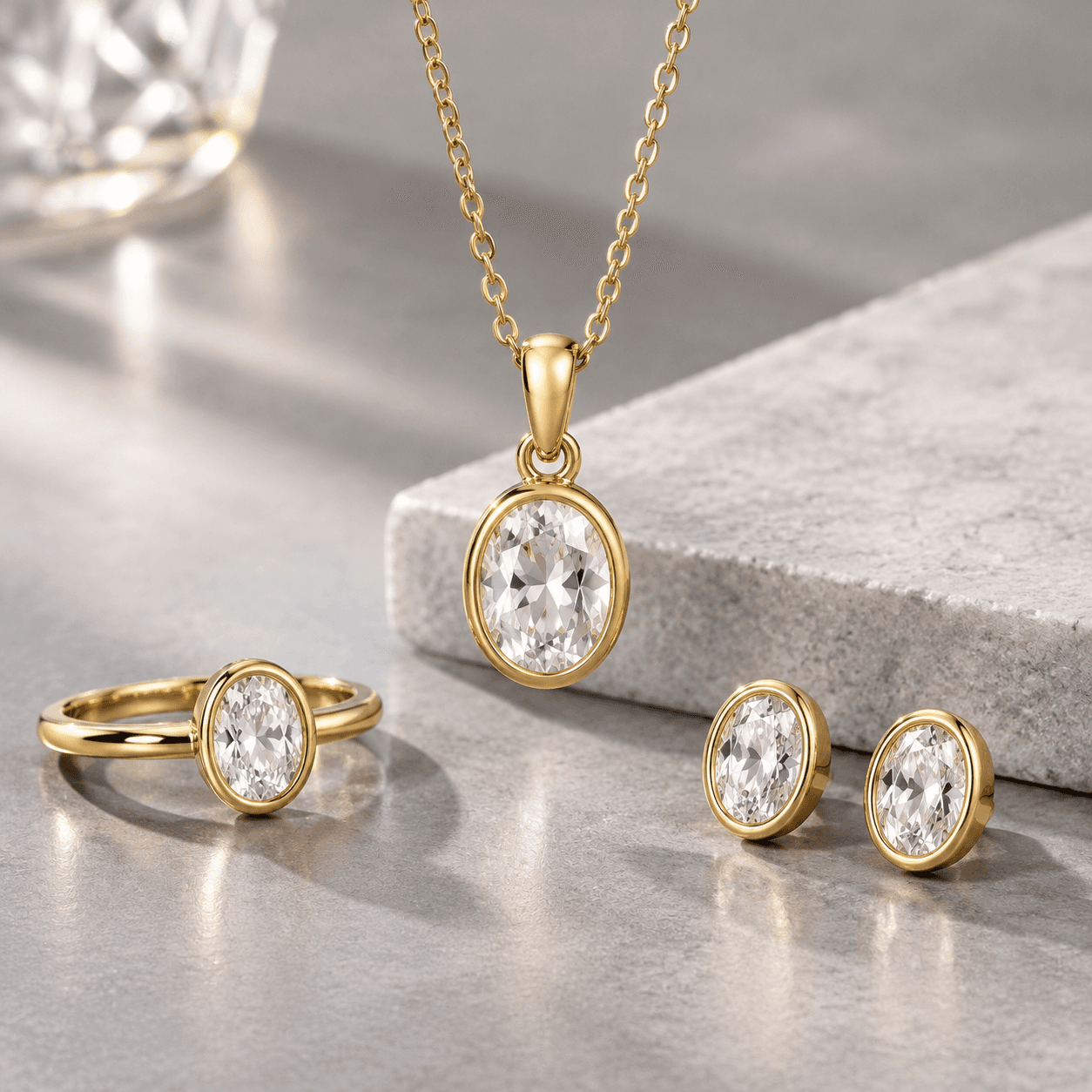
An oval bezel pendant necklace combines a distinctive gemstone silhouette with a smooth metal setting, creating a versatile design for contemporary jewelry collections. Understanding the relationship between pendant geometry, metal selection, bezel construction, and surface finishing helps jewelry designers develop pieces that balance visual character with practical manufacturing requirements.
For designers developing private label jewelry, the oval bezel pendant necklace offers multiple customization opportunities, including pendant proportions, setting depth, stone selection, chain configuration, and gold-tone finishes. As an experienced OEM jewelry manufacturer, Lefeng Jewelry supports concept development, material selection, jewelry sample development, CNC and laser processing, polishing, PVD plating, stone setting, and quality control. This guide explains the technical considerations behind developing an oval bezel pendant necklace from an initial design concept to a production-ready specification.
Comprendre la conception d’un collier pendentif à serti clos ovale
Un collier pendentif à serti clos ovale se compose de plusieurs éléments interconnectés: une pierre décorative ovale ou un insert personnalisé, un serti clos en métal qui l'entoure, un corps de pendentif, un point d'attache et une chaîne de collier avec son fermoir. Chaque composant influence l'apparence générale, l'intégrité structurelle et la complexité de fabrication. La silhouette ovale crée un contour visuel continu, tandis que le serti clos encadre l'élément central d'un bord métallique. Contrairement aux sertissages reposant sur plusieurs griffes individuelles, le serti clos utilise une structure métallique enveloppante pour maintenir l'insert sélectionné en place.
Pour les créateurs de bijoux, le premier point à considérer est la relation entre les dimensions de la pierre et celles du pendentif dans son ensemble. Un serti clos plus large produit une bordure métallique plus imposante, tandis qu'un bord plus étroit met davantage en valeur la pierre centrale. L'épaisseur du pendentif, la courbure des bords et la profondeur du sertissage influencent également le profil final. Ces dimensions doivent être définies pendant le développement du design, plutôt que laissées entièrement à l'interprétation de la production. Un fabricant de bijoux OEM peut examiner les dessins, les échantillons de référence et les exigences dimensionnelles afin d'identifier les contraintes pratiques de fabrication avant le début de la réalisation des échantillons.
Le système d'attache mérite la même attention. Le pendentif peut être relié au collier par une bélière intégrée, une bélière séparée ou une boucle latérale avec un anneau de jonction. Ces éléments doivent être conçus comme des composants fonctionnels distincts, avec un dégagement suffisant pour permettre à la chaîne de bouger naturellement. La chaîne, la chaînette de rallonge et le fermoir mousqueton constituent l'ensemble du collier et doivent être évalués indépendamment du sertissage du pendentif. Pour découvrir d'autres possibilités de conception, explorez la collection de colliers en acier inoxydable et les nouveaux modèles de bijoux.
Sélection de l’acier inoxydable 316L et d’autres matériaux personnalisés
La sélection des matériaux détermine l’approche de fabrication, l’apparence de la surface, les dimensions des composants et les options de finition d’un collier pendentif à serti ovale. L’acier inoxydable 316L constitue une option de matériau importante pour les bijoux contemporains, car il offre une base métallique durable et permet une fabrication de précision ainsi que différents traitements de surface. Ses caractéristiques matérielles le rendent adapté aux corps de pendentifs, aux chaînes de colliers et à d’autres composants de bijoux configurés. Les designers doivent tenir compte de la structure prévue du produit et des exigences de finition lors de la spécification de la nuance, plutôt que de sélectionner un matériau uniquement sur son apparence.
L’acier inoxydable 304 constitue une autre option configurée pour certains composants de bijoux. Le choix entre l’acier inoxydable 316L et l’acier inoxydable 304 doit tenir compte de l’application prévue, des exigences relatives aux composants et des spécifications confirmées du projet. Les autres options de matériaux configurées comprennent l’argent sterling 925, le cuivre et l’alliage de zinc. Chaque matériau nécessite une attention appropriée aux processus de formage, de polissage, d’assemblage et de finition. Pour un pendentif à serti ovale, le métal de base sélectionné doit être évalué conjointement avec les dimensions de la paroi du serti et la méthode utilisée pour maintenir l’élément décoratif.
Le composant décoratif central peut également influencer la spécification du matériau. Selon le design approuvé, les options configurées comprennent le zircon, le cristal et la perle. L’émail peut apporter une couleur supplémentaire et une différenciation de surface. Ces options doivent être évaluées en fonction de leurs dimensions, de leur apparence, de leurs exigences de sertissage et de leur position prévue au sein du pendentif. Lefeng Jewelry développe des projets à partir de la gamme de matériaux configurés comprenant l’acier inoxydable 316L, l’acier inoxydable 304, l’argent sterling 925, le cuivre, l’alliage de zinc et les éléments décoratifs applicables. Les acheteurs peuvent discuter des exigences relatives aux matériaux via les services de fabrication OEM/ODM avant de confirmer les spécifications d’un échantillon.
Géométrie de la lunette, maintien des pierres et savoir-faire de précision
The bezel is the defining technical feature of an oval bezel pendant necklace. Its primary function is to create a continuous metal boundary around the selected decorative element. Important design variables include the internal opening, bezel wall height, wall thickness, edge profile, and setting depth. These measurements must correspond to the actual dimensions and shape of the insert. If the opening is too large, the setting may not retain the insert as intended. If the surrounding structure is insufficiently proportioned, the pendant can lose its intended visual balance or become difficult to assemble consistently.
Oval geometry requires particular attention because the curved ends and elongated sides create different dimensional relationships. A symmetrical oval should maintain a balanced outline, with consistent transitions between the two ends and the longer sides. The bezel perimeter should follow the selected insert geometry without unwanted gaps or irregular edges. Designers should also specify whether the finished setting has a flat border, rounded edge, raised rim, or another defined profile. CNC processing can support dimensional development, while laser processing may be incorporated where the approved design requires precise detailing or component work.
Stone setting should be considered a separate manufacturing operation rather than an automatic consequence of completing the pendant body. The selected decorative element, bezel structure, and assembly method must work together. During sample review, examine whether the insert sits evenly, whether the bezel edge is visually consistent, and whether the surrounding metal has an appropriate finish. For projects involving zircon or crystal, the approved design should identify the exact decorative component and its placement. These details help an ODM jewelry supplier translate creative direction into a manufacturable construction specification.
Développement du placage or PVD et des finitions de surface
La finition de surface exerce une influence majeure sur le caractère visuel d’un collier pendentif à serti ovale. Une surface en acier inoxydable poli crée un aspect métallique réfléchissant, tandis que d’autres méthodes de finition approuvées peuvent produire différents niveaux de contraste visuel et de définition de surface. Le placage PVD or est une option de finition configurable pour les projets nécessitant une apparence dorée. Le placage or rose offre une autre possibilité de coloration. La finition sélectionnée doit être prise en compte pour le pendentif, la chaîne, la bélière et les autres composants métalliques visibles afin de garantir la cohérence des spécifications du produit.
Pour le développement PVD, les designers doivent définir la couleur souhaitée, l’aspect de surface et les composants nécessitant un traitement. Une surface de base polie et une séquence de finition soigneusement contrôlée sont des éléments importants à prendre en compte, car les irrégularités de surface peuvent rester visibles après l’opération de finition. Le bord du serti, le dos du pendentif, les maillons de la chaîne et les points d’attache doivent tous être examinés en fonction de leur apparence souhaitée. Si le design comprend des éléments en émail ou des pierres décoratives, la séquence de production doit tenir compte de la manière dont ces composants s’intègrent au processus de finition du métal.
L’approbation de la finition doit, dans la mesure du possible, s’appuyer sur un échantillon réel conforme aux conditions de production prévues. Les acheteurs doivent comparer l’échantillon avec leur référence approuvée en matière de constance des couleurs, d’aspect réfléchissant, de définition des contours et de transition entre les différents composants. Ils doivent également préciser si la chaîne et le pendentif nécessitent les mêmes spécifications de finition. Lefeng Jewelry coordonne les processus de polissage, de PVD et de placage, l’application de l’émail et le sertissage des pierres selon les exigences définies pour chaque projet. Les acheteurs peuvent examiner les attentes en matière de finition lors des discussions avec l’usine et l’entreprise et intégrer les détails approuvés à leur documentation RFQ.
Personnalisation des proportions du pendentif, des chaînes et des détails du design
Customization allows an oval bezel pendant necklace to become a distinctive element within a broader jewelry collection. Designers can begin by defining the pendant silhouette, length-to-width ratio, border proportions, overall thickness, and central decorative element. A vertically oriented oval creates a different visual impression from a wider horizontal oval. The bezel can be designed with a minimal border or a more pronounced metal frame. Additional design variables include the pendant back profile, engraved details, surface texture, and the relationship between the pendant and its chain.
Chain selection should follow the weight, dimensions, and attachment arrangement of the pendant. The chain style, link dimensions, overall length, extension chain, and closure should be specified as part of the necklace design. An integrated bail may create a streamlined connection, while a separate bail can introduce another design detail. If a jump ring is used, it should be positioned and sized to support the intended movement of the pendant. The lobster clasp should remain a distinct closure component at the rear chain ends, not an attachment directly to the pendant. These physical details are important when evaluating a drawing or prototype.
Logo engraving and custom packaging can extend the customization beyond the jewelry itself. A private label jewelry project may specify a discreet logo position on the pendant back, an approved mark on a suitable component, or coordinated packaging for a boutique jewelry collection. The design brief should distinguish between essential functional requirements and optional decorative features. Lefeng Jewelry supports OEM and ODM design development, custom logo work, sampling, and packaging coordination. Designers developing a broader product range can also review stainless steel bracelets, stainless steel rings, and stainless steel earrings.
Développement d’échantillons de bijoux: du concept de design aux spécifications de production
Jewelry sample development is an essential stage for translating an oval bezel pendant necklace concept into a physical product. A useful starting package includes a dimensioned drawing, pendant reference images, material requirements, decorative element specifications, chain details, finish preferences, and packaging expectations. Designers should identify which dimensions are fixed and which can be adjusted during development. This distinction helps the manufacturing team evaluate the design without changing important visual characteristics or functional requirements.
The sampling process should address the pendant body, bezel profile, attachment structure, and complete necklace assembly. An initial sample provides an opportunity to assess proportions, construction, and visual appearance. Designers can then review the central insert, bezel alignment, edge smoothness, chain movement, and closure operation. If changes are necessary, feedback should identify the exact component and requested adjustment. For example, a designer may request a narrower bezel border, a different pendant thickness, a revised bail opening, or a specific chain length. Clear revision notes make subsequent sample evaluation more useful.
Once the design is approved, the sample and its specifications should provide a reference for production discussions. Material grades, finish requirements, component dimensions, logo placement, and packaging instructions should be documented rather than relying on informal descriptions. Lefeng Jewelry provides in-house design development, sampling, CNC and laser processing, polishing, PVD and plating, stone setting, quality inspection, and export coordination. This integrated manufacturing approach helps designers communicate technical requirements throughout the development process. Explore manufacturing services or review the jewelry sourcing insights for additional guidance.
Points de contrôle qualité pour les colliers pendentifs à serti clos ovale
Quality control for an oval bezel pendant necklace should evaluate the product as a complete functional assembly rather than focusing exclusively on its appearance. At the incoming specification stage, the manufacturing team should confirm the selected material, dimensions, decorative component, finish, and approved design reference. During processing, relevant checkpoints can include pendant geometry, bezel consistency, surface condition, component alignment, and the condition of the attachment points. These checks provide a practical framework for identifying deviations before the complete necklace reaches final inspection.
During assembly inspection, the bezel should be examined for consistent edges and appropriate positioning around the decorative element. The pendant attachment should be checked for secure construction and natural chain movement. Chain links should be reviewed for consistent connections, while the extension chain and lobster clasp should be checked for their intended function. Surface inspection should cover the pendant front, reverse, edges, chain, and visible connecting components. For PVD gold plating or rose gold plating, the approved reference sample should be used to assess the intended color and overall finish appearance.
Final inspection can include checking the necklace dimensions against the approved specification, reviewing the complete assembly, confirming logo details, and examining packaging presentation. Buyers should define any project-specific acceptance criteria before production so that inspection expectations are clear. Documentation relating to a particular material, certification, test, or destination-market requirement should be reviewed or arranged according to the confirmed specification. No general material description should be treated as proof of a particular certification or compliance result. Lefeng Jewelry incorporates quality inspection checkpoints into its manufacturing workflow and can coordinate specification and packaging reviews with B2B buyers before shipment.
Concevoir une collection de colliers en marque blanche commercialement viable
An oval bezel pendant necklace can serve as an individual product or become the foundation of a coordinated necklace collection. For jewelry designers, collection planning involves more than selecting different decorative elements. A consistent design language can be established through shared pendant proportions, bezel profiles, chain structures, surface finishes, and logo placement. Variations can then be introduced through approved insert colors, pendant dimensions, and finishing options. This approach creates recognizable product organization while allowing individual designs to maintain their own visual character.
From a wholesale planning perspective, buyers should evaluate which design features can be standardized across multiple products and which require individual development. Shared chain specifications, common attachment components, and coordinated packaging can simplify specification management. However, differences in pendant dimensions and decorative elements may require separate sampling and inspection references. Buyers should also confirm the MOQ for each proposed configuration rather than assuming that several variations can automatically share one quantity requirement. Material, finish, packaging, and assembly differences should be clearly identified in the RFQ.
A practical product development plan begins with a defined assortment, approved technical references, and a realistic sampling sequence. Designers can group products by material, finish, pendant shape, or intended retail assortment. A gift program may prioritize coordinated packaging, while a boutique jewelry collection may emphasize a consistent visual profile across necklaces and matching earrings. Lefeng Jewelry supports private label jewelry development through design consultation, sampling, manufacturing, custom logo work, quality inspection, and packaging coordination. Buyers can use the new design collection to explore available product directions and the contact page to discuss their project requirements.
Questions fréquemment posées sur les colliers avec pendentif ovale serti clos
Créez votre collier pendentif personnalisé avec serti clos ovale
Ready to develop an oval bezel pendant necklace for your next private label jewelry collection? Lefeng Jewelry offers OEM/ODM support for design development, sampling, CNC and laser processing, polishing, PVD and plating, stone setting, quality inspection, custom logo work, packaging, and export coordination.
To begin your RFQ, prepare your reference images or technical drawings, preferred pendant dimensions, material grade, bezel profile, decorative element specifications, finish requirements, chain style and length, clasp configuration, logo artwork, estimated order quantity, and destination market. If you have a physical reference sample, include its dimensions and the specific features you want to retain or adjust. Also identify any documentation, inspection, or packaging requirements that need to be reviewed for your project.
The Lefeng Jewelry team can review your design information, discuss suitable material and manufacturing options, and coordinate sample development according to the confirmed specification. For related product directions, explore the stainless steel necklace collection and stainless steel jewelry sets. Visit OEM/ODM services or contact Lefeng Jewelry to discuss your project and request a quotation.
Related resources
Related resources
- Oval Bezel Pendant Blank: Custom OEM Jewelry Manufacturing Guide
- What Buyers Should Know About Minimalist Stainless Steel Necklace Styling for OEM/ODM Partnerships
- Oval Bezel Pendant Blank: OEM Stainless steel Charm | Lefeng
- Oval Bezel Pendant Blank: OEM Stainless Steel Jewelry Manufacturing
- Why Is Stainless Steel Heart Charm Waterproof? 316L Guide
- Best Stainless Steel Heart Charm Ideas: A Buyer's Design Guide
- Oval Bezel Pendant Blank for OEM Jewelry | Lefeng Supplier
- Why stainless steel rings outfit ideas Are Shaping Design Trends
- Oval Bezel Pendant Blank: A Practical OEM Solution for Jewelry Manufacturing
- Stainless steel jewelry gift ideas: Retail design trends guide