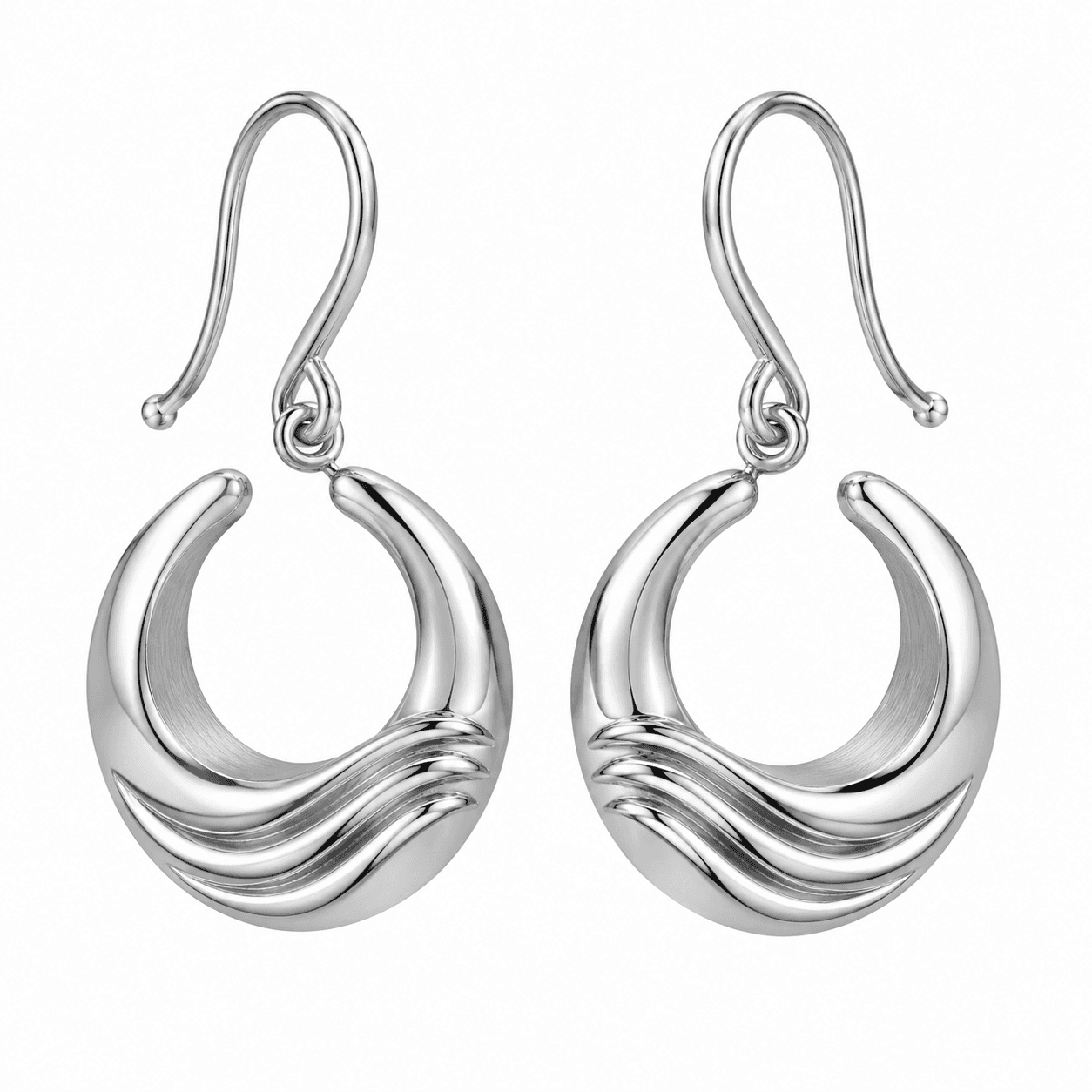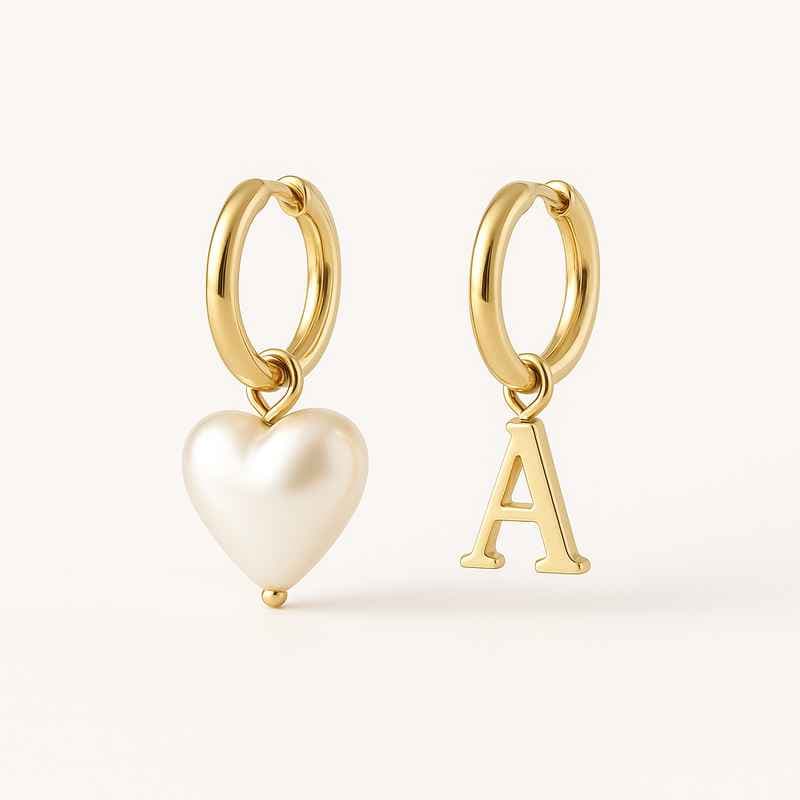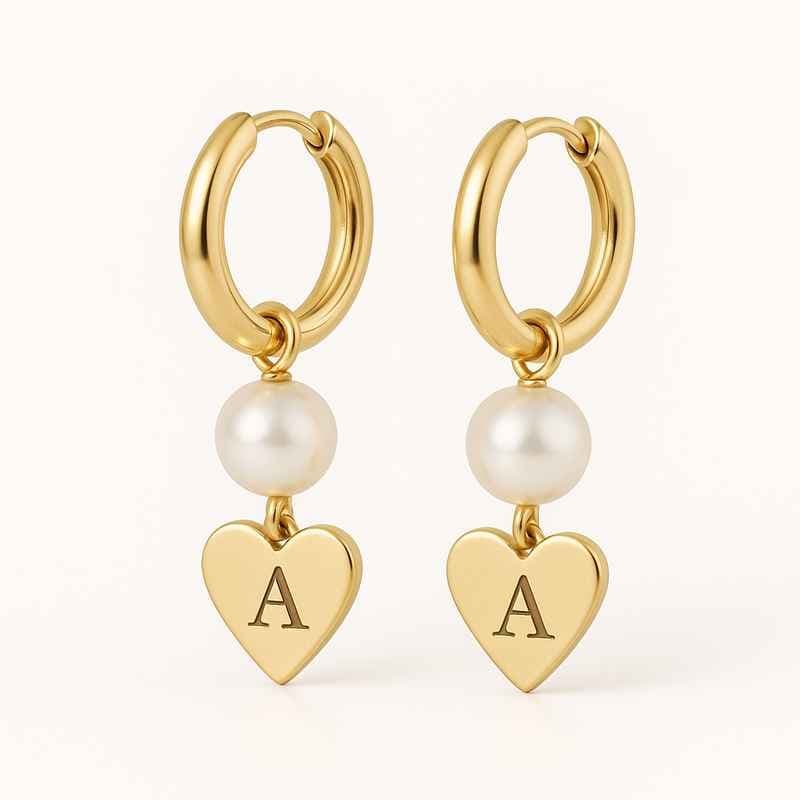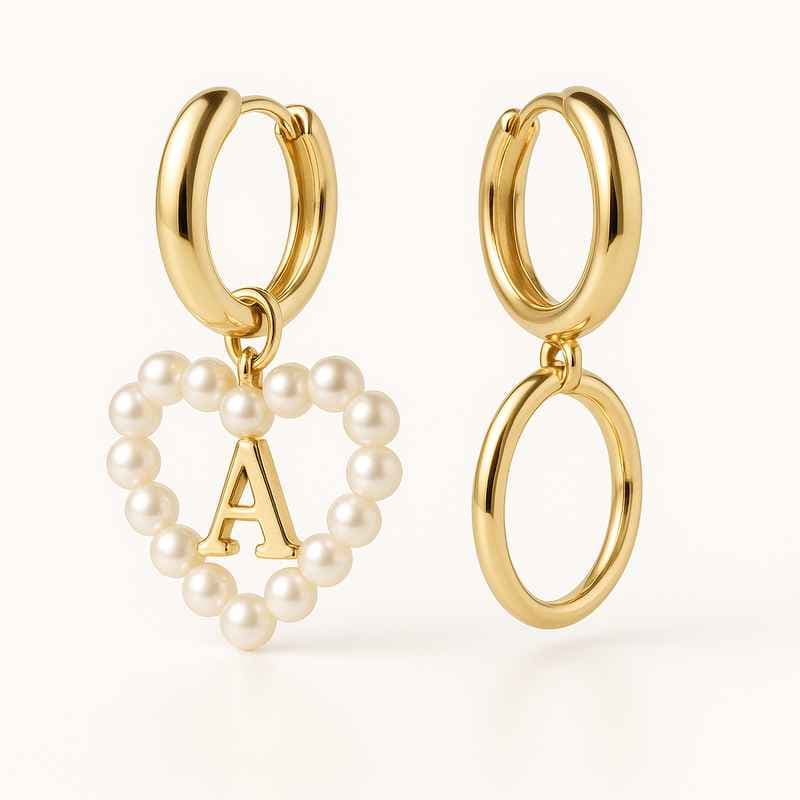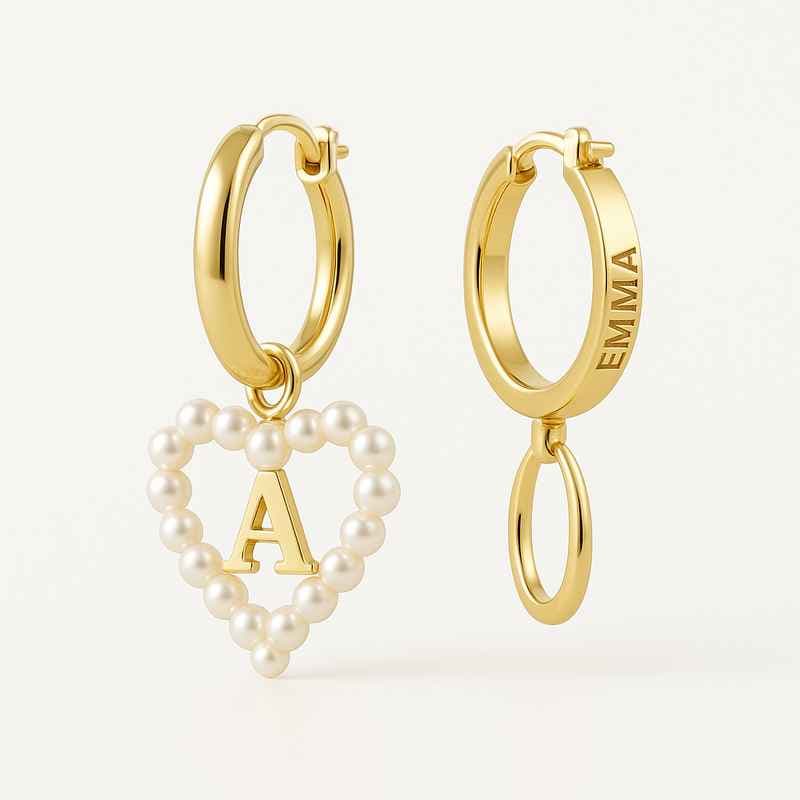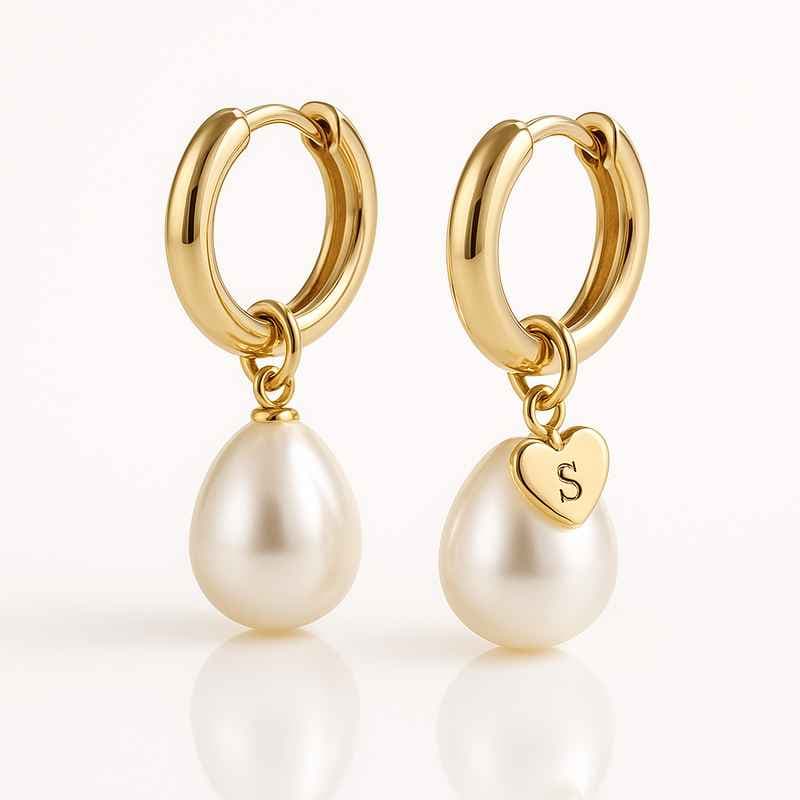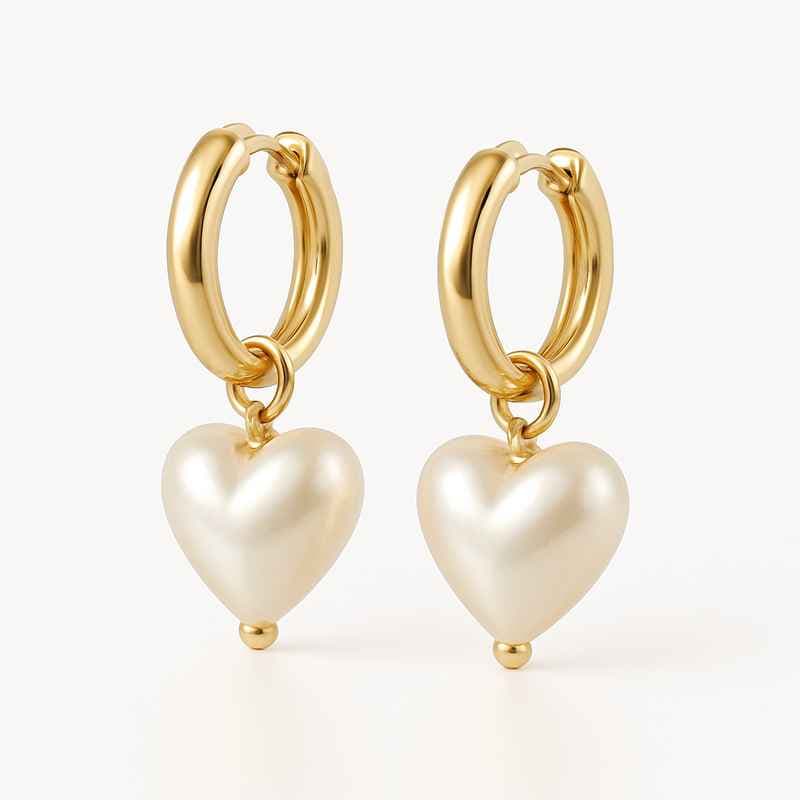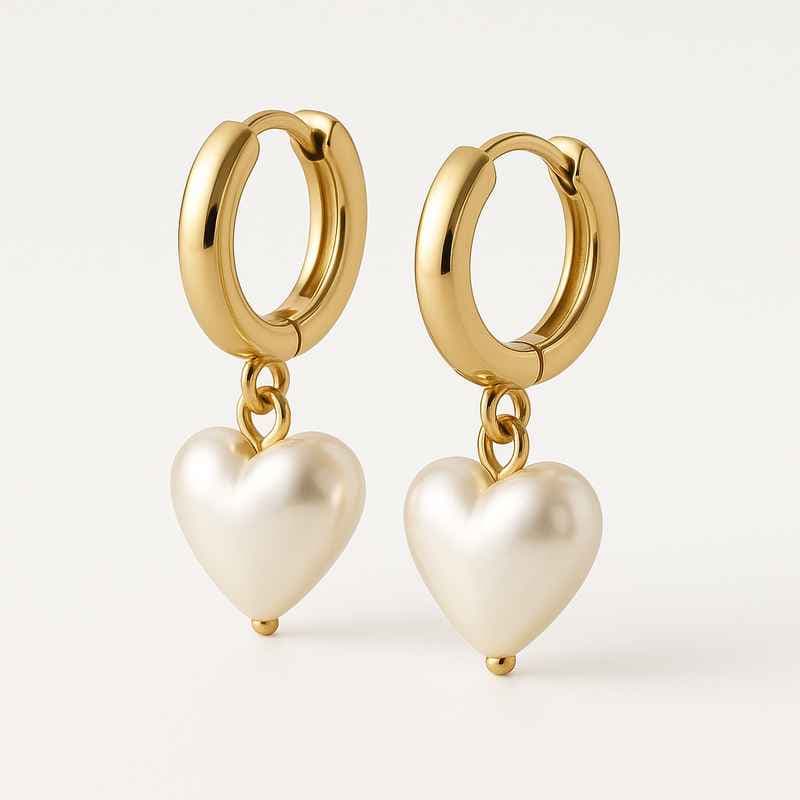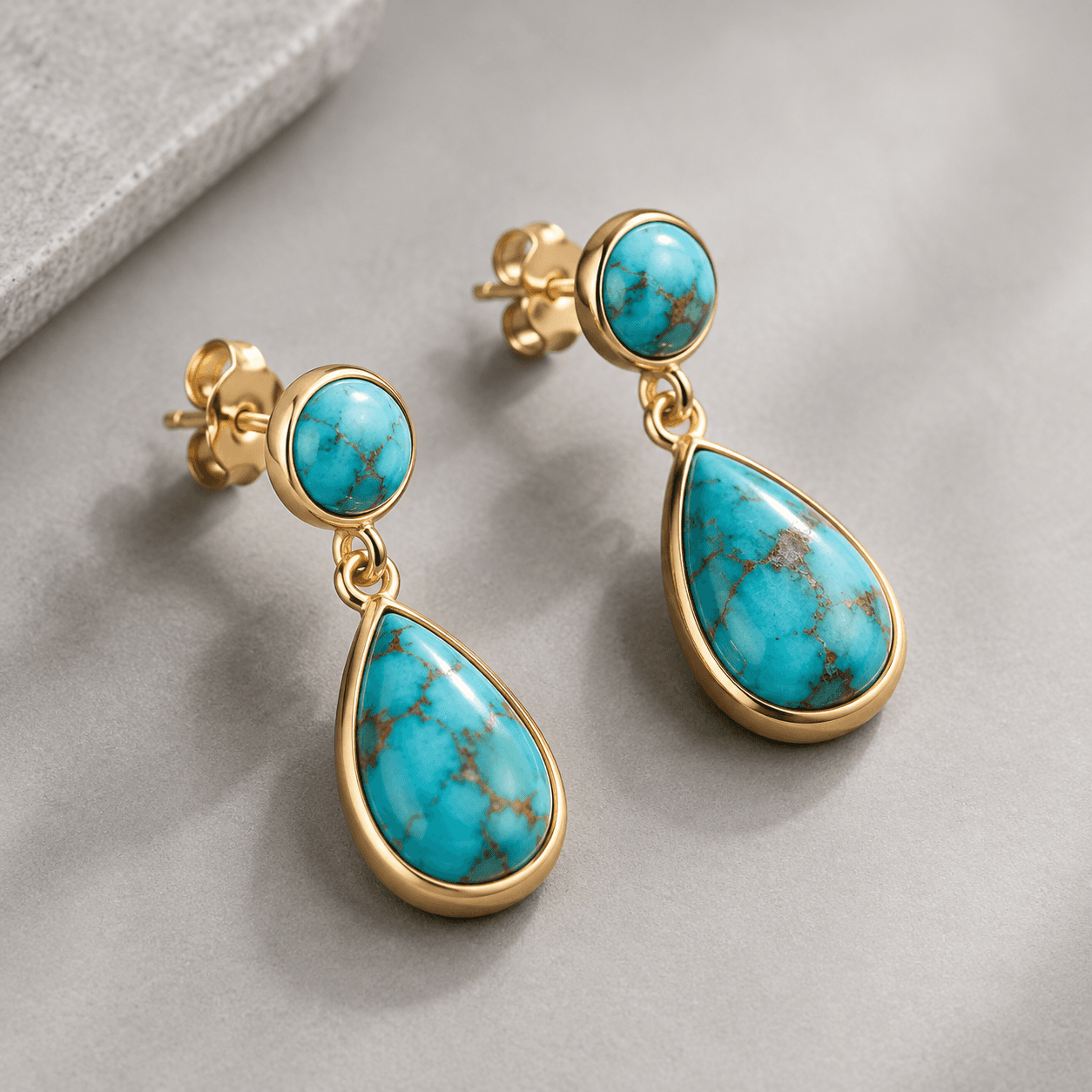
Turquoise and gold earrings combine a blue-green focal detail with a warm metallic finish. For jewelry brands, wholesalers, and product developers, translating this look into a production-ready design requires clear decisions about base metal, gold-tone finishing, decorative materials, attachment methods, dimensions, and order quantities.
Lefeng Jewelry is a stainless steel jewelry manufacturer with 15 years of OEM/ODM experience. Its stated in-house capabilities include design development, sampling, CNC and laser processing, polishing, PVD and plating, enamel and stone setting, quality control, custom logo work, packaging, and export coordination. This guide explains how to define a custom earring specification, evaluate a physical sample, and prepare an RFQ for a potential wholesale order.
Depending on the confirmed design and manufacturing feasibility, material options may include 316L or 304 stainless steel, 925 sterling silver, copper, and zinc alloy. Decorative options may include enamel, zircon, crystal, pearl, or turquoise where suitable and available. Turquoise-colored enamel is not natural turquoise; specify the actual decorative material rather than relying on its color name. Explore stainless steel earrings, review OEM/ODM manufacturing services, and use the guidance below to prepare a more complete product brief.
Defining the Turquoise-and-Gold Earring Concept
A turquoise-and-gold earring design pairs a blue-green decorative feature with a gold-tone metal component. The color may come from enamel, a separately specified decorative material, or a turquoise stone if sourcing and processing are suitable. These options differ in composition, appearance, attachment requirements, and manufacturing considerations, so color alone is not a complete material specification.
Potential base metals within the stated manufacturing scope include 316L stainless steel, 304 stainless steel, 925 sterling silver, copper, and zinc alloy. Selection depends on geometry, target weight, finishing requirements, attachment design, and commercial positioning. Specify each relevant component separately, including the earring body, post, backing, and closure where applicable.
Define the gold tone independently from the base metal. PVD gold finishing is an option for suitable stainless steel configurations, while other plating methods depend on the substrate and confirmed process. Yellow gold, pale gold, and rose gold should be treated as distinct finish requirements. Supply a physical reference, approved color sample, or clear visual target wherever possible. For related sourcing considerations, consult the jewelry sourcing and manufacturing guidance.
Selecting the Base Metal and Gold-Tone Finish
Base metal determines the structural foundation of an earring, while the finishing process influences its visible color and surface appearance. Evaluate these choices together because finish suitability depends on the substrate, surface preparation, geometry, and agreed production process.
For a stainless steel design, specify whether 316L or 304 is required, identify the target gold tone, and document the desired surface texture and finishing coverage. PVD gold finishing is available for suitable configurations, but the exact material and process combination must be confirmed for the proposed design. For hoops and huggies, include the inner and outer surfaces, hinge, post, and closure in the finish review where relevant.
During sample approval, compare color consistency, surface marks, edge definition, and transitions between finished and unfinished areas. If the target market requires material declarations, coating assessments, or skin-contact testing, identify the applicable requirement and method in the RFQ. A material designation or finish description alone does not establish wear life, skin compatibility, corrosion performance, or regulatory compliance; supporting evidence must apply to the purchased configuration.
Specifying Turquoise Color and Decorative Materials
Specify turquoise color through a visual reference and a defined decorative material. Hue, saturation, brightness, and surface variation can change the character of a design, so identify whether the target is a uniform blue-green field, a deeper accent, or a material with natural-looking variation. A reference image under consistent lighting or an approved physical sample gives the manufacturer a clearer starting point than a color name alone.
For enamel, define the colored area's dimensions, border shape, and surface level. Recessed, raised, and flush designs can require different geometry and finishing considerations. If the design uses natural turquoise, reconstructed turquoise, or another decorative material, name the intended material explicitly and confirm sourcing and processing feasibility. Specify its shape, dimensions, acceptable color variation, setting method, and position.
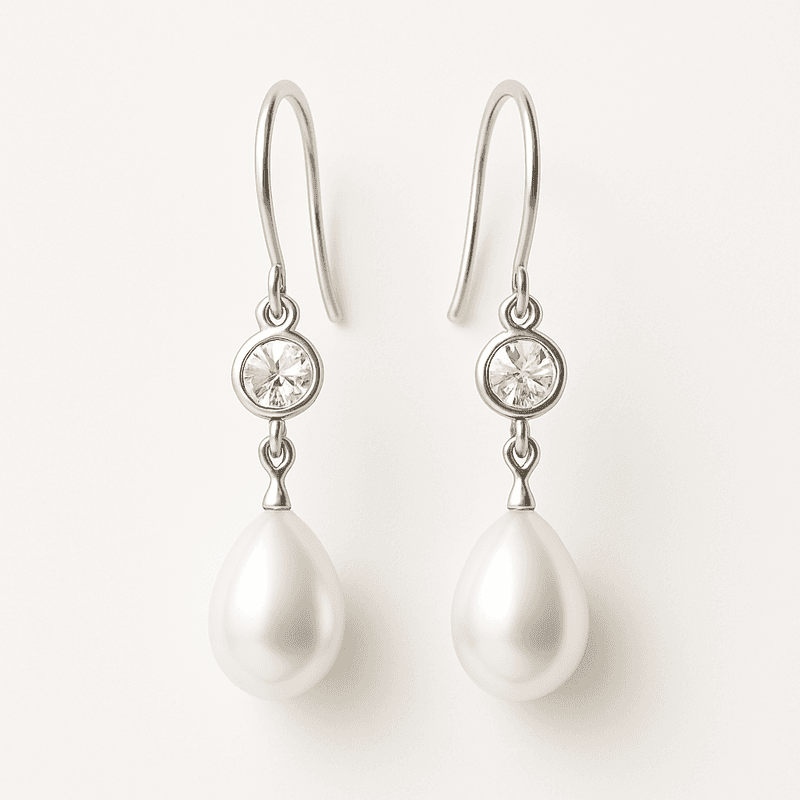
If zircon, crystal, or pearl is included, document each component and its attachment method separately. During prototype review, inspect color boundaries, edge coverage, alignment, visible gaps, and proportions. Confirm that decorative details do not interfere with the post, backing, hinge, closure, hoop opening, or connecting rings. Record the approved material and construction details before progressing to the next sample stage.
Earring Geometry, Construction, and Wearability
Earring geometry affects appearance, assembly, weight, and wearability. Define hoop diameter, cross-sectional thickness, pendant dimensions, post placement, closure type, and decorative-component weight. A turquoise accent may sit on the front of a hoop, hang from a connector, or fit into a separate setting. Each approach needs a suitable attachment structure and enough clearance for functional parts to operate.
For huggies, check opening clearance, hinge movement, closure engagement, and post alignment. For drop earrings, assess the connection points and how the suspended element hangs. If a separate charm is used, identify the intended bail, jump ring, side loop, or drilled-hole connection. Keep decorative attachment details distinct from the closure mechanism, and ensure that finishing and assembly requirements are compatible with the chosen construction.
Evaluate wearability using a physical prototype rather than a rendering alone. Review finished dimensions, weight, balance, closure operation, exposed edges, and contact surfaces. For sensitive-ear positioning, specify the material of every relevant skin-contact component, including posts and backings. If a particular skin-contact or regulatory requirement applies, identify it in the RFQ and request documentation for the exact configuration. Further material and quality guidance is available in the manufacturing insights section.
From Design Brief to Physical Sample
Begin sample development with a brief that separates fixed design requirements from open decisions. Include reference images or drawings, earring type, overall dimensions, base metal by component, gold-tone finish, turquoise-color method, attachment details, logo placement, and packaging requirements. Add tolerances for critical dimensions where known, plus expectations for symmetry, surface texture, and component interchangeability.
Lefeng Jewelry states that its in-house capabilities include OEM/ODM design development, sampling, CNC and laser processing, polishing, PVD and plating, enamel and stone setting, quality inspection, custom logo work, packaging, and export coordination. The appropriate processes depend on the proposed design and confirmed materials. Review the first physical sample against the brief, focusing on dimensions, color placement, finish, assembly, closure operation, and visual balance. Record deviations and required revisions before approval.
After reviewing the prototype, consolidate the agreed changes into a controlled specification. Record the approved bill of materials, finish references, component drawings, dimensions, logo placement, packaging, and inspection checkpoints. If another sample is needed, distinguish requested changes from features that must remain unchanged. This gives the manufacturer a clearer reference for quotation and production planning. Browse new stainless steel jewelry designs or the stainless steel earrings collection for additional construction references.
Quality-Control Checks Before Sample Approval
Build the quality-control plan around the approved specification and the product's critical features. At material confirmation, verify the specified base metals and decorative components. During production development, review geometry, edge condition, attachment positions, surface preparation, and assembly. After finishing, inspect the gold-tone appearance, visible marks, specified coverage, and consistency between corresponding components.
For turquoise-colored details, define acceptance criteria for color, boundaries, surface finish, alignment, and attachment security. For hoops, studs, and drop earrings, check closure function, post alignment, backing fit where applicable, and connection integrity. Inspect matching pairs for symmetry, dimensional consistency, and comparable finish. Where multiple components or moving parts are involved, confirm that they operate as intended without visible interference. Review packaging against the approved protection, presentation, and labeling requirements.
Distinguish visual inspection from material testing and regulatory documentation. If the order requires coating tests, material declarations, skin-contact assessments, or other market-specific evidence, state the relevant method, components, and acceptance criteria in the RFQ. Do not assume a certificate or test result exists without reviewing evidence applicable to the actual finished configuration. Lefeng Jewelry's stated inspection and finishing capabilities can support specification-based review, subject to confirmation of the requirements for the proposed order.
Private Label, Wholesale, and Packaging Planning
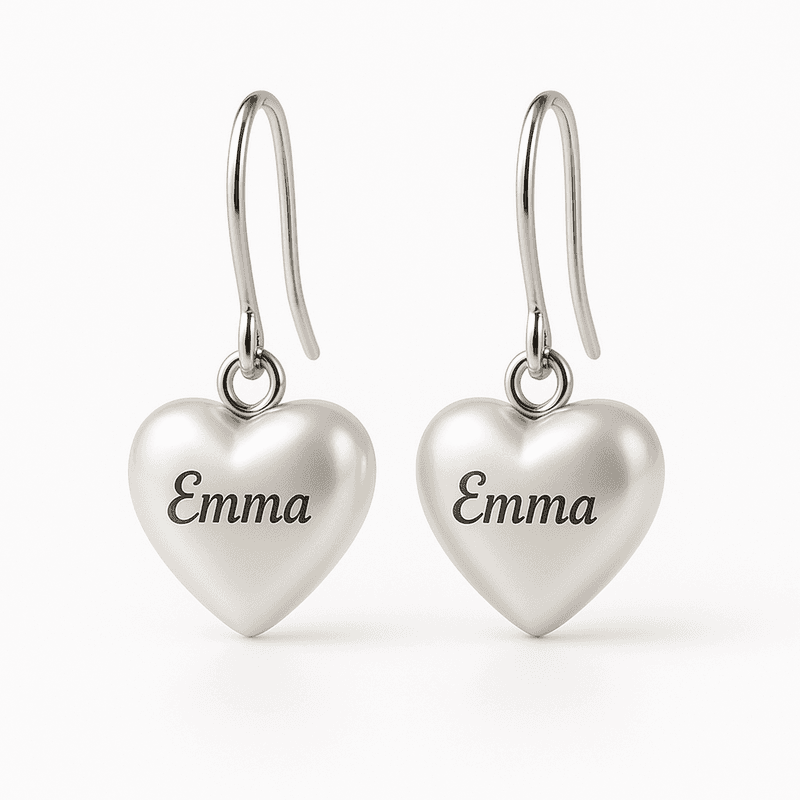
Private-label and wholesale projects benefit from a clear distinction between collection-wide requirements and style-specific details. A custom earring program may combine defined dimensions, a gold-tone finish, a turquoise-color treatment, logo engraving, and coordinated packaging. For collections containing several silhouettes or colorways, identify shared design references and components while documenting the unique construction and finish requirements for each SKU.
MOQ depends on the design, materials, finishing process, customization, packaging, and production arrangement. State the target quantity in the RFQ and request confirmation for each style and color configuration. Clarify whether components, colors, or production stages can be shared across the proposed assortment. Separate sample quantities from bulk quantities and list logo work and customized packaging independently so the manufacturer can assess the actual scope before confirming commercial terms.
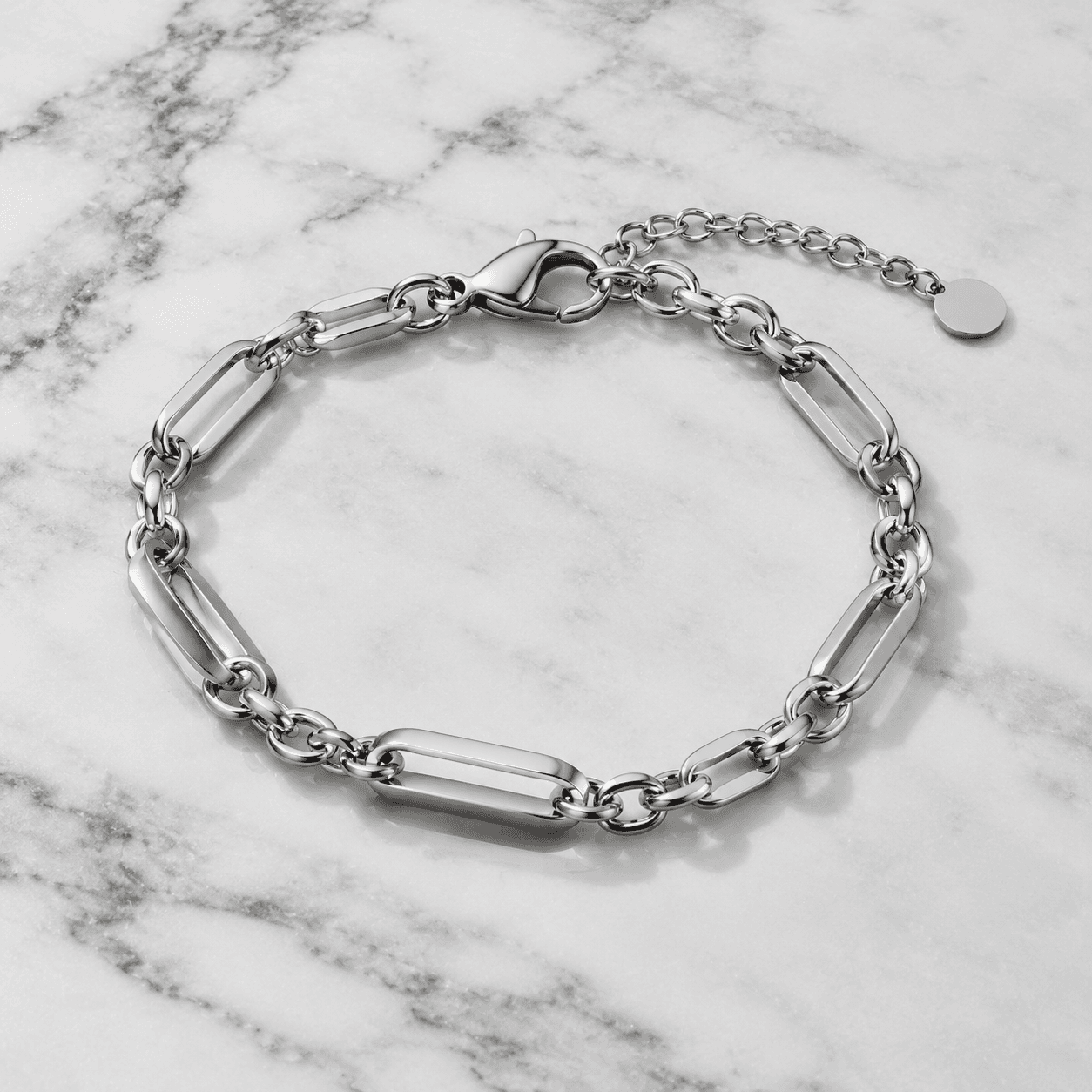
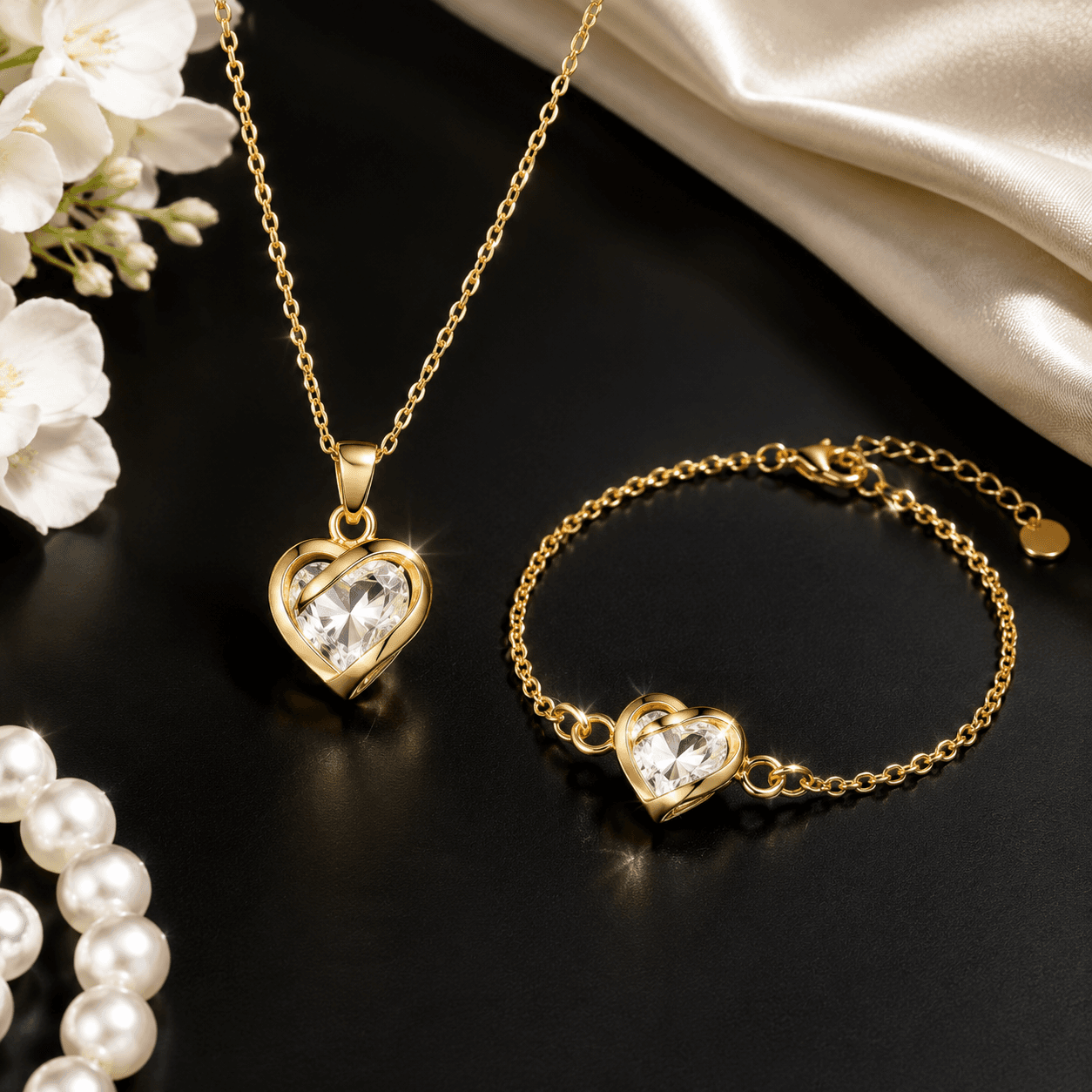
Specify packaging type, artwork, logo requirements, product labels, and quantities per unit or pack. Confirm how packaging samples will be reviewed and which approved version will be used for shipment. For coordinated assortments, consider complementary stainless steel necklaces, stainless steel bracelets, or jewelry sets, subject to material and finish suitability.
Technical Documentation and Market Requirements
Identify the intended sales markets early in product development because documentation and compliance requirements depend on the destination, materials, finish, and finished construction. Depending on the applicable rules, buyers may need material disclosures, coating-related documentation, restricted-substance assessments, skin-contact evaluations, or packaging and labeling information. A generic description such as stainless steel or gold plated does not establish compliance with every market requirement.
For each requested document or test, specify the applicable requirement or method, the material or component covered, and whether the assessment must apply to the final assembled product. Review any existing evidence for scope and relevance to the proposed base metal, finish, and decorative materials. If additional documentation is needed, agree on how it will be arranged before authorizing production.
Maintain consistency between the approved sample, bill of materials, finish description, and supporting records. Changes to the substrate, coating, decorative component, or supplier specification may affect which documents remain relevant. Lefeng Jewelry can coordinate product development and quality checkpoints around buyer-supplied requirements; the buyer and relevant technical parties should confirm the exact documentation obligations for each market and order.
Developing a Coordinated Earring Collection
A coordinated turquoise-and-gold earring collection can use a consistent color palette across huggies, drops, and studs without forcing every style into the same construction. Establish shared references for the gold tone, blue-green color range, decorative scale, and surface treatment. Then define dimensions, attachments, and component materials separately for each SKU.
Design variations can change both appearance and manufacturing complexity. A small enamel accent offers a different visual effect from a larger decorative component, while a suspended pendant introduces movement and additional connection points. Compare physical samples under consistent lighting and assess color coordination, proportions, symmetry, and finish. For mixed-material collections, record the base metal and decorative material for each design rather than relying on a collection-wide color description.
For a brand launch, prioritize styles that establish the intended design direction, then assess additional variations against target pricing and order quantities. Provide the manufacturer with shared-component details, style-specific drawings, logo placement, packaging requirements, and quantities by SKU. Explore OEM/ODM stainless steel earrings, review Lefeng Jewelry's company and factory information, and consult the manufacturing insights library for further sourcing guidance.
Frequently Asked Questions About Turquoise and Gold Earrings
Request a Custom Earring Sample or OEM/ODM Quote
Discuss your turquoise-and-gold earring concept with Lefeng Jewelry's OEM/ODM team. Share reference images, drawings, or a physical sample where available, together with the earring type, target dimensions, specified base metal, gold-tone finish, turquoise-color method, and decorative-component details.
For a more useful quotation, include the intended sales market, quantities by style and color, target MOQ, logo placement, packaging requirements, and any material, finish, inspection, or documentation specifications. Identify which details are fixed and where you welcome manufacturing recommendations. Materials, processes, quantities, pricing, and lead times remain subject to review and confirmation for the proposed configuration.
Visit the OEM/ODM manufacturing services page to review the stated service scope and prepare your sample brief and RFQ.
Related resources
Related resources
- Lefeng Jewelry - OEM/ODM Stainless Steel Jewelry Manufacturer
- 316L Stainless Steel Earrings for Sensitive Ears: A B2B Buyer’s Quality Checklist
- Stainless steel jewelry gift ideas: Retail design trends guide
- Stainless Steel Earrings
- Stainless Steel Heart Charms: A B2B Buyer’s Guide to Premium Finishes
- Why Is Stainless Steel Heart Charm Waterproof? 316L Guide
- Best Stainless Steel Heart Charm Ideas: A Buyer's Design Guide
- Gold Plated Stainless Steel Jewelry: Durability and Sourcing Guide
- Why stainless steel rings outfit ideas Are Shaping Design Trends
- Is Stainless Steel Jewelry Waterproof? Quality Tests Guide