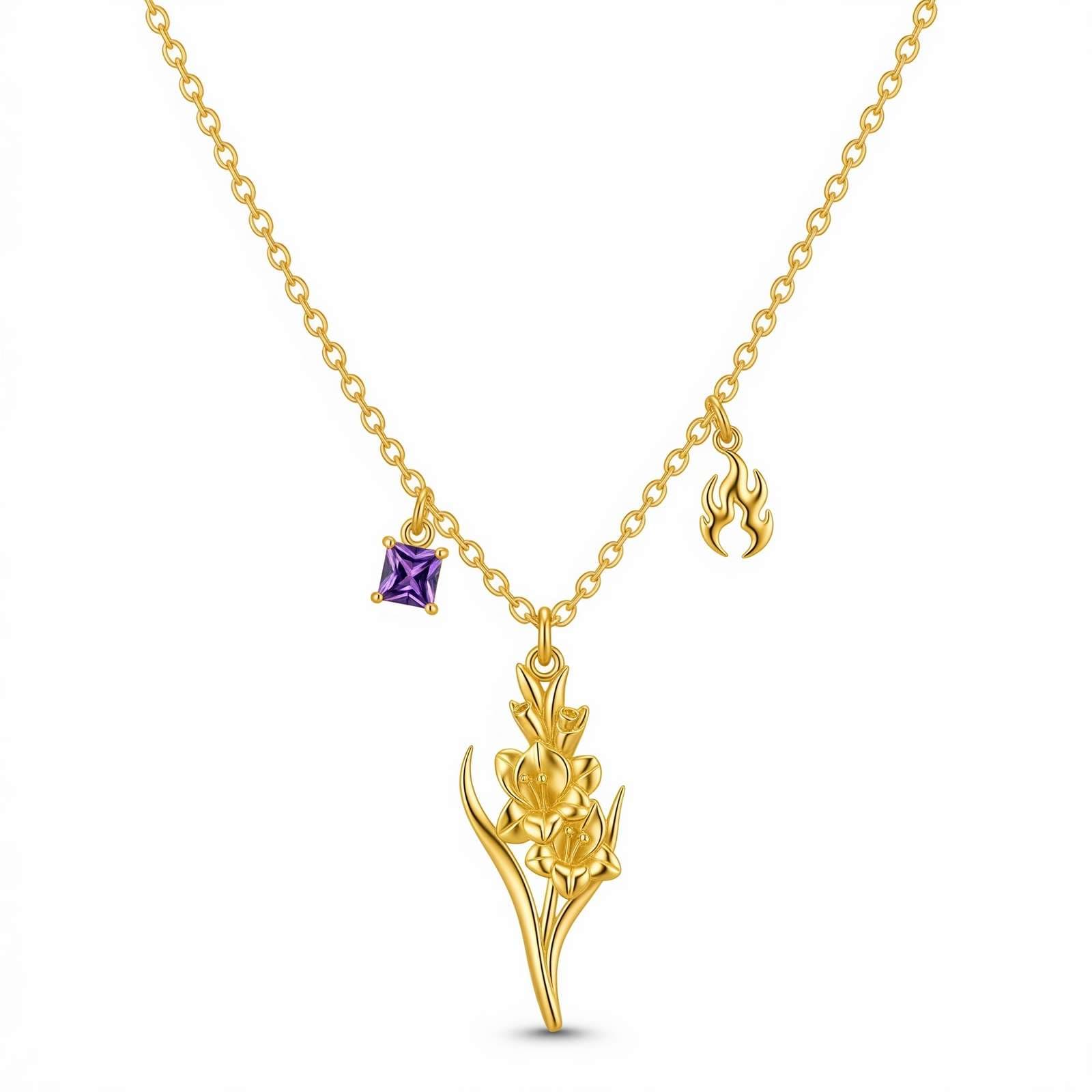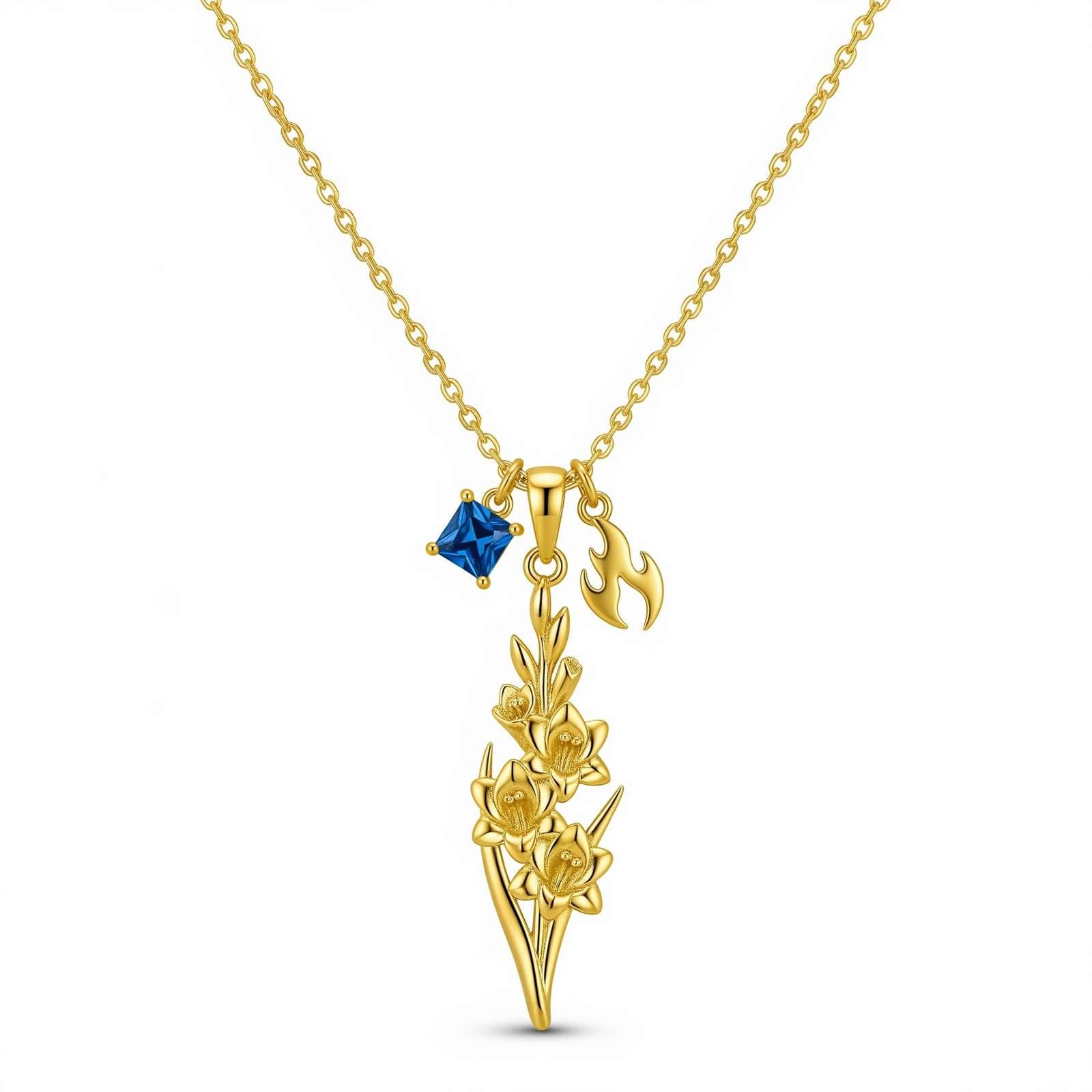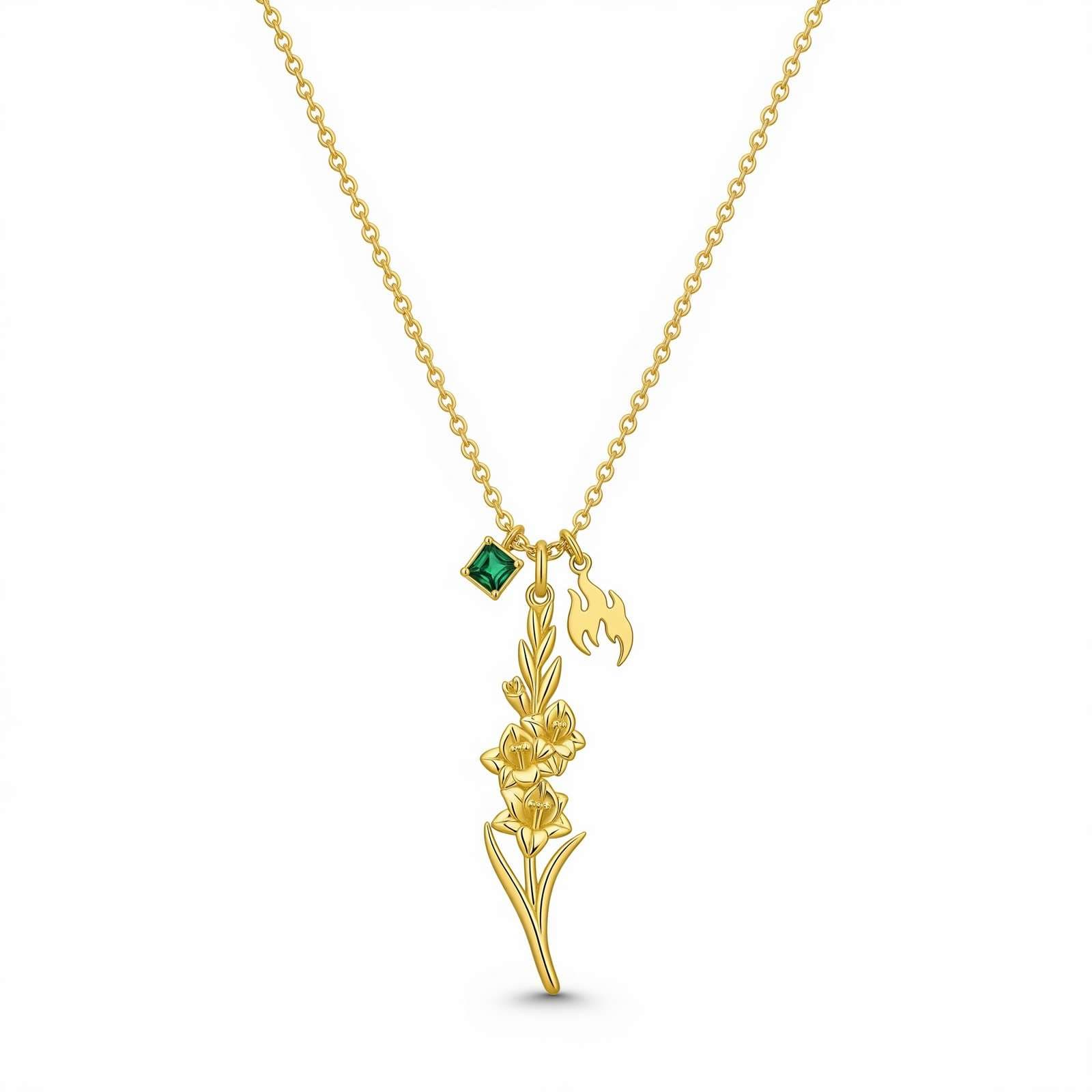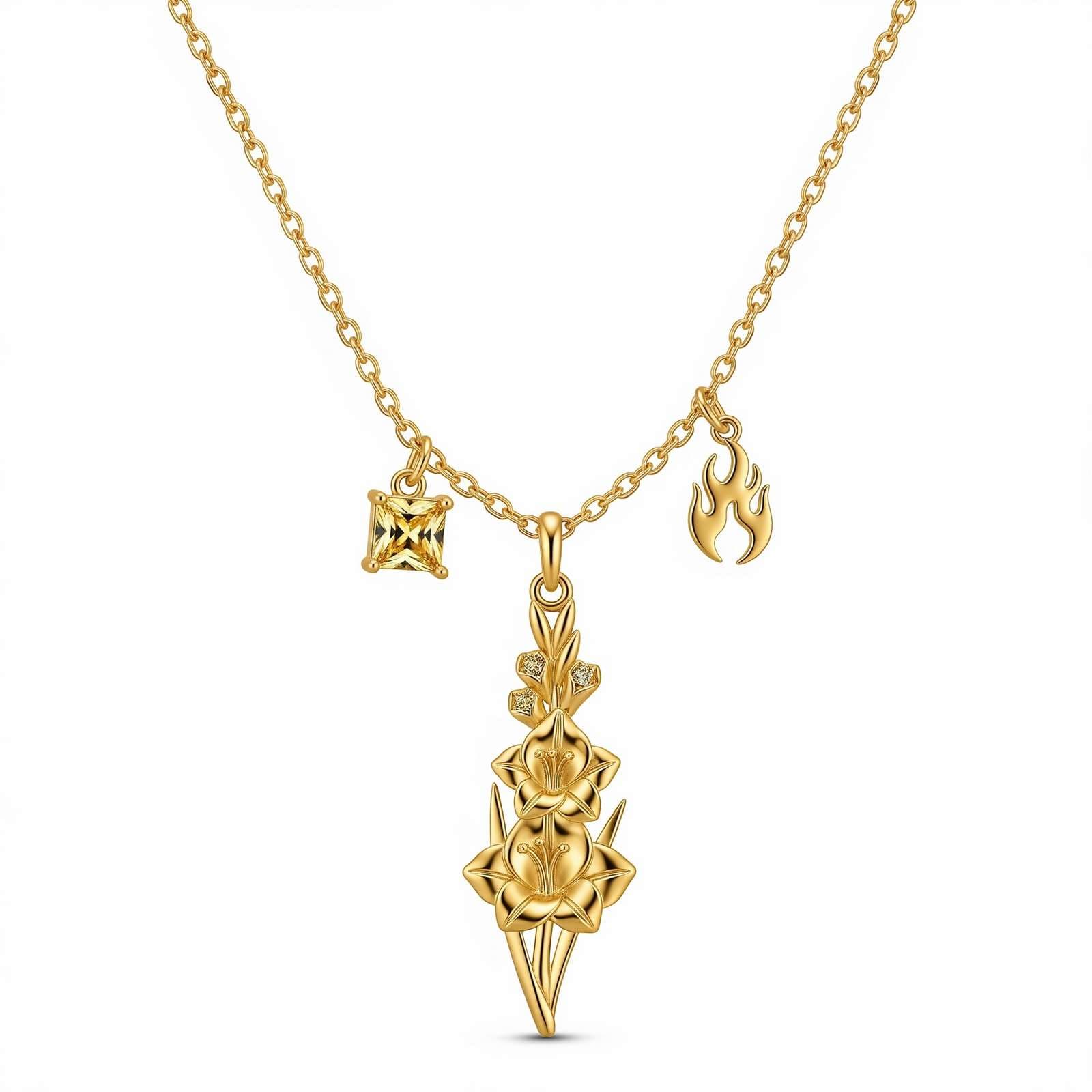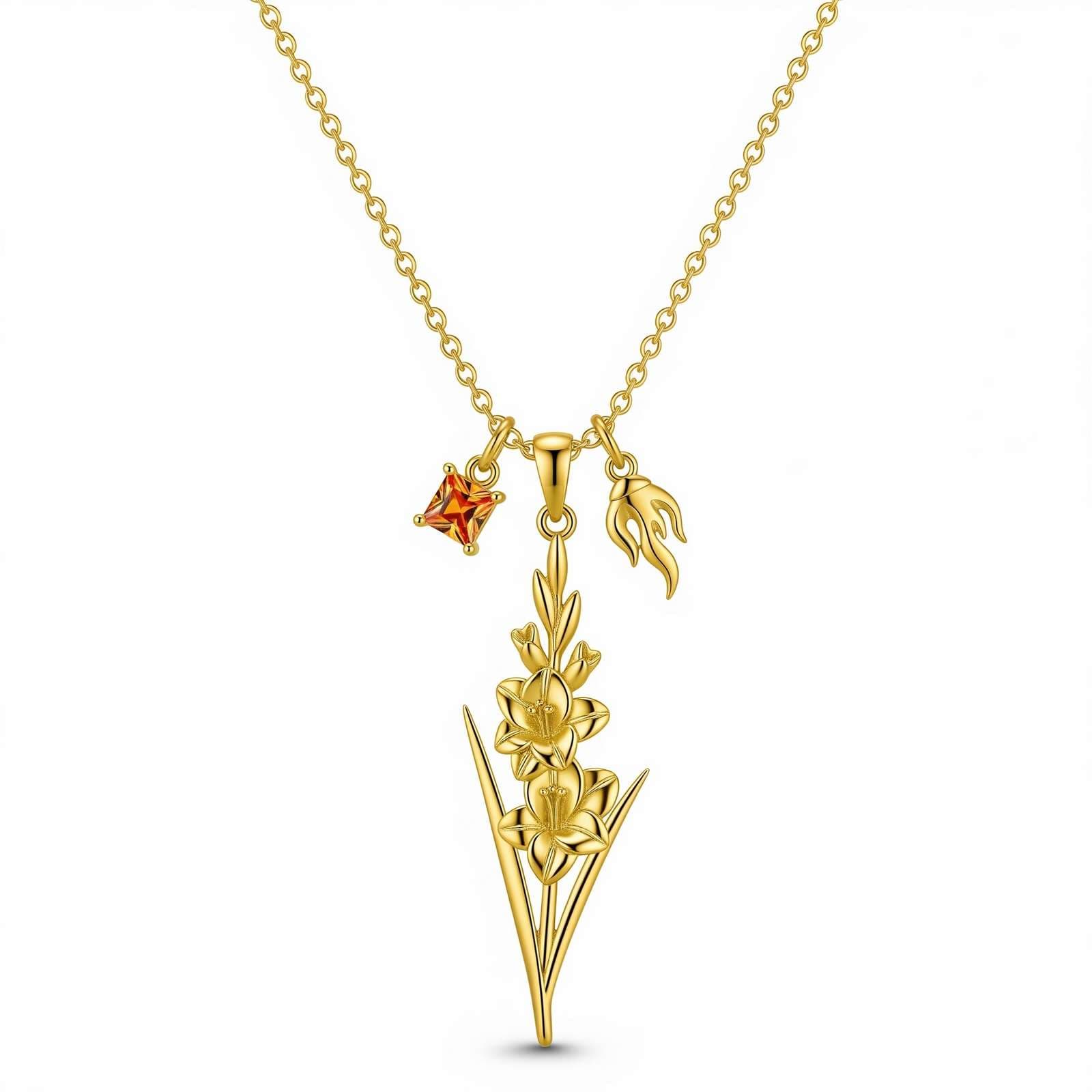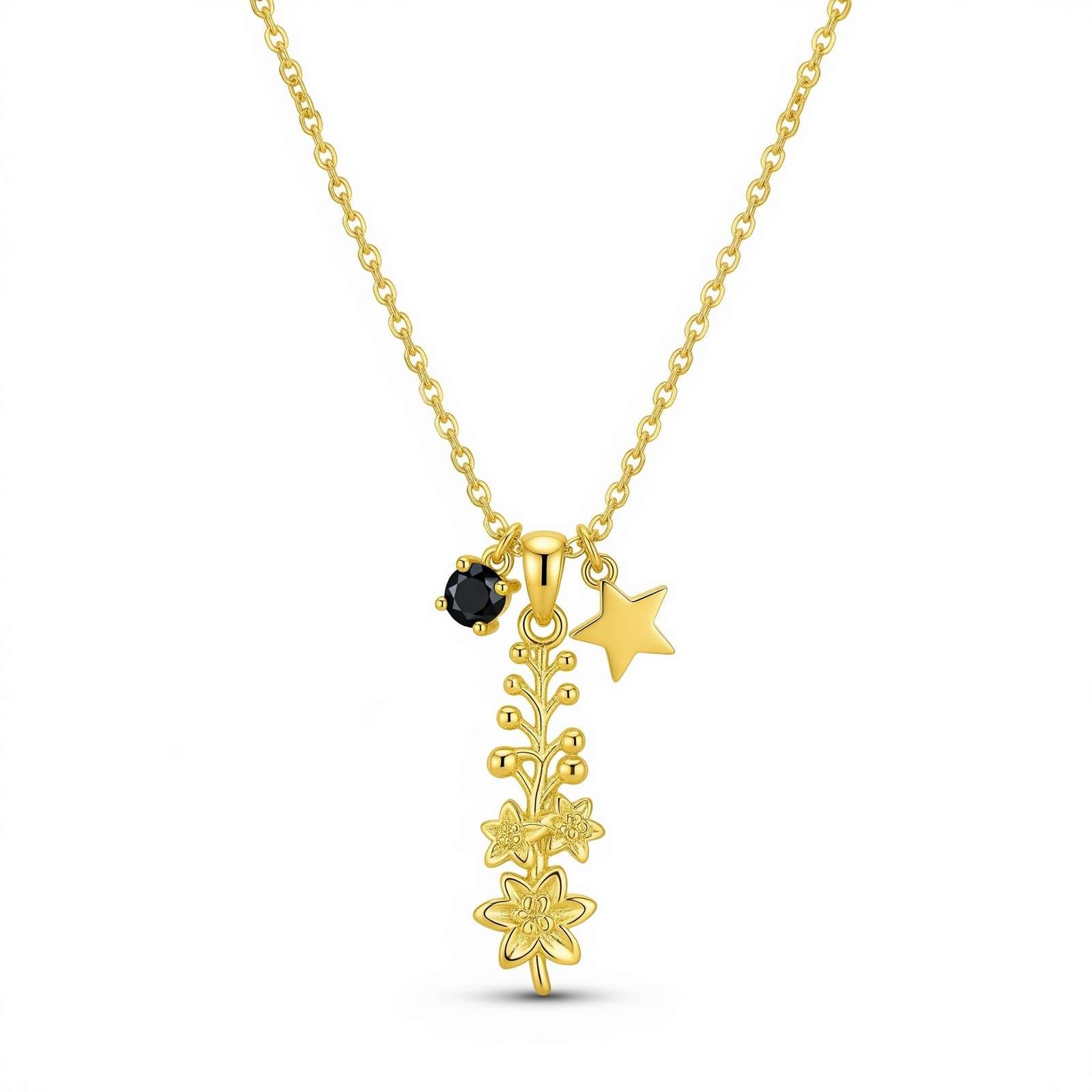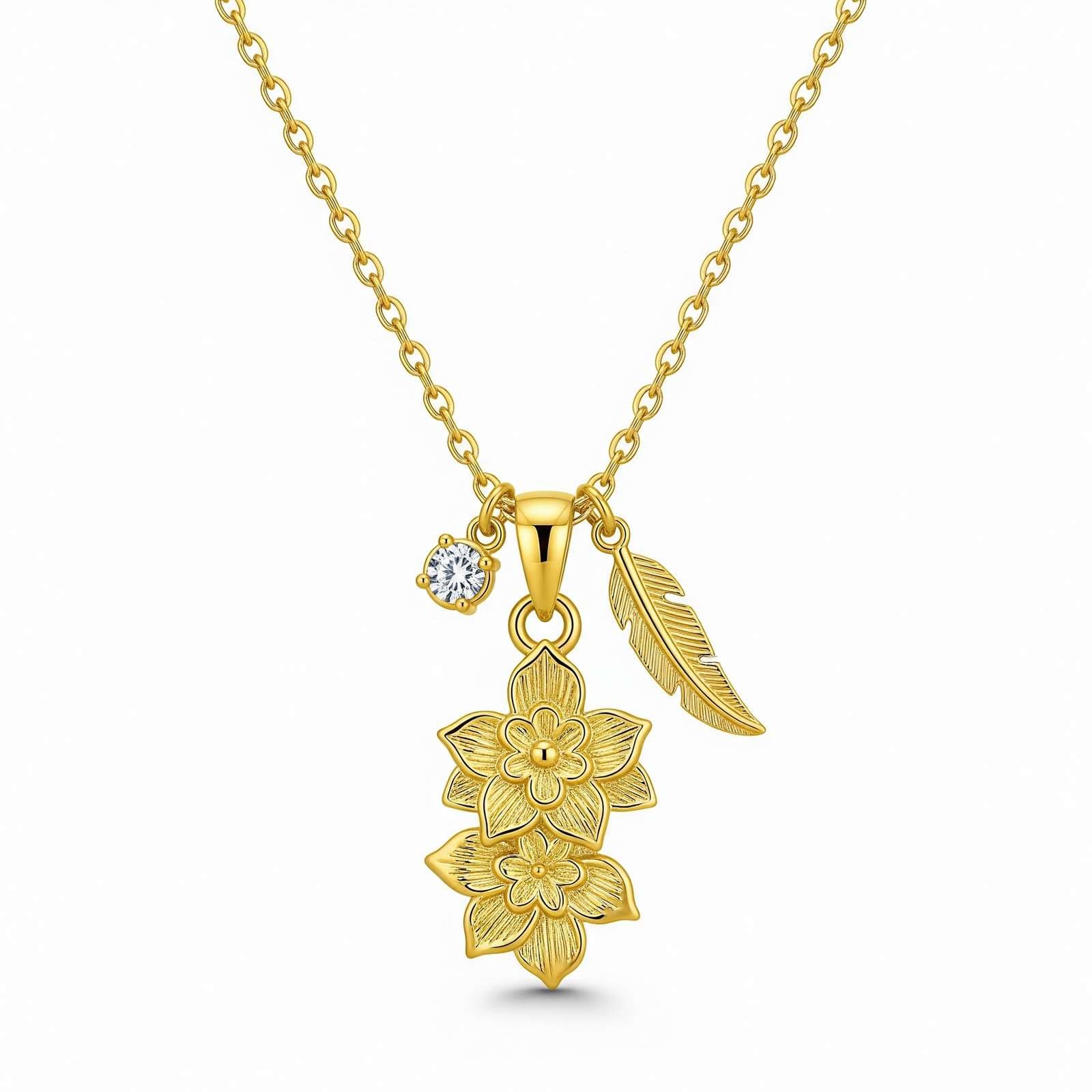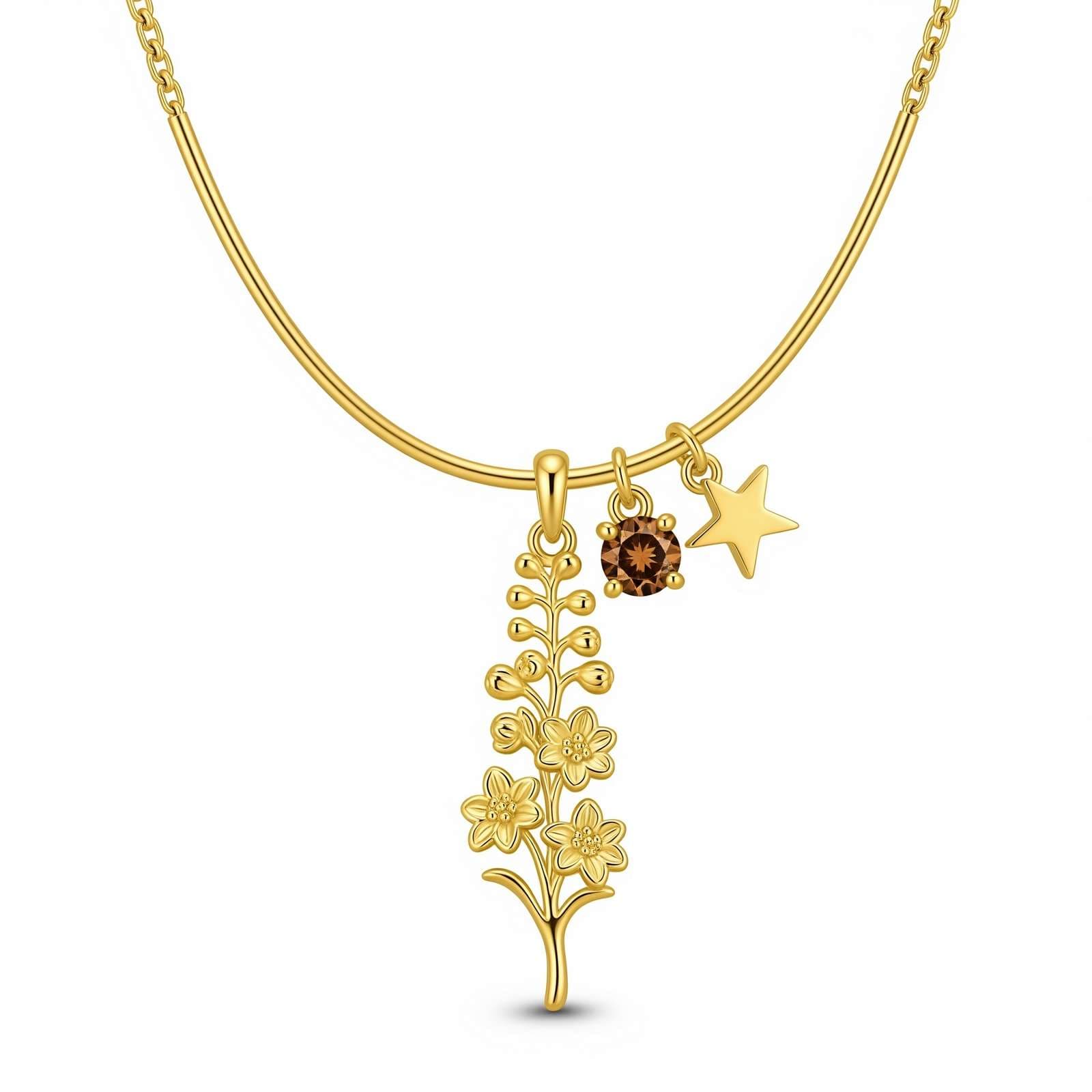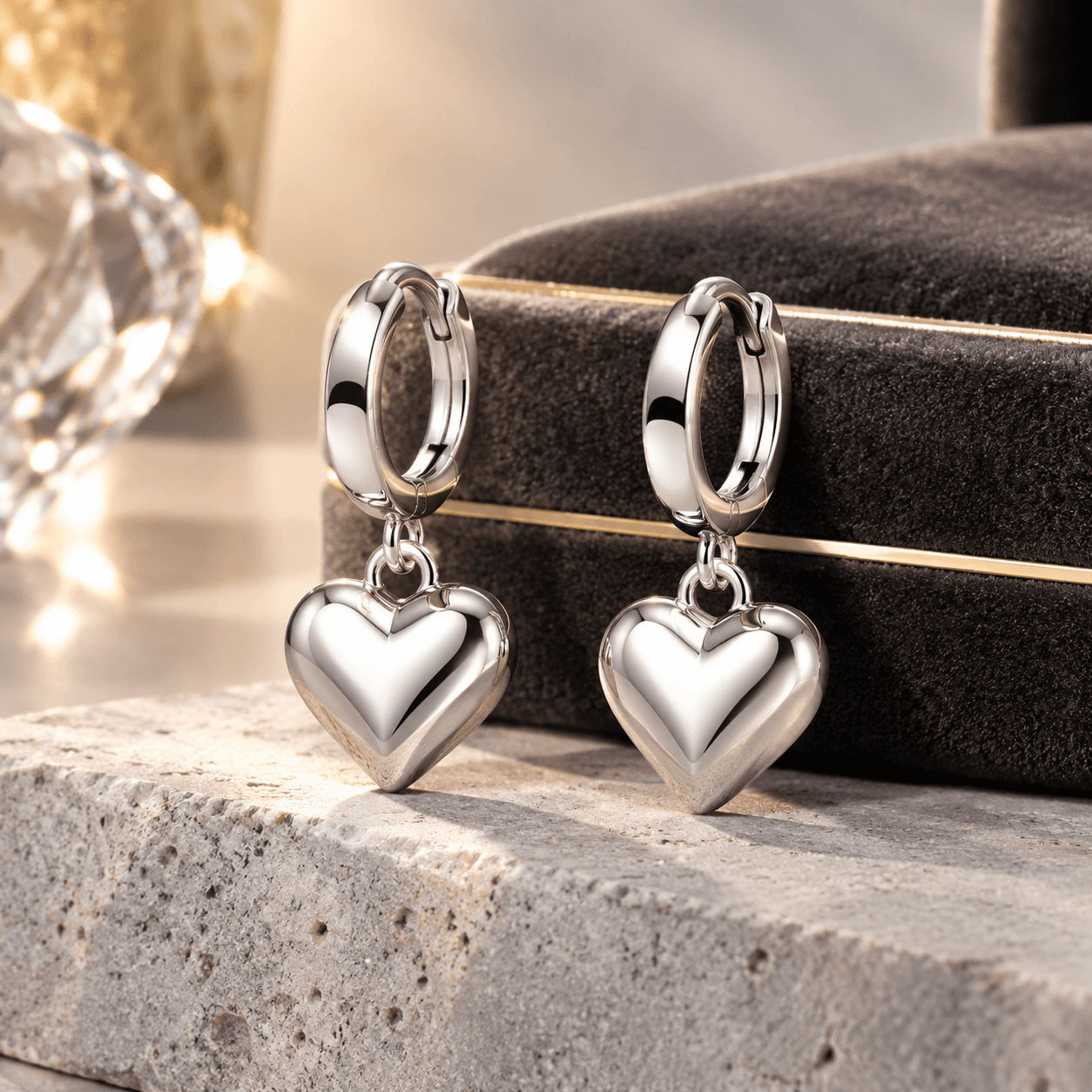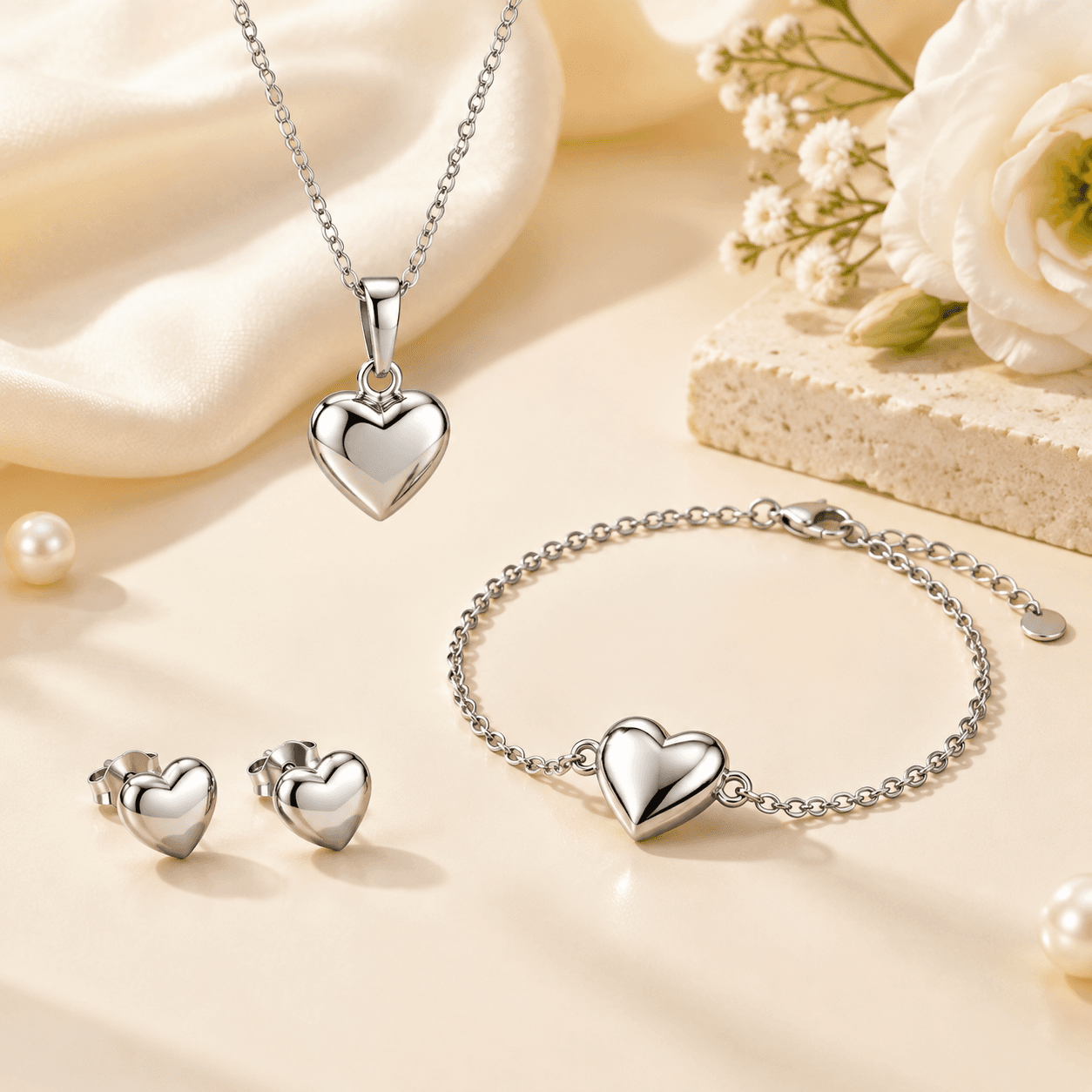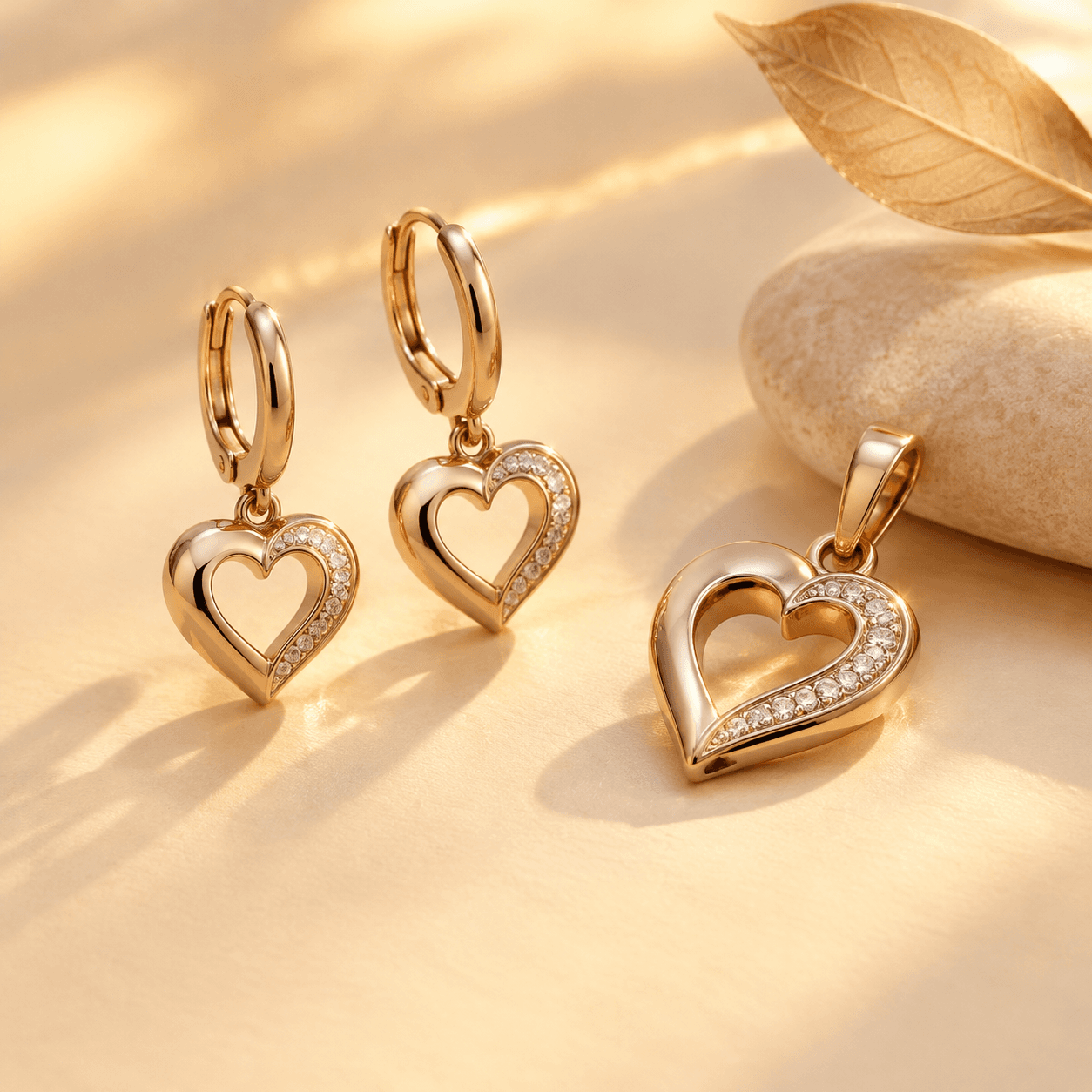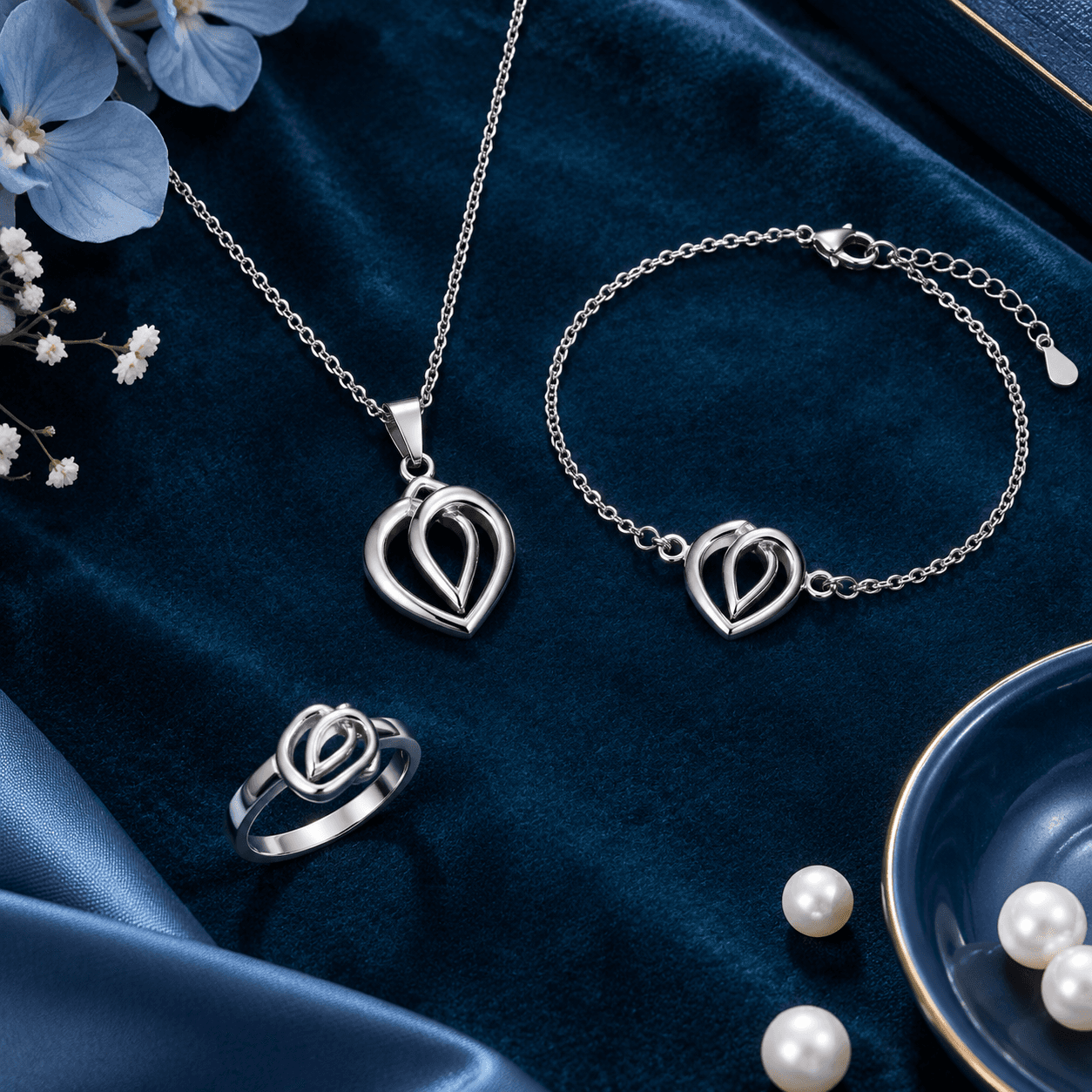
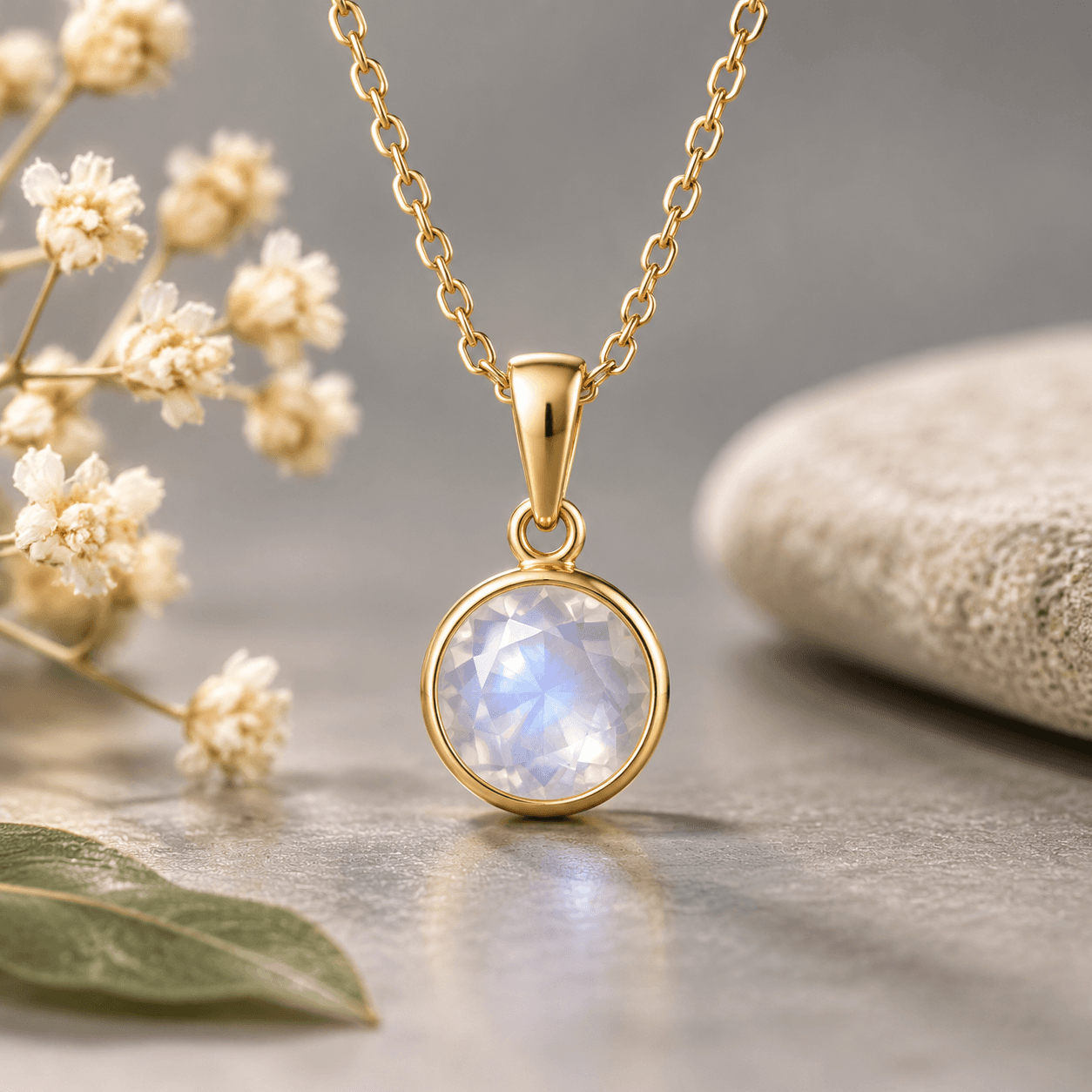
A June birthstone charm combines personal meaning with material selection, decorative detail, and functional jewelry construction. For jewelry designers developing a birth-month collection, the June birthstone concept offers several creative directions, including pearl accents, crystal details, and carefully selected stone settings. Understanding how these elements interact with the metal base, surface finish, and attachment hardware is essential when translating a design concept into a manufacturable product.
For OEM and ODM projects, Lefeng Jewelry can review material selection, sampling, CNC and laser processing, polishing, PVD plating, stone setting, quality inspection, and packaging requirements according to the confirmed project scope. This guide explains the material and construction decisions behind a June birthstone charm, with practical considerations for 316L stainless steel, decorative components, PVD gold plating, and private label production. Designers can use these principles when planning a necklace collection, bracelet collection, or broader wholesale jewelry program.
Alla scoperta del charm con pietra portafortuna di giugno e delle sue opzioni di materiali
Un charm con pietra portafortuna di giugno è un componente di gioielleria sviluppato attorno alla tradizionale associazione con il mese di nascita di giugno. La perla è una delle pietre portafortuna di giugno più riconosciute, mentre il cristallo e altri elementi decorativi personalizzati possono offrire ulteriori possibilità di design per le collezioni di gioielli contemporanei. Per i progettisti di prodotto, la distinzione fondamentale è quella tra il concetto simbolico del design e le specifiche dei materiali fisici. Un charm può incorporare un dettaglio in perla, un elemento in cristallo o un'incastonatura con zirconi, ma ciascuna opzione richiede un approccio specifico per quanto riguarda dimensioni, sistemi di fissaggio, protezione superficiale e assemblaggio.
Per un produttore di gioielli in acciaio inossidabile, la base metallica e l'elemento decorativo dovrebbero essere valutati come componenti separati prima di essere assemblati. L'acciaio inossidabile 316L offre una base pratica per strutture di charm dettagliate, mentre l'acciaio inossidabile 304 può essere preso in considerazione per design adeguati, in base alle specifiche del progetto. Altre opzioni di metalli personalizzabili includono argento sterling 925, rame e lega di zinco. La scelta appropriata dipende dalla struttura prevista, dalla complessità del design, dai requisiti di finitura e dal posizionamento di mercato desiderato. Il designer dovrebbe identificare separatamente il metallo di base, il componente decorativo e la finitura richiesta, anziché considerare il charm finito come un unico materiale non specificato.
La selezione dei materiali influisce anche sull'equilibrio visivo complessivo. Un dettaglio in perla crea un punto focale visivo più delicato, mentre il cristallo e lo zircone possono introdurre diverse caratteristiche di riflessione della luce. Lo smalto offre un'ulteriore possibilità decorativa attraverso un'applicazione controllata del colore. Per un charm con pietra portafortuna di giugno, il designer dovrebbe considerare il rapporto tra l'elemento decorativo e il profilo metallico circostante, inclusi l'incastonatura visibile, i punti di fissaggio e le dimensioni finali. Queste decisioni costituiscono la base per il successivo sviluppo dei campioni di gioielleria e la pianificazione della produzione.
Selezione della struttura in acciaio inossidabile 316L e della finitura superficiale
316L stainless steel is a useful material option for June birthstone charm development because it supports precision metalworking, polishing, and detailed component construction. Its suitability for a particular product still depends on the complete specification, manufacturing method, and intended use. Designers should define the charm's thickness, outer dimensions, edge profile, opening or connection points, and required surface appearance before sampling begins. For example, a small floral birthstone charm may need a different structural profile from a round pendant with a central decorative setting. The design should preserve sufficient material around attachment points and settings to support practical assembly.
Surface finishing is another important part of material development. Polishing establishes the metal's surface appearance before a subsequent finish is applied. PVD gold plating and rose gold plating provide configured color options for stainless steel jewelry, while an unplated polished metal finish offers a different visual direction. The designer should specify the intended color, finish location, visible surface areas, and whether the reverse side requires the same treatment as the front. These details reduce interpretation differences between design files, samples, and production specifications.
For a June birthstone charm, finish development should also account for the decorative component. A pearl, crystal, zircon, or enamel detail may require different handling and assembly considerations from the metal base. The factory should review component interfaces and the intended finishing sequence before proceeding. During sample review, buyers can examine color consistency, polishing quality, edge definition, setting appearance, and the relationship between the metal finish and decorative detail. Lefeng Jewelry can review these requirements as part of a proposed sampling and manufacturing plan. Explore the OEM/ODM manufacturing services to understand the available development stages.
Perla, Cristallo, Zircone e Smalto: scegliere l’elemento decorativo
L'elemento decorativo determina spesso l'identità visiva di un charm con pietra portafortuna di giugno. La perla può creare un riferimento riconoscibile alla pietra portafortuna grazie a un punto focale morbido e arrotondato. Il cristallo offre un approccio diverso per i design che enfatizzano la riflessione della luce, mentre lo zirconio può essere integrato in una montatura definita per creare un aspetto decorativo più strutturato. Lo smalto è utile quando il design richiede un'area di colore controllata anziché un elemento in pietra separato. Ogni opzione presenta dimensioni fisiche e requisiti di assemblaggio differenti, quindi la selezione dovrebbe essere effettuata durante la fase di sviluppo del design, anziché dopo che la struttura metallica è già stata finalizzata.
Per i design basati sulla perla, è necessario considerare il diametro, la forma, il metodo di fissaggio del componente e la sua posizione rispetto al corpo del charm. Il design deve stabilire come viene fissata la perla e se il sistema di fissaggio è visibile frontalmente o lateralmente. Per cristallo e zirconio, è necessario verificare la geometria della montatura, le dimensioni della sede, il metallo circostante e l'altezza finale. Una montatura troppo poco profonda o troppo esposta potrebbe non riflettere l'aspetto desiderato, mentre un'apertura non adatta può complicare l'assemblaggio. I design con smalto richiedono attenzione all'area di applicazione definita, ai bordi circostanti e alla disposizione dei colori. Si tratta di decisioni pratiche relative alla costruzione che dovrebbero essere risolte attraverso un campione fisico.
I designer possono creare una famiglia coordinata di charm con pietra portafortuna di giugno mantenendo una silhouette esterna coerente e variando al contempo il centro decorativo. Ad esempio, una collezione potrebbe includere varianti con centro in perla, dettagli in cristallo e dettagli in smalto. La struttura comune può contribuire a organizzare una collezione di collane o una collezione di bracciali, mentre i singoli trattamenti decorativi offrono una differenziazione significativa dei prodotti. La fabbrica dovrebbe confermare le specifiche effettive dei componenti e il metodo di assemblaggio per ogni variante. Questo approccio favorisce una determinazione dei costi più chiara, una gestione più organizzata dei campioni e un linguaggio di design coerente nei progetti di gioielli private label.
Geometria dei charm, componenti di fissaggio e struttura funzionale
A June birthstone charm must be designed as a functional jewelry component, not simply as a decorative front-view illustration. Its pendant body, bail, jump ring, chain, extension chain, and lobster clasp are distinct physical components with separate functions. When a charm is designed for necklace use, the pendant should connect through a suitable bail, jump ring, side loop, or drilled hole. The attachment should provide a logical load path from the pendant body to the chain. A lobster clasp belongs at a chain end as part of the closure and should never be treated as an attachment directly to the pendant.
Before sampling, designers should establish the charm's height, width, thickness, approximate weight, opening dimensions, and intended connection method. Buyers in North America may provide dimensions in inches or fractions of an inch, but production drawings should use a clearly agreed measurement system and specify tolerances where relevant. Small components should be reviewed carefully because minor changes to opening diameter, jump ring dimensions, or bail clearance can affect assembly and the finished appearance. For reference, designers can include a dimensioned front view, side view, reverse view, and a detail drawing of the connection area.
When the June birthstone charm is intended for a bracelet, anklet, or necklace, the connection should be evaluated against the actual chain or attachment configuration. The charm should hang in the intended orientation without unnecessary twisting or interference from adjacent components. During sample review, inspect the connection points, ring closure, component alignment, and movement of the assembled product. Depending on the confirmed project scope, the manufacturer may review CNC and laser processing, polishing, component assembly, and quality inspection requirements. Related product development options can be explored through the stainless steel necklace collection and stainless steel charms collection.
Dal concept di design allo sviluppo del campione fisico
Effective June birthstone charm development begins with a clear design brief. The brief should identify the intended jewelry category, target customer, birthstone interpretation, base metal, decorative component, surface finish, approximate dimensions, and expected retail presentation. Reference sketches and dimensioned drawings help the factory understand the design, while photographs can communicate visual details that are difficult to explain in writing. If the project includes several variations, each version should have a separate specification identifying its material and decorative differences. This prevents an important detail from being lost when multiple designs are sampled together.
The next stage is design and manufacturability review. The factory examines the proposed charm profile, material thickness, attachment structure, decorative setting, and surface finishing requirements. If the original concept contains a difficult connection or overly complex setting, the design can be reviewed for practical manufacturing adjustments while retaining its intended visual direction. Once the structure and specification are sufficiently clear, a physical sample can be developed for buyer evaluation. Sampling provides an opportunity to review actual proportions, metal appearance, component positioning, finish quality, and assembly details before discussing bulk orders.
Sample approval should be based on documented specifications rather than visual impressions alone. Buyers should record approved dimensions, base material, plating requirements, decorative component details, logo placement, and packaging expectations. Any revisions should be communicated against the approved sample or drawing. Lefeng Jewelry can be considered for OEM and ODM design review, sampling, and production coordination, subject to the confirmed project scope. Buyers planning a larger program can also review new stainless steel jewelry designs and the Lefeng Jewelry factory background when assessing manufacturing suitability.
Punti di controllo qualità per un charm con pietra portafortuna di giugno
Quality control for a June birthstone charm should cover the metal structure, decorative element, surface finish, assembly, and final presentation. A single visual inspection of the front face is not sufficient to evaluate a completed jewelry component. The inspection plan should follow the product specification and identify which details are important to the finished item. For example, the metal profile should be checked for obvious deformation and inconsistent edges, while connection hardware should be reviewed for correct positioning and assembly. The decorative setting should be examined for alignment and visible irregularities, and the finish should be compared with the approved sample.
Useful inspection checkpoints include overall dimensions, thickness, opening size, surface appearance, plating color, decorative component positioning, connection integrity, and logo engraving where specified. For a pearl or crystal design, the buyer should also confirm the selected component's appearance and placement against the approved sample. For PVD gold plating or rose gold plating, review the agreed color and coverage across the specified surfaces. Packaging should receive its own review, including product positioning, protection, labeling requirements, and presentation consistency. These checkpoints create a more practical basis for discussing quality than broad descriptions without measurable specifications.
Documentation requirements should be considered separately from routine manufacturing inspection. If a project requires material declarations, certification documents, test reports, or market-specific compliance evidence, buyers should identify the applicable requirements and request confirmation against the exact material and finished-product specification. Documentation availability must be reviewed for the individual project; a manufacturing capability statement does not establish that a particular certificate or test result already exists. Any quality inspection or export support from Lefeng Jewelry should be confirmed against the project specification. Additional sourcing guidance is available through the manufacturing insights library.
Pianificazione di Etichette Private e Vendita all’Ingrosso di Gioielli con Pietre Portafortuna di Giugno
A June birthstone charm can serve as a standalone pendant or as part of a coordinated birth-month jewelry program. For private label jewelry developers, the collection strategy should establish which features remain consistent and which can change across designs. A shared metal profile, attachment structure, and finish specification can provide a recognizable foundation, while pearl, crystal, zircon, and enamel variations create different decorative directions. Designers may also consider coordinating necklace, bracelet, and jewelry set formats to create a more complete product assortment. The key is to ensure that every variation has a defined bill of materials and an approved sample reference.
Commercial planning should connect design decisions with production requirements. A buyer should identify expected order quantities, the number of design variations, custom logo requirements, packaging format, and any project-specific inspection or export documentation needs. MOQ should be confirmed for the actual design and configuration rather than assumed to be identical across all products. Additional settings, multiple finishes, custom tooling requirements, and separate packaging specifications can influence the manufacturing plan. A clear RFQ allows the factory to assess the complete project instead of quoting against an incomplete product description.
For wholesale stainless steel jewelry, consistency across samples and subsequent production is an important planning consideration. Buyers should establish which dimensions, finishes, decorative components, and packaging details are approval-critical. They should also confirm how design revisions will be communicated and how the approved sample will be referenced during quality inspection. Lefeng Jewelry can be evaluated as a potential partner for sampling, production coordination, private-label packaging, and export support, subject to project review. Explore the manufacturing services or contact the team for an RFQ when the design specification is ready.
Domande frequenti sui ciondoli con pietre portafortuna di giugno
Progettare una collezione coordinata di charms con pietre portafortuna di giugno
For designers planning a complete birth-month assortment, the June birthstone charm can become one element of a consistent collection architecture. Start by defining a recognizable base silhouette, such as a circular pendant, floral outline, or compact geometric charm. Establish common dimensions, metal thickness, attachment hardware, and finish requirements before introducing decorative variations. This provides a repeatable design foundation while allowing individual products to carry different visual details. The approach can be extended to a necklace collection, bracelet collection, or coordinated jewelry set when the component sizes and attachment structures are suitable.
A floral June birthstone charm, for example, can combine a defined metal outline with a pearl or crystal focal point. A simpler circular design may use a central zircon setting or enamel detail. For each option, the designer should consider the relationship between the decorative component and the overall charm proportions. The reverse side also deserves attention because it may be visible when the jewelry moves. If logo engraving is required, its position should be coordinated with the setting and attachment structure rather than added after the design has been finalized. These decisions improve the completeness of the technical specification.
Collection planning should also include packaging and presentation. A birth-month concept may require individual product identification, coordinated packaging, or a gift-program presentation. Private-label packaging and export coordination can be included in the project discussion where available and appropriate to the confirmed requirements. Designers can organize each variation by product code, material combination, finish, decorative component, and approved sample reference. This makes it easier to communicate revisions, evaluate production quotations, and manage a consistent assortment. For additional product directions, review the stainless steel jewelry sets and jewelry sourcing articles.
Crea il tuo charm con pietra portafortuna di giugno con Lefeng Jewelry
Ready to turn a June birthstone charm concept into a manufacturable jewelry design? Contact Lefeng Jewelry to discuss potential OEM and ODM support for design review, sample development, finishing, quality inspection, private-label packaging, and export coordination, subject to the confirmed project scope. Share your preferred base metal, decorative component, dimensions, PVD gold plating or other finish requirements, and intended jewelry application so the team can review the request.
For an accurate RFQ, include your reference drawings or images, front and side dimensions, preferred metal specification, pearl, crystal, zircon, or enamel details, attachment hardware requirements, logo artwork, finish selection, estimated order quantity, number of variations, and packaging expectations. If your project requires material documentation, certification review, or market-specific test information, identify those requirements clearly so they can be assessed against the confirmed specification. MOQ, sampling arrangements, and production details should be confirmed individually for the proposed design.
Start your inquiry through the Lefeng Jewelry contact page or organize your selected products through the RFQ quote list. The team can help your organization evaluate the practical steps from initial concept to a production-ready June birthstone jewelry collection after reviewing the design, specifications, and project requirements.
Related resources
Related resources
- Why Is Stainless Steel Heart Charm Waterproof? 316L Guide
- Best Stainless Steel Heart Charm Ideas: A Buyer's Design Guide
- Is Stainless Steel Jewelry Waterproof? Quality Tests Guide
- Stainless steel jewelry gift ideas: Retail design trends guide
- What Buyers Should Know: Does Stainless Steel Heart Charm Tarnish
- 316L Stainless Steel Earrings for Sensitive Ears: A B2B Buyer’s Quality Checklist
- How to Clean Stainless Steel Jewelry: Factory Care Guide for Buyers
- Seasonal Charm Collection: OEM Jewelry Trends for Brands
- How to Clean Stainless Steel Jewelry: Expert Guide for Buyers
- How to Clean Stainless Steel Jewelry: A Complete B2B Guide