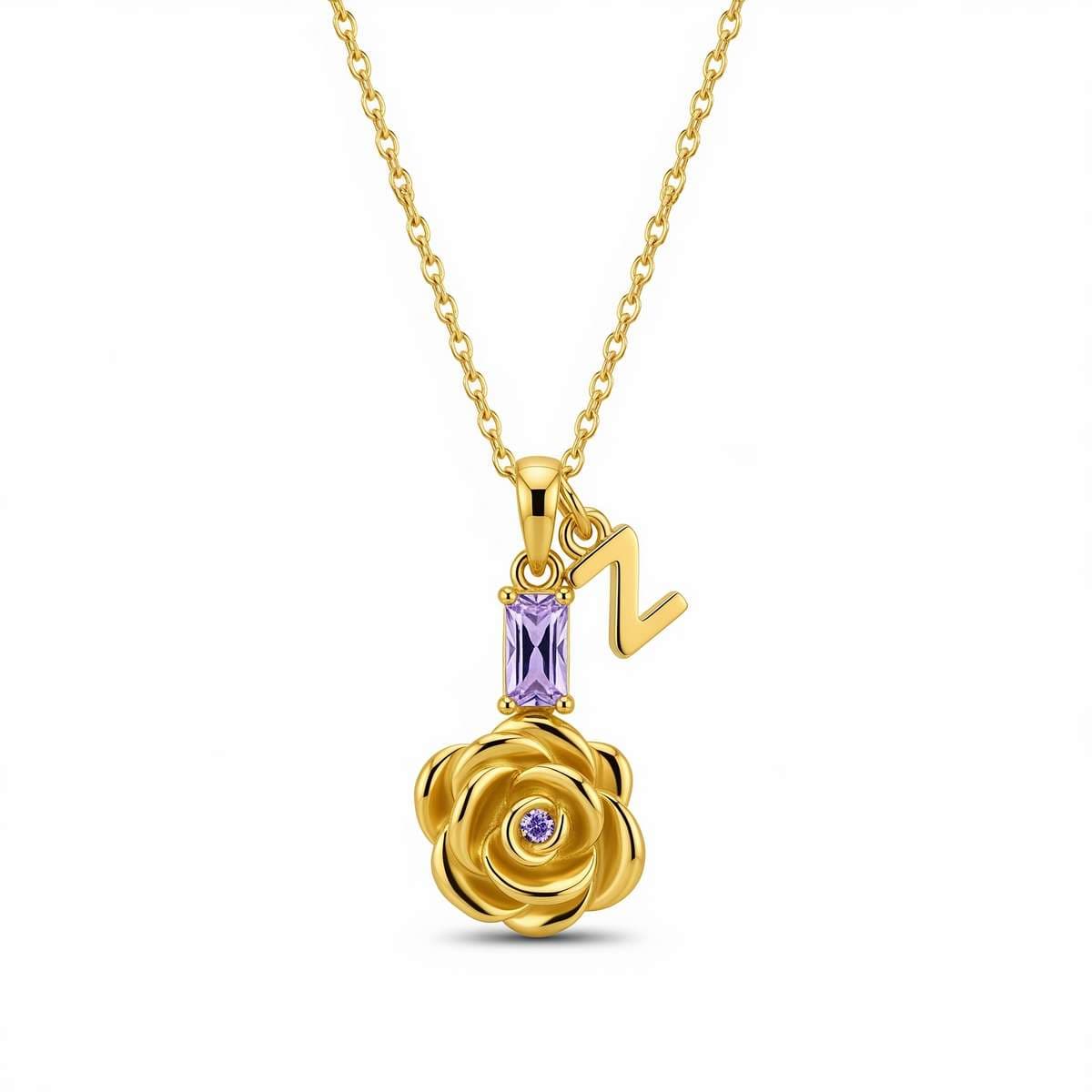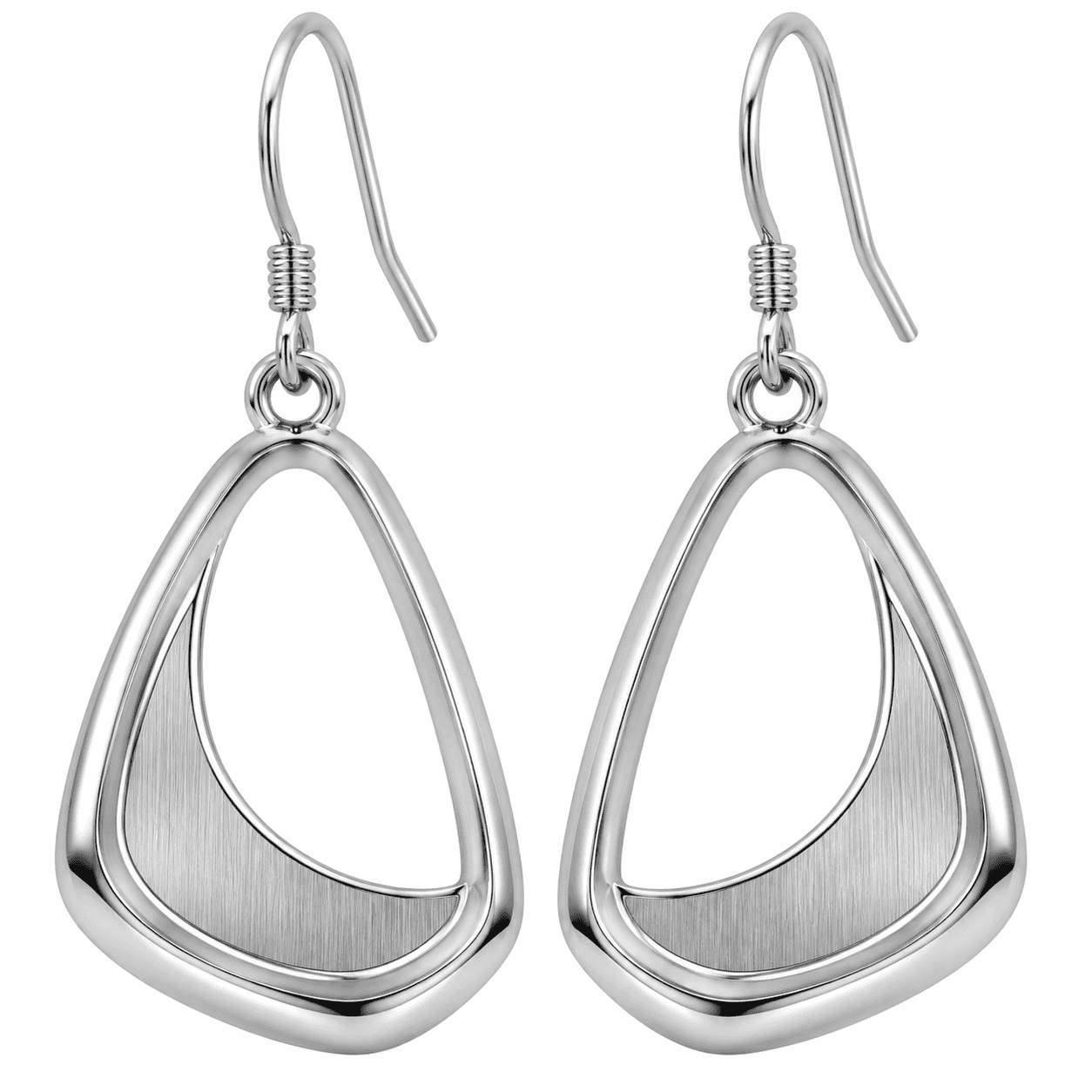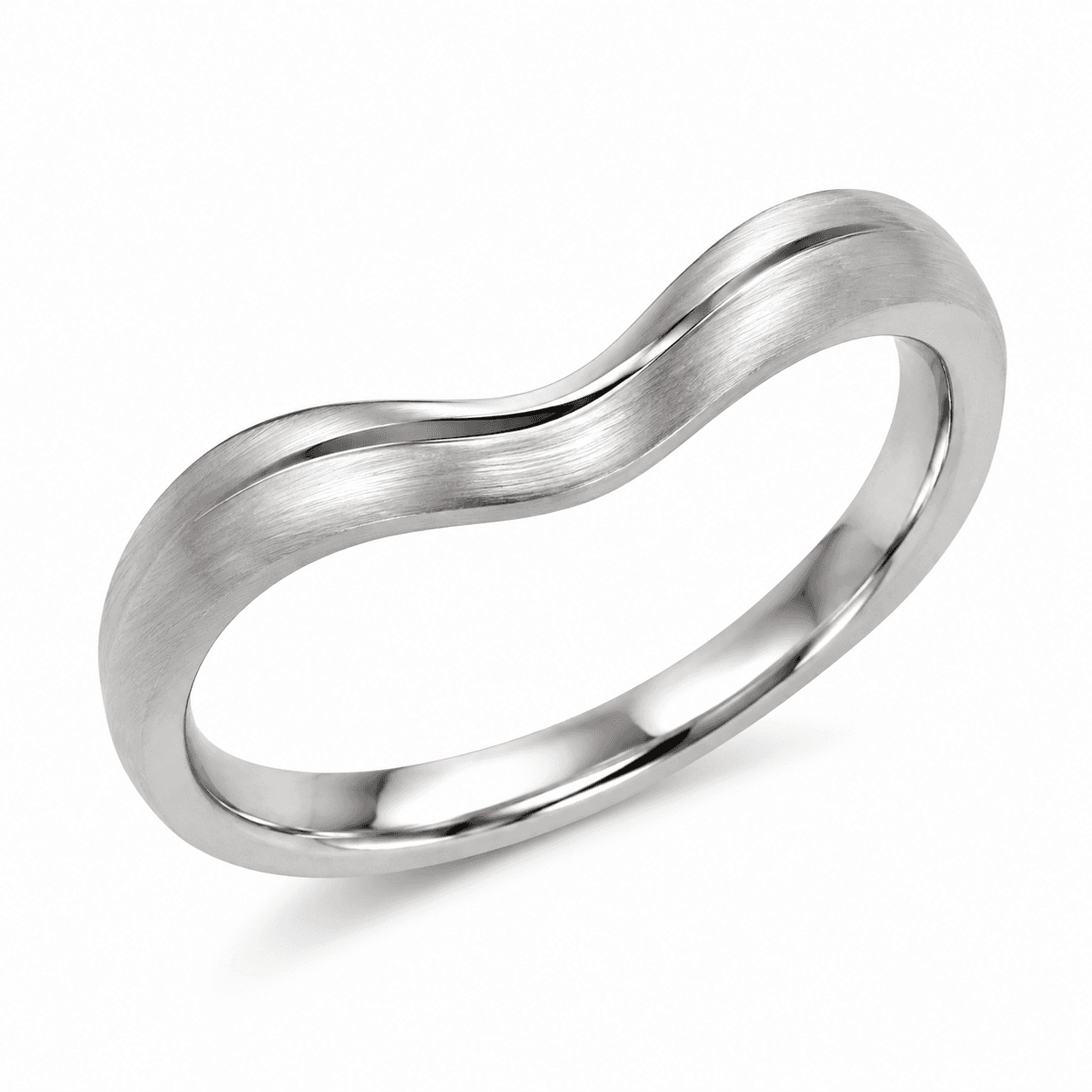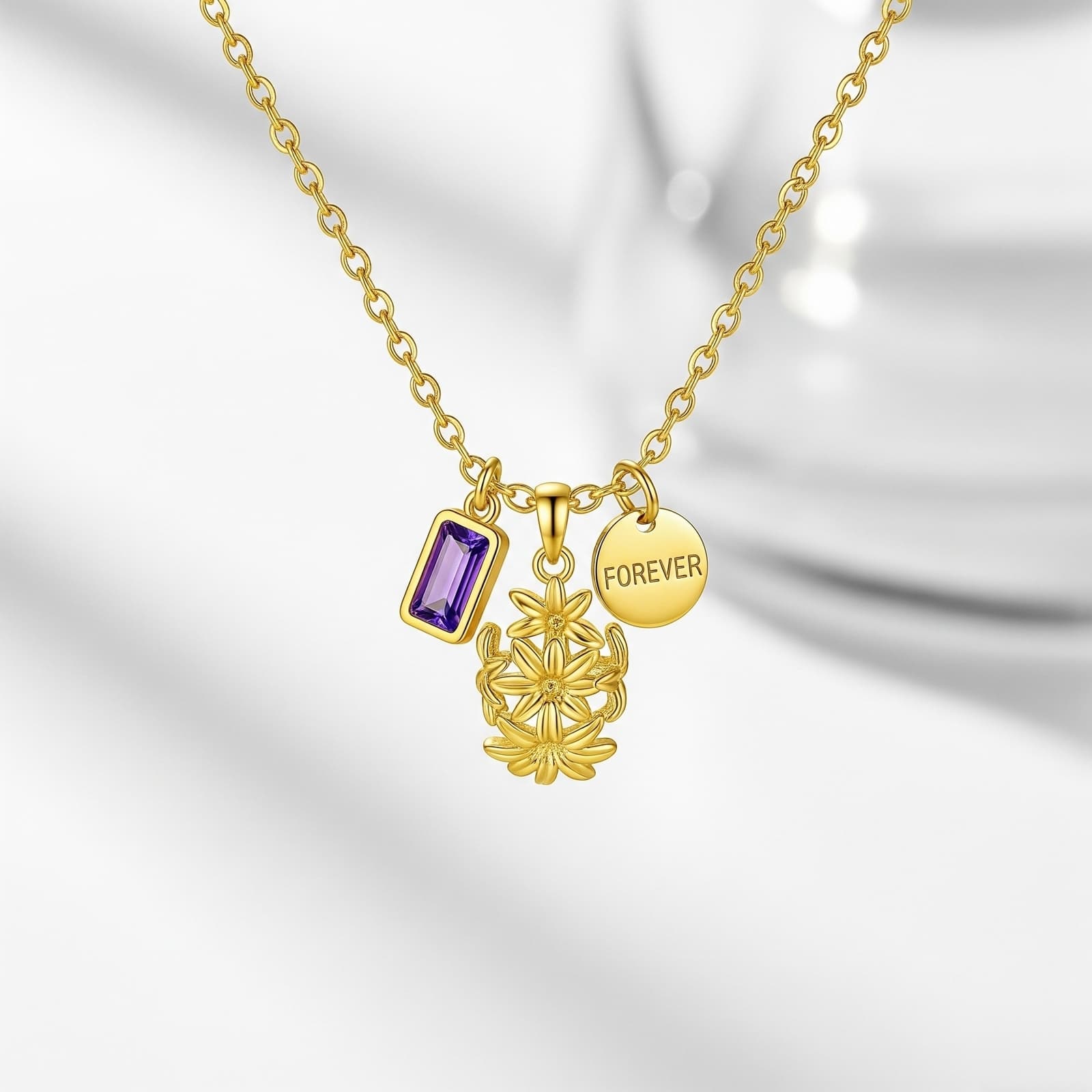
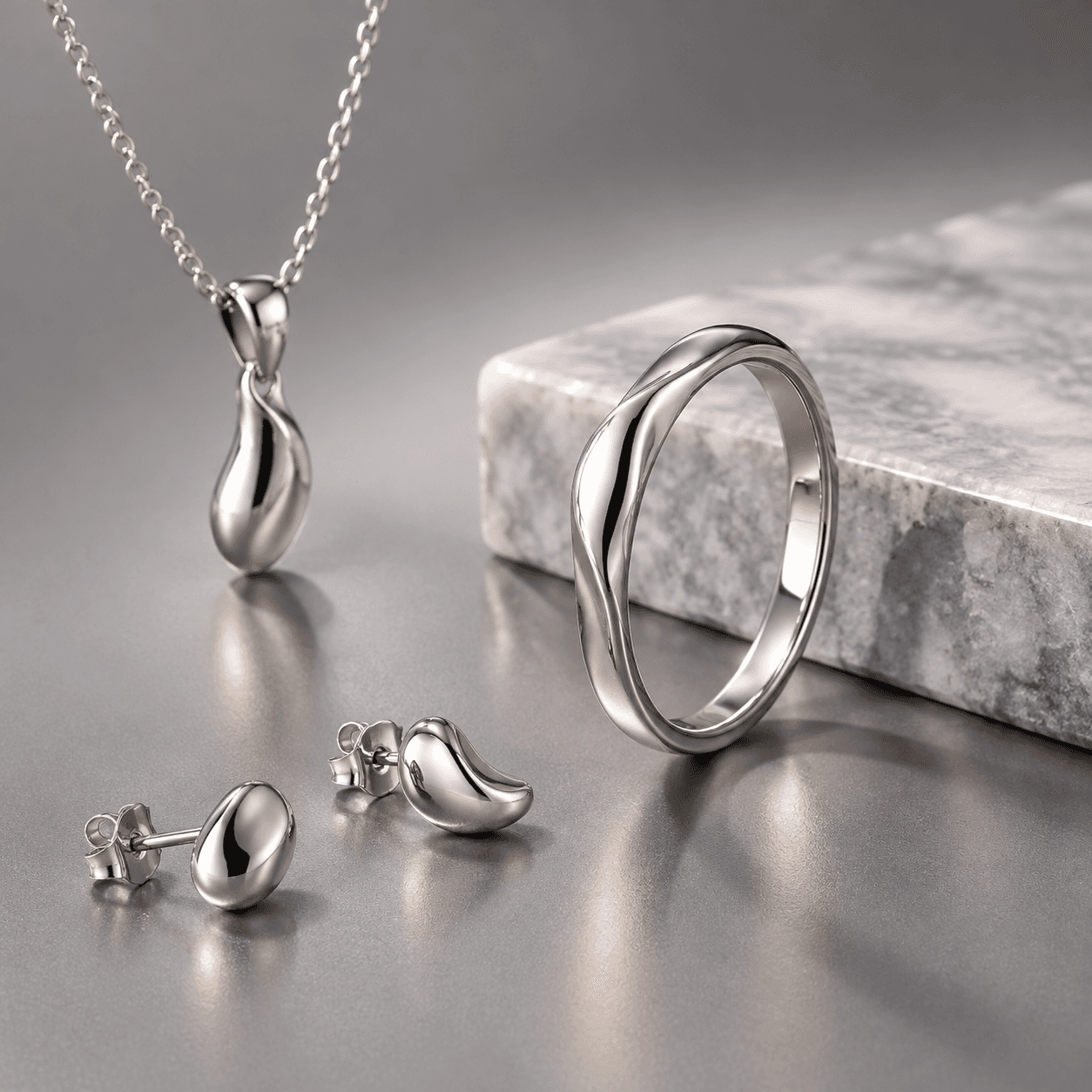
A minimalist stainless steel ring is more than a simple metal band. Its visual quality, wearing characteristics, structural stability, and long-term surface appearance depend on material selection, ring geometry, manufacturing precision, and finishing technology. For jewelry designers developing distinctive collections, understanding these technical factors makes it easier to translate a creative concept into a manufacturable product.
This material deep dive examines 316L and 304 stainless steel, ring construction, polishing, PVD gold plating, prototyping, and practical quality-control considerations. It also outlines the information B2B buyers should prepare when requesting OEM/ODM development, including material grade, dimensions, finish, logo requirements, packaging, and inspection criteria. Use the technical guidance to compare supplier proposals and establish a clear product specification before sampling.
Comprendere i materiali degli anelli minimalisti in acciaio inossidabile
A minimalist stainless steel ring places unusual importance on its base material because the design often contains very few decorative elements. With a simple band, sculptural curve, smooth surface, or subtle geometric profile, the metal itself becomes the primary visual feature. For jewelry designers, selecting the appropriate stainless steel grade is therefore an early development decision rather than a finishing detail. The two relevant stainless steel options in this manufacturing scope are 316L stainless steel and 304 stainless steel. Both belong to the stainless steel family, but their material characteristics and suitability for individual product specifications should be evaluated separately.
316L stainless steel is an austenitic stainless steel containing chromium, nickel, and molybdenum. Its material composition contributes to corrosion resistance, including improved resistance to certain localized corrosion conditions compared with many stainless steel alternatives. The low-carbon designation is also relevant to its metallurgical behavior during processing. These characteristics make 316L stainless steel a practical material to evaluate when developing minimalist rings intended for repeated everyday wear. However, stainless steel should not be described as completely immune to corrosion, surface damage, or chemical exposure. Actual performance depends on the selected grade, manufacturing condition, surface finish, environmental exposure, and care practices. A professional OEM jewelry manufacturer should review the intended use and agreed specification before confirming material selection.
304 stainless steel provides another material option for suitable ring designs. Designers should compare the intended application, forming requirements, finish expectations, and commercial positioning before choosing between the two grades. A material specification should identify the requested grade rather than relying on a general description such as silver-tone metal. For further product development, explore the stainless steel rings collection and the manufacturing capabilities described on the OEM/ODM services page.
Proprietà dei materiali che influenzano il design degli anelli
The performance of a minimalist stainless steel ring is influenced by several interconnected material properties. Hardness, strength, ductility, corrosion resistance, and surface condition all affect how a particular design can be manufactured and evaluated. Designers should understand that these properties are not interchangeable. Hardness relates to resistance to localized indentation and scratching, while strength describes the material's ability to withstand applied loads. Ductility concerns how a material deforms before fracture. These distinctions matter when translating narrow bands, rounded edges, open silhouettes, or sculptural wave forms into production-ready designs. The selected material must be considered together with the ring's dimensions and construction.
Stainless steel is valued in jewelry manufacturing partly because it combines useful mechanical characteristics with a naturally protective passive surface layer. This chromium-rich surface layer helps limit corrosion under appropriate conditions. It does not mean that every stainless steel ring will remain unchanged in every environment. Strong chemical exposure, abrasive contact, unsuitable cleaning practices, and manufacturing-related surface defects can influence appearance over time. For designers, the practical objective is to specify a suitable material and establish a repeatable finishing process. A 316L stainless steel ring with a carefully controlled polished surface, for example, has different visual requirements from a ring featuring a brushed or sculptural finish.
Ring geometry also influences perceived material quality. A wide band creates a larger visible surface, while a narrow band makes edge consistency and dimensional accuracy particularly noticeable. Rounded internal edges can contribute to a smoother contact surface, while external edge profiles determine the overall visual character. Designers should consider these features during initial CAD or drawing development. During OEM/ODM development, material choices, dimensions, and visual details can be reviewed together during sample evaluation before a production specification is finalized. Buyers can also explore custom ring manufacturing for additional development information.
Struttura, spessore e geometria strutturale dell’anello
La progettazione di anelli minimalisti richiede un'attenta coordinazione tra l'aspetto esteriore e la struttura fisica. Una semplice fascia circolare può sembrare lineare in un disegno, ma la sua larghezza, lo spessore, il diametro interno, il profilo della sezione trasversale e la lavorazione dei bordi determinano l'aspetto e la sensazione al tatto del prodotto finito. Una fascia con profilo piatto crea un effetto visivo diverso rispetto a una fascia bombata o a un profilo arrotondato progettato per garantire il massimo comfort. Un anello scultoreo a forma di onda introduce ulteriori requisiti, poiché le variazioni di altezza e curvatura della superficie devono mantenere un equilibrio visivo armonioso intorno al dito. I designer dovrebbero definire queste caratteristiche prima della realizzazione dei campioni, anziché affidarsi esclusivamente a riferimenti estetici.
Lo spessore della fascia è particolarmente importante perché influisce sulle caratteristiche strutturali, sul peso percepito e sulle proporzioni visive dell'anello finito. Un design eccessivamente sottile può comportare difficoltà di produzione e manipolazione diverse rispetto a una fascia più spessa. Anche un anello più largo richiede particolare attenzione nella definizione delle misure, poiché il contatto con il dito e la vestibilità percepita possono differire da quelli di un anello stretto con lo stesso diametro interno nominale. Questi aspetti dovrebbero essere affrontati attraverso disegni quotati, specifiche delle misure e valutazioni di campioni fisici. Per gli anelli con elementi decorativi, la posizione e la profondità di eventuali incastonature o incisioni dovrebbero essere considerate insieme allo spessore residuo del materiale. Un'estetica minimalista e pulita non dovrebbe mai compromettere la praticità della struttura.
Lo sviluppo del processo produttivo può comprendere lavorazioni CNC, lavorazioni laser, modellatura, lucidatura e successive finiture in base al design approvato. Il processo più adatto dipende dalla geometria dell'anello e dall'aspetto richiesto. Ad esempio, una fascia liscia e continua e una silhouette scultorea ispirata alle onde fluide non richiedono necessariamente le stesse considerazioni in termini di lavorazione meccanica e lucidatura. Durante la valutazione dei campioni, i designer dovrebbero esaminare l'anello nella sua interezza, anziché valutarne esclusivamente l'aspetto frontale. Occorre verificare l'apertura interna, la simmetria, la sezione trasversale, le transizioni dei bordi, la continuità della superficie e la coerenza della silhouette complessiva. Queste osservazioni aiutano a trasformare un concept accattivante in una specifica di prodotto riproducibile, adatta alla gioielleria private label e alle collezioni all'ingrosso.
Finiture superficiali e tecnologia di placcatura in oro PVD
Surface finishing is a defining part of minimalist stainless steel ring development. Because uncomplicated designs contain relatively few visual distractions, small variations in reflectivity, polishing direction, edge definition, or coating appearance can become prominent. Polished stainless steel produces a reflective surface that emphasizes the ring's geometry. A brushed finish creates a more directional visual texture, while carefully controlled matte finishing reduces reflected light and produces a restrained appearance. Designers should choose a finish based on the intended collection identity and the physical form of the ring. Surface treatments should be specified clearly so that the sampling and production teams can evaluate the same visual requirements.
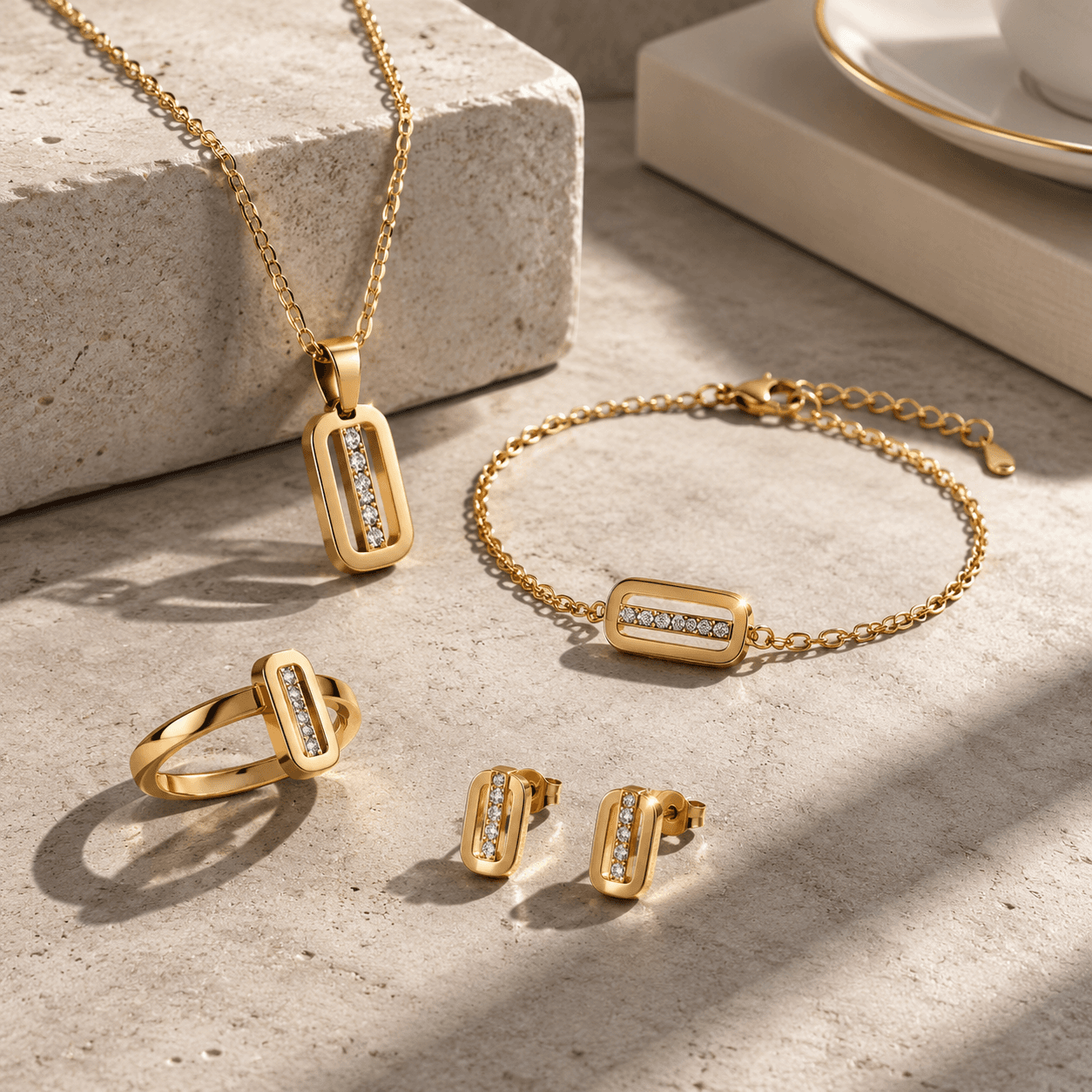
PVD gold plating is another finishing option for stainless steel jewelry. Physical vapor deposition is a vacuum-based coating technology in which material is vaporized and deposited onto a prepared substrate. In jewelry applications, the process can be used to develop decorative gold-tone surfaces, including gold and rose-gold appearances. The final appearance and functional characteristics depend on substrate preparation, coating specification, process conditions, geometry, and subsequent handling. A coating should not be assumed to have identical performance across different designs or production conditions. When specifying a finish, identify the intended color, surface appearance, coverage requirements, and project-specific evaluation criteria.
Surface preparation is essential because a coating does not automatically conceal underlying manufacturing imperfections. Scratches, polishing marks, contamination, and inconsistent substrate preparation can affect the appearance of the final surface. A practical development sequence includes reviewing the base material, checking the polished surface, evaluating the sample finish under consistent lighting, and confirming the approved appearance before production. For a gold-tone minimalist stainless steel ring, inspect the inner and outer surfaces, edges, and transitions rather than assessing only the top surface. Buyers can discuss the requested finish and specification through an RFQ inquiry.
Opzioni di personalizzazione per collezioni di anelli minimalisti
Minimalist stainless steel ring design offers considerable creative flexibility because small changes in shape and proportion can produce noticeably different visual identities. Designers can develop smooth classic bands, gently domed silhouettes, geometric profiles, sculptural wave forms, and coordinated ring combinations. Other customization possibilities include engraved details, contrasting surface treatments, selective decorative elements, and carefully positioned stone settings where appropriate. The important distinction is between a visual concept and a manufacturable design. Each requested feature should be assessed according to its dimensions, physical construction, finishing requirements, and relationship to the overall ring structure.
Logo engraving is one practical customization option for private label jewelry projects. A brand's approved artwork or wordmark can be evaluated for suitable placement on the inner or outer surface of the ring. The engraving method, available area, line thickness, and readability should be reviewed during sampling. Small text and intricate artwork may require adjustments to maintain clarity within the available surface dimensions. Other customization decisions include band width, thickness, size range, profile, finish, and packaging presentation. Where a design incorporates zircon, crystal, or pearl, the setting arrangement and physical attachment should be evaluated independently from the base ring construction.
For jewelry designers, a useful approach is to develop a coherent collection rather than treating every ring as an isolated product. A shared material grade, finish family, visual language, and packaging direction can create consistency across multiple designs. Variations in band width, silhouette, engraving, and surface treatment can then provide meaningful differentiation. Buyers can use the new stainless steel jewelry designs page to explore product development directions and the About Lefeng Jewelry page for available company information. Final customization options should remain subject to design review and sample approval.
Dal concept di design al campione fisico dell’anello
Sampling is the stage where a minimalist stainless steel ring moves from a visual idea into a physical object that can be evaluated. A rendering may communicate the overall silhouette, but it cannot fully demonstrate surface reflectivity, actual proportions, edge comfort, dimensional consistency, or the interaction between the ring and its decorative elements. A useful sample request should therefore include the ring's intended material, internal diameter or size range, band width, thickness, cross-sectional profile, finish, and any engraving or setting requirements. Dimensioned drawings are particularly valuable when the design contains sculptural curves, asymmetrical elements, or transitions between different surface profiles.
A practical sample development workflow begins with design review and specification clarification. The manufacturing team can assess whether the requested geometry and finish are compatible with the proposed processing route. CNC and laser processing may be considered for suitable construction details, followed by shaping and polishing as required by the design. If the project includes PVD gold plating or another configured finish, the finishing requirements should be recorded separately from the base-metal specification. Once the physical sample is available, the designer can assess the overall form, dimensions, material appearance, edge transitions, surface consistency, and functional details. Requested revisions should be documented clearly so that the next sample iteration can be evaluated against an identifiable set of changes.
Design approval should be based on a confirmed specification rather than a general statement that the sample looks acceptable. Record the approved material grade, size, dimensional tolerances, surface finish, logo placement, and decorative components. Photographs and annotated drawings can help maintain communication between the design team and factory. A sample should also be reviewed for the exact appearance expected in the final collection, including relevant packaging presentation. Buyers seeking sample development can submit the required drawings, references, and specifications through an RFQ inquiry. For additional sourcing guidance, visit the jewelry manufacturing insights section.
Punti di controllo qualità per anelli in acciaio inossidabile
Quality control for minimalist stainless steel rings should evaluate both measurable specifications and visible workmanship. Because the design is visually restrained, inconsistent dimensions, surface scratches, uneven polishing, and poorly defined edges can significantly affect perceived quality. A structured inspection process begins by comparing the incoming or prepared material specification with the approved project requirements. The material grade should be identified in the production documentation, and any requested supporting material records should be reviewed against the actual specification. A general description such as stainless steel is insufficient when the buyer has specified 316L stainless steel.
Dimensional inspection is another essential checkpoint. Relevant measurements may include internal diameter, ring size, band width, band thickness, and other design-specific dimensions. The buyer and manufacturer should agree on applicable tolerances before production. Visual inspection should examine surface continuity, polishing consistency, edge transitions, symmetry, and obvious manufacturing defects. For coated products, inspection should also cover color consistency, surface coverage, visible coating irregularities, and the agreed finish appearance. Where stones or other decorative components are configured, inspect their positioning, setting quality, and attachment against the approved design and project-specific acceptance criteria.
For private label jewelry and bulk orders, inspection checkpoints should be defined before manufacturing begins. A useful process can include material and specification review, in-process workmanship checks, finishing inspection, final product inspection, and packaging review. Packaging should be checked against approved requirements, including product presentation and requested logo or labeling details. Certification interpretation also requires care: any certificate or test report should be reviewed for the exact material, product, scope, issuing organization, and applicable specification. Where a buyer requires specific testing, certifications, or compliance documentation, availability and suitability should be confirmed against the project specification before order approval.
Selezione dei materiali, considerazioni sulla cura e aspetto a lungo termine
La scelta di un anello minimalista in acciaio inossidabile richiede un equilibrio tra le caratteristiche del materiale, l'ambiente di utilizzo previsto e il posizionamento della collezione. Per molti modelli, l'acciaio inossidabile 316L rappresenta un punto di partenza pertinente grazie alle sue proprietà di resistenza alla corrosione e alla sua praticità nell'applicazione alla produzione di gioielli. Tuttavia, l'aspetto di un anello nel tempo dipende da fattori che vanno oltre la sola qualità del materiale. La finitura superficiale, il rivestimento, il contatto con oggetti abrasivi, l'esposizione a sostanze chimiche, l'umidità e le pratiche di manutenzione possono influire sulle sue condizioni. Un anello lucido può mostrare piccoli segni superficiali in modo diverso rispetto a un anello spazzolato, mentre una finitura con placcatura in oro PVD comporta considerazioni specifiche relative al rivestimento. I designer dovrebbero fornire indicazioni realistiche sulla cura del prodotto, basandosi sul materiale effettivo e sulle specifiche della finitura.
Le indicazioni di base per la cura possono includere la pulizia dell'anello con un panno morbido ed evitare l'esposizione non necessaria a detergenti chimici aggressivi o superfici abrasive. I prodotti con placcatura in oro PVD devono essere maneggiati prestando attenzione a preservarne la superficie decorativa. In fase di valutazione delle aspettative di usura, gli acquirenti dovrebbero inoltre distinguere tra le caratteristiche del metallo di base e quelle del rivestimento. La resistenza alla corrosione del substrato in acciaio inossidabile non determina automaticamente le prestazioni di usura di un rivestimento decorativo. Allo stesso modo, un'affermazione generica sull'acciaio inossidabile non sostituisce una valutazione specifica del progetto relativa al materiale e alla finitura. Se un rivenditore intende comunicare indicazioni sulla cura o sulla durata del prodotto, tali affermazioni dovrebbero essere coerenti con le specifiche effettive del prodotto e con le eventuali prove a supporto disponibili.
La scelta dei materiali dovrebbe inoltre tenere conto dell'architettura complessiva della collezione. Un designer può scegliere l'acciaio inossidabile 316L per una linea principale di anelli e valutare altri materiali specifici, come l'acciaio inossidabile 304, l'argento sterling 925, il rame o la lega di zinco, per prodotti distinti, laddove appropriato. Questi materiali non dovrebbero essere considerati intercambiabili, poiché differiscono per requisiti di lavorazione e caratteristiche superficiali. Per una collezione incentrata sull'acciaio inossidabile, mantenere specifiche chiaramente definite per il materiale di base e la finitura contribuisce a garantire coerenza tra i singoli modelli. Gli acquirenti possono consultare altri articoli informativi correlati, tra cui I gioielli in acciaio inossidabile sono impermeabili? Una guida all'acquisto del 316L, Perché i gioielli in acciaio inossidabile si ossidano? Un approfondimento sulla chimica del 316L e Come pulire i gioielli in acciaio inossidabile: una guida alla durata per i venditori, per ulteriori informazioni sui materiali e sulla loro manutenzione.
Domande frequenti sugli anelli minimalisti in acciaio inossidabile
Sviluppa la tua collezione di anelli minimalisti in acciaio inossidabile con Lefeng Jewelry
Turning a minimalist stainless steel ring concept into a production-ready product requires more than selecting a metal grade. Material identification, band geometry, surface preparation, finishing, sample evaluation, and inspection requirements should work together as one coordinated development process.
Before requesting an OEM/ODM quotation or sample, prepare the target material grade, ring size range, band width and thickness, cross-sectional profile, finish, logo artwork, decorative details, packaging expectations, and documentation requirements. Dimensioned drawings and reference images can help clarify sculptural curves, asymmetry, engraving placement, and transitions between polished, brushed, or coated areas.
Use the RFQ inquiry to submit the project brief and confirm feasibility, sample requirements, finishing options, and quality-control criteria. You can also review the OEM/ODM services page, stainless steel rings collection, and jewelry manufacturing insights for related product-development information.
Related resources
Related resources
- Why Is Stainless Steel Heart Charm Waterproof? 316L Guide
- Stainless Steel Heart Charm vs Sterling Silver: Buyer’s Guide
- What Buyers Should Know About Minimalist Stainless Steel Necklace Styling for OEM/ODM Partnerships
- Why stainless steel rings outfit ideas Are Shaping Design Trends
- Best Stainless Steel Heart Charm Ideas: A Buyer's Design Guide
- Gold Plated Stainless Steel Jewelry: Durability and Sourcing Guide
- Stainless steel jewelry gift ideas: Retail design trends guide
- How to Clean Stainless Steel Jewelry: A Complete B2B Guide
- Can You Shower With Stainless Steel Necklace? A Buyer’s Guide
- Stainless Steel Heart Charms: A B2B Buyer’s Guide to Premium Finishes