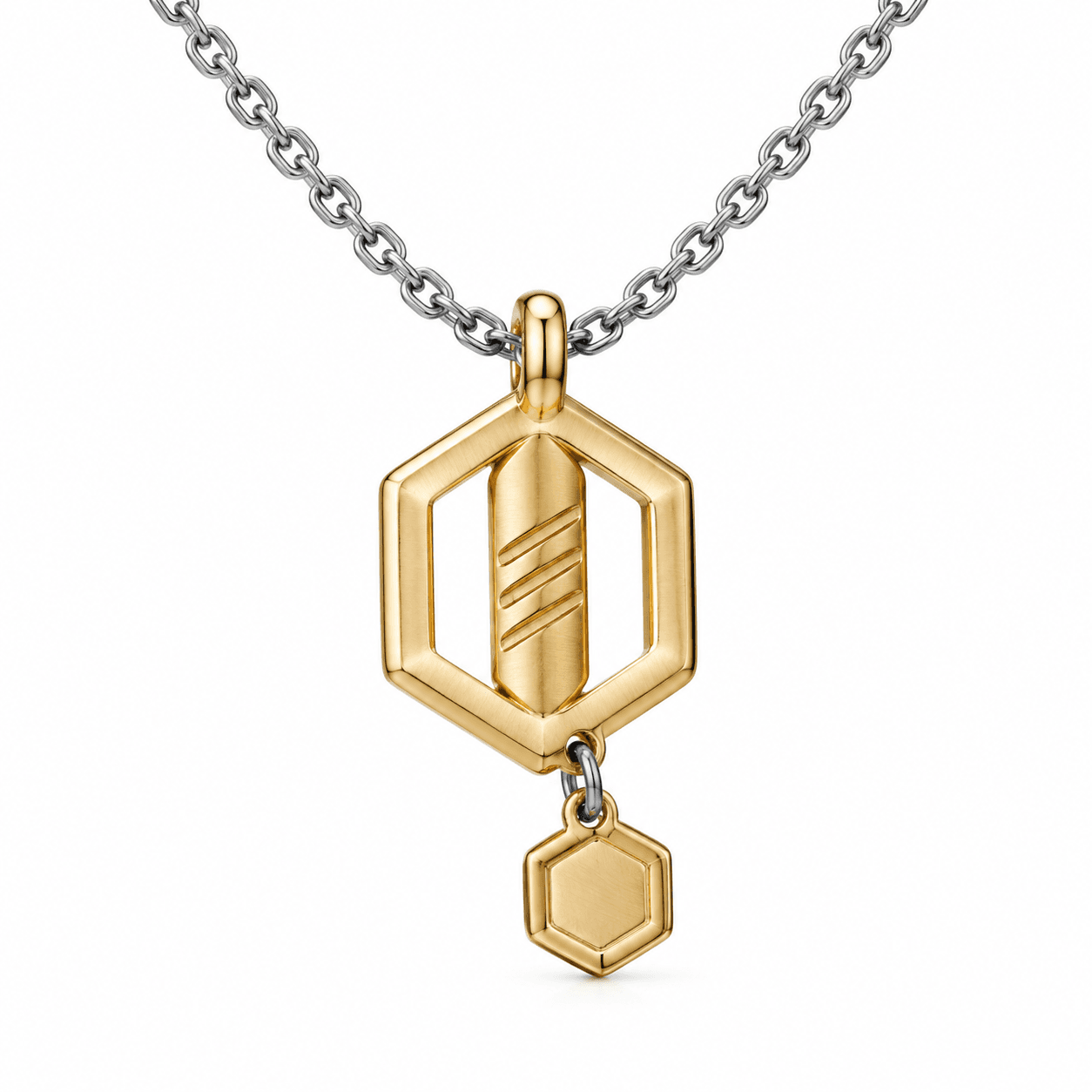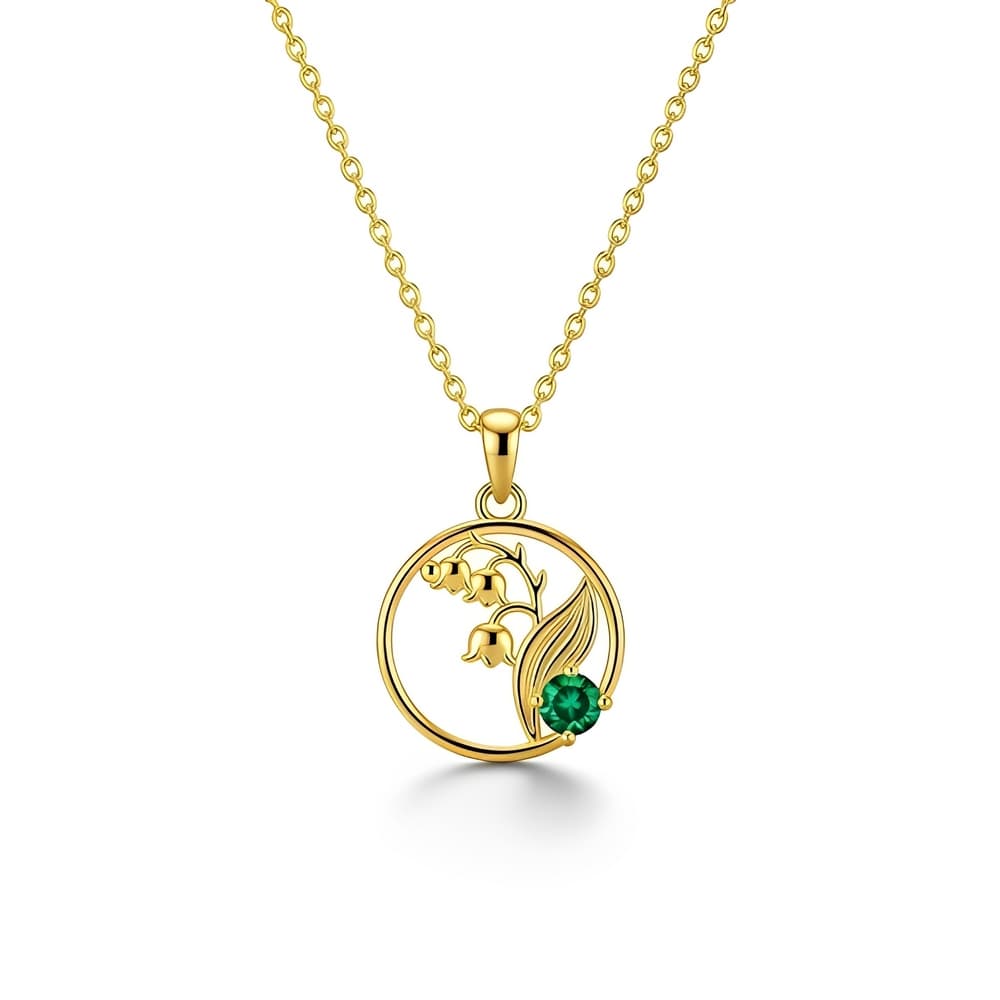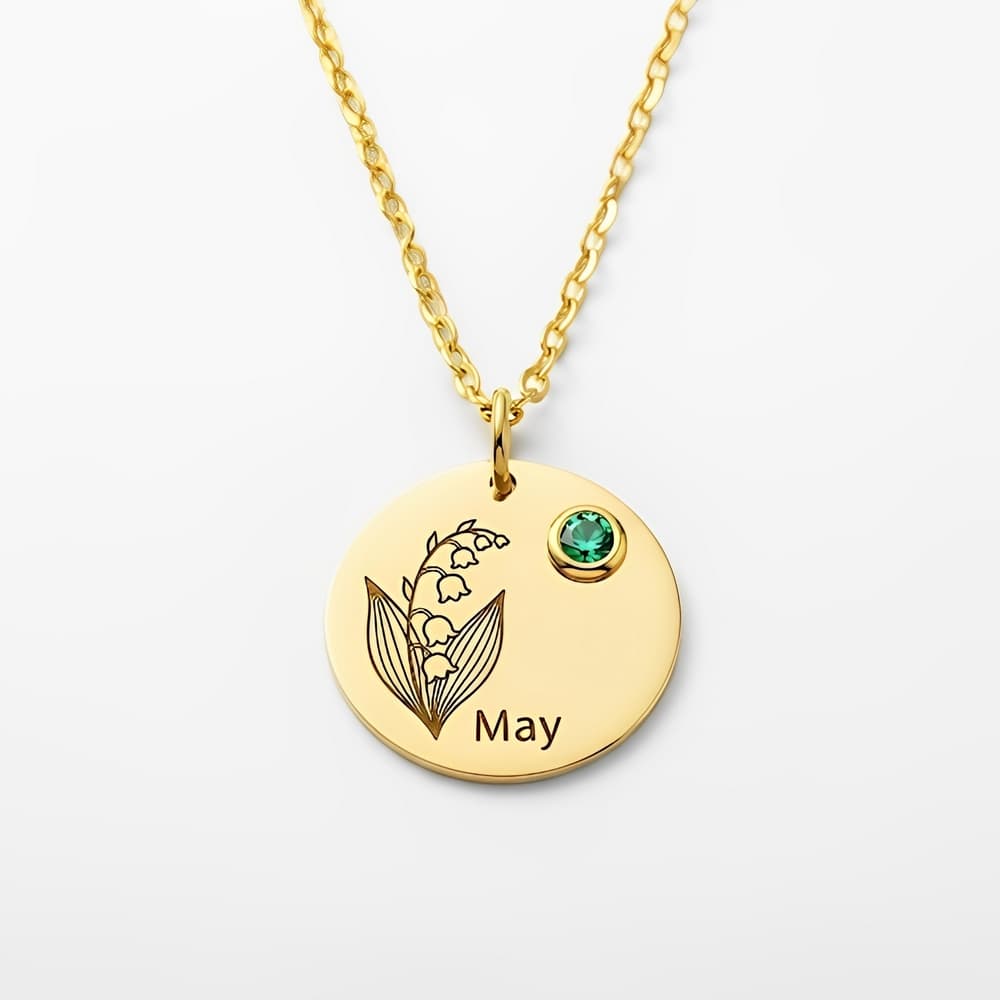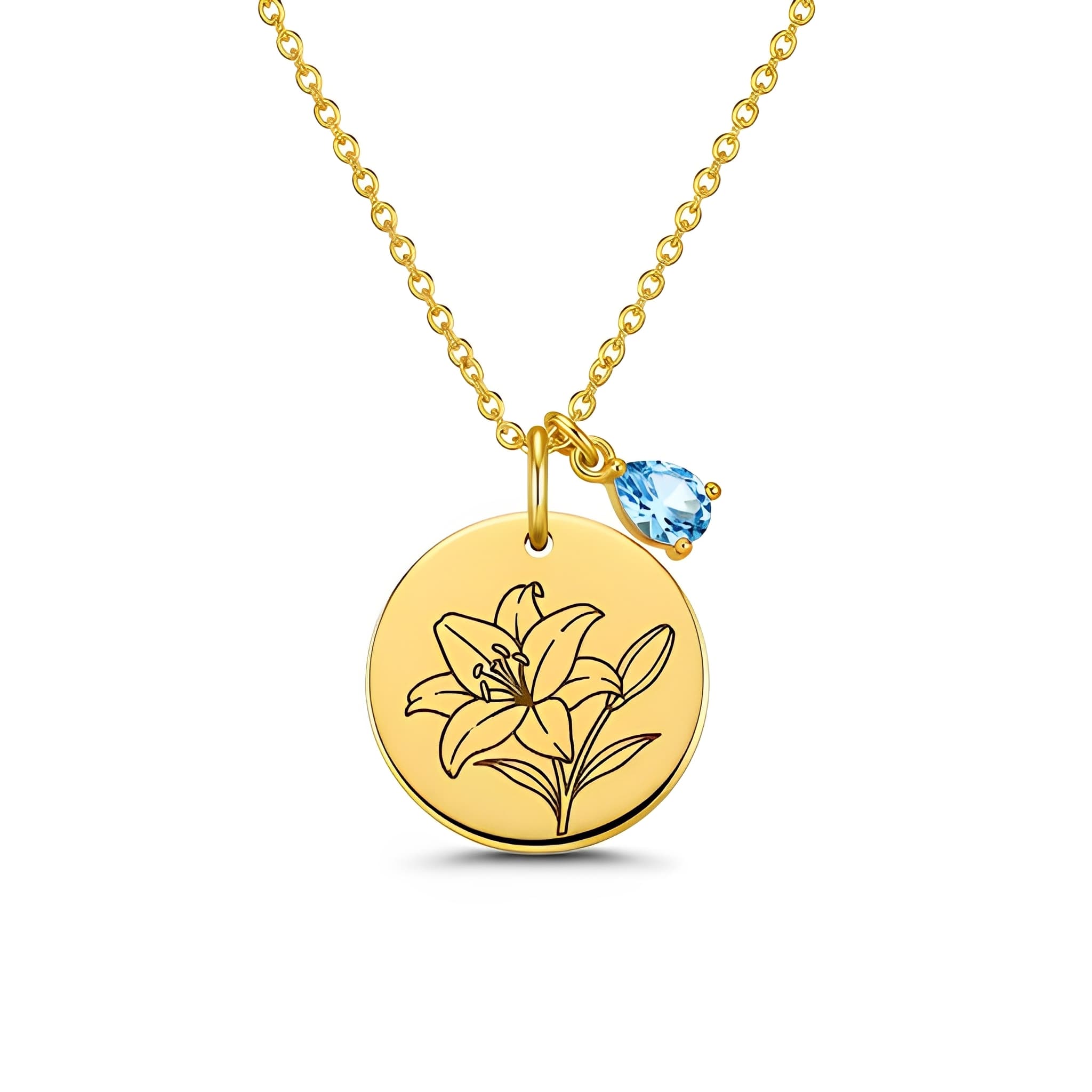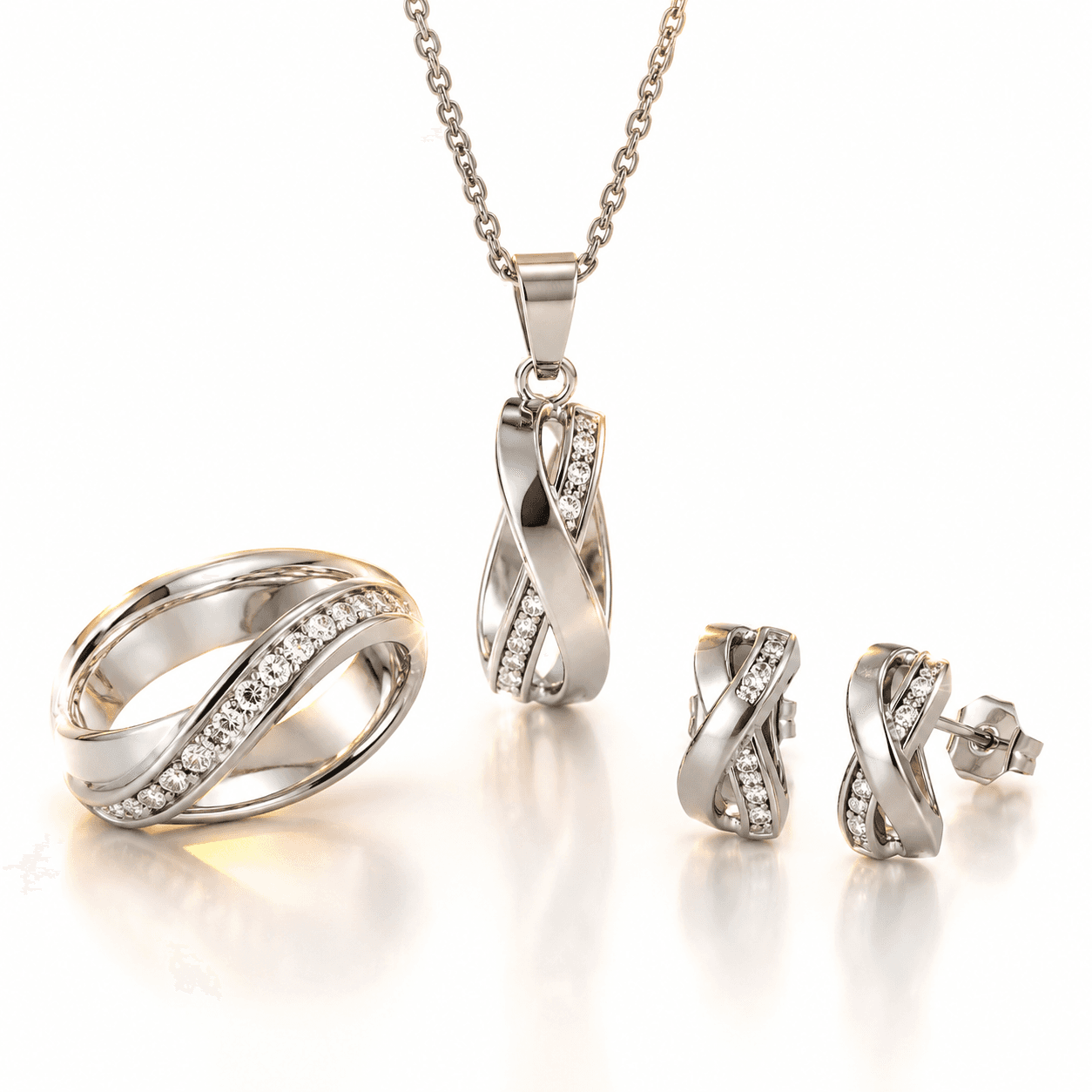
Understanding stainless steel ring cost requires more than comparing unit prices. For corporate procurement teams, jewelry brand founders, wholesalers, and private-label sourcing managers, purchasing decisions also depend on material grade, manufacturing complexity, finish requirements, inspection procedures, packaging, and export documentation. A simple polished band has a different production scope from a custom design with PVD gold plating, enamel, or zircon settings.
This guide explains how to compare stainless steel ring quotations, identify cost drivers, and evaluate supplier documentation before approving a purchase. Rather than relying on unsupported price estimates, it provides practical procurement controls to help buyers prepare a clear request for quotation (RFQ) and assess OEM/ODM suppliers on specification accuracy, sample development, quality-control requirements, and commercial transparency.
When evaluating Lefeng Jewelry for a potential project, discuss your design, material specification, finishing requirements, sampling needs, inspection criteria, packaging, and export documentation. Confirm which services and documents are available for your specific requirements, including any additional costs, testing arrangements, or market-specific obligations. Explore the stainless steel rings collection, review OEM/ODM manufacturing services, and use the comparison framework below to define the requirements for your next sourcing decision.
How to Compare Stainless Steel Ring Cost for B2B Procurement
Evaluate the complete specification before comparing quotations
Stainless steel ring cost is best evaluated against a common product specification. If one supplier quotes a plain 316L stainless steel band and another quotes a custom ring with a sculpted profile, PVD gold plating, and a set zircon, the figures do not represent equivalent products. Procurement teams should first establish the base material, dimensions, ring sizes, surface finish, design features, logo treatment, packaging requirements, order quantity, and inspection criteria. These details form the basis for a meaningful comparison between an OEM jewelry manufacturer and alternative suppliers.
Material grade influences the starting specification, but it does not determine the entire finished-product cost. 316L stainless steel and 304 stainless steel are distinct material options, and the buyer should request confirmation of the specified grade and the documentation available for the actual production material. Wall thickness, band width, profile geometry, machining requirements, polishing access, and dimensional tolerances also affect processing effort. A design that requires additional CNC or laser processing, detailed polishing, or precise stone setting may involve more manufacturing steps than a straightforward band.
Procurement should separate product cost from commercial and verification requirements. Request an itemized quotation that identifies the quoted specification, quantity basis, sample charges if applicable, finishing, logo work, packaging, shipping terms, and any separately charged inspection or documentation services. Do not assume that a quoted price includes a particular certificate, laboratory report, export cost, or packaging configuration. When evaluating Lefeng Jewelry, confirm the availability, scope, cost, and timing of any required sampling, quality-control activities, packaging options, and export coordination. Agree on these requirements before quotation approval and bulk production. For broader sourcing criteria, consult the manufacturing and sourcing insights.
Build a comparable RFQ
- Specify 316L stainless steel or another approved material grade rather than requesting stainless steel without clarification.
- Provide ring size ranges, dimensions, finish references, and an approved drawing or sample where available.
- Identify PVD gold plating, rose gold plating, enamel, zircon, or other configured details separately.
- Define required inspection points, material documentation, packaging, and destination-market requirements.
- Request the same quantity tiers, quotation currency, trade terms, and payment assumptions from each supplier.
Stainless Steel Ring Cost Comparison Table by Material and Finish
Compare manufacturing options on an equivalent basis
The following table compares common ring configurations by their relative production requirements rather than by unverified market prices. Actual stainless steel ring cost depends on the approved drawing, material specification, order quantity, manufacturing route, finishing requirements, and supplier quotation. The table highlights potential process considerations; it does not establish universal cost rankings or verify product performance.
| Ring configuration | Main cost drivers | Procurement checks | Evaluation focus |
|---|---|---|---|
| Plain polished 316L stainless steel band | Material dimensions, ring sizes, forming or machining, polishing | Grade confirmation, dimensions, surface consistency, sizing criteria | Repeatability and specification accuracy |
| 316L ring with PVD gold plating | Base geometry, surface preparation, PVD finishing, finish coverage | Finish specification, color reference, coverage, agreed inspection criteria | Finish consistency and documented requirements |
| Custom-profile stainless steel ring | Design development, CNC or laser processing where applicable, polishing access | Approved drawing, profile dimensions, edge finish, sample approval | Design feasibility and sample-to-order consistency |
| Ring with enamel details | Recess geometry, enamel application, color matching, finishing | Color reference, fill quality, edge definition, agreed appearance standard | Detail quality and visual repeatability |
| Ring with zircon settings | Setting design, stone specification, setting operations, inspection | Stone dimensions, setting security criteria, visual alignment | Setting workmanship and inspection method |
| Custom ring with logo engraving | Artwork preparation, engraving method, position, depth, and legibility | Approved artwork, placement drawing, sample confirmation | Branding accuracy and production consistency |
| Private-label ring with custom packaging | Ring configuration, packaging design, inserts, labeling, and packing process | Approved packaging artwork, pack-out requirements, shipping protection | Total purchasing and delivery requirements |
How to use the comparison
Ask each supplier to quote the same base design and itemize optional features. Compare the polished base ring separately from PVD gold plating, logo engraving, or custom packaging. This approach helps identify which specification changes explain quotation differences and distinguishes required quality controls from optional design enhancements.
If the project requires material certificates, chemical composition records, coating-related reports, or destination-market compliance documentation, specify each document and its acceptance criteria. Confirm availability against the actual material, finish, production specification, and intended market. Review the issuing source, report scope, sample identification, and applicability to the ordered product before accepting a document as evidence that a requirement has been met.
Material Grade, PVD Finishing, and Manufacturing Complexity
Understand how material and workmanship affect the quotation
316L stainless steel is a commonly specified jewelry material, but procurement decisions should reflect the intended use and confirmed product specification. Do not assume that every stainless steel ring uses 316L or that a general product description verifies the material in a particular order. Where the grade matters, state it in the RFQ and request supporting documentation appropriate to the production material. Keep the material requirement consistent across the RFQ, approved sample, and purchase order.
Surface finishing is another important comparison factor. A polished surface requires appropriate preparation and finishing, while PVD gold plating adds coating-process considerations. Rose gold plating may require a different target color and finish specification. Describe the intended appearance through an approved physical sample, reference image, or agreed finish standard. Define how visible surfaces, inner bands, edges, recesses, and detailed features will be assessed. PVD is a finishing process, not proof of a specific coating thickness, wear life, or compliance result; such claims require evidence relevant to the agreed specification.
Geometry and decorative features can add manufacturing steps. Narrow grooves, sculpted profiles, deep engraving, recessed enamel, and zircon settings may require additional processing, alignment, or inspection. When discussing a proposed design with Lefeng Jewelry, request a manufacturability review and confirmation of the applicable processes, sampling arrangements, and quality requirements. Feasibility and final pricing depend on the individual design and confirmed project scope. Submit project requirements through the RFQ and sales inquiry page and review related options in the new design collection.
Questions to resolve before sampling
- Which stainless steel grade is required, and what material evidence must accompany the order?
- Which surfaces require polishing, PVD gold plating, rose gold plating, or another specified finish?
- What dimensions, tolerances, ring sizes, engraving details, and setting requirements define acceptance?
- Are zircon, enamel, or other decorative components essential, or can the design be simplified to meet the purchasing target?
- What appearance differences between the approved sample and production units are acceptable?
Quality Control, Certifications, and Supplier Documentation
Compare evidence and controls, not just supplier assurances
Supplier evaluation should cover material identification, process control, inspection records, document traceability, and communication of nonconformities. A description of a quality-control process is different from objective evidence for a specific product. Before placing an order, agree on which records will be supplied, which inspections will be performed, how samples will be approved, and how deviations from the written specification will be handled. The scope of each document should match the material, finish, product, and intended market.
Useful inspection checkpoints include confirming dimensions and ring sizes, checking surface finish and visible defects, reviewing logo position and legibility, examining enamel color and coverage, and inspecting zircon setting workmanship against agreed criteria. For PVD-finished rings, buyers can define acceptable color variation and surface appearance and specify any additional coating evaluation. An inspection plan should state the method, sampling basis where applicable, acceptance criteria, responsible party, and record format. Listing an inspection checkpoint does not prove that the product passed; the actual result must be documented and reviewed.
Certification and compliance documentation require the same discipline. Identify destination markets, intended product use, applicable legal obligations, and contractual standards. If a material declaration, laboratory test report, coating assessment, or other document is required, confirm whether it is available for the specified product or whether additional testing or documentation must be arranged. Review the issuing organization, report date, tested sample identity, methods, limitations, and relevance to the final production specification. When discussing a project with Lefeng Jewelry, confirm the availability, scope, cost, and timing of any required inspection or export documentation. Do not assume that a certificate, test result, or compliance outcome exists without supporting evidence. Company background information is available on the About Lefeng Jewelry page.
Recommended procurement evidence checklist
- Approved drawing, product specification, ring size chart, and signed-off reference sample.
- Material-grade confirmation and any agreed supporting material records.
- Finish specification and applicable coating-related documentation requested for the project.
- Written quality-control plan, inspection criteria, and agreed inspection records.
- Approved logo artwork, packaging specifications, carton or pack-out requirements, and shipping documents.
- A clear process for reviewing discrepancies, corrective actions, and changes to the approved specification.
Total Cost of Ownership, MOQ, and Vendor Management
Move beyond the quoted unit price
The lowest quoted stainless steel ring price is not necessarily the lowest total purchasing cost. Buyers should evaluate the commercial offer alongside sample development, tooling or setup charges where applicable, packaging, inspection, freight, duties, and the internal work required to manage documentation. These items may be included, excluded, or quoted separately, so their treatment must be confirmed. A comparison spreadsheet should distinguish one-time costs from recurring unit costs and record the assumptions behind each quotation. Normalize currency and shipping terms before comparing suppliers.
MOQ also affects the economics of a ring program. A lower order quantity may reduce inventory exposure but produce a higher unit quotation because setup, finishing, sampling, and packaging costs are distributed across fewer units. Larger quantities may change the commercial offer, but buyers should request actual quantity-tier quotations rather than assume automatic savings. For a private-label launch, evaluate the initial order alongside reorder requirements, size distribution, packaging revisions, and the need to maintain a consistent approved specification across production runs. Confirm MOQ and order structure with Lefeng Jewelry for the specific design, finish, and packaging requirements rather than relying on a universal figure.
Vendor management should establish a single approved specification and a clear change-control process. Record the agreed material, dimensions, finish, artwork, inspection criteria, packaging configuration, quotation assumptions, and required documents in the purchase order or linked technical specification. Require written approval before implementing any proposed substitution or process adjustment. Retain the approved sample and relevant records for incoming inspection and reorder comparison. This approach reduces ambiguity across sourcing, quality, logistics, and finance teams and makes quotation differences easier to assess.
Build a purchasing comparison sheet
- Record each supplier's unit price by quantity tier, currency, validity period, and included processes.
- List sampling, setup, tooling where applicable, packaging, inspection, and documentation as separate cost items.
- Compare lead-time commitments only after suppliers confirm the scope and schedule for the specific order.
- Document payment terms, shipping terms, destination, and excluded charges.
- Evaluate responsiveness, specification control, sample accuracy, documentation quality, and issue-resolution procedures alongside price.
For additional sourcing guidance, explore the jewelry manufacturing and sourcing blog and review the available OEM/ODM services before preparing your supplier shortlist.
Recommendation: Select the Right Stainless Steel Ring Supplier
Choose the option that best matches your risk and product requirements
For a straightforward wholesale ring program, begin with a clearly specified stainless steel grade, such as 316L where appropriate, and a finish that can be assessed consistently. Compare suppliers using the same dimensions, ring sizes, surface requirements, quantity tiers, packaging assumptions, and inspection criteria. A simpler design may reduce manufacturing complexity, but it should not be selected solely because its initial quotation is lower. Material, functional dimensions, appearance, and required supporting records must still meet the purchasing specification. For repeat bulk orders, consider consistency and documented change control from the first sample.
For a private-label collection requiring a distinctive profile, PVD gold plating, logo engraving, enamel, or zircon settings, prioritize sample development and manufacturability review. Ask the supplier to confirm the proposed manufacturing route, identify design details that may require refinement, and clarify which elements affect the quotation. Approve the sample against written criteria before authorizing bulk production. If certificates or test reports are required, specify them during the RFQ stage so availability, scope, cost, and timing can be addressed before committing to the order.
For corporate procurement teams, a suitable supplier should be able to explain its quotation, confirm the specification, clarify applicable documentation, and communicate production or quality issues clearly. When evaluating Lefeng Jewelry, request project-specific information about relevant manufacturing processes, sampling, finishing, inspection, packaging, and export coordination. Assess these capabilities against the proposed design and agreed requirements rather than assuming that every process or document is available for every project. Explore stainless steel ring options, review company and factory information, and prepare an RFQ that enables a like-for-like commercial evaluation.
Final decision framework
- Choose a basic polished design when specification simplicity and straightforward visual inspection are priorities.
- Choose a PVD-finished design when the target appearance and finish requirements are clearly defined and can be reviewed against an approved sample.
- Choose a custom-profile or decorated ring when its design value justifies the additional development, finishing, and inspection work.
- Select a supplier only after reviewing quotation scope, sample quality, communication processes, and applicable documentation requirements.
The most defensible purchasing decision balances price with manufacturing feasibility, evidence, repeatability, and the total requirements of the order. A structured comparison gives procurement teams a clearer basis for approval and reduces the risk of evaluating different product specifications as though they were equivalent.
Frequently Asked Questions About Stainless Steel Ring Cost
Request a Stainless Steel Ring Cost Quotation
Prepare a specification-led RFQ with Lefeng Jewelry
To request a meaningful quotation, provide your proposed ring design, required material grade, dimensions and size range, target finish, order quantity, and intended sales market. Include logo artwork, engraving details, PVD gold or rose gold plating requirements, enamel or zircon specifications, and packaging references where applicable. If your procurement process requires material documentation, certificates, test reports, inspection records, or destination-market compliance evidence, identify the exact documents and acceptance criteria so their applicability can be reviewed before the order is confirmed.
For a new private-label project, request sample development and explain which design details are essential, which may be adjusted for manufacturability, and how the sample will be evaluated. For repeat or bulk orders, provide the approved reference sample or drawing and any existing quality-control requirements. Request pricing at realistic quantity tiers, confirmation of MOQ for the proposed specification, itemized additional charges, quotation validity, packaging scope, payment terms, shipping terms, and the proposed production schedule.
Before approving the order, confirm the final specification, sample approval process, inspection criteria, documentation scope, and procedure for handling proposed changes. If any requirement remains undecided, identify it as pending confirmation rather than treating it as an approved production instruction.
Use the Lefeng Jewelry contact page to discuss your project requirements and submit the information needed for an OEM/ODM quotation.
Related resources
Related resources
- Lefeng Jewelry - OEM/ODM Stainless Steel Jewelry Manufacturer
- Gold Plated Stainless Steel Jewelry: Durability and Sourcing Guide
- Contact Us | Lefeng Jewelry
- Stainless Steel Heart Charms: A B2B Buyer’s Guide to Premium Finishes
- Wholesale Stainless Steel Jewelry: Quality, Sourcing, and Private-Label Guide for OEM/ODM
- Stainless steel jewelry gift ideas: Retail design trends guide
- Why Is Stainless Steel Heart Charm Waterproof? 316L Guide
- Why Choose Stainless Steel Jewelry: A Retail Buyer Guide
- Stainless Steel Rings
- Best Stainless Steel Heart Charm Ideas: A Buyer's Design Guide