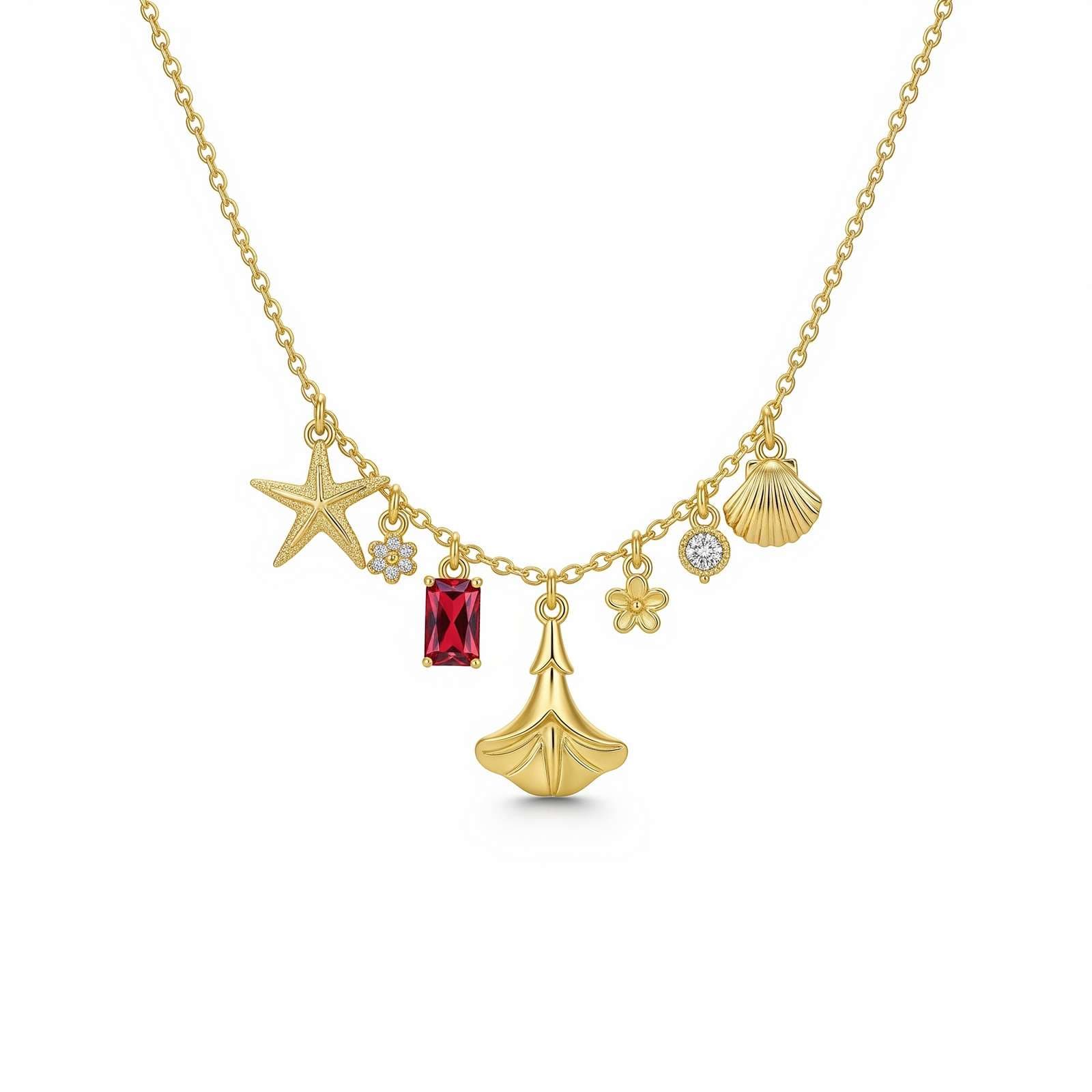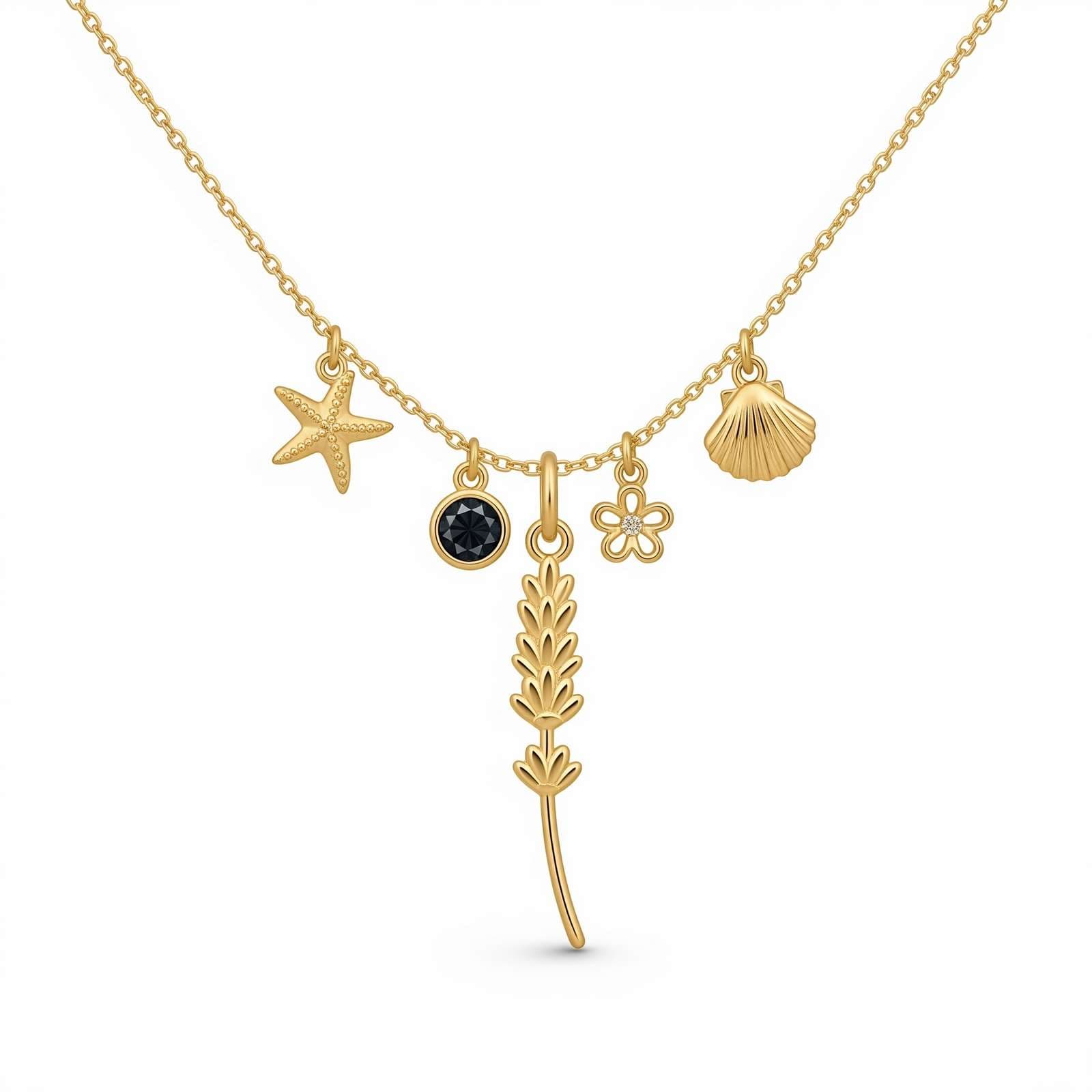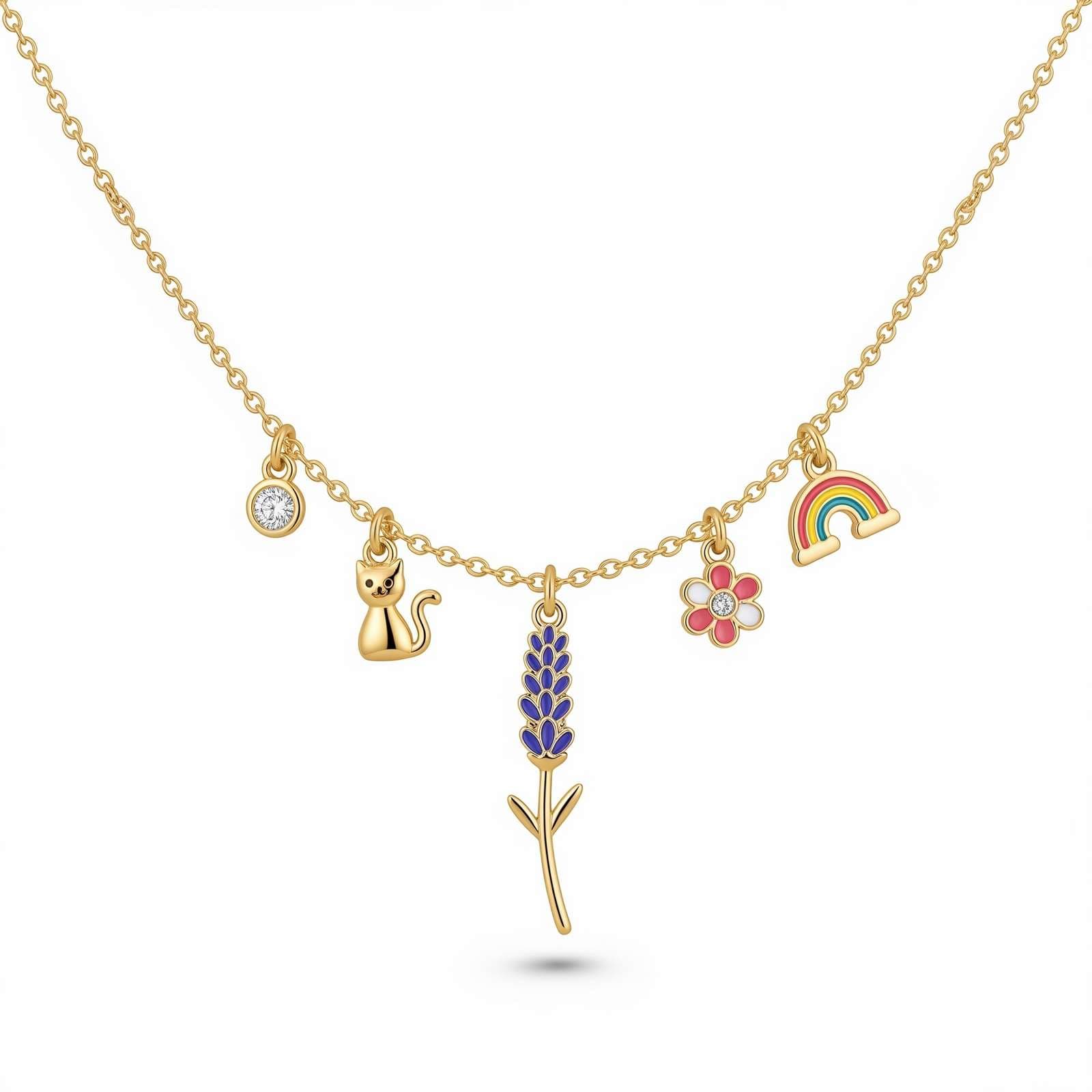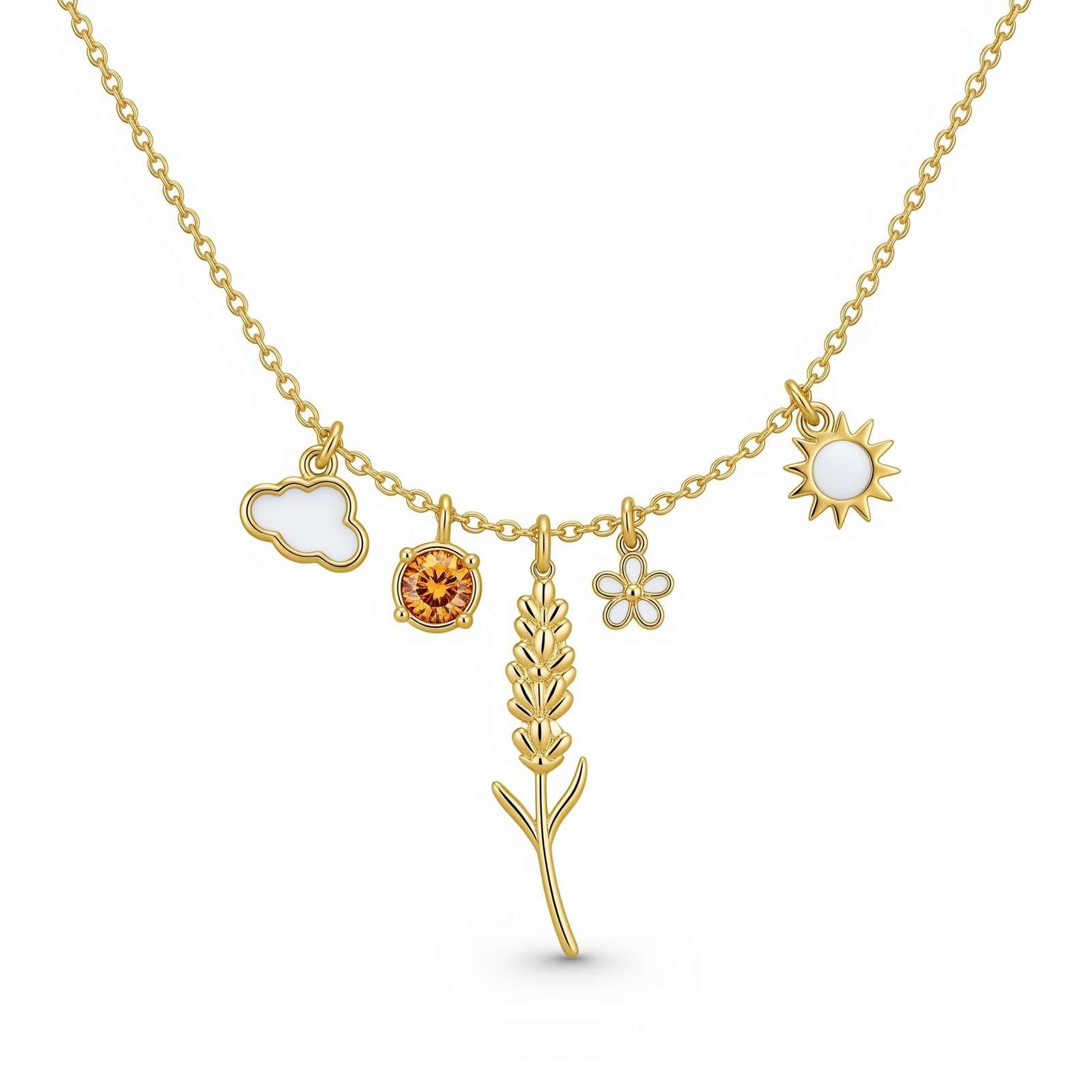
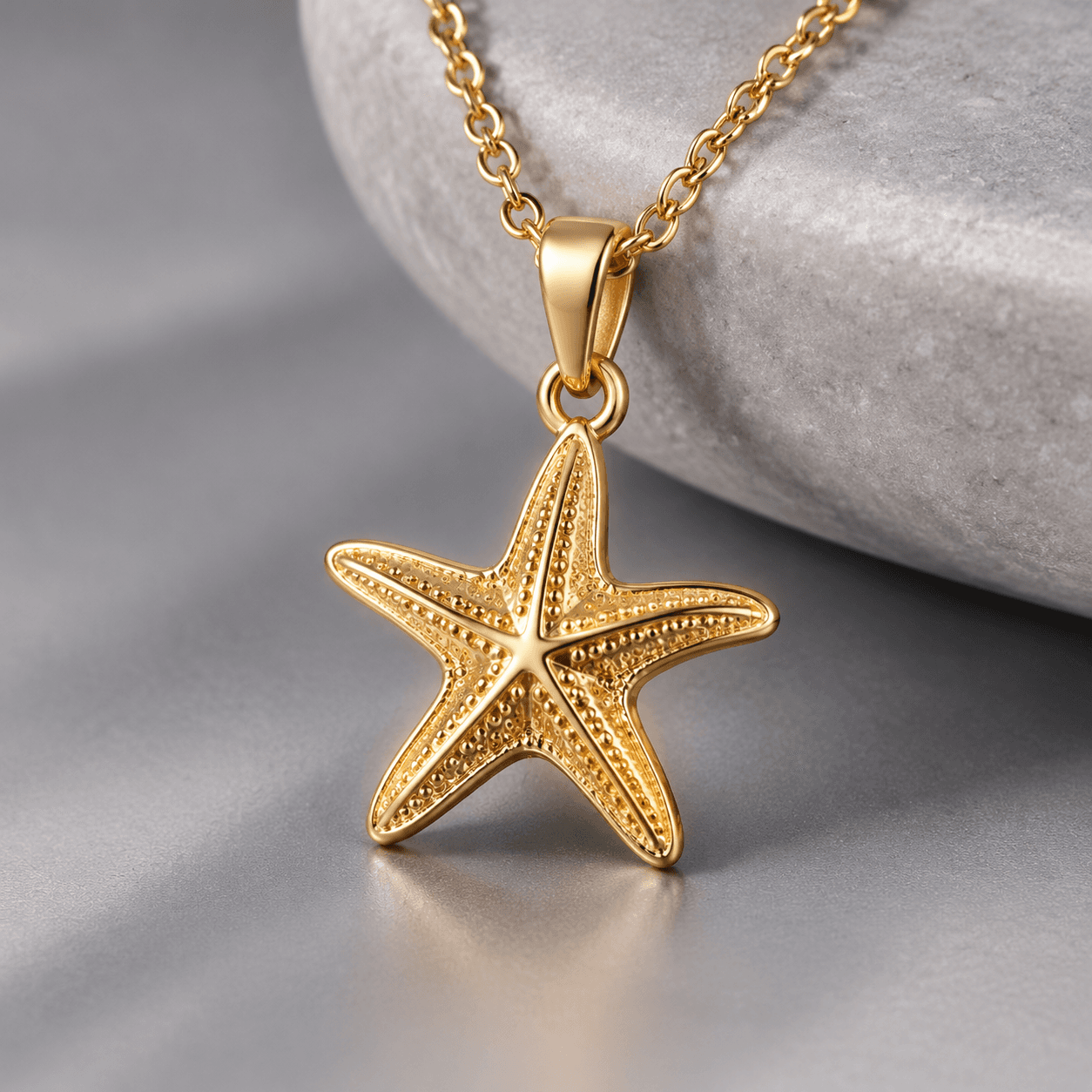
Starfish charms for jewelry making offer jewelry designers an opportunity to develop distinctive ocean-inspired collections through recognizable silhouettes, dimensional details, and carefully selected metal finishes. From minimalist starfish outlines to sculpted five-arm forms with textured surfaces, the design possibilities depend on more than appearance. Material selection, component thickness, edge finishing, attachment geometry, and surface treatment all influence the final result.
This technical guide explores how to evaluate starfish charms for jewelry making from a material and manufacturing perspective. It explains practical considerations for 316L stainless steel, 304 stainless steel, alternative metals, PVD gold plating, rose gold plating, enamel, and decorative stone options. It also examines prototyping, sampling, finishing, and quality control considerations for jewelry designers developing a private label collection. For OEM/ODM projects, buyers can use these considerations to prepare a design brief and discuss project requirements with a manufacturer, including sampling, inspection, packaging, and export coordination.
Conoscere i ciondoli a forma di stella marina per la creazione di gioielli
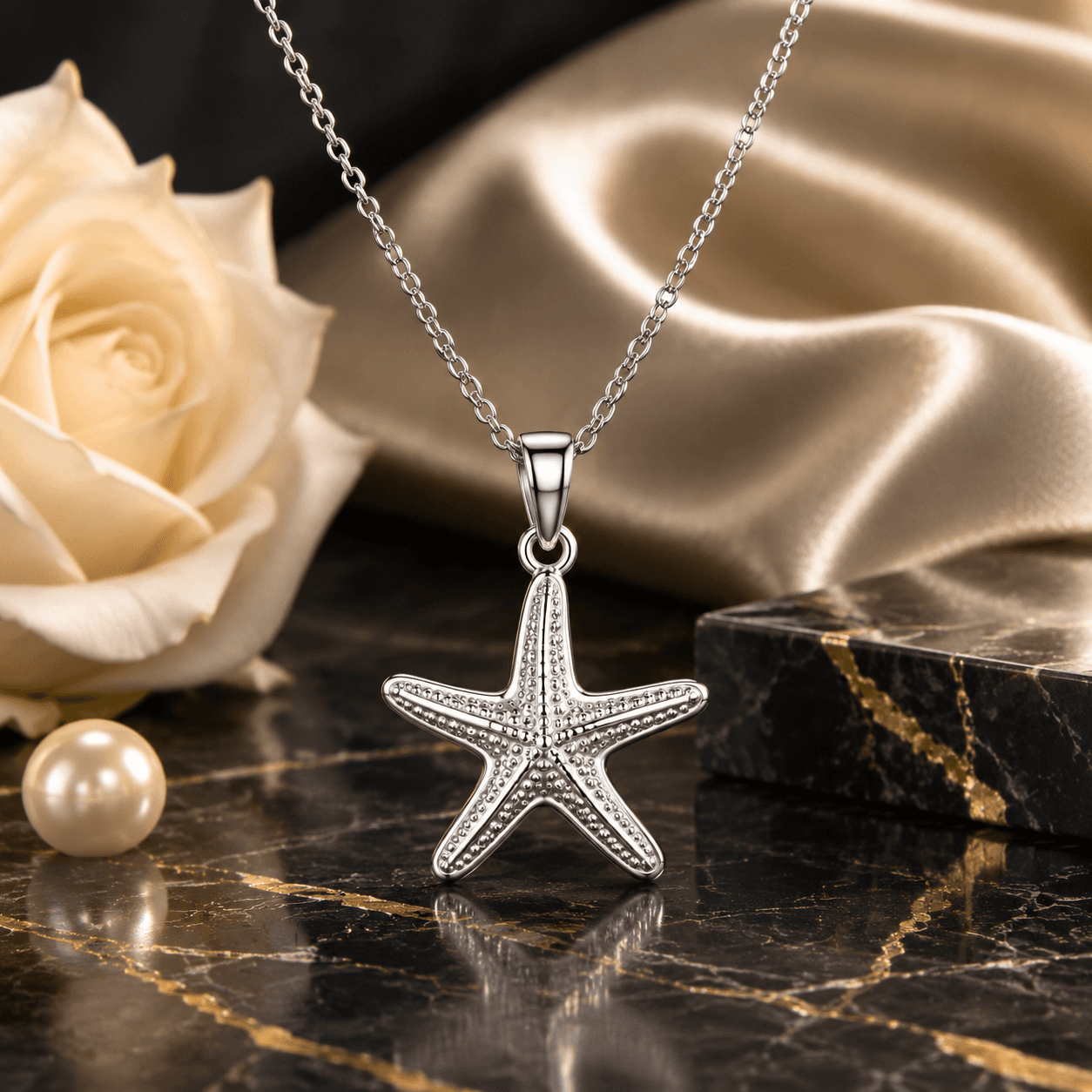
Starfish charms for jewelry making are decorative metal components designed around the recognizable radial structure of a starfish. Their defining features include a central body, projecting arms, surface contours, and an attachment point. Although the silhouette may appear simple, small differences in proportion and geometry can significantly influence the finished jewelry design. A broad central body creates a different visual balance from a slender outline, while raised surface details introduce additional dimensional character.
For professional jewelry designers, the first step is to translate the visual concept into measurable design requirements. Consider the overall charm dimensions, arm length, central thickness, edge profile, surface texture, and intended orientation. A charm intended for a pendant necklace may require a different attachment arrangement from one intended for a bracelet or anklet. Designers should also establish whether the component will remain a standalone decorative element or accommodate enamel, zircon, crystal, or pearl details where the selected construction permits.
When evaluating starfish charms for jewelry making, distinguish the decorative form from its functional hardware. The charm, bail, jump ring, chain, extension chain, and lobster clasp are separate components with individual manufacturing requirements. The charm should connect through a properly designed hole, bail, or side loop. Establishing these details early helps prevent structural conflicts during sampling and supports more predictable assembly. For broader design references, explore the stainless steel charms collection and new jewelry designs.
Scienza dei materiali: scegliere il metallo giusto per i charm a forma di stella marina
Material selection influences the mechanical behavior, surface appearance, finishing possibilities, and maintenance characteristics of starfish jewelry components. 316L stainless steel is a useful starting point for designers seeking a corrosion-resistant stainless steel base with a practical balance of strength, durability, and finishing flexibility. Its composition includes chromium, nickel, and molybdenum, which contribute to the formation and stability of its protective passive surface layer. This layer helps the material resist many everyday corrosive conditions, although actual performance depends on the environment, component design, and surface condition.
304 stainless steel provides another manufacturing option. It is an austenitic stainless steel commonly selected for applications requiring a combination of formability, corrosion resistance, and workable surface finishing. The choice between 304 and 316L should consider intended use, design geometry, finish specification, and buyer requirements rather than relying on a material name alone. Other potential material options for jewelry components include 925 sterling silver, copper, and zinc alloy, subject to the manufacturer's available processes and the specific product specification.
Designers should request confirmation of the actual base material and relevant specification for each project. Material documentation, composition information, and any requested certification or test reports should be reviewed against the confirmed material grade and finished component. A general description of stainless steel does not independently establish the precise grade of an individual charm. For OEM/ODM development, buyers should document the selected material, applicable requirements, and expected supporting evidence before sample approval.
Ingegneria delle superfici e finiture decorative
Surface finishing is an important part of developing commercially consistent starfish charms for jewelry making. The same starfish silhouette can produce substantially different visual results depending on its surface preparation and final treatment. Polished stainless steel emphasizes reflective highlights, while a more subdued surface treatment can make sculpted contours and raised details easier to distinguish. Designers should define the intended appearance before sampling rather than treating finishing as an independent decision after the metal component has been produced.
PVD gold plating is a configured finishing option for projects requiring a gold-colored surface on suitable stainless steel components. Physical vapor deposition involves depositing a coating through a controlled vacuum-based process. The final appearance and practical performance depend on the substrate, surface preparation, coating specification, component geometry, and processing conditions. Rose gold plating is another available finish, while enamel can introduce defined areas of color. Zircon, crystal, and pearl may also be incorporated where the design and setting construction are suitable. Each additional decorative element introduces specific assembly and inspection requirements.
For accurate finish development, designers should communicate the desired color, visual reference, polished or textured appearance, and acceptable variation. Request physical samples when color consistency and surface appearance are important to a collection. Review the sample under consistent lighting and inspect recessed areas, edges, attachment holes, and raised surfaces. For PVD or other coating-related requirements, confirm the specified process and any requested documentation for the actual project. Further manufacturing details are available through Lefeng Jewelry OEM and ODM services.
Geometria, texture e design strutturale del charm a forma di stella marina
Geometry determines how a starfish charm looks, hangs, and connects to other jewelry components. Designers should begin by evaluating the relationship between the central body and the five arms. Uniform arms create a balanced, recognizable silhouette, while variations in curvature, taper, and surface elevation can introduce a more organic appearance. The central body must retain sufficient visual definition without becoming disproportionately heavy compared with the outer points. A dimensional drawing helps communicate these requirements before manufacturing begins.
Thickness is another important design parameter. A thin charm may support a lightweight visual concept, but the selected thickness must remain appropriate for the intended dimensions, material, and connection method. Designers should consider whether the outer arm tips require softened edges, how the charm will sit against the body or clothing, and whether raised details may create unwanted contact points. Surface texture can be developed through CNC processing, laser processing, and subsequent polishing according to the confirmed manufacturing design. These processes should be selected based on the geometry and desired surface result.
Attachment engineering deserves equal attention. A top-mounted bail, integrated side loop, or drilled attachment hole can produce different hanging orientations. The attachment location should be evaluated against the charm's center of gravity so that the component hangs naturally. Jump ring dimensions and wire thickness should be considered alongside the opening geometry. The chain and closure should be treated as functional assembly components, with the lobster clasp positioned at the chain end rather than attached directly to the decorative pendant. These decisions are particularly important when a starfish charm is intended for a necklace collection or coordinated bracelet range.
Dal concetto al campione: sviluppo di charms a forma di stella marina
Successful jewelry sample development begins with a clear design brief. For starfish charms for jewelry making, the brief should identify the intended product category, silhouette, overall dimensions, material grade, surface treatment, decorative details, and connection method. A hand drawing can communicate the overall idea, while a dimensioned technical drawing provides a more reliable basis for manufacturing interpretation. Where available, three-dimensional design files can further clarify the central body, arm profiles, thickness, and attachment geometry.
The next step is a manufacturing feasibility review. The design team considers whether the selected geometry can be produced through the intended CNC and laser processing methods and whether the required polishing, PVD/plating, enamel application, or stone setting can be accommodated. Small recesses, narrow edges, deep textures, and complicated attachment structures may require adjustments to achieve a practical manufacturing design. Reviewing these factors before sample production helps designers understand the relationship between creative intent and physical construction.
Sampling provides an opportunity to assess the actual component rather than relying entirely on digital representations. Review the sample's dimensions, weight, proportions, surface quality, edge smoothness, attachment alignment, and decorative details. If the charm is part of a larger product, assess the assembled necklace or bracelet as well. Record requested changes clearly and confirm which sample version represents the approved specification. Buyers can discuss design development, sampling, processing, finishing, and inspection requirements with their selected OEM/ODM manufacturer. The Lefeng Jewelry factory background may provide additional context about its manufacturing approach.
Punti di controllo qualità per i charms a forma di stella marina all'ingrosso
Il controllo qualità dei ciondoli a forma di stella marina destinati alla creazione di gioielli dovrebbe valutare sia il componente decorativo sia la sua funzionalità in fase di produzione. L'ispezione visiva inizia con l'esame della sagoma complessiva, della simmetria dei bracci, delle condizioni della superficie e della coerenza dimensionale. Particolare attenzione dovrebbe essere prestata alle estremità dei bracci, al corpo centrale, ai dettagli incassati e al foro di aggancio. Bave, bordi taglienti, lucidatura irregolare, difetti superficiali visibili e applicazioni decorative non uniformi dovrebbero essere registrati per la verifica rispetto al campione approvato e alle specifiche del progetto.
L'ispezione dimensionale dovrebbe comprendere la lunghezza complessiva, la larghezza, lo spessore, la posizione del foro di aggancio e le altre misure critiche indicate nel disegno tecnico, secondo quanto concordato. Per i ciondoli con incastonature di zirconi o cristalli, occorre controllare l'allineamento delle montature e il posizionamento visibile delle pietre. Per i dettagli in smalto, è necessario esaminare i confini cromatici, la copertura e l'aspetto della superficie. Per la placcatura PVD in oro o in oro rosa, occorre confrontare l'aspetto del prodotto finito con il campione di riferimento approvato e verificare le aree in cui la geometria potrebbe influire sulla copertura del rivestimento. Questi punti di controllo dovrebbero essere definiti in base alla struttura del prodotto, anziché applicare un unico standard di ispezione generico a tutti i ciondoli.
La verifica dell'assemblaggio è altrettanto importante per i prodotti finiti. Occorre confermare che gli anellini di collegamento si chiudano correttamente, che il ciondolo penda nella direzione prevista, che i collegamenti della catena siano sicuri e che la chiusura funzioni secondo le specifiche. L'imballaggio dovrebbe essere verificato per assicurare la corretta identificazione del prodotto, una presentazione adeguata e una protezione sufficiente durante la movimentazione per l'esportazione. Qualsiasi documentazione richiesta relativa ai materiali, ai rivestimenti o alla conformità normativa dovrebbe essere confrontata con le specifiche del prodotto confermate e verificata prima di rilasciare dichiarazioni di conformità. Una fabbrica di gioielli in acciaio inossidabile dovrebbe essere in grado di illustrare i controlli che esegue e distinguere le registrazioni di processo dalle certificazioni indipendenti o dalle prove di laboratorio.
Applicazioni di design per collezioni a marchio privato e all’ingrosso
I ciondoli a forma di stella marina possono essere impiegati in diverse applicazioni commerciali nel settore della gioielleria, quando le loro dimensioni, finiture e strutture di aggancio vengono sviluppate per una collezione specifica. In una collezione di collane, un singolo pendente a forma di stella marina può fungere da elemento decorativo principale, mentre un ciondolo più piccolo può essere utilizzato come dettaglio aggiuntivo. Per i bracciali, i designer possono valutare maglie integrate, agganci per singoli ciondoli e composizioni decorative coordinate. I modelli di cavigliere richiedono particolare attenzione alle proporzioni complessive, ai dettagli delle connessioni e alla configurazione della catena di estensione. Ogni applicazione dovrebbe essere sviluppata in base alla struttura prevista del prodotto, anziché presumere che un'unica specifica del ciondolo sia adatta a tutte le categorie.
Anche i programmi di gioielleria a marchio privato possono trarre vantaggio da un linguaggio stilistico coerente tra diverse tipologie di prodotto. Un motivo a forma di stella marina può essere adattato a collane, bracciali, orecchini o set di gioielli, mantenendo caratteristiche visive comuni. I designer possono coordinare la finitura del metallo, la texture superficiale, i dettagli centrali e la presentazione del packaging per creare una gamma di prodotti armoniosa. Quando sono coinvolti più componenti, il brief tecnico dovrebbe specificare quali caratteristiche devono rimanere coerenti e quali possono variare in base alla categoria di prodotto.
Per i programmi di gioielli in acciaio inossidabile destinati alla vendita all'ingrosso, la pianificazione commerciale dovrebbe collegare il design approvato ai requisiti MOQ, all'approvazione dei campioni, alle specifiche del packaging e alle quantità di produzione. Il MOQ definitivo dovrebbe essere confermato in base al materiale effettivo, al processo di finitura, alla complessità dei componenti e alla configurazione dell'ordine, anziché essere dedotto da un altro prodotto. Gli acquirenti che valutano un produttore di gioielli OEM dovrebbero inoltre chiarire i requisiti relativi all'incisione del logo, al packaging a marchio privato, ai controlli di qualità e alla documentazione per l'esportazione. La gamma di ciondoli in acciaio inossidabile e la collezione di collane in acciaio inossidabile costituiscono utili punti di partenza per lo sviluppo di prodotti correlati.
Documentazione dei materiali, test e revisione responsabile delle specifiche
Material claims should be interpreted in relation to the exact component and finished product. A statement identifying a charm as 316L stainless steel describes a material grade, but it does not independently establish every property of the finished jewelry item. Substrate composition, manufacturing operations, polishing, coatings, decorative elements, and final assembly all influence the characteristics that a buyer may need to evaluate. Designers and sourcing managers should therefore define the evidence required for their target market before finalizing the specification.
When certification or test documentation is requested, identify the relevant material, finish, product configuration, testing scope, and intended market. For example, a buyer may require documentation relating to material composition, coating performance, or restricted substances. These are different evaluation areas and should not be treated as interchangeable. A material certificate does not automatically establish finished-product performance, and a coating assessment does not independently establish the composition of the underlying substrate. OEM/ODM buyers should confirm documentation availability, testing arrangements, and evidence scope with the selected manufacturer before placing an order.
For international B2B sourcing, buyers should provide applicable market requirements and any requested testing protocol before sample approval or bulk production. Record the approved material grade, finish description, relevant tolerances, inspection expectations, and documentation requirements in the product specification. This approach gives designers and procurement teams a clear basis for evaluating samples and reviewing subsequent production. Additional guidance on material durability and care is available through Lefeng Jewelry's manufacturing insights, including articles on stainless steel tarnish, cleaning, and supplier compliance considerations.
Domande frequenti sui ciondoli a forma di stella marina per la creazione di gioielli
Una checklist pratica di progettazione prima della produzione in serie
Before moving starfish charms for jewelry making from sampling into production, establish a controlled specification that covers every important design and manufacturing detail. Start with the approved drawing, dimensions, material grade, thickness, attachment geometry, surface treatment, and decorative elements. Include the intended jewelry application and assembled-product requirements where relevant. If the charm is being developed in several sizes or finishes, identify each configuration separately to prevent confusion during sampling, production planning, and inspection.
Next, establish approval checkpoints. Review the sample's physical proportions, finish, and attachment functionality. Confirm the logo engraving location, if applicable, and approve the packaging presentation. Define the inspection points that matter most to the design, including dimensional consistency, surface appearance, coating coverage, setting quality, and assembly. If market-specific certificates or reports are required, specify their intended scope and confirm the supporting documentation before making a purchasing decision. Keep the approved reference sample and final specification aligned throughout the project.
Finally, review commercial details before issuing the production order. Confirm MOQ, order quantities, sampling status, packaging requirements, shipping arrangements, and the information needed for export coordination. A clearly documented RFQ reduces uncertainty by giving the manufacturer a practical basis for assessing the project. For further assistance, visit OEM and ODM manufacturing services, review the Lefeng Jewelry factory profile, or explore buyer education and manufacturing topics.
Crea la tua collezione personalizzata di charms a forma di stella marina
Developing custom starfish jewelry components for a private-label, boutique, or wholesale collection begins with a clearly defined project brief. Buyers can contact Lefeng Jewelry to discuss their design requirements and determine the applicable OEM/ODM development, sampling, processing, finishing, inspection, logo customization, packaging, and export coordination arrangements for their project.
To support an initial project evaluation, provide a reference drawing or design image, intended product category, target dimensions, preferred material such as 316L or 304 stainless steel, desired finish, decorative requirements, and attachment structure. Include estimated order quantities, target market, logo engraving preferences, packaging requirements, MOQ expectations, and any requested material or testing documentation. Existing physical samples or technical drawings can also help communicate the intended construction.
After reviewing the project requirements, the manufacturer can discuss design feasibility, potential manufacturing considerations, and possible next steps for sample development. Confirm the available processes, sampling arrangements, production specifications, and commercial terms directly before proceeding. Submit a project-specific inquiry through Contact Lefeng Jewelry, or collect relevant designs in the Quote List before submitting your RFQ. A detailed design brief provides a practical starting point for developing a production-ready jewelry collection.
Related resources
Related resources
- Stainless Steel Heart Charms: A B2B Buyer’s Guide to Premium Finishes
- Lefeng Jewelry - OEM/ODM Stainless Steel Jewelry Manufacturer
- Stainless steel jewelry gift ideas: Retail design trends guide
- Contact Us | Lefeng Jewelry
- Best Stainless Steel Heart Charm Ideas: A Buyer's Design Guide
- Stainless Steel Charms
- Is Stainless Steel Jewelry Waterproof? Quality Tests Guide
- Why Is Stainless Steel Heart Charm Waterproof? 316L Guide
- Jewelry Parts for OEM/ODM: Stainless Steel Solutions for Brands
- Gold Plated Stainless Steel Jewelry: Durability and Sourcing Guide