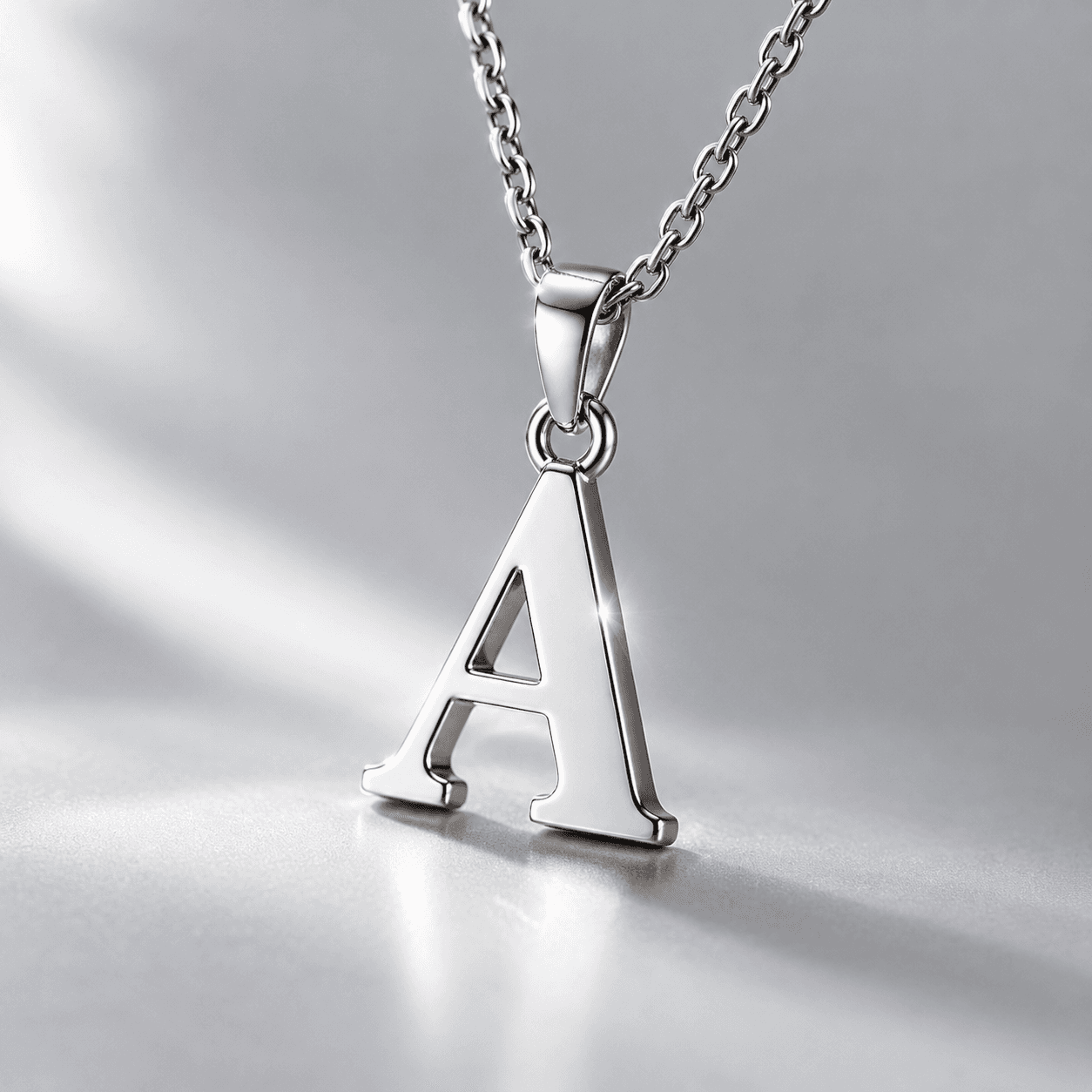
オリジナルのイニシャルネックレスチャームを開発するには、文字と金属の色を選ぶだけでは不十分です。ジュエリーブランド、卸売業者、B2B調達チームにとって、素材の仕様、チャームの厚さ、文字の形状、取り付け構造、表面処理の準備、仕上げの要件はすべて、完成部品の品質と製造の実現可能性に影響します。
316Lステンレス鋼は、モリブデンを含む低炭素のオーステナイト系ステンレス鋼で、ジュエリー用途で一般的に検討される素材です。耐食性や完成したチャームへの適性は、実際の素材、加工方法、表面状態、着用環境によって異なります。素材のグレードだけでは、ニッケル溶出性能、低アレルギー性への適合性、販売先市場の要件への準拠を保証することはできません。
このガイドでは、イニシャルのデザインデータを製造仕様書に落とし込む方法、研磨や装飾仕上げの選択肢を比較する方法、実物サンプルを評価する方法、そして実用的な見積依頼(RFQ)を準備する方法を説明します。Lefeng Jewelryは、プロジェクトサービスとして、OEM/ODM開発およびサンプル製作、CNC加工とレーザー加工、研磨、仕上げ、検品、カスタムロゴ加工、包装、輸出業務の調整を提供しています。量産承認前に、提案されたデザインに対する各工程の対応可否と適合性を確認してください。
イニシャルチャームに使用される316Lステンレススチールについて理解する
316L stainless steel is a low-carbon austenitic stainless steel containing molybdenum. It is commonly considered for jewelry components where corrosion resistance, a defined material specification, and compatibility with the intended manufacturing and finishing processes are important. The designation does not establish a charm's dimensions, finish quality, attachment strength, or finished-product compliance.
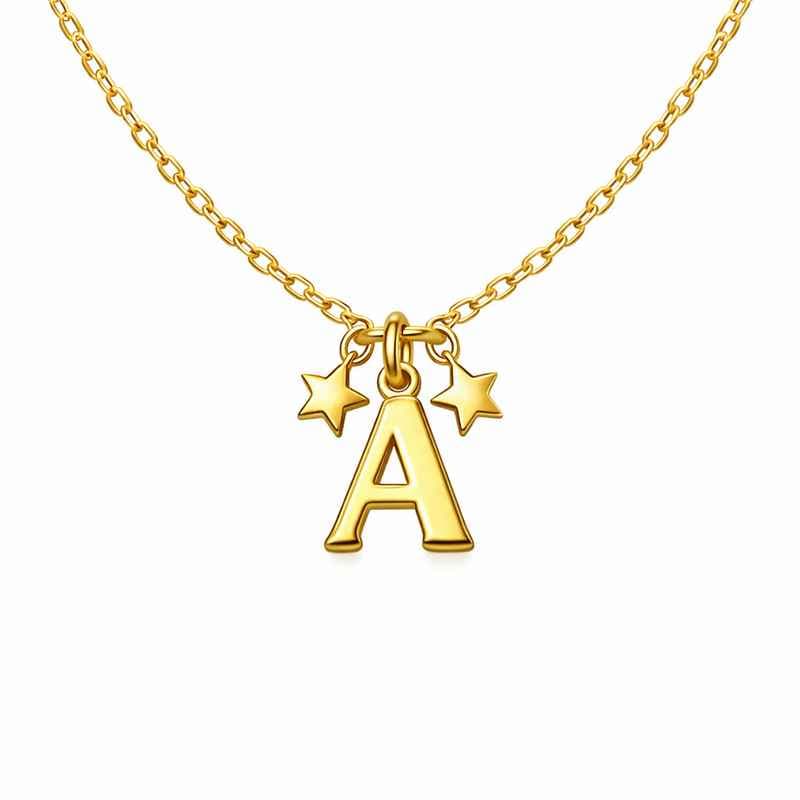
For initial pendants, assess the material alongside the intended design. Record the letterform, overall width and height, thickness, edge profile, attachment configuration, and target surface finish. These details help the supplier assess manufacturing feasibility and identify whether engraving, colored coatings, enamel, or stone accents can be accommodated within the design.
Stainless steel corrosion resistance is associated with its chromium-rich passive surface film. Surface contamination, processing residues, finishing condition, and exposure to moisture, salts, cosmetics, or other substances can affect finished-product behavior. A 316L designation should not be interpreted as proof that a charm is corrosion-proof, hypoallergenic, nickel-free, or compliant with every destination market's regulations.
For B2B sourcing, identify the material documentation and any composition, restricted-substance, or market-specific testing requirements in the RFQ. Ask the supplier to clarify the proposed material specification and the documents applicable to the actual product configuration. Review certificates and laboratory reports against the specified material, finish, and intended market rather than relying on a grade name alone.
文字の形状、厚み、取り付けデザイン
Initial charms must balance letter legibility, visual proportions, manufacturability, and attachment strength. Thin strokes, narrow internal openings, sharp corners, and delicate terminals can affect processing and finishing requirements. Supply vector artwork or a dimensioned drawing wherever possible, and specify the intended width, height, thickness, edge profile, and critical visual details.
Design the attachment as part of the charm geometry. An integral bail, separate jump ring, side loop, or drilled hole creates different requirements for spacing, alignment, movement, and hanging orientation. Identify the preferred configuration and show its position on the drawing so the supplier can assess the complete assembly.
Distinguish the pendant connection from the necklace closure. The bail or jump ring connects the charm to the chain; a lobster clasp or another selected closure secures the chain at its ends. During sample review, inspect the connection opening, alignment, movement, visible gaps, and the way the charm hangs when worn.
Use millimeters as the primary production units and state tolerances for dimensions that affect fit, appearance, or function. If dimensions remain provisional, identify the preferred proportions and request a feasibility review. Approve the silhouette, thickness, edge condition, attachment geometry, and compatibility with the selected chain before treating the drawing as the production reference.
表面処理、PVD仕上げ、装飾ディテール
表面処理と仕上げは、チャームの最終的な外観を大きく左右します。研磨によって光沢のある表面を作り出すことができる一方、合意したブラシ仕上げやテクスチャ加工を施すことで、より落ち着いた印象に仕上げることもできます。ゴールドカラーやローズゴールドカラーの仕上げには、デザイン上の実現可能性とサンプル承認を条件として、PVDまたはその他の適切なコーティング工程を採用することが考えられます。
物理蒸着(PVD)はコーティング工程であり、それ自体が独立した耐久性の規格を示すものではありません。工程名だけでは、最終的な色、コーティングの組成、厚さ、密着性、耐摩耗性、耐用年数は規定されません。仕上げの耐久性が商業上重要な場合は、生産開始前に関連する評価方法と合格基準について合意し、必要に応じて裏付けとなる証拠資料を求めてください。
正面、側壁、縁、凹部、文字の内側の開口部、取り付け部分を検査してください。細部のわずかな違いによって、研磨の不均一、コーティングのムラ、仕上げの境目が特に目立つことがあります。エナメル、ジルコン、クリスタル、パールの装飾を施す場合は、配置、位置合わせ、仕上げの境目を、承認済みのアートワークおよび基準サンプルと照合してください。
仕様書では、母材、表面処理、コーティング、装飾部品をそれぞれ区別して記載してください。希望する鋼材のグレード、目標色、表面テクスチャ、判明している場合は提案するコーティング工程、合意済みの外観検査や耐久性試験を明記してください。外観の基準として実物サンプルを承認する一方、性能特性を確認するには追加試験が必要となる場合があることにも留意してください。
初回デザイン案から承認済みの量産サンプルまで
サンプル開発では、デザインコンセプトを、外観、製造可能性、仕様への適合性を評価できる部品へと具体化します。承認済みの文字デザインデータ、目標寸法、希望する厚さ、取り付け位置、仕上げ、装飾の詳細、刻印の指示、および想定するネックレスの構成をご提供ください。デザインに細い線、小さな開口部、または正確なロゴ配置が含まれる場合は、ベクターファイルや寸法入り図面が特に役立ちます。
ブランドコレクションの場合は、承認済みのロゴファイルをご提供のうえ、その配置位置、向き、おおよそのサイズを明示してください。また、ロゴ、文字形状、チャームの縁の位置関係についても、必要な条件をご指定ください。その後、サプライヤーが実現可能性を検討し、サンプルの最終確定前に、協議のための調整案を提案できます。
Lefeng Jewelryは、OEM/ODMのデザイン開発とサンプリング、CNC加工およびレーザー加工、研磨、PVDまたはその他のめっき加工、エナメル加工と石留め、検査、カスタムロゴ加工、包装、輸出調整を、プロジェクトサービスとして提供していると説明しています。提案された工程に合意する前に、対象となるデザイン、素材、注文内容に適した加工方法と対応可能な工程を確認してください。
サンプルは、デザイン上の好みと測定可能な合格基準という、2つの異なる基準に照らして評価してください。デザインの修正では、文字の比率、色、視覚的なバランスなどを検討します。一方、品質検査では、寸法の適合性、エッジの状態、仕上げの被覆状態、取り付け位置の整合性、指定された装飾の詳細を確認する必要があります。修正内容は図面のバージョンまたはデザインデータファイルごとに記録し、量産を承認する前に、最終的な基準サンプルと仕様書を承認してください。
初期チャームおよびネックレス組立品の品質管理
Quality control should connect the approved drawing and material specification to identifiable inspection points throughout production. For an initial charm, define the checks that apply to the design and distinguish visual inspection from dimensional, chemical, and functional testing. The appropriate controls depend on the product configuration and the buyer's stated requirements.
For the charm itself, consider letter shape, overall dimensions, critical thickness, edge condition, surface defects, finish consistency, attachment-hole or loop position, and decorative setting. Where engraving or a custom logo is specified, include placement, legibility, and conformity to the approved artwork.
For an assembled necklace, inspect the charm-to-chain connection, jump rings or bail, chain links, extension chain if included, clasp operation, and hanging orientation. If attachment strength, coating adhesion, wear resistance, or another performance characteristic is important, define a suitable test method and acceptance criteria before production. Appearance alone does not establish performance.
Identify any required material certificates, chemical-composition reports, restricted-substance assessments, or destination-market compliance documents in the RFQ. Applicability depends on the material, finish, assembled product, intended market, and relevant requirements. Verify that each document or report covers the actual product specification and requested evaluation.
プライベートブランドおよび卸売向け初期コレクションの企画
Initial charms can support a coordinated private-label collection when shared specifications are separated from letter-specific design details. Establish common rules for material grade, dimensional ranges, thickness, attachment geometry, finish family, chain configuration, and packaging. Individual letters can then be documented within the same design framework.
For wholesale programs, distinguish fixed requirements from selectable options. Fixed elements may include the specified steel grade, chain type, attachment method, and packaging format. Variable elements may include the letterform, engraving, logo placement, enamel color, decorative setting, and finish. Mark each option as confirmed or subject to feasibility review so the supplier can identify which versions require separate samples or drawings.
A master specification can document shared requirements, while individual artwork files or drawings capture letter-specific dimensions and details. Before placing an order, confirm the applicable sampling plan, minimum order quantity (MOQ), pricing, and production arrangements for the proposed range. Commercial terms may differ between standard configurations and more customized variants.
For related sourcing information, explore OEM/ODM manufacturing services, stainless steel necklaces, stainless steel charms, and new stainless steel jewelry designs. The buyer insights section and blog offer additional context for product development and sourcing decisions.
カスタムイニシャルネックレスチャームのRFQ(見積依頼書)の作成
A useful request for quotation (RFQ) enables the supplier to assess design feasibility, identify unresolved specifications, and prepare a sample-development proposal. For custom initial necklace charms, provide the following information wherever available:
- Initial artwork, reference images, or dimensioned drawings
- Requested stainless steel grade and material-documentation requirements
- Charm width, height, thickness, edge profile, and critical tolerances
- Attachment method, chain type, chain length, and closure requirements
- Surface preparation, target color, proposed coating process, and decorative details
- Logo or engraving artwork, position, orientation, and size
- Packaging, labeling, and private-label requirements
- Destination sales market and applicable compliance or testing requirements
- Sample quantity, estimated order range, and target price if available
If dimensions or processes are undecided, describe the preferred appearance and ask the supplier to review feasible options. Clearly distinguish confirmed requirements from proposals that remain subject to technical review or sample approval.
Before approving a sample, define the acceptance criteria that matter most: critical dimensions, letter proportions, edge condition, finish consistency, attachment alignment, hanging orientation, and any required functional or performance checks. State whether material documents, laboratory reports, or compliance assessments are required and confirm their applicability before production.
Sample approval and bulk-production authorization should be separate decisions. After reviewing the physical sample and commercial proposal, confirm the final drawing, material and finish specifications, assembly, packaging, order quantity, and agreed inspection criteria in writing. This creates a common reference for subsequent production without treating an unapproved proposal as a final manufacturing specification.
316Lステンレススチール製イニシャルネックレスチャームに関するよくある質問
カスタムイニシャルチャームのお見積もり(RFQ)を依頼する
To request an RFQ or begin sample development, send your initial artwork, requested material grade, dimensions and thickness, attachment design, chain requirements, finish, decorative details, logo or engraving instructions, packaging requirements, destination market, and estimated order range. Include any required material documents, laboratory tests, or compliance reports so their applicability can be reviewed before production planning.
Lefeng Jewelry describes OEM/ODM design development and sampling, CNC and laser processing, polishing, finishing, inspection, custom logo work, packaging, and export coordination among its project services. Confirm the availability and suitability of individual processes for your design before finalizing the manufacturing specification. For additional sourcing information, visit Lefeng Jewelry's factory information or contact the team for an RFQ.
A clearly documented specification and approved sample provide a practical basis for confirming the final design, inspection criteria, and commercial terms before bulk production is authorized.
Related resources
Related resources
- 316L Stainless Steel Earrings for Sensitive Ears: A B2B Buyer’s Quality Checklist
- Stainless Steel Heart Charms: A B2B Buyer’s Guide to Premium Finishes
- Lefeng Jewelry - OEM/ODM Stainless Steel Jewelry Manufacturer
- Gold Plated Stainless Steel Jewelry: Durability and Sourcing Guide
- Why Is Stainless Steel Heart Charm Waterproof? 316L Guide
- Wholesale Stainless Steel Jewelry: Quality, Sourcing, and Private-Label Guide for OEM/ODM
- Stainless Steel Necklace
- How to Choose Hypoallergenic-Positioned Stainless Steel Jewelry for E-commerce
- Why Choose Stainless Steel Jewelry: A Retail Buyer Guide
- What Buyers Should Know: Does Stainless Steel Heart Charm Tarnish