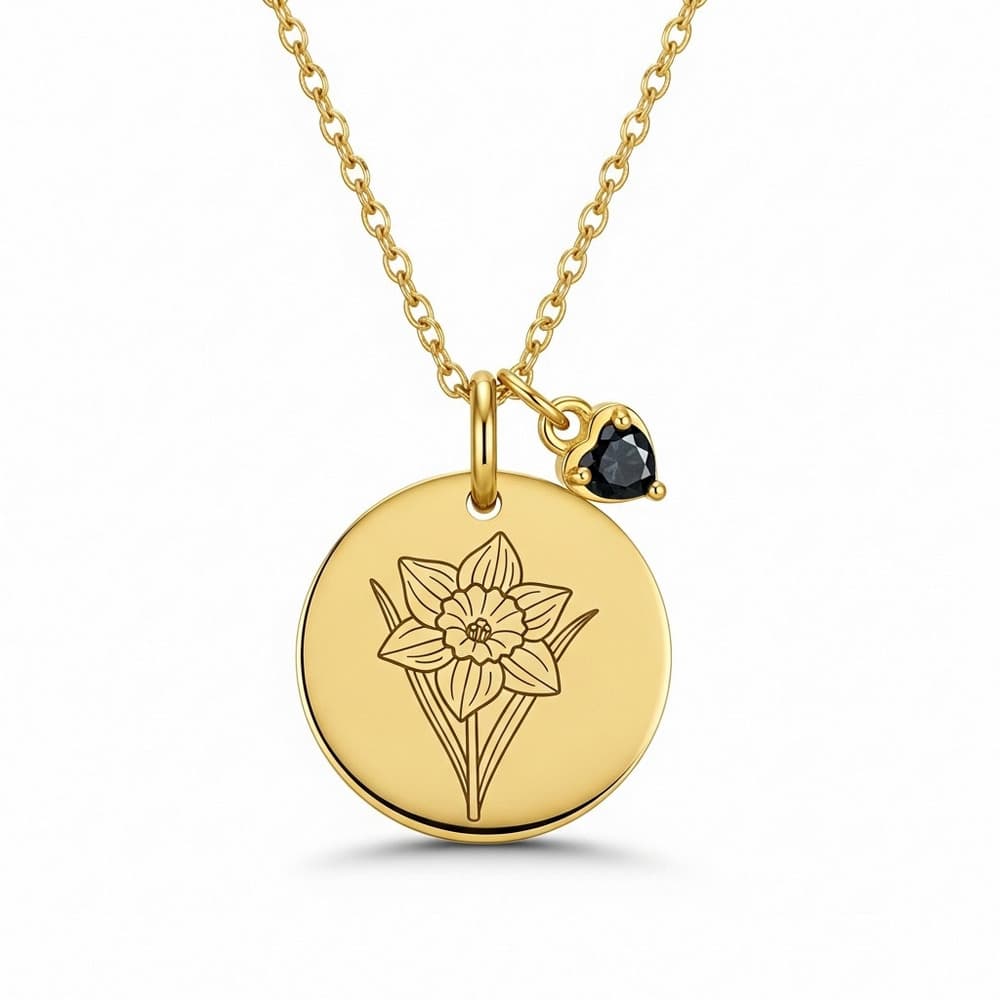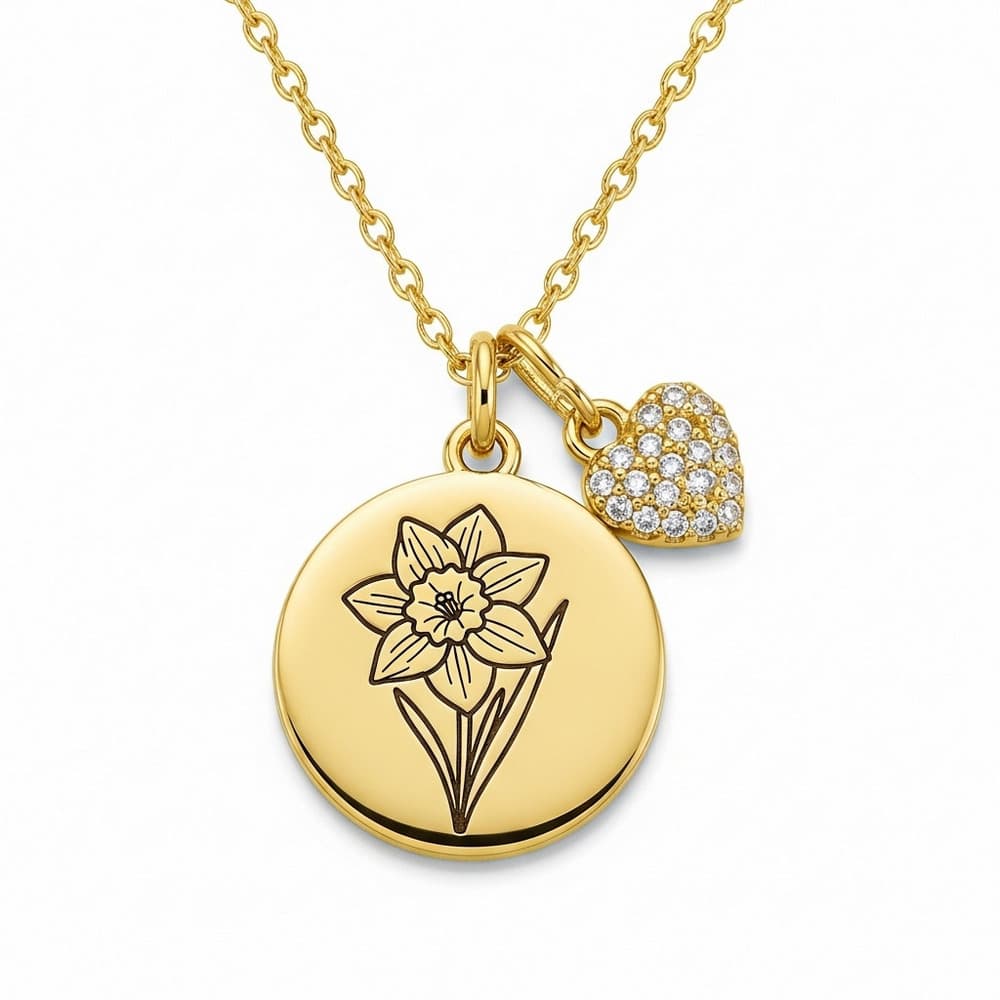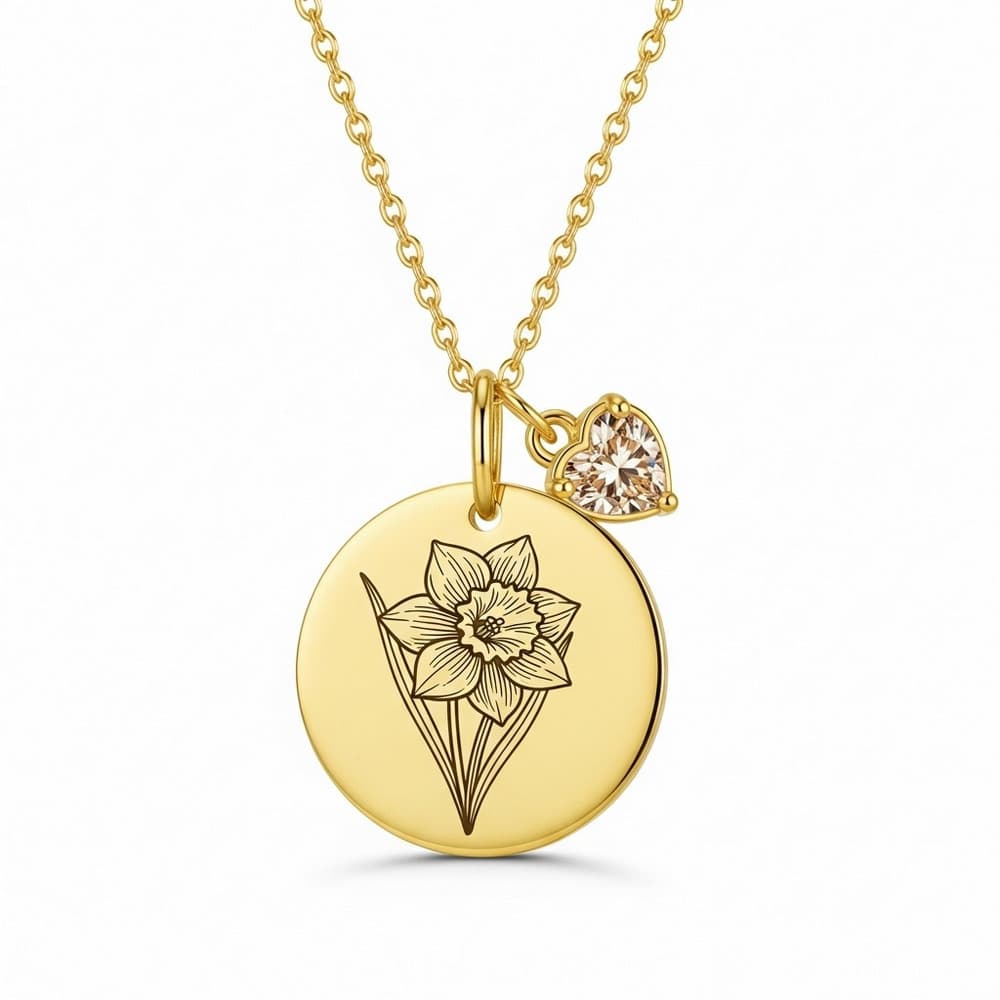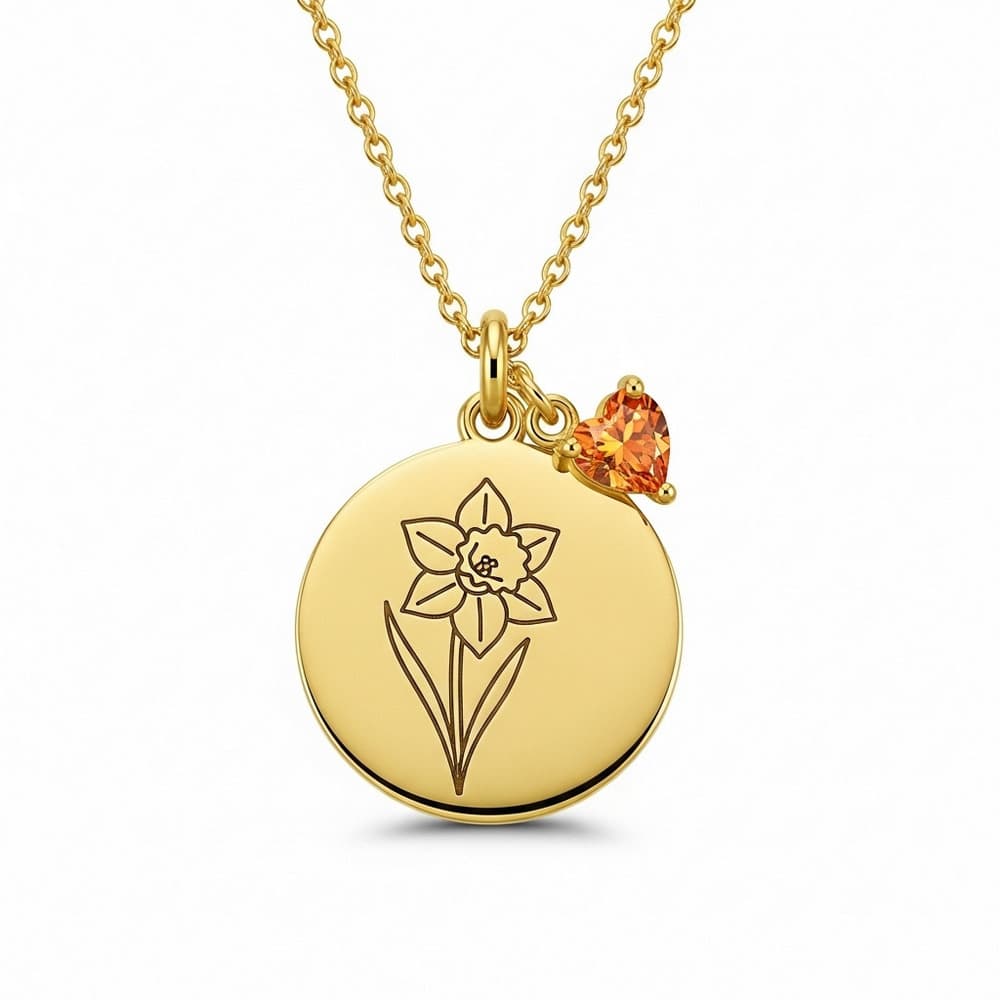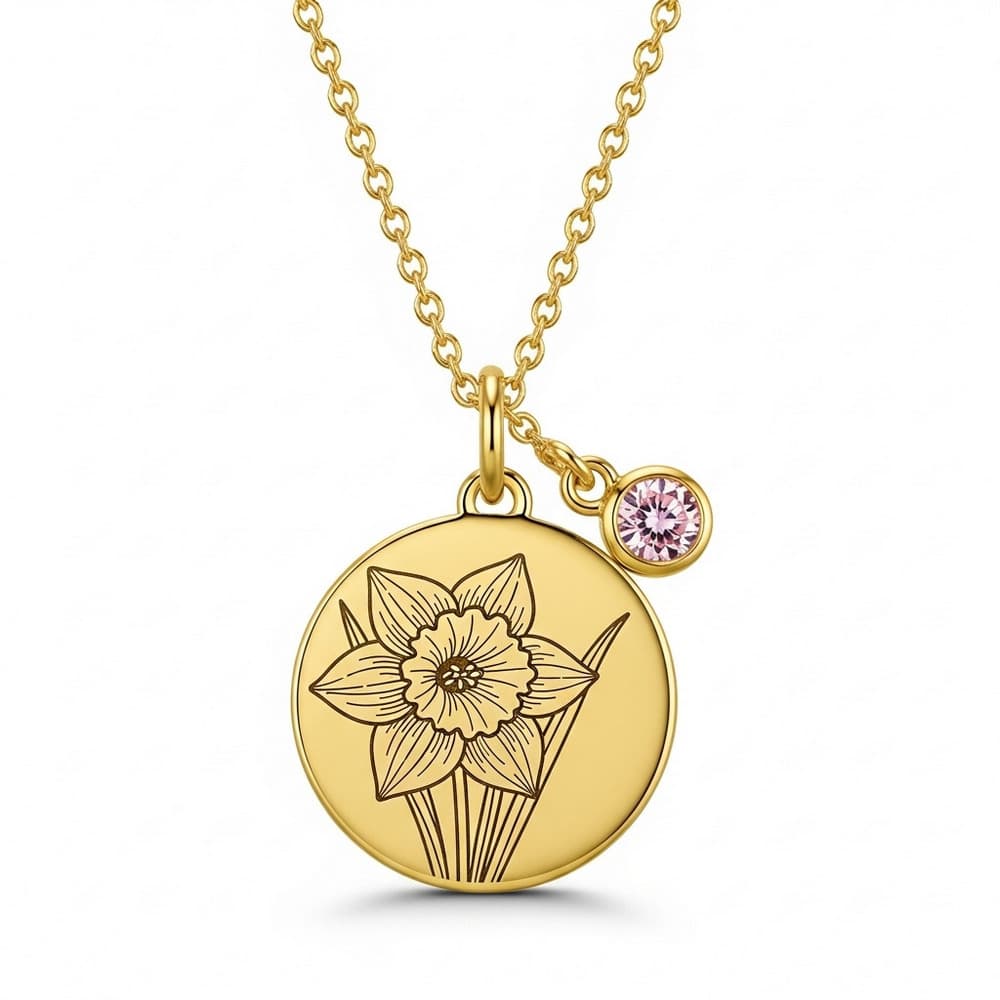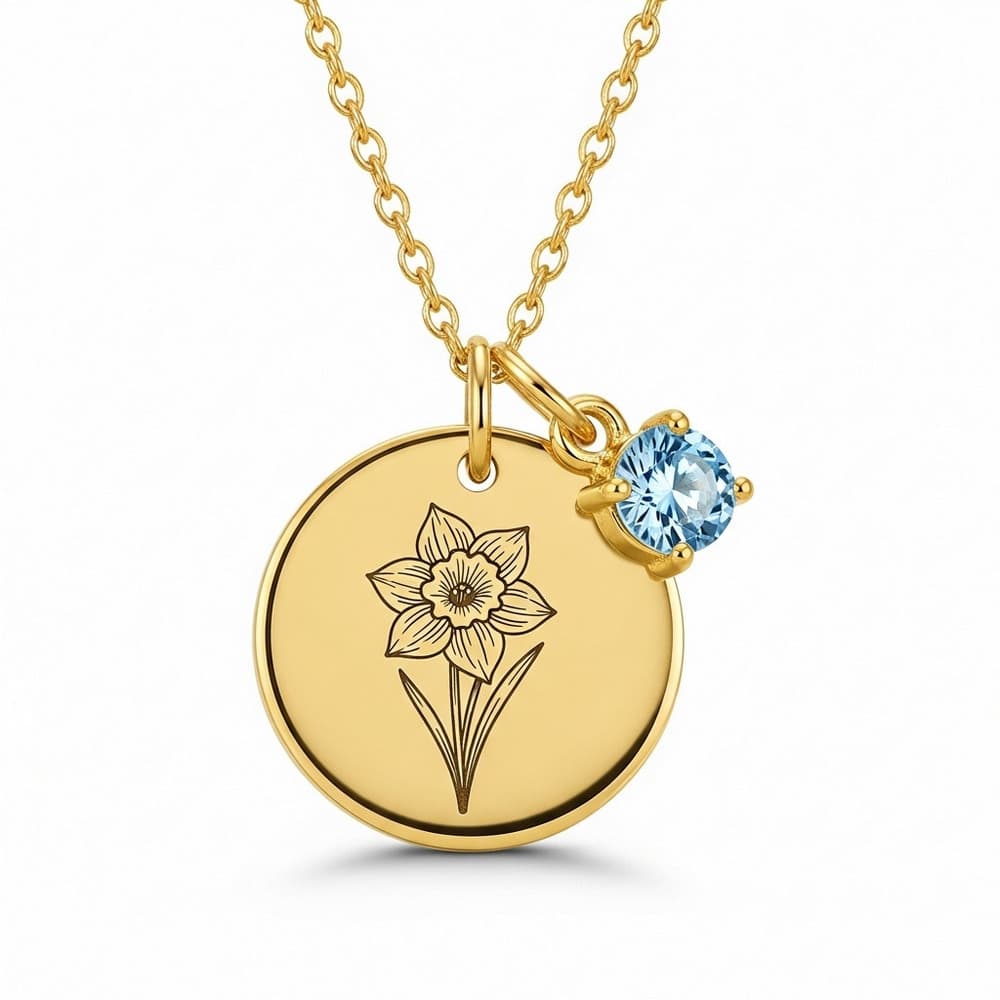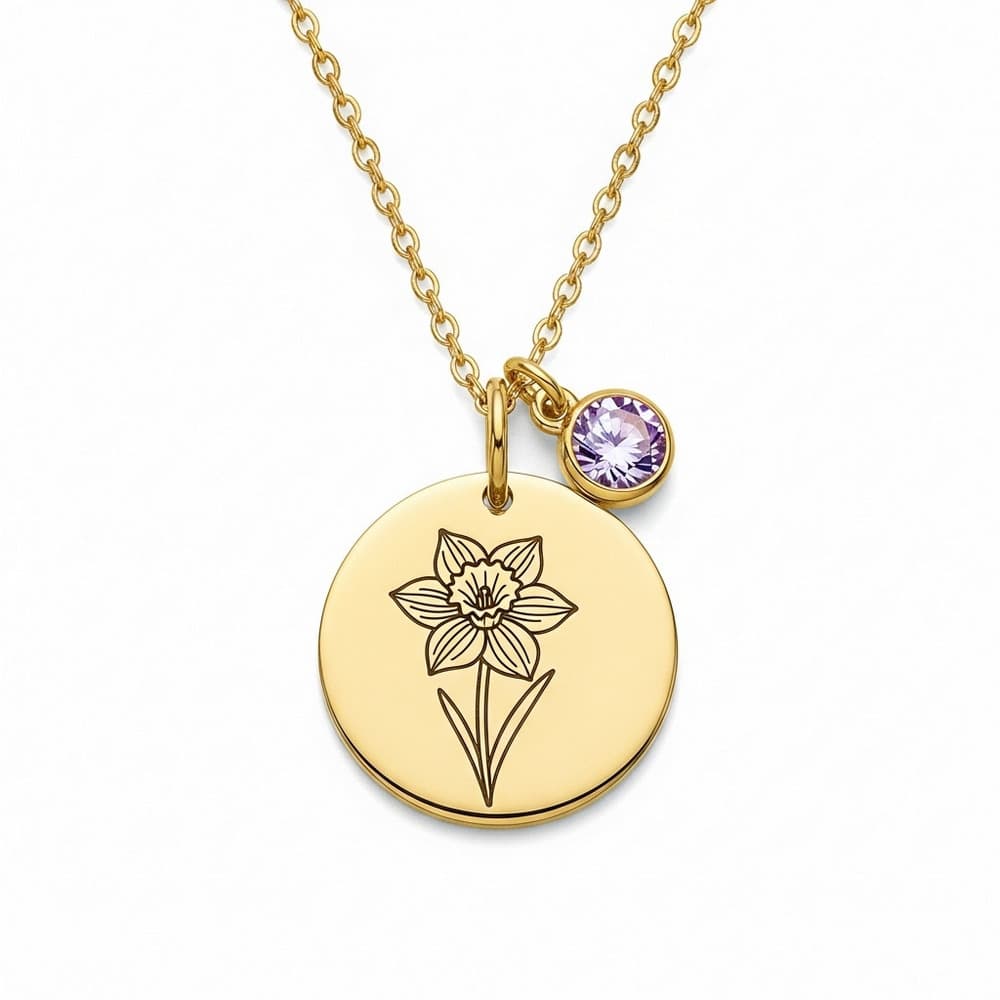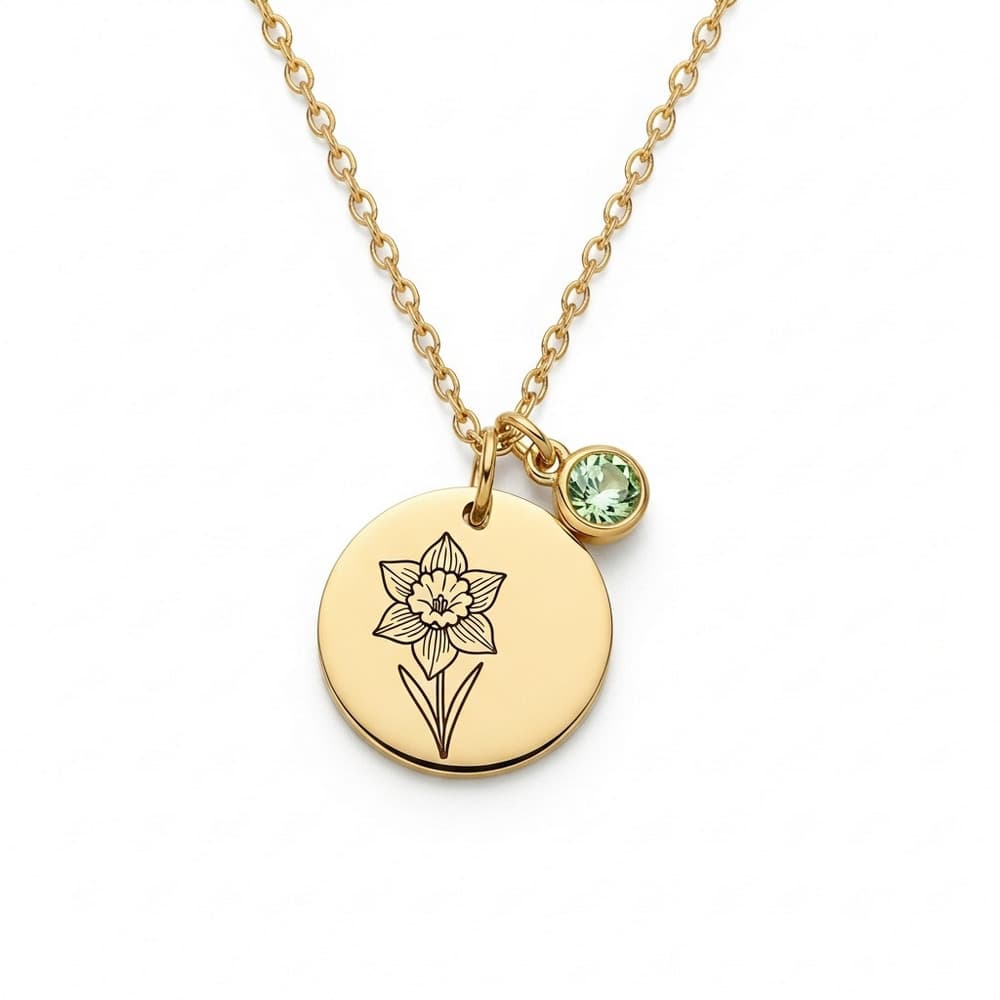
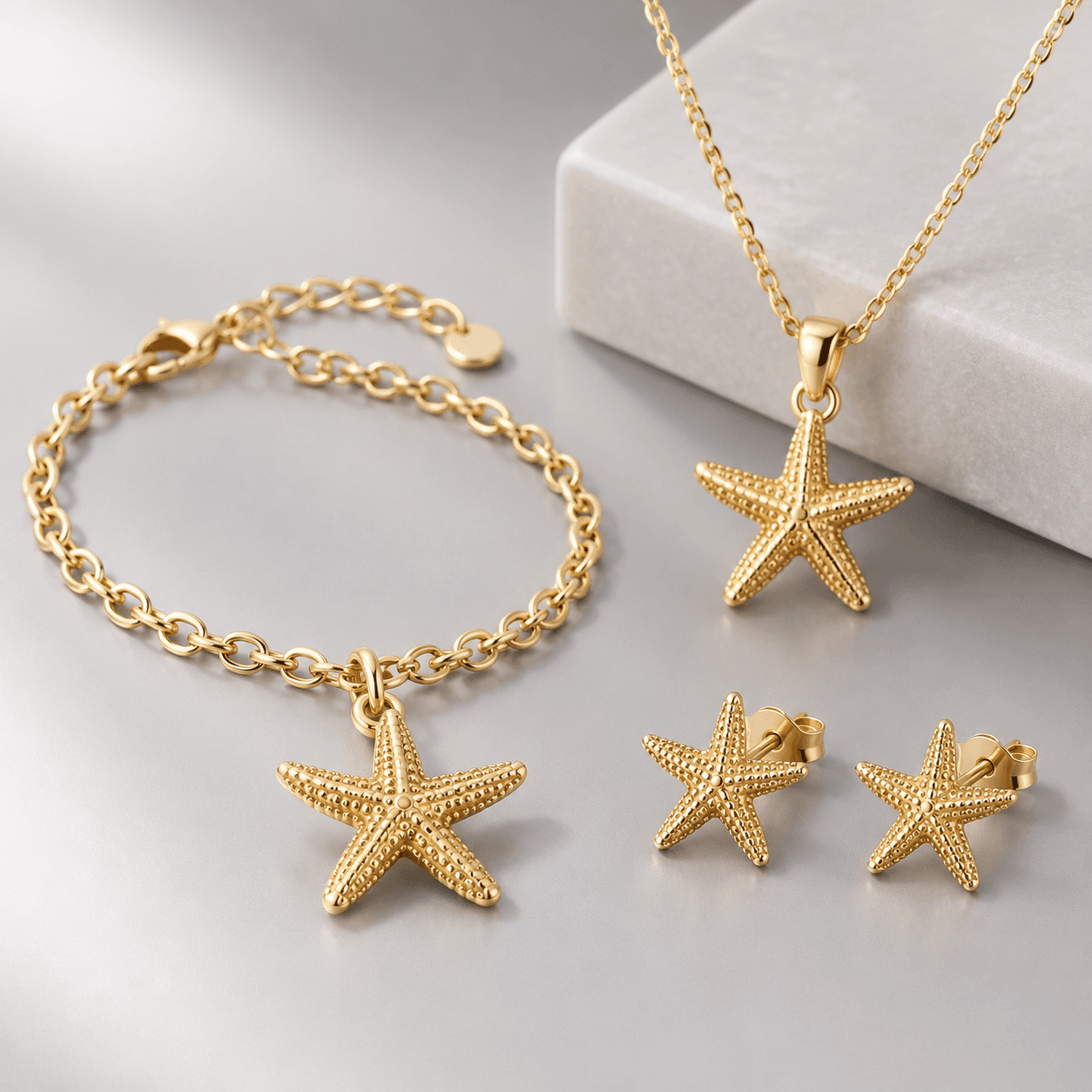
A starfish charm bracelet combines marine-inspired design with practical jewelry engineering. For jewelry designers developing a boutique jewelry collection, private label jewelry range, or wholesale jewelry program, material selection influences appearance, structural integrity, surface finishing, and long-term product consistency. Understanding how stainless steel grades, decorative finishes, charm geometry, and attachment hardware work together helps turn an initial design concept into a manufacturable product.
This material guide examines the technical considerations behind a custom starfish charm bracelet, from selecting 316L stainless steel and evaluating PVD gold plating to planning sampling, stone setting, and quality control. Buyers can use these manufacturing considerations when discussing design development, sample production, CNC and laser processing, polishing, finishing, inspection, custom logo work, and packaging with Lefeng Jewelry or another qualified supplier. The aim is to prepare more precise specifications and develop commercially practical collections.
ヒトデチャームブレスレットの素材要件を理解する
The first step in designing a starfish charm bracelet is understanding how the base material influences the finished product. Stainless steel is a practical option for jewelry designers who need a defined metal appearance, consistent component geometry, and flexibility across different bracelet constructions. Within stainless steel options, 316L stainless steel and 304 stainless steel should be evaluated according to the intended product specification, component function, finishing requirements, and target market expectations.
316L stainless steel is particularly relevant when a design requires a refined metal surface and a carefully specified material composition. Its chromium content contributes to the formation of a passive surface layer, while its molybdenum content distinguishes it from common 304 stainless steel. These material characteristics are relevant to corrosion-resistance considerations, although actual product performance depends on the complete alloy specification, manufacturing process, surface condition, and intended environment. Designers should avoid treating a material grade alone as proof of a finished bracelet's performance.
For a starfish charm bracelet, the base material must also suit the dimensions and construction of the decorative element. A small starfish charm may require fine surface detailing, while a larger charm may need a different thickness and attachment configuration. During supplier discussions, buyers can review design development, sampling, polishing, inspection, and other requested processes against the confirmed project scope. Buyers can also review the available stainless steel bracelet collection when evaluating product structures and potential development directions.
ヒトデチャームの形状、構造、製造上の考慮事項
ヒトデのシルエットは重要なデザイン要素ですが、その製造性は外周の輪郭だけで決まるものではありません。デザイナーは、腕の数、中央ボディのプロポーション、エッジの明確さ、表面のレリーフ、厚み、取り付け位置を考慮する必要があります。5本腕のシルエットは一般的なデザインの方向性ですが、プロポーションを調整することで、さまざまなビジュアルアイデンティティを生み出せます。丸みを帯びた腕はより柔らかな印象を与え、より明確な輪郭はシャープで装飾的なプロファイルを生み出します。選択した形状は、想定される製造および仕上げ工程に対して実用的である必要があります。
厚みと構造の移行部分には、特に注意を払う必要があります。ヒトデの腕の近くにある非常に狭い部分は、取り扱いや研磨作業へのアクセス、完成した輪郭の一貫性に影響を及ぼす可能性があるため、追加のデザイン検討が必要になる場合があります。凹部のディテールや隆起したテクスチャーについても、金型や仕上げとの関係を考慮する必要があります。CNCおよびレーザー加工は、明確な形状やディテールの開発をサポートし、研磨によってアクセス可能な表面を整えることができます。適切な製造方法は、承認済みの図面、寸法、必要な表面仕上がりによって異なります。
取り付け設計も同様に重要です。ヒトデのチャームは、適切なサイズの丸カン、一体型ループ、または指定された別の接続方法によってブレスレットに取り付けることができます。接続部は、意図しない向きになったり、隣接するブレスレット部品の動きを制限したりすることなく、自然な動きを支えられる位置に配置する必要があります。デザイナーは、技術仕様書にチャームの意図した向き、ループ寸法、接続クリアランス、ブレスレットの構造を記載してください。その他のデザイン案については、Lefeng Jewelryのステンレススチールチャームと新しいジュエリーデザインをご覧ください。
PVDゴールドメッキと装飾表面仕上げの選択
表面仕上げは、ヒトデチャームブレスレットの外観特性に大きな影響を与えます。研磨されたステンレススチール表面は、すっきりとしたメタリックな外観を生み出す一方、PVDゴールドプレーティングはゴールドカラーの仕上げを施し、より温かみのあるコレクションの方向性を支えることができます。ローズゴールドプレーティングも、別の仕上げオプションとなります。デザイナーは、コレクション全体のカラーパレット、想定する小売ポジショニング、そしてチャーム、ブレスレットチェーン、接続部品の視覚的な調和に基づいて仕上げを選択する必要があります。
PVD、すなわち物理蒸着は、管理された真空条件下で、準備された表面に材料を堆積させるコーティング技術です。ジュエリー製造において、PVDゴールドプレーティングは、装飾用のゴールドカラー表面を形成する方法として重要です。ただし、完成品の仕上がりは、下地処理、表面の清浄度、コーティング仕様、部品形状、工程管理に左右されます。したがって、技術的に詳細な設計では、希望する仕上げ、色の基準、光沢レベル、ならびにブレスレットのすべての部品に同じ処理が必要かどうかを指定する必要があります。
表面処理は、仕上げ開発における重要な要素です。研磨跡、エッジ、凹部、取り付け部分は、最終コーティングの外観に影響を与える可能性があります。デザイナーは、一定の照明条件下でサンプルを確認し、主要な装飾面だけでなく、目立ちにくい構造面も検査する必要があります。特定のコーティング関連文書や性能証拠が求められるプロジェクトでは、量産前に関連要件を特定しておく必要があります。Lefeng Jewelryは、すべての仕上げが同一の特性を持つと仮定するのではなく、確定した仕様に基づいて要求された仕様を確認し、該当する文書について相談することができます。
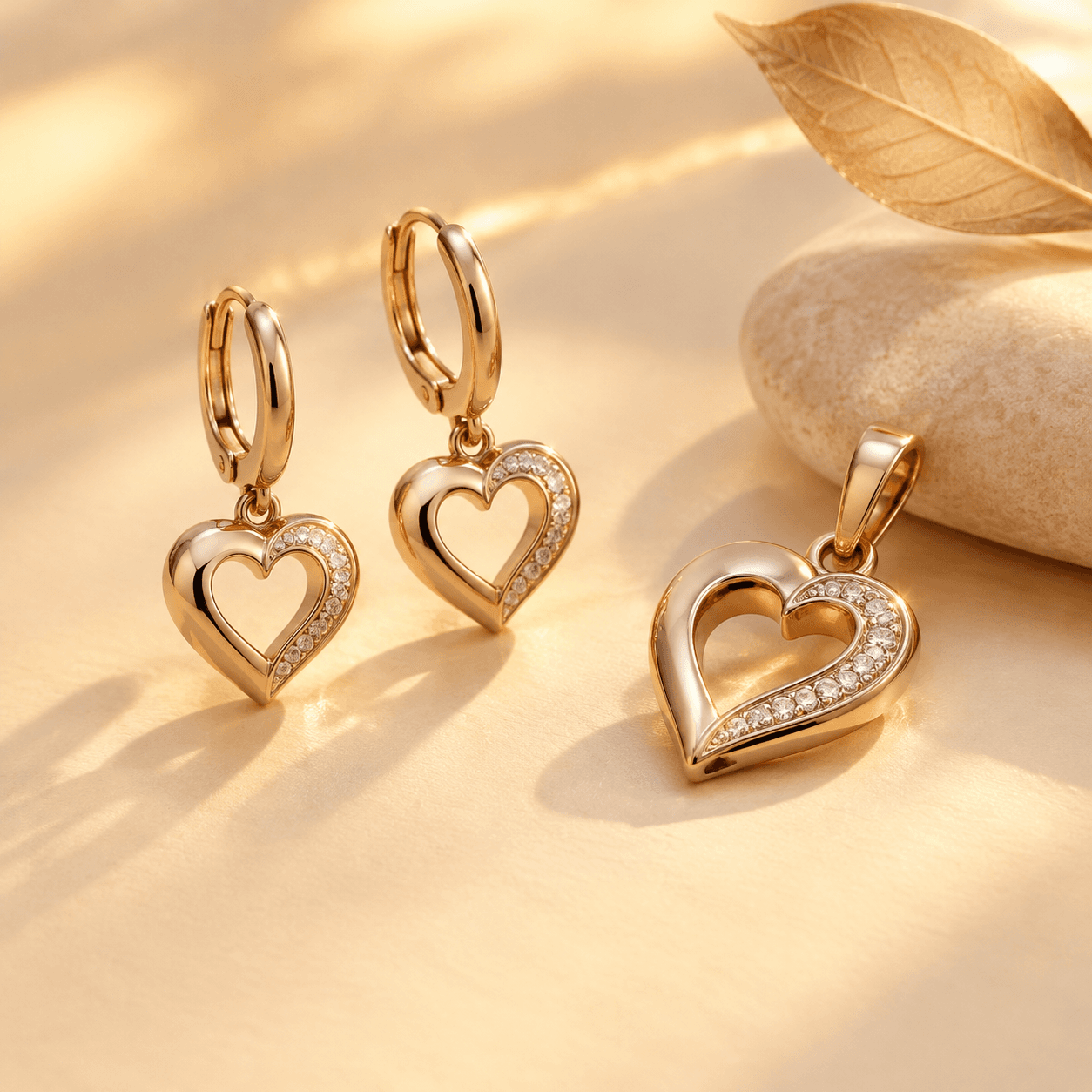
調和の取れた製品シリーズでは、承認された構造に適している場合、デザイナーはエナメル、ジルコン、クリスタル、またはパールのディテールも検討できます。追加する装飾要素には、それぞれ固有のセッティングおよび検査上の考慮事項が生じます。目的は、明確に伝達でき、合意した工程を通じて再現でき、承認済みサンプルと照合して確認できる仕上げ仕様を確立することです。
質感、カラー、装飾ディテールの融合
ヒトデチャームブレスレットは、基本的な製品カテゴリーを変えることなく、クリエイティブなカスタマイズを行うさまざまな可能性を提供します。チャームの表面には、滑らかに研磨された部分、凹状のライン、立体的なテクスチャー、または明確に定義された輪郭を施すことができます。これらの加工は、光が金属とどのように相互作用するか、そしてヒトデの形状がどれだけ明確に見えるかに影響します。デザイナーは、視覚的なアイデンティティに不可欠なディテールと、意味のある価値を加えずに製造を複雑にする可能性のあるディテールを判断する必要があります。
エナメルは、選択した凹部に計画的な色のアクセントを加えることができ、ジルコンやクリスタルは、適切なセッティング構造によって装飾的な焦点を生み出せます。デザインにより柔らかな装飾的コントラストが求められる場合は、パールの要素も検討できます。それぞれの選択肢には、具体的な配置計画が必要です。たとえば、小さな中央の石には適切な受け座と確実なセッティング形状が必要になる一方、エナメルには適切な凹部寸法と明確な境界が求められます。これらのディテールは、主要構造の完成後に追加するのではなく、実際の部品寸法を基準に設計する必要があります。
異素材のコンセプトでは、接合部に特に注意が必要です。ブレスレットは、ステンレススチール製の構造部品と、925スターリングシルバー、銅、亜鉛合金など、別の構成材料で作られた装飾要素を組み合わせる場合があります。このような組み合わせは、各部品の機能上の役割、接合方法、表面仕上げ、検査要件に基づいて評価する必要があります。購入者が何を製造するのかを正確に理解できるよう、承認済みの仕様書には材料リストと各部品の役割を明確に記録する必要があります。
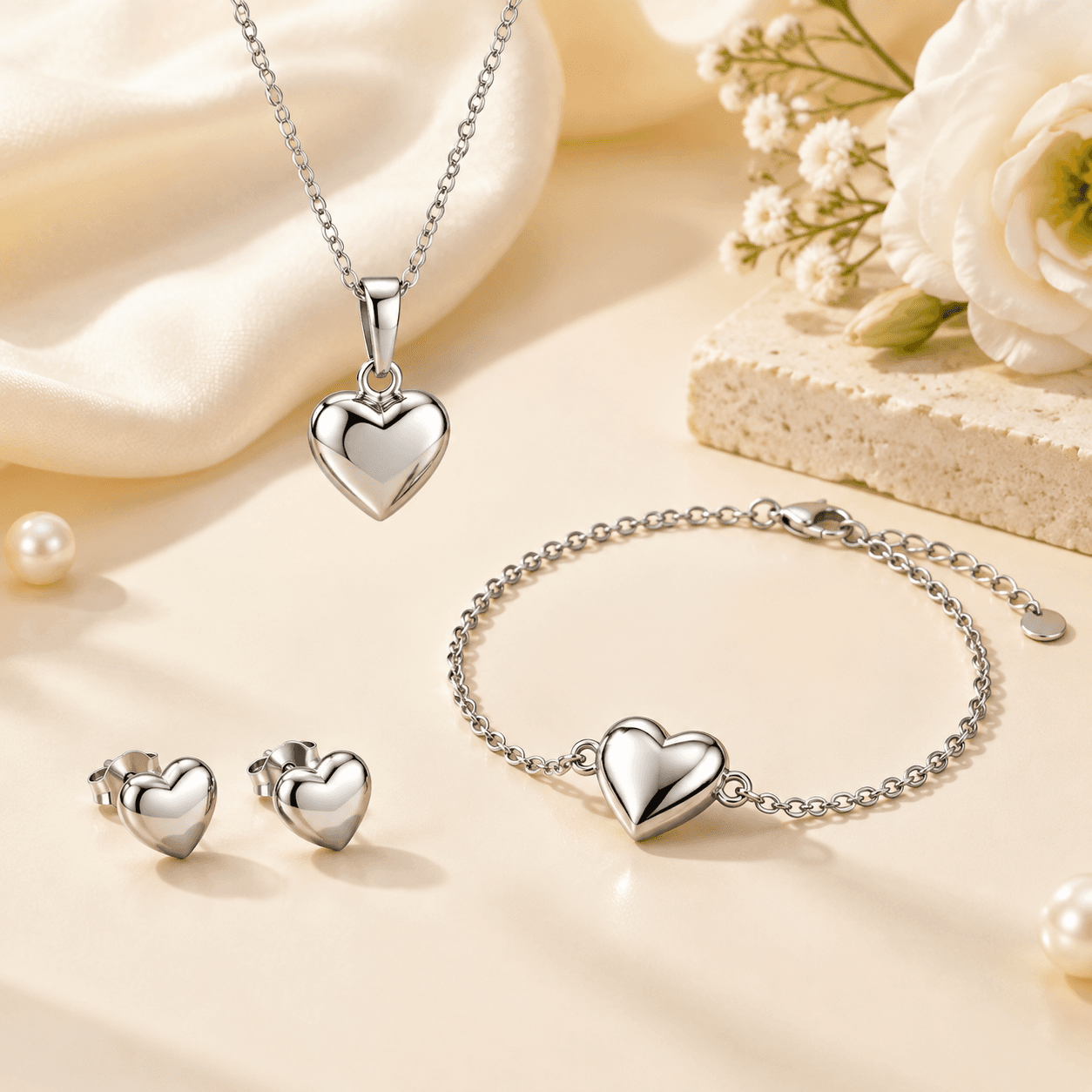
デザイナーは、ブレスレット、ネックレス、イヤリング、リング全体に一貫した装飾言語を適用することで、統一感のあるコレクションを開発できます。ヒトデのモチーフを中心的なビジュアル要素としながら、サイズ、仕上げ、石の配置の違いによって製品ごとの変化を生み出せます。コーディネートした製品開発を計画する際は、ステンレススチールネックレスのラインナップ、ステンレススチールイヤリング、ステンレススチールリングをご覧ください。
ブレスレットチェーンのデザイン、チャームの配置、着用時のプロポーション
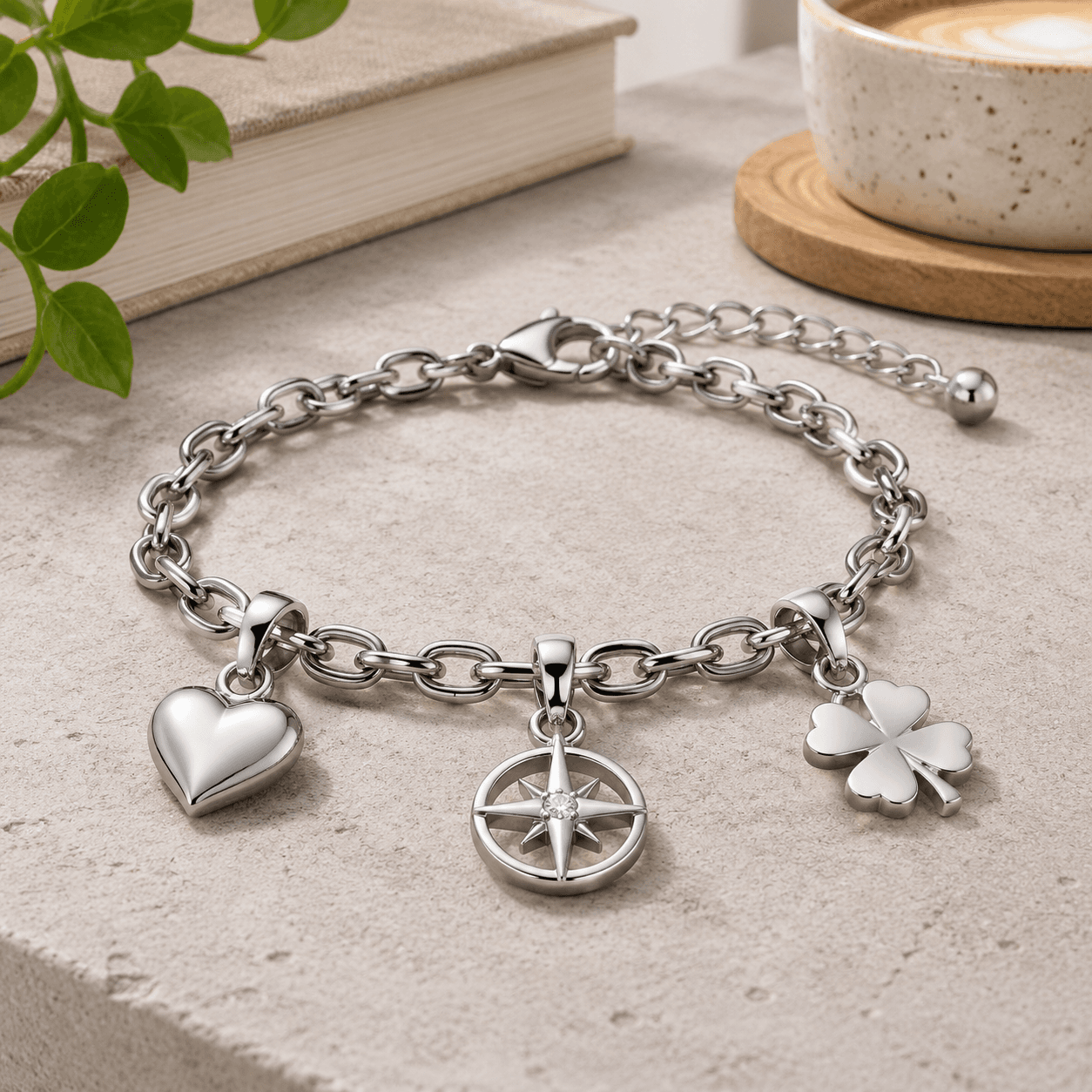
ブレスレットの構造は、ヒトデチャームがどのように配置され、動き、手首と相互作用するかを決定します。デザイナーは、希望する外観と承認済みの製造設計に応じて、チェーンブレスレット、リンクベースの構造、またはその他の適切なブレスレット形式を検討できます。チェーンリンクの寸法、ブレスレットの長さ、延長チェーンの構成、留め具の選択は、総合的に評価する必要があります。単独の図面ではバランスよく見える装飾チャームでも、動くブレスレットに取り付けると印象が異なる場合があるため、サンプリング時に完成した組み立て状態を確認してください。
チャームの配置は、視覚的なバランスと製品の機能性の両方に影響します。中央に配置したヒトデチャームは明確な焦点を生み出し、複数の装飾要素を使用すると、ブレスレット全体に視覚的な関心を分散させることができます。取り付けループと丸カンは、チャームとチェーンに適した比率でなければなりません。動きが過度に制限されるとチャームが不自然に収まることがあり、接続方法が適切でないと望ましくない回転が生じる可能性があります。そのため、意図した動きと向きは平面デザイン画像だけで判断せず、サンプルで確認できるようにしてください。
留め具の選択も、実用面で考慮すべき事項です。ロブスタークラスプは、チェーンの適切な端部に配置されるブレスレット用の独立した留め具であり、ヒトデチャームに直接接続する取り付け部品ではありません。その寸法は、ブレスレットチェーンと想定される使用感に適したものでなければなりません。デザインに組み込む場合、延長チェーンによって長さの調整に柔軟性を持たせることができます。デザイナーは、各部品を生産時に個別に評価できるよう、留め具の種類、接続部の寸法、チェーンの長さ、延長部分の長さをそれぞれ個別に指定してください。
デザインを確定する前に、平らな面に置いた状態と自然にカーブさせた状態の両方で、ブレスレット全体を確認してください。ヒトデチャームの見た目のバランスが保たれていること、接続リングが適切に取り付けられていること、クラスプが意図どおりに機能すること、そして各部品が互いに干渉していないことを確認します。この組み立てを重視したアプローチにより、ステンレススチールジュエリーメーカーは、プロジェクトがサンプル開発の段階を越える前に設計の調整箇所を特定できます。
サンプル開発:ヒトデチャームのコンセプトを生産仕様に変える
Sampling is the stage where a jewelry designer can evaluate whether a creative concept translates into a practical manufacturing structure. A useful starfish charm bracelet development brief should include a reference drawing or visual concept, overall bracelet dimensions, charm measurements, material grade, surface finish, connection details, and any decorative requirements. If the design includes enamel, zircon, crystal, or pearl, the location and construction of each decorative feature should also be documented. More complete information reduces ambiguity during technical review.
During an OEM or ODM supplier discussion, the project may progress from concept review to sample production through design development, CNC and laser processing, polishing, PVD or other configured finishing, decorative setting, and sample inspection, subject to the confirmed project scope. Designers should treat the first sample as an opportunity to review both appearance and construction. The charm silhouette, metal thickness, surface transitions, attachment position, chain proportions, and closure arrangement should be compared with the original design intention.
Sample feedback should be specific and measurable wherever possible. Instead of requesting a charm that simply looks more balanced, provide the preferred position, dimension, proportion, or drawing revision. Instead of requesting a better gold color, provide a physical finish reference or an agreed color specification. This makes communication between the design team and factory more productive. Any revisions should be recorded so that the approved sample and production specification remain aligned.
Designers developing a private label jewelry range should also consider the commercial structure during sampling. The intended quantity, packaging requirements, logo placement, product variations, and target markets may affect the final specification. MOQ should be discussed against the actual design, material configuration, process requirements, and order scope rather than assumed to be identical for every product. Learn more about the available OEM and ODM manufacturing services and prepare project information for an initial technical discussion.
卸売ヒトデチャームブレスレットの品質管理チェックポイント
Quality control should cover the complete bracelet rather than concentrating only on the decorative starfish charm. A structured inspection approach begins with specification confirmation. The material grade, component dimensions, finish reference, connection structure, and approved sample should be available as the basis for review. Where multiple components use different configured materials or finishes, their individual specifications should be recorded clearly. This creates a practical reference for evaluating incoming materials, work-in-progress components, and assembled products.
During component processing, relevant inspection points include the starfish outline, arm proportions, edge condition, surface smoothness, recess definition, and attachment-loop geometry. Polishing should be reviewed for visible inconsistencies, while finished surfaces should be examined for unwanted marks and differences against the approved reference. For PVD gold plating and rose gold plating, the agreed visual finish should be checked across the relevant components. Decorative settings should be inspected for positioning and visible construction issues according to the approved design.
Final assembly inspection should examine bracelet length, chain connections, jump rings, charm movement, clasp operation, extension chain attachment, and overall appearance. Packaging review should confirm that the selected packaging configuration matches the order specification and that the product is presented appropriately for handling and shipment. These checkpoints are practical process controls, not a substitute for project-specific laboratory testing or external certification.
For buyers supplying products to the US, EU, UK, Canada, or Australia, regulatory and documentation requirements should be identified according to the destination market, product composition, and intended claims. If a certificate, material declaration, coating report, or specific test result is required, the buyer should identify the applicable standard and documentation scope during the RFQ stage. Lefeng Jewelry can review or discuss documentation arrangements for the confirmed specification. Any supplier's in-house inspection and finishing processes should be distinguished from external certification or independent test evidence.
For further buyer education, see manufacturing and sourcing insights, including material selection, bracelet inspection, and finishing considerations. A clear quality checklist gives designers and sourcing teams a shared basis for approving samples and reviewing production requirements.
商業的に実用的なプライベートブランドブレスレットコレクションの設計
A successful starfish charm bracelet collection should combine creative differentiation with a specification that can be manufactured and reviewed consistently. Designers can establish a core product structure and develop variations through charm dimensions, metal finishes, decorative accents, chain proportions, and packaging presentation. This approach allows a collection to maintain a recognizable design direction without requiring every variation to introduce an entirely different manufacturing structure.
For example, a collection may use one approved bracelet construction with different starfish charm surface treatments. One version could emphasize a polished stainless steel surface, while another could feature PVD gold plating. A further variation could introduce an enamel detail or a specified zircon setting. The feasibility of each variation should be evaluated according to processing requirements and the complete product specification. Designers should also consider whether the selected finishes and decorative details can be applied consistently across all related components.
Commercial planning should begin before the final sample approval. Buyers should establish the anticipated order quantity, SKU structure, packaging format, logo requirements, target retail positioning, and delivery-market documentation needs. A low MOQ request should be discussed in relation to the selected material, tooling or development requirements, finishing processes, and packaging configuration. Different variations may have different production considerations, so the factory should review the complete order plan rather than evaluate a single product image.
Buyers can discuss private-label development requirements with Lefeng Jewelry, including sampling, logo placement, packaging, inspection arrangements, and export documentation, subject to the confirmed project scope. Review the Lefeng Jewelry factory and company information to understand the available company information and prepare a project discussion. For a broader range of product options, explore the stainless steel bracelets collection before preparing a product list or RFQ.
ヒトデチャームブレスレットの素材に関するよくある質問
オリジナルのヒトデチャームブレスレットの開発を始めましょう
Ready to turn your starfish charm bracelet concept into a practical private label jewelry product? Share your design reference with Lefeng Jewelry for an initial manufacturing discussion. Buyers can discuss OEM and ODM design development, sample production, CNC and laser processing, polishing, PVD and plating, decorative setting, quality inspection, custom logo work, packaging, and export coordination according to the confirmed project scope.
For a useful RFQ, include your preferred material grade, such as 316L stainless steel or 304 stainless steel; charm dimensions and thickness; bracelet length and chain structure; connection and clasp requirements; desired surface finish; and any enamel, zircon, crystal, or pearl details. Attach technical drawings, reference photographs, color specifications, or an existing sample where available. Also indicate your target quantity, expected MOQ, number of design variations, logo requirements, packaging preferences, destination market, and any required material or product documentation.
If you are still developing the concept, Lefeng Jewelry can review the available information and discuss practical sample development considerations before the final specification is approved. You can contact our team for an RFQ, browse new stainless steel jewelry designs, or add relevant products to your quote list. A clear brief is the starting point for evaluating materials, confirming construction details, and developing a bracelet that reflects your collection requirements.
Related resources
Related resources
- How to Evaluate Quality in Stainless Steel Charm Bracelets
- Why Is Stainless Steel Heart Charm Waterproof? 316L Guide
- Best Stainless Steel Heart Charm Ideas: A Buyer's Design Guide
- Stainless steel jewelry gift ideas: Retail design trends guide
- Is Stainless Steel Jewelry Waterproof? Quality Tests Guide
- Seasonal Charm Collection Guide for OEM Jewelry Buyers
- Seasonal Charm Collection: OEM Jewelry Trends for Brands
- Jewelry Parts: A Practical Guide for OEM/ODM Manufacturing
- Stainless Steel Heart Charms: A B2B Buyer’s Guide to Premium Finishes
- Seasonal Charm Collection: Premium OEM Stainless Steel