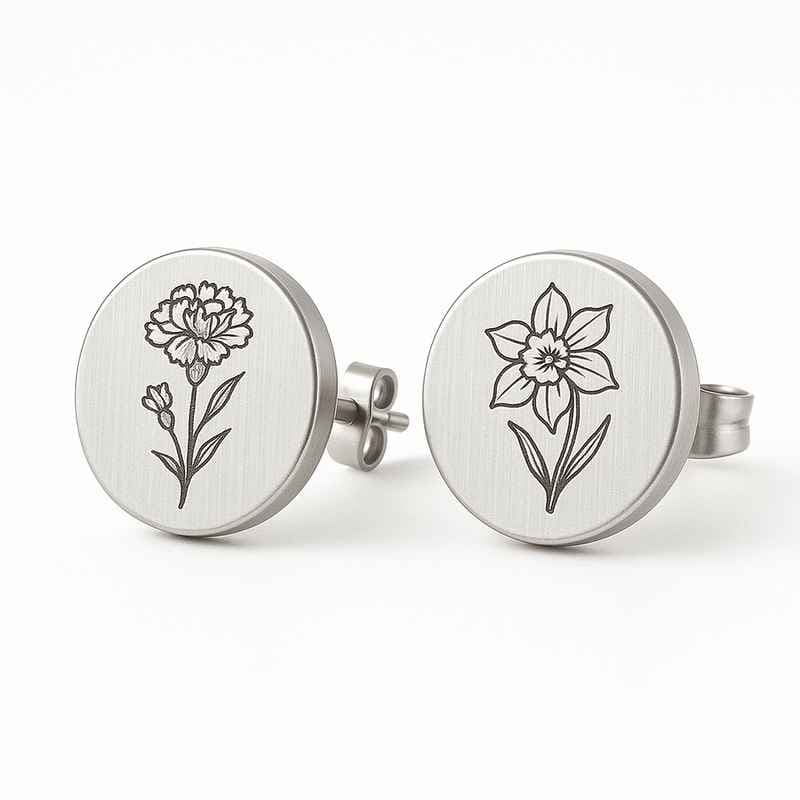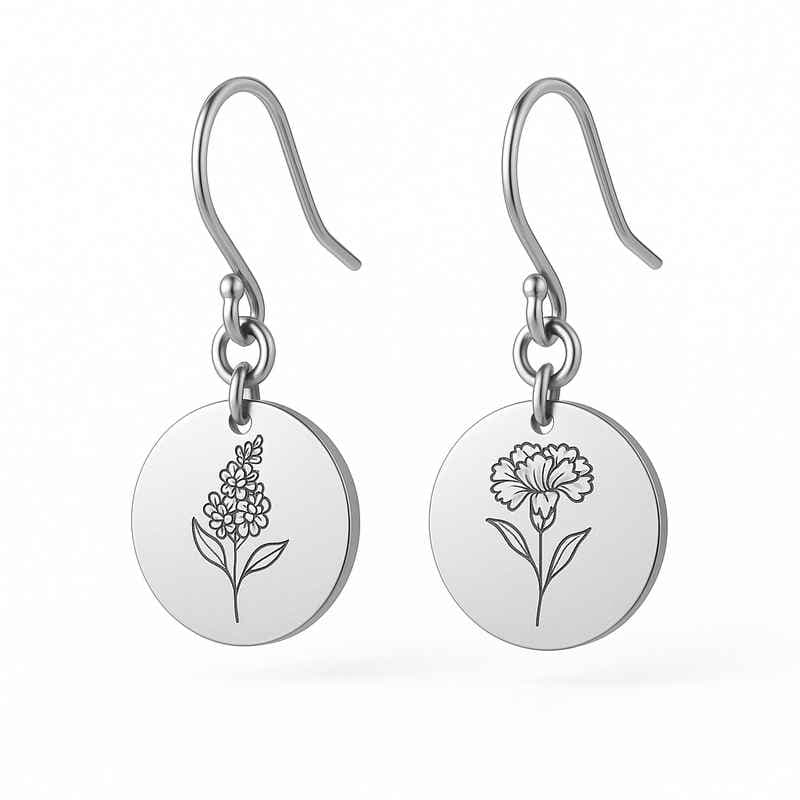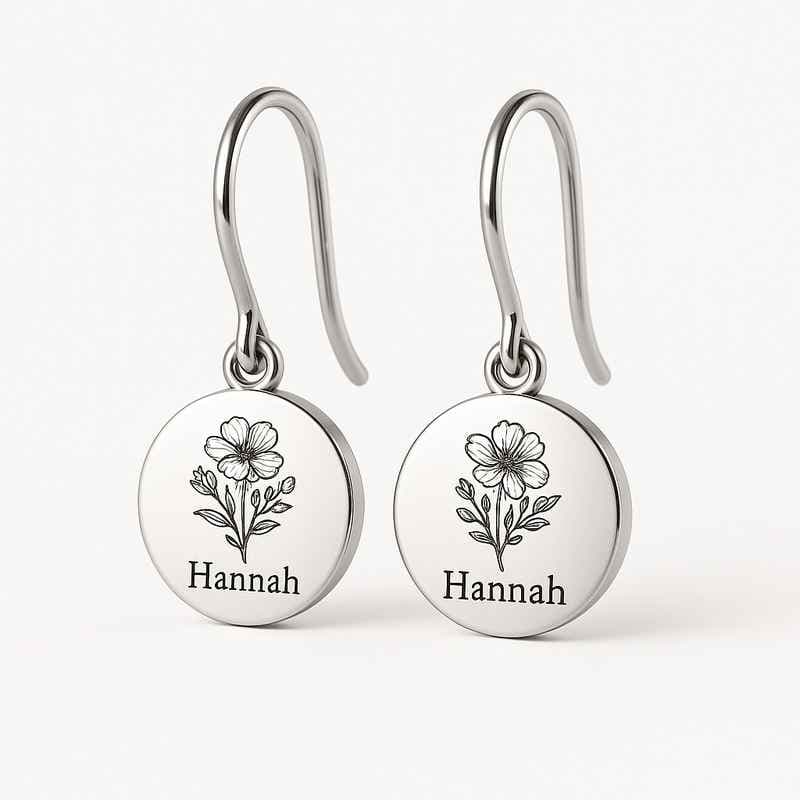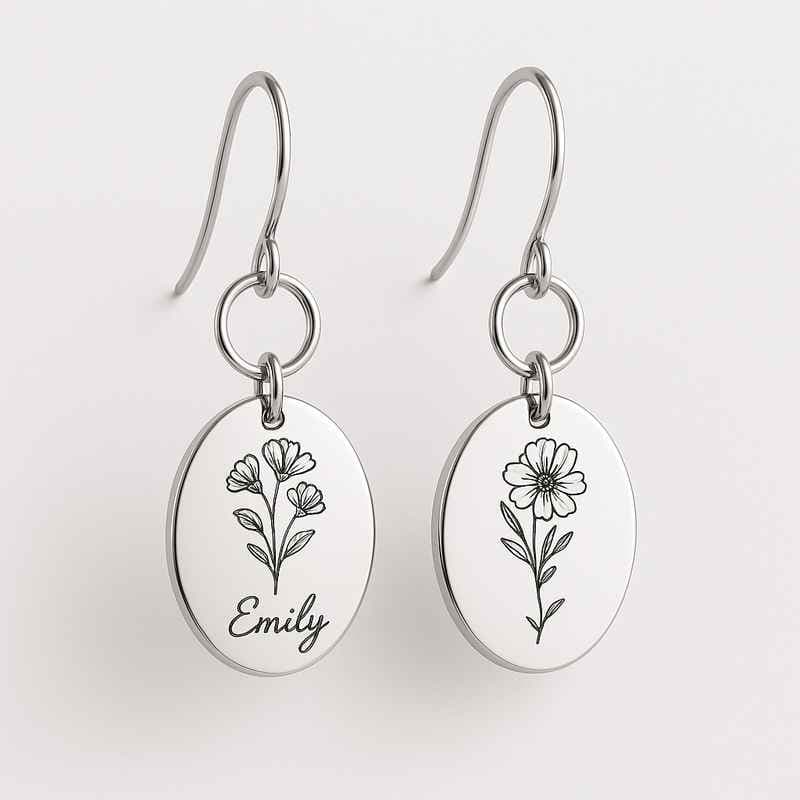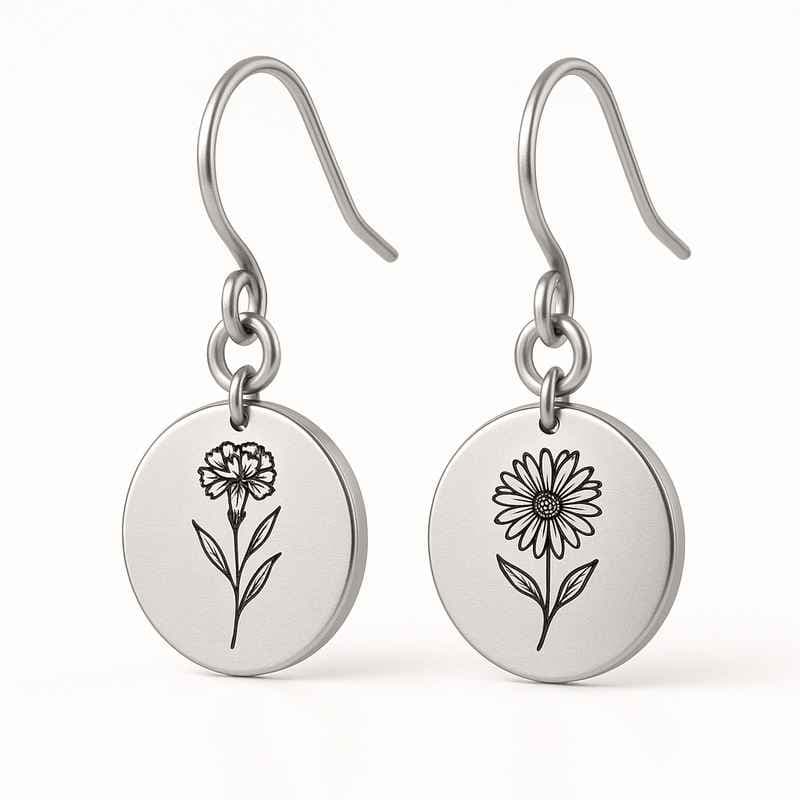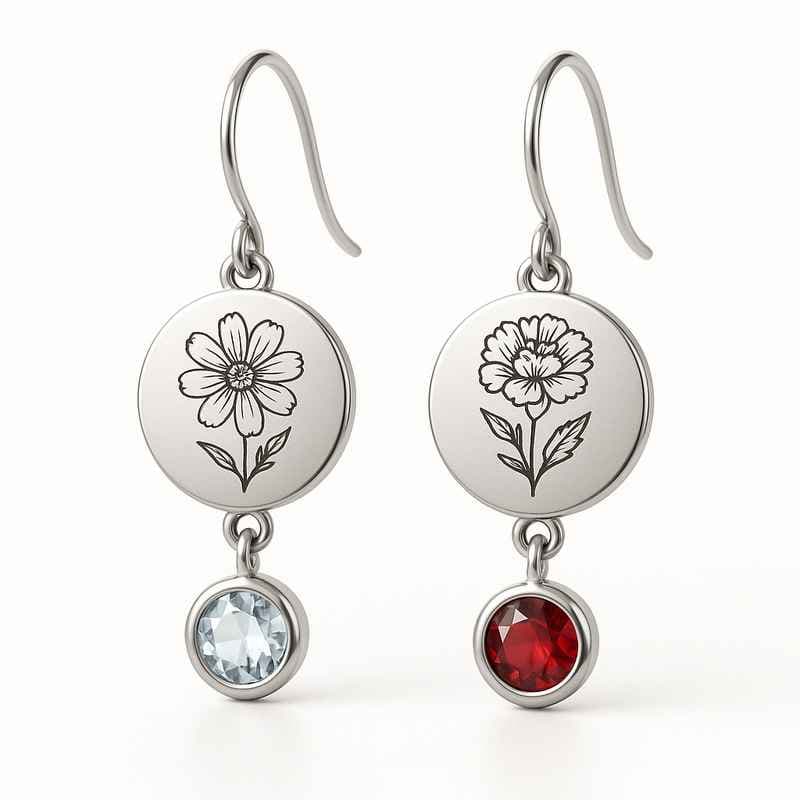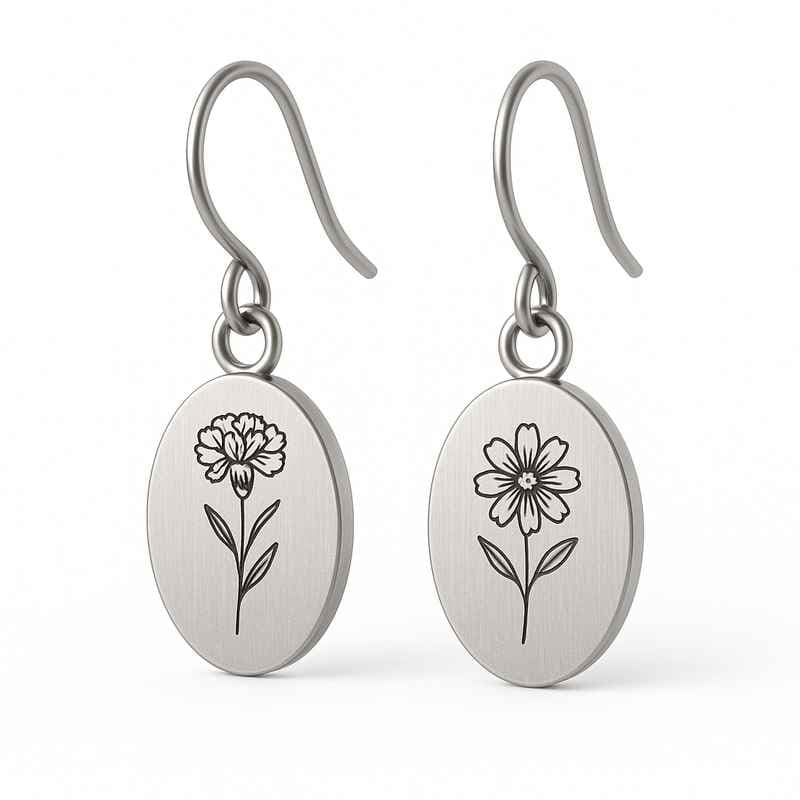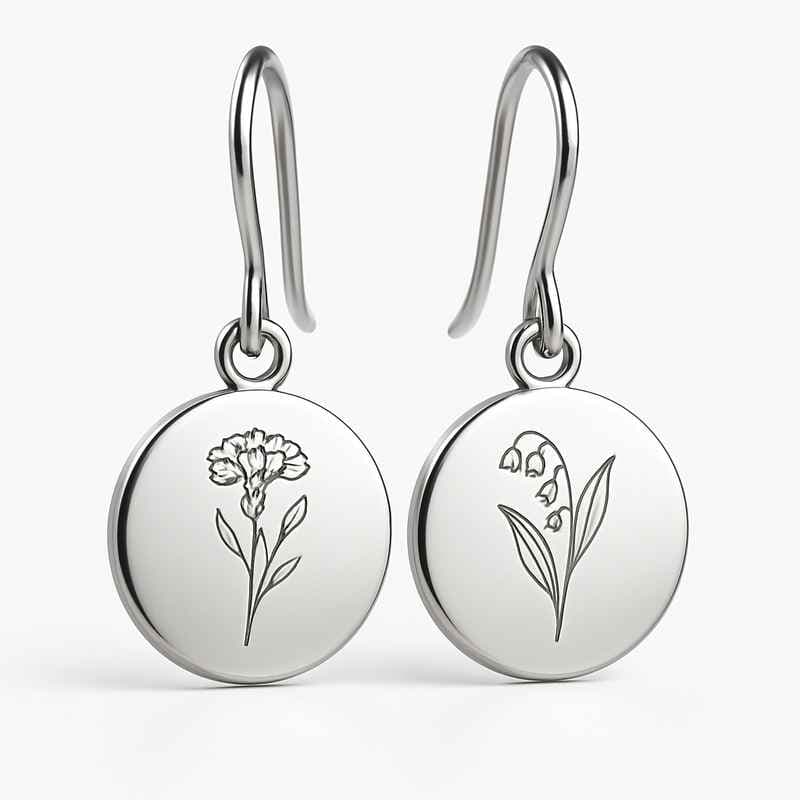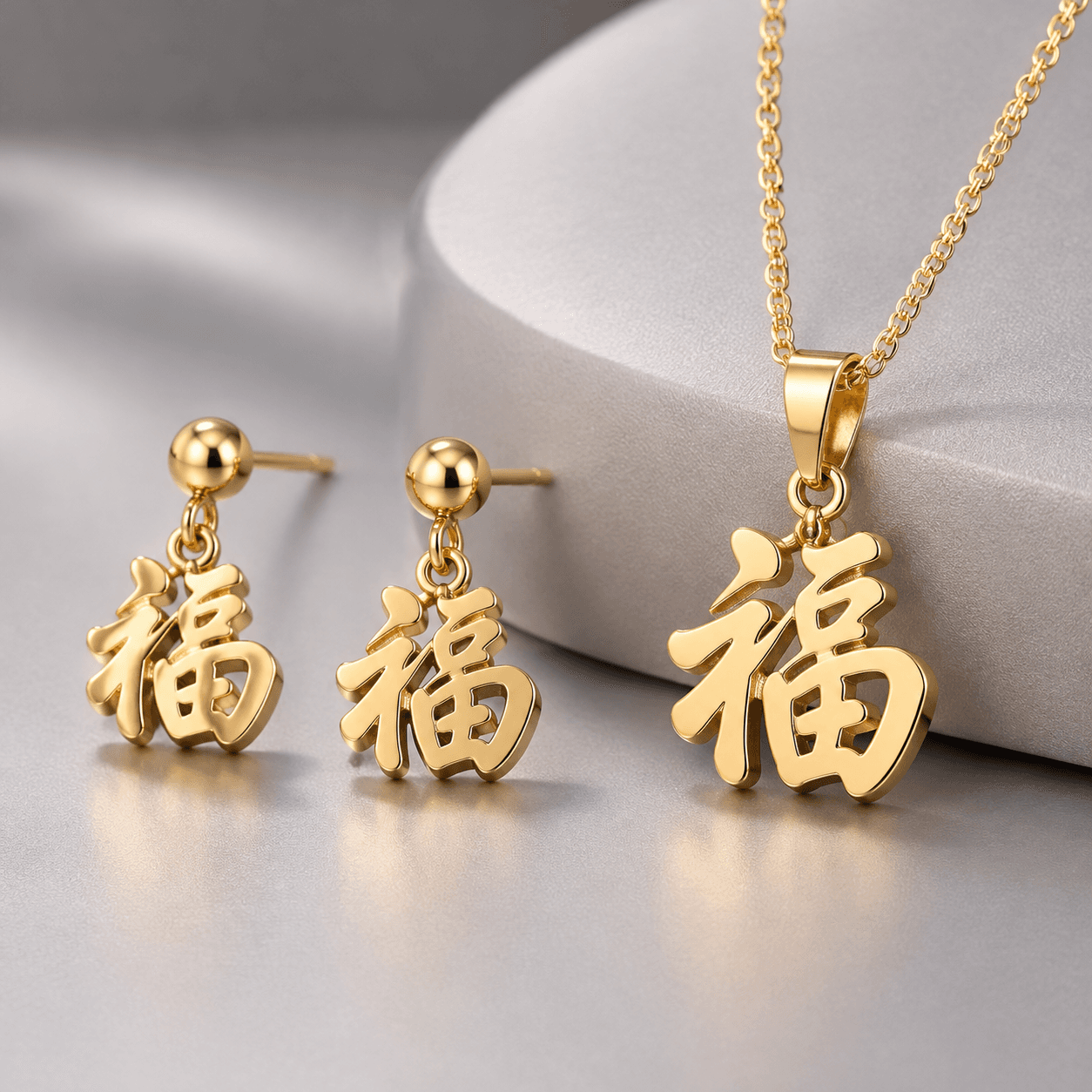
Chinese symbol earrings combine character-based design with precision metalworking. For jewelry brands, private label buyers, wholesalers, distributors, and online retailers, developing these products involves more than reproducing a Chinese character in metal. Buyers must consider character accuracy, cultural meaning, proportions, material selection, attachment construction, surface finishing, and production consistency. A clearly defined product specification helps translate approved artwork into a manufacturable earring design suitable for sampling and wholesale production.
This sourcing guide explores key considerations for developing custom Chinese symbol earrings, including 316L stainless steel, solid and outlined symbol charms, laser processing, CNC detailing, PVD gold and rose gold finishes, enamel and stone customization, and stud or drop earring construction. It also explains sample approval, quality inspection, MOQ planning, private label packaging, and RFQ preparation. Buyers can use these considerations to assess design feasibility, compare manufacturing proposals, and establish production requirements before placing an OEM/ODM order.
For jewelry manufacturers and sourcing partners, the central objective is to balance accurate symbol reproduction, wearable construction, consistent finishing, and commercially practical production specifications.
فهم الأقراط ذات الرموز الصينية بوصفها مفهومًا لتصميم المجوهرات
Chinese symbol earrings are jewelry designs built around Chinese characters, calligraphic forms, or other culturally significant symbols. Their manufacturing requirements depend on the specific artwork, intended meaning, character complexity, and final earring format. Before requesting an OEM sample, buyers should distinguish between a solid metal silhouette, an engraved character, an outlined design, a cut-through charm, and a raised or layered construction. Each option creates different requirements for material thickness, processing, finishing, and attachment.
Character accuracy is particularly important. Chinese characters can have different forms, meanings, and visual interpretations depending on context. Buyers should provide an approved reference and verify the exact character, orientation, spelling, and intended meaning before production. For calligraphic or stylized designs, the approved artwork should preserve the intended stroke relationships rather than relying on an approximate digital recreation.
Production artwork should include vector files where available, front-view dimensions in millimeters, target thickness, stroke width, internal spacing, and attachment positions. Fine strokes and small openings should be reviewed at actual production size because details that appear clear on a computer screen may become difficult to distinguish after cutting, polishing, or plating. A physical sample provides an opportunity to evaluate character legibility, visual balance, edge condition, and overall proportions before approving bulk production.
For private label development, the approved artwork should become the reference for every subsequent sample and production revision. This helps maintain consistency when the same Chinese symbol is adapted into stud earrings, drop earrings, necklaces, pendants, or coordinated jewelry sets.
تركيبة الفولاذ المقاوم للصدأ 316L وتعليقة الرمز
316L stainless steel is an important material option for custom Chinese symbol earrings because of its mechanical strength and corrosion resistance. It can be considered for solid symbol charms, engraved plates, outlined components, and other metal earring structures. However, material selection should cover the complete assembly rather than only the decorative front component.
A product specification should identify the material used for the symbol charm, earring post, backing, connecting rings, and other hardware. Buyers should also distinguish the base material from the subsequent surface treatment. For example, a gold-colored earring may use a stainless steel substrate with a specified PVD coating rather than solid gold construction. These distinctions matter for accurate product descriptions, purchasing documentation, and collection consistency.
Symbol geometry determines the appropriate balance between strength, weight, and visual detail. Narrow strokes and thin connecting bridges may require design adjustments, while larger solid silhouettes may increase the finished product's weight. Internal openings, intersecting strokes, and sharp corners should also be assessed for processing feasibility and edge quality. The final dimensions and thickness should be evaluated through physical sampling rather than selected from artwork alone.
For wholesale programs, document the approved material grade, component dimensions, thickness, hardware configuration, and finish in a product specification sheet. This provides a consistent reference when developing additional symbol designs or adapting an approved component into another jewelry category. Any material declarations or performance-related requirements should be confirmed against the actual finished-product specification.
طلاء الذهب بتقنية PVD، وطلاء الذهب الوردي، واختيار تشطيب السطح
Surface finishing influences the appearance of Chinese symbol earrings and the visibility of small decorative details. Polished stainless steel provides a reflective metallic appearance, while PVD gold and rose gold finishes offer alternative color directions for private label collections. The appropriate finish depends on the intended brand positioning, base material, product geometry, and approved visual reference.
PVD, or physical vapor deposition, is a vacuum-based coating process. For B2B sourcing, buyers should evaluate the complete finishing specification, including substrate preparation, coating coverage, color consistency, and the treatment of edges, recessed details, and reverse surfaces. Small character strokes and internal openings can create areas that require particular attention during sample inspection.
A practical finish brief should identify the desired color, gloss level, coverage, reference sample, and any project-specific coating requirements. Buyers should inspect both sides of the finished component, including edges and attachment areas, rather than approving a finish solely from a front-facing photograph. If coating adhesion, wear resistance, or other performance characteristics are required, the relevant evaluation method and acceptance criteria should be agreed upon before production.
For collections containing several Chinese symbol designs, approving a common finish reference helps establish visual consistency. Different character shapes may interact with light differently, so each design should still receive an individual sample review. Final coating specifications and supporting documentation should be confirmed for the actual manufacturing process.
المعالجة بالليزر والتفصيل باستخدام CNC وتعريف الرموز
Laser processing and CNC machining are two manufacturing approaches that may be considered when developing custom Chinese symbol earrings. The appropriate method depends on artwork complexity, material thickness, dimensions, required edge condition, and the intended surface appearance. Buyers should first define whether the symbol is engraved, cut through, shaped as a solid charm, or constructed from separate components.
For engraved designs, stroke width and engraving depth influence how clearly the character remains visible after polishing and finishing. For cut-through designs, internal openings and connecting bridges must be considered in relation to structural integrity. Outlined characters also require sufficient spacing between contours to prevent visual crowding. These details should be evaluated at the actual finished-product size.
Artwork preparation should include vector outlines, dimensions, thickness requirements, and the intended surface treatment. Buyers should also identify any details that must remain visually consistent across multiple symbols. A manufacturing feasibility review can identify areas where narrow strokes, sharp intersections, or complex outlines may need adjustment before sampling.
During sample approval, assess character accuracy, stroke consistency, dimensional conformity, edge smoothness, and the relationship between the decorative component and its earring fitting. Record revisions against the artwork and technical specification so that each sample version has a clear reference. The approved version should be retained as the basis for subsequent production.
خيارات تخصيص المينا والزركون والكريستال واللؤلؤ
Enamel, zircon, crystal, and pearl details can create additional design variations for Chinese symbol earrings. These decorative elements allow brands to develop distinctive collections while retaining a consistent central character or symbol. However, each additional component introduces requirements for assembly, positioning, finishing, inspection, and packaging.
Enamel customization should specify the color reference, application area, and boundaries between colored sections and exposed metal. Small character strokes may not provide sufficient space for clean color application, so the design should be reviewed at its final production dimensions. For zircon and crystal accents, specify stone size, position, setting style, and surrounding metal structure. Pearl components require an attachment arrangement that supports the intended position without obscuring the symbol.
For private label collections, buyers can establish one approved symbol construction and develop several variations. Examples include polished stainless steel, PVD gold, rose gold, or designs incorporating specified enamel colors and decorative stones. The commercial advantage of this approach is the ability to create product variety while retaining a consistent underlying design specification.
Sample inspection should cover decorative placement, color consistency, surface condition, setting alignment, and the stability of physical connections. Any special requirements for decorative components should be included in the RFQ and approved sample documentation before wholesale production.
مكوّنات الأقراط، وبيئة العمل، والتصميم القابل للارتداء
Earring hardware affects comfort, balance, appearance, and the practical usability of Chinese symbol earrings. The appropriate construction depends on whether the product is designed as a stud, drop earring, or hoop-based style. Each format requires a different attachment arrangement and should be evaluated as a complete wearable product rather than as an isolated symbol charm.
Stud earrings require a correctly positioned post and compatible backing. The post position should account for the symbol's shape and center of gravity, particularly for asymmetrical characters. Drop earrings typically use a connector or jump ring to attach the symbol component to an earring fitting. The connection should allow the charm to hang naturally without twisting excessively or obscuring the intended character orientation. Hoop designs require a suitable attachment point that does not interfere with the hoop closure.
Important ergonomic considerations include overall dimensions, component thickness, finished weight, edge smoothness, backing geometry, and attachment strength. A larger character does not automatically create a better product. Buyers should assess the intended wearing profile and target customer when determining the appropriate size and construction.
For OEM development, specify the earring format, hardware material, attachment method, dimensions, and target weight where applicable. Review the sample from front, side, and wearing perspectives to confirm that the symbol remains correctly oriented and that the completed assembly meets the intended design requirements.
مراقبة الجودة واعتماد العينات للإنتاج بالجملة
Quality control for Chinese symbol earrings should begin with a clearly approved product specification. The reference should include the final character artwork, material grades, component dimensions, thickness, finish, decorative elements, hardware construction, and packaging requirements. These details provide measurable criteria for evaluating samples and finished wholesale products.
Symbol inspection should cover character accuracy, orientation, stroke proportions, spacing, and overall dimensions. Component inspection should assess surface condition, edge smoothness, dimensional conformity, and attachment integrity. For finished products, additional checks may include coating coverage, color consistency, polishing quality, hardware alignment, and decorative component placement.
A practical inspection plan can separate material confirmation, component processing, surface finishing, assembly, and final appearance checks. Designs containing enamel, zircon, crystal, or pearl elements may require additional inspection criteria. Packaging should also be reviewed to confirm that individual earrings or pairs are presented and protected according to the buyer's specification.
Before bulk approval, maintain a documented record containing the approved sample, artwork revision, material details, finish reference, hardware specifications, inspection criteria, and packaging arrangement. Buyers selling in different countries should identify applicable material, labeling, and product documentation requirements during development. Any compliance statements or technical reports should relate to the actual finished product, applicable market, and confirmed testing scope.
Private Label Collection Planning, MOQ, and Wholesale Sourcing
Private label collection planning is more efficient when the core construction is established before optional variations are introduced. Start with approved Chinese symbol artwork and define the earring format, material, dimensions, thickness, hardware, and surface finish. Once the primary sample has been approved, evaluate additional finishes, decorative components, and related product formats.
MOQ planning depends on the manufacturing configuration rather than a universal quantity. Relevant considerations include the number of symbol designs, material requirements, finishing options, decorative components, hardware, packaging, and production scope. Multiple designs sharing standardized components may have different sourcing requirements from products requiring individual construction and finishing arrangements. Buyers should request project-specific MOQ confirmation based on the complete product configuration.
A coordinated collection can extend beyond earrings to include stainless steel necklaces, bracelets, rings, anklets, charms, and jewelry sets. Using consistent material and finish specifications can help establish a recognizable collection while allowing individual products to retain their own functional construction requirements.
Buyers can explore the stainless steel earrings collection, stainless steel charms, stainless steel necklaces, and stainless steel jewelry sets. For custom development and manufacturing inquiries, visit the OEM/ODM manufacturing services and Lefeng Jewelry factory background pages.
مدة الإنتاج والتعبئة والتخطيط للشحن
Production scheduling for custom Chinese symbol earrings depends on design complexity, material selection, finishing requirements, sample revisions, order quantity, and packaging customization. A repeat production order using an approved specification may follow a different schedule from a new OEM project involving artwork review, custom components, PVD finishing, decorative settings, and private label packaging.
Buyers should distinguish sample development time from bulk production time when requesting quotations. If several symbol designs or finishes require independent approval, these stages should be included in the project schedule. Clear milestones for artwork confirmation, sample development, sample approval, bulk production, inspection, and shipment preparation help both parties manage expectations.
Packaging should be specified during product development. Options may include jewelry cards, individual bags or boxes, coordinated sets, labels, and outer cartons. The packaging brief should identify the number of earrings per unit, product orientation, protective requirements, branding elements, and labeling information. Packaging changes introduced after sample approval may affect production coordination and shipment preparation.
For export projects, buyers should provide the destination market, estimated order quantity, packaging requirements, desired shipment timing, and any purchasing or documentation requirements. Actual lead time should be confirmed against the approved specification, production capacity, and agreed project scope rather than assumed from a general industry estimate.
أقراط الرموز الصينية: الأسئلة الشائعة
مراجعة الوثائق الفنية والمواصفات الخاصة بكل سوق
Material selection, surface finishing, and product claims should be supported by documentation appropriate to the intended sales market. Buyers developing Chinese symbol earrings for the United States, European Union, United Kingdom, Canada, Australia, or other destinations should identify applicable material declarations, labeling requirements, testing needs, and purchasing documentation during product development. A stated 316L stainless steel grade is a material specification, not independent proof that every component of the finished product meets a particular regulatory or performance requirement.
Documentation requests should identify the specific document, issuing organization, material or process covered, test method, product configuration, and destination market. Buyers should also establish whether a document applies to the finished earring or only to an individual material or component. If nickel release, coating adhesion, corrosion behavior, or another performance characteristic is important, define the relevant evaluation method and acceptance criteria before production.
A practical technical file can include approved vector artwork, dimensioned drawings, material specifications, component details, hardware construction, surface finish references, sample approval records, inspection criteria, packaging specifications, and applicable test documentation. These records help connect the approved design with subsequent manufacturing and purchasing decisions.
For OEM/ODM projects, documentation availability and compliance responsibilities should be discussed during the RFQ stage. Buyers and manufacturers should confirm which records can be supplied or arranged for the specific product and market. Certifications, test results, and regulatory compliance statements should only be published when supported by valid documentation covering the relevant finished product and requirements.
ابدأ تطوير أقراطك المخصصة بالرموز الصينية
Developing a Chinese symbol earring concept for manufacturing starts with a practical project brief. Whether you are preparing a boutique jewelry collection, expanding a wholesale stainless steel jewelry range, or assessing a new symbol-based product concept, complete design and sourcing information can help make an RFQ more useful.
For an RFQ or sample request, send the symbol artwork or reference drawing, verified character and intended meaning, preferred earring format, target dimensions, 316L stainless steel requirement, desired finish, and any enamel, zircon, crystal, or pearl details. Include estimated order quantities, target MOQ expectations, destination market, packaging preferences, desired shipment timing, and required documentation. If you have a reference sample or technical specification, include its dimensions and clearly identify the changes you want to make. The manufacturer can use these details to assess manufacturability and prepare a project-specific quotation.
Share project requirements through the Lefeng Jewelry RFQ and contact page, or review the new stainless steel jewelry designs section for additional product directions. Buyers can also evaluate the stainless steel earrings category when planning a wider collection. A clear path from artwork review to sample approval, MOQ confirmation, bulk production, packaging, and shipment helps reduce avoidable revisions and supports a more predictable B2B sourcing process.
Related resources
Related resources
- Lefeng Jewelry - OEM/ODM Stainless Steel Jewelry Manufacturer
- 316L Stainless Steel Earrings for Sensitive Ears: A B2B Buyer’s Quality Checklist
- Stainless Steel Earrings
- Best Stainless Steel Heart Charm Ideas: A Buyer's Design Guide
- Why stainless steel rings outfit ideas Are Shaping Design Trends
- Dashboard
- My account
- Shop
- Download
- What Buyers Should Know About Minimalist Stainless Steel Necklace Styling for OEM/ODM Partnerships