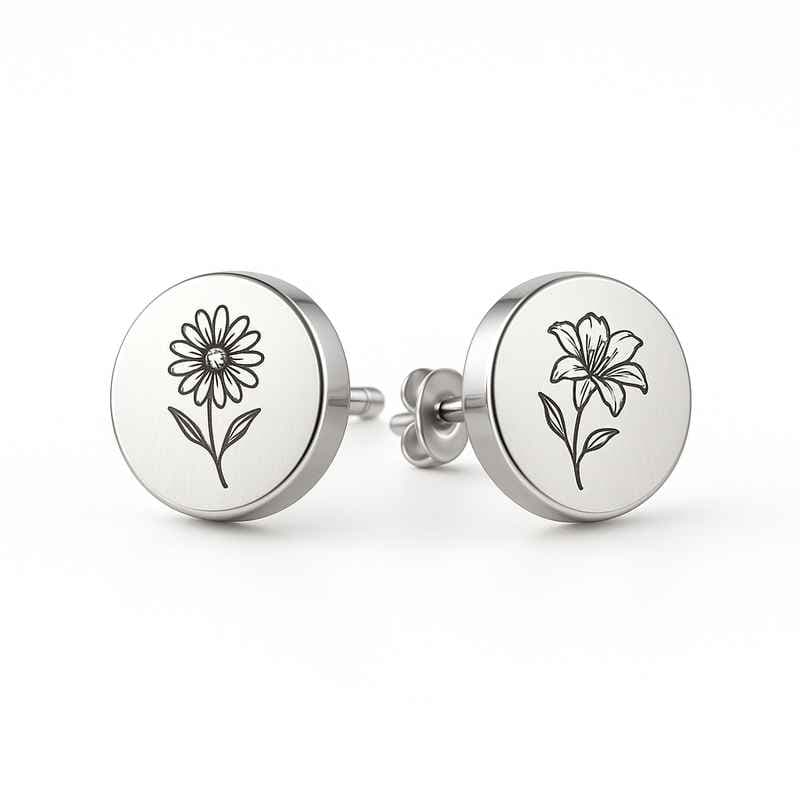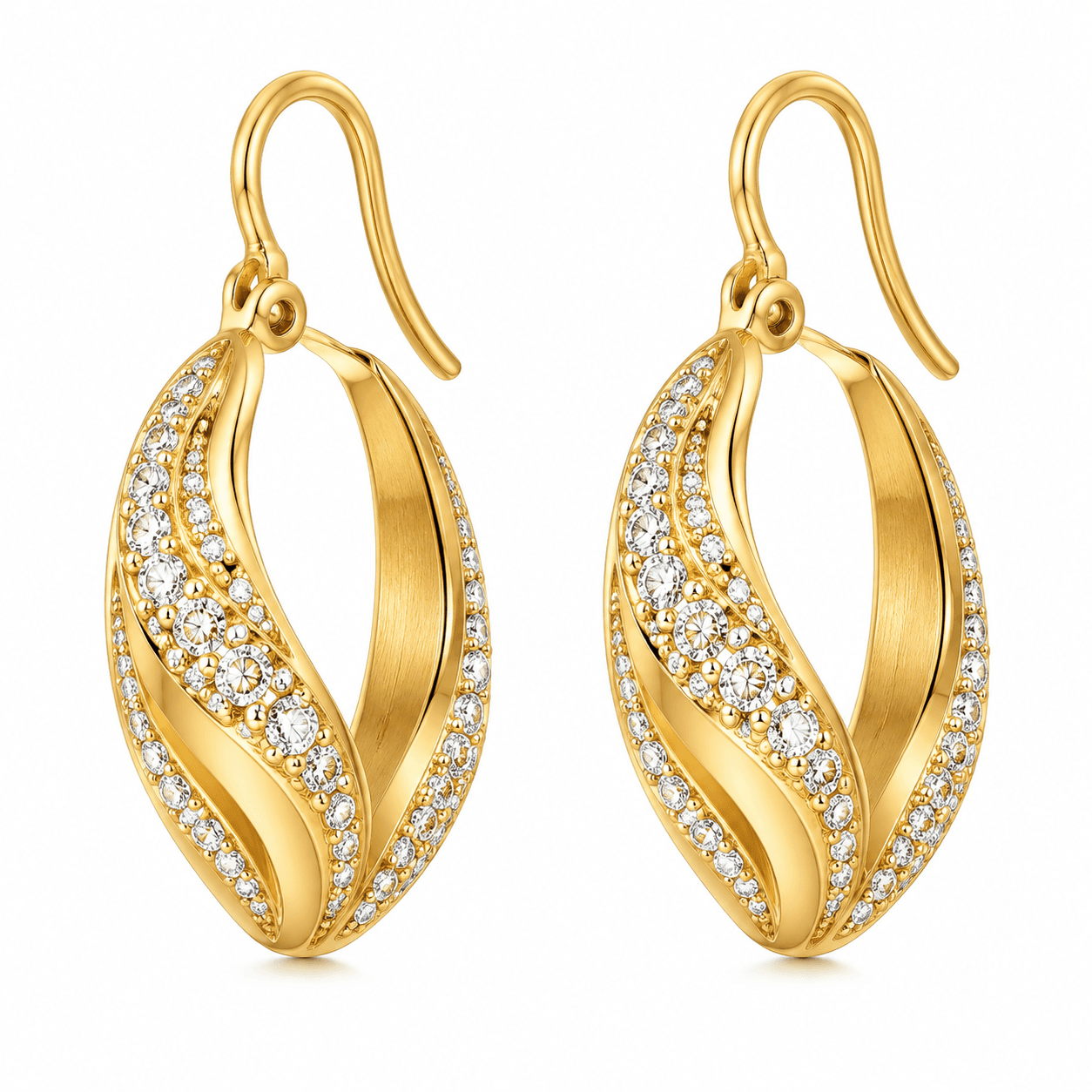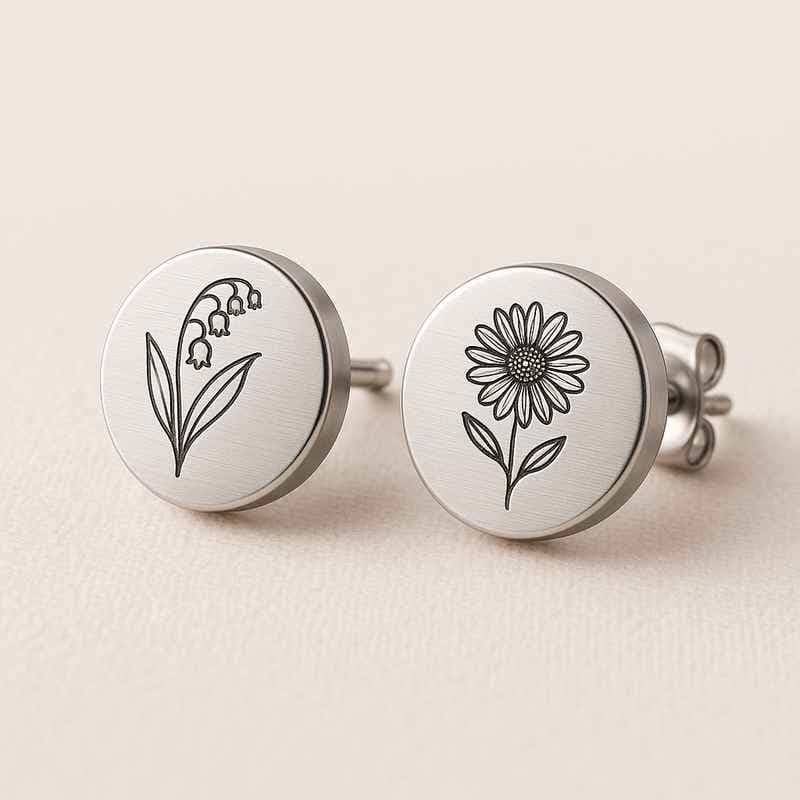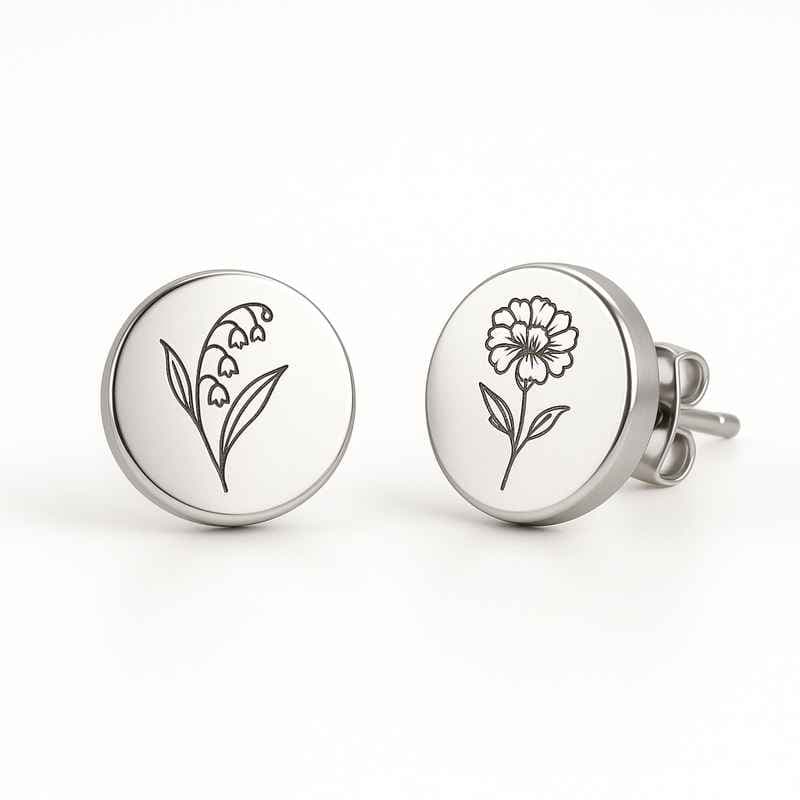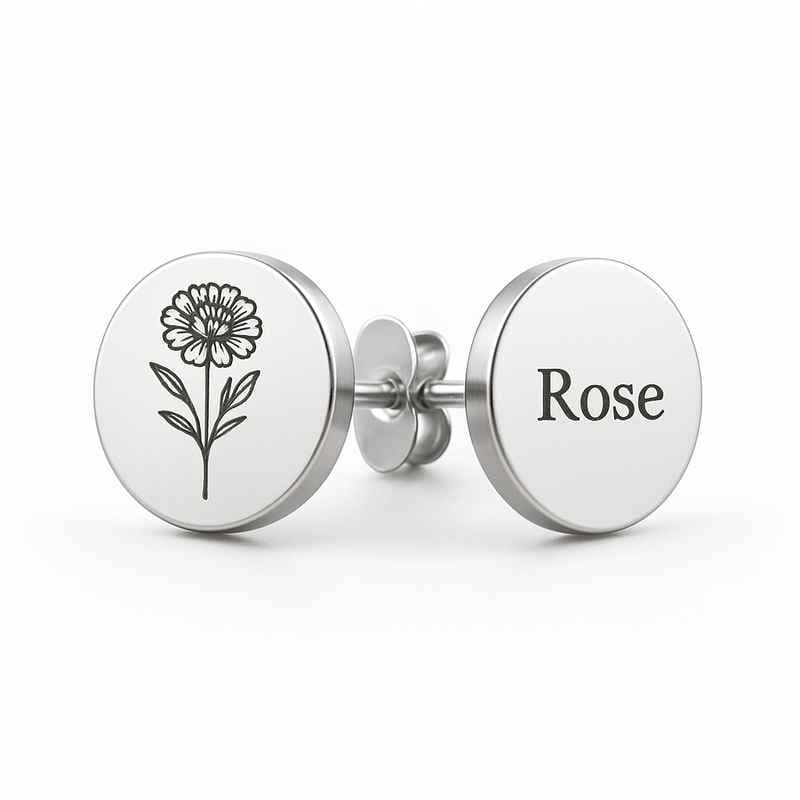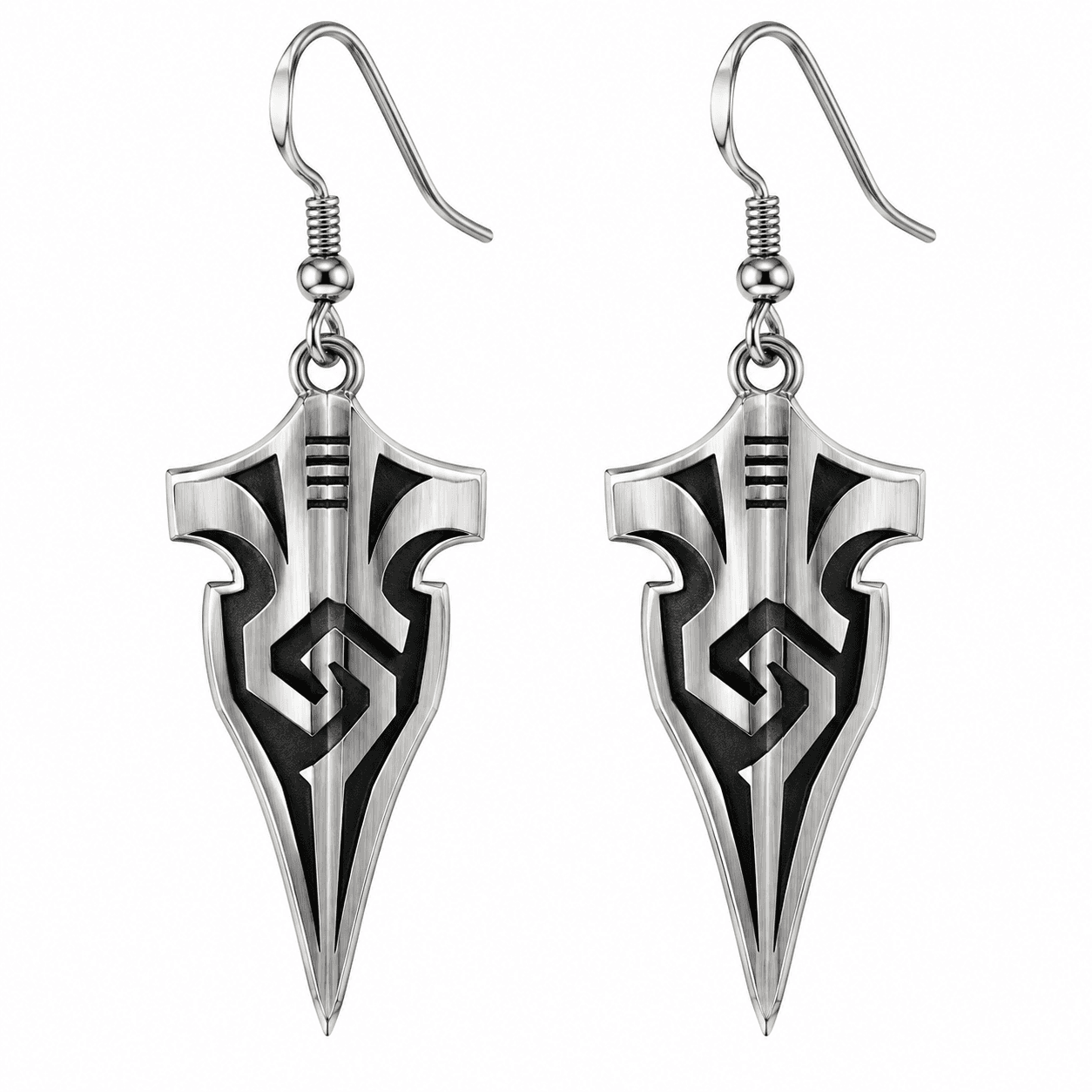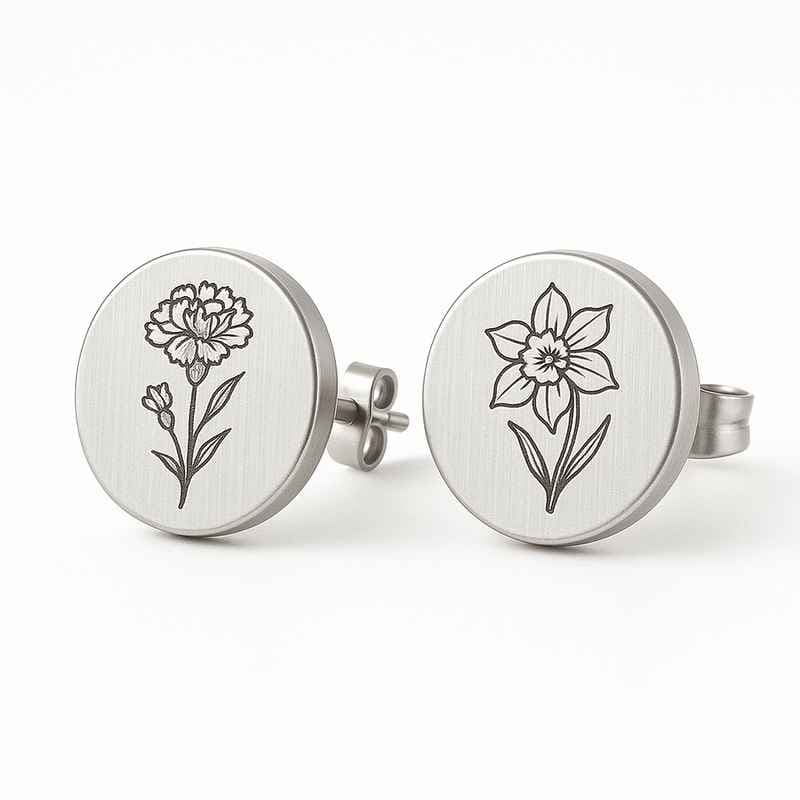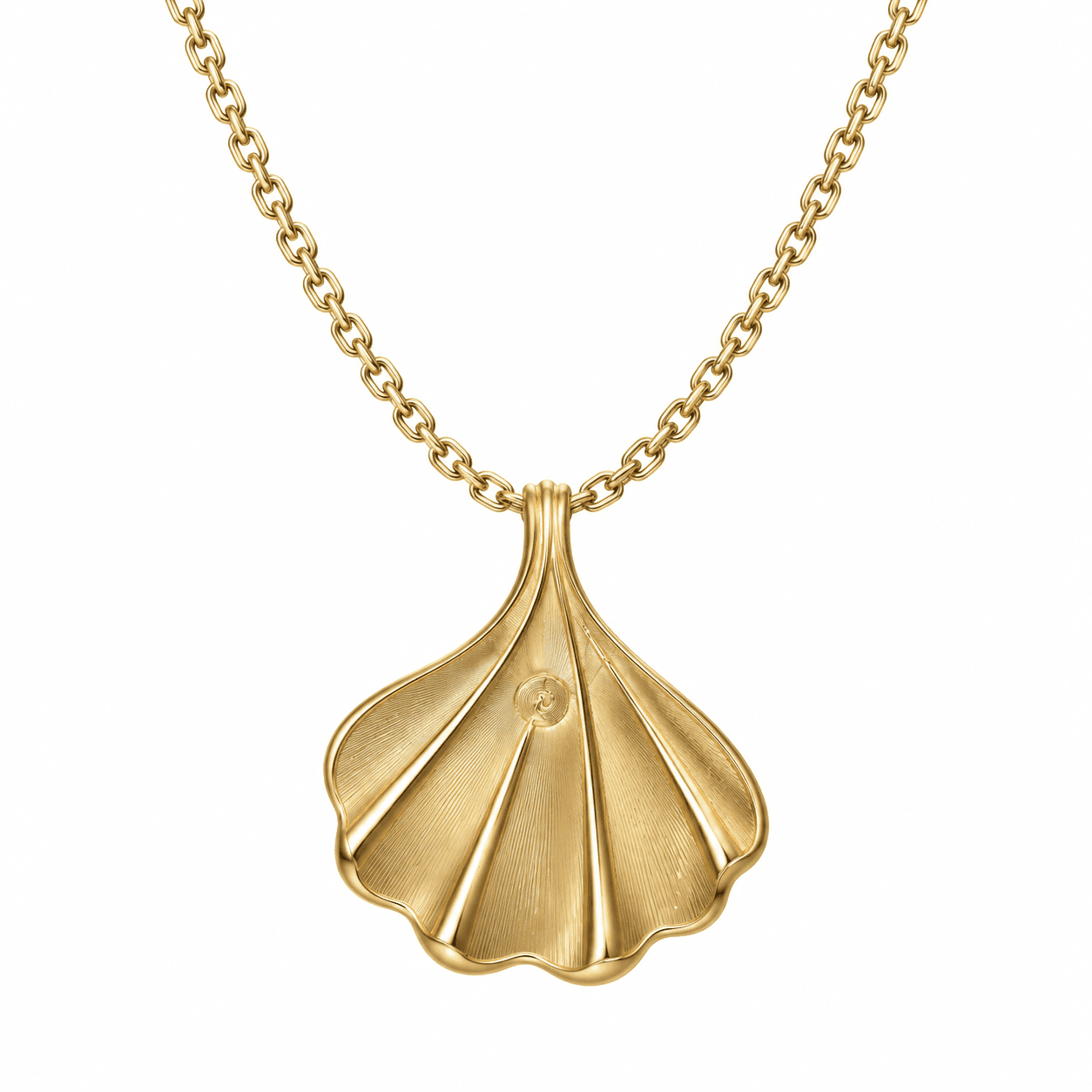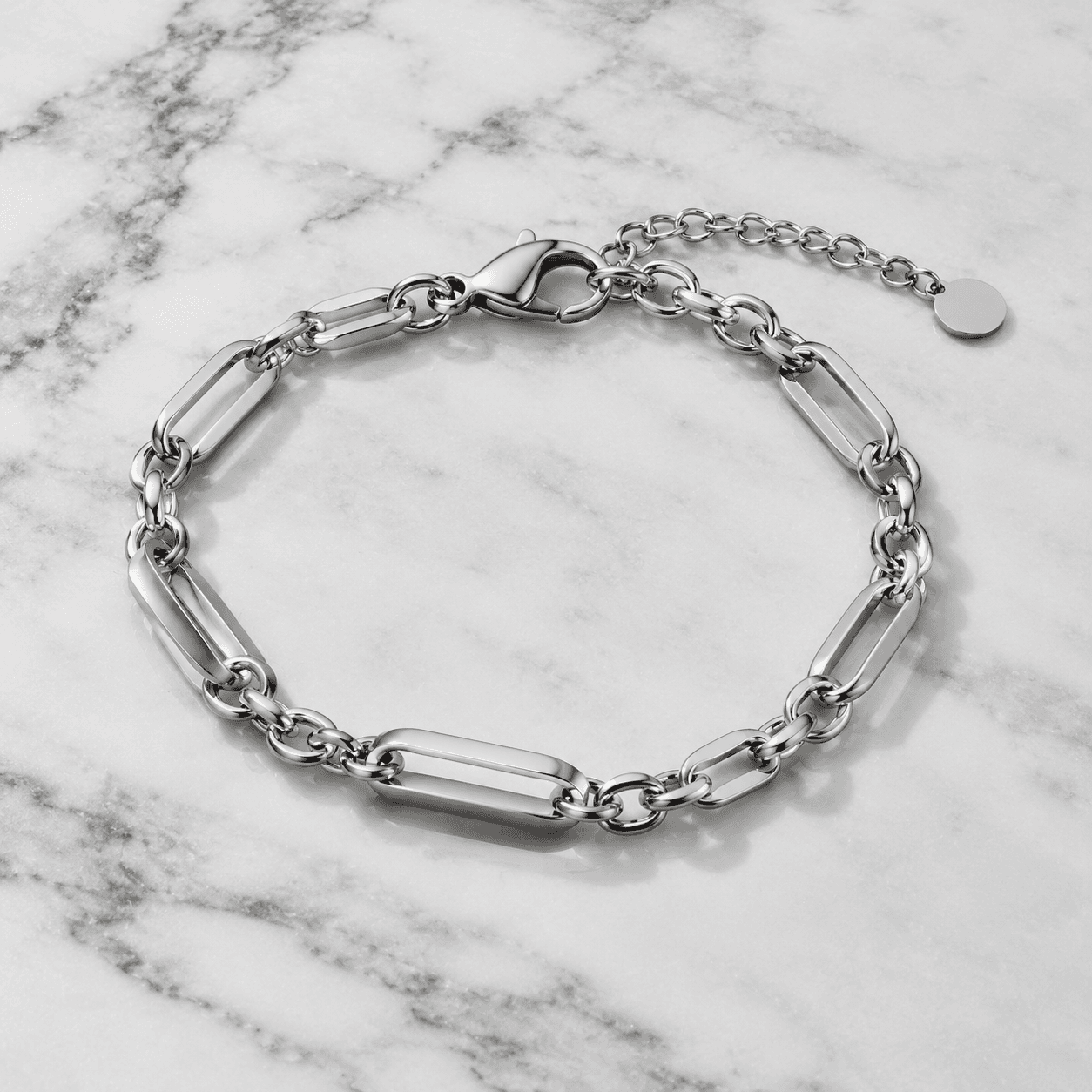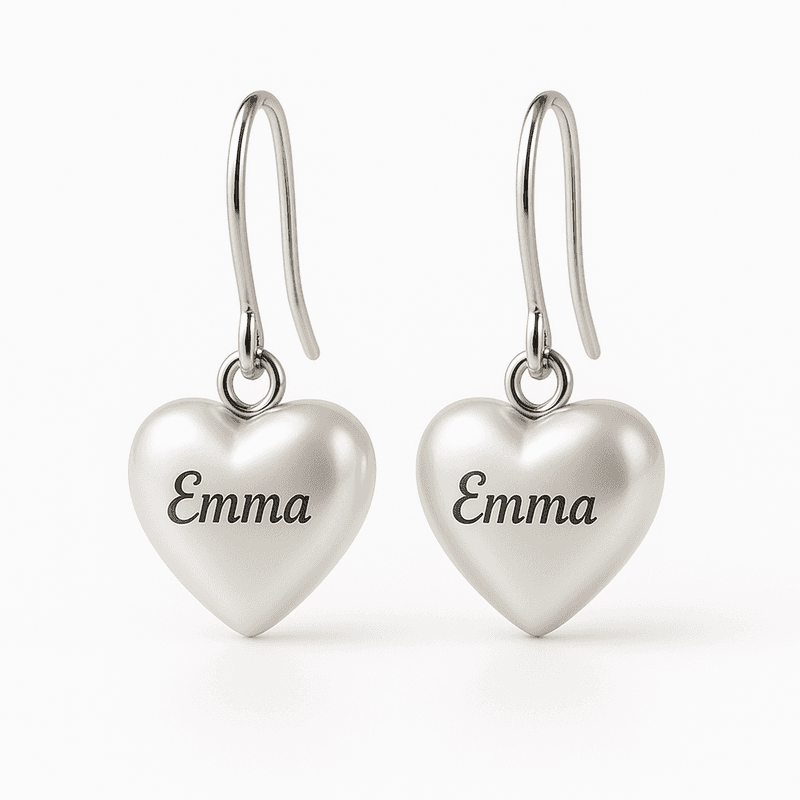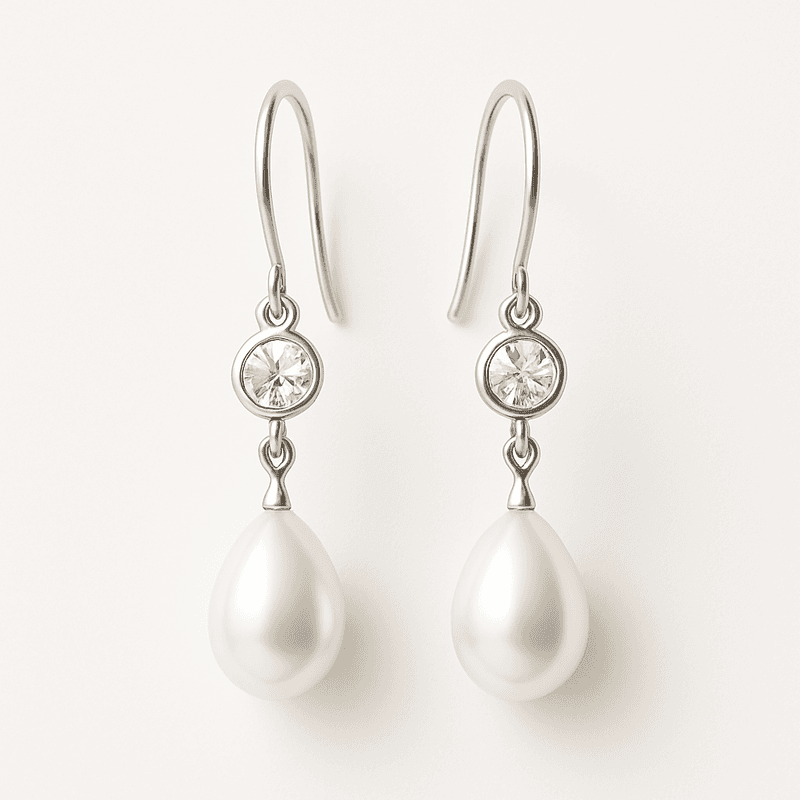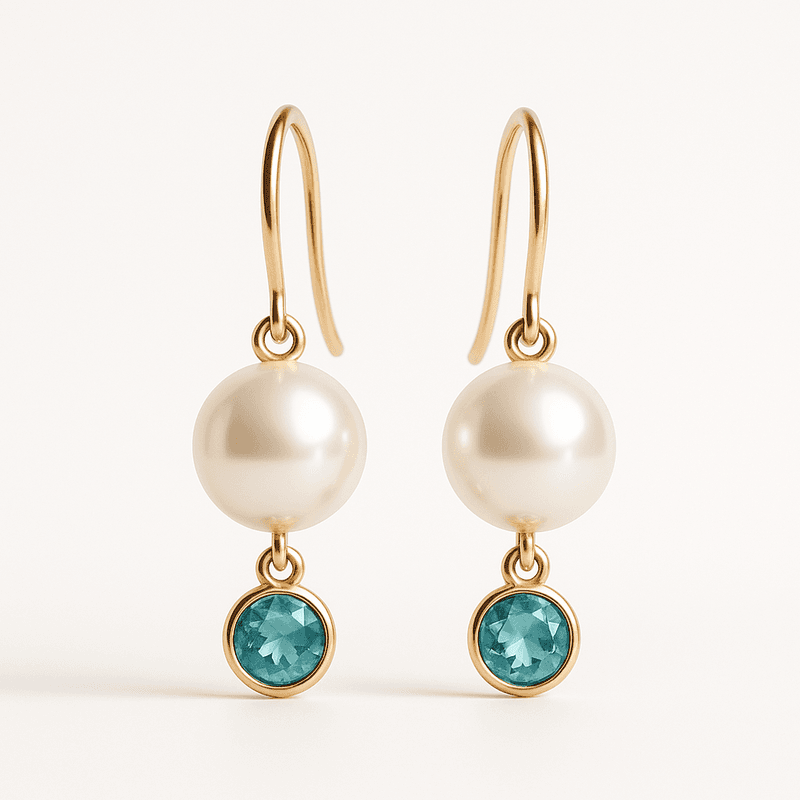
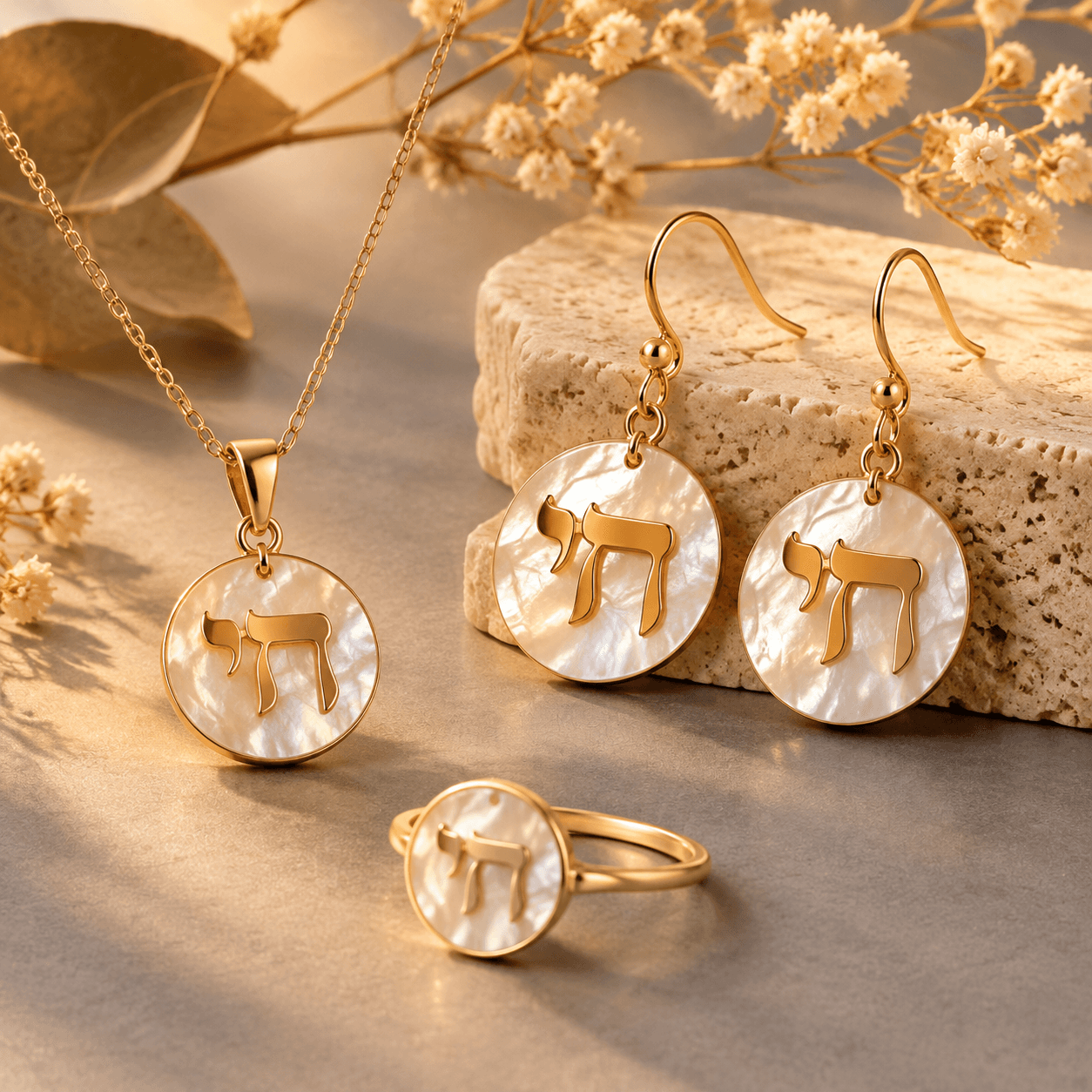
Hebrew shell earrings combine Hebrew lettering or symbolic details with shell-inspired decorative elements. Developing these designs for commercial production requires careful consideration of character proportions, material selection, component structure, surface finishes, and functional earring hardware.
This guide explains how jewelry designers and B2B buyers can develop custom Hebrew earrings, from artwork preparation and material selection to manufacturing methods, sample evaluation, and private-label production. Shell is not included in Lefeng Jewelry's configured manufacturing material list, so natural or manufactured shell components require separate availability and feasibility confirmation. For shell-associated visual effects, buyers can explore configured options such as pearl, enamel, zircon, crystal, and polished stainless steel. Actual material availability and production scope should be confirmed before sampling.
Understanding Hebrew Shell Earrings and Design Requirements
Combining Hebrew Lettering With Shell-Inspired Design
Hebrew shell earrings are a jewelry design concept that combines Hebrew lettering, symbolic details, and shell-associated decorative aesthetics. Their appearance depends on how the lettering interacts with the earring silhouette, surface texture, decorative elements, and hardware. Before development begins, designers should determine whether the Hebrew text is the main visual feature or a supporting detail. This decision influences the available surface area, character dimensions, overall proportions, and component construction.
Preparing Hebrew Artwork for Jewelry Production
Hebrew uses a right-to-left writing direction, making artwork accuracy especially important. Buyers should provide the original Hebrew text, approved spelling, intended reading orientation, and a reference layout. Vector artwork is preferable when available because it helps clarify character outlines and spacing during design development.
Fine strokes, narrow openings, and closely positioned characters require particular attention when translating two-dimensional artwork into physical components. CNC or laser processing may be considered for suitable metal designs, depending on geometry and required detail. The final dimensions and character structure should be reviewed before sampling to preserve legibility and the intended visual meaning.
Clarifying Material Availability
Shell is not included in Lefeng Jewelry's configured manufacturing material list. Projects requiring actual shell components therefore need separate material availability and production feasibility confirmation. Alternatively, designers can explore shell-associated aesthetics using configured materials such as pearl, enamel, crystal, and polished stainless steel. These alternatives provide different decorative possibilities without implying that they are natural shell substitutes. The selected material and construction method should be clearly identified in the product specification.
Material Selection and Decorative Options for Custom Hebrew Earrings
Choosing the Metal Base
The base material affects an earring's structure, weight, surface appearance, finishing possibilities, and manufacturing requirements. Lefeng Jewelry's configured manufacturing materials include 316L stainless steel, 304 stainless steel, 925 sterling silver, copper, and zinc alloy. The appropriate option depends on the product dimensions, component thickness, intended design, and target market requirements.
For wholesale collections, buyers should define the material grade and component specifications before sampling. This helps maintain consistency between the approved sample, production drawings, and subsequent manufacturing instructions.
Considering 316L Stainless Steel
316L stainless steel is an option for structured earring components, including suitable decorative frames, lettering elements, and connection parts. Its suitability depends on the geometry, thickness, processing method, and required surface finish. Designers should specify edge treatments, component dimensions, and hardware connections so the manufacturing team can assess the proposed construction.
Adding Decorative Materials and Finishes
Configured decorative options include pearl, enamel, zircon, and crystal. Each creates a different visual effect:
- Pearl: Adds a soft decorative accent and can complement shell-associated design concepts.
- Enamel: Introduces defined color areas and supports decorative contrast.
- Zircon and crystal: Provide decorative highlights when the design includes suitable settings or attachment structures.
- PVD gold plating and rose gold plating: Offer alternative metal appearances for suitable base materials and confirmed finishing processes.
These options are not interchangeable. Their compatibility depends on the selected base material, component geometry, attachment method, and finishing specification. Buyers should identify each material and finish separately in their RFQ and review the assembled sample before production approval.
Hebrew Lettering, Shell-Inspired Surfaces, and Customization
Turning Hebrew Artwork Into a Manufacturable Design
Accurate artwork is essential when developing personalized Hebrew earrings. Designers should provide the original text, vector artwork where possible, and a reference showing the intended right-to-left orientation. The design brief should distinguish the lettering from decorative borders, central accents, and other visual elements.
For curved or irregular earring silhouettes, character proportions must be evaluated against the actual available surface area. Reducing artwork without reviewing individual character details can affect legibility. A design review should identify potential adjustments to stroke thickness, spacing, and character connections before production drawings are finalized.
Exploring Shell-Associated Visual Effects
Where actual shell material is unavailable or outside the confirmed production scope, designers can consider alternative decorative directions using configured materials. Pearl accents, enamel details, polished metal surfaces, and selected zircon or crystal elements can create contrasting textures and visual highlights.
For example, a metal outline can define the earring silhouette, while enamel introduces color separation and pearl provides a contrasting decorative feature. The feasibility of each combination depends on the component structure, setting dimensions, and proposed attachment method.
Designing for Comfort and Functional Assembly
Customization should extend beyond the front-facing appearance. The back profile, edge thickness, post position, backing type, and connector structure all influence the finished earring. Large decorative elements can affect weight distribution, while incorrect post placement may change how an earring hangs.
Lefeng Jewelry's configured capabilities include in-house OEM/ODM design development, CNC and laser processing, polishing, PVD/plating, enamel application, and stone setting. These processes can support the development of suitable custom earring designs, subject to project-specific technical review.
Manufacturing Processes and Surface Finishing
From Technical Drawings to Manufacturing Samples
Custom Hebrew earring development begins with a technical brief covering artwork, base materials, component dimensions, decorative details, hardware, and surface finishes. Once these requirements are established, the manufacturing team can evaluate suitable processing and assembly methods.
CNC and laser processing may be appropriate for selected metal components, depending on their thickness, geometry, and required detail. The proposed method should be evaluated against the actual lettering and component structure rather than assuming all designs can use the same process.
Polishing and Metal Finishing
Polishing influences the appearance of lettering, edges, and reflective surfaces. The design specification should identify which areas require a polished finish, which should retain defined edges, and whether recessed details need visual contrast.
For projects considering PVD gold plating or rose gold plating, specify the desired color and finish reference. Base material, surface preparation, geometry, and the confirmed finishing process all influence the final appearance. The approved physical sample should be compared with the written specification during production inspection.
Decorative Setting and Final Assembly
Enamel application and stone setting require accurate positioning and suitable component support. Identify the location and proposed attachment method for every pearl, zircon, or crystal element. Review the earring post, backing, connectors, and any moving parts to ensure that the proposed assembly is functional and consistent with the approved design.
For drop and hoop styles, evaluate connector alignment and movement as part of sample approval. Define inspection points for component dimensions, decorative placement, surface finishing, assembly, and packaging according to the confirmed project requirements.
Sample Development and Design Validation
Why Physical Samples Matter
A physical sample allows buyers to evaluate details that digital renderings cannot fully demonstrate. For custom Hebrew earrings, this includes character readability, overall proportions, component thickness, surface reflections, decorative placement, and wearing orientation.
Actual metal thickness and reflective finishes can change how lettering and decorative details appear compared with the original artwork. Sampling provides an opportunity to identify these differences and refine the construction before approving the production specification.
Recommended Sample Evaluation Checklist
- Artwork accuracy: Verify Hebrew spelling, character order, right-to-left orientation, and overall layout.
- Dimensions and structure: Review the silhouette, thickness, edge treatment, post position, backing, and connection points.
- Material confirmation: Check the selected base material and all specified decorative components.
- Surface finish: Compare the approved color, polishing, plating, enamel application, and decorative appearance against the brief.
- Assembly: Examine hardware attachment, decorative settings, connectors, and functional components.
- Presentation: Review the finished appearance and confirm the requested packaging configuration.
Documenting Design Revisions
Each revision should be recorded to keep the artwork, technical drawings, physical sample, and production instructions aligned. A change in character thickness may require adjustments to the surrounding silhouette, while moving an earring post can affect wearing orientation.
Buyers should approve important artwork, structural, material, and finishing decisions before bulk production. The final approved sample and corresponding written specification should serve as references for subsequent quality inspection.
Quality Control and International B2B Sourcing
Defining Product Quality Requirements
Quality control for custom Hebrew earrings should be based on measurable and observable requirements. A product inspection specification can cover dimensions, surface condition, lettering accuracy, component alignment, hardware attachment, decorative placement, and packaging condition.
Hebrew artwork deserves particular attention because incorrect spelling, character order, or orientation can make an otherwise well-finished product unsuitable for its intended market. Buyers should provide approved artwork and retain the confirmed physical sample as production references.
Material and Finishing Documentation
International B2B buyers should specify the exact base material and finishing requirements in their RFQ. For example, identifying 316L or 304 stainless steel is more precise than specifying stainless steel alone. Similarly, PVD gold plating describes a finishing requirement and should not replace the base material specification.
If the project requires material declarations, test reports, certification documents, or market-specific compliance evidence, identify these requirements before sampling. The availability and applicability of supporting documentation should be confirmed against the actual product specification rather than assumed.
Inspection and Export Preparation
Practical quality checkpoints can include reviewing the approved sample, checking finish consistency, examining decorative placement, inspecting earring hardware, and verifying packaging configuration.
Buyers should also communicate intended sales destinations and applicable product documentation requirements early in development. Inspection arrangements, custom logo work, packaging, and export coordination can then be discussed according to the confirmed project scope.
OEM/ODM and Private Label Development for Hebrew Earrings
Developing a Consistent Wholesale Jewelry Collection
Hebrew-inspired earrings can form part of a boutique jewelry collection, personalized gift range, or private-label product launch. For buyers developing multiple related designs, consistency in lettering proportions, silhouettes, decorative details, and metal finishes helps establish a recognizable collection identity.
A coordinated development brief should distinguish fixed design requirements from optional variations. This makes it easier to evaluate samples, manage revisions, and communicate production specifications across different styles.
Choosing Between OEM and ODM Development
OEM development is suitable for buyers who already have artwork, technical drawings, and material requirements and need a manufacturing partner to develop the product according to their specifications.
ODM development is suitable for buyers who have an initial concept but need support with design development, material selection, construction evaluation, and sample refinement.
Lefeng Jewelry provides in-house OEM/ODM design development and supports sampling, manufacturing, quality inspection, and packaging for B2B buyers. Specific processes and material requirements should be reviewed for each project.
Planning Wholesale Quantities and Packaging
Commercial planning should consider design complexity, material selection, decorative processes, packaging, and the number of product variations. MOQ requirements depend on the actual project and should be confirmed rather than assumed to be identical across all designs.
For a useful RFQ, provide estimated quantities, the number of styles, proposed material and finish variations, and packaging requirements. Lefeng Jewelry can review the proposed scope and discuss project-specific sampling and quotation requirements.
Explore the OEM/ODM manufacturing services, review new stainless steel jewelry designs, and learn more about the Lefeng Jewelry factory.
الأسئلة الشائعة حول أقراط الصدف العبري
Request an OEM/ODM Quote for Custom Hebrew Earrings
Develop Your Hebrew Earring Concept Into a Production-Ready Sample
Developing custom Hebrew earrings requires coordination between artwork accuracy, material selection, decorative construction, surface finishing, and functional hardware. Lefeng Jewelry supports OEM/ODM design development and related manufacturing services, with the actual material and processing scope confirmed for each project.
Whether you are creating a personalized jewelry collection, developing a private-label range, or expanding an existing wholesale catalog, a clear technical brief helps establish the next development steps.
Information to Include in Your RFQ
- Artwork: Original Hebrew text, approved spelling, vector artwork, technical drawings, and reference photographs.
- Material: Preferred 316L stainless steel, 304 stainless steel, or another material confirmed for the project, together with any pearl, enamel, zircon, or crystal details.
- Finish: Polished metal, PVD gold plating, rose gold plating, or another specified appearance, subject to feasibility.
- Construction: Earring dimensions, thickness, post position, backing type, decorative settings, and connection details.
- Commercial requirements: Estimated order quantity, design variations, target market, and MOQ requirements to be confirmed.
- Packaging: Custom logo, private-label packaging, individual presentation, and export documentation requirements.
If your project requires specific certificates, declarations, or test reports, identify the requested documents so their availability and applicability can be reviewed against the confirmed product specification.
Explore the OEM/ODM manufacturing services, browse the stainless steel earrings collection, or contact the team through Contact Us. You can also add suitable designs to the Quote List for a consolidated inquiry.
Share your artwork, material preferences, estimated quantities, and reference designs to start a project discussion with Lefeng Jewelry.
Related resources
Related resources
- Best Stainless Steel Heart Charm Ideas: A Buyer's Design Guide
- 316L Stainless Steel Earrings for Sensitive Ears: A B2B Buyer’s Quality Checklist
- Why stainless steel rings outfit ideas Are Shaping Design Trends
- Stainless steel jewelry gift ideas: Retail design trends guide
- How to Clean a 316L Stainless Steel Heart Charm: Care Guide for Jewelry Designers
- Stainless Steel Heart Charms: A B2B Buyer’s Guide to Premium Finishes
- How to Clean Stainless Steel Jewelry: Factory Care Guide for Buyers
- Wholesale Stainless Steel Jewelry: Quality, Sourcing, and Private-Label Guide for OEM/ODM
- Why Is Stainless Steel Heart Charm Waterproof? 316L Guide
- Why Choose Stainless Steel Jewelry? A Supplier Compliance Checklist