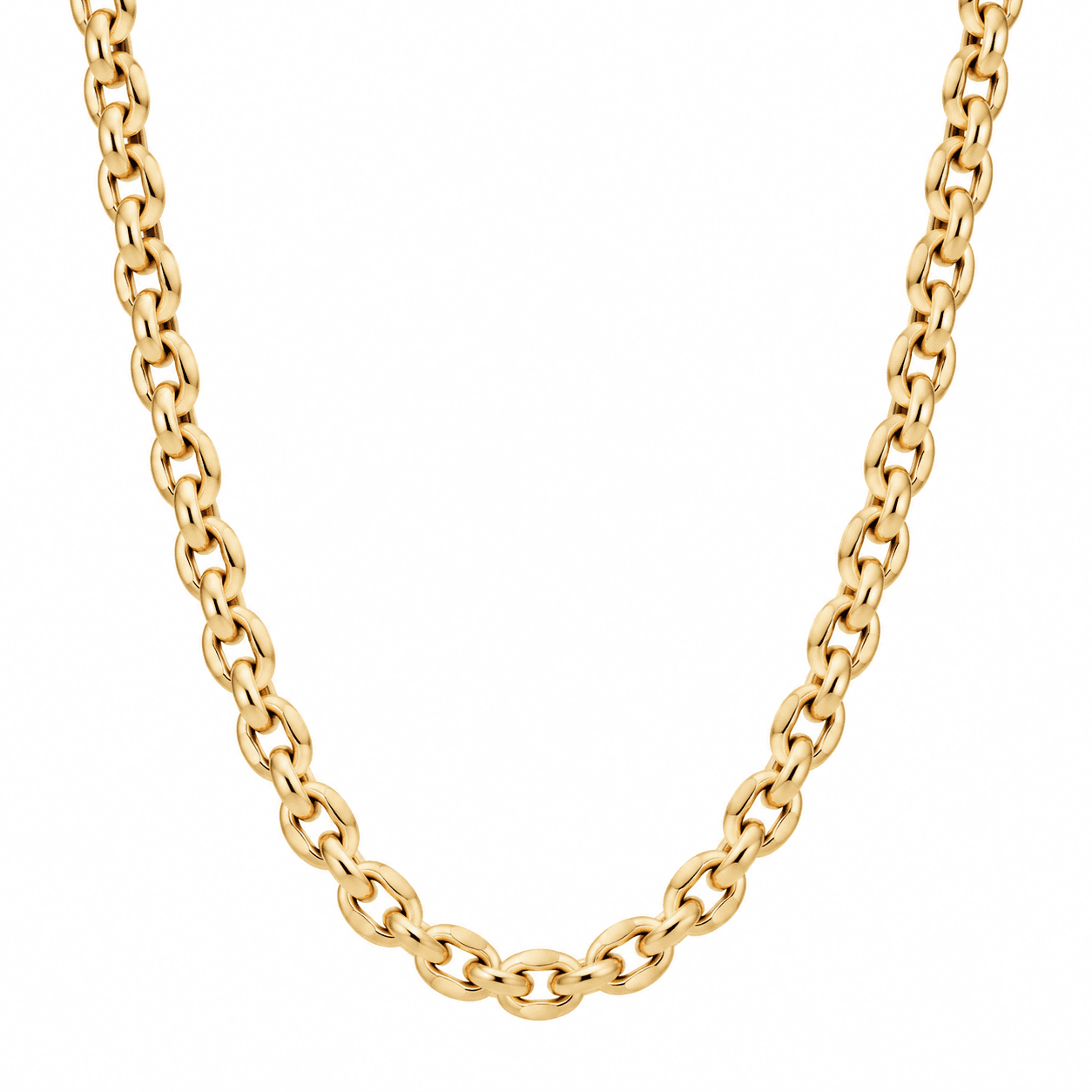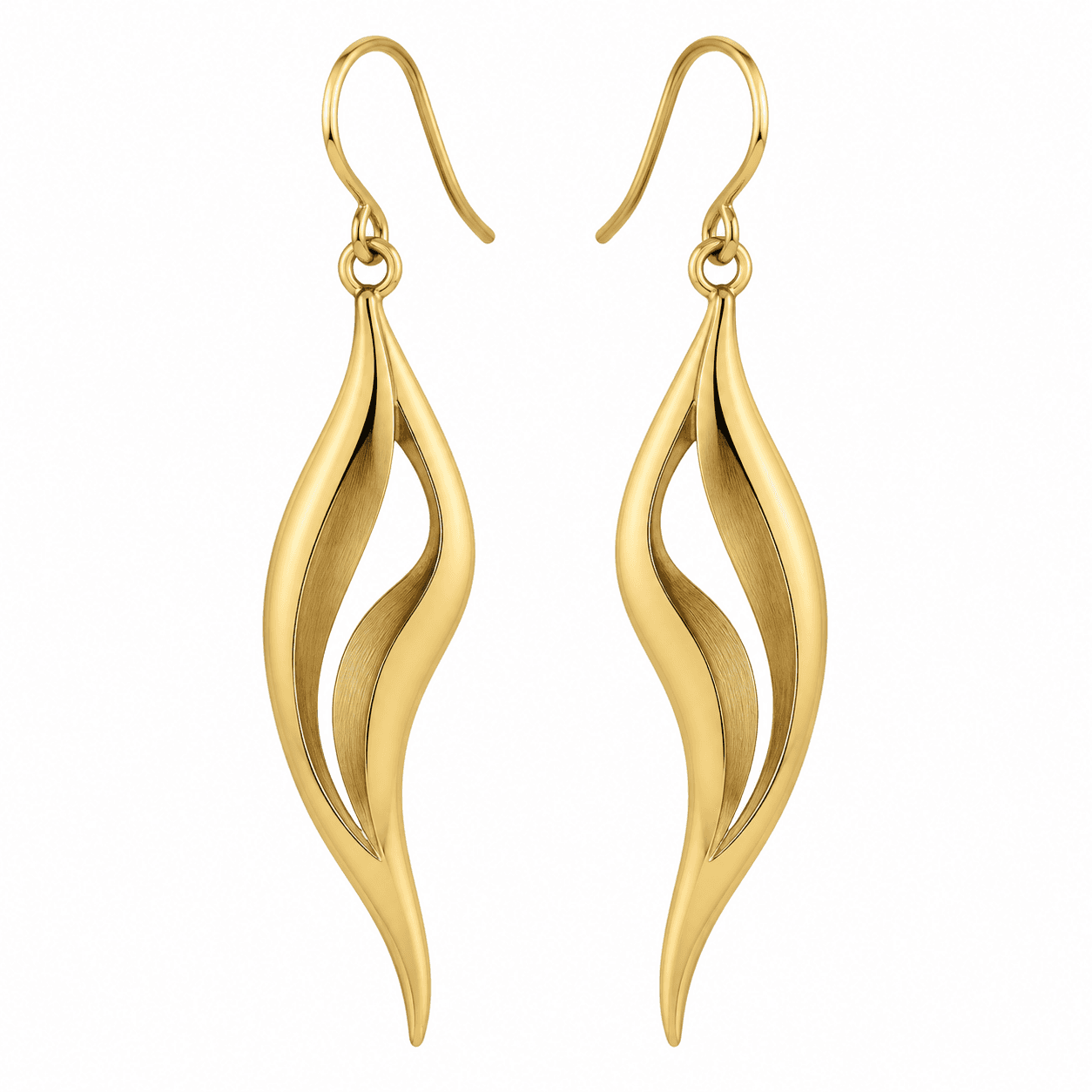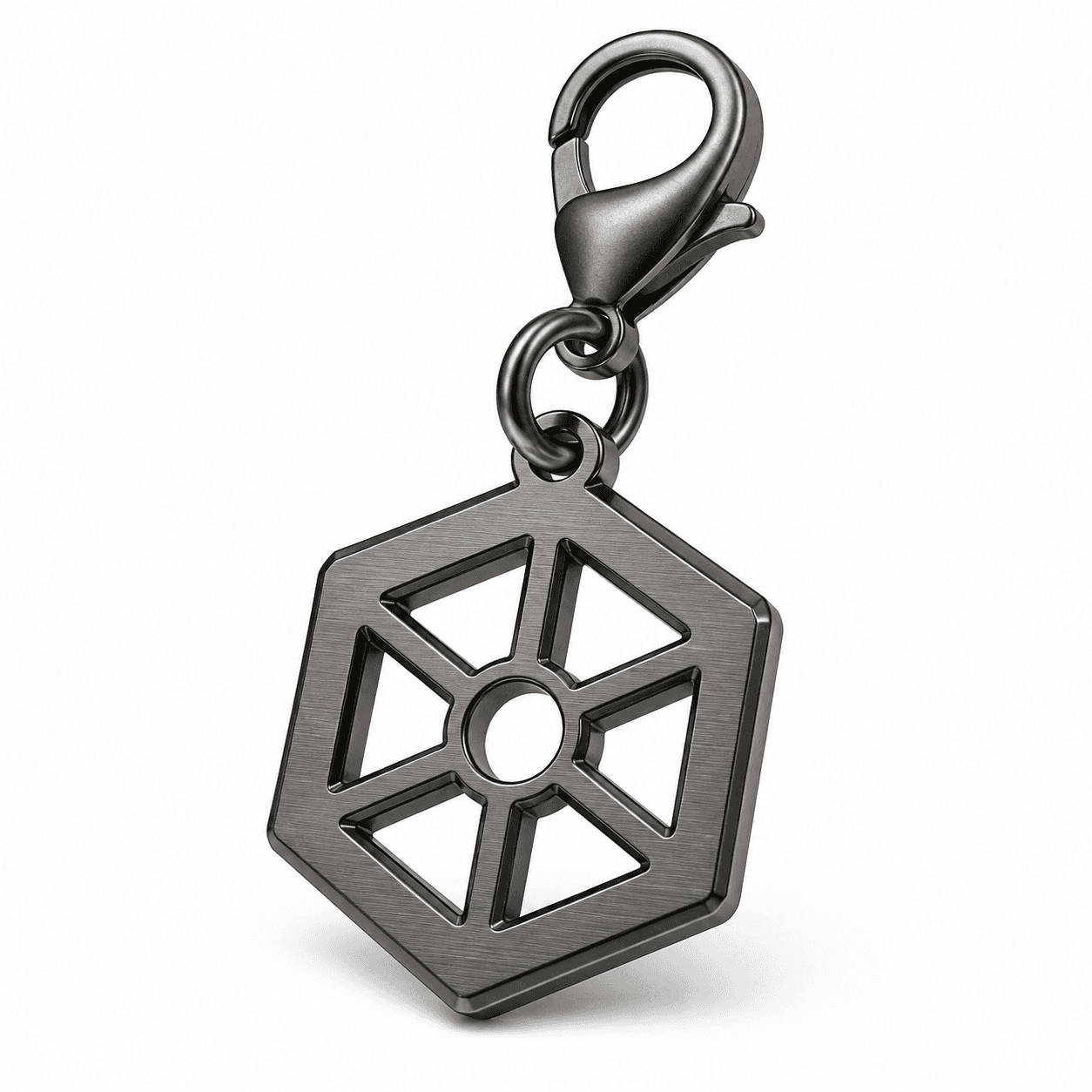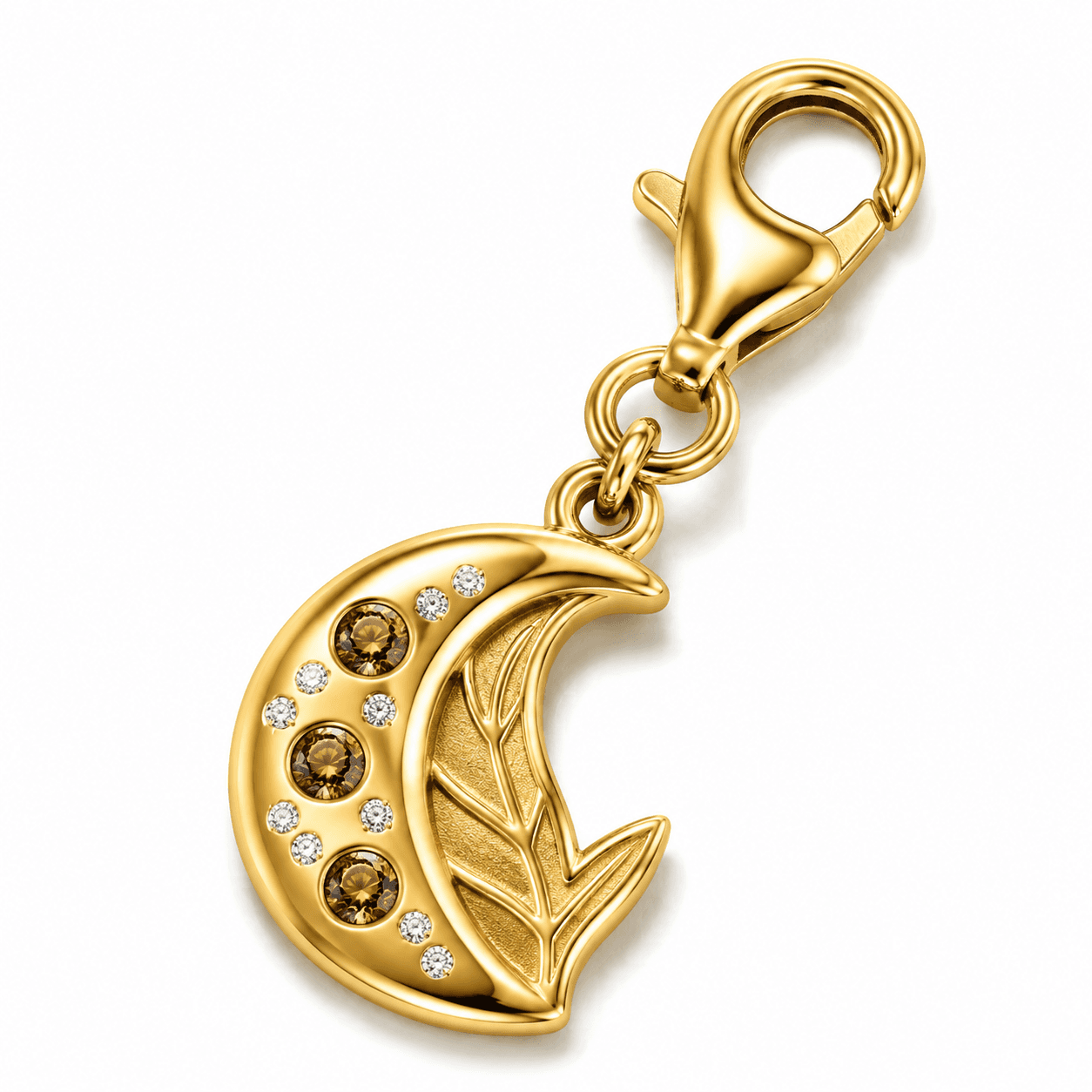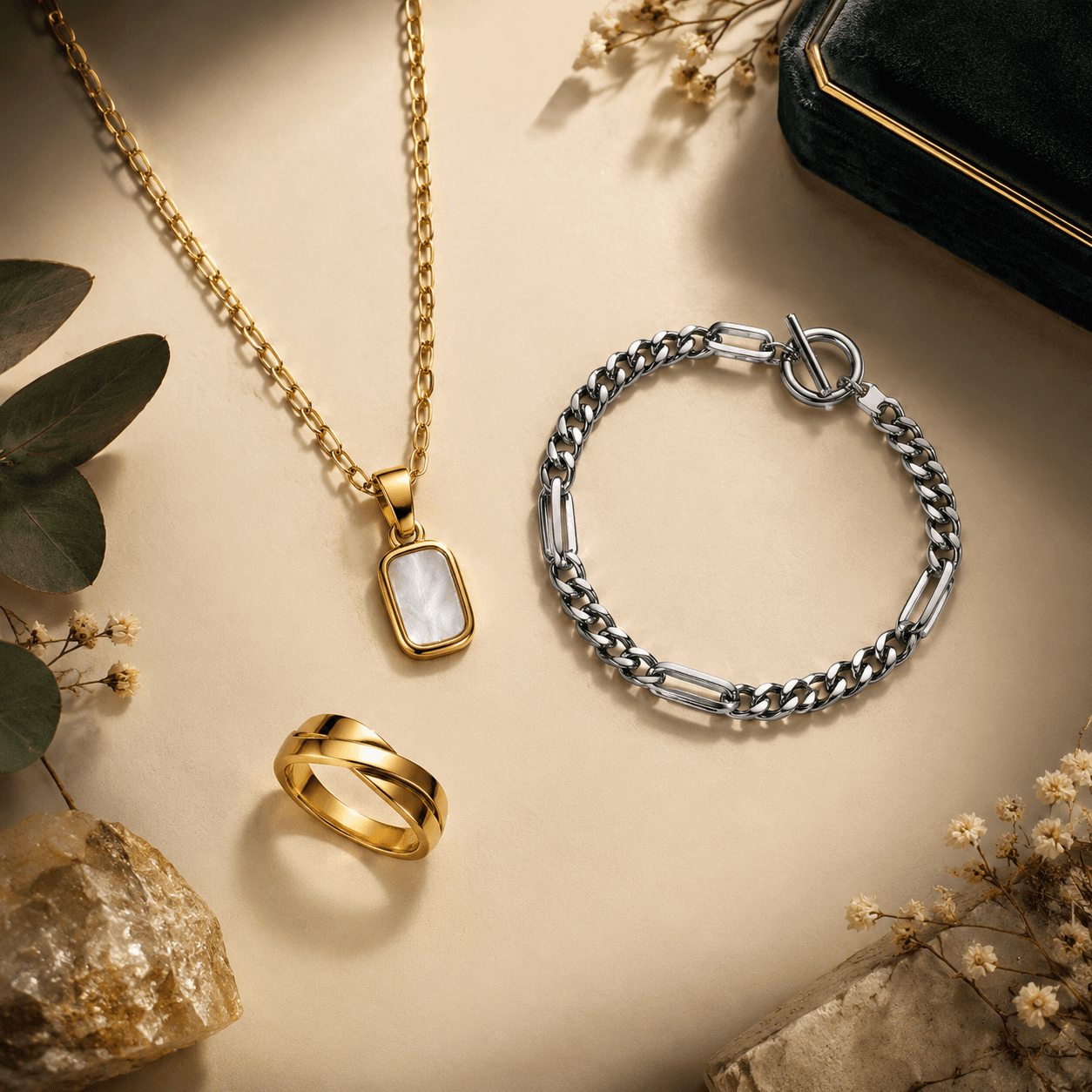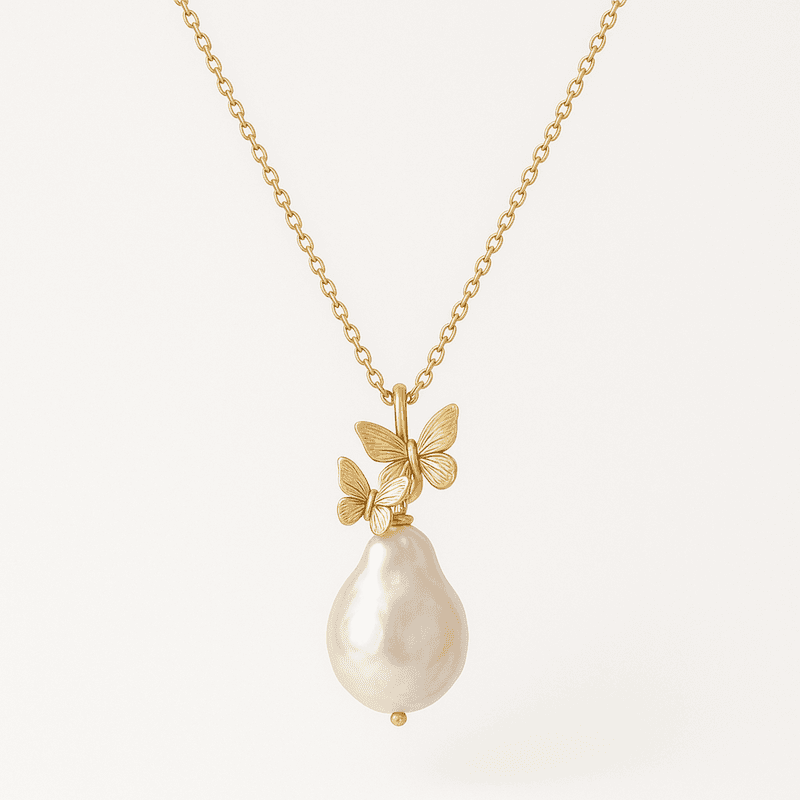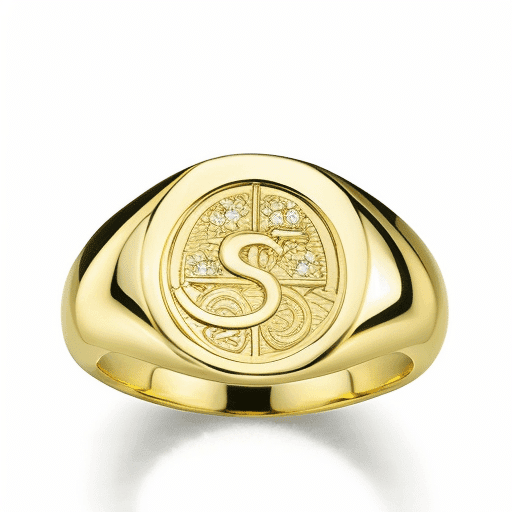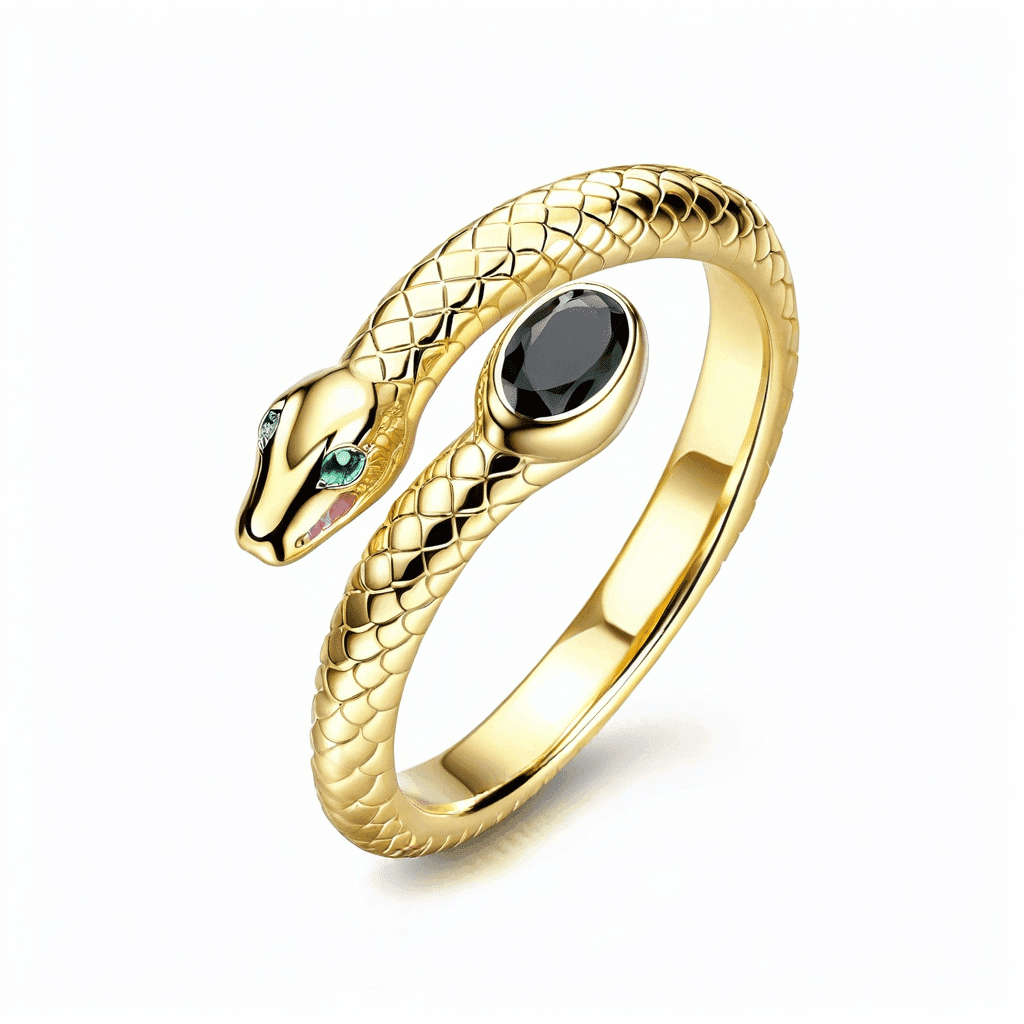
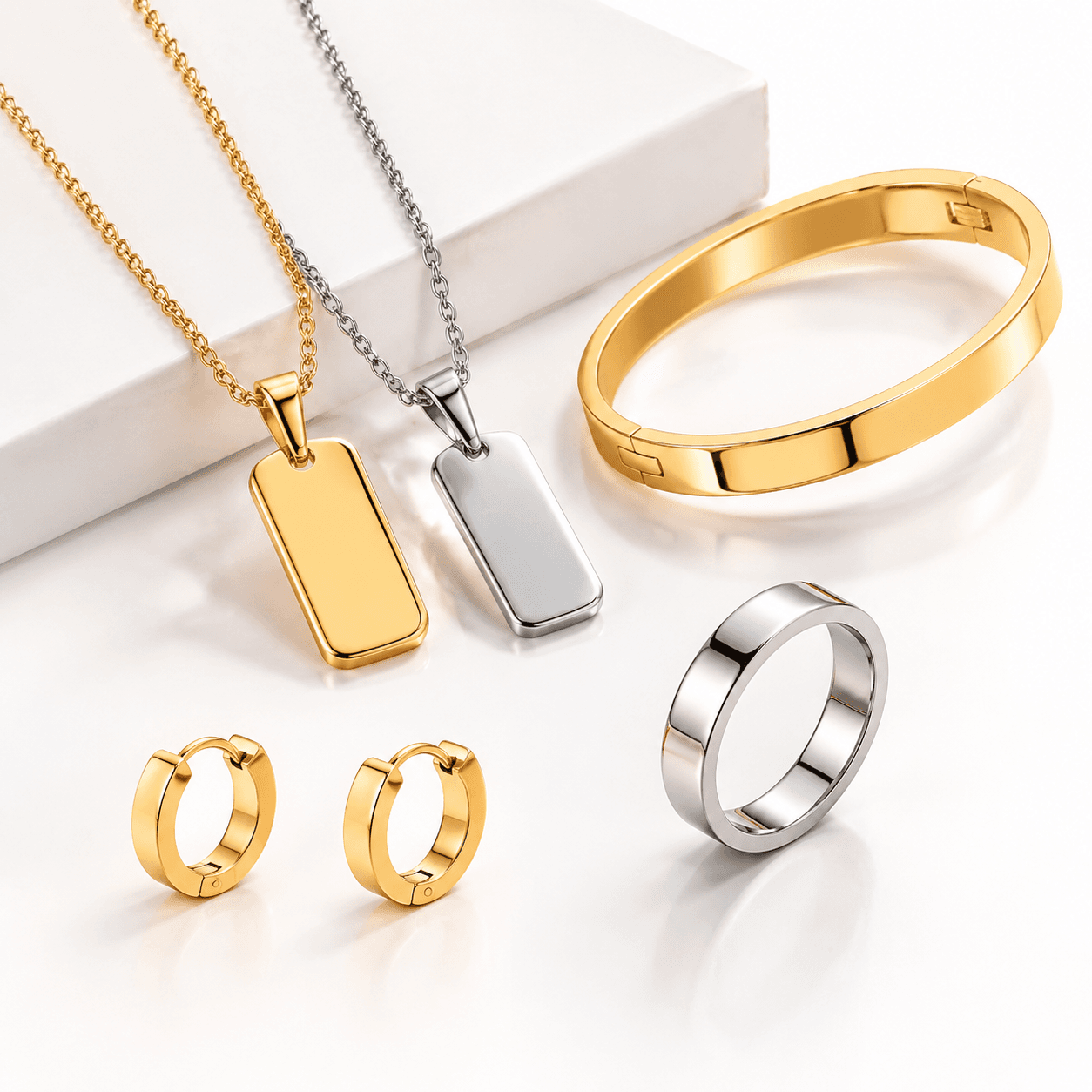
The PVD Plating Collection by Lefeng Jewelry brings together stainless steel jewelry designs and finishing possibilities for jewelry designers, brand founders, wholesalers, and private-label sourcing teams. OEM/ODM projects can be developed around product concepts featuring PVD gold plating, rose gold plating, and other configured surface finishes, subject to design and production review. The collection provides a starting point for evaluating product structures, finish preferences, and customization opportunities across necklaces, earrings, bracelets, rings, and coordinated jewelry sets.
For a suitable project, buyers can discuss design development, sampling, CNC and laser processing, polishing, PVD finishing, quality inspection, logo customization, and packaging coordination. Buyers can explore available designs, assess material and finish requirements, and develop products for wholesale or private-label programs. Each project can begin with a review of the intended product, base material, finish specification, and commercial requirements, helping transform an initial design direction into a practical manufacturing brief.
استكشف مجموعة الطلاء بتقنية PVD للمجوهرات المخصصة
يُعد طلاء PVD خيارًا مهمًا للتشطيب في المجوهرات العصرية المصنوعة من الفولاذ المقاوم للصدأ، لأنه يتيح للمصنعين تطوير مظاهر سطحية مختلفة مع الحفاظ على البنية المعدنية الأساسية. والترسيب الفيزيائي للبخار هو عملية طلاء تعتمد على التفريغ الهوائي، حيث تُرسَّب المادة على سطح مُجهَّز. وبالنسبة لمصممي المجوهرات، يوفر ذلك بُعدًا إضافيًا لتطوير مجموعات منتجات متناسقة، واختيار التشطيبات المرئية، وتحديد تشكيلة مجوهرات بعلامة تجارية خاصة مميزة. ويُعد طلاء الذهب بتقنية PVD وطلاء الذهب الوردي من بين اتجاهات التشطيب المُهيأة المتاحة لمنتجات Lefeng Jewelry المناسبة، وذلك وفقًا لمراجعة التصميم والإنتاج.
تضم المجموعة اتجاهات للمنتجات ضمن عدة فئات من المجوهرات. ويمكن للمشترين استكشاف مجموعة قلائد الفولاذ المقاوم للصدأ لتصاميم القلائد المتدلية والسلاسل، ومجموعة أقراط الفولاذ المقاوم للصدأ لأقراط الكبش والأقراط الحلقية والأقراط المتدلية، ومجموعة أساور الفولاذ المقاوم للصدأ لأساور السلاسل والأساور الصلبة. وتشمل فرص المنتجات الإضافية خواتم الفولاذ المقاوم للصدأ، وخلخال الفولاذ المقاوم للصدأ، ومجموعات المجوهرات المتناسقة. وتساعد صفحات الفئات هذه فرق التوريد على تحديد التصاميم الأولية المناسبة قبل مناقشة التعديلات مع فريق التصنيع.
بالنسبة لمصممي المجوهرات، ينطوي اختيار التشطيب على أكثر من مجرد اختيار اللون. إذ يؤثر مظهر السطح، وتجهيز المعدن الأساسي، وهندسة المكونات، والتفاصيل الزخرفية، وموضع المنتج المستهدف جميعها في المواصفة النهائية. وينبغي أن يحدد الموجز المتسق المادة الأساسية المفضلة، ومظهر التشطيب، وأبعاد المنتج، وتكوين المكونات المعدنية، وأي متطلبات زخرفية تتعلق بالمينا أو الزركون أو الكريستال أو اللؤلؤ، حيثما ينطبق ذلك. وتراجع Lefeng Jewelry هذه التفاصيل أثناء تطوير OEM/ODM حتى تتمكن عملية إعداد العينات من معالجة التصميم الفعلي بدلًا من الاعتماد فقط على مرجع مرئي. ويمكن للمشترين أيضًا تصفح تصاميم المجوهرات الجديدة المصنوعة من الفولاذ المقاوم للصدأ لتحديد مفاهيم إضافية للمنتجات من أجل مجموعة قيد التطوير.
اختيار الفولاذ المقاوم للصدأ 316L وتشطيب PVD
Base material selection is a fundamental decision in PVD jewelry development. Depending on the product design and manufacturing requirements, material options discussed for suitable projects may include 316L stainless steel, 304 stainless steel, 925 sterling silver, copper, and zinc alloy. For stainless steel jewelry collections, 316L stainless steel is a frequently considered option because of its material characteristics, structural suitability, and established use in jewelry manufacturing. Its composition and surface condition should be evaluated alongside the intended design, component thickness, polishing requirements, and finishing process. Buyers should confirm the precise material specification for each SKU rather than assuming that every item in a collection uses an identical base metal.
PVD gold plating and rose gold plating provide different visual directions for product development. The final appearance depends on the specified coating, surface preparation, underlying geometry, and manufacturing parameters. Before approving a bulk order, designers should review the actual sample under consistent lighting and compare the color, surface uniformity, reflective appearance, and detailing against their approved reference. Small differences in geometry, edge definition, and polishing can affect how a finished surface appears across different components. For coordinated collections, sampling representative product structures helps buyers assess whether the selected finish works consistently across necklaces, earrings, bracelets, and rings.
Material and finishing specifications should also address the intended use and relevant market requirements. Buyers sourcing for the US, EU, UK, Canada, or Australia may need documentation relating to the exact product composition, applicable chemical restrictions, or other market-specific requirements. Requirements depend on the destination market, product category, and final specification. Lefeng Jewelry can review buyer-supplied requirements and discuss available documentation for the confirmed material and finish configuration. No certification or compliance result should be assumed from the material name or finishing method alone. For practical sourcing, a complete specification should identify the base metal, coating requirements, decorative materials, product components, and any documentation required before order confirmation.
خيارات تطوير وتصنيع عينات المجوهرات المخصصة بتقنية PVD
Custom PVD jewelry development allows designers to translate creative concepts into products that can be evaluated for manufacturability, appearance, and commercial suitability. For suitable OEM and ODM projects, the development scope may include design coordination, sample development, CNC and laser processing, polishing, PVD finishing, enamel application, stone setting, and customized logo work. The appropriate manufacturing route depends on the product drawing, physical dimensions, connection structure, material selection, and requested surface finish.
Sampling is an essential stage because a digital design or reference image cannot fully demonstrate the physical characteristics of a finished jewelry item. During sample development, buyers can review the overall dimensions, weight considerations, chain construction, clasp functionality, pendant attachment points, earring posts, setting details, and surface finish. A necklace, for example, should be assessed as a complete assembly, including the pendant, bail, connecting jump ring, chain, extension chain where required, and closure. These components should remain distinct and functionally connected. For earrings, post positioning, backing configuration, hoop geometry, and decorative element attachment should be checked against the approved design. This practical review helps identify adjustments before production specifications are finalized.
Designers can also explore variations within a coordinated product family. A common design direction may be developed into different pendant shapes, chain lengths, stone configurations, or finish options, provided the proposed structures are technically suitable. Logo engraving and custom packaging may also support private-label jewelry programs and brand launches, subject to project review. Documenting approved drawings, sample photographs, dimensions, material specifications, finish references, and packaging details creates a clearer reference for communication between the buyer and factory during subsequent production stages. To discuss development requirements, buyers can review the OEM/ODM manufacturing services and identify the appropriate route for their project.
مراقبة الجودة وتقييم التشطيب لمجوهرات PVD
Quality control for PVD-plated stainless steel jewelry should cover both the finished surface and the physical construction of the product. A visually attractive coating is only one part of an acceptable finished item. Base material identification, component dimensions, edge finishing, connection integrity, stone setting where applicable, and functional hardware all contribute to the buyer's overall evaluation. For a specific project, inspection checkpoints can be defined according to the approved sample, technical specification, and purchase requirements rather than relying on general descriptions such as premium finish.
For PVD finishing, practical inspection points include surface uniformity, visible color consistency, polishing condition, coverage around edges and recessed areas, and the presence of noticeable surface defects. Product-specific checks may also include clasp operation, chain movement, jump ring closure, pendant alignment, earring post positioning, and stone or decorative component security. When multiple SKUs share a finish specification, representative samples should be reviewed across different product geometries because surface preparation and component structure can influence the final visual result. Buyers should communicate their acceptance criteria in advance, including reference images, relevant dimensions, inspection expectations, and any specific areas requiring closer attention.
Testing and certification requirements require separate consideration from routine visual inspection. Depending on the destination market and buyer specification, a project may require documentation concerning material composition, coating characteristics, or applicable restricted substances. Such requirements should be identified before bulk production so the appropriate documentation can be reviewed or arranged for the confirmed specification. Buyers should confirm the applicable standards and required evidence for their products. For additional company and factory information, visit About Lefeng Jewelry. For manufacturing guidance and sourcing considerations, explore the buyer education and manufacturing insights and the jewelry sourcing blog.
الأسئلة الشائعة حول طلاء PVD
طوّر مجموعة مجوهرات PVD القادمة مع Lefeng Jewelry
Turn your finishing concept into a practical manufacturing project with Lefeng Jewelry. For suitable OEM/ODM projects, the team can discuss requirements from initial design development through sample review, finish evaluation, quality inspection, customized packaging, and export coordination. Whether you are developing a new 316L stainless steel necklace collection, expanding an existing earring range, or sourcing coordinated PVD-finished products for wholesale distribution, your requirements can be reviewed against suitable production options.
To request an RFQ, provide your product category, reference images or technical drawings, preferred base material, PVD gold plating or rose gold plating requirements, dimensions, estimated order quantity, target market, and any decorative or logo specifications. Include information about sample expectations, required documentation, inspection criteria, and private-label packaging where applicable. If you have multiple designs, organize them by SKU and identify shared specifications alongside product-specific differences. This helps clarify the project scope and makes manufacturing discussions more efficient.
Start by exploring the latest jewelry designs, reviewing the OEM/ODM manufacturing capabilities, or visiting the quote list to organize products for inquiry. For custom product development or a detailed sourcing discussion, contact the Lefeng Jewelry team through Contact Us. Share your requirements to begin a practical discussion about sampling, MOQ, finish selection, quality checkpoints, and bulk order planning.
Related resources
Related resources
- Lefeng Jewelry - OEM/ODM Stainless Steel Jewelry Manufacturer
- Seasonal Charm Collection Guide for OEM Jewelry Buyers
- Stainless Steel Jewelry Trend 2026: A Wholesale Buyer's Quality Checklist
- Stainless Steel Jewelry Trend 2026: Market Shifts Brands Need
- Stainless steel jewelry gift ideas: Retail design trends guide
- Seasonal Charm Collection: OEM Jewelry Trends for Brands
- How to Clean Stainless Steel Jewelry: Factory Care Guide for Buyers
- Contact Us | Lefeng Jewelry
- Why Is Stainless Steel Heart Charm Waterproof? 316L Guide
- Best Stainless Steel Heart Charm Ideas: A Buyer's Design Guide