For wholesale jewelry buyers in the United States and Canada, building a competitive 2026 collection requires more than selecting attractive designs. Material specifications, coating consistency, product construction, supplier quality control, minimum order quantities (MOQ), and landed costs all influence purchasing decisions and long-term inventory performance.
Stainless steel jewelry offers opportunities for everyday collections, coordinated sets, personalized products, and gold-tone designs. However, product descriptions and catalog photographs cannot establish manufacturing quality. Buyers need a structured process for evaluating materials, inspecting samples, verifying specifications, and agreeing on production requirements before placing bulk orders.
This guide provides a practical sourcing checklist for wholesalers, distributors, private label brands, and jewelry retailers evaluating stainless steel jewelry OEM/ODM suppliers in 2026.
Stainless Steel Jewelry Trends in 2026: Commercial Opportunities for Wholesale Buyers
Rather than treating every design direction as a guaranteed trend, wholesale buyers should evaluate whether a product category fits their target customers, retail positioning, and inventory strategy. The following directions offer practical starting points for assortment development.
1. Everyday Jewelry and Versatile Designs
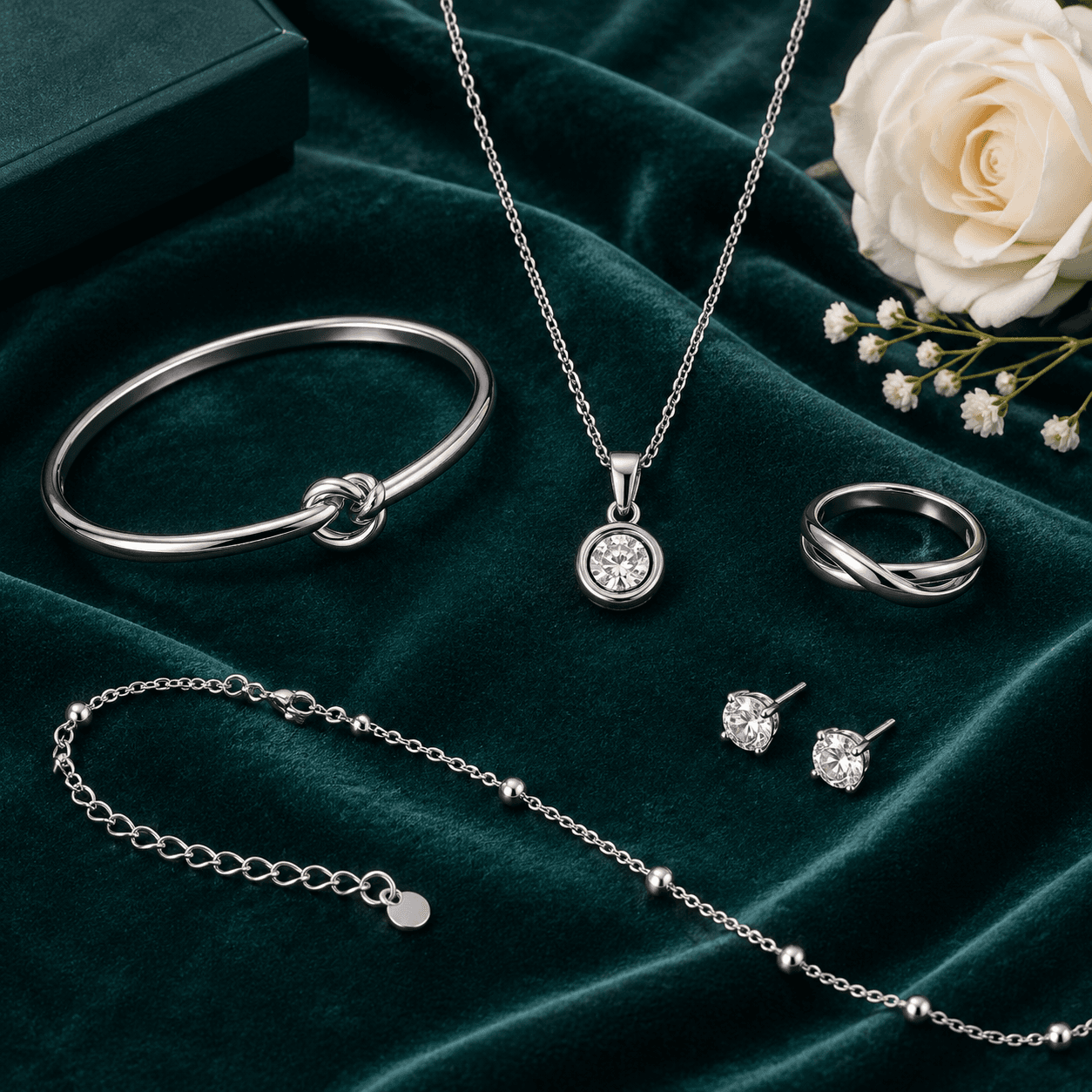
Minimal necklaces, hoop earrings, chain bracelets, rings, and coordinated sets provide flexible options for everyday jewelry collections. Their commercial value comes from versatility, complementary designs, and opportunities for repeat purchasing.
Buyer considerations:
- Compare chain thickness, pendant dimensions, ring profiles, and earring proportions.
- Evaluate whether designs complement existing products in your assortment.
- Review polished, brushed, and other specified surface finishes.
- Consider products that can be sold individually or as coordinated sets.
- Assess packaging and merchandising opportunities for different retail price points.
2. Gold-Tone and Two-Tone Stainless Steel Jewelry
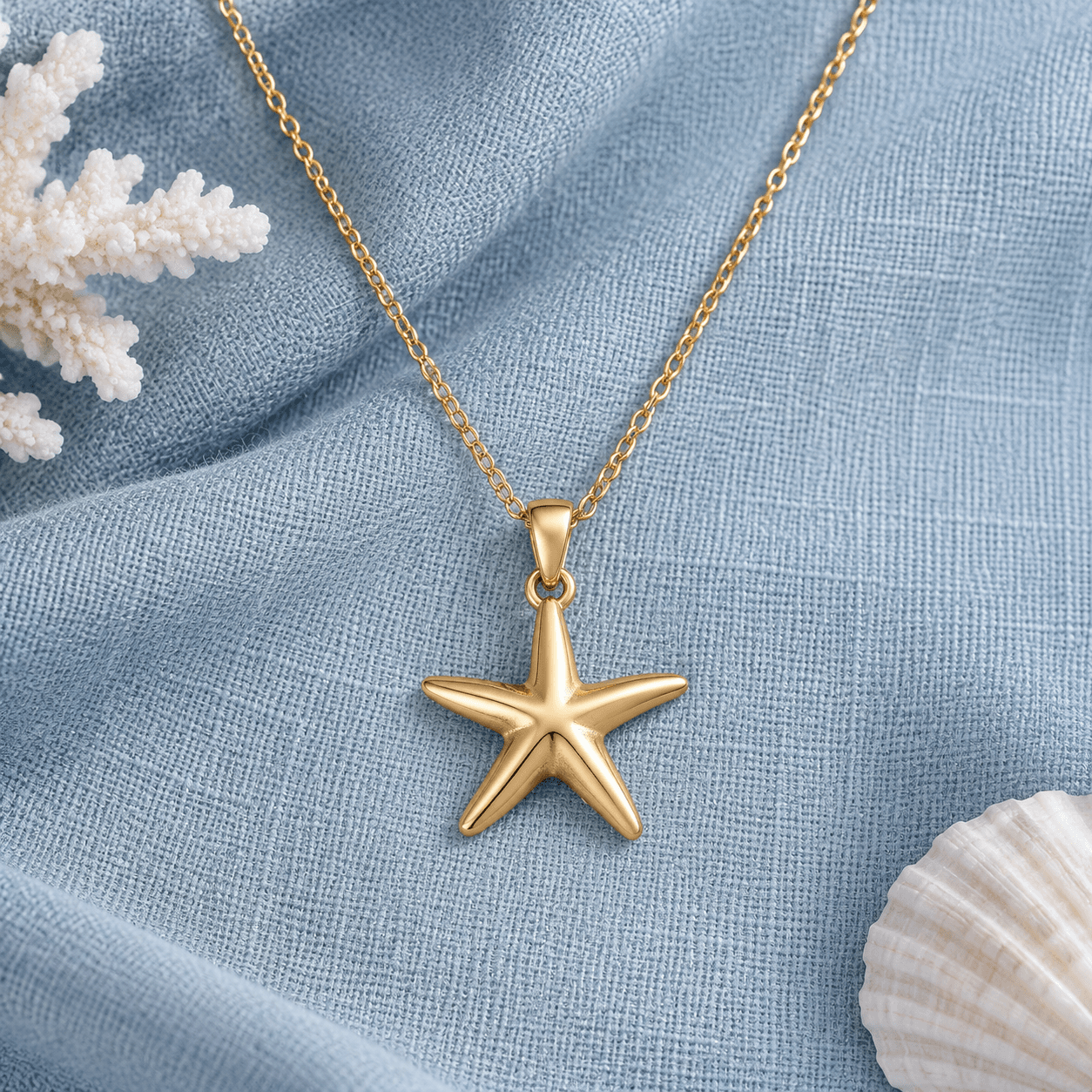
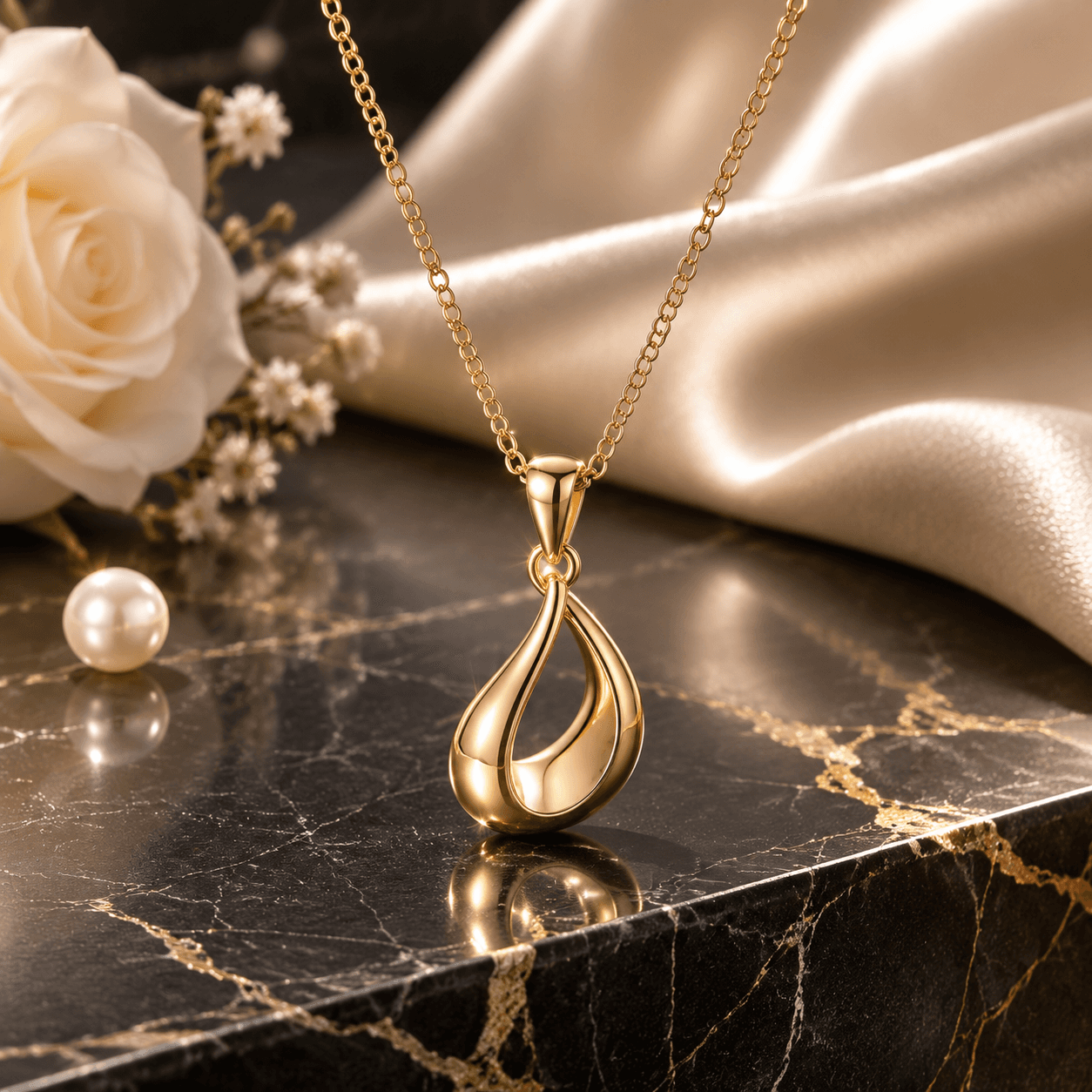
Gold-tone and rose gold-tone finishes offer visual variety while retaining the underlying stainless steel product structure. PVD coating is one finishing option for these designs. Two-tone combinations can also differentiate a collection through contrasting colors and surface treatments.
Buyers should evaluate physical samples rather than relying exclusively on photographs. Inspect color consistency across the entire product, including edges, recessed details, joints, and connection points. Confirm the actual finishing specification and approved appearance before production.
3. Personalized Jewelry and Private Label Collections
Initial pendants, engraved details, symbolic charms, and coordinated necklace and bracelet designs offer opportunities for private label development. Customization can help retailers create a recognizable assortment rather than relying exclusively on standard catalog products.
Before approving customized designs, evaluate logo placement, engraving clarity, component availability, tooling requirements, packaging options, and sampling costs. Confirm that customized details can be reproduced consistently in bulk production.
Why Quality Evaluation Matters in Wholesale Jewelry Sourcing
Product quality directly affects inventory performance and customer satisfaction. Inconsistent finishes, weak connections, dimensional variation, and unclear material specifications can contribute to returns, customer complaints, additional inspection expenses, and reduced margins.
1. Establish Consistent Product Specifications
A documented product specification provides a common reference for the buyer and manufacturer. It should identify material grades, component materials, dimensions, weight, surface finish, construction details, packaging, and acceptable appearance tolerances.
These requirements should be established before bulk production, with the approved physical sample serving as an additional production reference.
2. Evaluate Total Purchasing Costs
The lowest factory quotation does not necessarily represent the best purchasing decision. Buyers should consider customization, sampling, packaging, inspection, transportation, import expenses, and potential quality-related losses.
Comparing quotations against identical product specifications and order quantities makes supplier evaluation more meaningful.
3. Establish Supplier Accountability
OEM/ODM manufacturing involves several stages, including design development, material selection, sampling, production, inspection, and shipment coordination. Buyers should understand who is responsible for each stage and how quality deviations will be documented and resolved.
Manufacturing experience alone does not establish product quality. Verifiable processes, clear communication, appropriate documentation, and agreed acceptance criteria provide a stronger basis for supplier evaluation.
The Wholesale Stainless Steel Jewelry Quality Checklist
Use the following six checkpoints when evaluating stainless steel jewelry suppliers and preparing purchase orders. Requirements should be adapted to the specific product, materials, finish, intended use, and destination market.
Checklist 1: Verify Stainless Steel Material Specifications
Not all stainless steel jewelry uses the same material grade. Buyers should identify the exact material used in each relevant component rather than relying on a general product description.
316L stainless steel is commonly specified for jewelry applications because of its corrosion-resistant characteristics. However, material grade alone does not determine finished-product quality or guarantee suitability for every wearer.
- Confirm whether the product uses 316L or 304 stainless steel.
- Request confirmation of the material used for each component.
- Check chains, clasps, earring posts, jump rings, and decorative parts separately.
- Ask what material identification documents are available.
- Confirm that the approved sample matches the specified material requirements.
For mixed-material products incorporating 925 sterling silver, copper, zinc alloy, zircon, crystal, enamel, or pearl, request a component-level material breakdown. This is particularly important when different components have different compliance or testing requirements.
Checklist 2: Evaluate PVD Coating and Surface Quality
PVD coating is an important finishing consideration for gold-tone and rose gold-tone stainless steel jewelry. Its performance depends on several factors, including the substrate, surface preparation, coating specification, process control, and product geometry.
Do not assume that every PVD finish provides identical color consistency or wear resistance. Confirm the actual finishing requirements with the manufacturer.
- Confirm the specified gold-tone or rose gold-tone finishing process.
- Inspect color consistency across the complete product.
- Examine edges, corners, recessed details, and connection points.
- Check for scratches, visible spots, uneven coloration, and surface defects.
- Review physical samples under consistent lighting.
- Document the approved finish and appearance requirements.
Where coating durability is commercially important, agree on appropriate adhesion and wear-resistance evaluations before production. Specify the test method, sample identification, acceptance criteria, and required documentation. A general claim of durable PVD plating is not a substitute for product-specific evaluation.
Checklist 3: Inspect Product Construction and Functional Details
Even an attractive jewelry design can create customer complaints if its construction is inconsistent. Functional components should receive the same attention as materials and surface finishes.
- Inspect chain links for consistent dimensions and secure connections.
- Check lobster clasps, extension chains, jump rings, and closure mechanisms.
- Verify pendant attachment points, bails, and connecting loops.
- Examine earring posts, backs, and hoop closures.
- Review ring symmetry, inner surfaces, and band thickness.
- Inspect stone settings, enamel boundaries, and decorative components where applicable.
- Compare finished dimensions and weight with the approved specification.
Evaluate the entire product, including hidden connections and moving components, rather than inspecting only its front-facing decorative surface.
Checklist 4: Confirm Testing and Market Compliance Requirements
Testing requirements should reflect product composition, intended use, destination market, and applicable regulations. Buyers serving the United States and Canada should identify relevant requirements before production rather than assuming that one general jewelry certificate covers every product.
Depending on the product and its components, relevant evaluation areas may include:
- Material composition and identification.
- Corrosion resistance under an agreed evaluation method.
- Coating adhesion and wear resistance.
- Nickel release where applicable.
- Lead and cadmium content where applicable.
- Stone retention and decorative component security.
- Functional durability of closures and moving connections.
For US and Canadian distribution, buyers should identify applicable chemical restrictions, consumer product safety requirements, labeling obligations, and import requirements based on the actual product and its intended use. FDA requirements should not be presented as a general jewelry quality certification.
If third-party testing is required, establish the testing organization, method, sample identification, and acceptance limits. Reports should correspond to the actual material and finish specification being purchased. Confirm documentation availability for the specific project instead of assuming that existing reports cover every product.
Checklist 5: Approve Physical Samples Before Bulk Production
Sampling is one of the most effective ways to reduce uncertainty in custom jewelry sourcing. It allows buyers to compare a physical product with design drawings, technical specifications, and commercial expectations.
- Provide clear reference drawings, measurements, or design files.
- Confirm material grades, component specifications, and finishes.
- Review dimensions, weight, and product proportions.
- Check logo engraving and customized details.
- Examine the sample under consistent lighting.
- Perform appropriate normal-use functional checks.
- Photograph and document approved product details.
- Record revisions and approve the final sample before production.
The approved sample should become a documented reference for manufacturing and inspection. Avoid approving bulk production solely from digital images when color, weight, dimensions, or construction are commercially important.
Checklist 6: Establish Production Quality Control
Quality control should extend beyond final visual inspection. A structured process can include incoming component checks, production checkpoints, finishing inspection, assembly review, and packaging inspection.
Ask the supplier to explain how inspection responsibilities are assigned and how nonconforming products are identified and handled.
- Keep the approved sample available as a production reference.
- Define inspection requirements for incoming components.
- Review surface finishing and coating consistency.
- Establish assembly and functional inspection criteria.
- Specify acceptable dimensional and appearance tolerances.
- Agree on final inspection procedures and sampling methods.
- Define procedures for rejected or nonconforming products.
- Inspect packaging condition before shipment.
Written acceptance criteria provide a more objective basis for supplier communication and help resolve differences between approved samples and delivered products.
How to Evaluate Wholesale Pricing, MOQ, and Supplier Reliability
Material and manufacturing quality are only part of a successful sourcing decision. Buyers should also determine whether a supplier can support the required order quantities, customization, commercial terms, and ongoing product development.
1. Compare Total Landed Cost, Not Just Unit Price
Request quotations that clearly identify product costs, customization, sampling, packaging, and other applicable charges. Compare suppliers using the same technical specifications and order quantities.
Total landed cost per sellable unit = Total applicable product, sourcing, transportation, import, and handling costs divided by the number of accepted sellable units.
Depending on the purchasing arrangement, the calculation may also include inspection costs, packaging expenses, and quality-related losses. Confirm which charges are included in each supplier quotation.
2. Confirm MOQ and Production Flexibility
MOQ varies according to product structure, material, finish, customization, and packaging requirements. A standard catalog item may have different production requirements from a customized private label design.
- Request the MOQ for each individual design.
- Confirm whether different finishes require separate quantities.
- Ask whether multiple designs can share customized packaging.
- Clarify sample charges and revision costs.
- Request pricing for the intended bulk order quantity.
- Confirm whether component sharing or design adjustments could affect the order structure.
Do not assume that one MOQ applies across every product category. Obtain project-specific confirmation before preparing inventory forecasts.
3. Assess OEM/ODM Manufacturing and Communication Capabilities
A suitable OEM/ODM jewelry supplier should be able to explain how a project moves from concept to sample, production, inspection, packaging, and shipment coordination.
Use these questions during supplier evaluation:
- Can the supplier explain its material selection and finishing options?
- Is there a documented sample development and revision process?
- Can the supplier explain its production quality checkpoints?
- Are custom logo, engraving, and packaging requirements included in the quotation?
- Can the supplier provide relevant material or testing documentation when required?
- Are product specifications, responsibilities, and delivery arrangements documented?
- Can the supplier explain how production deviations and rejected products are handled?
Factory-direct communication can simplify project coordination, but buyers should verify the actual manufacturing arrangements and responsibilities rather than assuming that every supplier offering OEM/ODM services controls all production processes directly.
4. Agree on Quality and Warranty Responsibilities
Product performance expectations should be documented commercially rather than based on vague durability promises. Buyers should agree on defect definitions, inspection procedures, reporting periods, and remedies for products that fail to meet approved specifications.
For coated products, clarify intended use conditions and any applicable warranty exclusions. Wear, exposure, maintenance, and handling can influence product appearance over time. Avoid relying on unspecified lifetime or wear guarantees without documented supporting conditions.
Wholesale Stainless Steel Jewelry Purchasing Checklist: Before You Place an Order
Before approving a bulk purchase order, consolidate the essential requirements into one product specification and supplier agreement.
- Material grades and component-level material breakdown.
- Dimensions, weight, construction, and approved drawings.
- Surface finish and coating specifications.
- Physical sample approval and revision records.
- Applicable testing and destination-market compliance requirements.
- Production inspection and acceptance criteria.
- MOQ, unit quotation, sampling charges, and customization costs.
- Packaging specifications and branding requirements.
- Production schedule and shipment arrangements, confirmed by the supplier.
- Defect reporting, warranty responsibilities, and agreed remedies.
Keeping these requirements together helps prevent misunderstandings and creates a clearer reference for production, inspection, and order fulfillment.
Frequently Asked Questions About Wholesale Stainless Steel Jewelry
1. Is 316L stainless steel a good choice for wholesale jewelry?
316L stainless steel is commonly specified for jewelry because of its corrosion-resistant characteristics and suitability for many everyday applications. However, finished-product quality also depends on component selection, construction, surface treatment, and manufacturing consistency. Buyers should verify material specifications and inspect physical samples before placing bulk orders.
2. How can wholesale buyers evaluate PVD gold plating durability?
Confirm the substrate, finishing specification, and agreed appearance requirements. Request physical samples and inspect color consistency, edges, recessed areas, and connection points. Where durability evidence is necessary, agree on appropriate coating adhesion and wear-resistance tests, including methods and acceptance criteria.
3. What should buyers check before approving a bulk jewelry order?
Confirm material specifications, dimensions, surface finishes, construction, functional components, packaging, MOQ, pricing, and inspection requirements. Approve a physical sample, document final specifications, and establish applicable destination-market requirements and procedures for handling nonconforming products.
4. How can buyers negotiate a practical MOQ with a stainless steel jewelry manufacturer?
Share the intended product range, design complexity, finish options, customization requirements, and estimated quantities. Request project-specific MOQ quotations and discuss whether different designs can share components or packaging. Actual minimum quantities depend on manufacturing requirements and should be confirmed in writing.
5. What is the difference between OEM and ODM jewelry manufacturing?
OEM manufacturing generally involves producing jewelry according to a buyer's supplied design, drawings, or technical specifications. ODM manufacturing generally involves developing products using the manufacturer's design and development resources, with customization options subject to the project arrangement. Buyers should clarify design ownership, customization scope, tooling responsibilities, and production specifications before starting a project.
Develop Your Stainless Steel Jewelry Collection With Lefeng Jewelry
Choosing an OEM/ODM manufacturing partner requires a clear understanding of product specifications, materials, finishing processes, sampling, quality control, and commercial requirements. A structured development process helps buyers evaluate manufacturing suitability using verifiable product and process information.
Lefeng Jewelry presents itself as an OEM/ODM stainless steel jewelry manufacturing partner. Buyers considering a project can discuss material requirements, design development, surface finishing, sampling, customized logos, packaging, inspection arrangements, and export coordination with the company. Specific manufacturing experience, factory arrangements, available processes, and project capabilities should be confirmed during supplier evaluation.
Whether you are developing a new private label collection, expanding an existing wholesale assortment, or sourcing customized stainless steel jewelry, begin with a clear product brief. Include reference designs, preferred material grades, finishing requirements, target quantities, and destination-market requirements so that the project can be evaluated against its actual manufacturing needs.
Explore Lefeng Jewelry's OEM/ODM manufacturing services to review the available project support. You can also explore the stainless steel necklace collection for product development references.
Planning a wholesale or private label jewelry project? Contact Lefeng Jewelry with your design references, material specifications, preferred finish, and estimated order quantity to discuss project requirements, sampling, and a quotation.