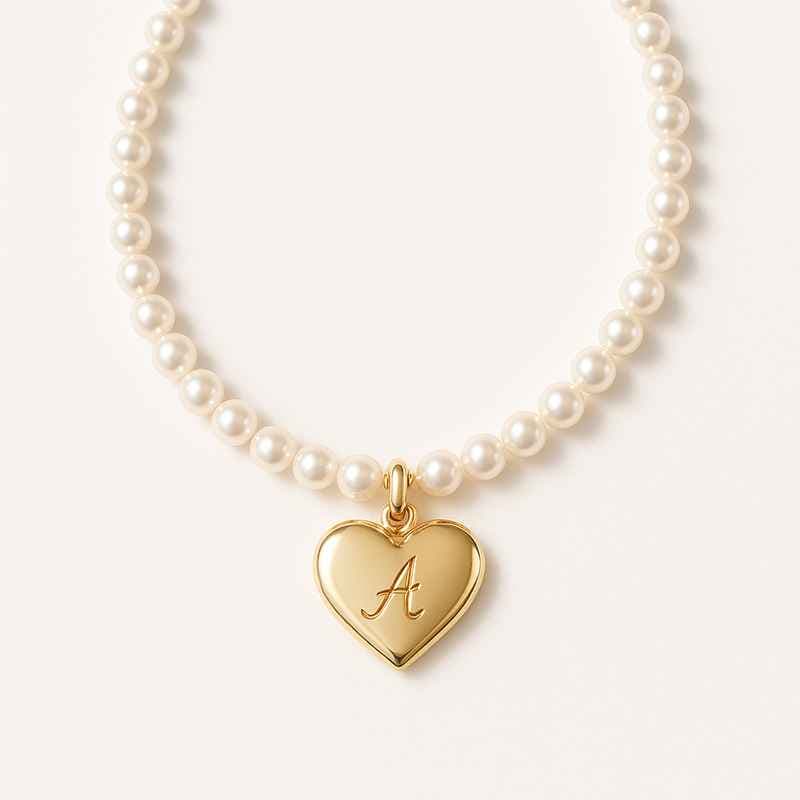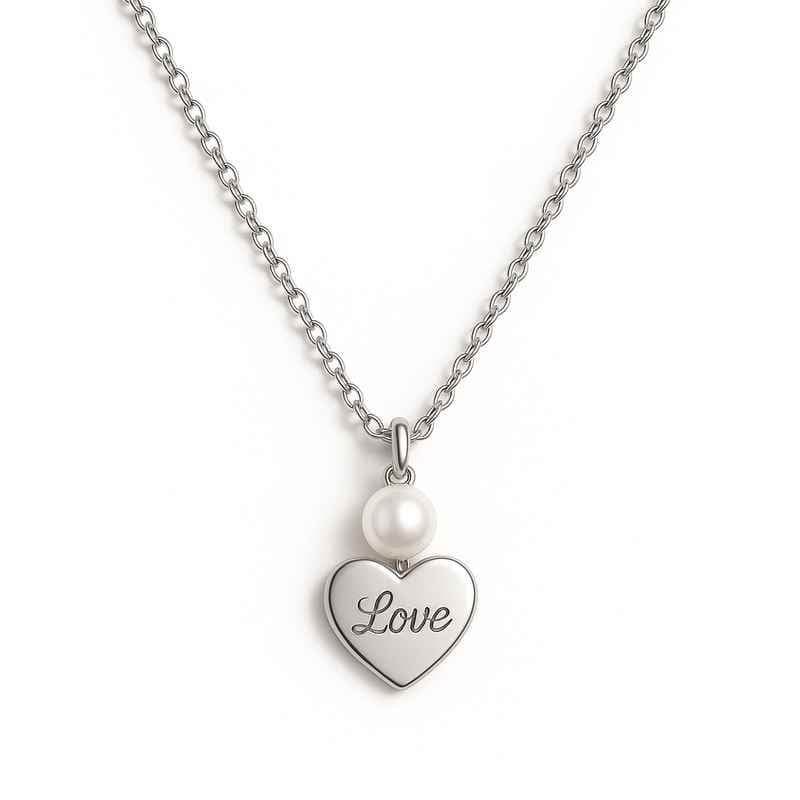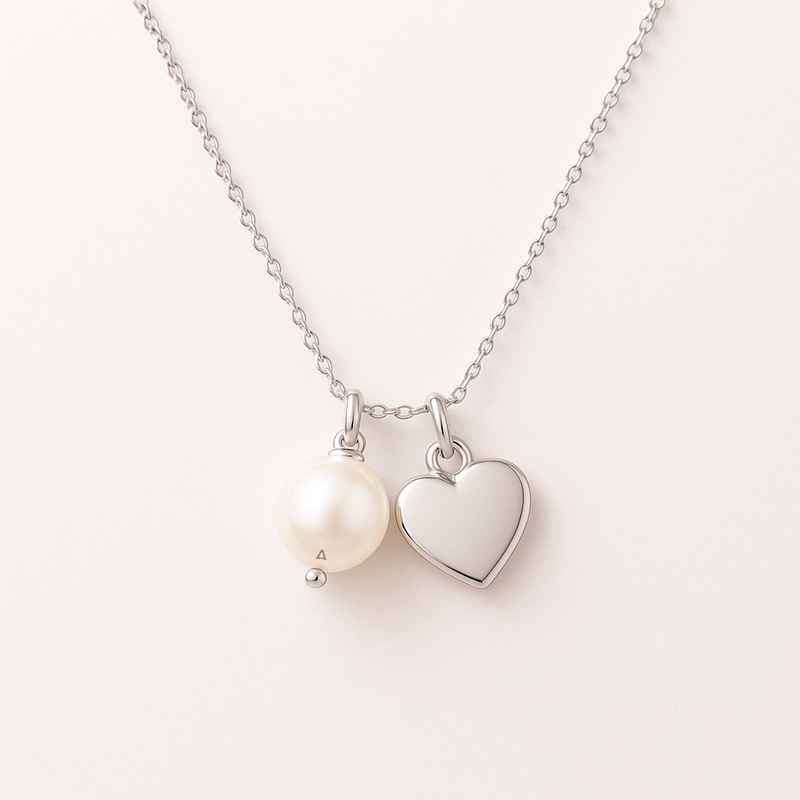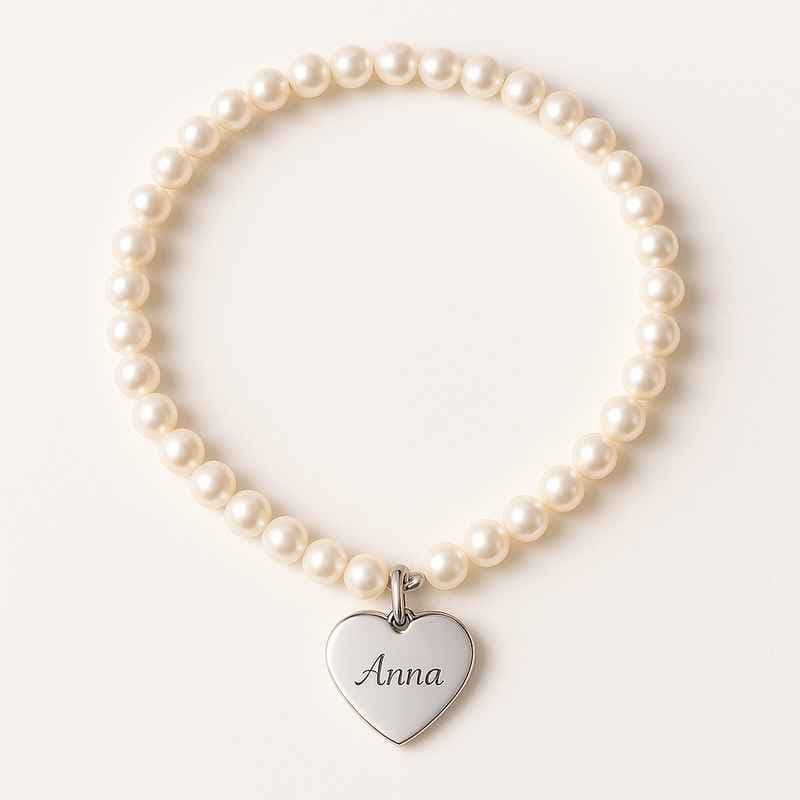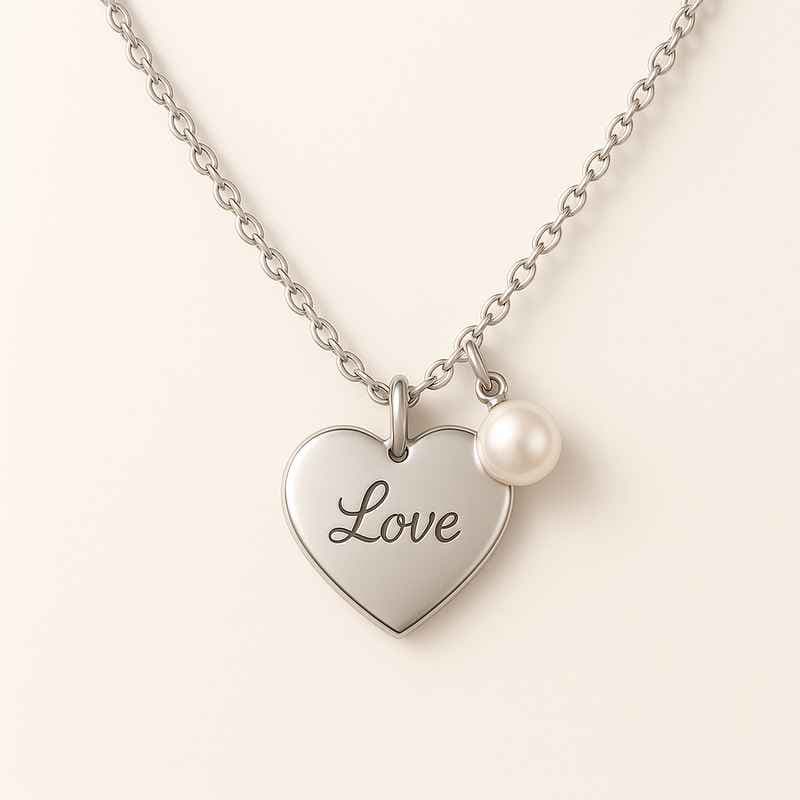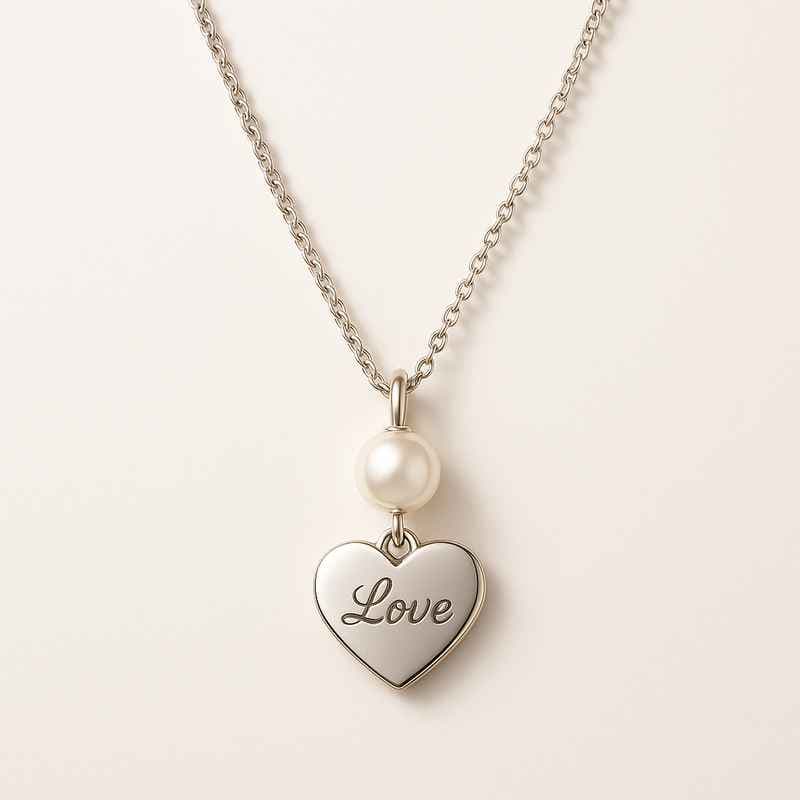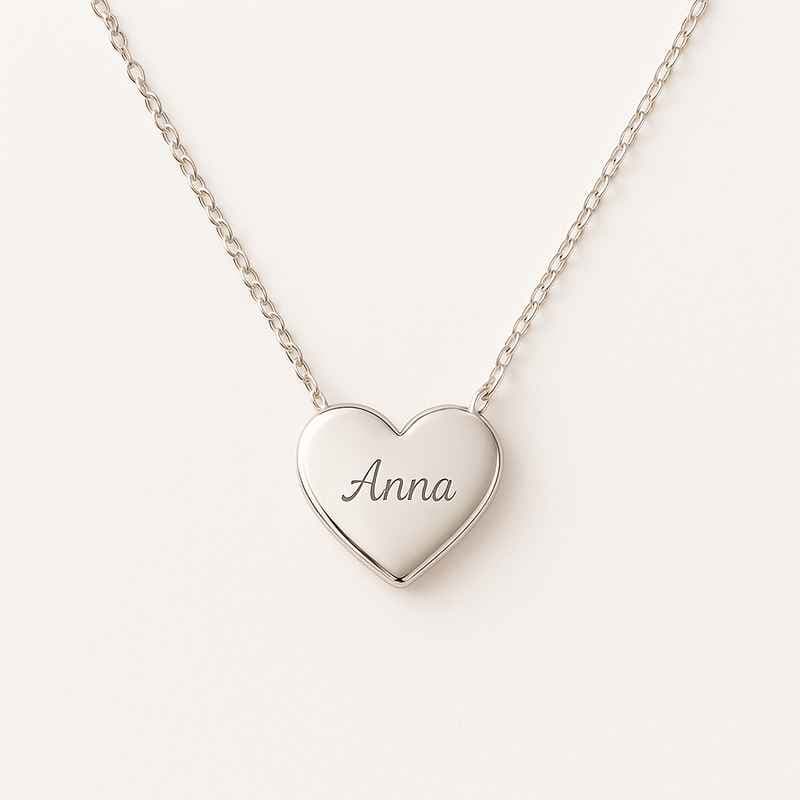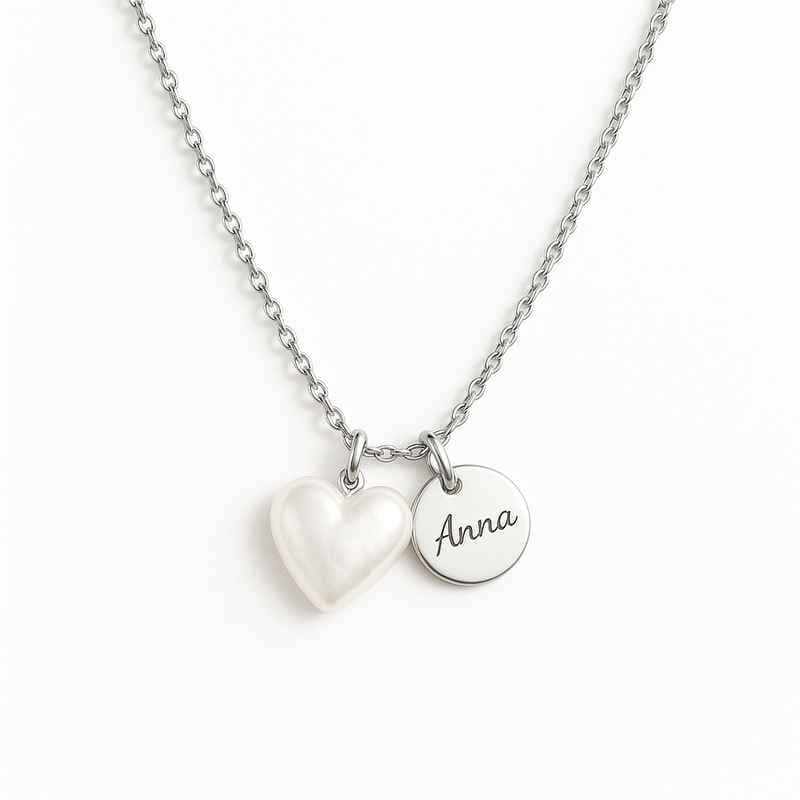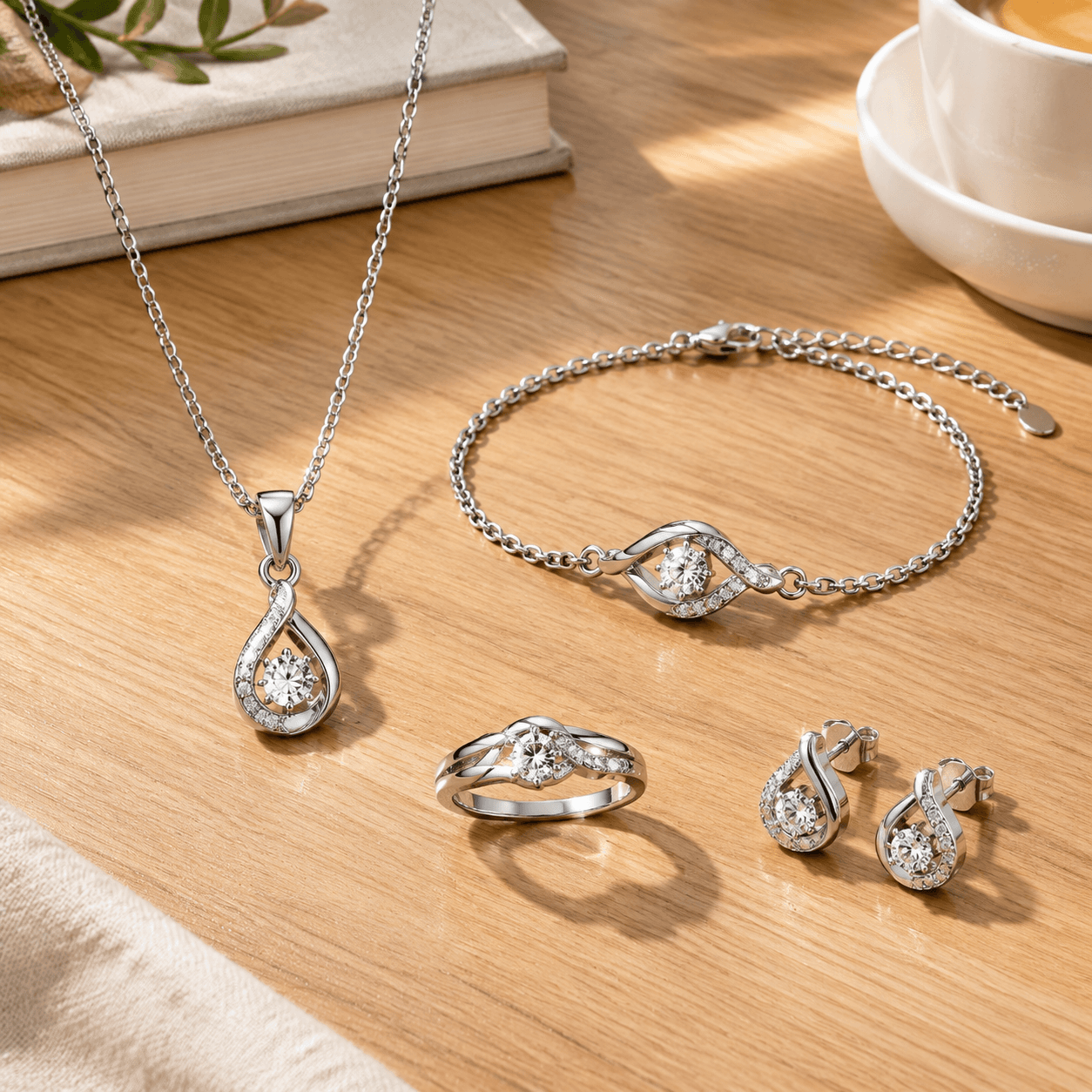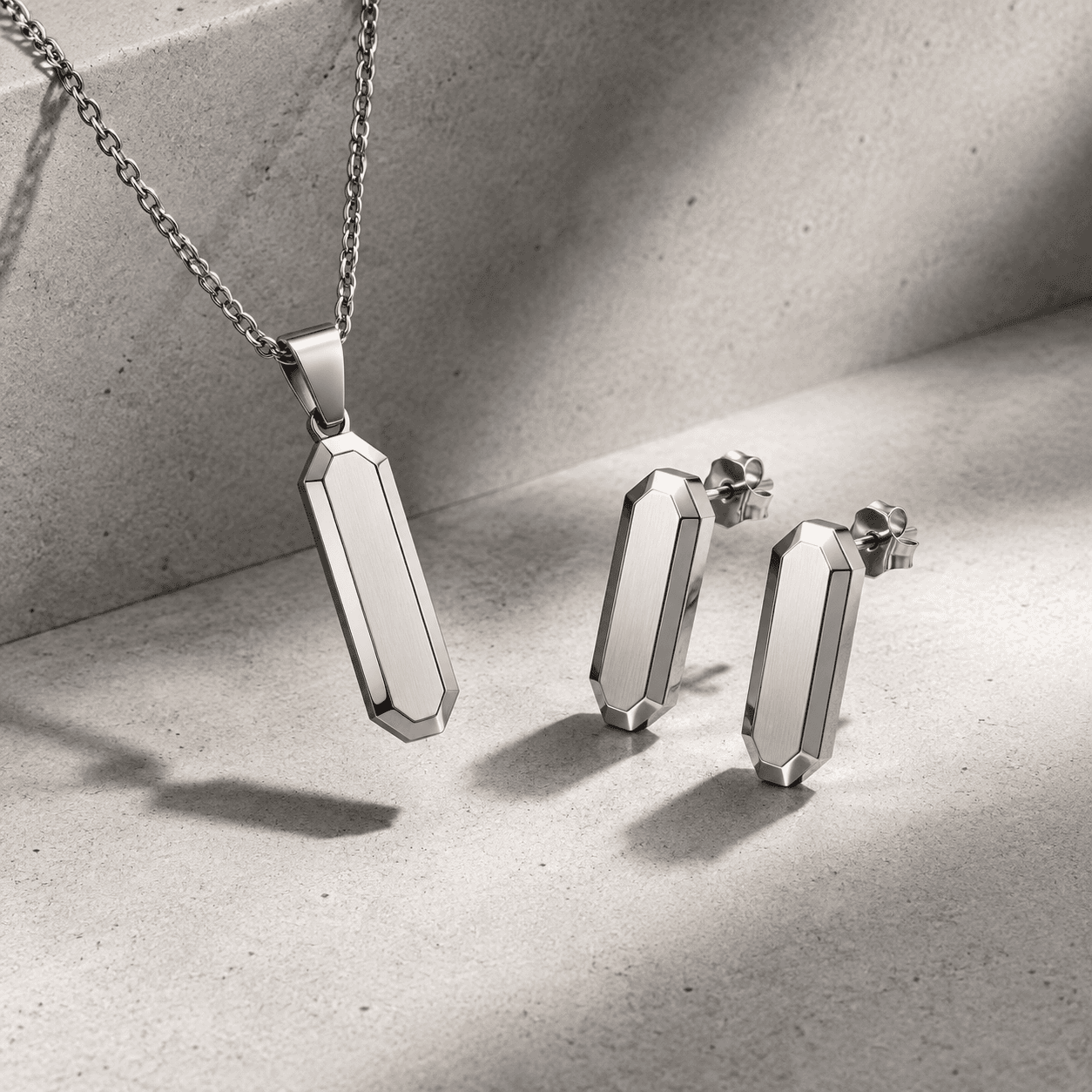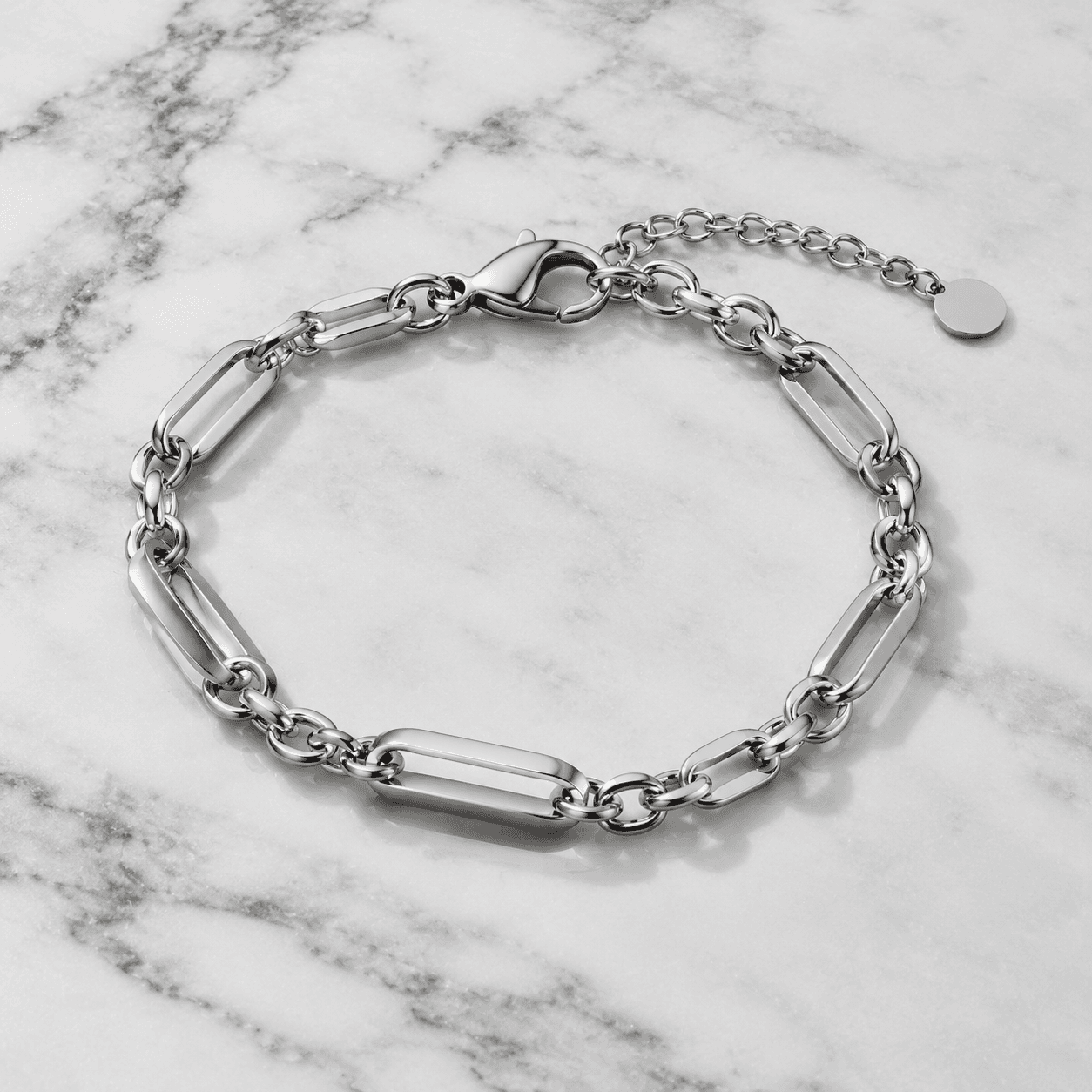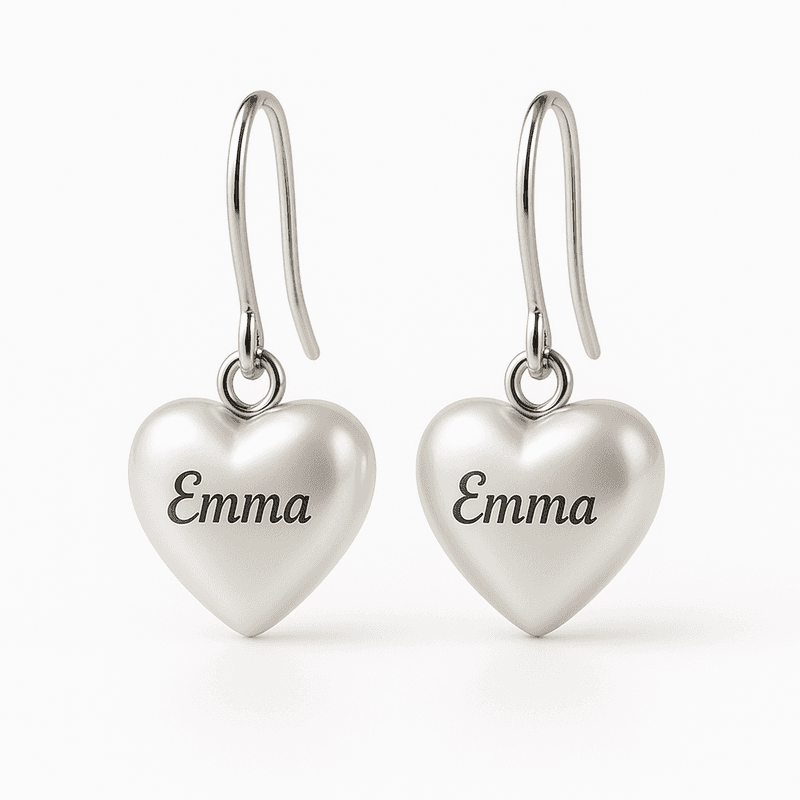
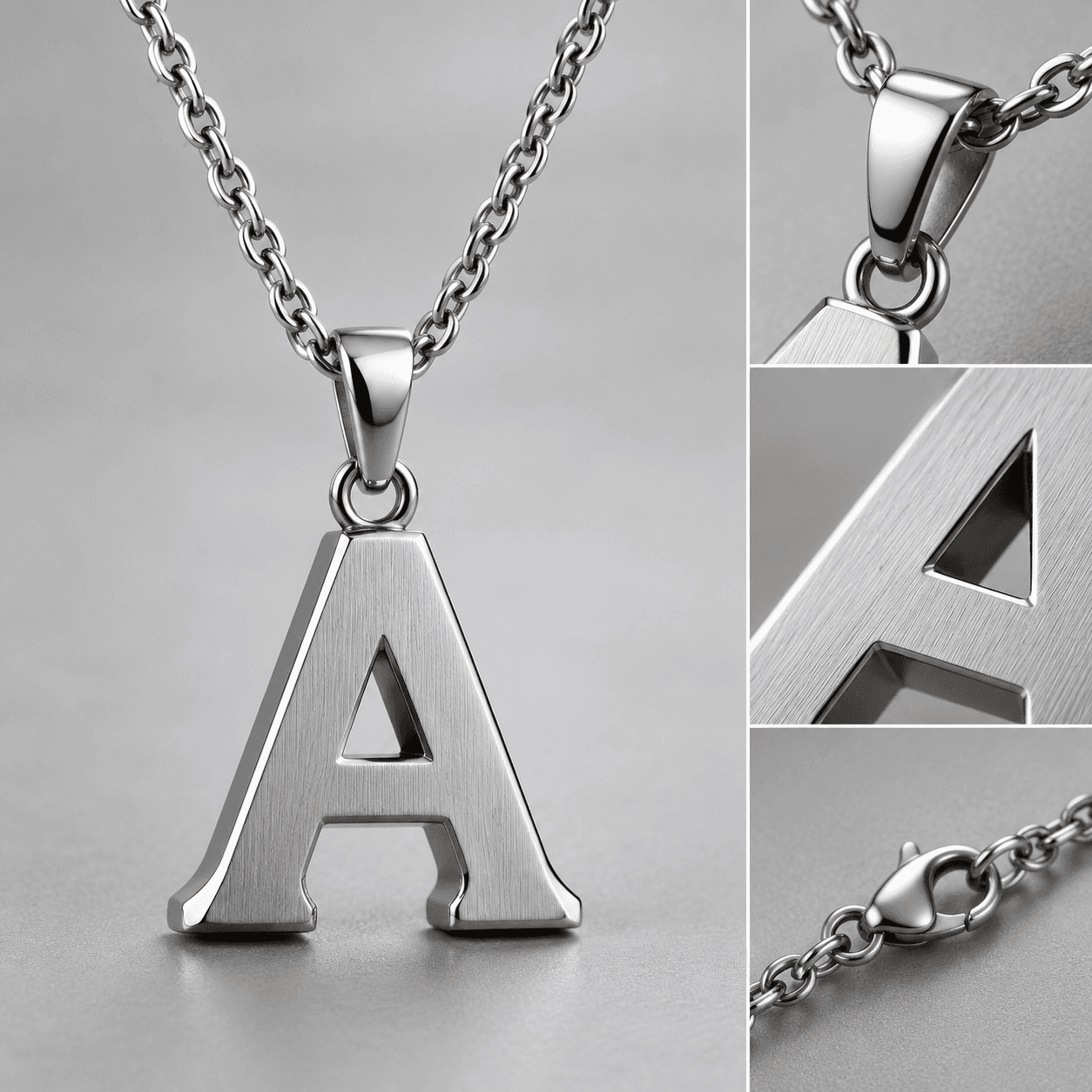
A stainless steel initial pendant necklace for men combines personalized design with practical material selection. For corporate procurement teams, jewelry brand founders, and wholesale buyers, choosing the right metal involves more than appearance. Material composition, corrosion resistance, surface finishing, engraving definition, dimensional consistency, and documentation all influence the suitability of a necklace for a commercial collection.
Lefeng Jewelry is a stainless steel jewelry factory with 15 years of OEM/ODM manufacturing experience and in-house capabilities covering design development, sampling, CNC and laser processing, polishing, PVD plating, quality inspection, custom logo work, packaging, and export coordination. This guide compares commonly considered metal options and explains how procurement teams can evaluate a stainless steel initial pendant necklace for men before approving samples or placing wholesale orders.
Whether you are developing a private label jewelry collection, expanding a men's necklace range, or evaluating a custom jewelry manufacturer, the objective is to establish a documented material specification and a repeatable inspection process before bulk production. Explore stainless steel necklace manufacturing and OEM/ODM manufacturing services for further sourcing information.
فهم اختيار المواد لقلادة رجالية من الفولاذ المقاوم للصدأ تحمل حرفًا أوليًا
Material selection determines how an initial pendant necklace performs throughout manufacturing, distribution, and intended use. Procurement teams should evaluate the base metal separately from the decorative finish. For example, 316L stainless steel with PVD gold plating remains a stainless steel product with a specified surface finish; the plating does not change the underlying base material. Likewise, a polished silver-tone appearance does not establish the alloy composition. A purchase specification should therefore identify the exact material, finish, pendant dimensions, chain construction, and engraving requirements rather than relying on general descriptions such as stainless color or premium metal.
For a men's initial pendant necklace, the pendant and chain should be evaluated as a connected assembly. The initial may be developed through CNC processing or laser processing, followed by polishing to refine visible surfaces and edges. The chain must have suitable connection points, a functional clasp, and consistent link construction. If the design includes a separate bail or jump ring, its dimensions and attachment method should be included in the sample review. Buyers should also confirm pendant thickness, letter proportions, edge finishing, engraving depth, and the intended chain length in inches. These details affect perceived quality, assembly consistency, and packaging presentation.
For Lefeng Jewelry OEM projects, practical evaluation begins with a confirmed drawing or physical reference, followed by sample development and finish review. The factory's configured manufacturing scope includes 316L stainless steel, 304 stainless steel, 925 sterling silver, copper, and zinc alloy, with applicable finishing and decorative processes such as PVD gold plating, rose gold plating, enamel, zircon, crystal, and pearl. Not every combination is suitable for every pendant design. Buyers should confirm the proposed material and process against the actual geometry, target market, intended positioning, and documentation requirements. Additional guidance is available through Lefeng Jewelry's factory and company information.
جدول مقارنة المعادن لقلادات الرجال ذات الأحرف الأولى من الأسماء
The following comparison provides a practical starting point for evaluating the metal options available within the configured manufacturing scope. The ratings are qualitative procurement guidance, not laboratory results or certification claims. Actual performance depends on alloy specification, processing conditions, surface preparation, construction, and the finished product's intended environment. Buyers should request confirmation of the precise material grade and any applicable supporting documentation before approving a purchase order.
| Material or finish | Material characteristics | Initial engraving considerations | Procurement considerations | Potential application |
|---|---|---|---|---|
| 316L stainless steel | Corrosion-resistant stainless steel grade with strong suitability for structured jewelry components | Supports defined letter details through appropriate CNC or laser processing | Confirm grade documentation, finishing specification, and inspection requirements | Core men's necklace and private label collections |
| 304 stainless steel | Common stainless steel grade with useful fabrication characteristics | Engraving appearance depends on surface preparation and processing settings | Specify the exact grade and assess intended-use requirements | Wholesale jewelry collections and selected pendant designs |
| 925 sterling silver | Silver-based precious metal with a different material specification from stainless steel | Can support personalized engraving with suitable processing | Confirm composition documentation, finish, and applicable market requirements | Alternative premium metal positioning |
| Copper | Metal substrate used in selected jewelry manufacturing applications | Requires process-specific evaluation for letter clarity and surface treatment | Confirm base material, finish system, and care information | Selected decorative pendant developments |
| Zinc alloy | Metal alloy that can support shaped decorative components | Letter definition depends on the chosen manufacturing method and geometry | Review structural details, finishing consistency, and intended application | Selected decorative initial designs |
| PVD gold plating | Surface finishing process applied to a suitable base material | Engraving sequence should be confirmed to achieve the specified appearance | Identify the substrate, finish specification, and any requested supporting evidence | Gold-tone men's initial necklace collections |
| Rose gold plating | Decorative surface finish with a rose-toned appearance | Review contrast and visual definition on the approved sample | Confirm finish appearance, processing sequence, and inspection criteria | Alternative color options for private label ranges |
For procurement decisions, 316L stainless steel is a strong starting option when the brief prioritizes a stainless steel base material and a consistent product specification. However, material selection should not be reduced to a grade name. Buyers should compare actual samples, verify the stated material, review the surface finish, and determine whether the supplier can provide the documentation required by their internal purchasing and market-access procedures. For a complete category overview, visit Lefeng Jewelry's stainless steel necklace collection.
تحليل تفصيلي للمواد واعتبارات التصنيع
316L stainless steel: A practical specification for men's jewelry
316L stainless steel is frequently considered for jewelry projects that require a defined stainless steel material specification. Its corrosion-resistant characteristics make it a practical candidate for necklaces intended for regular wear, although finished-product performance still depends on the exact grade, fabrication, surface condition, and use environment. Procurement managers should avoid treating the material designation as proof of finished-product performance. Instead, request the supplier's material identification, available supporting documentation, and confirmation that the supplied production specification matches the approved sample.
For initial pendants, the manufacturing sequence can include CNC processing or laser processing, edge refinement, polishing, and optional PVD gold plating. The letter profile should be checked for sharp edges, uneven contours, visible processing marks, and inconsistent thickness. A sample should also be reviewed under normal lighting to assess how the finish interacts with engraved details. Where a pendant is relatively small, letter spacing and stroke thickness require particular attention because minor variations can affect readability. The chain attachment, jump ring, bail, and clasp should be assessed independently before the complete necklace is approved.
304 stainless steel: Evaluating alternative stainless specifications
304 stainless steel offers another material option for selected necklace developments. It should be assessed according to the project's environmental exposure, surface treatment, construction, and commercial positioning rather than assumed to be interchangeable with 316L. Procurement documentation should identify the grade clearly and prevent material substitutions without buyer approval. If a supplier proposes a change during production, the revised material should be reviewed against the original specification, sample, and any applicable purchasing requirements.
For a men's initial pendant, the visible result is influenced by more than alloy selection. Polishing quality, pendant thickness, engraving definition, attachment geometry, and chain assembly all contribute to the finished appearance. A comparison sample can help buyers assess whether the proposed material provides the intended balance of visual quality, manufacturing practicality, and cost positioning. The decision should be recorded in the approved sample specification to support consistent production and subsequent reorders.
Decorative finishes and alternative metal substrates
PVD gold plating and rose gold plating provide decorative color options for suitable jewelry substrates. The procurement specification should identify the underlying metal and the requested finish separately. Buyers should confirm the appearance, surface preparation, processing sequence, and any applicable documentation requirements. Engraving before or after finishing may produce different visual effects, so the factory should confirm the proposed sequence during sample development. The approved sample should establish the reference appearance for color, reflectivity, engraving contrast, and visible surface condition.
925 sterling silver, copper, and zinc alloy may also be considered where the product concept or commercial positioning calls for a different metal. Each option requires its own material identification, manufacturing assessment, and inspection criteria. A supplier should not describe different substrates as equivalent simply because they produce a similar visual appearance. For corporate procurement, the purchasing specification should connect the selected material to the approved sample, production records, packaging requirements, and any documentation requested for the target market.
المشتريات المؤسسية والتوثيق ومراقبة الجودة
Corporate procurement requires a traceable purchasing specification rather than an informal product description. For a stainless steel initial pendant necklace for men, the specification should record the base metal and grade, pendant dimensions, thickness, letter design, chain length, chain construction, clasp type, attachment hardware, finish, engraving method, and packaging requirements. If the design includes zircon, crystal, enamel, or pearl, identify the relevant decorative component and its setting or attachment method. Any requested material declaration, chemical test report, or market-specific compliance document should be identified before sampling so the supplier can review its availability or arrange appropriate documentation for the confirmed specification.
Certification interpretation is particularly important when comparing suppliers. A general company certificate, a material declaration, a product-specific test report, and a manufacturing quality document serve different purposes. Buyers should check the issuing organization, document date, applicable product or material, scope, test method, and whether the document corresponds to the actual production specification. Do not assume that a supplier's general statement establishes product-level compliance. Where documentation is required for North American distribution or another destination, procurement should confirm applicable requirements with its compliance team and request evidence relevant to the specific necklace configuration.
Lefeng Jewelry supports practical quality control through in-house sampling, finishing review, quality inspection, packaging review, and export coordination. A suitable inspection plan can divide review into several checkpoints: incoming material identification against the approved specification; dimensional and visual checks during component processing; engraving and polishing review; PVD or plating appearance assessment where applicable; chain, clasp, and attachment inspection; and final product and packaging review. Acceptance criteria should be agreed before bulk production, including acceptable visual variation, dimensional tolerances, functional closure requirements, and treatment of nonconforming items. Inspection results and any requested supporting records should be reviewed against the agreed scope rather than assumed to exist in advance.
For vendor management, buyers should also establish approval responsibilities, change-control procedures, sample retention expectations, packaging sign-off, and shipment documentation requirements. A material substitution, change in finish, revised engraving artwork, or altered chain specification can affect the approved product. Written confirmation is therefore preferable to informal approval. Lefeng Jewelry's manufacturing services cover the development and production coordination needed to connect these decisions from initial concept to shipment. Buyers can also review manufacturing and sourcing insights when building an internal supplier evaluation process.
الخلاصة الشرائية: اختيار المواصفات المناسبة للقلادة الأولية
For buyers developing a men's initial necklace with a stainless steel positioning, 316L stainless steel is a practical first material to evaluate. It provides a defined material direction for a product that may require polishing, personalized engraving, and optional PVD gold plating. The final choice should nevertheless depend on the intended market, design geometry, expected use, approved finish, and documentation requirements. 304 stainless steel can be considered where its specification meets the project requirements, while 925 sterling silver, copper, and zinc alloy provide alternative metal directions for projects with different product and commercial objectives.
A structured supplier evaluation should compare more than the sample's appearance. Consider whether the manufacturer can communicate material specifications clearly, develop a functional sample, reproduce the approved engraving, control finishing steps, inspect the chain assembly, and review packaging before shipment. Ask how changes are authorized and how the production specification is linked to the approved sample. These questions help procurement teams distinguish a supplier with coordinated manufacturing capabilities from one that only provides a finished-product quotation.
For a wholesale or private label project, a staged approval process is recommended. First, confirm the material and technical drawing. Second, review the physical sample for dimensions, letter readability, surface quality, chain construction, clasp operation, and attachment integrity. Third, approve the finish and packaging reference. Finally, confirm the inspection criteria, documentation requirements, order quantity, and delivery arrangements before authorizing bulk production. MOQ should be discussed in relation to the selected design, manufacturing processes, material, and packaging configuration rather than assumed to be a fixed value.
Lefeng Jewelry combines 15 years of OEM/ODM manufacturing experience with in-house sampling, CNC and laser processing, polishing, PVD/plating, quality inspection, custom logo work, and export support. Buyers can review new stainless steel jewelry designs, explore stainless steel rings and stainless steel bracelets for coordinated men's collections, or proceed to a project-specific inquiry. The best procurement decision is the one supported by a clearly defined specification, an approved sample, agreed inspection criteria, and documentation matched to the actual product.
الأسئلة الشائعة حول قلائد الأحرف الأولى الرجالية المصنوعة من الفولاذ المقاوم للصدأ
صمّم قلادة رجالية بحرفك الأول مع مجوهرات Lefeng
Planning a private label men's necklace collection or evaluating a new wholesale stainless steel pendant? Send Lefeng Jewelry a project RFQ to begin a practical material and manufacturing review. Include your initial pendant artwork or reference drawing, preferred 316L stainless steel or alternative specified metal, pendant dimensions, chain length in inches, chain style, clasp configuration, engraving requirements, and preferred finish such as polished stainless steel or PVD gold plating. If your design includes decorative details, specify the applicable zircon, crystal, enamel, or pearl components.
For a more accurate project assessment, also provide your target quantity, expected MOQ range, destination market, packaging preferences, custom logo requirements, and any material declarations, inspection records, or compliance documentation required by your procurement team. Identify whether you need a new design developed, an existing specification sampled, or a coordinated product range for a broader men's jewelry program. Reference files and clear acceptance criteria help the factory evaluate construction and sampling requirements.
With 15 years of OEM/ODM manufacturing experience and in-house capabilities covering sampling, CNC and laser processing, polishing, PVD/plating, quality inspection, custom logo work, packaging, and export coordination, Lefeng Jewelry can support the development process from concept review to shipment preparation. Every material, finish, and documentation requirement remains subject to project-specific confirmation. Contact Lefeng Jewelry for an RFQ and sample development discussion, or add suitable products to your quote list to organize your sourcing inquiry.
Related resources
Related resources
- Stainless Steel Necklace
- Lefeng Jewelry - OEM/ODM Stainless Steel Jewelry Manufacturer
- Why Is Stainless Steel Heart Charm Waterproof? 316L Guide
- What Buyers Should Know: Does Stainless Steel Heart Charm Tarnish
- Why Choose Stainless Steel Jewelry: A Retail Buyer Guide
- Is Stainless Steel Jewelry Waterproof? Quality Tests Guide
- Stainless Steel Bracelets
- Stainless Steel Rings
- Stainless Steel Earrings
- Stainless Steel Anklets