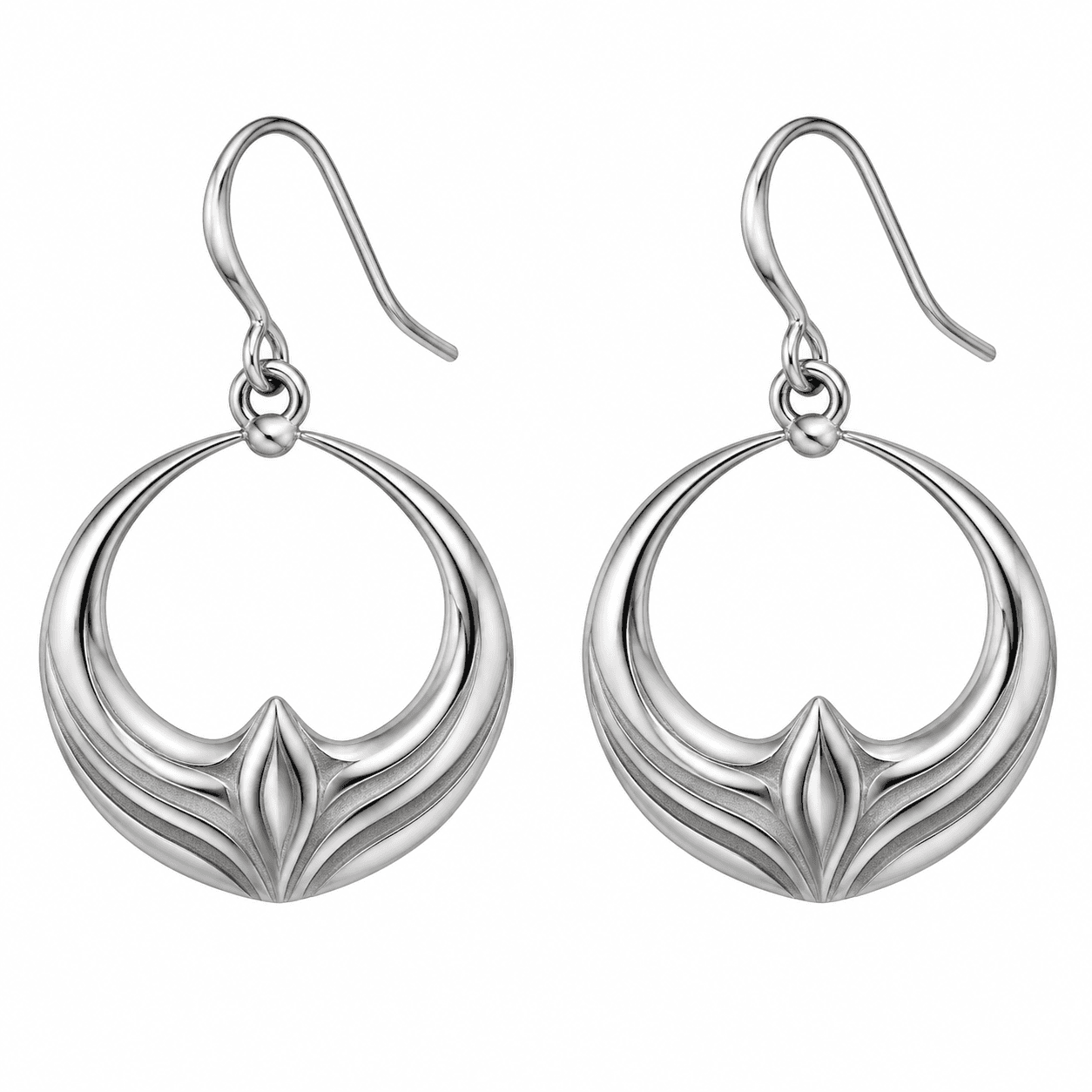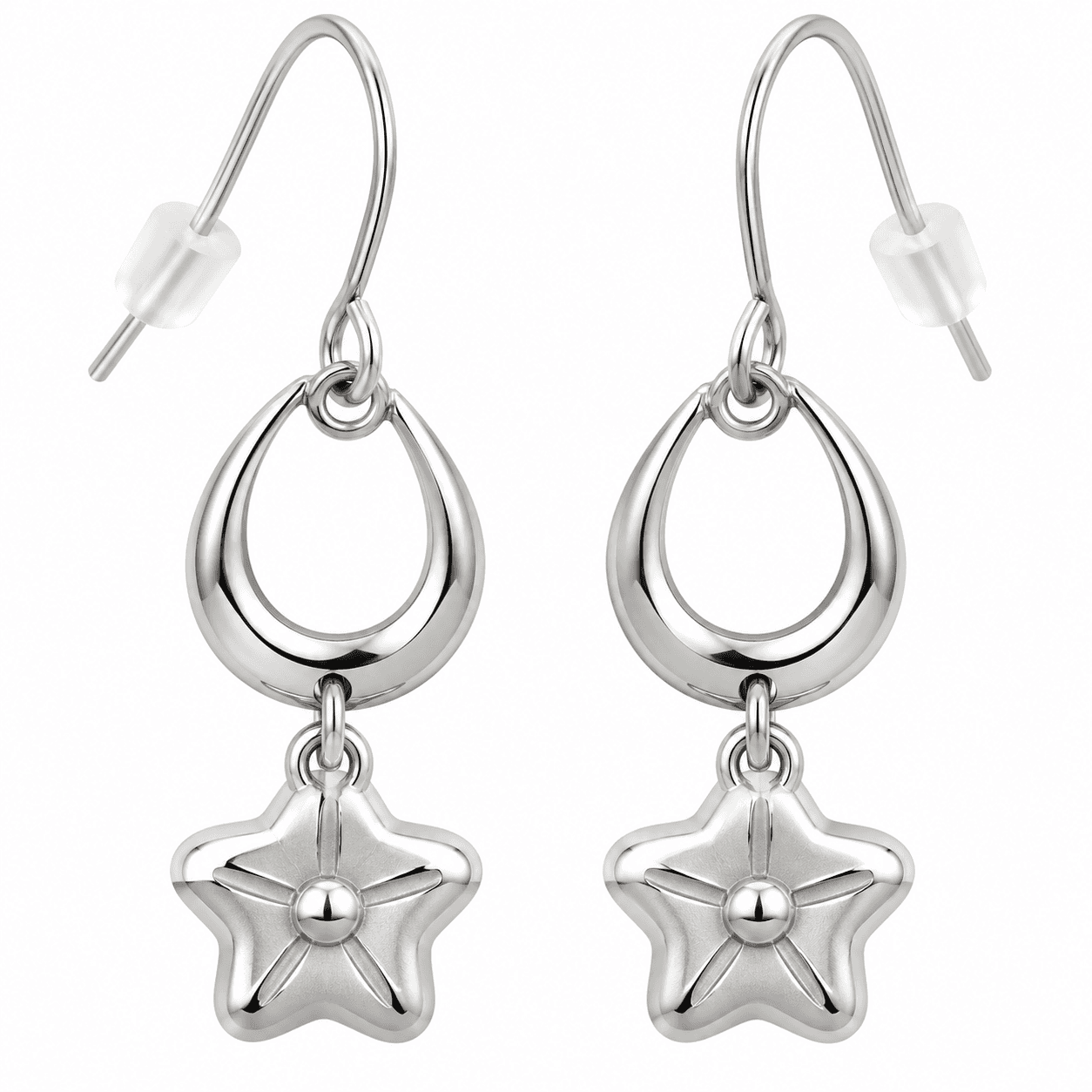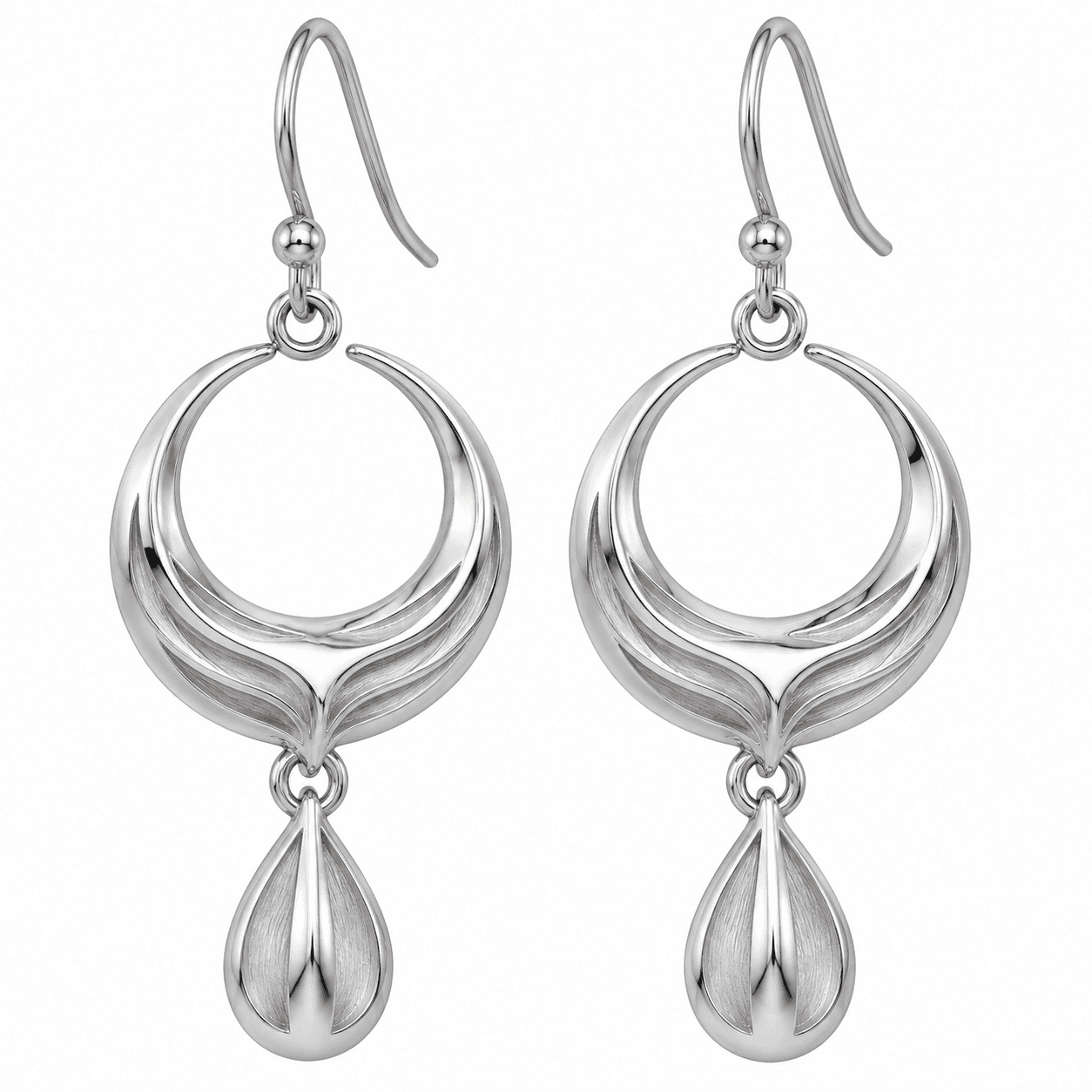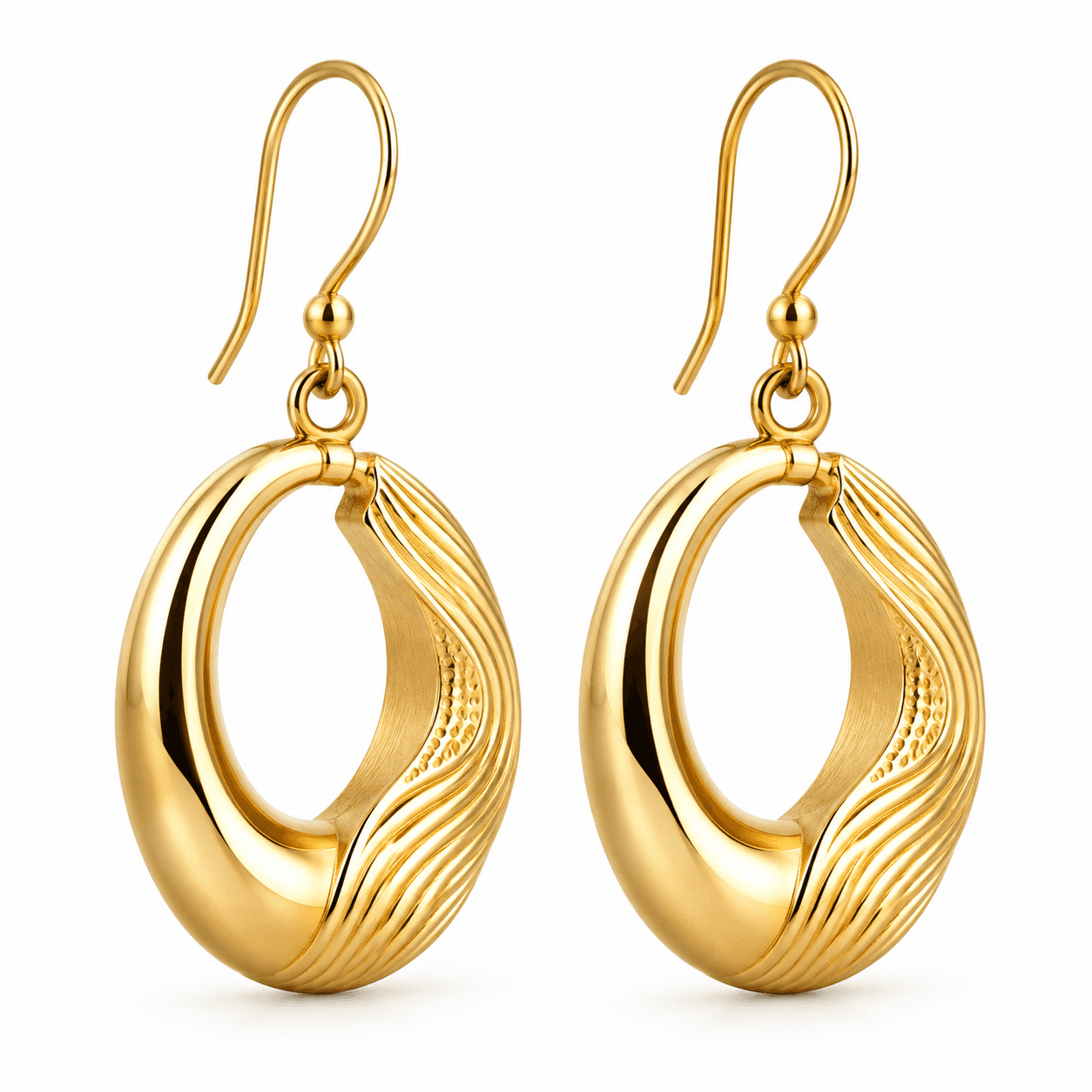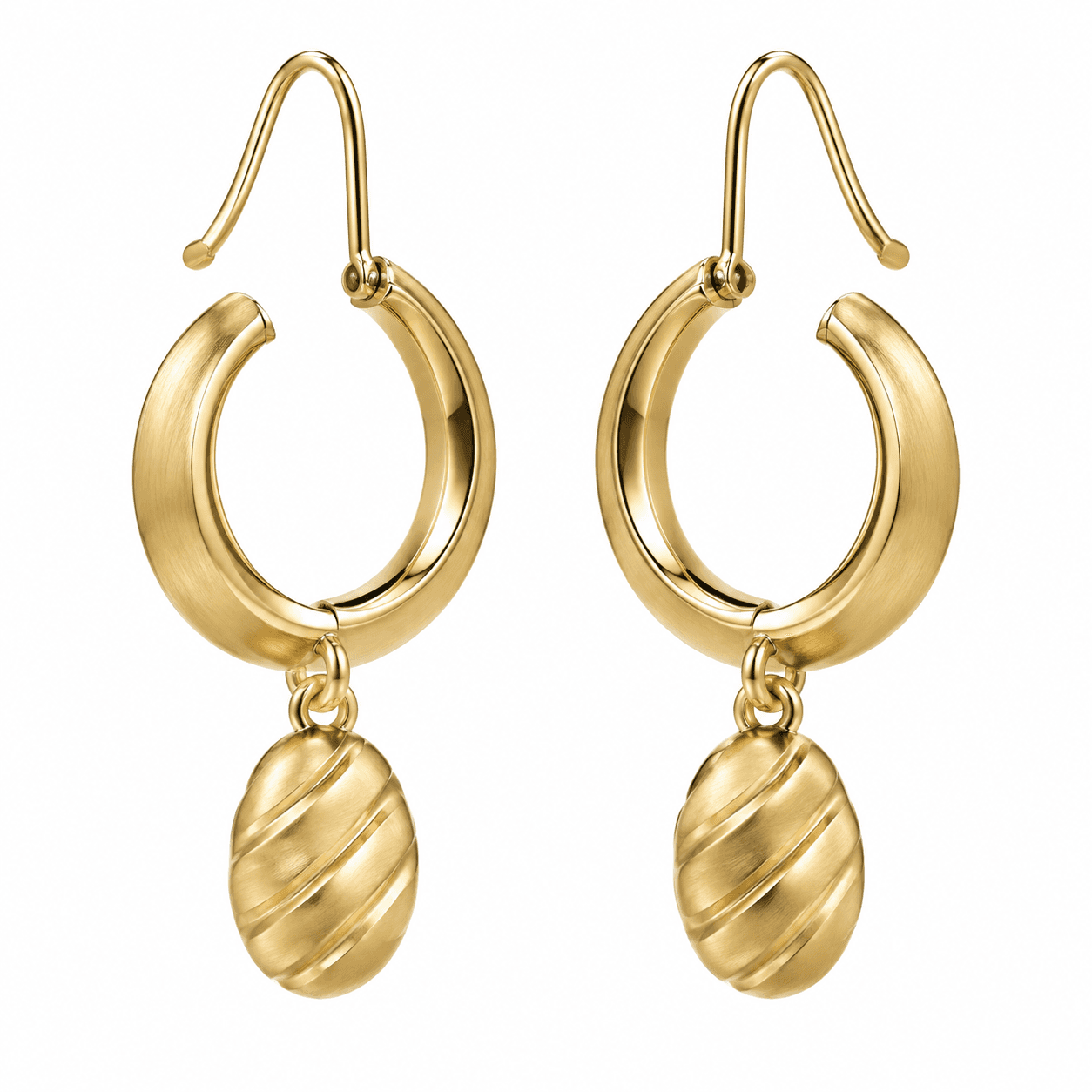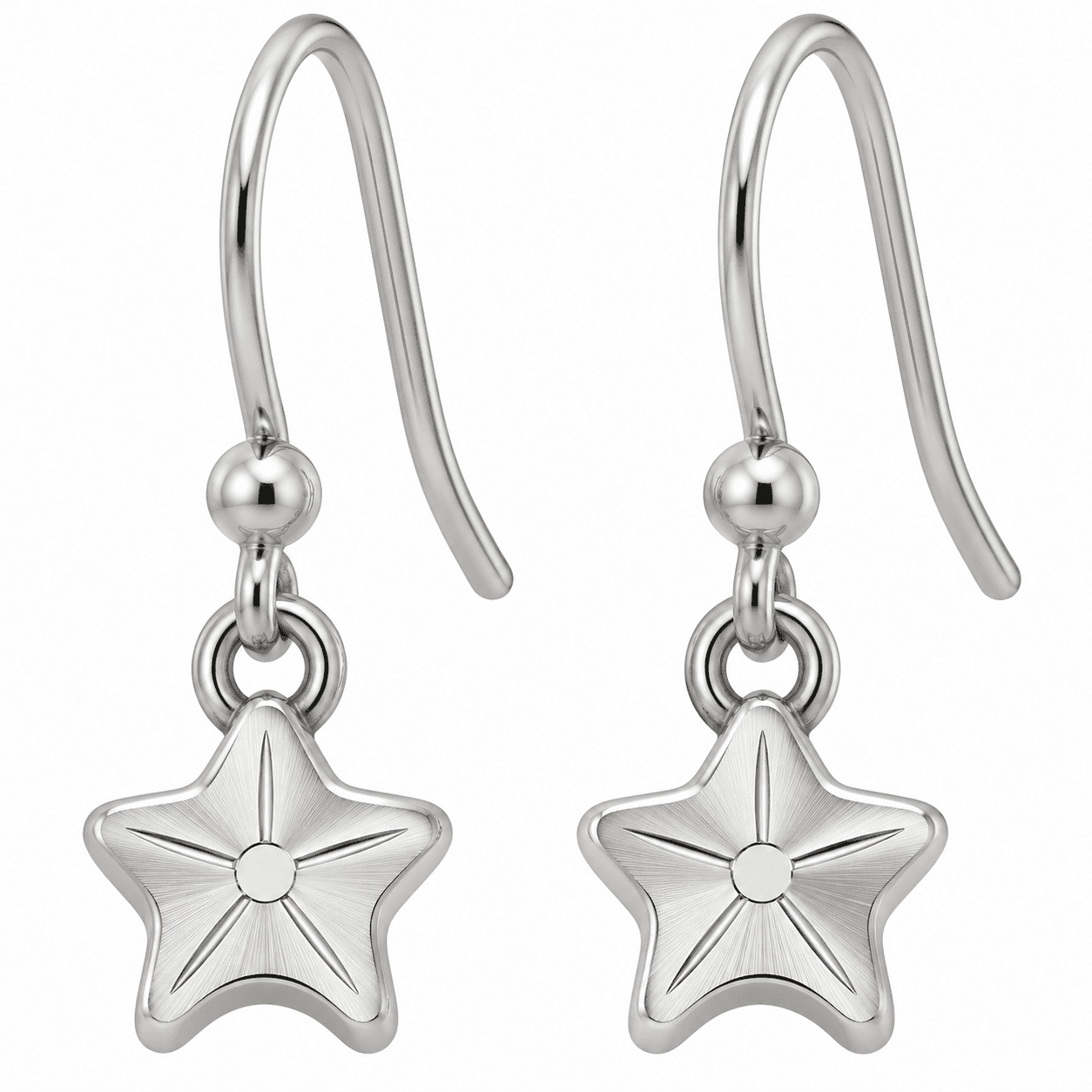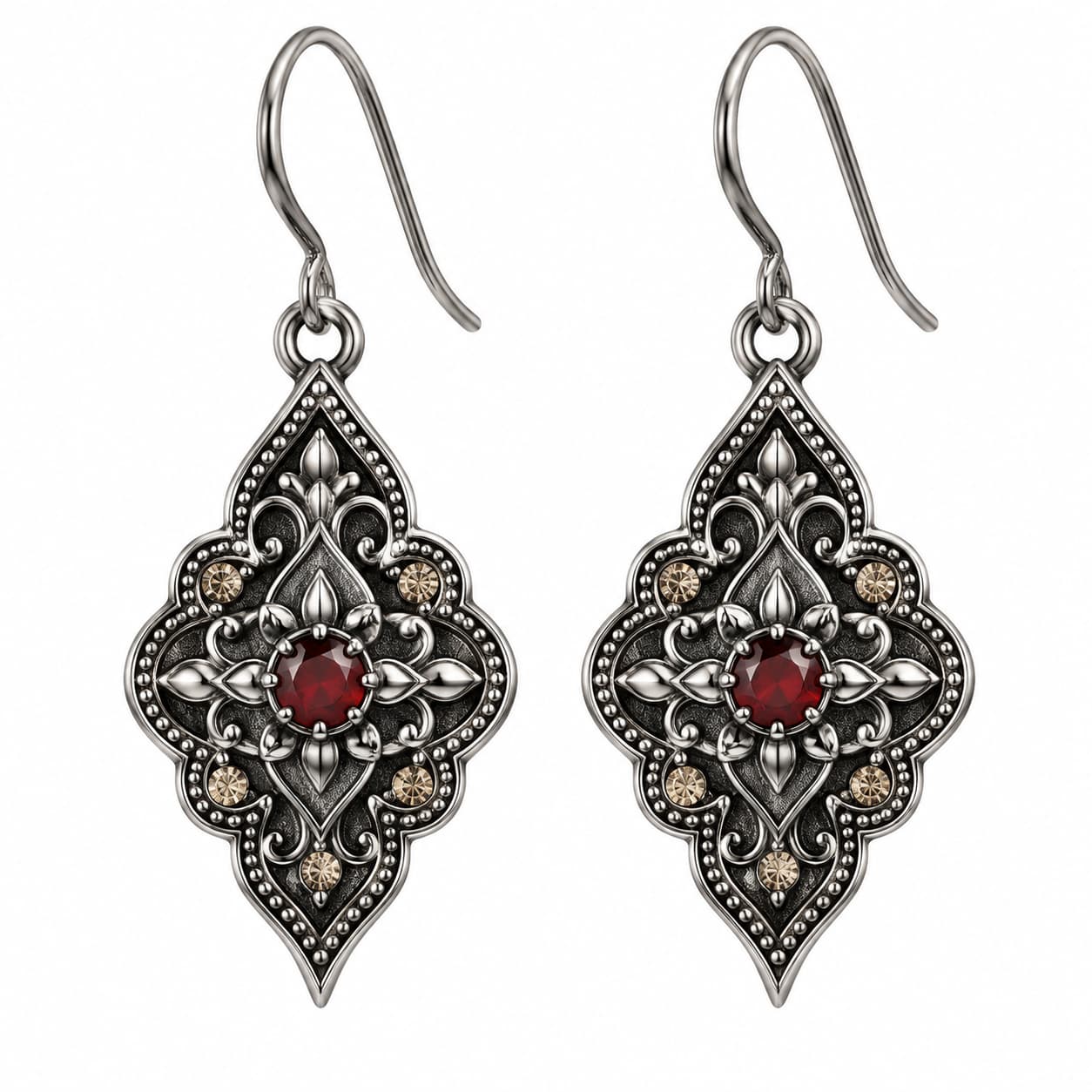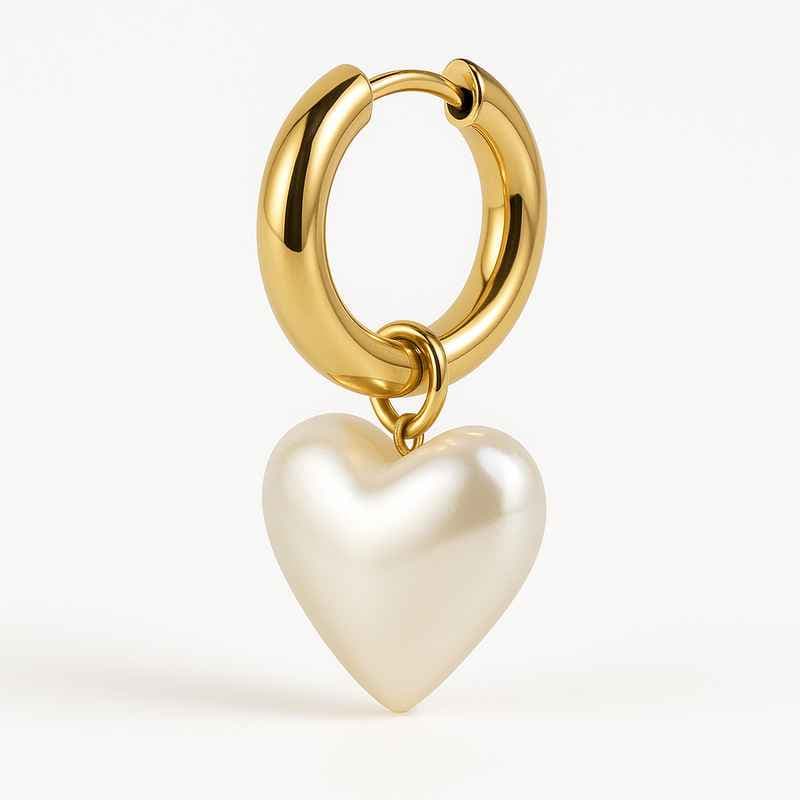
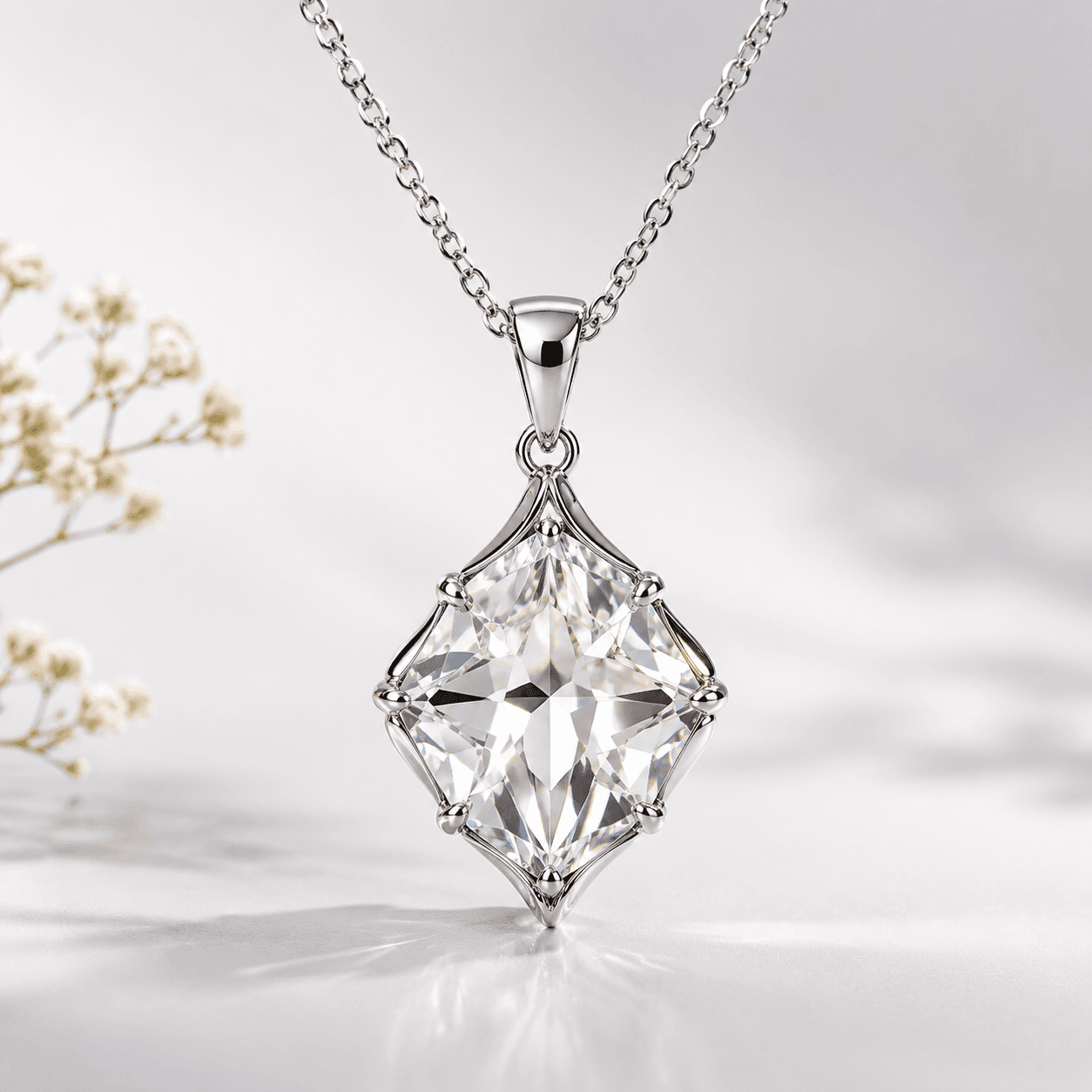
Crystal exaggerated earrings offer retail buyers an opportunity to introduce visual impact, dimensional detail, and elevated occasion-wear appeal into an existing jewelry assortment. With prominent crystal arrangements, sculptural metal shapes, and carefully considered proportions, these earrings can become attention-grabbing display pieces that encourage customers to explore a collection. For retail store owners, however, successful purchasing involves more than selecting an attractive design. Material consistency, setting construction, display visibility, assortment planning, replenishment flexibility, and wholesale margins all influence the commercial value of an earring collection.
This guide explains how to evaluate crystal exaggerated earrings from a B2B procurement perspective. It covers 316L stainless steel construction, crystal setting considerations, plating and finishing, quality inspection, retail merchandising, and supplier evaluation. When assessing a potential OEM/ODM partner, ask about product development, sampling, finishing, inspection, private label packaging, and export coordination. Buyers can use these considerations to develop a distinctive boutique jewelry collection or expand an established wholesale assortment with better-informed purchasing decisions.
Whether you are preparing a new retail launch or evaluating additional wholesale stainless steel jewelry, the following sourcing framework helps connect product appeal with manufacturing practicality. Explore the stainless steel earrings collection and new jewelry designs to identify suitable directions for your assortment.
Kristall-Statement-Ohrringe: Einzelhandelsattraktivität und Einkaufspotenzial verstehen
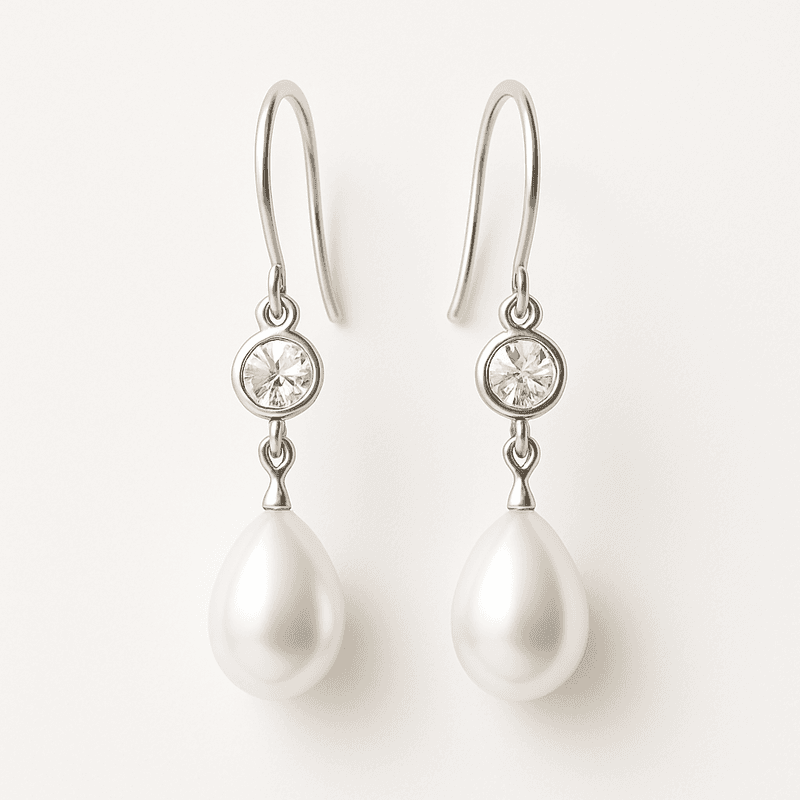
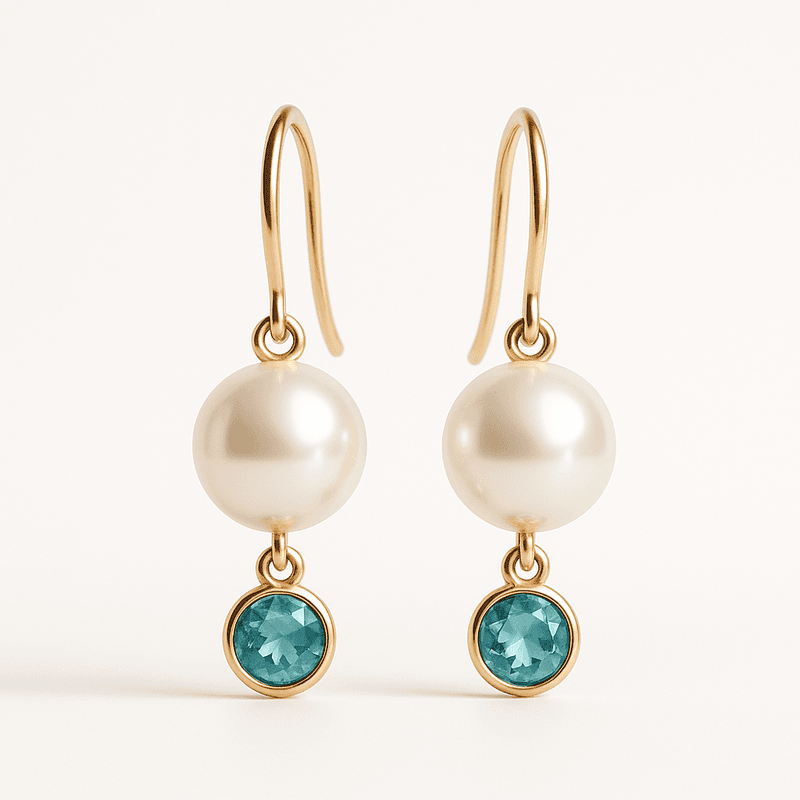
Crystal exaggerated earrings are characterized by their noticeable proportions, decorative crystal details, and stronger visual presence compared with understated everyday earrings. Common design directions include clustered crystal arrangements, geometric silhouettes, sculptural hoops, dimensional drops, and combinations of polished metal with decorative stones. Their visual impact makes them relevant to occasion-wear displays, boutique statement collections, seasonal merchandising, and gift programs. For retail store owners, the central purchasing question is whether a design can attract attention while remaining practical for the intended customer and selling environment.
Start by evaluating the relationship between earring dimensions, weight, silhouette, and crystal placement. A visually substantial design should have balanced construction, secure attachment points, and an appropriate wearing profile. Consider the actual display distance in your store: prominent crystal surfaces and clear silhouettes are easier to recognize in a showcase than complicated details that become difficult to distinguish from several feet away. Ask suppliers for product photographs, dimensional specifications, and physical samples so that the appearance shown in promotional images can be compared with the finished article. Retailers should also assess whether the design fits their existing price architecture and whether its visual character complements neighboring necklace, bracelet, and ring collections.
Merchandising performance should be evaluated using your own sales records rather than assumed industry averages. Track sell-through by design, units sold per display period, average transaction value, markdown frequency, and replenishment requirements. A small initial assortment can help identify which silhouettes attract customer attention before larger bulk orders are considered. Buyers planning a private label jewelry program can discuss sample development and design adjustments with prospective OEM/ODM suppliers. Explore OEM ODM stainless steel earrings and manufacturing services to review available development and production information.
Edelstahl 316L und Kristallfassung: Materialien, die die Produktqualität beeinflussen
Die Materialauswahl ist ein grundlegender Bestandteil des Einkaufs von auffälligen Kristallohrringen, da das Basismetall, die Oberflächenveredelung, die Schmucksteine und die Verbindungselemente alle zum fertigen Produkt beitragen. Edelstahl 316L ist eine geeignete Option für Käufer, die eine langlebige Metallbasis für Modeschmuck-Ohrringe suchen. Seine korrosionsbeständigen Eigenschaften machen ihn für die Schmuckherstellung nützlich. Die Leistungsfähigkeit eines fertigen Schmuckstücks hängt jedoch auch von seinem Design, dem Oberflächenzustand, der Verarbeitung und den Pflegeanforderungen ab. Käufer sollten zwischen den Eigenschaften des Basismaterials und der Leistungsfähigkeit des vollständig montierten Ohrrings unterscheiden, anstatt davon auszugehen, dass eine einzige Materialspezifikation sämtliche Produkteigenschaften festlegt.
Auch die Auswahl der Kristalle und die Konstruktion der Fassungen erfordern besondere Aufmerksamkeit. Je nach freigegebenem Design können Kristalldetails mithilfe geeigneter Fassungsstrukturen und Befestigungsmethoden integriert werden. Prüfen Sie die Ausrichtung der Steine, die Gleichmäßigkeit der sichtbaren Oberflächen, die Symmetrie der Fassungen und das Zusammenspiel der einzelnen dekorativen Elemente mit ihrer Metallhalterung. Achten Sie besonders auf Kanten und Verbindungsstellen, da eine unzureichende Oberflächenbearbeitung oder eine uneinheitliche Montage das Erscheinungsbild und den Tragekomfort beeinträchtigen können. Bei Creolen und Hängeohrringen sollten Sie das Zusammenspiel der dekorativen Vorderseite, der Verbindungselemente, des Stift- oder Creolenmechanismus und des Verschlusses überprüfen. Der gesamte Ohrring sollte eine mechanisch solide Konstruktion aufweisen, ohne sichtbar lose Dekorationselemente oder unregelmäßige Metallkanten.
Die Oberflächenveredelung sollte unabhängig von der Auswahl des Basismetalls bewertet werden. Eine PVD-Goldbeschichtung und andere individuell konfigurierte Oberflächenveredelungen ermöglichen unterschiedliche optische Gestaltungsmöglichkeiten für ein aufeinander abgestimmtes Einzelhandelssortiment. Prüfen Sie die Farbkonsistenz, die Polierqualität, die Gleichmäßigkeit der Oberfläche und das Erscheinungsbild der Übergänge zwischen dekorativen Bereichen. Wenn die Spezifikation Details aus Emaille, Zirkonia oder Perlen umfasst, beurteilen Sie deren Integration in das Gesamtdesign. Fragen Sie potenzielle Lieferanten, welche Verarbeitungs-, Veredelungs- und Fassungsoptionen für das jeweilige Design verfügbar sind, und bestätigen Sie diese im Rahmen der Musterprüfung. Käufer können bei der Erstellung von Material- und Prüfvorgaben auch den entsprechenden Leitfaden Ohrringe aus Edelstahl 316L für empfindliche Ohren: eine Qualitätscheckliste für B2B-Einkäufer heranziehen. Alle chemischen Nachweise, Dokumentationen zum Hautkontakt oder behördlichen Unterlagen sollten anhand der genauen Materialkonfiguration und der Anforderungen des jeweiligen Zielmarktes bewertet werden. Verfügbarkeit und Anwendbarkeit müssen für jedes einzelne Projekt bestätigt werden.
Einzelhandelspräsentation, Sortimentsplanung und Management der Großhandelsmargen
Der kommerzielle Erfolg von auffälligen Kristallohrringen hängt davon ab, wie effektiv Einzelhändler das Erscheinungsbild der Produkte in Kundeninteresse und Kaufentscheidungen umwandeln. Durch ihre stärkere visuelle Präsenz eignen sie sich als Blickfang in einer Ohrringpräsentation, insbesondere wenn sie nach Farbe, Silhouette, Oberflächenveredelung oder Anlass gruppiert werden. Anstatt alle übergroßen Designs zusammen zu platzieren, empfiehlt es sich, das Sortiment in klar erkennbare Produktwelten zu unterteilen. So können beispielsweise skulpturale Creolen in Goldoptik eine visuelle Gruppe bilden, während Kristall-Ohrhänger und plastischere Statement-Designs an separaten Präsentationsplätzen angeordnet werden. Dies erleichtert den Vergleich und hilft Kunden, die Unterschiede zwischen den Produktvarianten zu verstehen.
Bei stationären Geschäften sollte die Präsentationsplanung Sichtbarkeit, verfügbare Regalfläche, Beleuchtung, Produktabstände und einfache Handhabung berücksichtigen. Ohrringe mit auffälligen Kristalldetails profitieren von ausreichend Abstand, damit ihre Konturen und dekorativen Elemente gut sichtbar bleiben. Verwenden Sie nach Möglichkeit einheitliche Präsentationskarten oder Tabletts und vermeiden Sie eine zu dichte Anordnung, durch die die Produktstruktur verdeckt wird. Eine abgestimmte Präsentation kann zudem den Cross-Selling-Verkauf mit Halsketten, Ringen oder Armbändern fördern. Online-Händler sollten dieselbe Merchandising-Logik durch aussagekräftige Fotos von vorne, von der Seite und im Detail umsetzen, die Abmessungen, Oberflächenveredelung, Fassungsaufbau und die vollständigen Ohrringverschlüsse und -komponenten veranschaulichen. Präzise Produktinformationen können Unsicherheiten bei Kaufentscheidungen verringern und Kunden helfen, die tatsächlichen Proportionen eines Statement-Designs besser einzuschätzen.
Die Margenplanung sollte mit der Berechnung der vollständigen Einstandskosten beginnen und sich nicht allein am angegebenen Stückpreis orientieren. Berücksichtigen Sie Herstellungskosten, Verpackung, internationalen Frachtversand, gegebenenfalls Zölle, Bearbeitungskosten, Zahlungsgebühren und geplante Aktionsrabatte. Ein Käufer, der beispielsweise einen Verkaufspreis von $48 kalkuliert, sollte den erwarteten Deckungsbeitrag nach Abzug aller relevanten Kosten berechnen, anstatt die Differenz zwischen Verkaufspreis und Herstellerangebot als Gewinn zu betrachten. Führen Sie separate Aufzeichnungen zu Bruttomarge, Abverkaufsquote, Rückgabegründen und Preisreduzierungen. Diese Kennzahlen helfen bei der Entscheidung, ob ein Design nachbestellt werden sollte oder ob seine Preispositionierung angepasst werden muss. Großhändler sollten außerdem die Sortimentstiefe und die SKU-Konzentration prüfen, bevor sie größere Mengen bestellen. Für die Kollektionsplanung und Einkaufsanfragen können Sie abgestimmte Schmucksets, Edelstahlarmbänder und Edelstahlketten entdecken, um ergänzende Merchandising-Möglichkeiten zu identifizieren.
Bewertung von OEM-Schmuckherstellern: Musteranfertigung, Qualitätskontrolle und Produktionsbereitschaft
Selecting an OEM jewelry manufacturer requires evaluating the complete development process, not simply comparing product photographs or initial quotations. Retail buyers should establish whether a supplier can interpret a design brief, confirm material requirements, develop a representative sample, review finishing details, and maintain communication when adjustments are needed. For crystal exaggerated earrings, the sampling stage is particularly important because the scale of the decorative elements, overall weight, setting appearance, and physical connections can significantly influence the finished result. A useful sample should provide a realistic reference for the specifications that will be approved for production.
Begin by preparing a technical brief covering the earring category, overall dimensions in inches or millimeters, base material, crystal specifications, plating color, decorative arrangement, post or hoop construction, backing type, logo requirements, and packaging preferences. Reference photographs and annotated drawings can help communicate design intent, but critical measurements and material details should be confirmed in writing. During sample review, assess the complete product structure, metal surface, stone alignment, attachment points, closure function, and consistency between the two earrings in a pair. Request clarification whenever the physical sample differs from the approved specification. These steps establish a practical reference for subsequent quality control rather than relying solely on subjective descriptions such as premium finish or excellent quality.
Production inspection should use agreed checkpoints appropriate to the product and order. Relevant observations include incoming material confirmation, dimensional review, polishing consistency, plating appearance, crystal setting security, assembly quality, pair matching, logo engraving, and final packaging presentation. Where a project requires particular tests, certifications, or destination-market documentation, the buyer should identify these requirements before production and review the applicable evidence for the confirmed specification. Ask prospective suppliers whether they can support the required development, processing, inspection, branding, packaging, and export arrangements, and confirm the scope for the individual project. Buyers can review factory and company information and OEM/ODM services when assessing manufacturing suitability. Discuss MOQ according to the design, material configuration, processing requirements, and packaging scope instead of assuming one universal quantity applies to every product.
Häufig gestellte Fragen zu auffälligen Kristallohrringen
Entwickeln Sie Ihre Kollektion auffälliger Kristallohrringe mit Lefeng Jewelry
Choosing the right crystal exaggerated earrings is a balance between customer appeal, manufacturing feasibility, material quality, and retail economics. For an OEM/ODM project, evaluate prospective suppliers on their ability to communicate about design development, sampling, finishing, quality inspection, packaging, and export coordination, and confirm the available scope for your specific order. Whether you are preparing a boutique statement collection, expanding an existing wholesale assortment, or developing a private label jewelry program, the first step is to establish a clear product specification and purchasing objective.
To request an RFQ or begin sample development, prepare the following information:
- Product concept: Reference photographs, sketches, technical drawings, or preferred earring silhouettes, including hoops, drops, studs, and sculptural designs.
- Material specification: Preferred 316L stainless steel or another configured material, crystal requirements, and requested metal finish such as PVD gold plating or rose gold plating.
- Product dimensions: Target length, width, decorative element dimensions, approximate weight expectations, and relevant measurements in inches or millimeters.
- Construction details: Post, backing, hoop, setting, attachment, and other functional hardware requirements.
- Branding and packaging: Logo artwork, engraving position, packaging references, private label requirements, and presentation preferences.
- Commercial information: Estimated order quantity, target purchasing budget in USD, intended retail positioning, destination country, and desired collection scope.
- Quality requirements: Finish expectations, sample approval criteria, inspection checkpoints, and any destination-market documentation requirements.
These details help establish a practical basis for design feasibility review, sample development, MOQ discussion, and quotation. You can also review the stainless steel earrings collection, discover additional options through New Design, or explore OEM/ODM manufacturing services before submitting your inquiry. For a direct purchasing discussion, visit Contact Lefeng Jewelry to share your RFQ. Start with a clearly defined sample and build your next statement earring collection around specifications that can be reviewed, approved, and manufactured.
Related resources
Related resources
- Stainless Steel Jewelry Trend 2026: A Wholesale Buyer's Quality Checklist
- Stainless steel jewelry gift ideas: Retail design trends guide
- Lefeng Jewelry - OEM/ODM Stainless Steel Jewelry Manufacturer
- Best Stainless Steel Heart Charm Ideas: A Buyer's Design Guide
- Is Stainless Steel Jewelry Waterproof? Quality Tests Guide
- Stainless Steel Jewelry Trend 2026: Market Shifts Brands Need
- Stainless Steel Earrings
- 316L Stainless Steel Earrings for Sensitive Ears: A B2B Buyer’s Quality Checklist
- Gold Plated Stainless Steel Jewelry: Durability and Sourcing Guide
- Why Is Stainless Steel Heart Charm Waterproof? 316L Guide