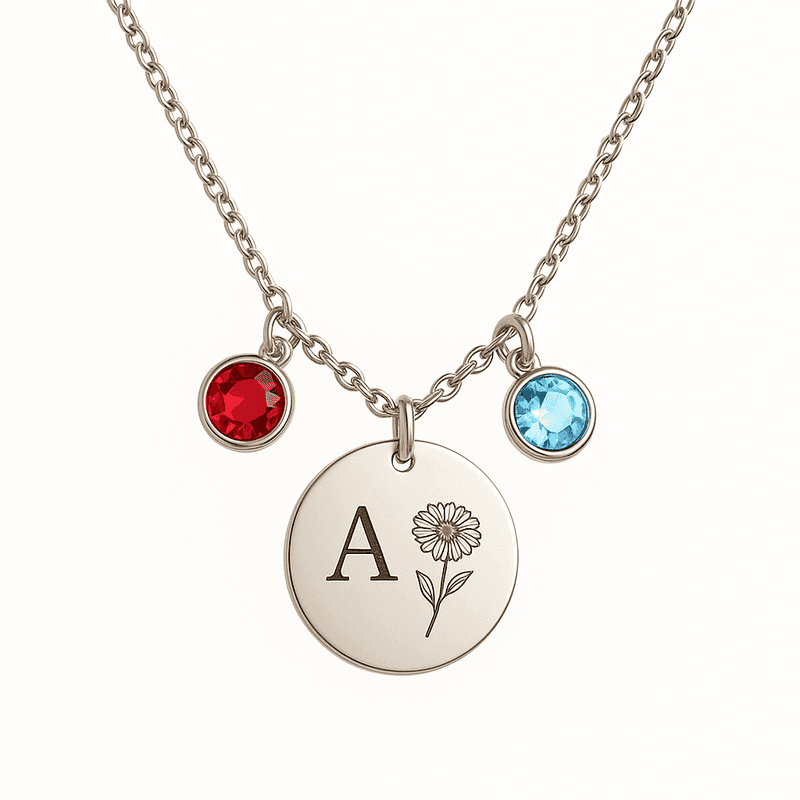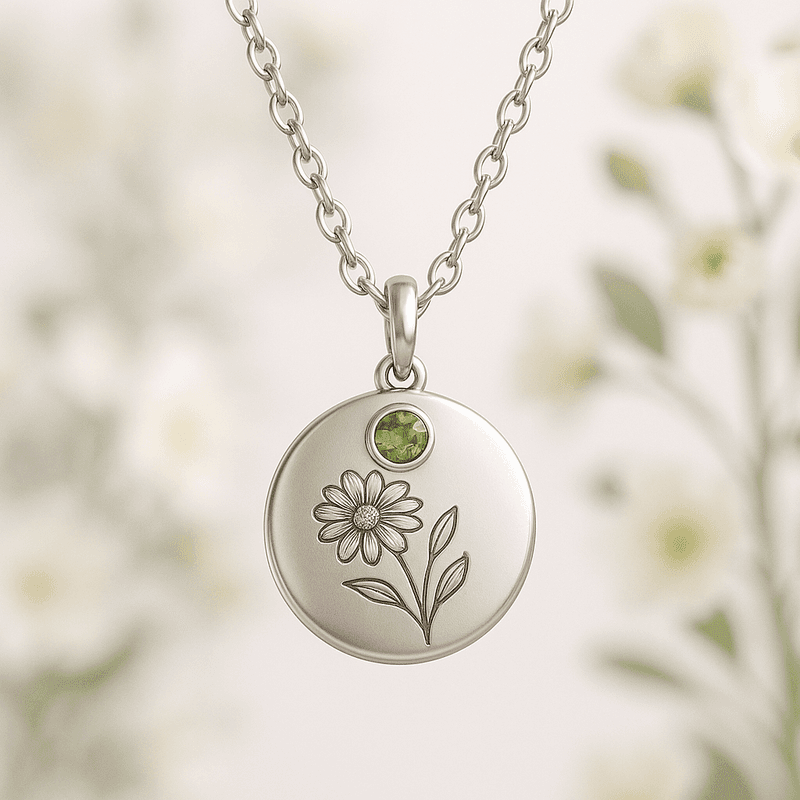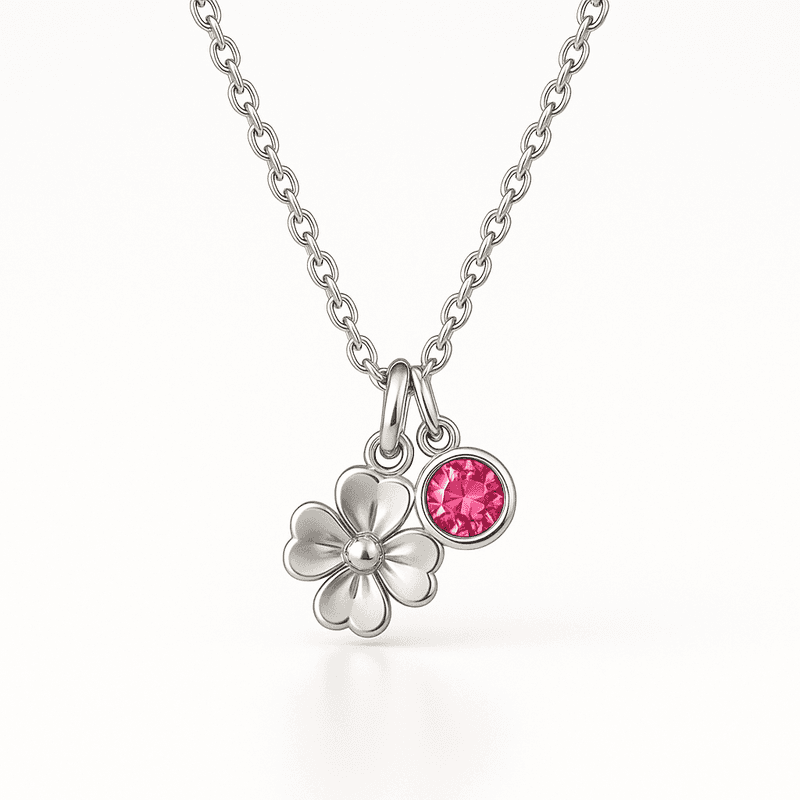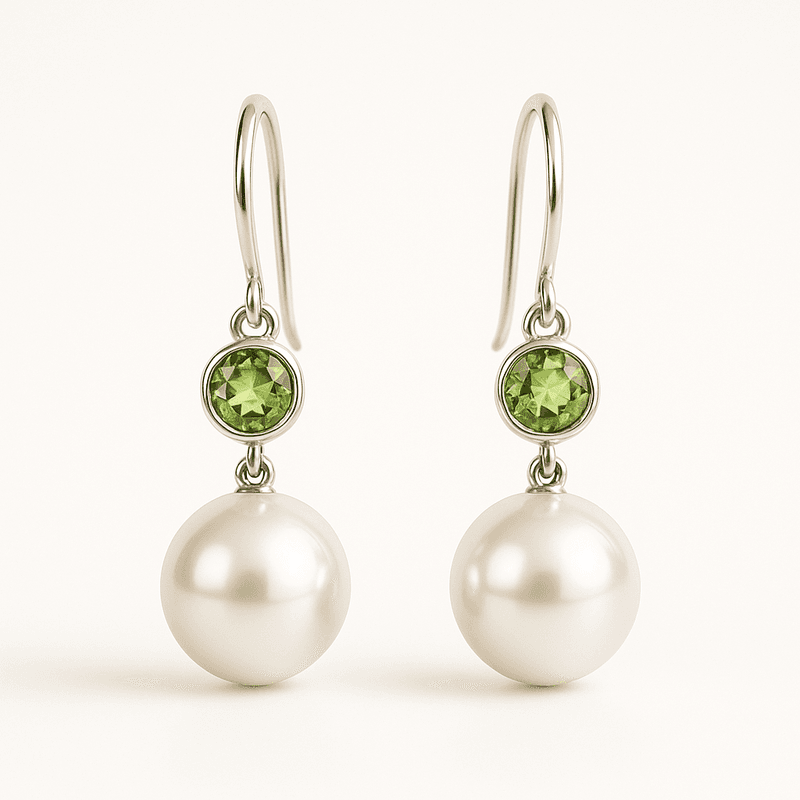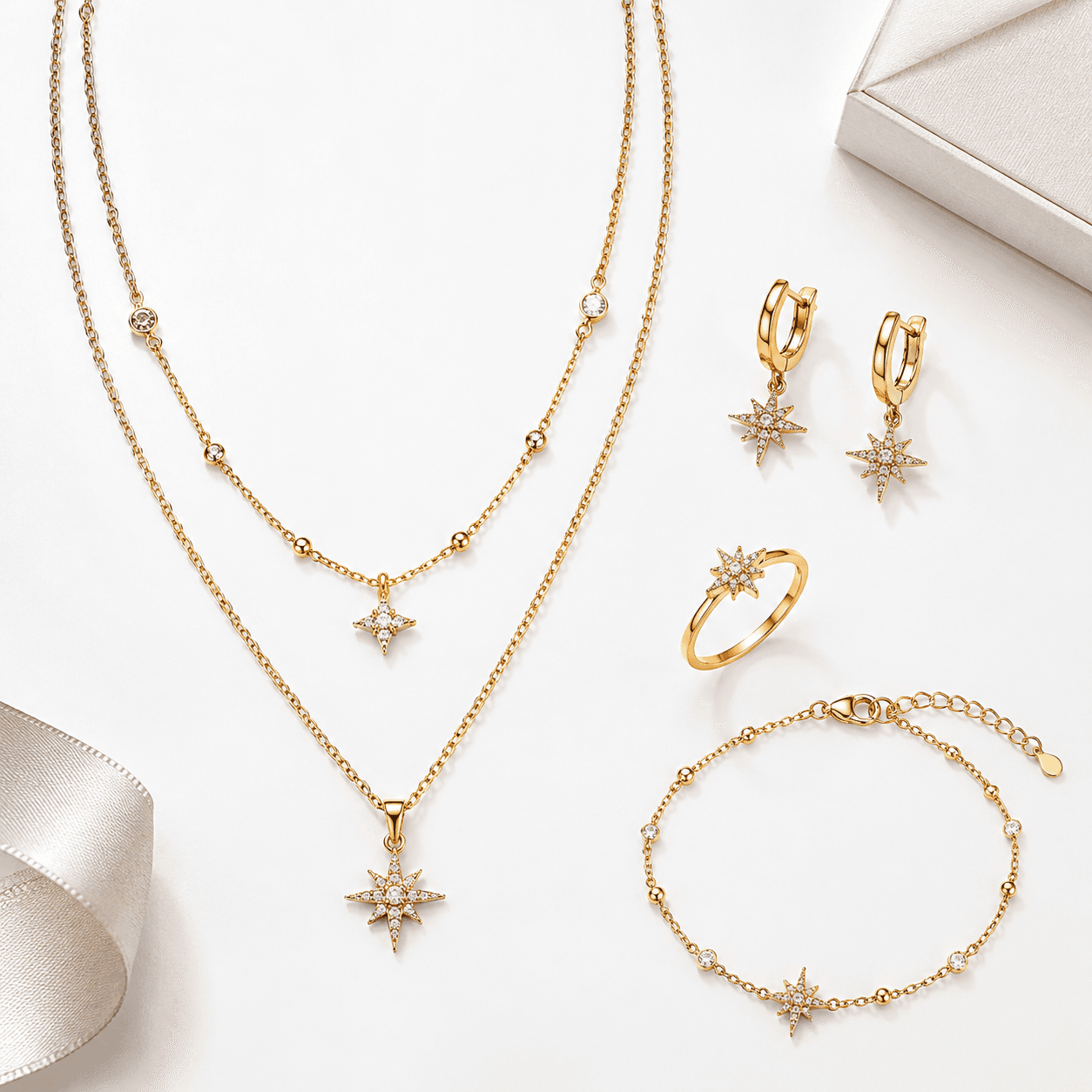
Subscription box operators, jewelry brands, wholesalers, and private-label buyers need layered necklaces that match an approved specification, arrive within an agreed delivery window, and maintain consistent appearance across repeat orders. Choosing a manufacturer for fast production requires more than comparing quoted lead times. Buyers should assess the production route, sample approvals, confirmed order quantity, materials, surface finishes, inspection criteria, packaging readiness, and shipment documentation.
This guide explains how to evaluate layered necklace OEM/ODM suppliers, compare existing-design and custom-development routes, and prepare a practical request for quotation (RFQ). For stainless steel projects, it covers component-level material specifications, including 316L stainless steel where required, as well as finish references, quality checkpoints, private-label packaging, and supplier documentation. Lefeng Jewelry can be evaluated against these requirements using project-specific capability confirmations, quotations, samples, and written schedules. Actual lead times, minimum order quantities, available processes, and documentation must be confirmed for each product and order.
So bewerten Sie einen Hersteller von Layering-Halsketten für eine schnelle Produktion
Start with the complete product specification and required delivery date rather than a headline production-time estimate. A layered necklace for a subscription box may require coordinated chain lengths, specific pendant positions, consistent surface finishing, custom branding, individual packaging, and shipment documentation. Each requirement can add approval steps or affect the production sequence.
Ask each prospective supplier for a milestone schedule covering specification confirmation, material selection, sampling, sample revisions, bulk production, finishing, inspection, packaging, and shipment preparation. Identify which activities can proceed in parallel, which depend on written approval, and what could delay the schedule. Request estimates based on the actual design, quantity, finish, packaging scope, and sample status. Sample-development time, bulk-production time, and transit time should be stated separately.
When evaluating Lefeng Jewelry, review the supplied product and company information alongside a project-specific quotation and schedule. The OEM/ODM manufacturing services and factory and company information pages are useful starting points. Ask the supplier to confirm which manufacturing operations are performed in-house, which are outsourced where applicable, and which services are available for the proposed design. Before placing an order, document the milestones, assumptions, approval deadlines, and exclusions in writing.
Produktionsverfahren, Bemusterungsanforderungen und Beschaffungsrisiken vergleichen
The production route affects development work, approval requirements, cost, and schedule uncertainty. An existing design may require fewer development steps if it already matches the requested specification. Customizing an existing design requires review of the proposed changes, while a new OEM/ODM concept may involve additional design development and sample revisions. These are planning considerations, not guarantees of production speed.
| Evaluation factor | Existing design | Customized design | New OEM/ODM development | Buyer checkpoint |
|---|---|---|---|---|
| Design preparation | Confirm the available design and specification. | Define each modification. | Provide a design brief and request feasibility review. | Approve drawings, dimensions, components, and responsibilities. |
| Sampling | Determine whether an existing sample meets requirements. | Identify which changes require sampling. | Plan development and potential revisions. | Agree on approval criteria and revision procedures. |
| Materials | Verify the actual material for each component. | Confirm materials for modified components. | Specify materials before sample approval. | Identify 316L stainless steel or another required material by component. |
| Layer coordination | Check chain lengths and pendant arrangement. | Review revised dimensions and placement. | Define the arrangement of all layers. | Approve measurements and the assembled sample. |
| Finishing | Check the available finish against the brief. | Review consistency after modifications. | Define the required surface and decorative details. | Agree on a finish reference and inspection criteria. |
| Branding and packaging | Confirm available logo and packaging options. | Approve revised artwork and packaging. | Coordinate artwork and packaging development. | Approve artwork and applicable physical samples. |
| Quality control | Inspect against the agreed specification. | Focus on modified features. | Define checks for newly developed features. | Agree on inspection scope and acceptance criteria. |
| Schedule risk | Depends on availability and required changes. | Depends on revisions and approvals. | Depends on development and sample acceptance. | Obtain a written, project-specific milestone schedule. |
| Suitable use case | Established designs with limited development needs. | Programs requiring selected product differentiation. | Distinctive designs or new product specifications. | Match the route to launch date, budget, and risk tolerance. |
Compare quotations only after aligning the scope. Record whether sample revisions, setup or tooling, custom packaging, inspection, documentation, and export coordination are included. Confirm whether the MOQ applies to the complete necklace, each design, each finish, or individual layers. Request a breakdown of sample charges, unit pricing, packaging, and other applicable costs.
For a consistent supplier review, score each candidate against the same criteria. A suggested internal scorecard is specification accuracy (25%), sample execution (20%), schedule transparency (20%), quality-control planning (15%), documentation readiness (10%), and commercial clarity (10%). These are proposed buyer-assessment weights, not measured supplier performance. Adjust them to reflect your project's priorities and retain supporting evidence for each score.
Wichtige Produktionskontrollpunkte: Muster, Materialien, Oberflächenveredelung und Verpackung
1. Sampling and design approval
A physical sample provides a reference for evaluating whether a design is ready for bulk production. For layered necklaces, inspect each chain length, pendant or charm position, connector, clasp, extension chain, and the relationship between layers. Check that the necklaces sit as intended, components hang in the correct orientation, and the assembled product can be handled and packed without unwanted tangling.
Evaluate the sample against written dimensions and design requirements rather than appearance alone. Record requested changes, identify the person responsible for approval, and establish whether a revision requires another sample or an updated specification. Ask Lefeng Jewelry to confirm the sample-development options, applicable charges, and approval schedule for your design. The new stainless steel jewelry designs page may help identify product directions for further discussion.
2. Material selection and surface finishing
Specify the base material for each relevant component. For stainless steel jewelry, identify 316L or 304 stainless steel explicitly rather than treating the grades as interchangeable. State whether the project requires PVD gold plating or another finish, and document enamel, zircon, crystal, or pearl details separately. Where relevant, include the required color reference, surface appearance, and finish inspection criteria.
A material designation alone does not establish the performance or regulatory compliance of a finished necklace. Identify the requirements for each destination market and request evidence applicable to the actual product configuration. If a particular test report, declaration, or certification is required, confirm its scope, relevance, and availability before approving bulk production. Do not assume that a general factory capability statement establishes that a product or finish has passed a specified test.
3. Processing, assembly, and quality control
Ask the supplier to confirm the processes required for the approved design, including applicable cutting, CNC or laser processing, polishing, plating or PVD finishing, enamel work, stone setting, assembly, and inspection. Establish which operations are available for the project and whether any are performed by external partners. Do not assume that every process is available in-house or applies to every design.
Potential inspection checkpoints for a layered necklace include chain connections, clasp operation, pendant attachment, dimensional alignment, surface appearance, and consistency between layers. Before bulk production, agree on the approved sample, critical dimensions, visual acceptance criteria, functional checks, defect classifications, inspection method, and records to retain. This creates a common basis for assessing production and resolving deviations.
4. Packaging and export preparation
Subscription box projects may require individual packaging, product identification, inserts, logo artwork, packing quantities, carton configuration, and shipping marks. Include these requirements in the initial brief and identify packaging components that need separate sampling or approval. Check whether the assembled necklace is adequately secured, components are separated where necessary, and the finished presentation matches the approved design.
Discuss shipment arrangements during production planning. Confirm the destination, agreed shipping terms, carton information, required commercial documents, and destination-specific documentation applicable to the order. Ask Lefeng Jewelry to confirm the packaging and export-coordination services available for your project and which responsibilities belong to the buyer, supplier, or logistics provider. The manufacturing insights and jewelry sourcing articles sections may provide additional sourcing context.
Lieferantendokumentation, Lieferantenmanagement und Compliance-Bereitschaft
Bewerten Sie einen Hersteller von mehrreihigen Halsketten als einen betreuten Lieferanten und nicht lediglich als Produktionsstätte. Führen Sie eine kontrollierte Dokumentation der vereinbarten Spezifikation, des Änderungsverlaufs, des freigegebenen Musters, des Angebots, der Bestellung, der Liefermeilensteine, der Qualitätsanforderungen, des Verpackungsumfangs und der Versandverantwortlichkeiten. Legen Sie für jede Freigabe eine verantwortliche Person fest, damit Entscheidungen zwischen den Teams für Einkauf, Produktentwicklung, Qualitätssicherung und Logistik nicht ungeklärt bleiben.
Gliedern Sie die Dokumentation in drei Gruppen. Zu den kaufmännischen Unterlagen und Produktionsdokumenten gehören Angebote, Bestellungen, freigegebene Spezifikationen, Druckvorlagen, Musterfreigaben und Verpackungsdetails. Material- und Produktnachweise können Materialinformationen, relevante Prüfberichte, Erklärungen oder Zertifikate umfassen, die für das jeweilige Produkt erforderlich sind. Versandunterlagen hängen vom Bestimmungsort, der Versandvereinbarung und der Transaktion ab. Fordern Sie jedes Dokument namentlich an und bestätigen Sie, dass sein Geltungsbereich zum jeweiligen Material, zur Oberflächenbeschaffenheit, zur Produktkonfiguration und zum vorgesehenen Markt passt.
Die Compliance-Anforderungen variieren je nach Bestimmungsort und Produkt. Ein Dokument, das sich auf einen Rohstoff bezieht, weist nicht automatisch die Konformität der fertig montierten Halskette nach, und Nachweise für eine bestimmte Oberflächenbeschaffenheit oder Konfiguration sind möglicherweise nicht auf andere Varianten übertragbar. Wenn ein bestimmtes Prüfverfahren, ein Laborbericht, eine Zertifizierung oder eine Erklärung erforderlich ist, klären Sie, ob geeignete Nachweise für das spezifizierte Produkt bereitgestellt oder beschafft werden können. Leiten Sie aus einer bloßen Fabrikbeschreibung weder eine Zertifizierung noch erfolgreich bestandene Prüfungen ab.
Verwenden Sie eine Lieferantenbewertungskarte, um die Genauigkeit der Spezifikationen, die Kommunikation, die Umsetzung der Musteranforderungen, die Prüfprotokolle, die Verpackungsbereitschaft, Terminaktualisierungen und die Vollständigkeit der Dokumentation zu verfolgen. Bewahren Sie bei wiederkehrenden Bestellungen für Abo-Boxen das freigegebene Muster oder die vereinbarte Referenz zusammen mit den Angaben zu Material, Oberflächenbeschaffenheit und Prüfung auf. Prüfen Sie vorgeschlagene Änderungen und holen Sie vor ihrer Übernahme in eine Nachbestellung die Genehmigung ein. Diese Unterlagen unterstützen konsistentere Lieferantenbewertungen und wiederholte Bestellungen.
Wählen Sie die passende Produktionsroute für Ihren Marktstart
The appropriate production route depends on your launch date, customization requirements, order quantity, budget, and documentation needs. For an existing design with limited changes, verify availability, finish options, and whether the requested packaging can be accommodated. For a distinctive layered arrangement, custom pendant placement, or branded presentation, allow for specification development and sample review before confirming the bulk schedule.
Send each supplier the same RFQ, including the number of layers, chain lengths, pendant dimensions, component materials, finish, logo requirements, packaging, quantity, destination, and target shipment window. Request separate pricing for samples, setup or tooling where applicable, unit costs, packaging, and freight-related assumptions. Confirm whether the MOQ applies to the complete necklace, individual layers, each design, or each finish. Compare total project cost and documented schedule assumptions rather than relying on a generic low-MOQ or fast-production statement.
Evaluate Lefeng Jewelry against the same project-specific criteria as other shortlisted suppliers. Review the stainless steel necklace collection and custom necklace manufacturing information, then use the quote list or contact page to discuss your requirements. Confirm applicable manufacturing processes, sampling arrangements, commercial terms, schedule, and documentation before making a purchasing decision.
- Schedule: Confirm milestone dates, approval dependencies, and shipment assumptions.
- Product control: Document materials, finishes, dimensions, and the approved reference sample.
- Evidence: Confirm which documents apply to the finished product and destination market.
- Repeatability: Retain inspection criteria, approved references, and revision records for subsequent orders.
Häufig gestellte Fragen zu Herstellern von Layering-Halsketten
Bereiten Sie eine RFQ für Ihr Projekt mit mehrreihigen Halsketten vor
Ein vollständiges Beschaffungsbriefing hilft Lieferanten, die Machbarkeit zu bewerten, vergleichbare Angebote zu erstellen und terminliche Abhängigkeiten zu identifizieren. Beginnen Sie mit dem geplanten Abonnementbox- oder Einzelhandelskonzept, Designreferenzen, der Anzahl der Ebenen, Kettenlängen, der Positionierung von Anhängern und den Gesamtproportionen. Geben Sie für jede Komponente das Material und die Oberflächenveredelung sowie dekorative Details an. Fügen Sie, sofern verfügbar, bemaßte Zeichnungen bei und unterscheiden Sie zwischen verbindlichen Anforderungen und Merkmalen, die nach der Prüfung von Mustern angepasst werden können.
Legen Sie anschließend den kaufmännischen und operativen Umfang fest: anfängliche Bestellmenge, gegebenenfalls erwartete Nachbestellmengen, Musteranforderungen, angestrebtes Versandzeitfenster, Zielland, Verpackungskonfiguration, Branding-Materialien und Dokumentationsbedarf. Wenn ein Kampagnenstart oder ein Termin für die Zusammenstellung der Boxen feststeht, nennen Sie den spätesten akzeptablen Liefertermin und die Meilensteine, die diesem vorausgehen. Bitten Sie die Lieferanten, Annahmen, Freigabefristen, Abhängigkeiten und Ausschlüsse zu dokumentieren, anstatt eine vorläufige Schätzung als verbindliche Zusage zu behandeln.
Legen Sie vor der Serienproduktion Abnahmekriterien fest. Definieren Sie das freigegebene Referenzmuster, kritische Abmessungen, Oberflächeneigenschaften, Hardware-Prüfungen, Verpackungsanforderungen, Prüfprotokolle und das Verfahren zum Umgang mit Abweichungen. Geben Sie an, welche Materialdokumentationen, Prüfungen, Zertifikate oder Erklärungen für das konkrete Produkt und den jeweiligen Markt erforderlich sind. Bitten Sie um Bestätigung, dass die entsprechenden Nachweise für die bestätigte Konfiguration bereitgestellt oder beschafft werden können.
Verwenden Sie für jeden in die engere Auswahl genommenen Lieferanten dasselbe Briefing, damit Angebote und Zeitpläne auf einer vergleichbaren Grundlage bewertet werden können. Die Fertigungsdienstleistungen und der RFQ-Anfrageweg von Lefeng Jewelry können genutzt werden, um Projektanforderungen zu besprechen, vorbehaltlich der Bestätigung der konkret verfügbaren Dienstleistungen, Prozesse und Dokumentationen.
Angebot für eine OEM/ODM-Mehrreihige Halskette anfordern
Starten Sie Ihr Beschaffungsprojekt für mehrreihige Halsketten mit einer spezifikationsbasierten Anfrage an Lefeng Jewelry. Fügen Sie Referenzbilder oder Zeichnungen, die Anzahl der Reihen, Kettenlängen, Details zu Anhängern und Verbindungselementen, erforderliche Materialien wie Edelstahl 316L, Anforderungen an die Oberflächenveredelung, Logovorlagen, Verpackungsspezifikationen, die Zielmenge, den Zielmarkt und den gewünschten Versandzeitraum hinzu. Wenn vor der Serienproduktion ein Muster erforderlich ist, geben Sie die Merkmale an, die freigegeben werden müssen, sowie die für die Abnahme erforderlichen Änderungen oder Funktionsprüfungen.
Geben Sie Ihre angestrebte MOQ, die erwarteten Nachbestellmengen, sofern bekannt, den Budgetrahmen, falls verfügbar, die angeforderten Produkt- oder Materialdokumentationen sowie etwaige festgelegte Termine für die Zusammenstellung von Abo-Boxen an. Fragen Sie nach dem vorgeschlagenen Bemusterungsprozess, dem projektspezifischen Zeitplan, den Kalkulationsgrundlagen des Angebots, den Prüfpunkten, den Verpackungsoptionen und dem Umfang der Exportdokumentation. Falls bestimmte Prüfberichte oder Zertifikate erforderlich sind, benennen Sie diese ausdrücklich, damit ihre Anwendbarkeit und Verfügbarkeit vor der Produktionsfreigabe geprüft werden können.
Besuchen Sie Kontakt zu Lefeng Jewelry, um Ihre Anfrage einzureichen, entdecken Sie neue Designs oder nutzen Sie die Angebotsliste, um Produkte für die Prüfung zusammenzustellen. Bevor Sie eine Bestellung bestätigen, holen Sie ein schriftliches Angebot und einen Zeitplan ein, vereinbaren Sie die freigegebene Produktspezifikation und das Muster und bestätigen Sie die anwendbaren Herstellungsverfahren, Geschäftsbedingungen und Dokumentationsanforderungen. Klare Anforderungen und eine frühzeitige Planung der Freigaben helfen beiden Parteien, die Machbarkeit zu beurteilen und realistische Meilensteine festzulegen.
Related resources
Related resources
- Lefeng Jewelry - OEM/ODM Stainless Steel Jewelry Manufacturer
- Wholesale Stainless Steel Jewelry: Quality, Sourcing, and Private-Label Guide for OEM/ODM
- Contact Us | Lefeng Jewelry
- Stainless Steel Necklace
- Best Stainless Steel Heart Charm Ideas: A Buyer's Design Guide
- Why Choose Stainless Steel Jewelry: A Retail Buyer Guide
- Stainless steel jewelry gift ideas: Retail design trends guide
- How to Clean Stainless Steel Jewelry: Factory Care Guide for Buyers
- Why Is Stainless Steel Heart Charm Waterproof? 316L Guide
- How to Clean Stainless Steel Jewelry: A Complete B2B Guide