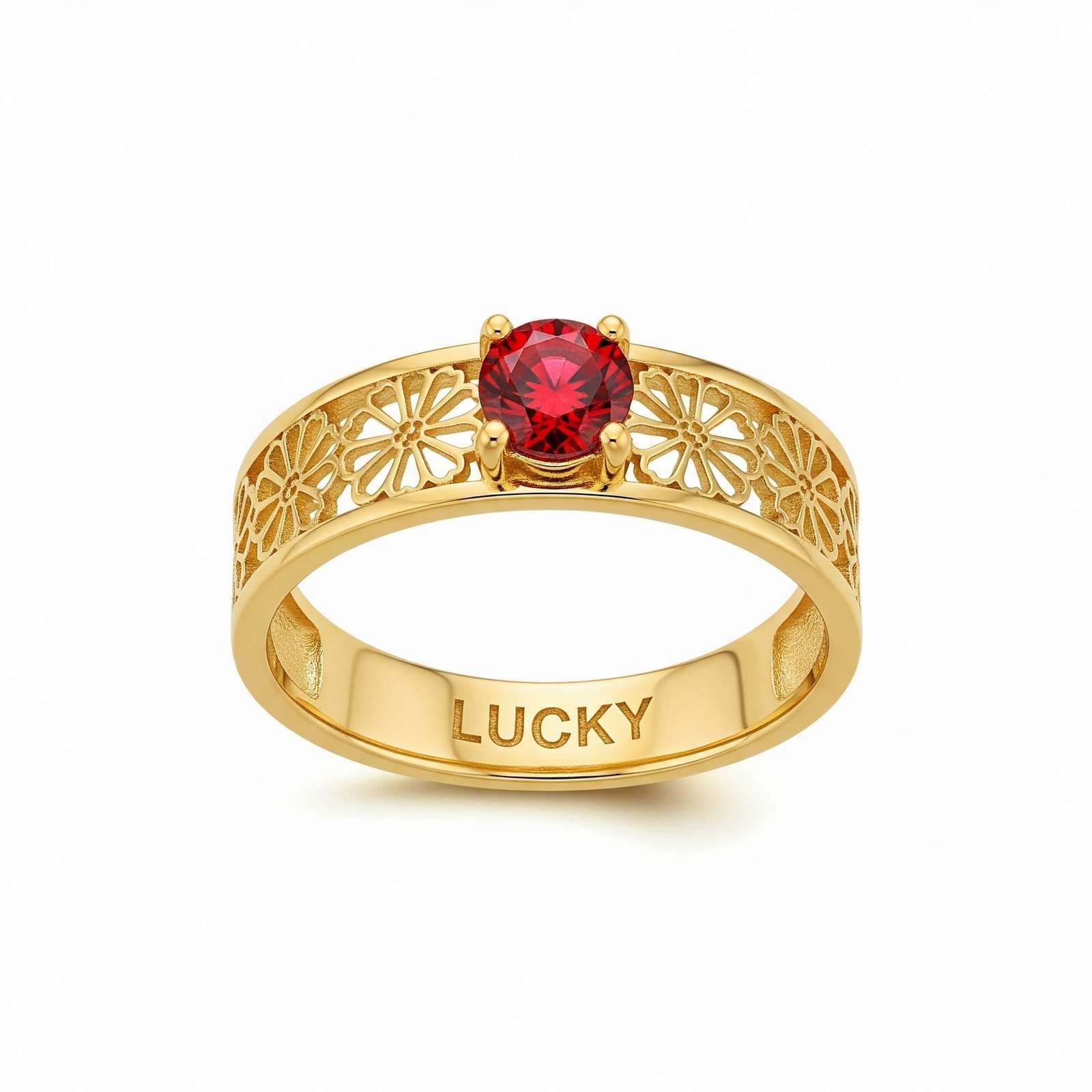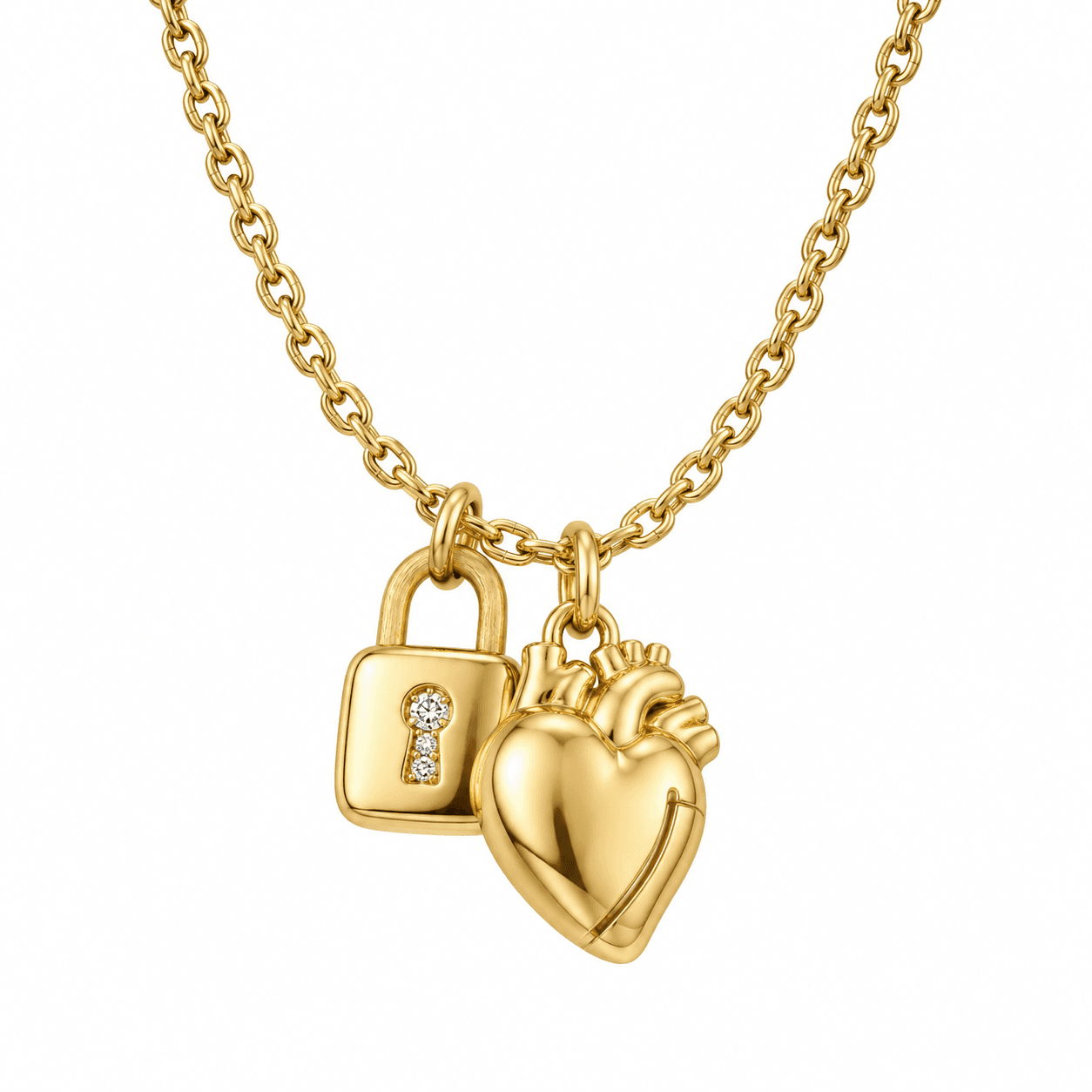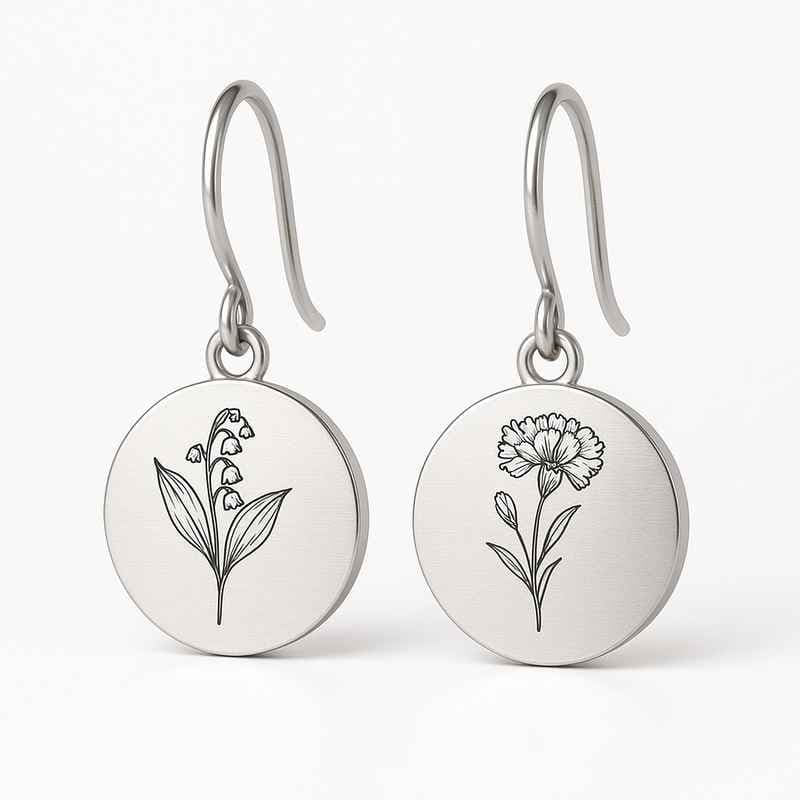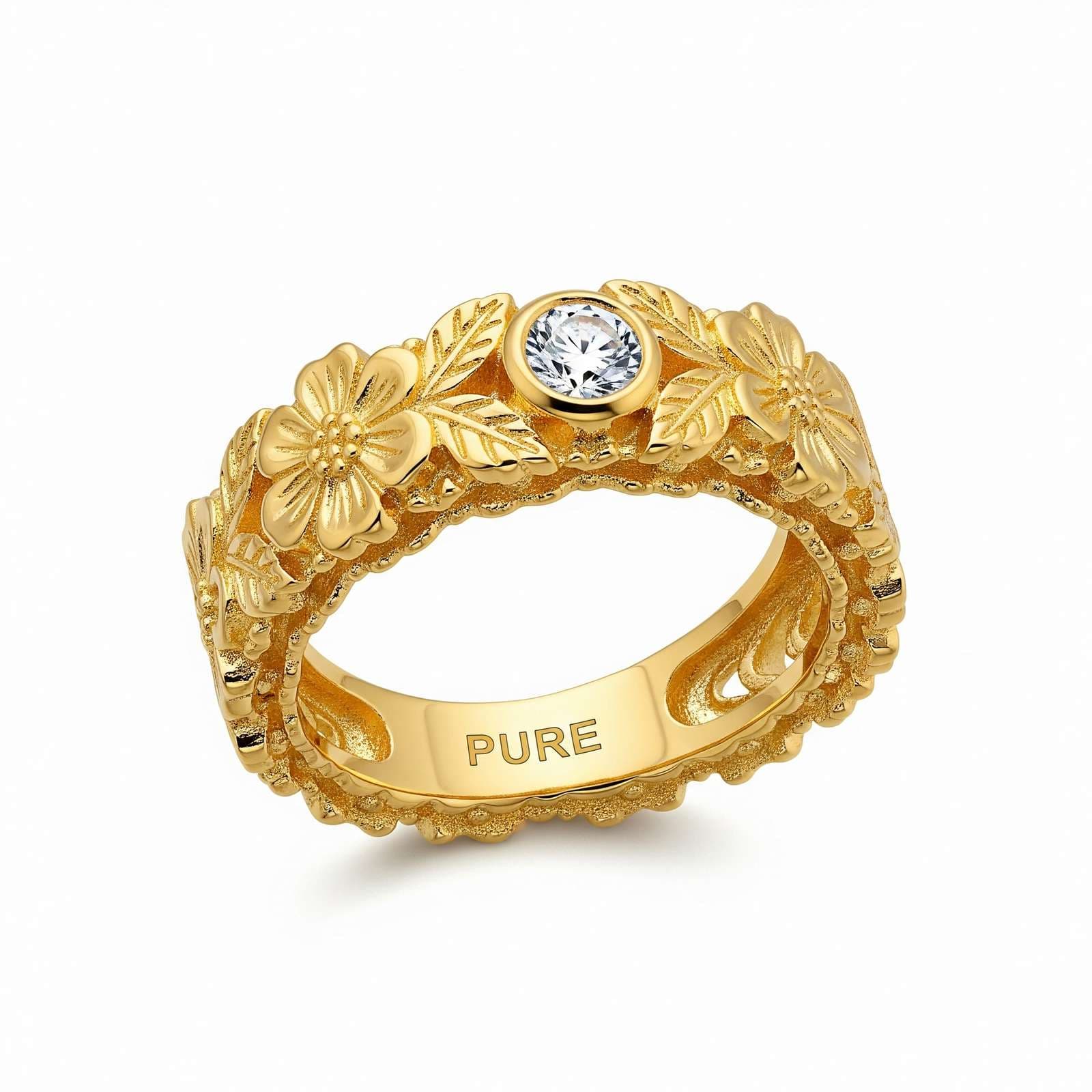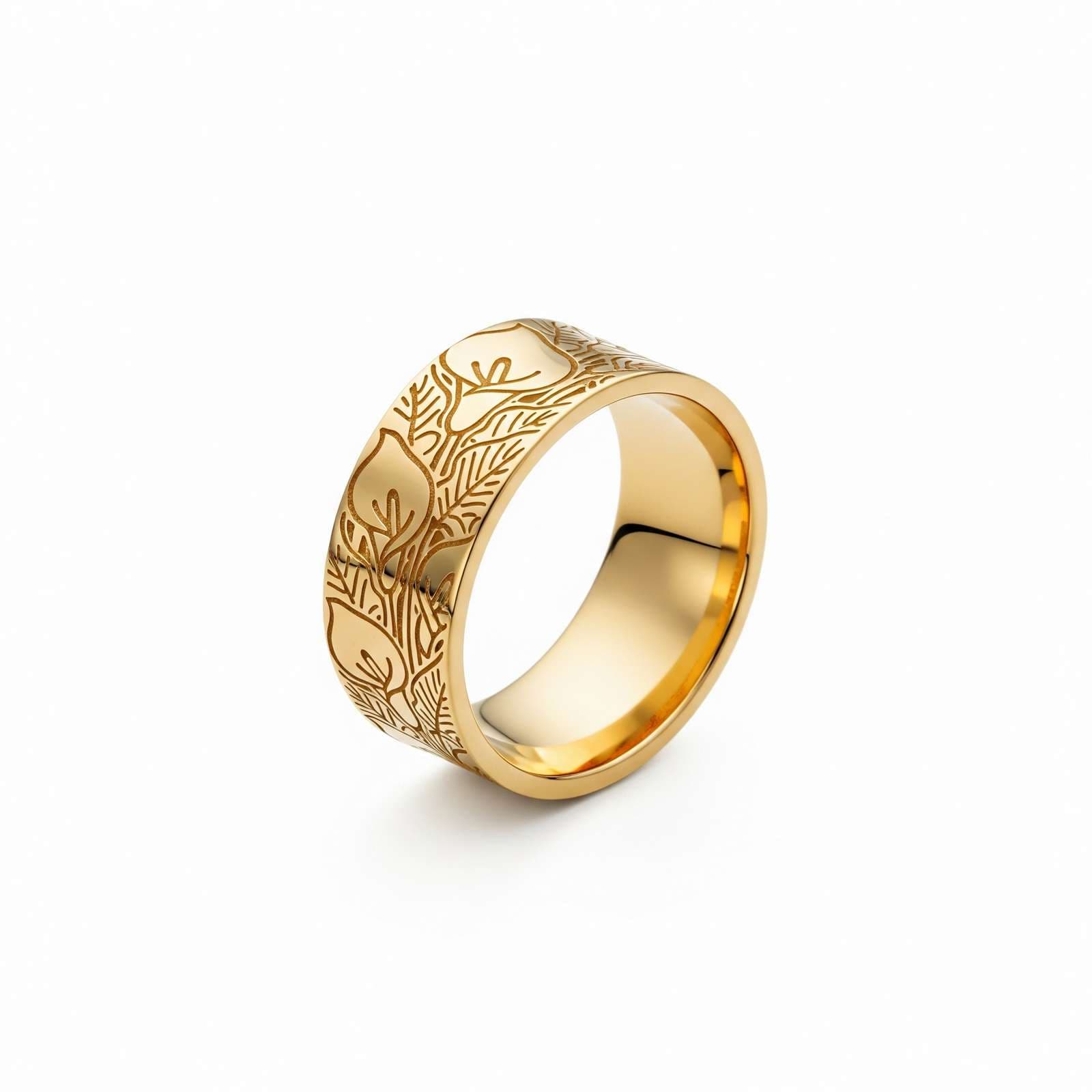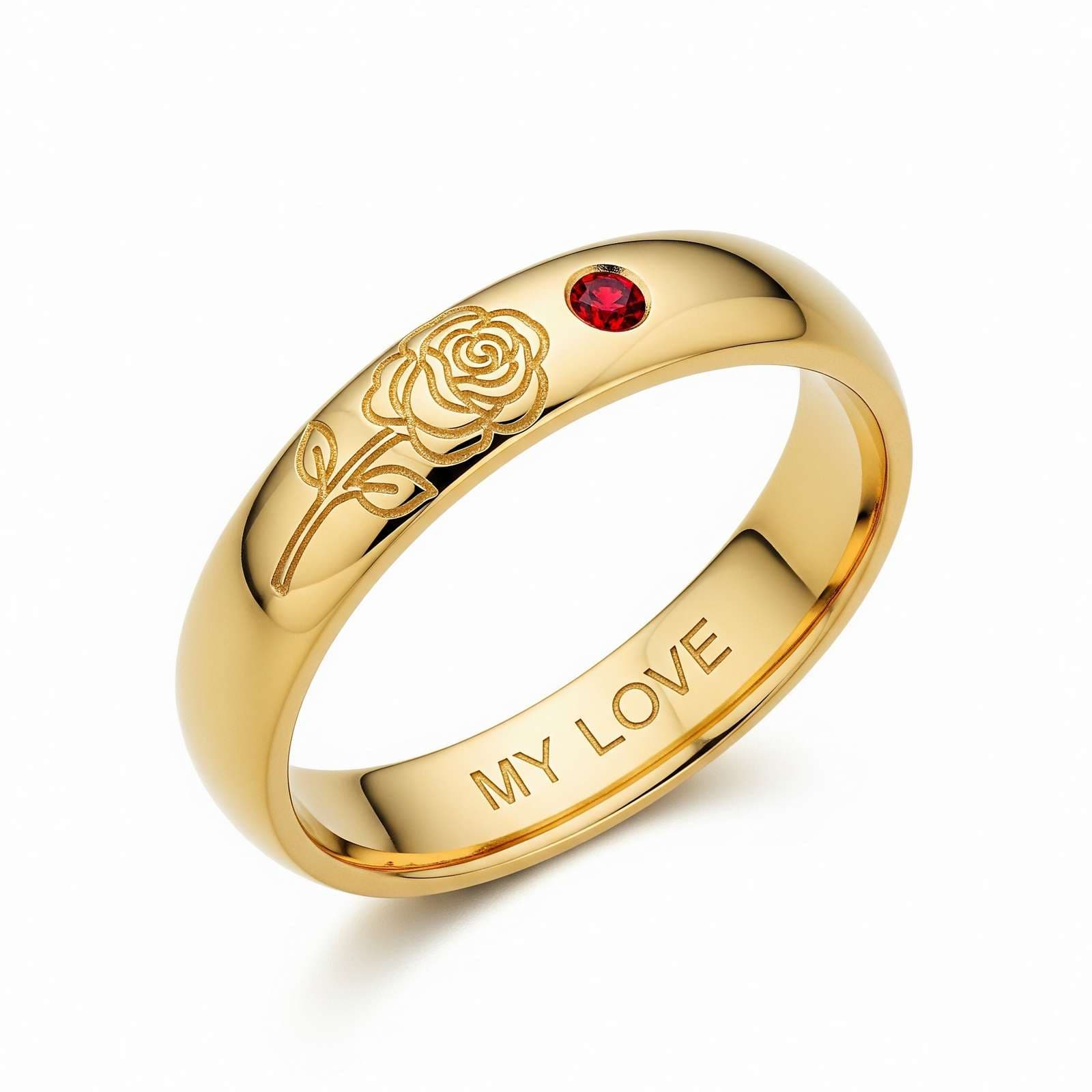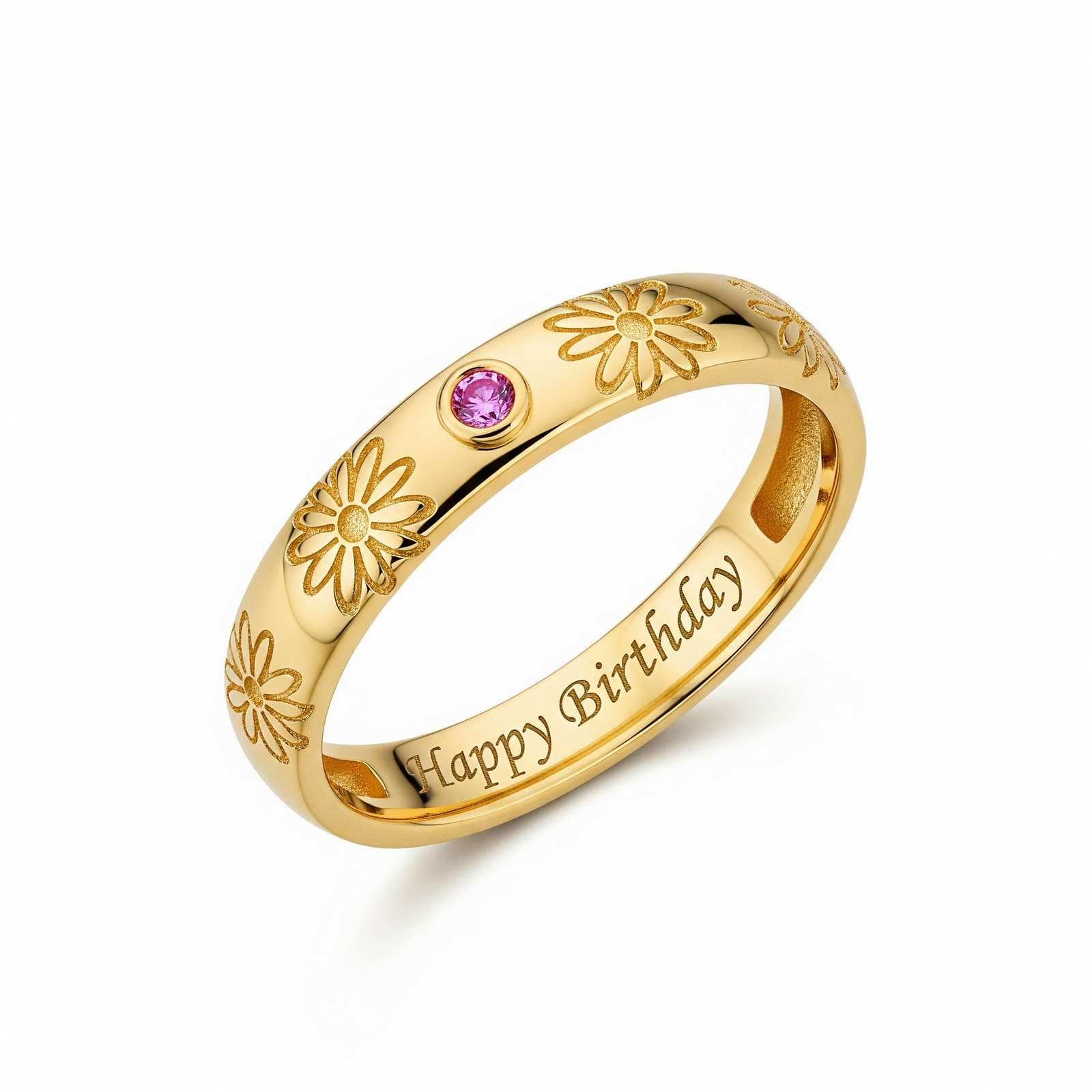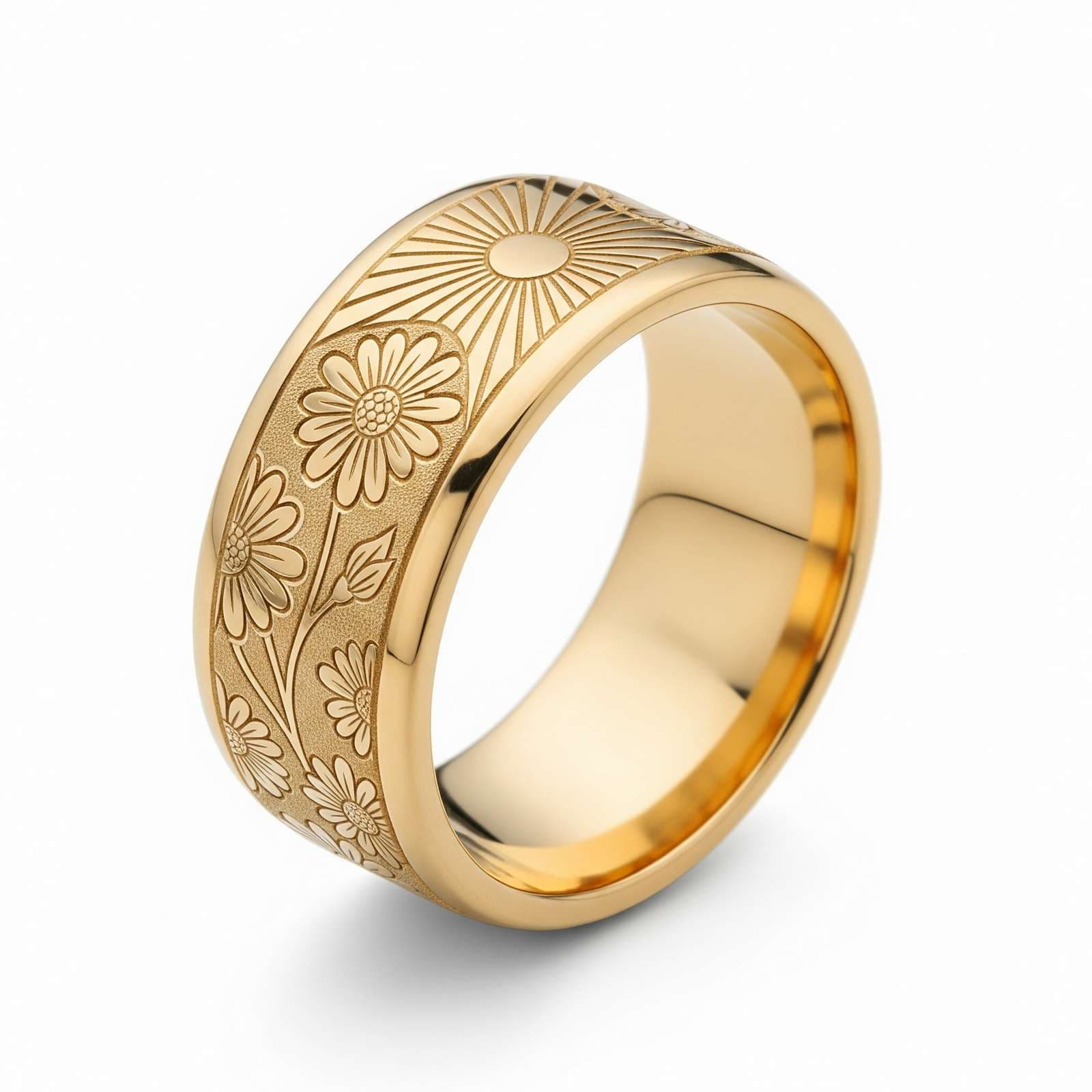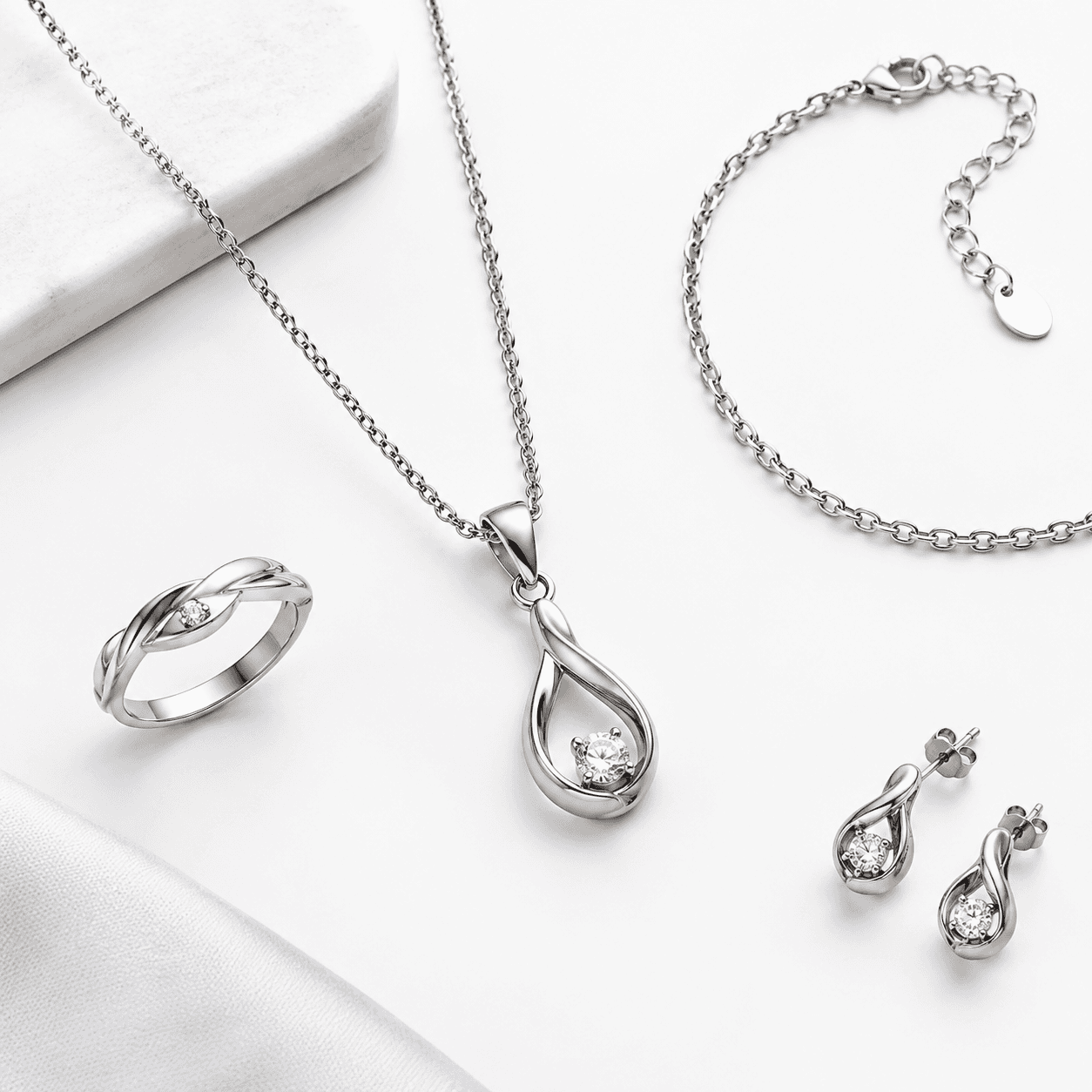
Knowing how to clean a stainless steel necklace helps jewelry designers protect its appearance, assess surface finishes, and develop practical care instructions for customers. Although stainless steel is valued for its corrosion resistance, necklaces can accumulate skin oils, cosmetic residue, soap deposits, and moisture around chain links, clasps, pendant bails, and decorative settings. The appropriate cleaning method depends on the base material, surface finish, and construction of the complete piece.
This guide answers common questions about cleaning 316L stainless steel necklaces, PVD gold-plated designs, engraved details, and necklaces incorporating enamel, zircon, crystal, or pearl accents. Learn how to clean a necklace conservatively, recognize potential finish damage, inspect samples after cleaning, and define product-specific care instructions for private-label and wholesale collections.
For OEM/ODM projects, cleaning requirements should be considered alongside material selection, finish specifications, sampling, and quality inspection. When evaluating a manufacturing partner, ask which custom-design, finishing, logo-customization, packaging, and export-support services are available for your project. Confirm the applicable processes, inspection scope, and documentation before approving a sample or bulk order.
Come pulire una collana in acciaio inossidabile: passaggi essenziali
For routine care, start with a soft, lint-free cloth and inspect the necklace before introducing moisture. Check the chain, pendant, clasp, jump rings, and decorative settings for visible residue, loose connections, or damage. Identify whether the piece has PVD gold or rose gold plating, enamel, zircon, crystal, pearl, adhesive-mounted components, or other features that may require special care.
If the product's care instructions permit wet cleaning, prepare lukewarm water with a small amount of mild, non-abrasive soap. Gently wipe the accessible surfaces with a soft cloth, following the chain links without pulling them against one another. A very soft brush may be suitable for accessible metal recesses, but avoid brushing aggressively around settings, enamel edges, engraved details, and narrow connections. Remove soap residue with a clean, lightly damp cloth or rinse carefully if the product instructions permit direct rinsing.
Dry the chain, pendant, clasp, and attachment points thoroughly with a soft cloth. Allow the necklace to finish air-drying on a clean surface before storage, paying particular attention to areas that can trap moisture. Check that the clasp operates correctly and that the pendant and connectors remain secure. Avoid abrasive pads, metal polish, bleach, strong acids, and unapproved chemical cleaners. Do not use a more intensive cleaning method simply because the base metal is stainless steel; product-specific instructions take priority for plated finishes and mixed-material designs.
Domande frequenti sulla pulizia delle collane in acciaio inossidabile
Come le proprietà dei materiali e le finiture superficiali influenzano la pulizia
Stainless steel jewelry combines a metal substrate with a finished surface, and both affect care requirements. 316L is a low-carbon stainless steel grade commonly selected for jewelry, while 304 is another grade used in some applications. Neither grade eliminates the need to consider surface condition, product geometry, environmental exposure, or decorative treatments. Corrosion resistance does not prevent the accumulation of oils, soap deposits, and water spots. Chain links, pendant bails, clasps, and stone settings can retain residue or moisture even when the main metal surface appears unchanged.
Surface finishing also affects maintenance. Polishing creates a reflective appearance, while engraving can leave recesses that collect residue. PVD gold or rose gold finishes should be treated according to their product-specific care instructions rather than as bare stainless steel. Enamel, stones, pearls, and other decorative details introduce additional contact points and potential restrictions. The correct guidance therefore depends on the full product specification, not just the material grade.
For product development, record the base material, finish type and color, decorative components, and supplier-confirmed care restrictions in the approved sample specification. When evaluating an OEM/ODM supplier, ask whether the project requires design development, sampling, polishing, PVD or other plating, decorative setting, and quality inspection, and confirm which of these processes the supplier can provide. Manufacturing capability alone does not establish that a necklace has passed a particular durability, chemical-resistance, or regulatory test. If formal evidence is required, identify the destination market, relevant test method, acceptance criteria, and documentation needs before confirming the order.
Considerazioni sulla pulizia dei design personalizzati e dei dettagli intricati delle collane
Custom necklace designs may include fine pendant features, engraved lettering, layered chains, narrow loops, and decorative settings that make cleaning more difficult. During design review, check whether the pendant can be wiped without stressing the bail, whether the chain links are accessible, and whether the clasp and connectors can be dried thoroughly. If residue is difficult to remove without aggressive brushing, consider whether revised spacing, smoother transitions, or more accessible connections would improve maintainability.
For personalized necklaces, recessed logo engraving can collect soap or cosmetic residue. Customer instructions should explain how to clean these areas gently without abrasive tools. Designs incorporating zircon, crystal, enamel, or pearl also require attention to attachment methods and component-specific care restrictions. Inspect the complete assembly, including the pendant, chain, clasp, attachment rings, and decorative details. If a component moves, loosens, or changes appearance during approved cleaning, stop and request assessment before further treatment.
OEM/ODM sampling gives brands an opportunity to evaluate these details before approving bulk production. Submit clear design files, dimensions, the preferred material and finish, logo requirements, and any specific care expectations. Ask the manufacturer to review construction feasibility and agree on sample-inspection checkpoints. Use the approved sample as the reference for appearance and care guidance, while confirming that any proposed changes remain consistent with the final product specification.
Controllo qualità e documentazione per i requisiti di cura delle collane
Useful care instructions should be tied to the actual product specification and inspection process. For a stainless steel necklace, identify the base material, surface finish, pendant construction, clasp, chain connections, and decorative components. Practical sample-review checkpoints include comparison with the approved appearance reference, surface condition, finish consistency, engraving legibility, clasp operation, and the security of settings and attachment points. After an agreed cleaning assessment, record visible residue, changes in appearance, and signs of loosened or damaged components. These observations should not be represented as laboratory results unless appropriate testing has actually been performed.
Material declarations, test reports, certificates, and regulatory compliance are separate questions. A statement that a necklace uses 316L stainless steel does not by itself demonstrate compliance with every chemical, product-safety, labeling, or destination-market requirement. Buyers selling in the US, EU, UK, Canada, Australia, or other markets should identify the requirements applicable to their product and intended sales destination. Ask which documentation is available or can be arranged for the confirmed specification, and verify that its scope covers the relevant materials, finishes, components, and finished product. Do not assume that evidence for one sample or component automatically applies to another configuration.
For a project-specific review, provide the design brief, material and finish requirements, inspection checkpoints, and any requested documentation before quotation. Ask Lefeng Jewelry to confirm the applicable scope of sampling, finishing, quality inspection, private-label packaging, and export coordination for the proposed project. Request confirmation of the available supporting evidence and its applicability to the final product specification. This approach helps align buyer expectations with documented capabilities without implying unverified experience, test results, certifications, or market approvals.
Prevenire i problemi di pulizia nelle collezioni a marchio privato e all'ingrosso
Consistent care guidance for a commercial necklace collection starts with a clear product definition. If a range includes different finishes, chain constructions, pendant shapes, or decorative materials, do not assume that one cleaning method suits every variation. Maintain a product-level specification identifying the base material, surface treatment, decorative components, and supplier-confirmed restrictions. Keep the approved sample, product description, packaging information, and customer-service guidance aligned so that each describes the same construction.
Packaging should protect the finished necklace from unnecessary contact and help prevent tangling during storage and transit. Review the product in its intended packaging to check that the pendant is supported, the chain is not tightly bent, and clasps or decorative details are not pressed against other components. If a care card is required, confirm its wording against the actual product specification before printing. Avoid broad claims about water exposure, maintenance, or chemical resistance unless they are supported by the confirmed construction and applicable evidence.
When planning wholesale or private-label stainless steel jewelry, discuss sampling, logo customization, packaging, inspection requirements, and export documentation as part of the same sourcing brief. Ask Lefeng Jewelry to confirm which OEM/ODM manufacturing and finishing services are available for the intended design, along with applicable project requirements and limitations. Share the target market, product variations, estimated quantity, preferred finish, and packaging needs when requesting a quote. Buyers can explore OEM/ODM manufacturing services, learn more through About Lefeng Jewelry, or review stainless steel necklace options.
Risorse correlate per il design delle collane e la cura dei prodotti
Cleaning requirements are one part of planning a necklace collection. Material selection, finish definition, sampling, logo placement, packaging, and quality inspection also influence how a product should be evaluated before production. Designers refining a concept can explore new stainless steel jewelry designs or review custom necklace manufacturing to connect design ideas with construction and production considerations.
Buyers preparing a sourcing brief can consult the jewelry sourcing and manufacturing blog for procurement guidance and manufacturing insights and buyer education for related technical topics. When comparing samples, record the material and finish, inspect attachment details, and document the approved care method. Identify any destination-market documentation requirements early so the supplier can clarify the applicable scope before production approval.
A useful RFQ combines the design concept with practical manufacturing details: chain and pendant structure, dimensions, material grade, surface finish, decorative components, logo requirements, packaging preferences, estimated quantity, and requested inspection or documentation checkpoints. If cleaning performance is a concern, describe the intended care method and the issue you want to prevent. This gives the manufacturer a concrete basis for sample review and quotation while keeping design requirements, care guidance, and evidence requests distinct.
Sviluppa la tua collana in acciaio inossidabile con Lefeng Jewelry
Developing a custom stainless steel necklace for a private-label launch, boutique collection, or wholesale program? Prepare a design brief so Lefeng Jewelry can review your OEM/ODM requirements and discuss sample development. Include a drawing or authorized reference image, pendant and chain dimensions, requested base material such as 316L or 304 stainless steel, preferred surface finish, decorative components, and logo or engraving details. Identify care requirements that may affect construction or finish selection, especially for PVD-plated designs and necklaces incorporating enamel, zircon, crystal, or pearl.
Your RFQ should also state the target market, estimated order quantity, packaging needs, required inspection checkpoints, and any documentation requested for the confirmed product specification. If market-specific evidence is necessary, identify the relevant requirement rather than assuming that a certificate or test report is already available. Ask the team to confirm applicable design-development, sampling, finishing, quality-inspection, packaging, and export-support services, along with any project-specific limitations, before quotation and production planning.
To start the discussion, contact Lefeng Jewelry to request a quote, explore OEM/ODM manufacturing services, or add suitable items to your quote list. A clearly defined specification and approved sample provide a practical basis for agreeing on appearance, construction, finish, care instructions, and inspection expectations before a bulk order is confirmed.
Related resources
Related resources
- How to Clean Stainless Steel Jewelry: Factory Care Guide for Buyers
- How to Clean Stainless Steel Jewelry for Lasting Quality
- How to Clean Stainless Steel Jewelry: Expert Guide for Buyers
- Wholesale Stainless Steel Jewelry: Quality, Sourcing, and Private-Label Guide for OEM/ODM
- Contact Us | Lefeng Jewelry
- Why Is Stainless Steel Heart Charm Waterproof? 316L Guide
- How to Clean Stainless Steel Jewelry: A Complete B2B Guide
- How to Clean Stainless Steel Jewelry: Factory Care Guide
- How to Clean Stainless Steel Jewelry: Expert Guide
- How to Clean Stainless Steel Jewelry: OEM Factory Care Guide Tips