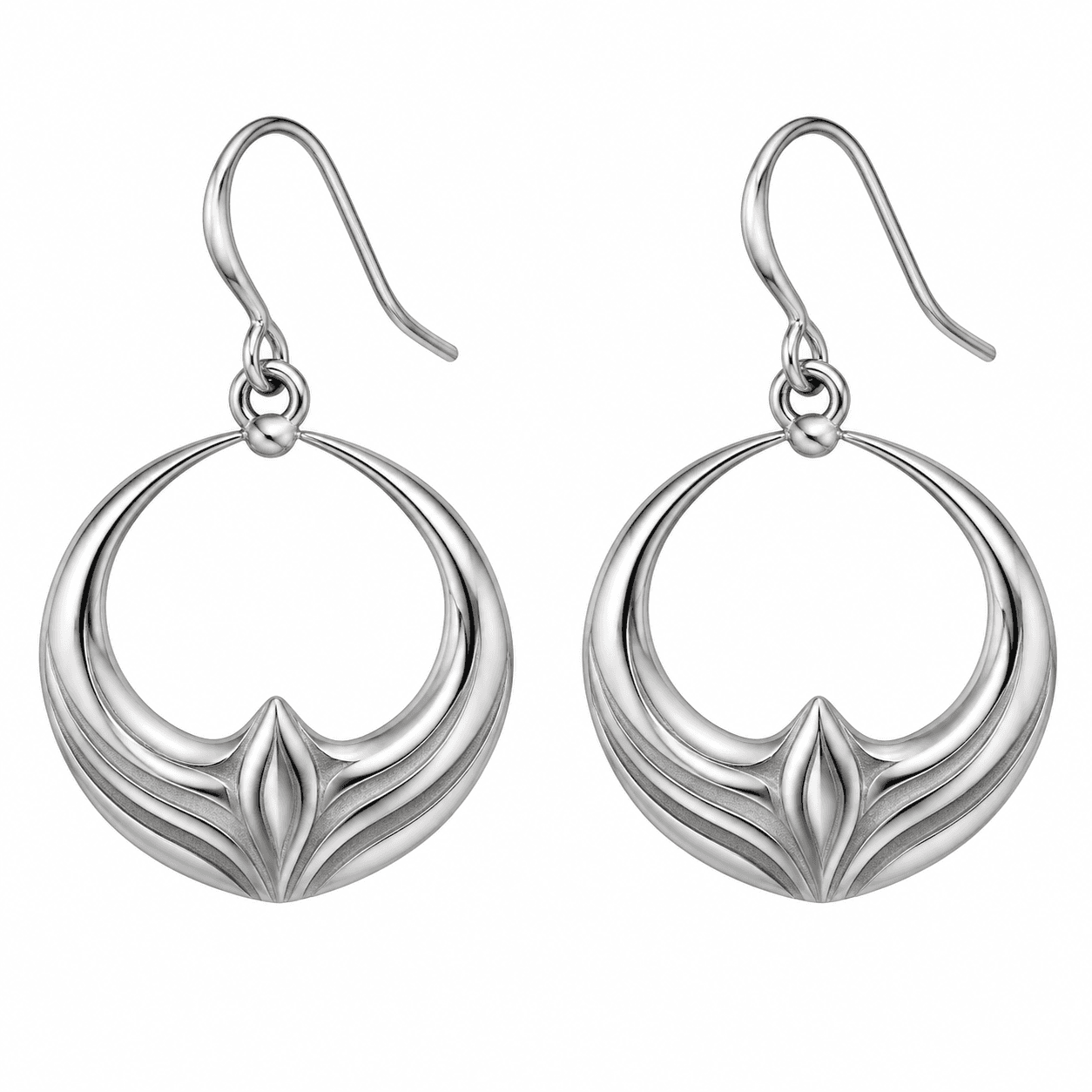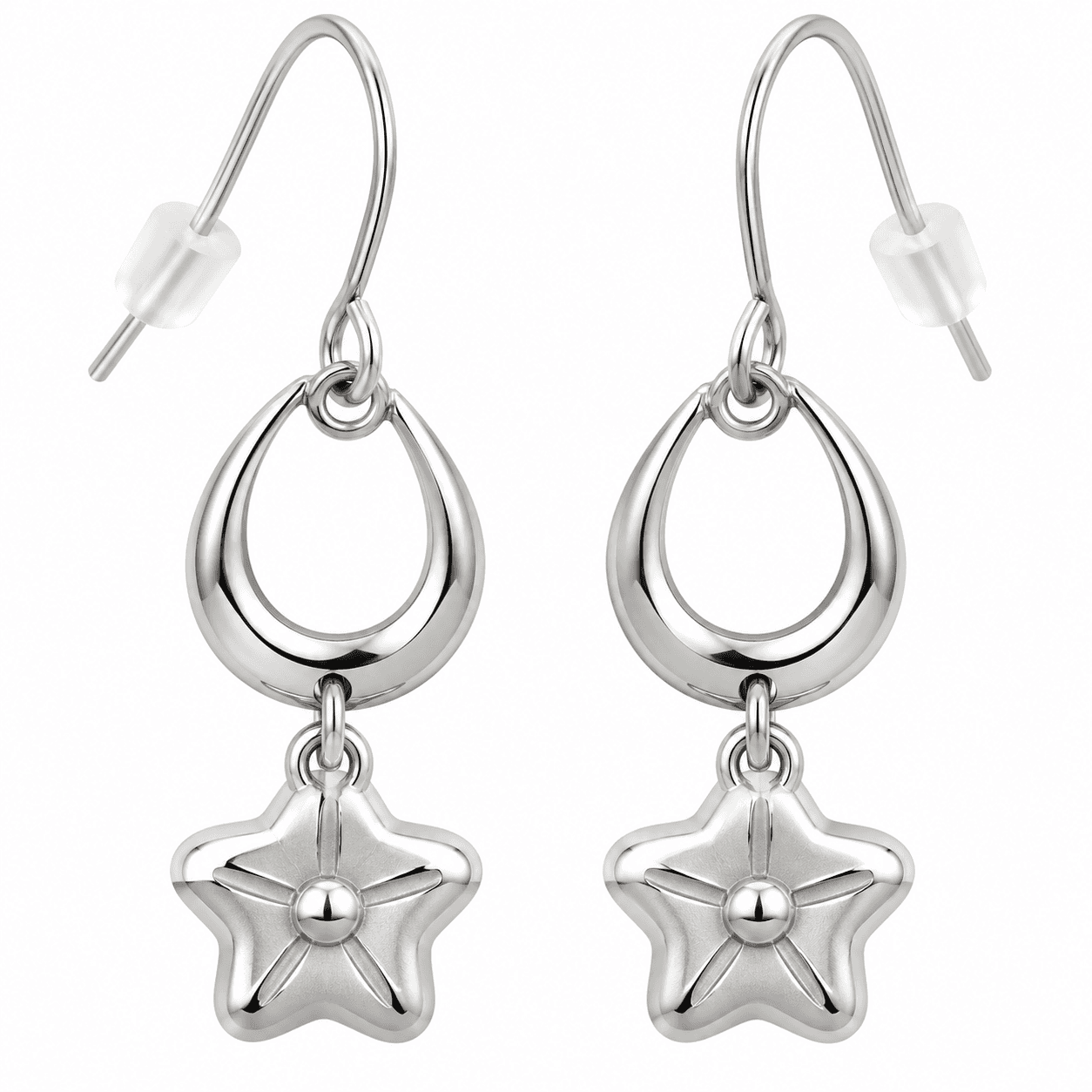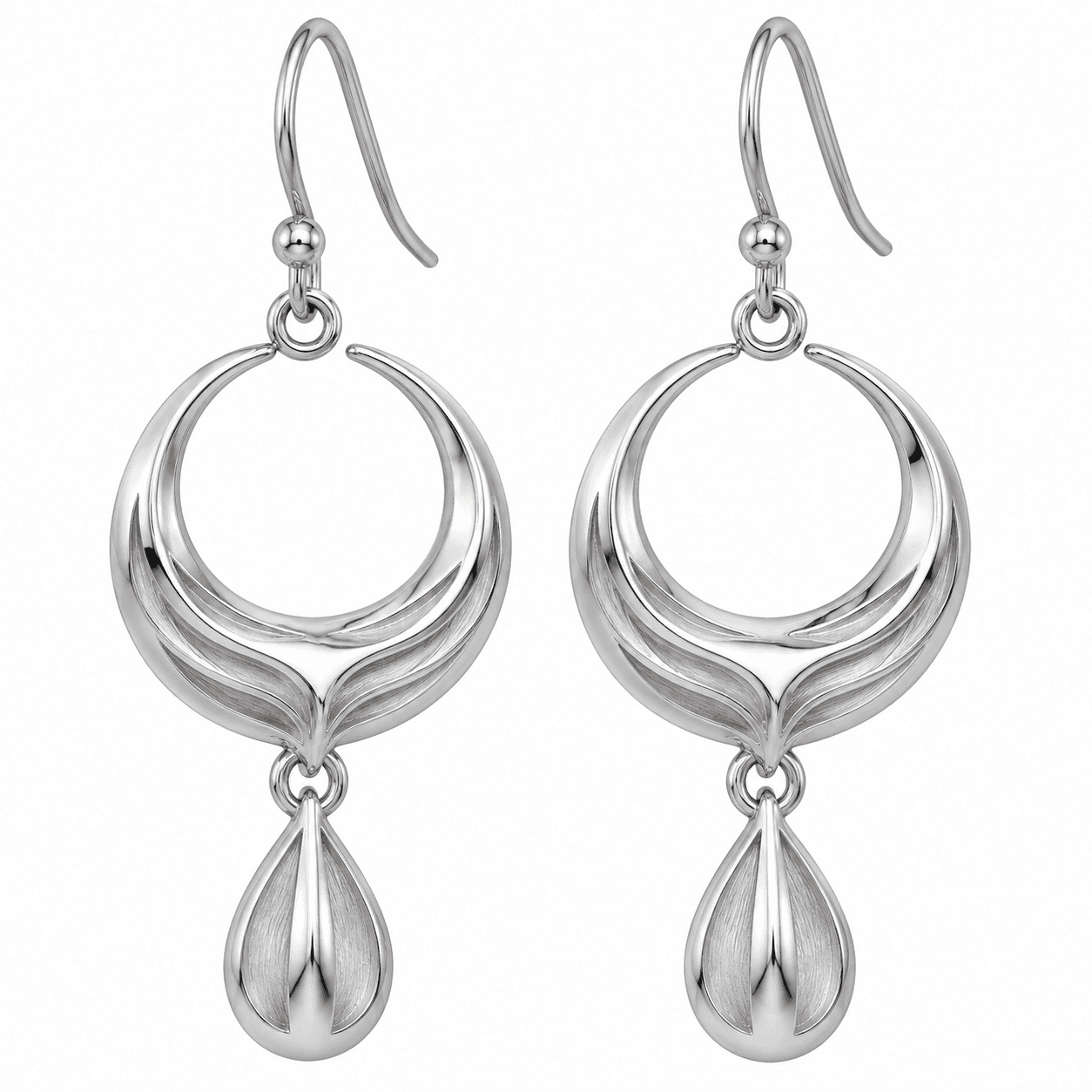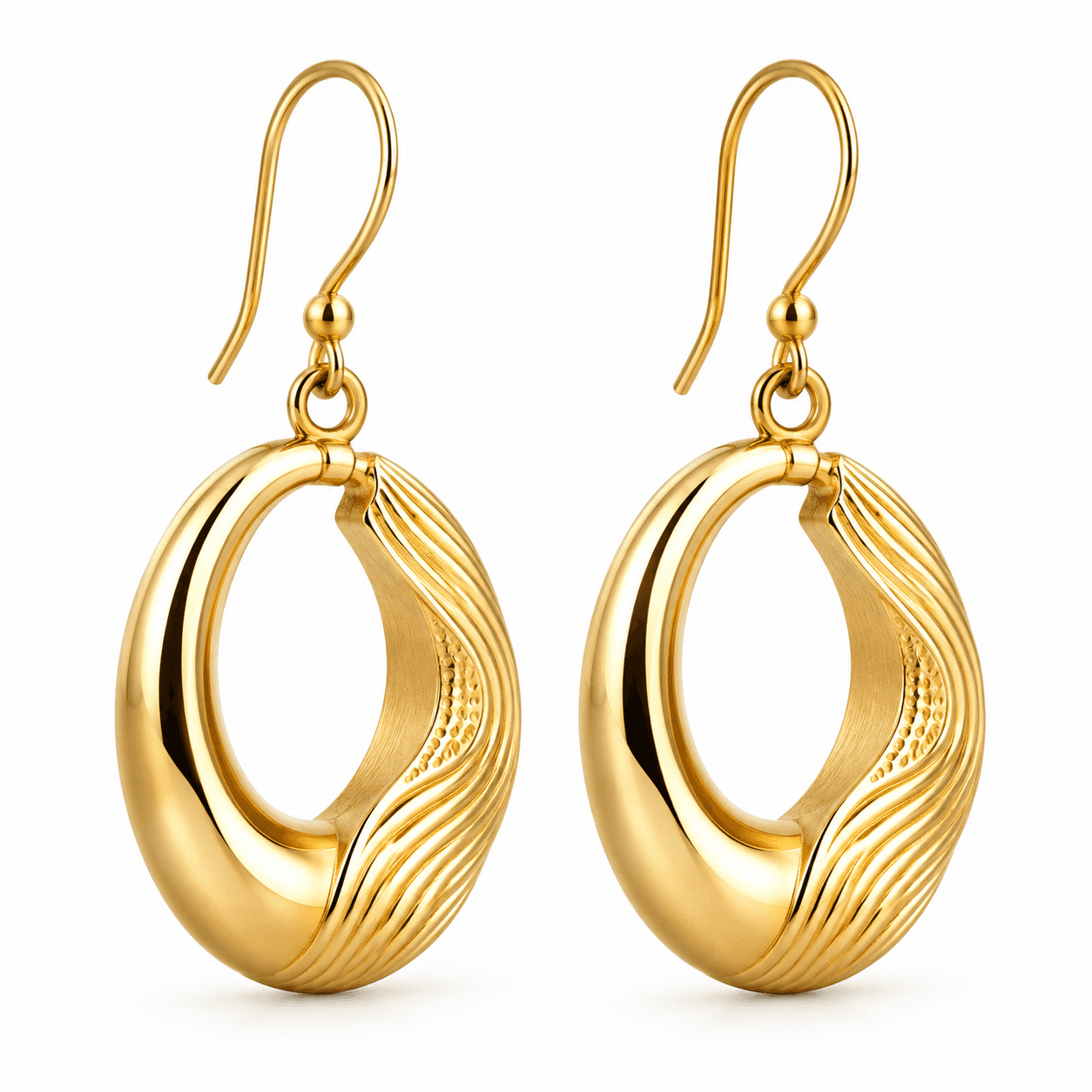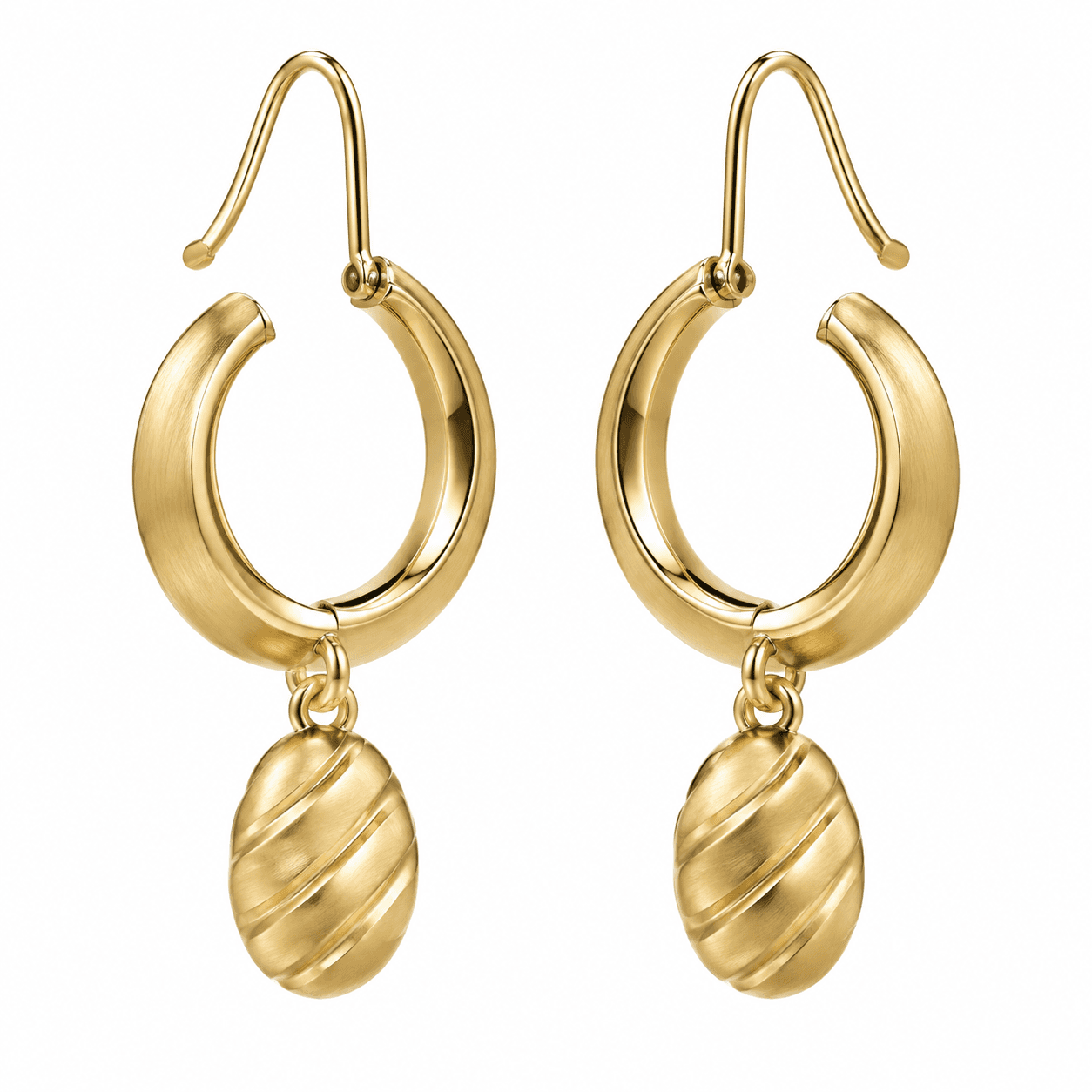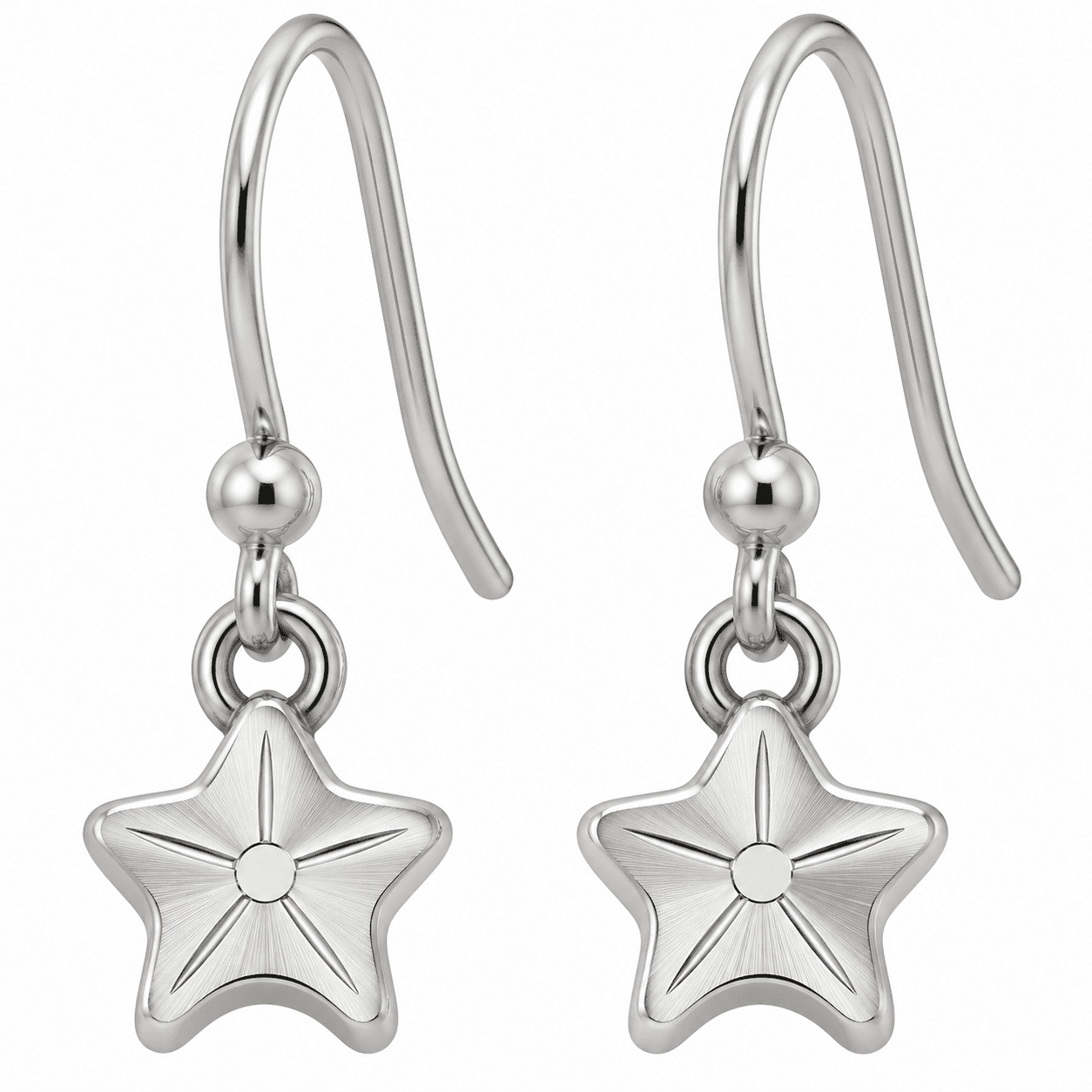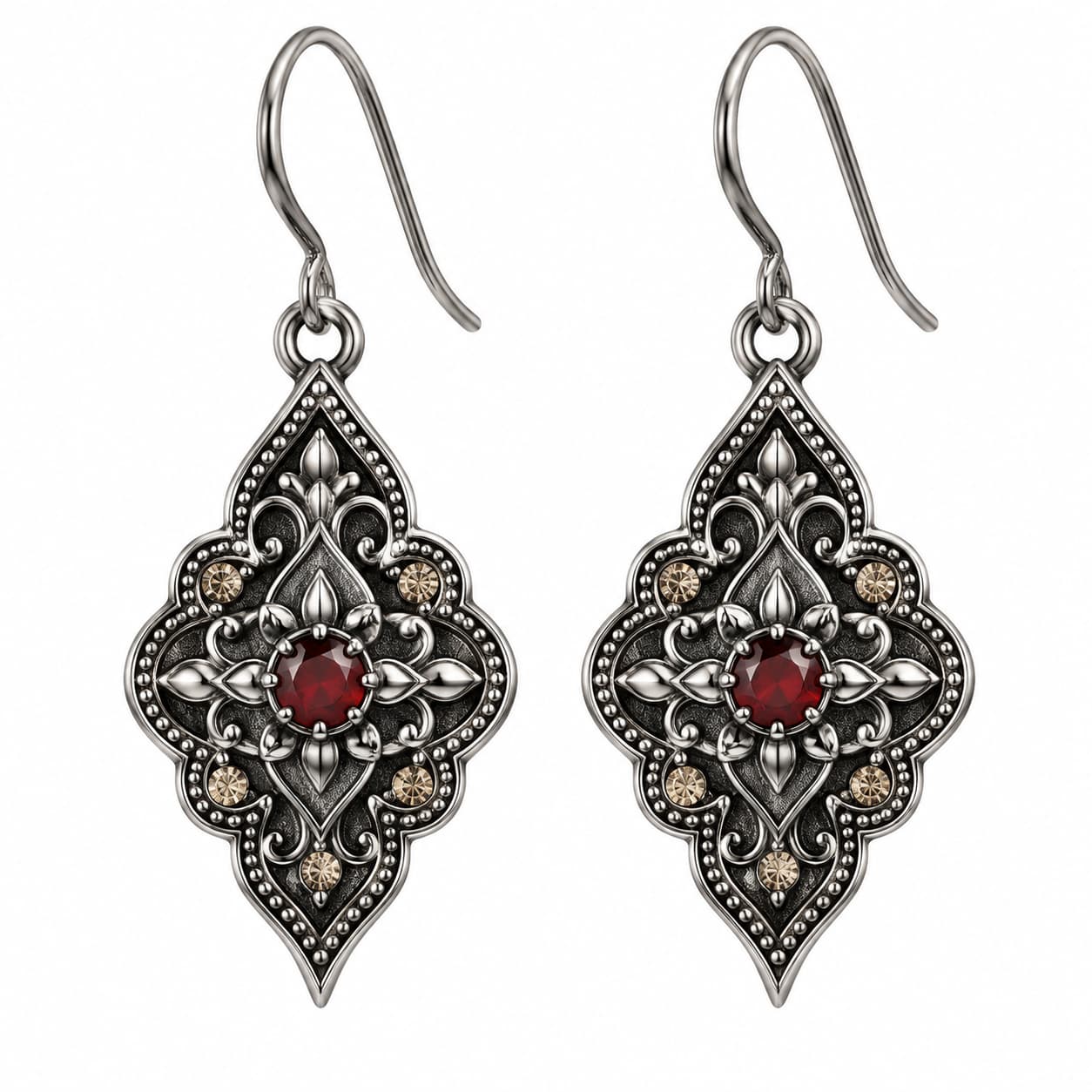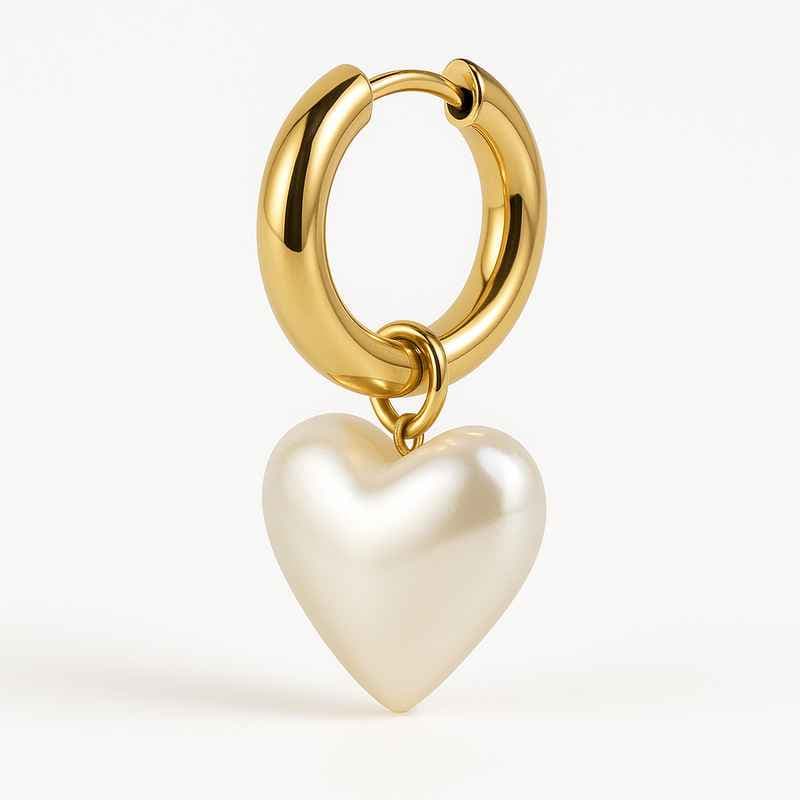
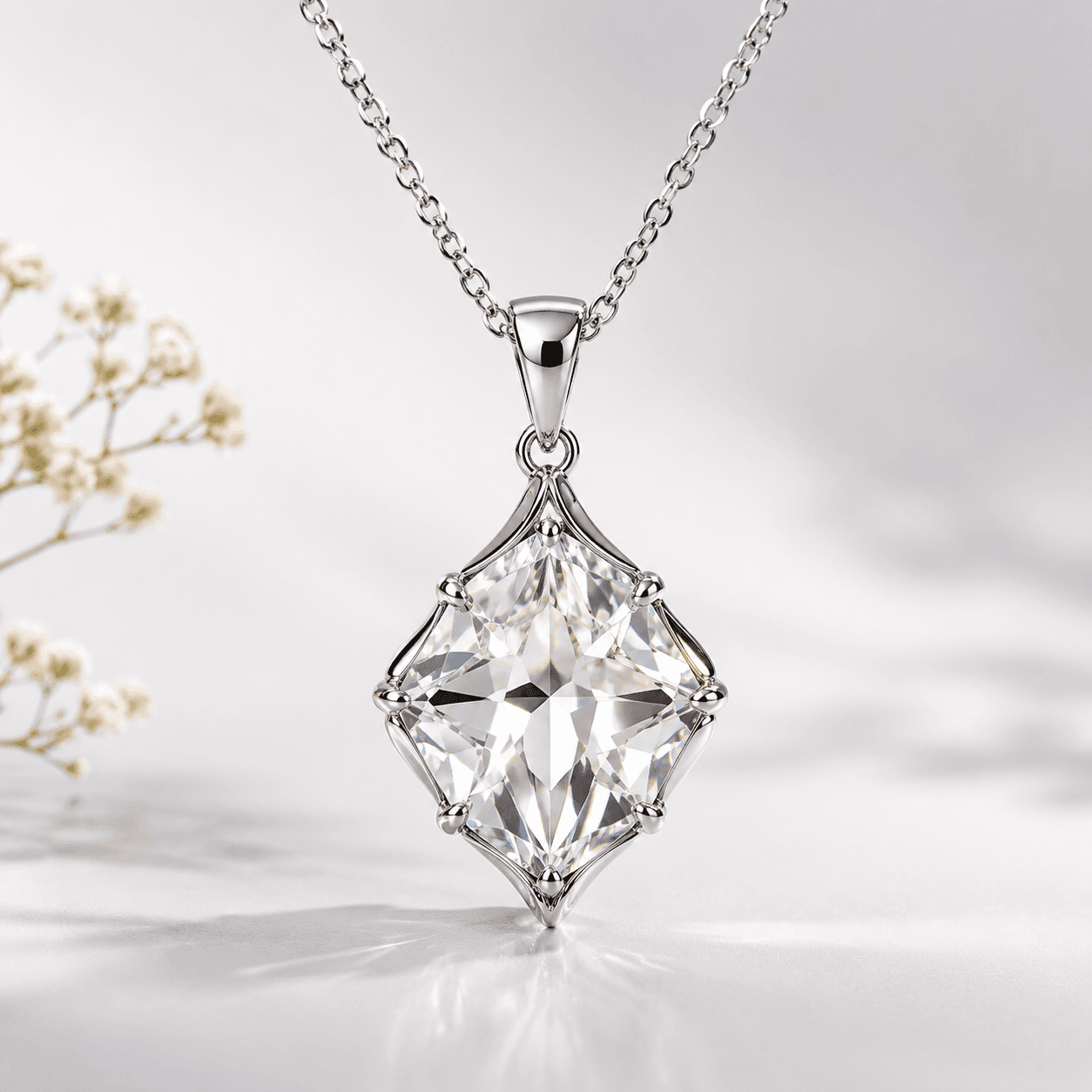
Crystal exaggerated earrings offer retail buyers an opportunity to introduce visual impact, dimensional detail, and elevated occasion-wear appeal into an existing jewelry assortment. With prominent crystal arrangements, sculptural metal shapes, and carefully considered proportions, these earrings can become attention-grabbing display pieces that encourage customers to explore a collection. For retail store owners, however, successful purchasing involves more than selecting an attractive design. Material consistency, setting construction, display visibility, assortment planning, replenishment flexibility, and wholesale margins all influence the commercial value of an earring collection.
This guide explains how to evaluate crystal exaggerated earrings from a B2B procurement perspective. It covers 316L stainless steel construction, crystal setting considerations, plating and finishing, quality inspection, retail merchandising, and supplier evaluation. When assessing a potential OEM/ODM partner, ask about product development, sampling, finishing, inspection, private label packaging, and export coordination. Buyers can use these considerations to develop a distinctive boutique jewelry collection or expand an established wholesale assortment with better-informed purchasing decisions.
Whether you are preparing a new retail launch or evaluating additional wholesale stainless steel jewelry, the following sourcing framework helps connect product appeal with manufacturing practicality. Explore the stainless steel earrings collection and new jewelry designs to identify suitable directions for your assortment.
クリスタルを大胆にあしらったイヤリング:小売店での魅力と仕入れの可能性を理解する
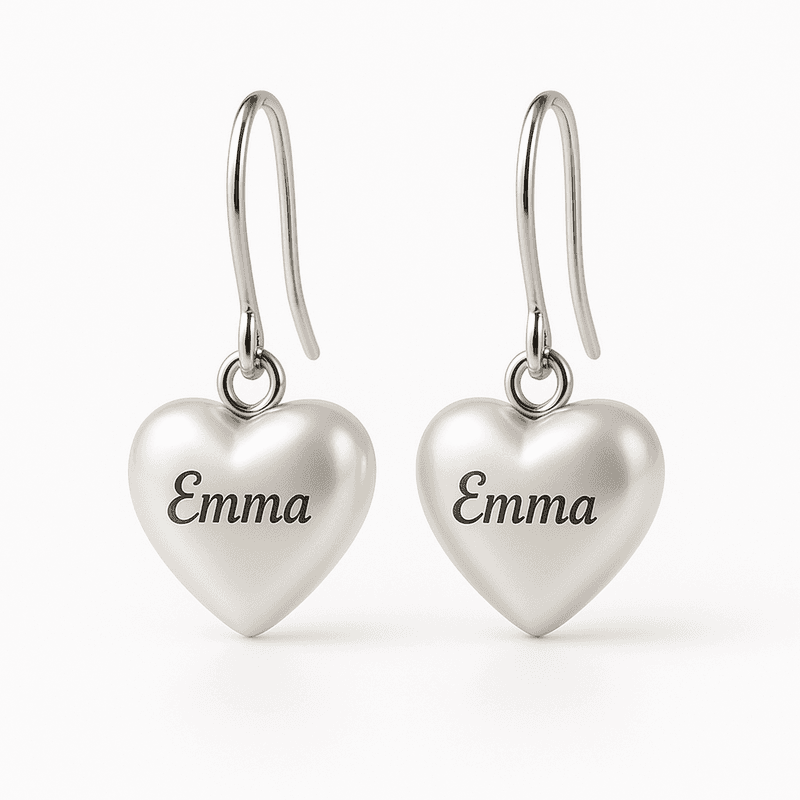
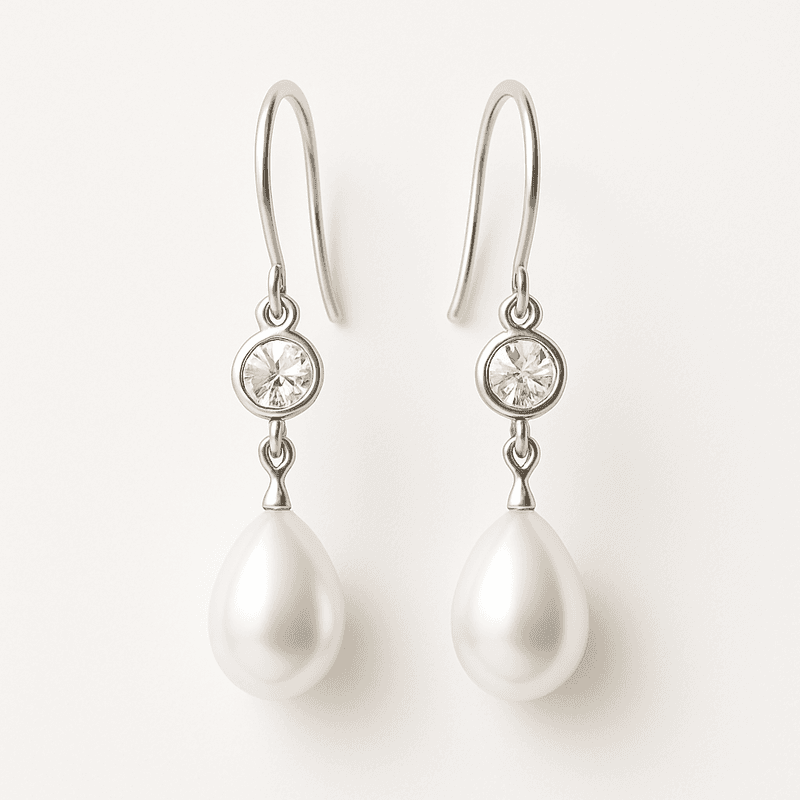
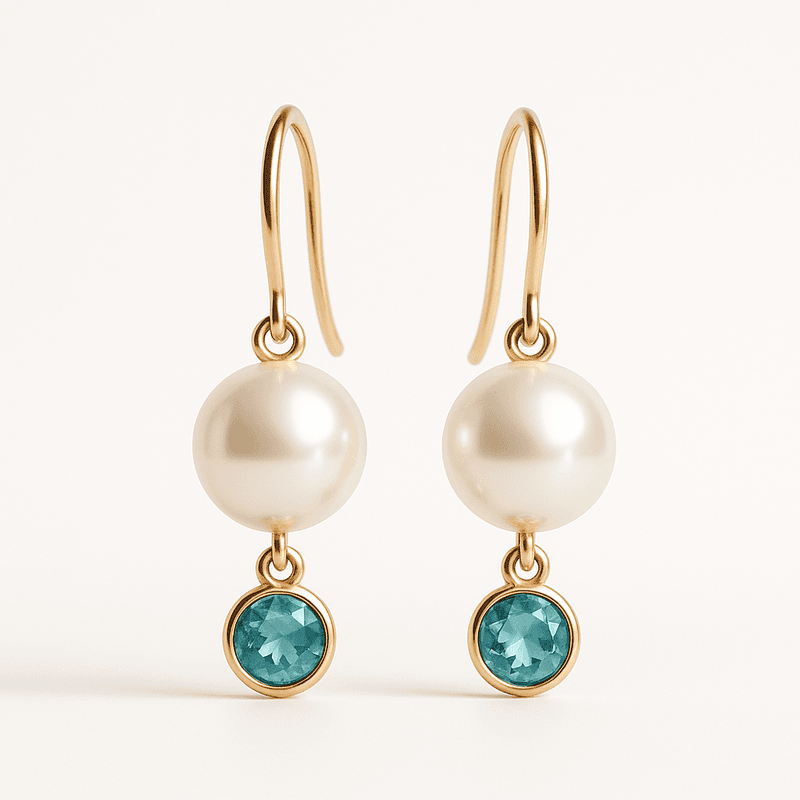
Crystal exaggerated earrings are characterized by their noticeable proportions, decorative crystal details, and stronger visual presence compared with understated everyday earrings. Common design directions include clustered crystal arrangements, geometric silhouettes, sculptural hoops, dimensional drops, and combinations of polished metal with decorative stones. Their visual impact makes them relevant to occasion-wear displays, boutique statement collections, seasonal merchandising, and gift programs. For retail store owners, the central purchasing question is whether a design can attract attention while remaining practical for the intended customer and selling environment.
Start by evaluating the relationship between earring dimensions, weight, silhouette, and crystal placement. A visually substantial design should have balanced construction, secure attachment points, and an appropriate wearing profile. Consider the actual display distance in your store: prominent crystal surfaces and clear silhouettes are easier to recognize in a showcase than complicated details that become difficult to distinguish from several feet away. Ask suppliers for product photographs, dimensional specifications, and physical samples so that the appearance shown in promotional images can be compared with the finished article. Retailers should also assess whether the design fits their existing price architecture and whether its visual character complements neighboring necklace, bracelet, and ring collections.
Merchandising performance should be evaluated using your own sales records rather than assumed industry averages. Track sell-through by design, units sold per display period, average transaction value, markdown frequency, and replenishment requirements. A small initial assortment can help identify which silhouettes attract customer attention before larger bulk orders are considered. Buyers planning a private label jewelry program can discuss sample development and design adjustments with prospective OEM/ODM suppliers. Explore OEM ODM stainless steel earrings and manufacturing services to review available development and production information.
316Lステンレス鋼とクリスタルセッティング:製品の品質を左右する素材
Material selection is a fundamental part of purchasing crystal exaggerated earrings because the base metal, surface finish, decorative stones, and connection hardware all contribute to the finished product. 316L stainless steel is a relevant option for buyers seeking a durable metal foundation for fashion earrings. Its corrosion-resistant characteristics make it useful in jewelry manufacturing, although the performance of a finished piece also depends on its design, surface condition, processing, and care requirements. Buyers should distinguish between the properties of the base material and the performance of the complete assembled earring rather than assuming that one material specification establishes every product characteristic.
Crystal selection and setting construction require equal attention. Depending on the approved design, crystal details may be incorporated through suitable setting structures and attachment methods. Examine stone alignment, consistency of visible surfaces, setting symmetry, and the relationship between each decorative element and its metal support. Pay particular attention to edges and connection points, where inadequate finishing or inconsistent assembly can affect appearance and wearing comfort. For hoop and drop earrings, inspect the relationship between the decorative front, connecting components, post or hoop structure, and backing. The complete earring should have a physically sound construction, with no visibly loose decorative components or irregular metal edges.
Finishing should be evaluated separately from base-metal selection. PVD gold plating and other configured surface finishes can provide different visual directions for a coordinated retail assortment. Review color consistency, polishing quality, surface uniformity, and the appearance of transitions between decorative sections. Where the specification includes enamel, zircon, or pearl details, assess their integration with the overall design. Ask prospective suppliers which processing, finishing, and setting options are available for the specific design, and confirm them during sampling. Buyers can also review the related guide 316L stainless steel earrings for sensitive ears: a B2B buyer's quality checklist when preparing material and inspection requirements. Any chemical, skin-contact, or regulatory documentation should be evaluated against the exact material configuration and destination-market requirements; availability and applicability must be confirmed for the individual project.
小売ディスプレイ、品揃え計画、卸売利益率管理
クリスタルをあしらった大ぶりなイヤリングの販売実績は、小売業者が商品の外観をいかに効果的に顧客の関心や購買決定につなげられるかに左右されます。視覚的な存在感が強いため、イヤリング売り場の主役商品に適しており、色、シルエット、仕上げ、または着用シーンごとにまとめて陳列できます。すべての大ぶりなデザインを一か所にまとめるのではなく、認識しやすい商品ストーリーごとに品揃えを整理しましょう。たとえば、立体的なゴールドトーンのフープイヤリングをひとつのグループにまとめ、クリスタルのドロップイヤリングや、より立体感のある存在感の強いデザインは別々の場所に陳列できます。こうすることで比較しやすくなり、商品ごとの違いも伝わりやすくなります。
実店舗では、陳列計画の際に視認性、利用可能な棚スペース、照明、商品の間隔、手に取りやすさを考慮する必要があります。クリスタルが目立つイヤリングは、輪郭や装飾が見えるよう、十分な間隔を空けて陳列すると効果的です。適切な場合は、統一感のあるディスプレイカードやトレーを使用し、商品の構造が隠れるほど詰め込むのは避けましょう。まとまりのある陳列は、ネックレス、リング、ブレスレットとの併売にも役立ちます。オンライン小売業者も、商品の寸法、仕上げ、石留めの構造、イヤリング金具全体を伝える正面・側面・細部の写真を掲載し、同じマーチャンダイジングの考え方を取り入れましょう。正確な商品情報を提供することで、購入時の不安を軽減し、存在感の強いデザインの実際のサイズ感を顧客に伝えやすくなります。
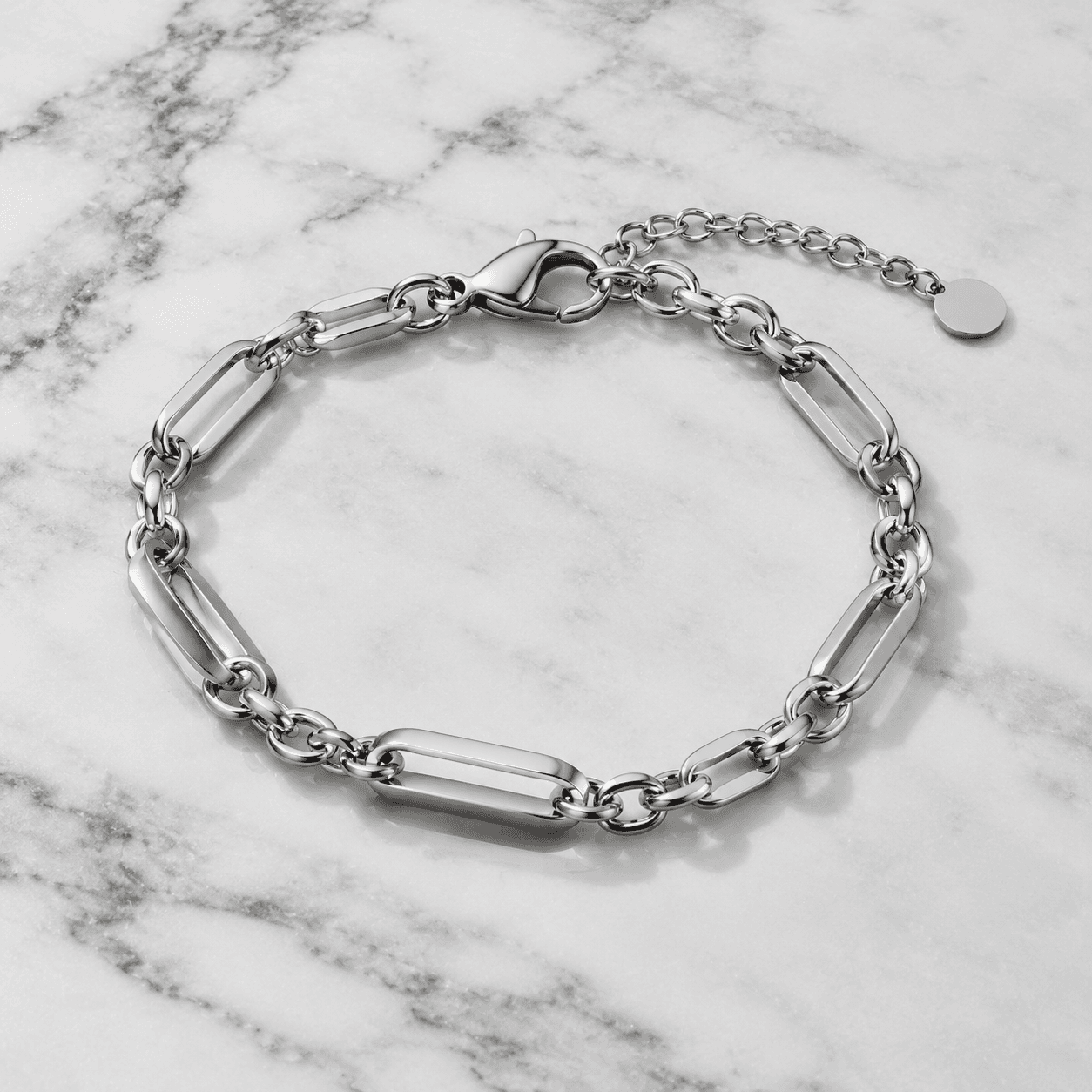
利益率の計画は、見積もりの単価だけでなく、着地原価全体の算出から始めましょう。製造コスト、梱包費、国際輸送費、該当する場合は関税、取扱費用、決済手数料、予定している販促割引を考慮してください。たとえば、小売価格が$48の商品を検討するバイヤーは、小売価格と工場見積もりの差額を利益とみなすのではなく、関連するすべてのコストを差し引いた後の予想利益貢献額を算出する必要があります。粗利益率、消化率、返品理由、値下げについては、それぞれ個別に記録を管理しましょう。これらの指標を参考に、デザインの追加発注が必要か、あるいは小売価格の見直しが必要かを判断できます。卸売バイヤーは、大量発注を確定する前に、品揃えの幅とSKUの偏りも確認しましょう。コレクションの企画や仕入れに関するお問い合わせにあたっては、コーディネートジュエリーセット、ステンレススチール製ブレスレット、ステンレススチール製ネックレスをご覧いただき、相性のよいマーチャンダイジングの機会をご検討ください。
OEMジュエリーメーカーの評価:サンプル作成、品質管理、生産準備体制
Selecting an OEM jewelry manufacturer requires evaluating the complete development process, not simply comparing product photographs or initial quotations. Retail buyers should establish whether a supplier can interpret a design brief, confirm material requirements, develop a representative sample, review finishing details, and maintain communication when adjustments are needed. For crystal exaggerated earrings, the sampling stage is particularly important because the scale of the decorative elements, overall weight, setting appearance, and physical connections can significantly influence the finished result. A useful sample should provide a realistic reference for the specifications that will be approved for production.
Begin by preparing a technical brief covering the earring category, overall dimensions in inches or millimeters, base material, crystal specifications, plating color, decorative arrangement, post or hoop construction, backing type, logo requirements, and packaging preferences. Reference photographs and annotated drawings can help communicate design intent, but critical measurements and material details should be confirmed in writing. During sample review, assess the complete product structure, metal surface, stone alignment, attachment points, closure function, and consistency between the two earrings in a pair. Request clarification whenever the physical sample differs from the approved specification. These steps establish a practical reference for subsequent quality control rather than relying solely on subjective descriptions such as premium finish or excellent quality.
Production inspection should use agreed checkpoints appropriate to the product and order. Relevant observations include incoming material confirmation, dimensional review, polishing consistency, plating appearance, crystal setting security, assembly quality, pair matching, logo engraving, and final packaging presentation. Where a project requires particular tests, certifications, or destination-market documentation, the buyer should identify these requirements before production and review the applicable evidence for the confirmed specification. Ask prospective suppliers whether they can support the required development, processing, inspection, branding, packaging, and export arrangements, and confirm the scope for the individual project. Buyers can review factory and company information and OEM/ODM services when assessing manufacturing suitability. Discuss MOQ according to the design, material configuration, processing requirements, and packaging scope instead of assuming one universal quantity applies to every product.
クリスタルの大ぶりピアスに関するよくある質問
Lefeng Jewelryで大胆なクリスタルピアスコレクションを展開しましょう
Choosing the right crystal exaggerated earrings is a balance between customer appeal, manufacturing feasibility, material quality, and retail economics. For an OEM/ODM project, evaluate prospective suppliers on their ability to communicate about design development, sampling, finishing, quality inspection, packaging, and export coordination, and confirm the available scope for your specific order. Whether you are preparing a boutique statement collection, expanding an existing wholesale assortment, or developing a private label jewelry program, the first step is to establish a clear product specification and purchasing objective.
To request an RFQ or begin sample development, prepare the following information:
- Product concept: Reference photographs, sketches, technical drawings, or preferred earring silhouettes, including hoops, drops, studs, and sculptural designs.
- Material specification: Preferred 316L stainless steel or another configured material, crystal requirements, and requested metal finish such as PVD gold plating or rose gold plating.
- Product dimensions: Target length, width, decorative element dimensions, approximate weight expectations, and relevant measurements in inches or millimeters.
- Construction details: Post, backing, hoop, setting, attachment, and other functional hardware requirements.
- Branding and packaging: Logo artwork, engraving position, packaging references, private label requirements, and presentation preferences.
- Commercial information: Estimated order quantity, target purchasing budget in USD, intended retail positioning, destination country, and desired collection scope.
- Quality requirements: Finish expectations, sample approval criteria, inspection checkpoints, and any destination-market documentation requirements.
These details help establish a practical basis for design feasibility review, sample development, MOQ discussion, and quotation. You can also review the stainless steel earrings collection, discover additional options through New Design, or explore OEM/ODM manufacturing services before submitting your inquiry. For a direct purchasing discussion, visit Contact Lefeng Jewelry to share your RFQ. Start with a clearly defined sample and build your next statement earring collection around specifications that can be reviewed, approved, and manufactured.
Related resources
Related resources
- Stainless Steel Jewelry Trend 2026: A Wholesale Buyer's Quality Checklist
- Stainless steel jewelry gift ideas: Retail design trends guide
- Lefeng Jewelry - OEM/ODM Stainless Steel Jewelry Manufacturer
- Best Stainless Steel Heart Charm Ideas: A Buyer's Design Guide
- Is Stainless Steel Jewelry Waterproof? Quality Tests Guide
- Stainless Steel Jewelry Trend 2026: Market Shifts Brands Need
- Stainless Steel Earrings
- 316L Stainless Steel Earrings for Sensitive Ears: A B2B Buyer’s Quality Checklist
- Gold Plated Stainless Steel Jewelry: Durability and Sourcing Guide
- Why Is Stainless Steel Heart Charm Waterproof? 316L Guide