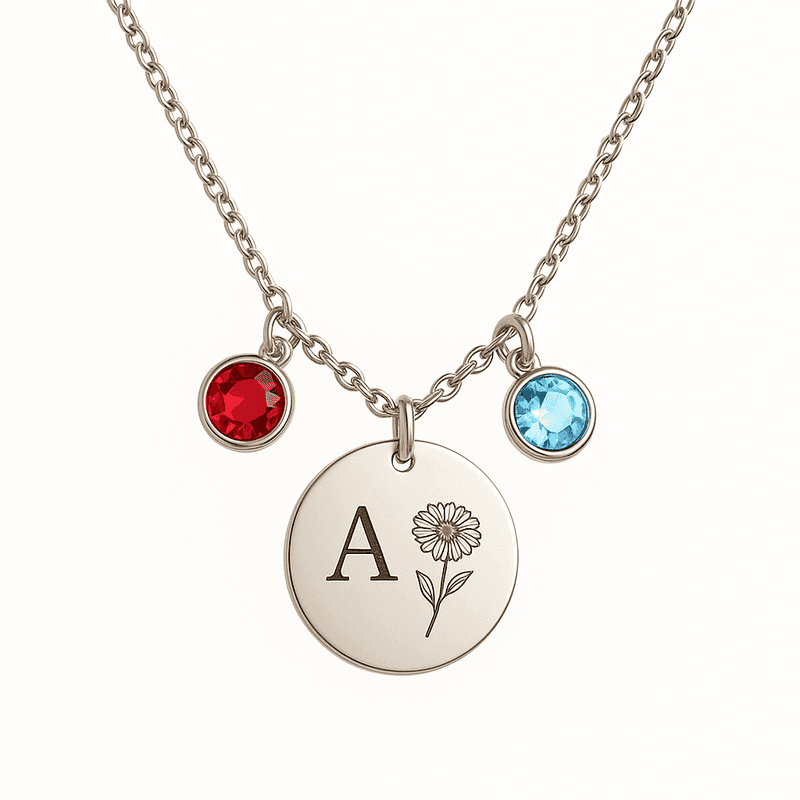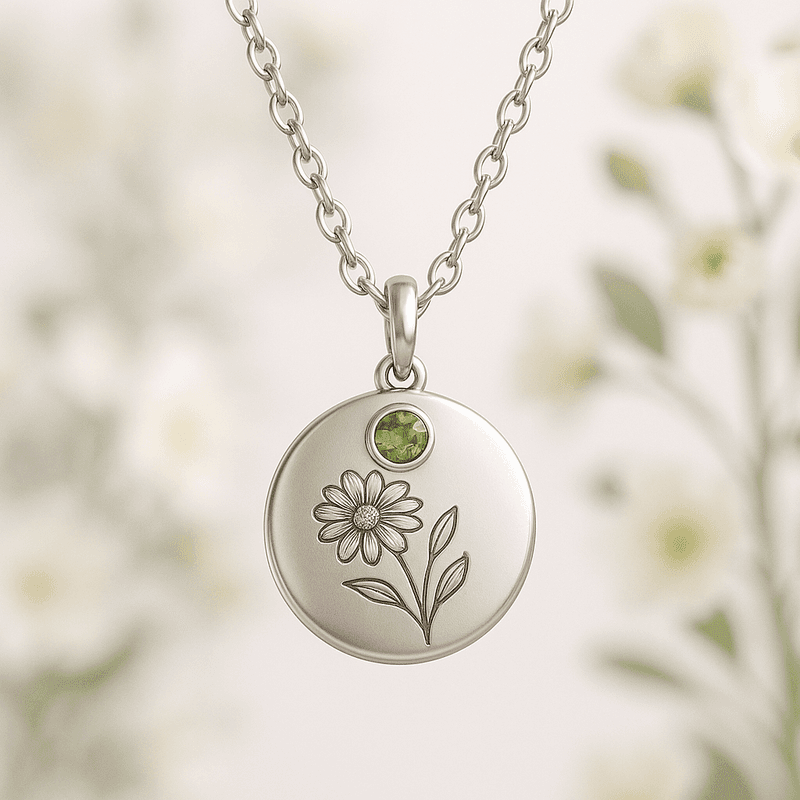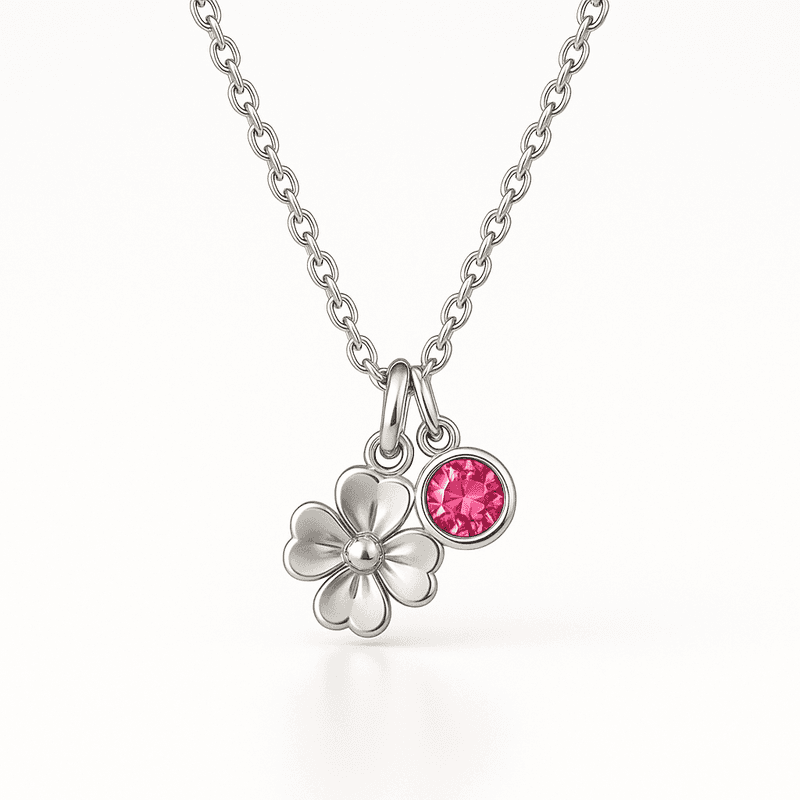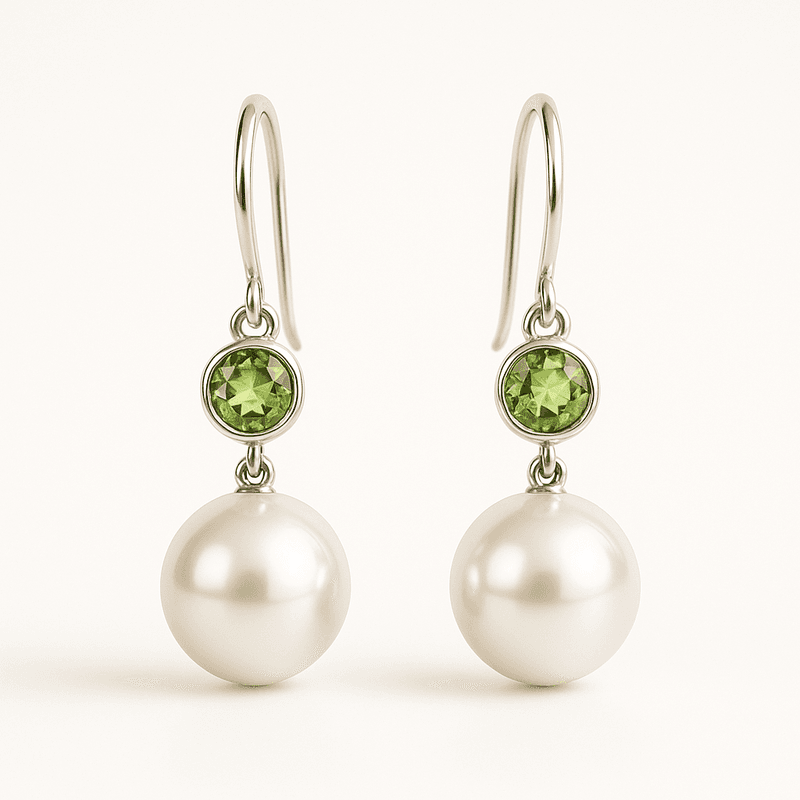
Subscription box operators, jewelry brands, wholesalers, and private-label buyers need layered necklaces that match an approved specification, arrive within an agreed delivery window, and maintain consistent appearance across repeat orders. Choosing a manufacturer for fast production requires more than comparing quoted lead times. Buyers should assess the production route, sample approvals, confirmed order quantity, materials, surface finishes, inspection criteria, packaging readiness, and shipment documentation.
This guide explains how to evaluate layered necklace OEM/ODM suppliers, compare existing-design and custom-development routes, and prepare a practical request for quotation (RFQ). For stainless steel projects, it covers component-level material specifications, including 316L stainless steel where required, as well as finish references, quality checkpoints, private-label packaging, and supplier documentation. Lefeng Jewelry can be evaluated against these requirements using project-specific capability confirmations, quotations, samples, and written schedules. Actual lead times, minimum order quantities, available processes, and documentation must be confirmed for each product and order.
How to Evaluate a Layered Necklace Manufacturer for Fast Production
Start with the complete product specification and required delivery date rather than a headline production-time estimate. A layered necklace for a subscription box may require coordinated chain lengths, specific pendant positions, consistent surface finishing, custom branding, individual packaging, and shipment documentation. Each requirement can add approval steps or affect the production sequence.
Ask each prospective supplier for a milestone schedule covering specification confirmation, material selection, sampling, sample revisions, bulk production, finishing, inspection, packaging, and shipment preparation. Identify which activities can proceed in parallel, which depend on written approval, and what could delay the schedule. Request estimates based on the actual design, quantity, finish, packaging scope, and sample status. Sample-development time, bulk-production time, and transit time should be stated separately.
When evaluating Lefeng Jewelry, review the supplied product and company information alongside a project-specific quotation and schedule. The OEM/ODM manufacturing services and factory and company information pages are useful starting points. Ask the supplier to confirm which manufacturing operations are performed in-house, which are outsourced where applicable, and which services are available for the proposed design. Before placing an order, document the milestones, assumptions, approval deadlines, and exclusions in writing.
Compare Production Routes, Sampling Requirements, and Procurement Risk
The production route affects development work, approval requirements, cost, and schedule uncertainty. An existing design may require fewer development steps if it already matches the requested specification. Customizing an existing design requires review of the proposed changes, while a new OEM/ODM concept may involve additional design development and sample revisions. These are planning considerations, not guarantees of production speed.
| Evaluation factor | Existing design | Customized design | New OEM/ODM development | Buyer checkpoint |
|---|---|---|---|---|
| Design preparation | Confirm the available design and specification. | Define each modification. | Provide a design brief and request feasibility review. | Approve drawings, dimensions, components, and responsibilities. |
| Sampling | Determine whether an existing sample meets requirements. | Identify which changes require sampling. | Plan development and potential revisions. | Agree on approval criteria and revision procedures. |
| Materials | Verify the actual material for each component. | Confirm materials for modified components. | Specify materials before sample approval. | Identify 316L stainless steel or another required material by component. |
| Layer coordination | Check chain lengths and pendant arrangement. | Review revised dimensions and placement. | Define the arrangement of all layers. | Approve measurements and the assembled sample. |
| Finishing | Check the available finish against the brief. | Review consistency after modifications. | Define the required surface and decorative details. | Agree on a finish reference and inspection criteria. |
| Branding and packaging | Confirm available logo and packaging options. | Approve revised artwork and packaging. | Coordinate artwork and packaging development. | Approve artwork and applicable physical samples. |
| Quality control | Inspect against the agreed specification. | Focus on modified features. | Define checks for newly developed features. | Agree on inspection scope and acceptance criteria. |
| Schedule risk | Depends on availability and required changes. | Depends on revisions and approvals. | Depends on development and sample acceptance. | Obtain a written, project-specific milestone schedule. |
| Suitable use case | Established designs with limited development needs. | Programs requiring selected product differentiation. | Distinctive designs or new product specifications. | Match the route to launch date, budget, and risk tolerance. |
Compare quotations only after aligning the scope. Record whether sample revisions, setup or tooling, custom packaging, inspection, documentation, and export coordination are included. Confirm whether the MOQ applies to the complete necklace, each design, each finish, or individual layers. Request a breakdown of sample charges, unit pricing, packaging, and other applicable costs.
For a consistent supplier review, score each candidate against the same criteria. A suggested internal scorecard is specification accuracy (25%), sample execution (20%), schedule transparency (20%), quality-control planning (15%), documentation readiness (10%), and commercial clarity (10%). These are proposed buyer-assessment weights, not measured supplier performance. Adjust them to reflect your project's priorities and retain supporting evidence for each score.
Key Production Checkpoints: Sampling, Materials, Finishing, and Packaging
1. Sampling and design approval
A physical sample provides a reference for evaluating whether a design is ready for bulk production. For layered necklaces, inspect each chain length, pendant or charm position, connector, clasp, extension chain, and the relationship between layers. Check that the necklaces sit as intended, components hang in the correct orientation, and the assembled product can be handled and packed without unwanted tangling.
Evaluate the sample against written dimensions and design requirements rather than appearance alone. Record requested changes, identify the person responsible for approval, and establish whether a revision requires another sample or an updated specification. Ask Lefeng Jewelry to confirm the sample-development options, applicable charges, and approval schedule for your design. The new stainless steel jewelry designs page may help identify product directions for further discussion.
2. Material selection and surface finishing
Specify the base material for each relevant component. For stainless steel jewelry, identify 316L or 304 stainless steel explicitly rather than treating the grades as interchangeable. State whether the project requires PVD gold plating or another finish, and document enamel, zircon, crystal, or pearl details separately. Where relevant, include the required color reference, surface appearance, and finish inspection criteria.
A material designation alone does not establish the performance or regulatory compliance of a finished necklace. Identify the requirements for each destination market and request evidence applicable to the actual product configuration. If a particular test report, declaration, or certification is required, confirm its scope, relevance, and availability before approving bulk production. Do not assume that a general factory capability statement establishes that a product or finish has passed a specified test.
3. Processing, assembly, and quality control
Ask the supplier to confirm the processes required for the approved design, including applicable cutting, CNC or laser processing, polishing, plating or PVD finishing, enamel work, stone setting, assembly, and inspection. Establish which operations are available for the project and whether any are performed by external partners. Do not assume that every process is available in-house or applies to every design.
Potential inspection checkpoints for a layered necklace include chain connections, clasp operation, pendant attachment, dimensional alignment, surface appearance, and consistency between layers. Before bulk production, agree on the approved sample, critical dimensions, visual acceptance criteria, functional checks, defect classifications, inspection method, and records to retain. This creates a common basis for assessing production and resolving deviations.
4. Packaging and export preparation
Subscription box projects may require individual packaging, product identification, inserts, logo artwork, packing quantities, carton configuration, and shipping marks. Include these requirements in the initial brief and identify packaging components that need separate sampling or approval. Check whether the assembled necklace is adequately secured, components are separated where necessary, and the finished presentation matches the approved design.
Discuss shipment arrangements during production planning. Confirm the destination, agreed shipping terms, carton information, required commercial documents, and destination-specific documentation applicable to the order. Ask Lefeng Jewelry to confirm the packaging and export-coordination services available for your project and which responsibilities belong to the buyer, supplier, or logistics provider. The manufacturing insights and jewelry sourcing articles sections may provide additional sourcing context.
Supplier Documentation, Vendor Management, and Compliance Readiness
Evaluate a layered necklace manufacturer as a managed supplier, not simply as a production facility. Maintain a controlled record of the agreed specification, revision history, approved sample, quotation, purchase order, delivery milestones, quality requirements, packaging scope, and shipping responsibilities. Assign an owner for each approval so decisions do not remain unresolved between procurement, product development, quality assurance, and logistics teams.
Organize documentation into three groups. Commercial and production records include quotations, purchase orders, approved specifications, artwork, sample approvals, and packing details. Material and product evidence may include material information, applicable test reports, declarations, or certificates required for the specific product. Shipment records depend on the destination, shipping arrangement, and transaction. Request each document by name and confirm that its scope matches the relevant material, finish, product configuration, and intended market.
Compliance requirements vary by destination and product. A document covering a raw material does not automatically demonstrate compliance of the assembled necklace, and evidence for one finish or configuration may not apply to another. If a particular test method, laboratory report, certification, or declaration is required, confirm whether appropriate evidence can be provided or arranged for the specified product. Do not infer certification or successful testing from a factory description alone.
Use a supplier scorecard to track specification accuracy, communication, sample execution, inspection records, packaging readiness, schedule updates, and document completeness. For repeat subscription box orders, retain the approved sample or agreed reference alongside material, finish, and inspection details. Review proposed changes and obtain authorization before applying them to a reorder. These records support more consistent supplier reviews and repeat purchasing.
Choose the Right Production Route for Your Launch
The appropriate production route depends on your launch date, customization requirements, order quantity, budget, and documentation needs. For an existing design with limited changes, verify availability, finish options, and whether the requested packaging can be accommodated. For a distinctive layered arrangement, custom pendant placement, or branded presentation, allow for specification development and sample review before confirming the bulk schedule.
Send each supplier the same RFQ, including the number of layers, chain lengths, pendant dimensions, component materials, finish, logo requirements, packaging, quantity, destination, and target shipment window. Request separate pricing for samples, setup or tooling where applicable, unit costs, packaging, and freight-related assumptions. Confirm whether the MOQ applies to the complete necklace, individual layers, each design, or each finish. Compare total project cost and documented schedule assumptions rather than relying on a generic low-MOQ or fast-production statement.
Evaluate Lefeng Jewelry against the same project-specific criteria as other shortlisted suppliers. Review the stainless steel necklace collection and custom necklace manufacturing information, then use the quote list or contact page to discuss your requirements. Confirm applicable manufacturing processes, sampling arrangements, commercial terms, schedule, and documentation before making a purchasing decision.
- Schedule: Confirm milestone dates, approval dependencies, and shipment assumptions.
- Product control: Document materials, finishes, dimensions, and the approved reference sample.
- Evidence: Confirm which documents apply to the finished product and destination market.
- Repeatability: Retain inspection criteria, approved references, and revision records for subsequent orders.
Frequently Asked Questions About Layered Necklace Manufacturers
Prepare an RFQ for Your Layered Necklace Project
A complete sourcing brief helps suppliers assess feasibility, prepare comparable quotations, and identify schedule dependencies. Begin with the intended subscription box or retail concept, design references, number of layers, chain lengths, pendant placement, and overall proportions. Specify the material and surface finish for each component, along with decorative details. Include dimensioned drawings where available and distinguish mandatory requirements from features that may be adjusted after sample review.
Define the commercial and operational scope next: initial order quantity, expected reorder quantities if known, sample requirements, target shipment window, destination country, packaging configuration, branding assets, and documentation needs. If a campaign or box assembly date is fixed, state the latest acceptable delivery date and the milestones that precede it. Ask suppliers to document assumptions, approval deadlines, dependencies, and exclusions instead of treating a preliminary estimate as a confirmed commitment.
Before bulk production, establish acceptance criteria. Identify the approved reference sample, critical dimensions, finish characteristics, hardware checks, packaging requirements, inspection records, and the process for handling deviations. Specify any material documentation, tests, certificates, or declarations required for the actual product and market. Request confirmation that applicable evidence can be provided or arranged for the confirmed configuration.
Use the same brief for each shortlisted supplier so quotations and schedules can be compared on an equivalent basis. Lefeng Jewelry's manufacturing services and RFQ inquiry routes can be used to discuss project requirements, subject to confirmation of the specific services, processes, and documentation available.
Request an OEM/ODM Layered Necklace Quotation
Start your layered necklace sourcing project with a specification-led inquiry to Lefeng Jewelry. Include reference images or drawings, the number of layers, chain lengths, pendant and connector details, required materials such as 316L stainless steel, finish requirements, logo artwork, packaging specifications, target quantity, destination market, and desired shipment window. If a sample is required before bulk production, identify the features that need approval and the revisions or functional checks necessary for acceptance.
Add your target MOQ, expected reorder quantities where known, budget range if available, requested product or material documentation, and any fixed subscription box assembly dates. Ask for the proposed sampling process, project-specific schedule, quotation assumptions, inspection checkpoints, packaging options, and export documentation scope. If particular test reports or certificates are required, identify them by name so their applicability and availability can be reviewed before production approval.
Visit Contact Lefeng Jewelry to submit your inquiry, explore new designs, or use the quote list to organize products for review. Before confirming an order, obtain a written quotation and schedule, agree on the approved product specification and sample, and confirm applicable manufacturing processes, commercial terms, and documentation. Clear requirements and early approval planning help both parties assess feasibility and establish realistic milestones.
Related resources
Related resources
- Lefeng Jewelry - OEM/ODM Stainless Steel Jewelry Manufacturer
- Wholesale Stainless Steel Jewelry: Quality, Sourcing, and Private-Label Guide for OEM/ODM
- Contact Us | Lefeng Jewelry
- Stainless Steel Necklace
- Best Stainless Steel Heart Charm Ideas: A Buyer's Design Guide
- Why Choose Stainless Steel Jewelry: A Retail Buyer Guide
- Stainless steel jewelry gift ideas: Retail design trends guide
- How to Clean Stainless Steel Jewelry: Factory Care Guide for Buyers
- Why Is Stainless Steel Heart Charm Waterproof? 316L Guide
- How to Clean Stainless Steel Jewelry: A Complete B2B Guide