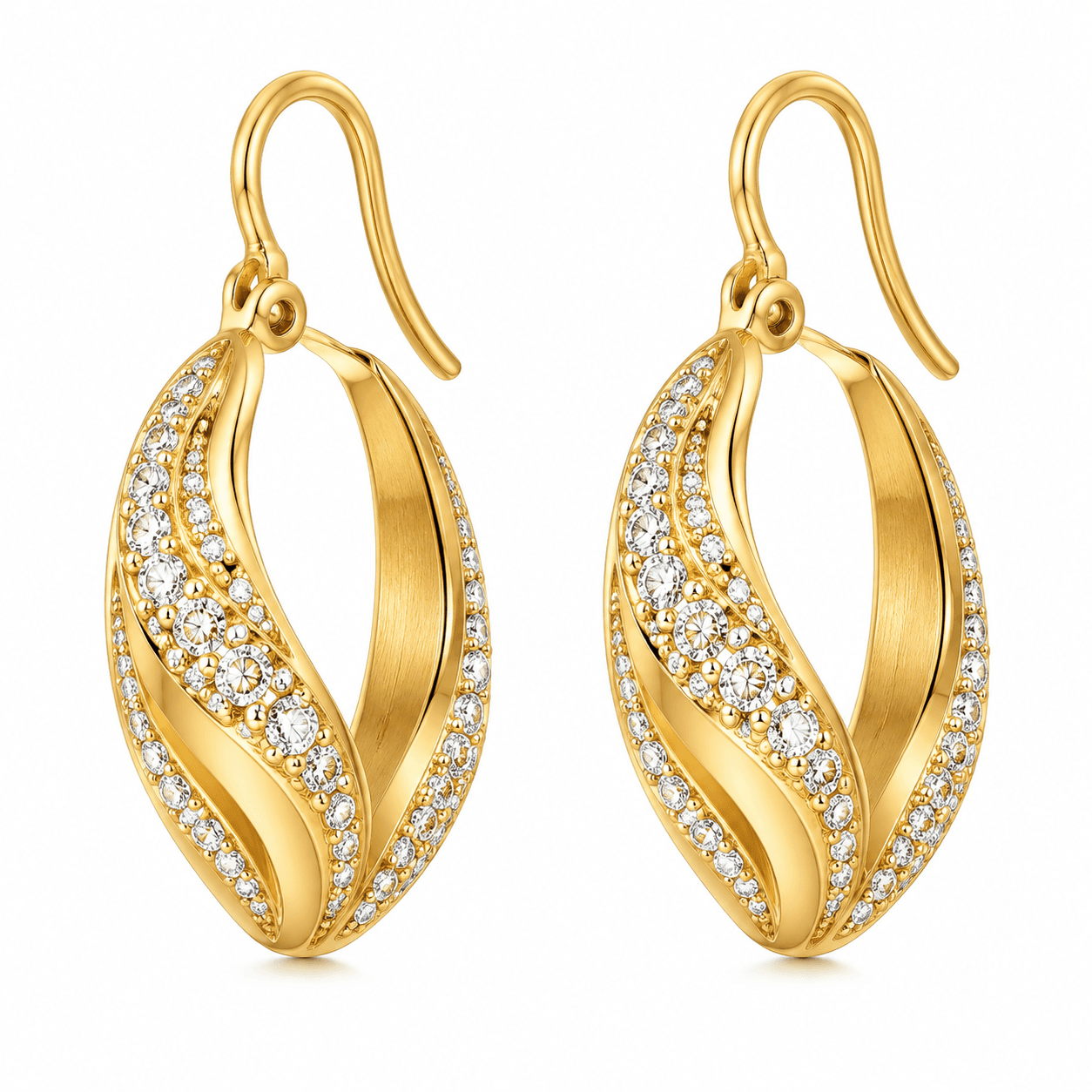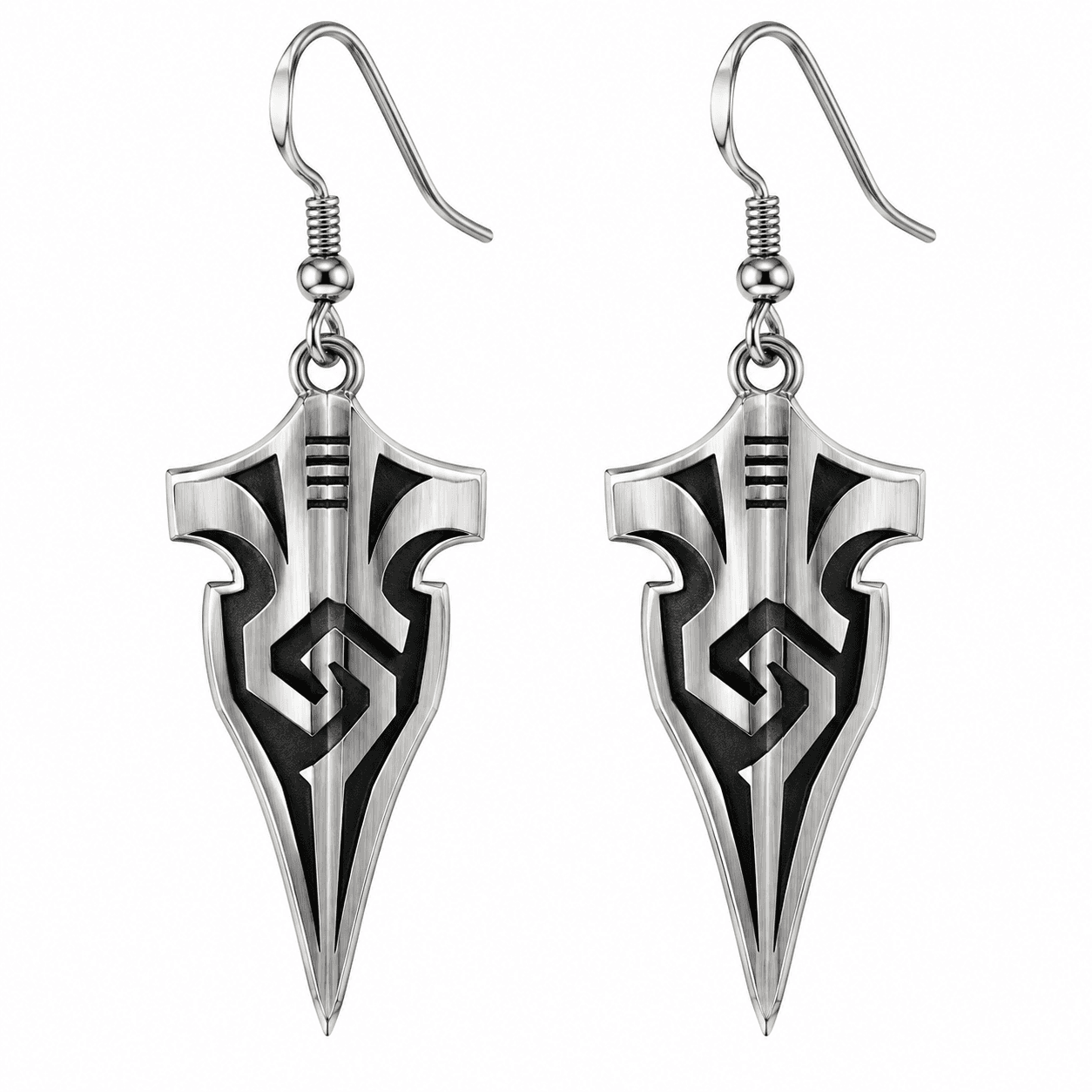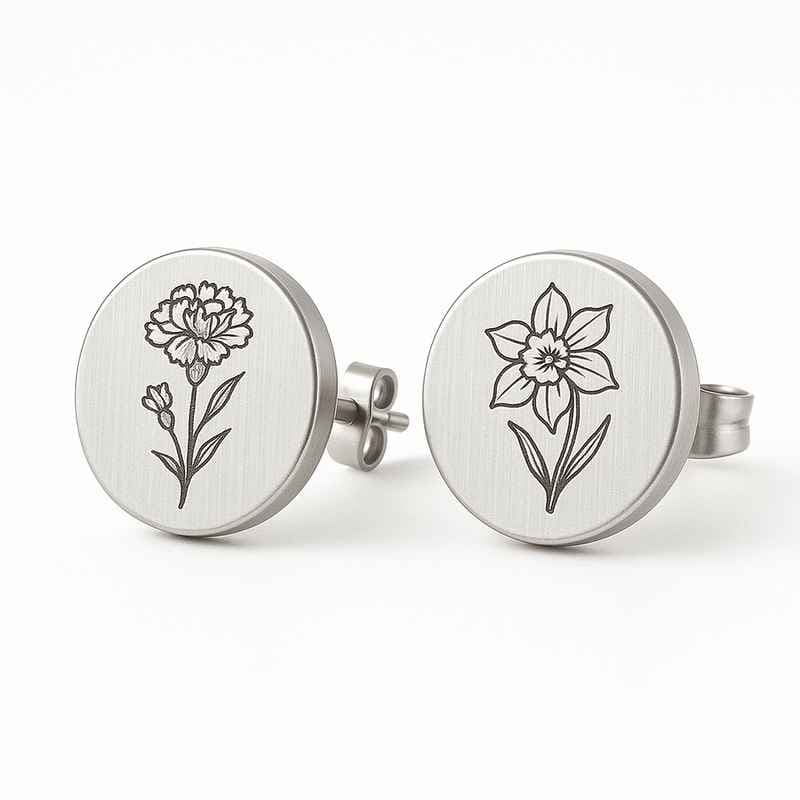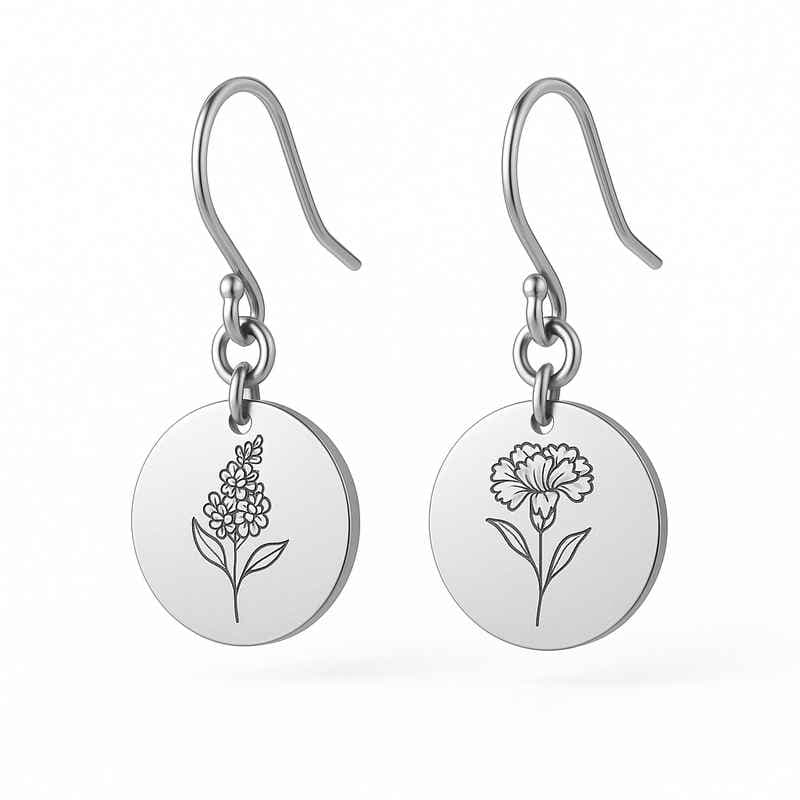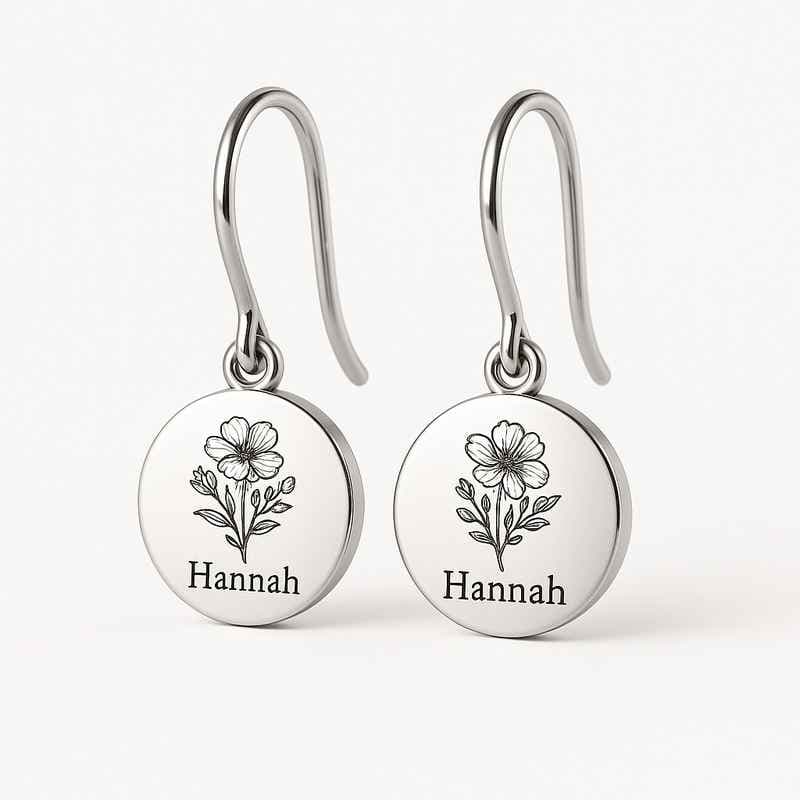
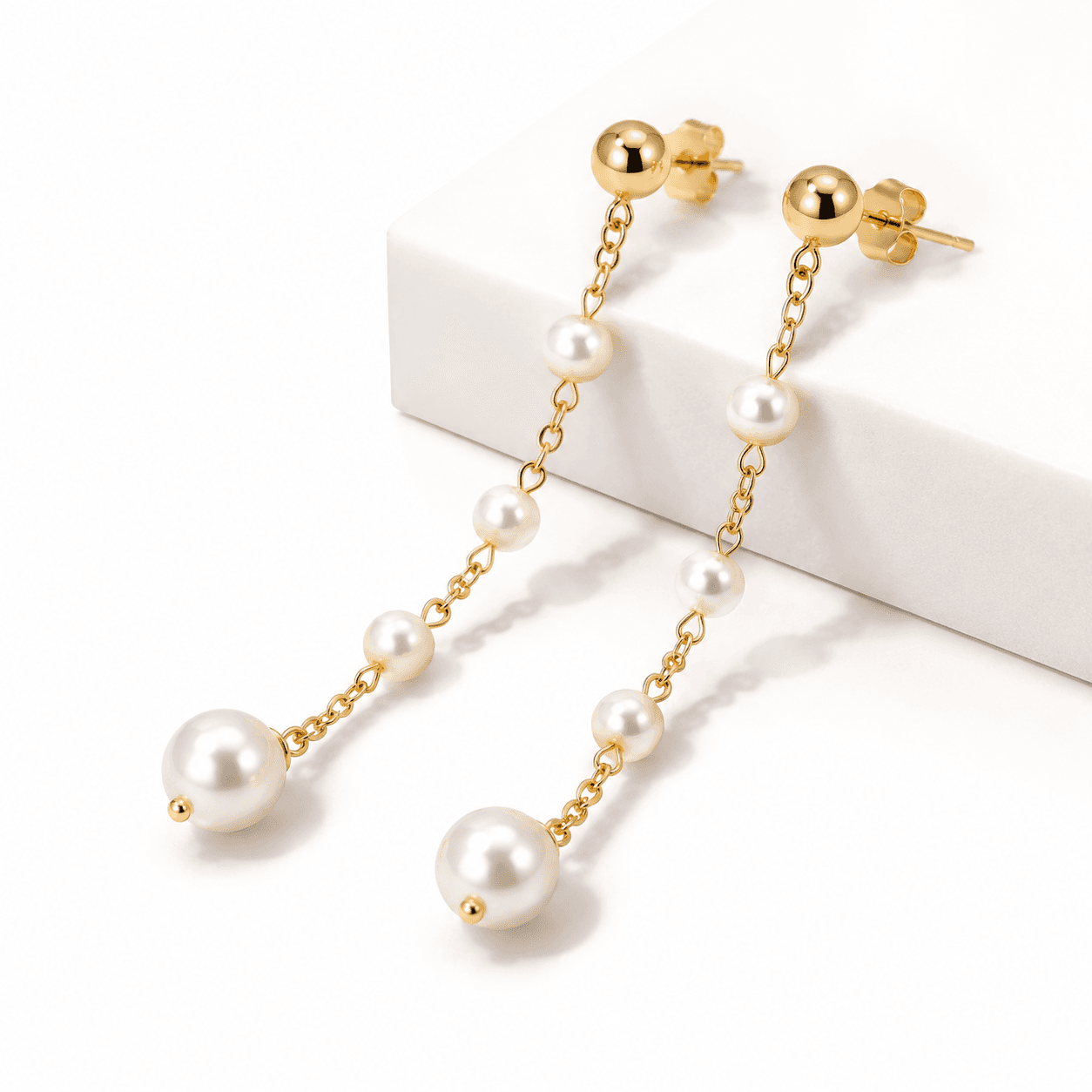
Designing a bead earring chain involves more than selecting decorative beads and connecting them to a metal chain. Designers must consider bead weight, hole dimensions, attachment methods, chain geometry, movement, surface finish and wearing comfort. When these elements are not coordinated, an attractive concept can become difficult to manufacture, inconsistent during assembly or unsuitable for a repeatable jewelry collection.
This guide explores how to solve common bead earring chain design challenges through material selection, component engineering and structured prototyping. It explains how a stainless steel jewelry factory approaches practical design development, from evaluating 316L stainless steel components and decorative details to reviewing connections and finish consistency. For jewelry designers developing private label jewelry or wholesale collections, understanding these factors helps turn creative concepts into manufacturable specifications.
Understanding Bead Earring Chain Construction and Design Requirements
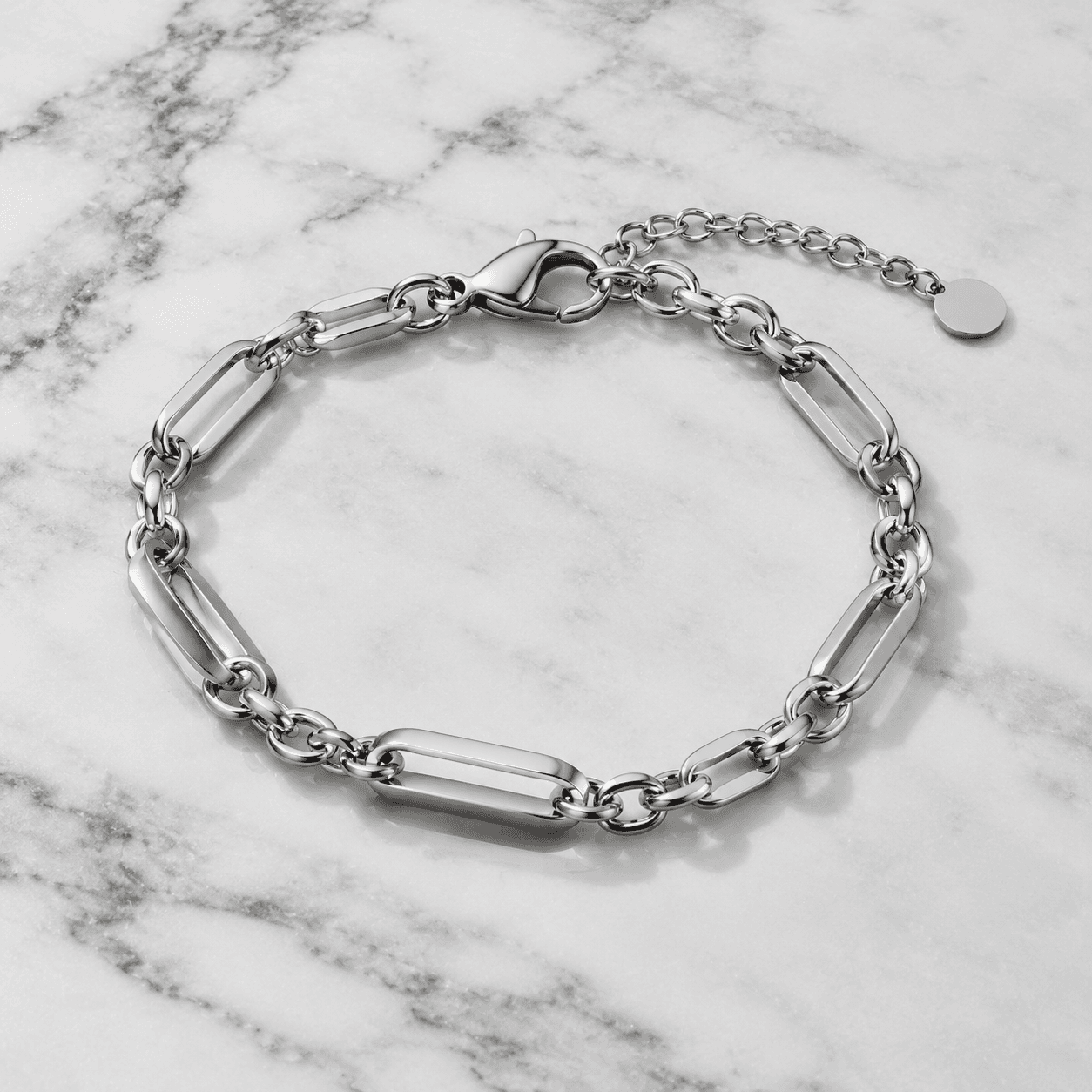
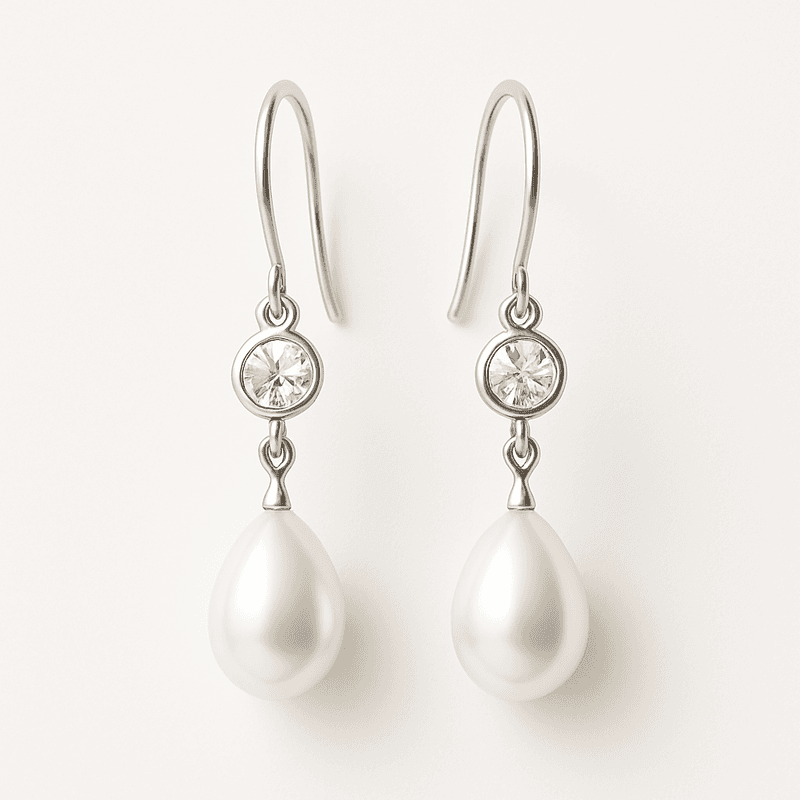
A bead earring chain combines decorative beads, chain components, connectors and functional earring hardware into one assembled design. Depending on the construction, beads may be threaded onto a chain, attached through a connector or incorporated into a drop-style component. Each interface needs to be considered separately because bead openings, chain dimensions and attachment geometry determine whether the components can be assembled as intended.
Start by defining the main product dimensions: bead diameter, opening size, chain width, link profile, overall hanging length and earring attachment position. Also identify how the bead connects to the chain and how the chain connects to the earring hardware. These are separate structural requirements, not simply decorative details. A preliminary technical drawing helps an OEM manufacturer evaluate component compatibility before sampling.
Visual balance is equally important. Bead spacing, chain length and decorative positioning influence the appearance and movement of the finished earring. For symmetrical designs, document matching component positions and dimensions. For asymmetrical designs, specify the differences between the left and right earrings. Clear construction requirements provide a more reliable reference for prototyping and subsequent production inspection.
Material Selection: Choosing Stainless Steel and Decorative Beads
Material selection influences the appearance, weight, surface finish and manufacturing requirements of a bead earring chain. 316L stainless steel is an option for configured chains, connectors and other metal components. 304 stainless steel may also be considered when appropriate for the project specification. Buyers should identify the material required for each component rather than describing the entire earring with a single general material designation.
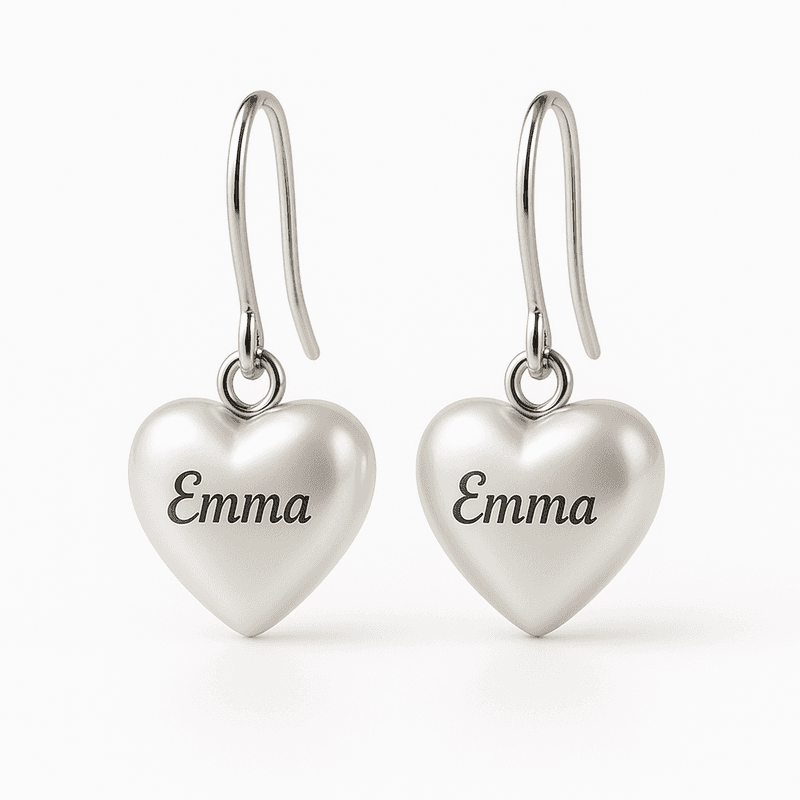
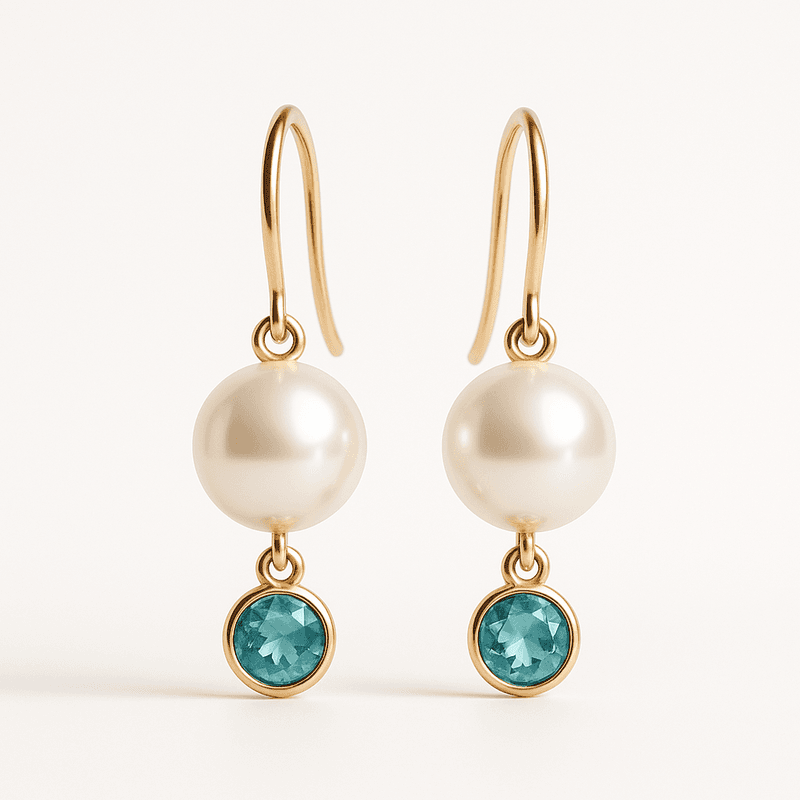
Decorative elements can include pearls, crystals, zircon and enamel details. Each material introduces different dimensional and assembly considerations. Bead opening size, attachment structure and decorative component weight should be reviewed alongside chain proportions. The product specification should identify each decorative material, its dimensions, finish and position within the design.
Surface finishing should be planned together with material selection. Polishing establishes the underlying surface appearance, while PVD gold or rose gold finishing may be considered for suitable stainless steel components. Buyers should specify the intended metal color and check visual consistency between chains, connectors and earring hardware. Where 925 sterling silver, copper or zinc alloy is proposed for particular components, document its role and finishing requirements separately. The final material and finish combination should be confirmed through project specifications and physical sample evaluation.
Solving Common Bead Earring Chain Connection Problems
Connection problems are among the most common design challenges in bead earring chain development. Typical issues include beads shifting from their intended positions, connectors appearing oversized, chain sections hanging unevenly and visible gaps around attachment points. These problems often result from incomplete dimensional information. For example, a bead's external diameter does not indicate whether its opening is suitable for the selected chain or connector.
A useful design review separates three interfaces: the bead-to-chain connection, the chain-to-earring connection and the functional earring hardware. Depending on the design, the construction may use a suitable bead opening, a connector or a configured side loop. The selected arrangement should be physically compatible with the components and consistent with the intended appearance. Posts, backings, hoops and drop attachments should each be specified according to the actual product construction.
During prototyping, examine the complete assembled earring. Review attachment positions, bead alignment, chain drape, visible gaps and overall proportions. Also check whether the chain visually complements the decorative bead rather than overpowering it. For designs with small or complex components, the manufacturer can evaluate suitable component-processing and assembly options according to the approved drawing and project requirements. Record any revisions before approving the construction.
Weight Distribution, Chain Length and Wearing Comfort
Weight distribution influences both the appearance and wearing comfort of a bead earring chain. A large bead positioned at the end of a long chain behaves differently from several smaller beads distributed along a shorter chain. Designers should therefore evaluate decorative component weight, chain length, attachment position and overall earring construction together.
During sample development, establish a preliminary overall length and bead arrangement. Compare the assembled sample with the design reference and review its hanging position, bead orientation and visual balance. For multiple-bead designs, document the component sequence, spacing and orientation so that both earrings can be assembled consistently.
Comfort evaluation should consider total product weight, attachment construction, exposed edges and component movement during normal wear. Selecting 316L stainless steel does not, by itself, establish the suitability of the complete earring for every wearer or market. Buyers with specific skin-contact, material-composition or regulatory requirements should identify the applicable standards and request documentation relevant to the confirmed product specification. Material declarations and test reports should not be assumed without project-specific verification.
Customization Options for Private Label Bead Earring Chains
OEM/ODM customization allows jewelry brands to develop bead earring chain collections around consistent construction while varying decorative details. Potential customization options include bead shape, bead arrangement, chain length, chain profile, connector geometry, earring hardware and metal color. Pearl, crystal, zircon and enamel details can also be considered according to the proposed product specification.
When preparing a customization brief, distinguish essential design features from optional variations. A change in decorative color may require a different component or finishing specification, while a change in chain length or connector geometry may affect the complete assembly. Identifying these differences early helps the manufacturer evaluate development requirements and sample arrangements.
Metal color can be specified through a physical reference, approved sample or detailed color requirement. Where PVD gold or rose gold finishing is proposed, clarify which components require the finish and whether decorative elements should retain contrasting colors. Buyers should also specify any logo engraving, private label packaging, product labeling and presentation requirements. Explore the OEM/ODM manufacturing services and new stainless steel jewelry designs for additional product development information.
Bead Earring Chain Prototyping: From Concept to Approved Sample
A useful bead earring chain prototype should resolve construction questions as well as reproduce the intended appearance. Before requesting a sample, prepare a reference image or technical drawing showing the front, side and assembled structure. Include bead dimensions, opening diameter where applicable, chain width and length, connector arrangement, earring hardware, material requirements and preferred finish. For multiple-bead designs, document the component sequence and spacing.
The first sample review should focus on construction feasibility. Check whether bead openings and connectors are compatible, whether the chain attaches at the intended position and whether the earring hardware suits the proposed structure. Next, evaluate visual details such as bead alignment, chain drape, overall length, surface polish, color consistency and pair symmetry.
Record revisions using annotated photographs, dimensional notes and a clear list of requested changes. Once the structure is approved, review the material and finish against the agreed references. Also evaluate any custom logo or packaging requirements before final sample approval. The approved sample and accompanying specifications should provide the reference for subsequent manufacturing and quality inspection. Any permitted dimensional or visual tolerances should be agreed upon and documented before production.
Quality Control Checkpoints for Consistent Production
Quality control for bead earring chains should cover incoming components, assembly processes and finished products. Component inspection can verify bead dimensions, chain characteristics, connector geometry, material specifications and visible surface condition. During assembly, review attachment positions, chain alignment, decorative component placement and functional hardware construction.
Finished-product inspection should evaluate both earrings as a pair. Compare overall length, bead arrangement, orientation, chain drape and finish consistency. Inspect visible connections and confirm that the assembled hardware matches the approved design. Where PVD gold or rose gold finishing, enamel or stone setting is included, establish project-specific visual inspection criteria using the approved sample as a reference.
Packaging also deserves attention because chain-based earrings can become tangled or compressed during handling. Confirm the packaging format, product identification and presentation requirements before shipment. Buyers should communicate any destination-market documentation, material declarations or testing requirements early in the sourcing process. The inspection checklist and supporting documentation should reflect the final approved product configuration. Additional company and factory information can be found on the About Lefeng Jewelry page.
Building a Commercially Practical Wholesale Earring Collection
A bead earring chain can be developed as a standalone statement product or as part of a coordinated wholesale jewelry collection. Collection planning should consider whether different styles can share common chain structures, connectors or hardware while varying bead colors and decorative arrangements. Shared components may simplify specification management, although each variation still requires an appropriate manufacturing review.
For wholesale stainless steel jewelry, distinguish visual changes from structural changes. A different bead color may primarily affect decorative components, while a revised chain length or connector geometry can require changes to the assembly specification. Document each style variation clearly, including its materials, finish, dimensions and packaging requirements.
MOQ and production arrangements should be discussed after the design structure and customization requirements have been reviewed. Projects involving multiple unique bead configurations may have different sourcing considerations from collections using shared components. Buyers should provide their anticipated style range, quantity expectations, finish variations and packaging requirements when requesting a quotation. Explore the manufacturing insights, buyer sourcing guides, stainless steel earrings collection and custom earring manufacturing page for related information.
Frequently Asked Questions About Bead Earring Chain Manufacturing
Start Your Custom Bead Earring Chain Development
Develop your bead earring chain concept into a clearly specified OEM/ODM jewelry project. This guide can help jewelry buyers and brands assess stainless steel earrings, private label collections and wholesale product requirements. Sharing your design requirements gives a project team a basis to review component construction, material options, customization requirements and sample-development considerations.
For an accurate RFQ, provide reference images or drawings, bead dimensions, chain length and width, connector arrangement, earring hardware requirements and preferred materials, such as 316L stainless steel. Also specify the requested PVD or plating finish, decorative details, target quantity, logo requirements, packaging format and any destination-market documentation or inspection requirements. If certain dimensions remain undecided, identify them as development questions so they can be reviewed during the initial assessment.
Explore the OEM/ODM manufacturing services, review the latest stainless steel jewelry designs, or visit Contact Us to submit your RFQ. Clear specifications, documented revisions and an approved physical sample provide a practical foundation for repeatable production and collection development.
Related resources
Related resources
- Best Stainless Steel Heart Charm Ideas: A Buyer's Design Guide
- Why stainless steel rings outfit ideas Are Shaping Design Trends
- Stainless steel jewelry gift ideas: Retail design trends guide
- 316L Stainless Steel Earrings for Sensitive Ears: A B2B Buyer’s Quality Checklist
- How to Clean a 316L Stainless Steel Heart Charm: Care Guide for Jewelry Designers
- Is Stainless Steel Jewelry Waterproof? Quality Tests Guide
- Why Is Stainless Steel Heart Charm Waterproof? 316L Guide
- Why Choose Stainless Steel Jewelry? A Supplier Compliance Checklist
- Stainless Steel Jewelry Trend 2026: Market Shifts Brands Need
- Why Choose Stainless Steel Jewelry: A Retail Buyer Guide