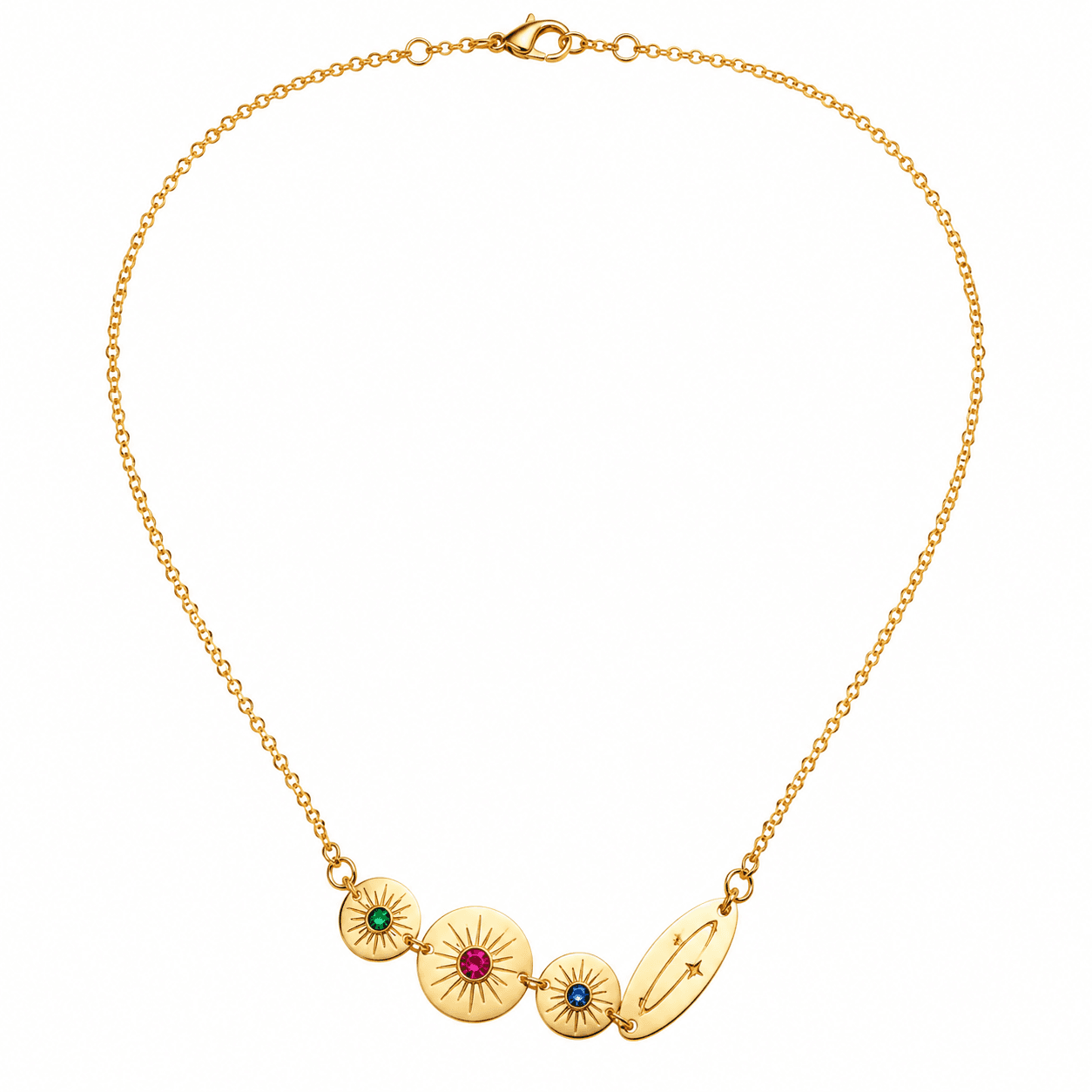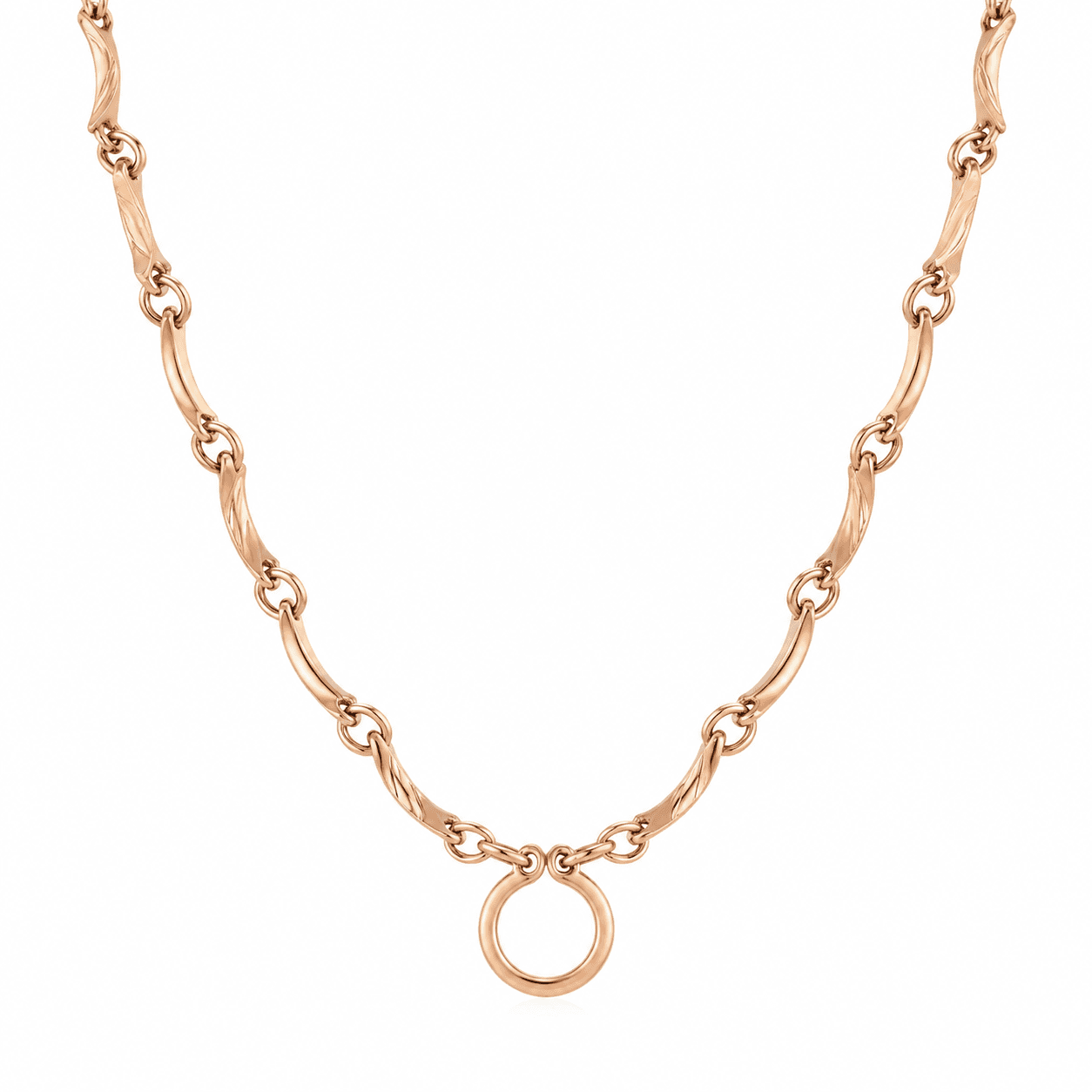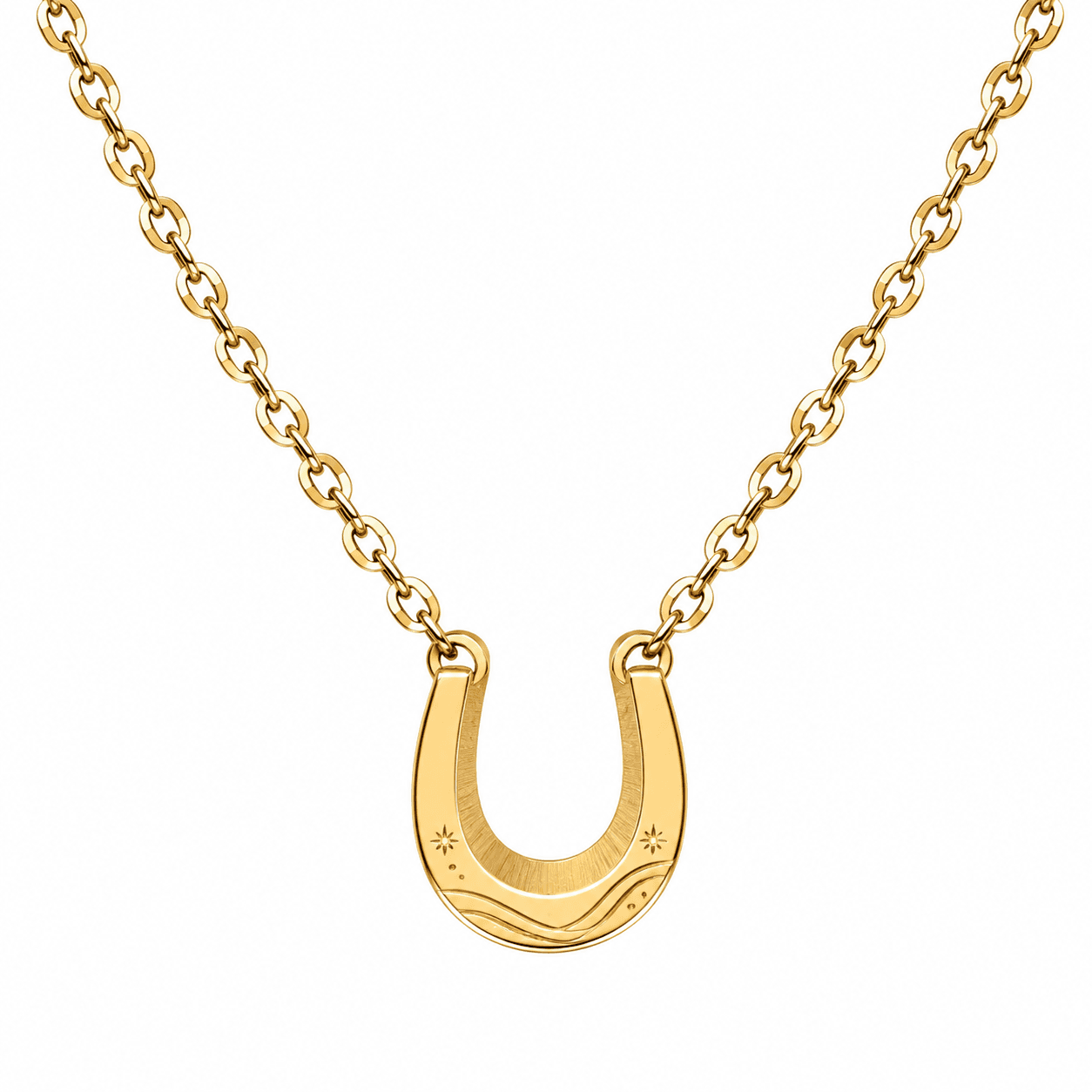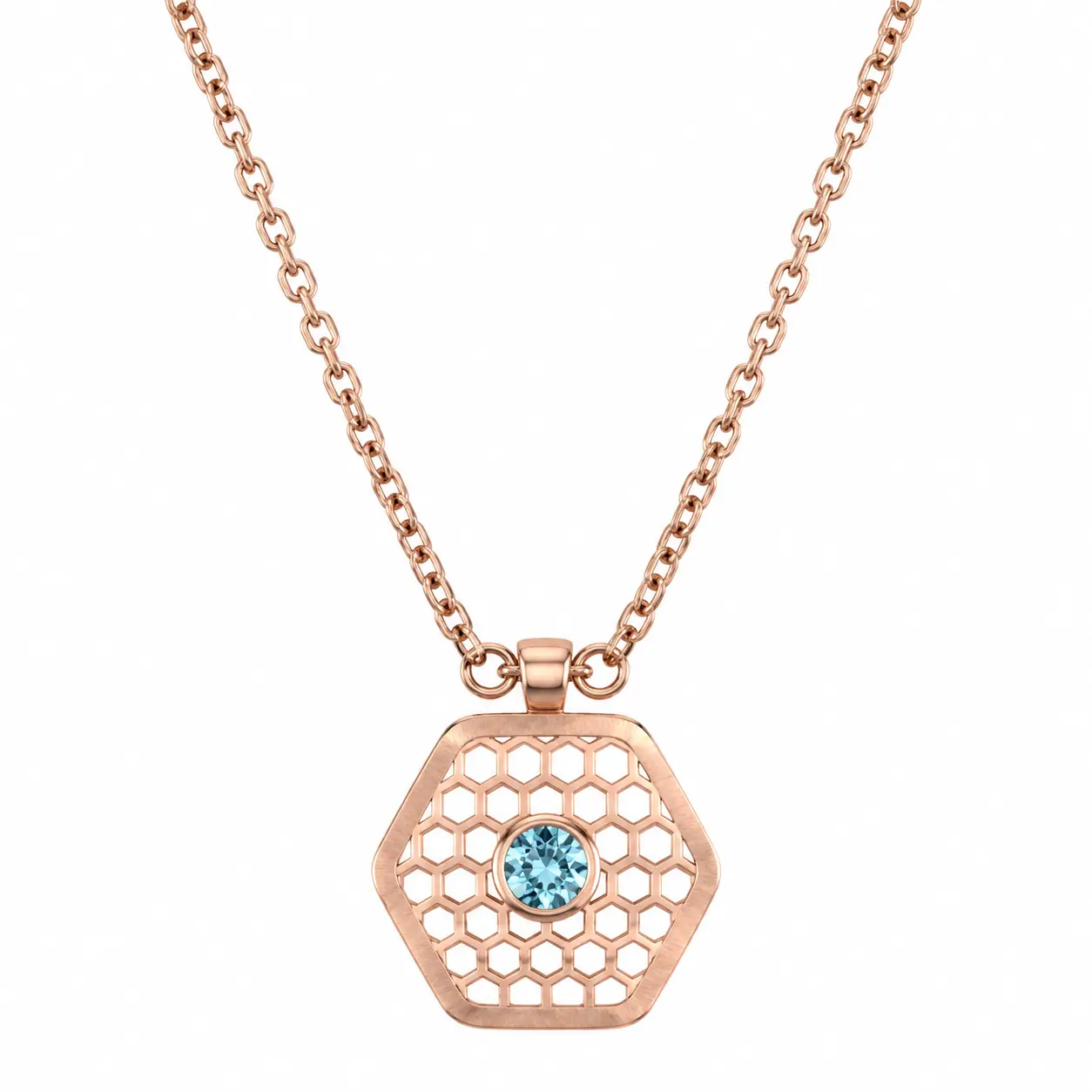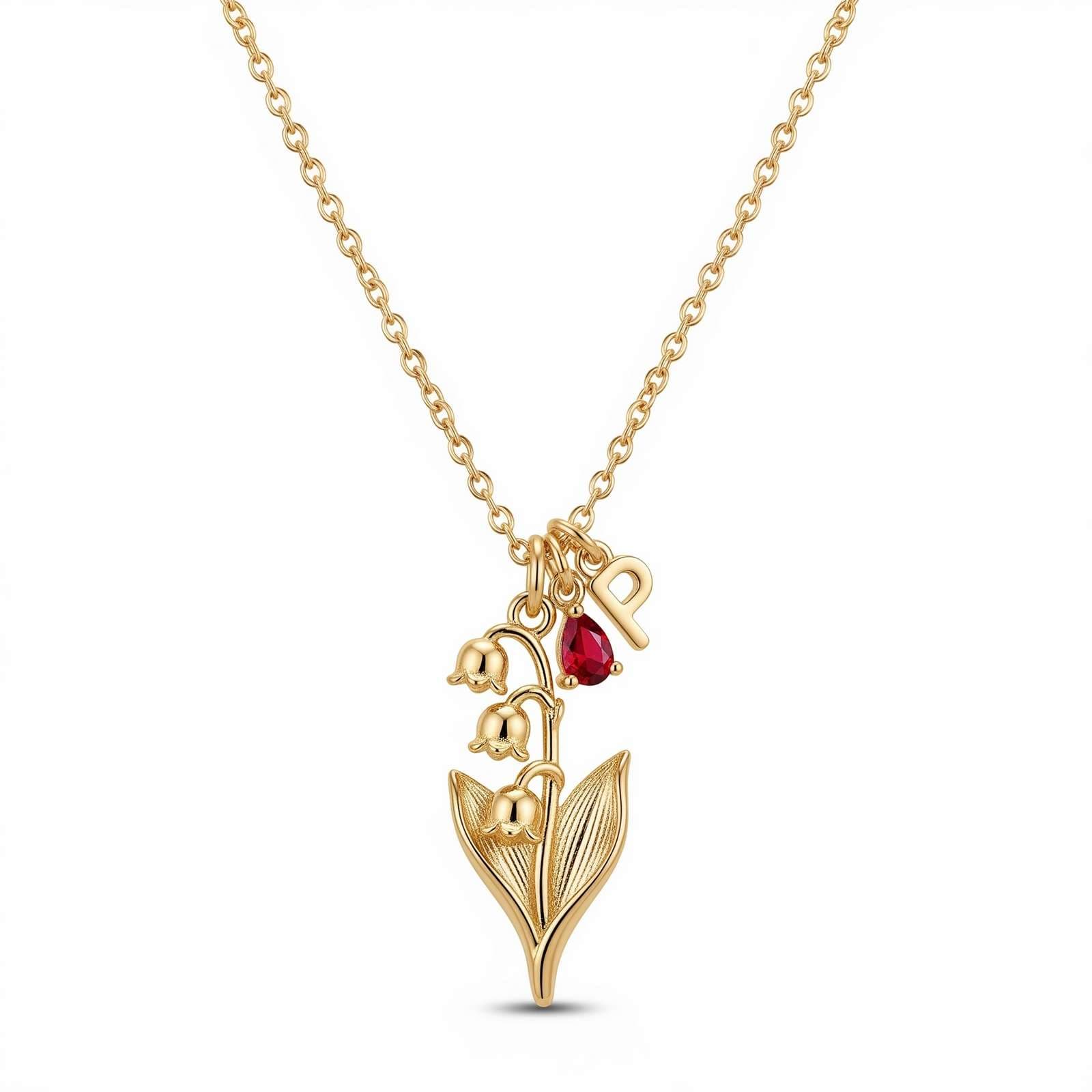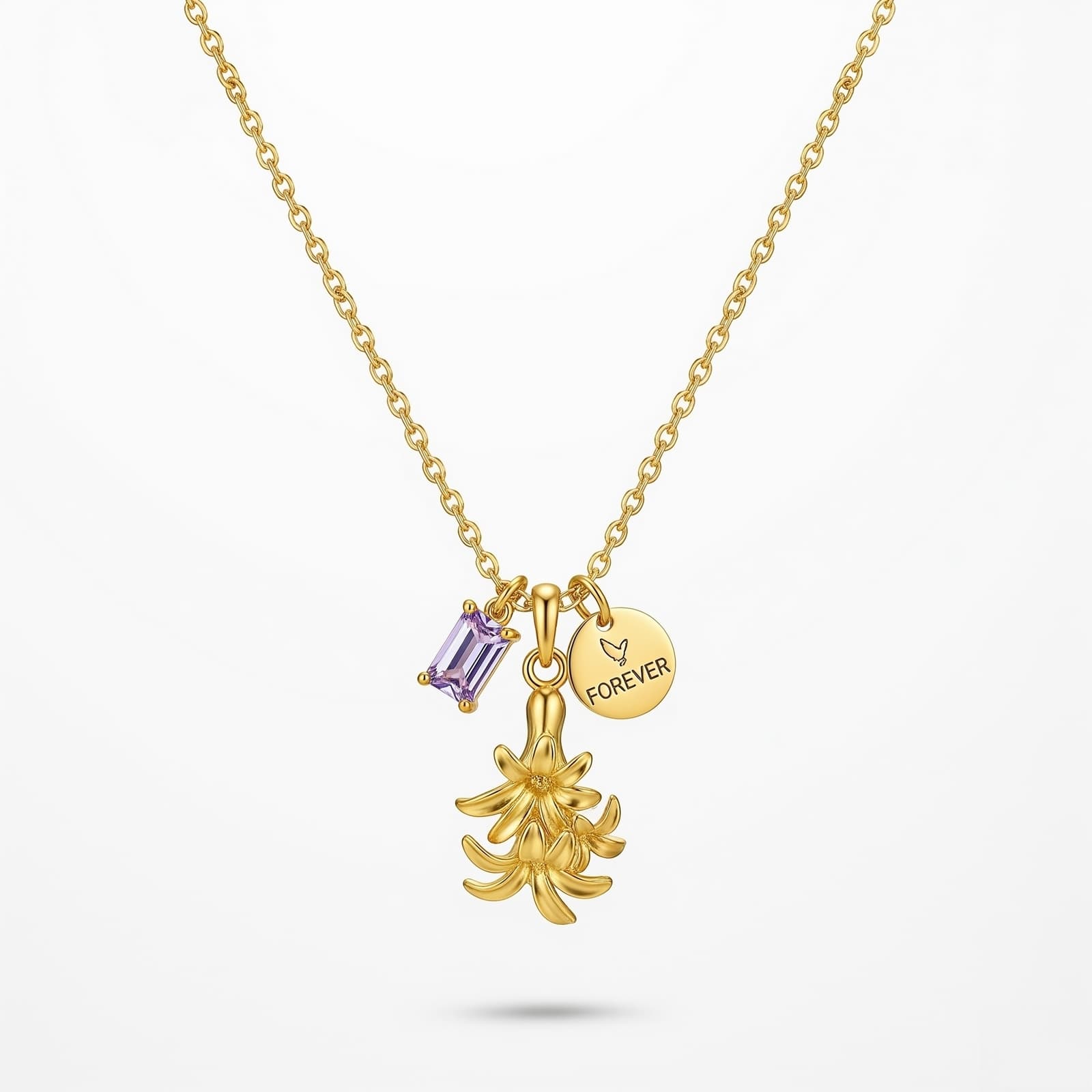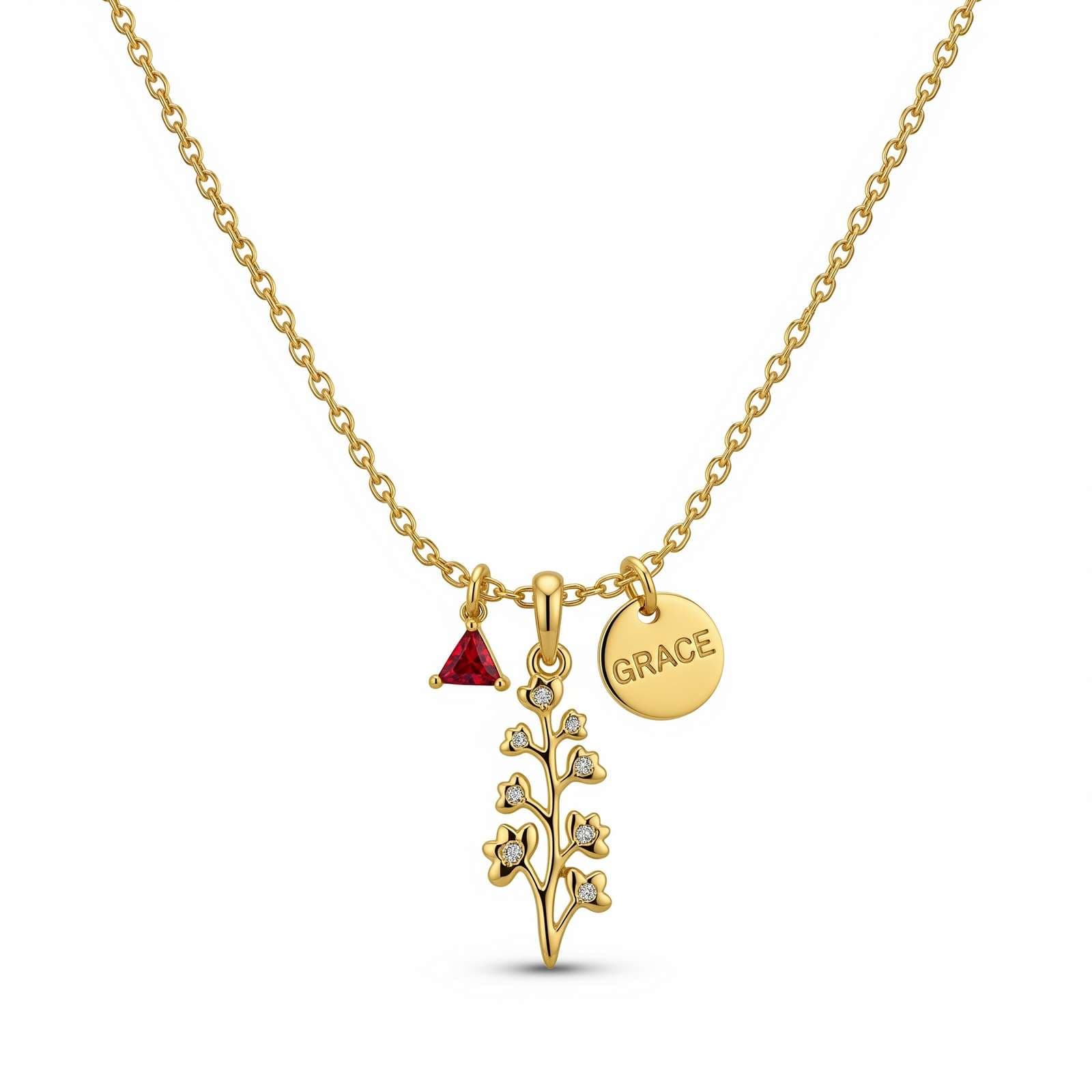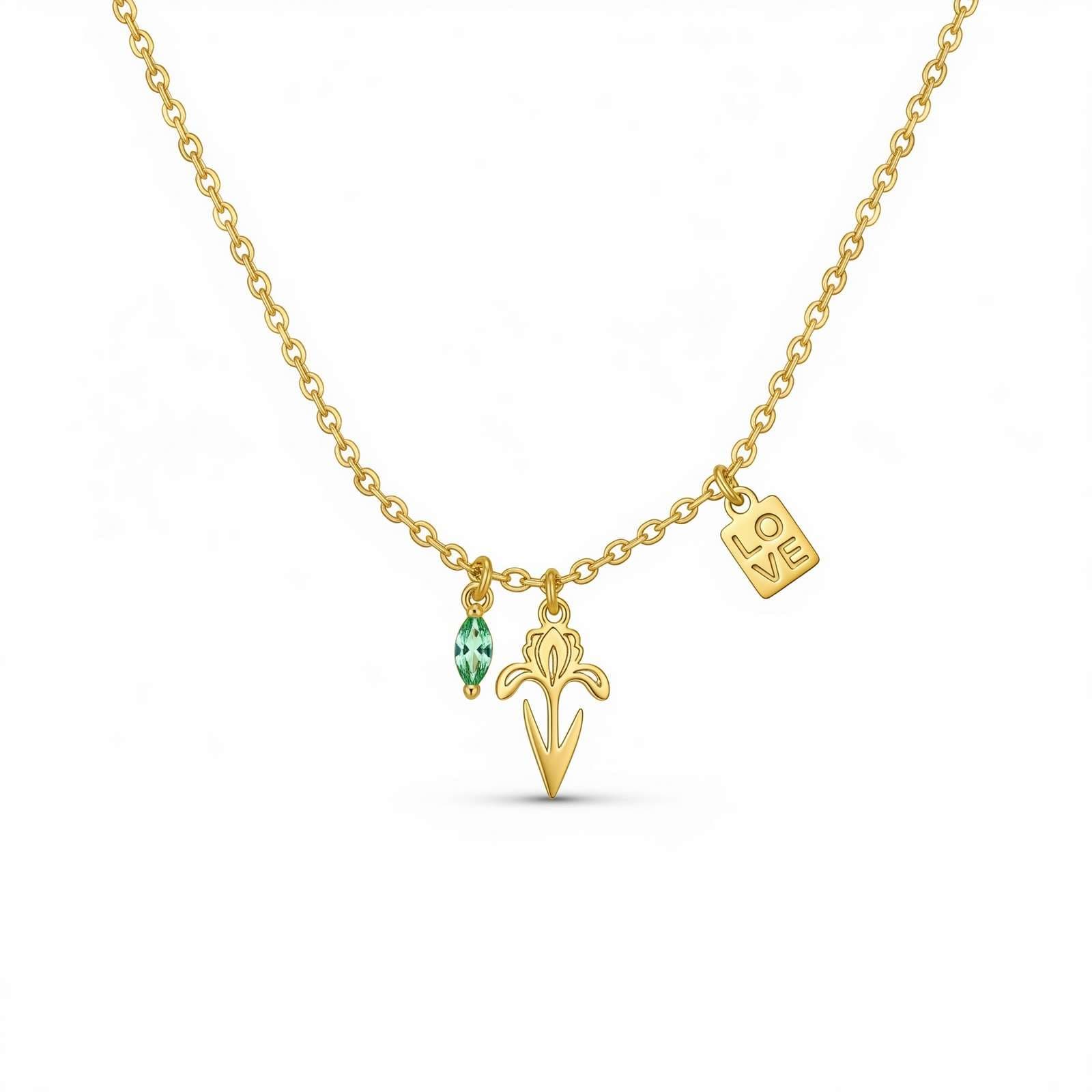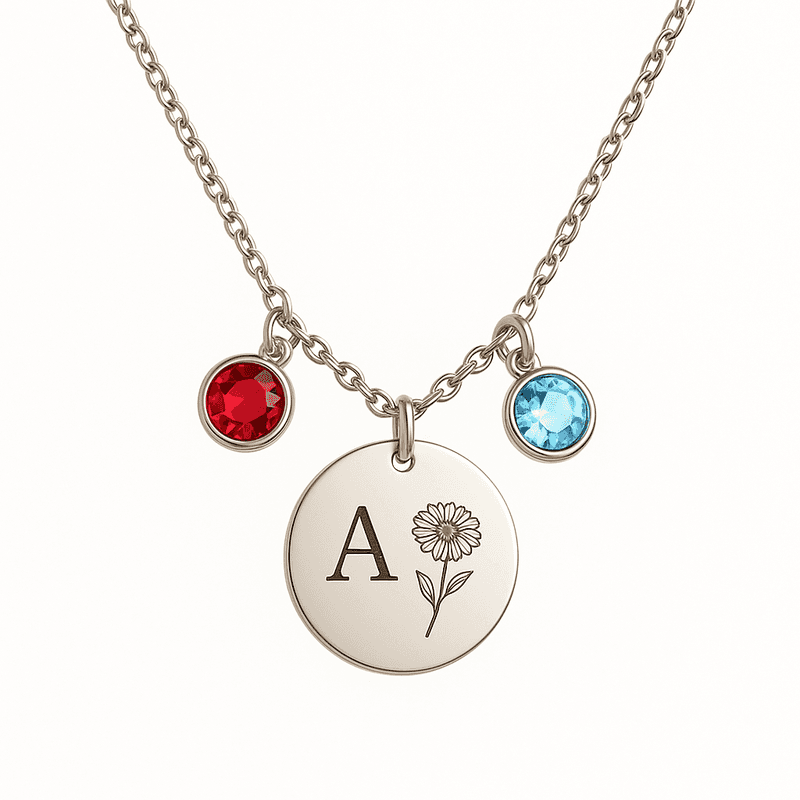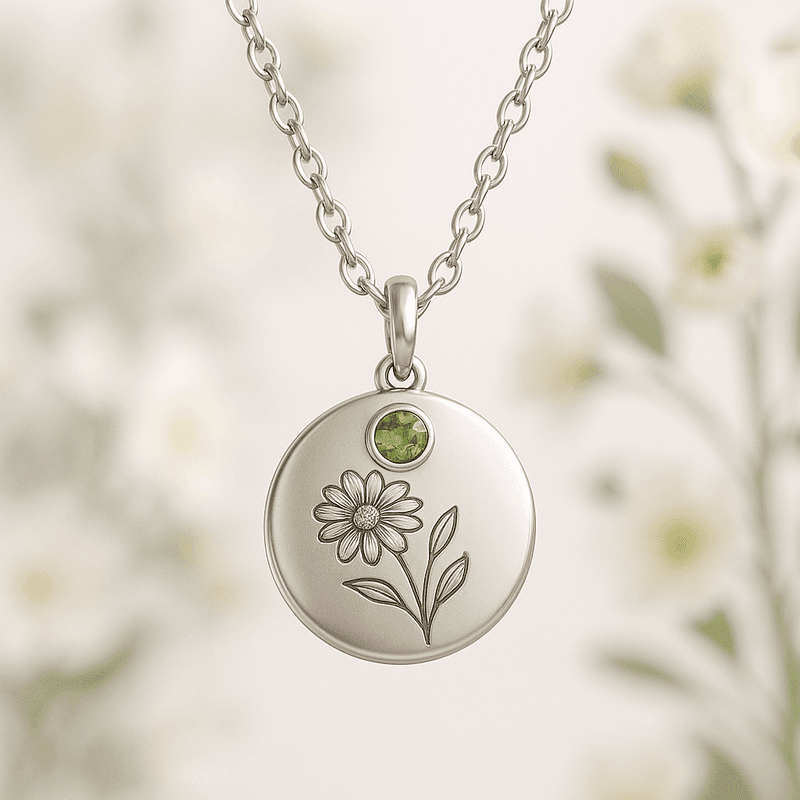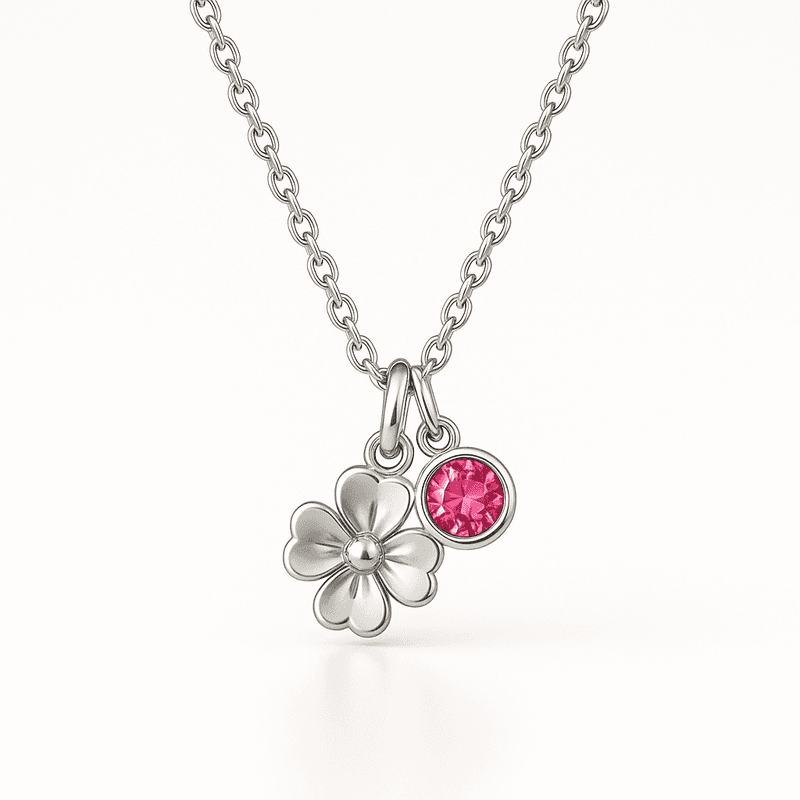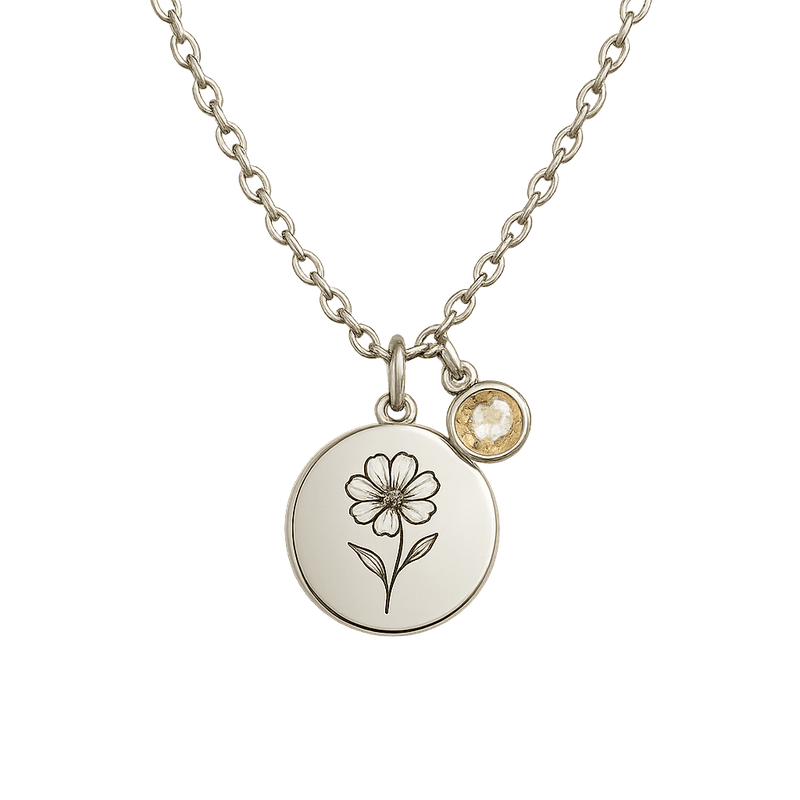
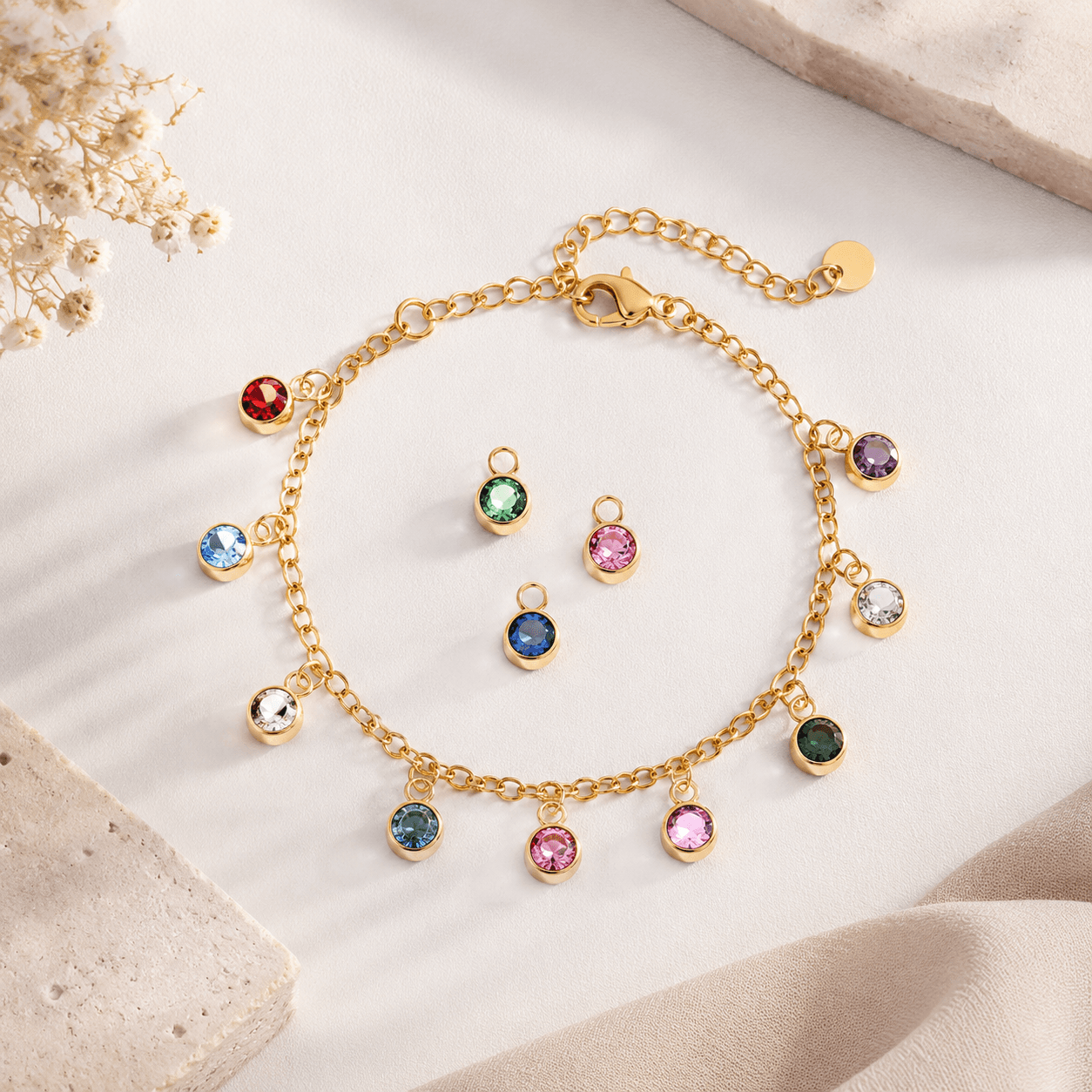
Birthstone charms for jewelry making provide designers with a flexible way to create personalized collections by combining meaningful symbols, selected materials, and production-ready structures. This guide explains the development process from concept planning to sample review, helping jewelry designers understand how charm components, finishes, and manufacturing considerations influence the final collection.
For brands developing private label jewelry or wholesale collections, understanding material selection and production workflows is essential. Lefeng Jewelry supports OEM and ODM projects with in-house sampling, processing, finishing, quality control, packaging, and export coordination. Designers can explore options using 316L stainless steel, PVD gold plating, zircon, crystal, pearl, enamel, and other configured materials based on project requirements.
Overview and Prerequisites for Birthstone Charms for Jewelry Making
Before creating birthstone charms for jewelry making, designers should define the purpose of the collection, target customer group, and required product format. A charm concept may be developed for a necklace collection, bracelet collection, jewelry set, gift program, or private label jewelry line. The first stage is to organize design references, stone preferences, metal finish expectations, logo requirements, and packaging needs into a clear product brief.
Material knowledge is a key prerequisite for successful development. 316L stainless steel is commonly considered during jewelry development because buyers value its practical properties and consistent appearance for daily-wear collections. Other configured options may include 304 stainless steel, 925 sterling silver, copper, zinc alloy, PVD gold plating, rose gold plating, enamel, zircon, crystal, and pearl depending on the approved specification. Finish selection, stone setting structure, and connection points should be reviewed during sampling.
For a professional workflow, designers should prepare drawings or reference concepts, dimensions, charm attachment requirements, and expected surface finishes. A stainless steel jewelry factory can then evaluate manufacturability, recommend production adjustments, and create samples for review. Lefeng Jewelry provides jewelry sample development support through practical factory communication, helping buyers move from initial ideas toward production-ready specifications.
Step 1: Define the Birthstone Charm Design Concept and Structure
The first step in developing birthstone charms for jewelry making is translating creative ideas into a clear technical concept. Designers should decide whether the charm will feature a single birthstone element, a birth month symbol, an initial detail, a floral element, or a combination of decorative features. The design should balance visual appeal with practical manufacturing requirements, including thickness, weight, attachment points, and durability expectations.
During concept review, an ODM jewelry supplier can help evaluate whether the proposed structure is suitable for production. For example, a charm intended for a necklace or bracelet should include realistic connection areas for jump rings or other attachment methods. A design with zircon, crystal, pearl, or enamel details requires careful consideration of setting methods and protective structures to maintain appearance during handling and packaging.
OEM projects benefit from early communication about branding requirements such as logo engraving, packaging style, and finish selection. Lefeng Jewelry supports customized development by reviewing design information, preparing samples, and coordinating manufacturing details before bulk production decisions are made.
Step 2: Select Materials and Finishes for Birthstone Charm Production
The second step is selecting the material combination that matches the intended market position and product requirements. Many designers consider 316L stainless steel jewelry for private label collections because it provides a practical foundation for various finishing approaches. The choice between stainless steel, 925 sterling silver, copper, or zinc alloy should be based on design requirements, production considerations, and buyer specifications.
Surface treatment is another important part of birthstone charm development. PVD plating can be selected when a project requires specific gold-tone or rose gold-tone finishes. Additional decorative processes such as enamel application or stone setting with zircon, crystal, or pearl elements may be incorporated depending on the approved design. Each finish requires careful review of color consistency, attachment quality, and overall appearance.
A structured quality control process helps identify issues before shipment. Practical checkpoints may include reviewing sample appearance, checking engraved details, inspecting stone placement, confirming connections, and reviewing packaging presentation. Lefeng Jewelry coordinates these steps through in-house production capabilities including polishing, PVD/plating, enamel and stone setting, inspection, and packaging support.
Step 3: Develop Samples and Review Manufacturing Details
Sample development is the stage where creative concepts become physical products. Designers should review the first sample carefully, checking the charm shape, proportions, finish, attachment structure, and decorative details. For birthstone charms, small differences in stone placement, engraving depth, or surface treatment can affect the overall product presentation, so detailed feedback is valuable.
Jewelry sample development allows buyers and manufacturers to identify improvements before moving toward larger quantities. A professional OEM jewelry manufacturer can adjust tooling approaches, processing methods, or finishing details according to confirmed feedback. Sample review should include clear communication about acceptable variations, material requirements, and final production expectations.
When developing a wholesale stainless steel jewelry collection, buyers should also consider how the product will be packaged, displayed, and shipped. Lefeng Jewelry provides support across sampling, QC checkpoints, private-label packaging, and export coordination so buyers can review key production stages before confirming their order requirements.
Step 4: Prepare Production, Quality Control, and Bulk Order Requirements
The fourth step focuses on preparing the approved design for manufacturing. After sample approval, buyers should confirm specifications including materials, finishes, logo engraving details, packaging requirements, and order information. Clear documentation helps the factory maintain consistency during production and reduces uncertainty during communication.
For wholesale stainless steel jewelry projects, quality control is an essential part of the workflow. Inspection checkpoints may include checking surface finishing, confirming plating appearance, reviewing stone or decorative element placement, and verifying product structure. Any required documentation, certificates, or compliance results should be reviewed according to the confirmed product specification rather than assumed in advance.
Lefeng Jewelry works with buyers on OEM and ODM manufacturing projects by coordinating factory production processes from concept development through shipment preparation. Buyers can discuss MOQ requirements, packaging options, and production details through an RFQ based on their collection plans.
Step 5: Optimize Collection Launch and Avoid Common Birthstone Charm Mistakes
The final development step is preparing the collection for market launch while reviewing common design mistakes. A successful birthstone charm collection should maintain consistent design language across necklaces, bracelets, earrings, and jewelry sets while keeping each piece practical for manufacturing. Designers should avoid overly complex structures that create unnecessary production challenges or reduce product consistency.
Another common mistake is selecting materials or finishes without considering the complete supply chain process. Buyers should confirm material scope, decoration methods, packaging requirements, and quality expectations before requesting bulk orders. Working with an experienced custom jewelry manufacturer helps designers understand how creative ideas translate into manufacturable products.
For private label jewelry brands, collection planning should also include future expansion opportunities. A well-developed charm concept can support additional designs, seasonal collections, and gift programs. Careful planning, accurate samples, and clear RFQ information create a stronger foundation for long-term OEM and ODM cooperation.
Frequently Asked Questions
Start Your Birthstone Charm Jewelry Development
If you are planning a custom birthstone charm collection, prepare your RFQ with product drawings, material preferences, finish requirements, logo details, packaging needs, and estimated order information. Lefeng Jewelry can support OEM and ODM development with in-house sampling, processing, quality control, packaging, and export coordination.
Share your concept, reference details, or sample requirements to begin a practical discussion about your private label jewelry project. Buyers can also explore manufacturing services through OEM/ODM jewelry manufacturing services, review new designs at new stainless steel jewelry designs, or contact the team through RFQ inquiry support.
Related resources
Related resources
- How to Clean Stainless Steel Jewelry: A Complete B2B Guide
- Seasonal Charm Collection: OEM Jewelry Trends for Brands
- Seasonal Charm Collection Guide for OEM Jewelry Buyers
- How to Clean Stainless Steel Jewelry for Lasting Quality
- How to Clean Stainless Steel Jewelry: Factory Care Guide for Buyers
- Jewelry Parts for Stainless Steel Manufacturing: Expert Guide
- Lefeng Jewelry: OEM Stainless Steel Jewelry Manufacturing
- Jewelry Parts: OEM Stainless Steel Manufacturing Expertise & Insights
- Jewelry Parts: A Practical Guide for OEM/ODM Manufacturing
- Jewelry Parts: OEM/ODM Stainless Steel Manufacturing Guide for B2B