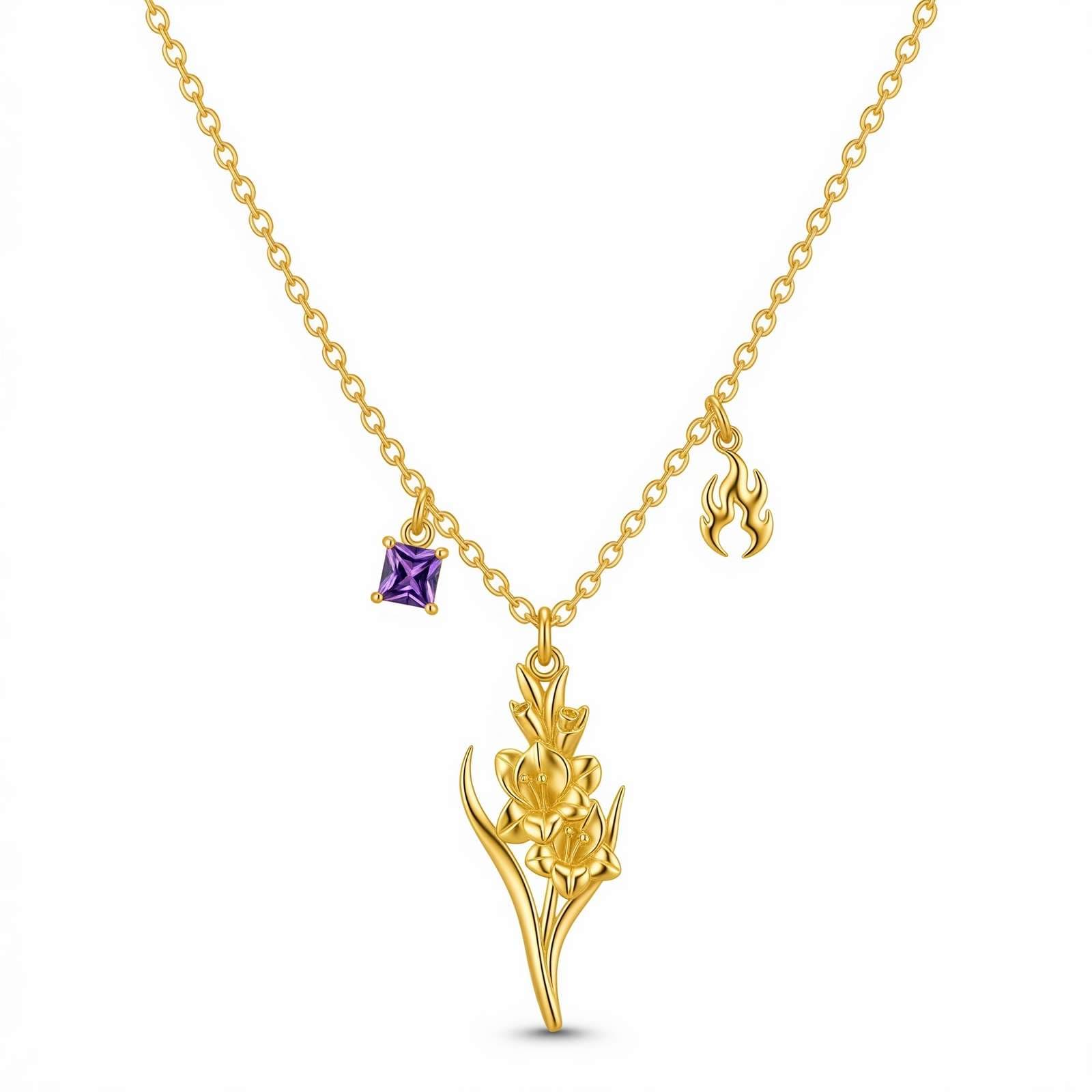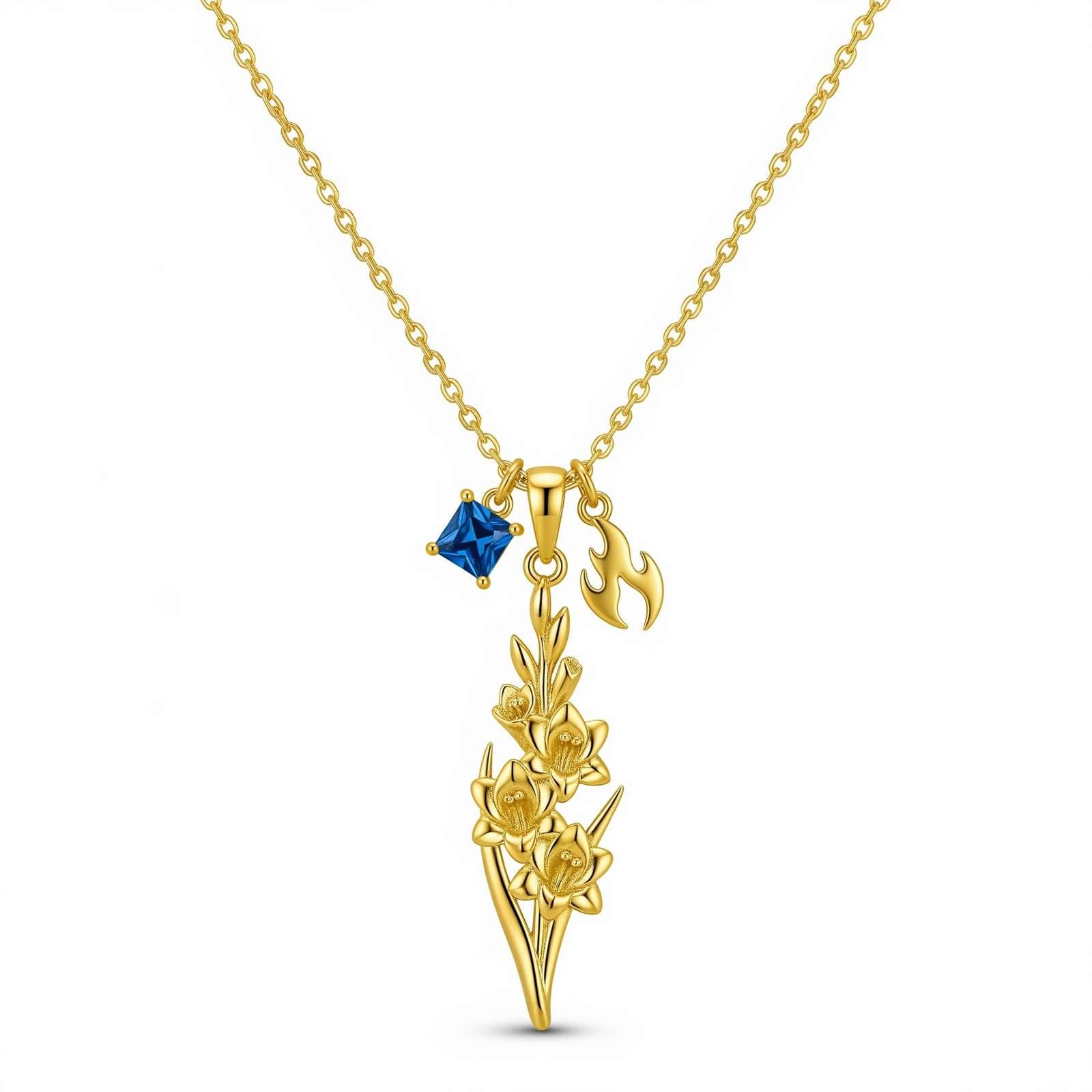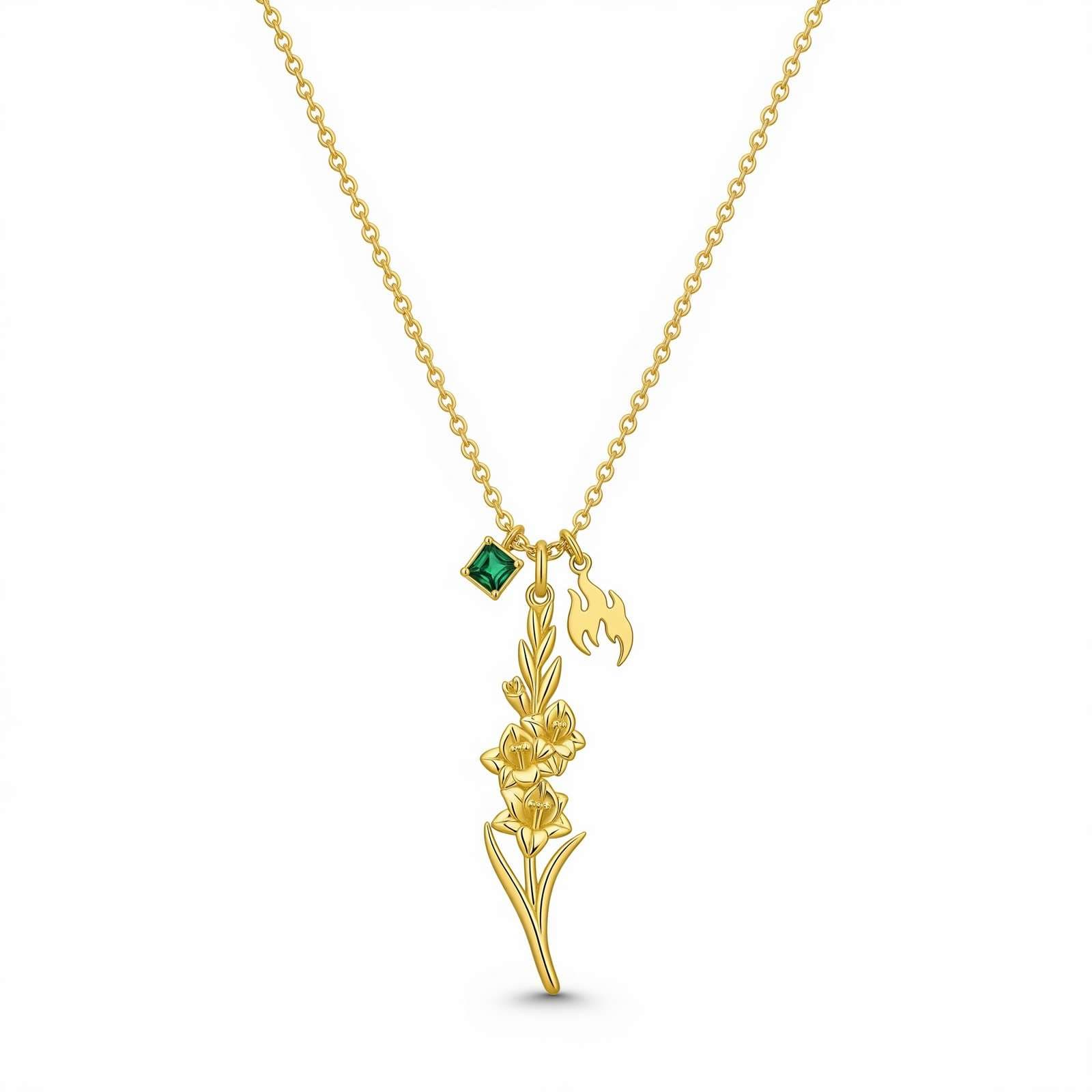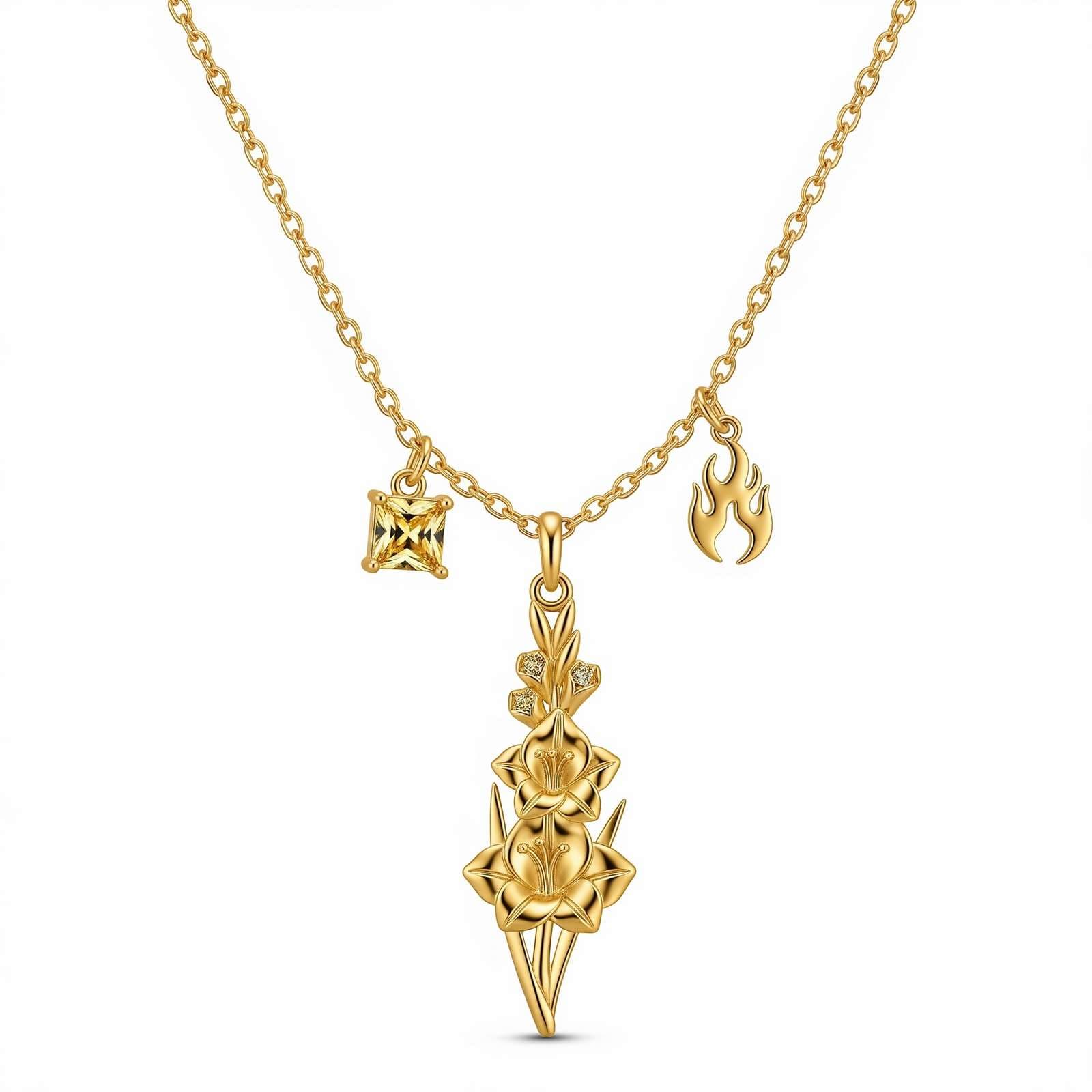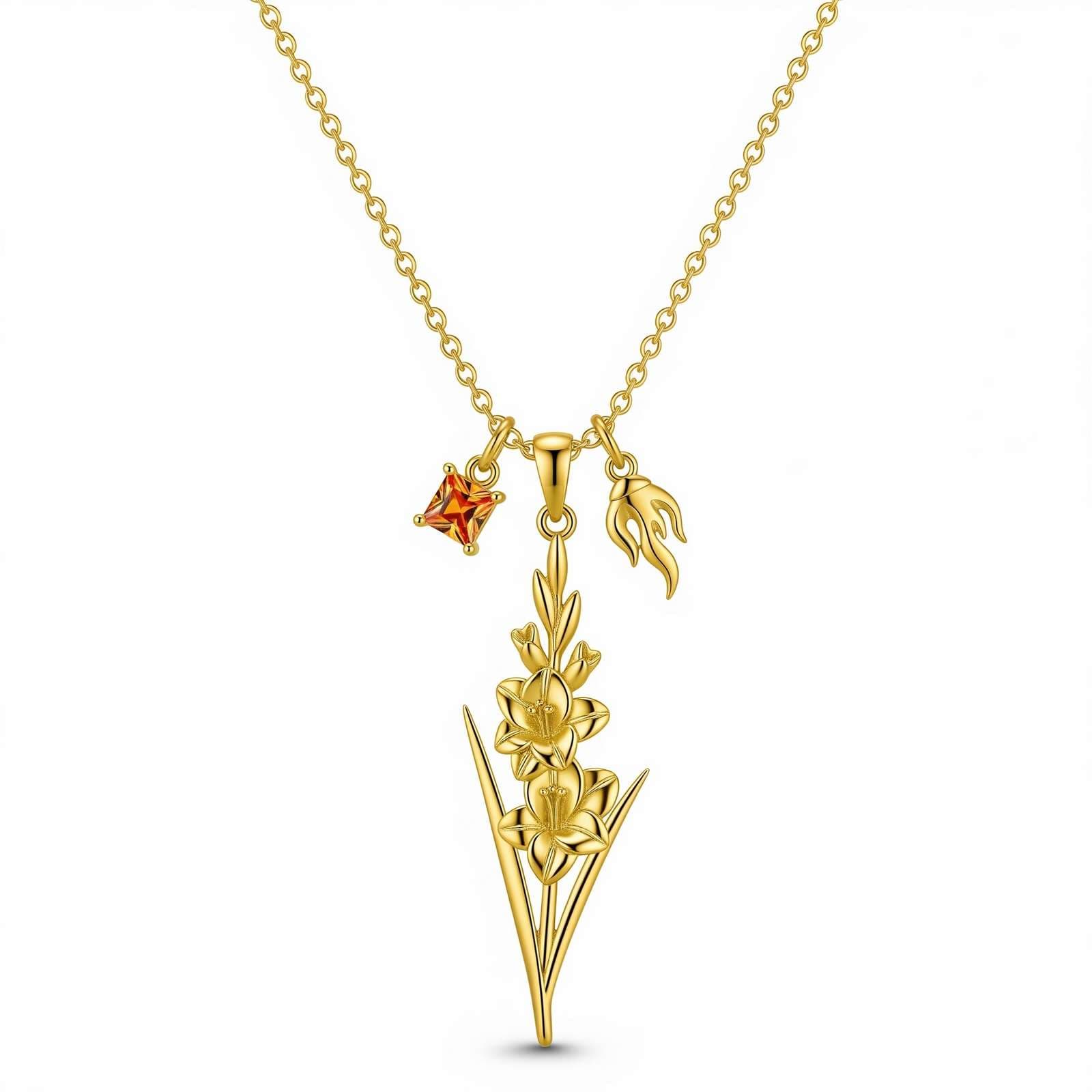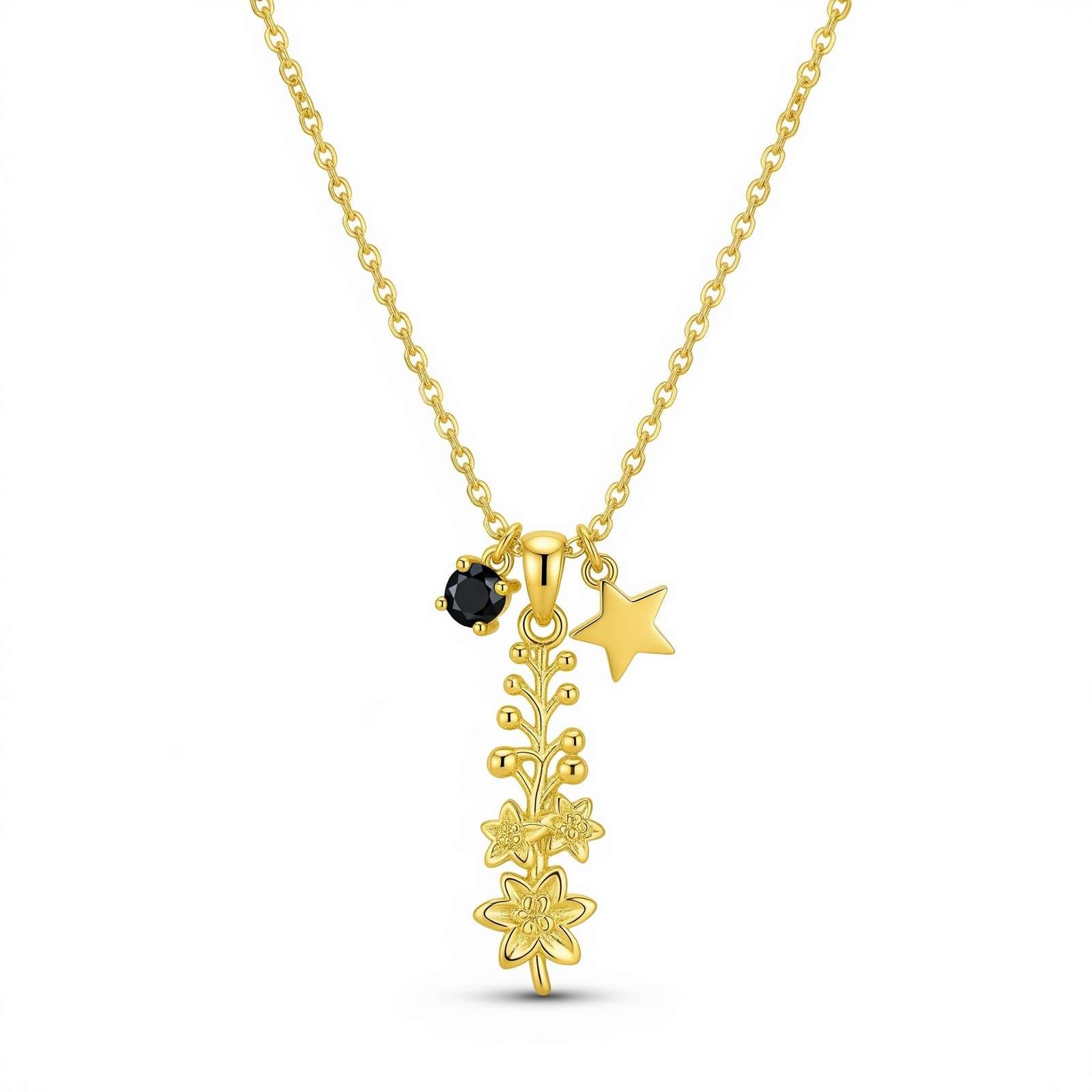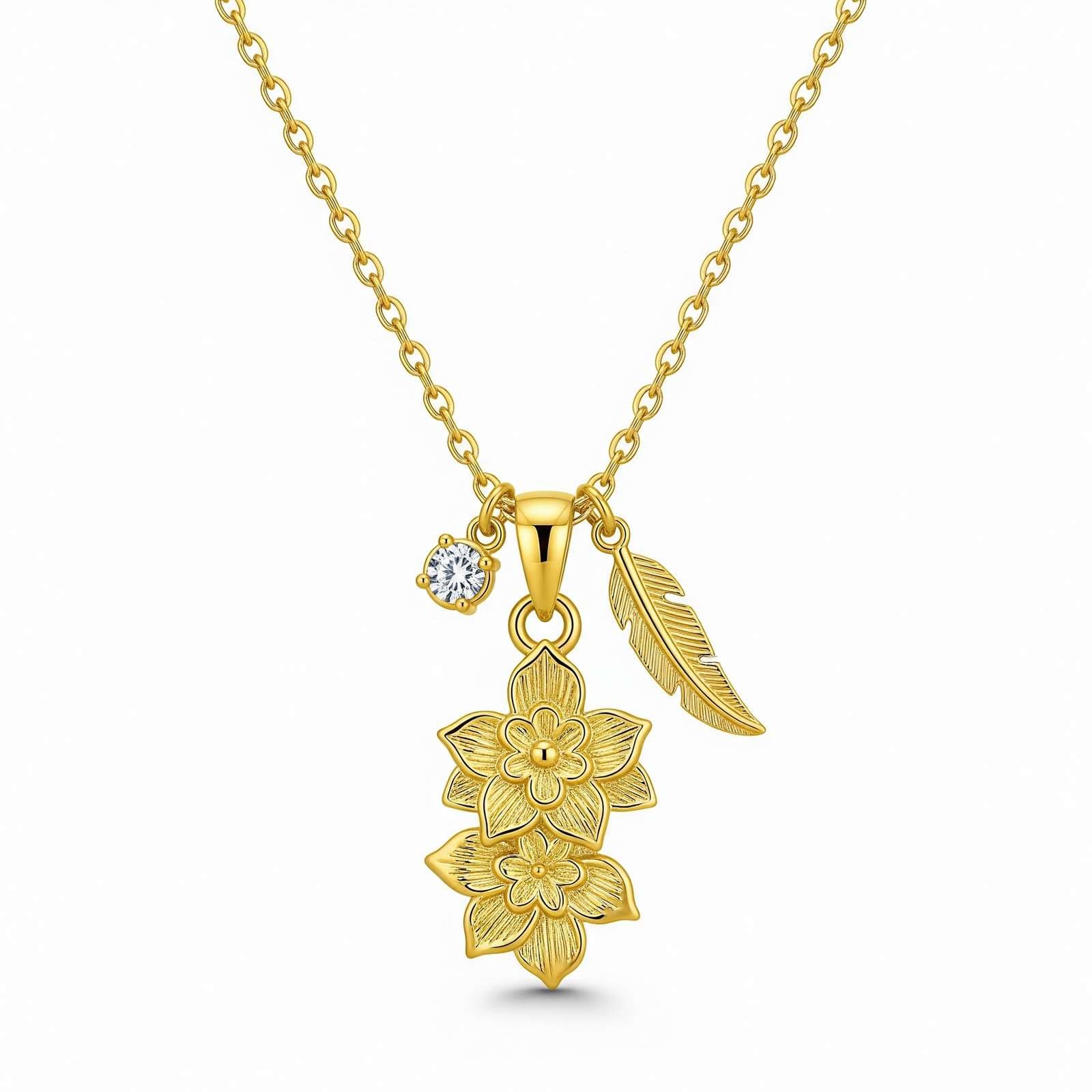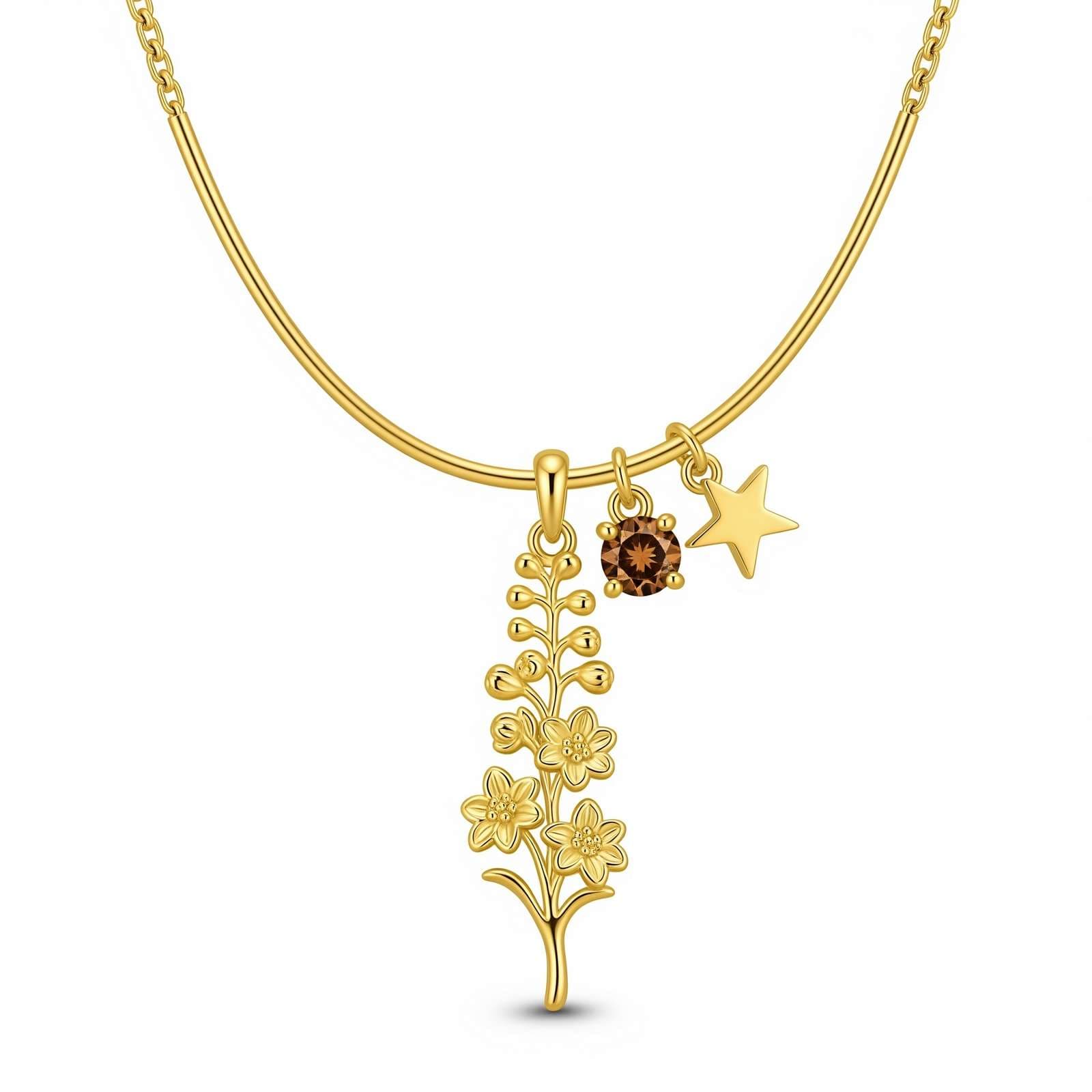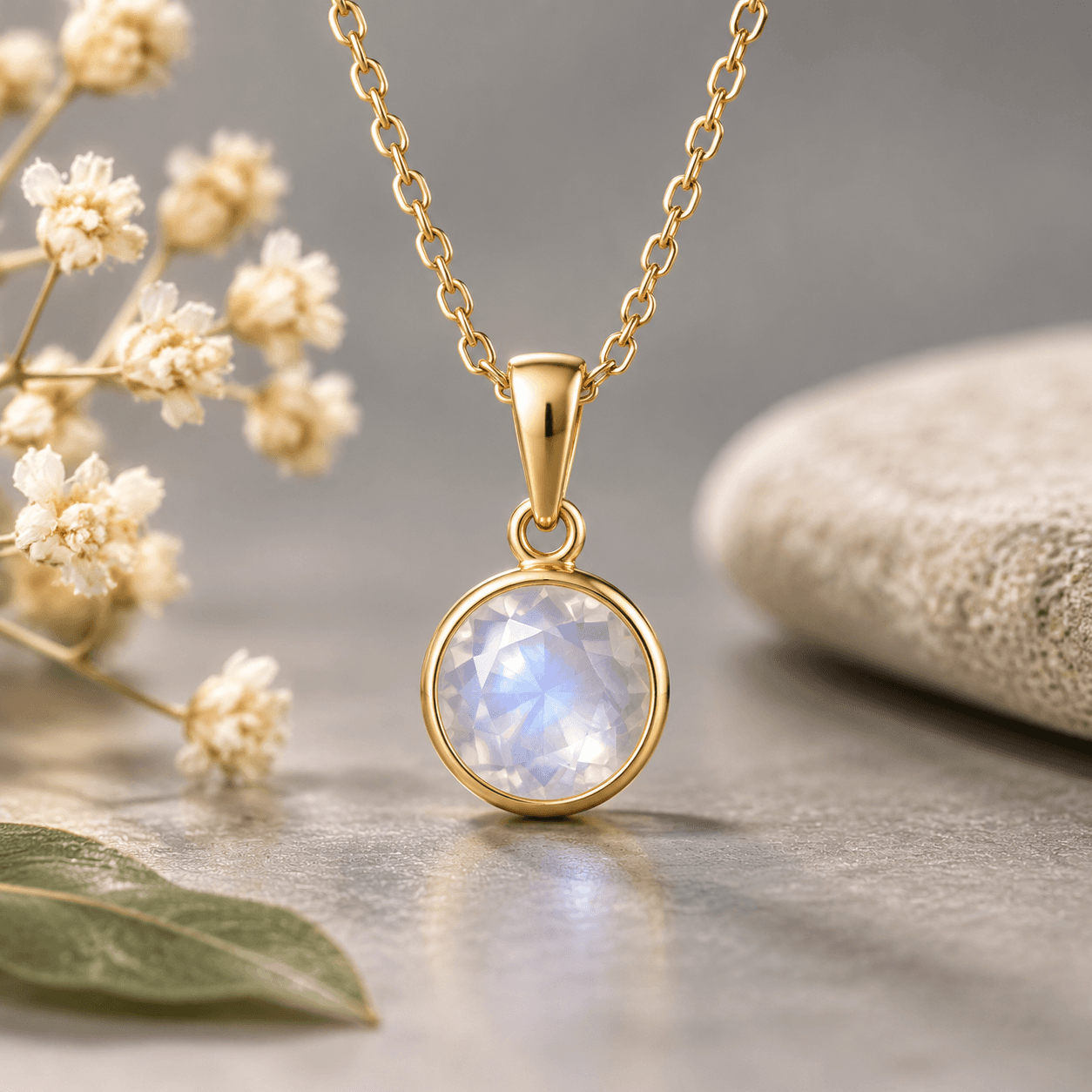
A June birthstone charm combines personal meaning with material selection, decorative detail, and functional jewelry construction. For jewelry designers developing a birth-month collection, the June birthstone concept offers several creative directions, including pearl accents, crystal details, and carefully selected stone settings. Understanding how these elements interact with the metal base, surface finish, and attachment hardware is essential when translating a design concept into a manufacturable product.
For OEM and ODM projects, Lefeng Jewelry can review material selection, sampling, CNC and laser processing, polishing, PVD plating, stone setting, quality inspection, and packaging requirements according to the confirmed project scope. This guide explains the material and construction decisions behind a June birthstone charm, with practical considerations for 316L stainless steel, decorative components, PVD gold plating, and private label production. Designers can use these principles when planning a necklace collection, bracelet collection, or broader wholesale jewelry program.
Understanding the June Birthstone Charm and Its Material Options
A June birthstone charm is a jewelry component developed around the traditional birth-month association of June. Pearl is a widely recognized June birthstone choice, while crystal and other configured decorative elements can provide additional design directions for contemporary jewelry collections. For product developers, the important distinction is between the symbolic design concept and the physical material specification. A charm may incorporate a pearl accent, a crystal element, or a zircon setting, but each option requires its own approach to dimensions, attachment, surface protection, and assembly.
For a stainless steel jewelry manufacturer, the metal base and decorative element should be evaluated as separate components before they are combined. 316L stainless steel provides a practical base for detailed charm structures, while 304 stainless steel may be considered for suitable designs according to the project specification. Other configured metal options include 925 sterling silver, copper, and zinc alloy. The appropriate choice depends on the intended construction, design complexity, finish requirements, and target positioning. A designer should identify the base metal, decorative component, and required finish independently rather than treating the finished charm as one unspecified material.
Material selection also influences the overall visual balance. A pearl accent creates a softer visual focal point, whereas crystal and zircon can introduce different reflective characteristics. Enamel adds another decorative direction through controlled color placement. For a June birthstone charm, the designer should consider the relationship between the decorative element and the surrounding metal profile, including the visible setting, attachment points, and finished dimensions. These decisions establish the foundation for subsequent jewelry sample development and production planning.
316L Stainless Steel Construction and Surface Finish Selection
316L stainless steel is a useful material option for June birthstone charm development because it supports precision metalworking, polishing, and detailed component construction. Its suitability for a particular product still depends on the complete specification, manufacturing method, and intended use. Designers should define the charm's thickness, outer dimensions, edge profile, opening or connection points, and required surface appearance before sampling begins. For example, a small floral birthstone charm may need a different structural profile from a round pendant with a central decorative setting. The design should preserve sufficient material around attachment points and settings to support practical assembly.
Surface finishing is another important part of material development. Polishing establishes the metal's surface appearance before a subsequent finish is applied. PVD gold plating and rose gold plating provide configured color options for stainless steel jewelry, while an unplated polished metal finish offers a different visual direction. The designer should specify the intended color, finish location, visible surface areas, and whether the reverse side requires the same treatment as the front. These details reduce interpretation differences between design files, samples, and production specifications.
For a June birthstone charm, finish development should also account for the decorative component. A pearl, crystal, zircon, or enamel detail may require different handling and assembly considerations from the metal base. The factory should review component interfaces and the intended finishing sequence before proceeding. During sample review, buyers can examine color consistency, polishing quality, edge definition, setting appearance, and the relationship between the metal finish and decorative detail. Lefeng Jewelry can review these requirements as part of a proposed sampling and manufacturing plan. Explore the OEM/ODM manufacturing services to understand the available development stages.
Pearl, Crystal, Zircon, and Enamel: Choosing the Decorative Element
The decorative element often determines the visual identity of a June birthstone charm. Pearl can create a recognizable birthstone reference with a soft, rounded focal point. Crystal offers another approach for designs that emphasize light reflection, while zircon can be incorporated into a defined setting to create a more structured decorative appearance. Enamel is useful when the design requires a controlled color area rather than a separate stone element. Each option has different physical dimensions and assembly requirements, so the selection should be made during the design development stage rather than after the metal structure has already been finalized.
For pearl-based designs, consider the component's diameter, shape, attachment method, and position relative to the charm body. The design must establish how the pearl is secured and whether the attachment is visible from the front or side. For crystal and zircon, the setting geometry, seat dimensions, surrounding metal, and finished height should be reviewed. A setting that is too shallow or too exposed may not reflect the intended appearance, while an unsuitable opening can complicate assembly. Enamel designs require attention to the defined application area, surrounding borders, and color placement. These are practical construction decisions that should be resolved through a physical sample.
Designers can create a coordinated June birthstone charm family by maintaining a consistent outer silhouette while varying the decorative center. For example, one collection could include pearl-centered, crystal-accented, and enamel-detail variations. The common structure can help organize a necklace collection or bracelet collection, while the individual decorative treatments provide meaningful product differentiation. The factory should confirm the actual component specification and assembly method for every variation. This approach supports clearer costing, more organized sampling, and a consistent design language across private label jewelry projects.
Charm Geometry, Attachment Hardware, and Functional Construction
A June birthstone charm must be designed as a functional jewelry component, not simply as a decorative front-view illustration. Its pendant body, bail, jump ring, chain, extension chain, and lobster clasp are distinct physical components with separate functions. When a charm is designed for necklace use, the pendant should connect through a suitable bail, jump ring, side loop, or drilled hole. The attachment should provide a logical load path from the pendant body to the chain. A lobster clasp belongs at a chain end as part of the closure and should never be treated as an attachment directly to the pendant.
Before sampling, designers should establish the charm's height, width, thickness, approximate weight, opening dimensions, and intended connection method. Buyers in North America may provide dimensions in inches or fractions of an inch, but production drawings should use a clearly agreed measurement system and specify tolerances where relevant. Small components should be reviewed carefully because minor changes to opening diameter, jump ring dimensions, or bail clearance can affect assembly and the finished appearance. For reference, designers can include a dimensioned front view, side view, reverse view, and a detail drawing of the connection area.
When the June birthstone charm is intended for a bracelet, anklet, or necklace, the connection should be evaluated against the actual chain or attachment configuration. The charm should hang in the intended orientation without unnecessary twisting or interference from adjacent components. During sample review, inspect the connection points, ring closure, component alignment, and movement of the assembled product. Depending on the confirmed project scope, the manufacturer may review CNC and laser processing, polishing, component assembly, and quality inspection requirements. Related product development options can be explored through the stainless steel necklace collection and stainless steel charms collection.
From Design Concept to Physical Sample Development
Effective June birthstone charm development begins with a clear design brief. The brief should identify the intended jewelry category, target customer, birthstone interpretation, base metal, decorative component, surface finish, approximate dimensions, and expected retail presentation. Reference sketches and dimensioned drawings help the factory understand the design, while photographs can communicate visual details that are difficult to explain in writing. If the project includes several variations, each version should have a separate specification identifying its material and decorative differences. This prevents an important detail from being lost when multiple designs are sampled together.
The next stage is design and manufacturability review. The factory examines the proposed charm profile, material thickness, attachment structure, decorative setting, and surface finishing requirements. If the original concept contains a difficult connection or overly complex setting, the design can be reviewed for practical manufacturing adjustments while retaining its intended visual direction. Once the structure and specification are sufficiently clear, a physical sample can be developed for buyer evaluation. Sampling provides an opportunity to review actual proportions, metal appearance, component positioning, finish quality, and assembly details before discussing bulk orders.
Sample approval should be based on documented specifications rather than visual impressions alone. Buyers should record approved dimensions, base material, plating requirements, decorative component details, logo placement, and packaging expectations. Any revisions should be communicated against the approved sample or drawing. Lefeng Jewelry can be considered for OEM and ODM design review, sampling, and production coordination, subject to the confirmed project scope. Buyers planning a larger program can also review new stainless steel jewelry designs and the Lefeng Jewelry factory background when assessing manufacturing suitability.
Quality Control Checkpoints for a June Birthstone Charm
Quality control for a June birthstone charm should cover the metal structure, decorative element, surface finish, assembly, and final presentation. A single visual inspection of the front face is not sufficient to evaluate a completed jewelry component. The inspection plan should follow the product specification and identify which details are important to the finished item. For example, the metal profile should be checked for obvious deformation and inconsistent edges, while connection hardware should be reviewed for correct positioning and assembly. The decorative setting should be examined for alignment and visible irregularities, and the finish should be compared with the approved sample.
Useful inspection checkpoints include overall dimensions, thickness, opening size, surface appearance, plating color, decorative component positioning, connection integrity, and logo engraving where specified. For a pearl or crystal design, the buyer should also confirm the selected component's appearance and placement against the approved sample. For PVD gold plating or rose gold plating, review the agreed color and coverage across the specified surfaces. Packaging should receive its own review, including product positioning, protection, labeling requirements, and presentation consistency. These checkpoints create a more practical basis for discussing quality than broad descriptions without measurable specifications.
Documentation requirements should be considered separately from routine manufacturing inspection. If a project requires material declarations, certification documents, test reports, or market-specific compliance evidence, buyers should identify the applicable requirements and request confirmation against the exact material and finished-product specification. Documentation availability must be reviewed for the individual project; a manufacturing capability statement does not establish that a particular certificate or test result already exists. Any quality inspection or export support from Lefeng Jewelry should be confirmed against the project specification. Additional sourcing guidance is available through the manufacturing insights library.
Private Label and Wholesale Planning for June Birthstone Jewelry
A June birthstone charm can serve as a standalone pendant or as part of a coordinated birth-month jewelry program. For private label jewelry developers, the collection strategy should establish which features remain consistent and which can change across designs. A shared metal profile, attachment structure, and finish specification can provide a recognizable foundation, while pearl, crystal, zircon, and enamel variations create different decorative directions. Designers may also consider coordinating necklace, bracelet, and jewelry set formats to create a more complete product assortment. The key is to ensure that every variation has a defined bill of materials and an approved sample reference.
Commercial planning should connect design decisions with production requirements. A buyer should identify expected order quantities, the number of design variations, custom logo requirements, packaging format, and any project-specific inspection or export documentation needs. MOQ should be confirmed for the actual design and configuration rather than assumed to be identical across all products. Additional settings, multiple finishes, custom tooling requirements, and separate packaging specifications can influence the manufacturing plan. A clear RFQ allows the factory to assess the complete project instead of quoting against an incomplete product description.
For wholesale stainless steel jewelry, consistency across samples and subsequent production is an important planning consideration. Buyers should establish which dimensions, finishes, decorative components, and packaging details are approval-critical. They should also confirm how design revisions will be communicated and how the approved sample will be referenced during quality inspection. Lefeng Jewelry can be evaluated as a potential partner for sampling, production coordination, private-label packaging, and export support, subject to project review. Explore the manufacturing services or contact the team for an RFQ when the design specification is ready.
Frequently Asked Questions About June Birthstone Charms
Designing a Coordinated June Birthstone Charm Collection
For designers planning a complete birth-month assortment, the June birthstone charm can become one element of a consistent collection architecture. Start by defining a recognizable base silhouette, such as a circular pendant, floral outline, or compact geometric charm. Establish common dimensions, metal thickness, attachment hardware, and finish requirements before introducing decorative variations. This provides a repeatable design foundation while allowing individual products to carry different visual details. The approach can be extended to a necklace collection, bracelet collection, or coordinated jewelry set when the component sizes and attachment structures are suitable.
A floral June birthstone charm, for example, can combine a defined metal outline with a pearl or crystal focal point. A simpler circular design may use a central zircon setting or enamel detail. For each option, the designer should consider the relationship between the decorative component and the overall charm proportions. The reverse side also deserves attention because it may be visible when the jewelry moves. If logo engraving is required, its position should be coordinated with the setting and attachment structure rather than added after the design has been finalized. These decisions improve the completeness of the technical specification.
Collection planning should also include packaging and presentation. A birth-month concept may require individual product identification, coordinated packaging, or a gift-program presentation. Private-label packaging and export coordination can be included in the project discussion where available and appropriate to the confirmed requirements. Designers can organize each variation by product code, material combination, finish, decorative component, and approved sample reference. This makes it easier to communicate revisions, evaluate production quotations, and manage a consistent assortment. For additional product directions, review the stainless steel jewelry sets and jewelry sourcing articles.
Develop Your June Birthstone Charm With Lefeng Jewelry
Ready to turn a June birthstone charm concept into a manufacturable jewelry design? Contact Lefeng Jewelry to discuss potential OEM and ODM support for design review, sample development, finishing, quality inspection, private-label packaging, and export coordination, subject to the confirmed project scope. Share your preferred base metal, decorative component, dimensions, PVD gold plating or other finish requirements, and intended jewelry application so the team can review the request.
For an accurate RFQ, include your reference drawings or images, front and side dimensions, preferred metal specification, pearl, crystal, zircon, or enamel details, attachment hardware requirements, logo artwork, finish selection, estimated order quantity, number of variations, and packaging expectations. If your project requires material documentation, certification review, or market-specific test information, identify those requirements clearly so they can be assessed against the confirmed specification. MOQ, sampling arrangements, and production details should be confirmed individually for the proposed design.
Start your inquiry through the Lefeng Jewelry contact page or organize your selected products through the RFQ quote list. The team can help your organization evaluate the practical steps from initial concept to a production-ready June birthstone jewelry collection after reviewing the design, specifications, and project requirements.
Related resources
Related resources
- Why Is Stainless Steel Heart Charm Waterproof? 316L Guide
- Best Stainless Steel Heart Charm Ideas: A Buyer's Design Guide
- Is Stainless Steel Jewelry Waterproof? Quality Tests Guide
- Stainless steel jewelry gift ideas: Retail design trends guide
- What Buyers Should Know: Does Stainless Steel Heart Charm Tarnish
- 316L Stainless Steel Earrings for Sensitive Ears: A B2B Buyer’s Quality Checklist
- How to Clean Stainless Steel Jewelry: Factory Care Guide for Buyers
- Seasonal Charm Collection: OEM Jewelry Trends for Brands
- How to Clean Stainless Steel Jewelry: Expert Guide for Buyers
- How to Clean Stainless Steel Jewelry: A Complete B2B Guide