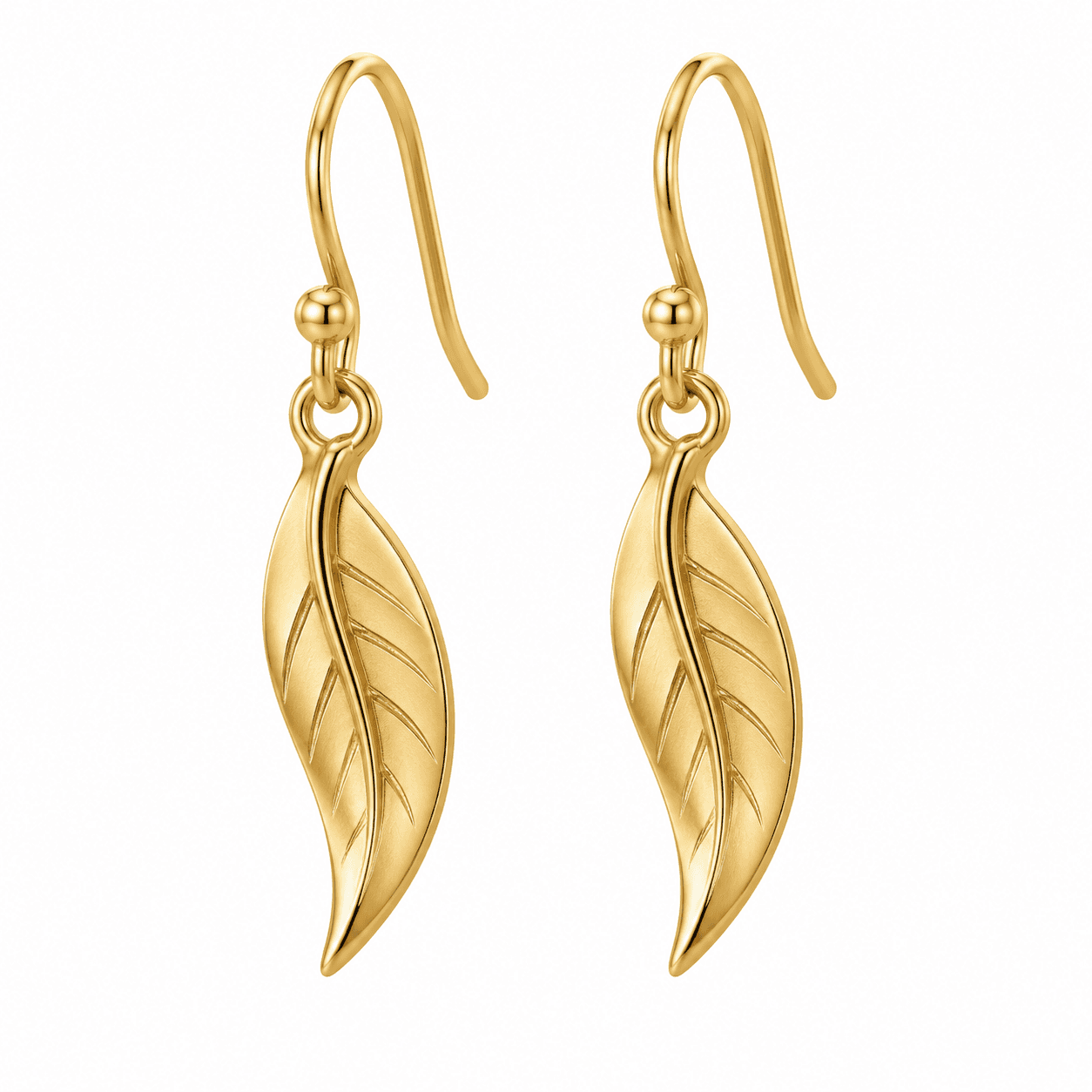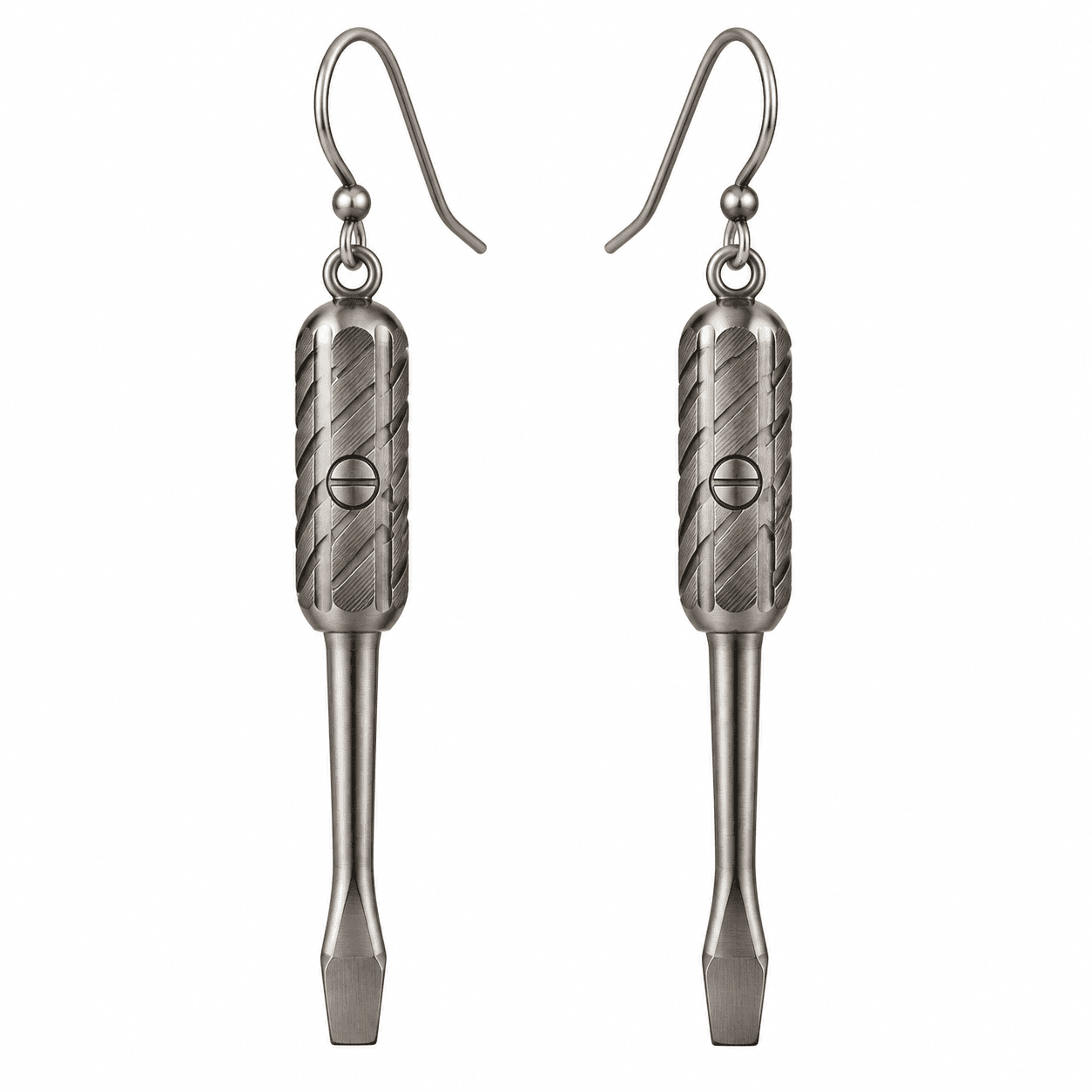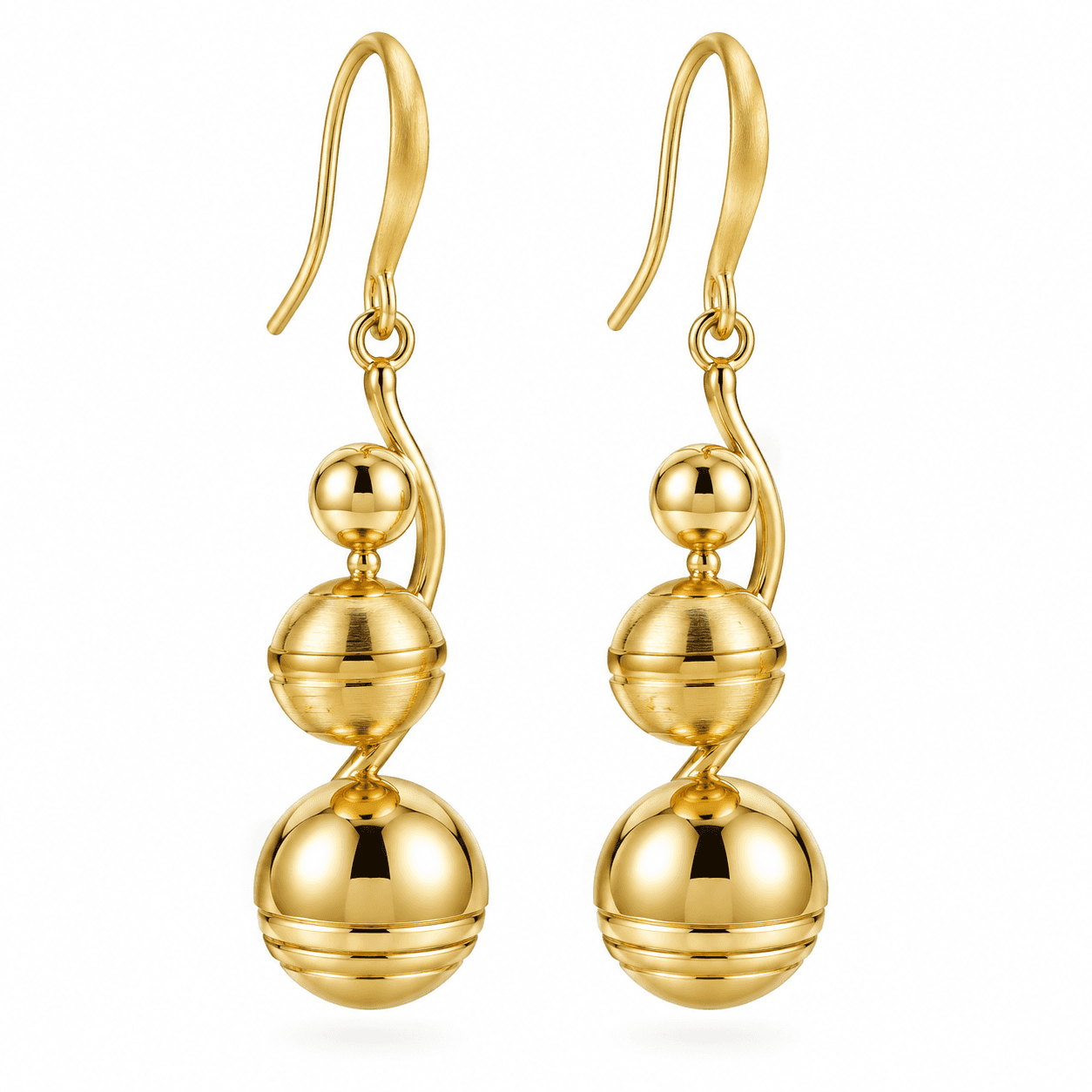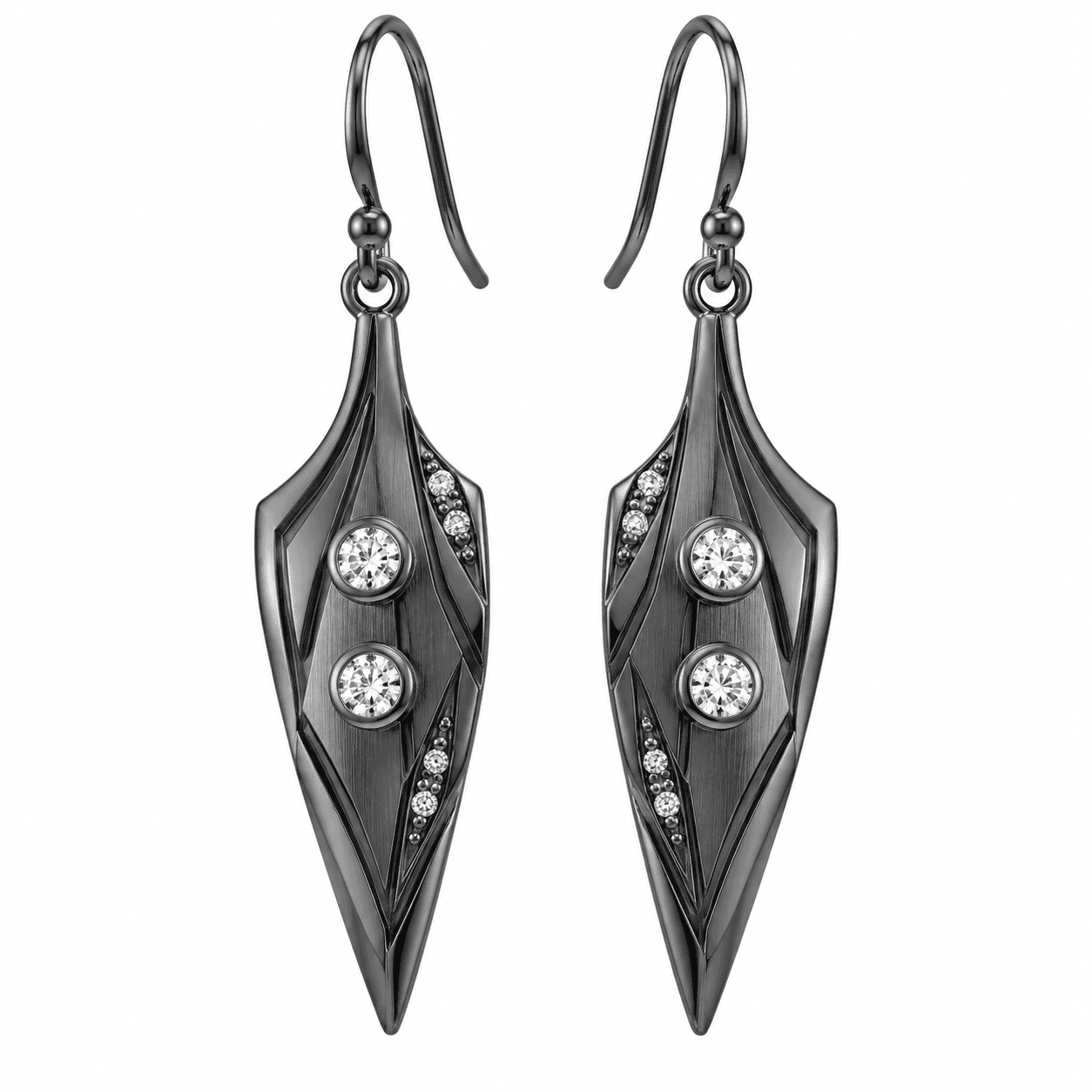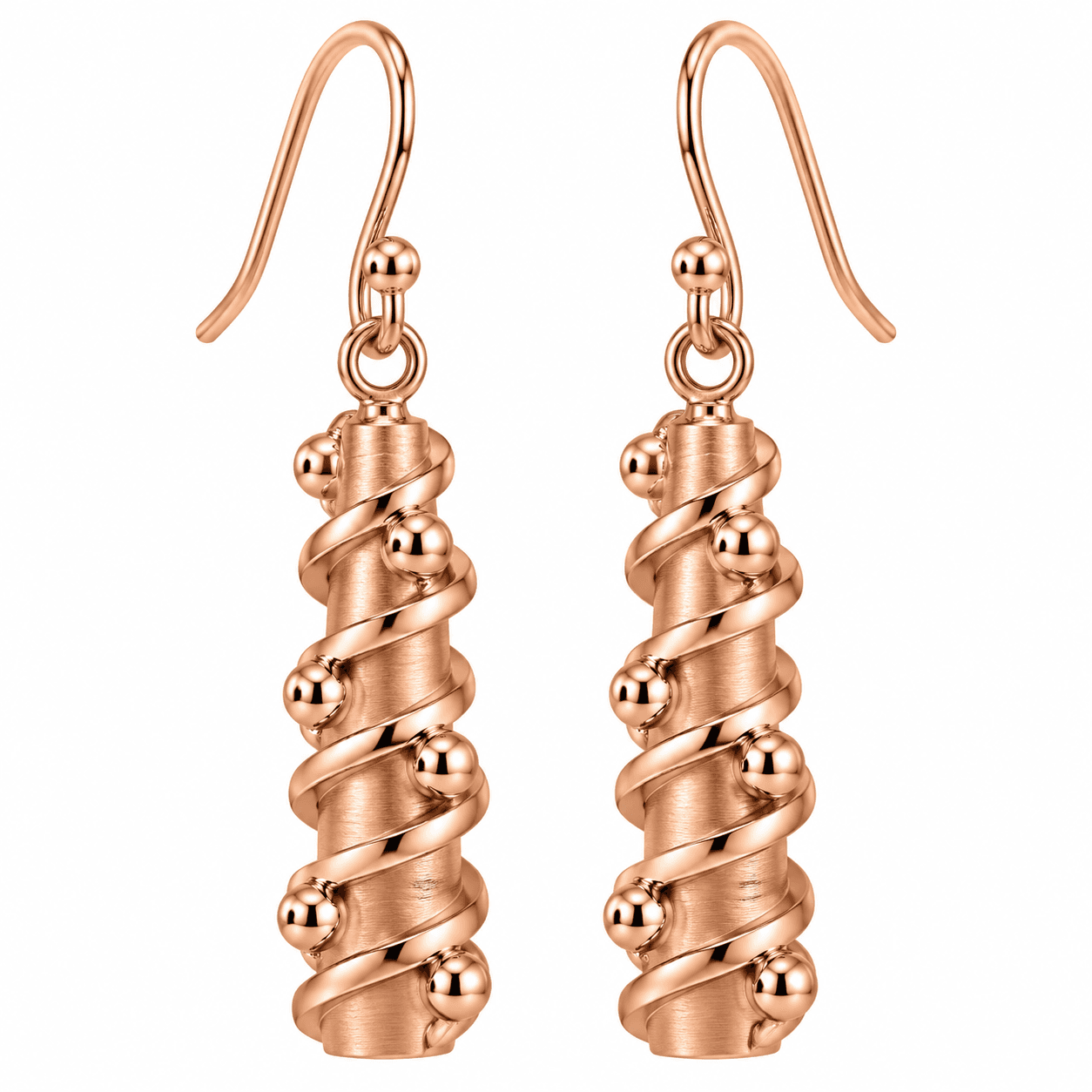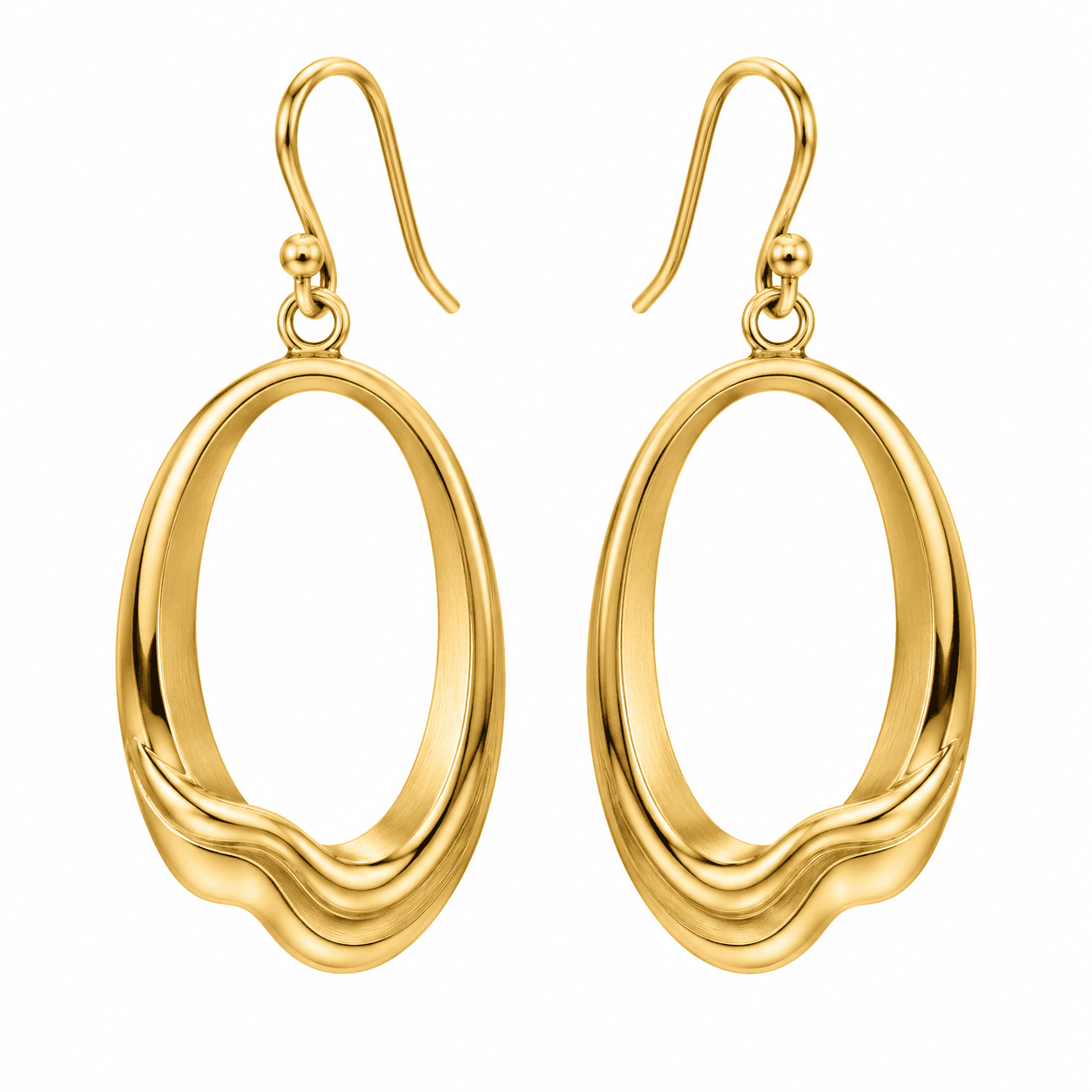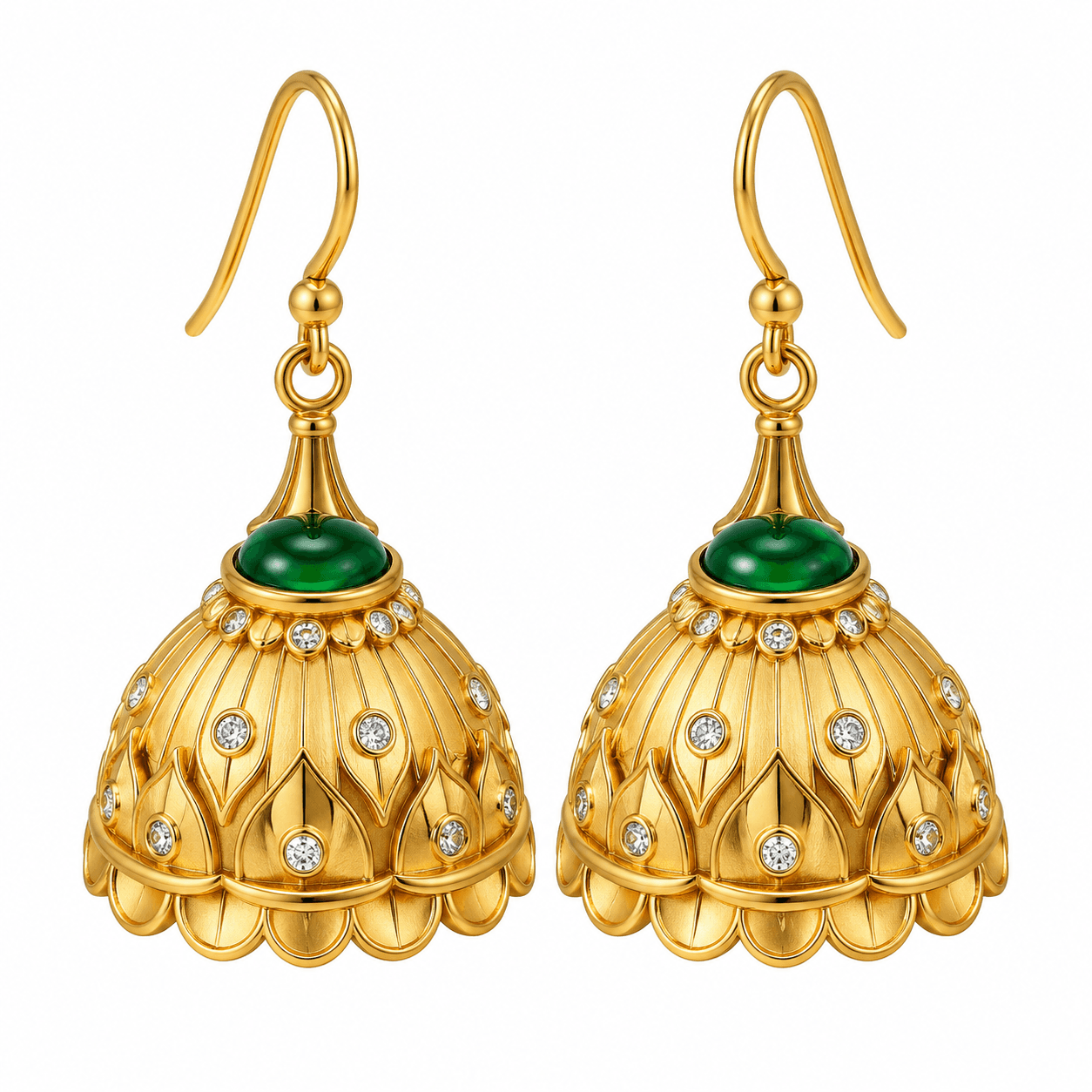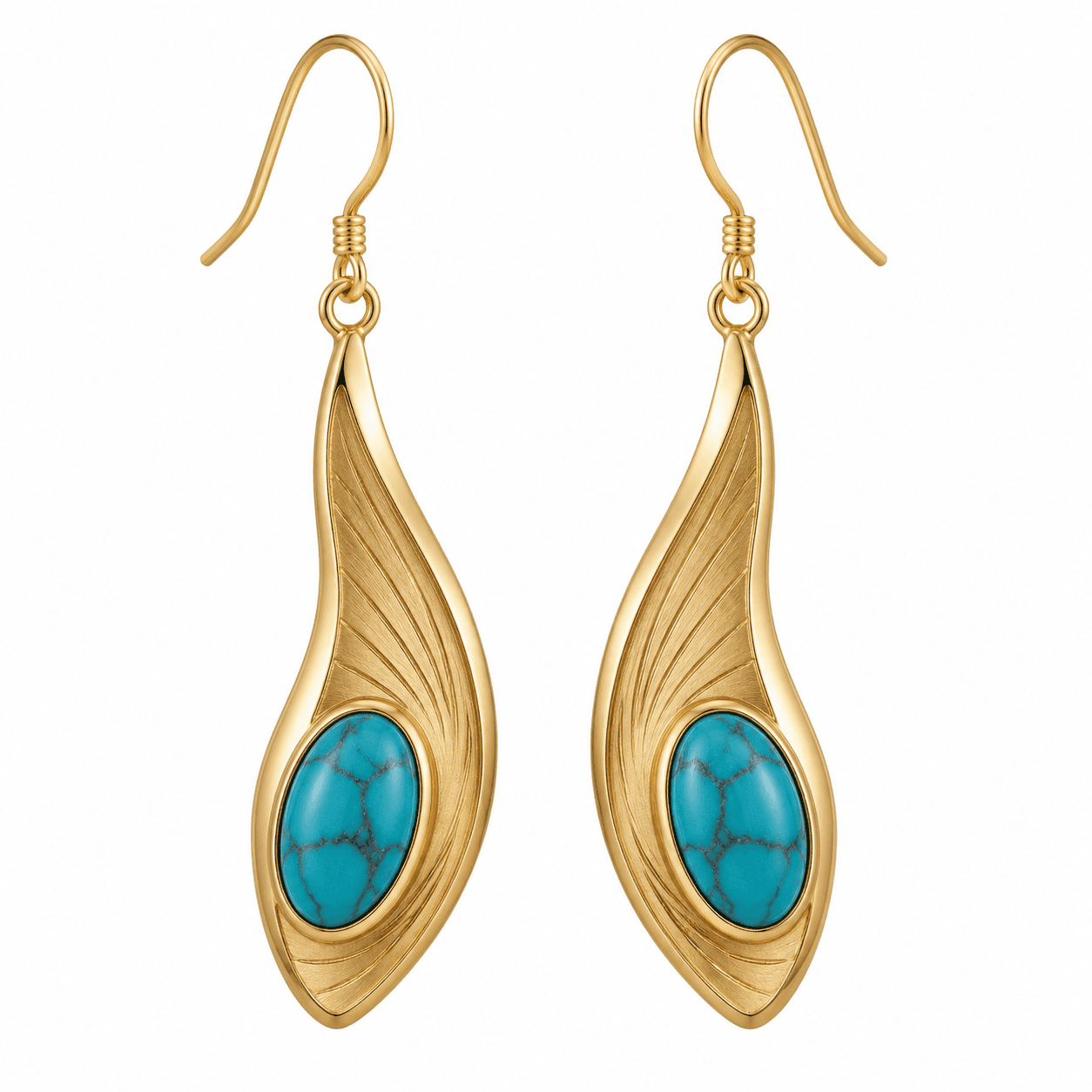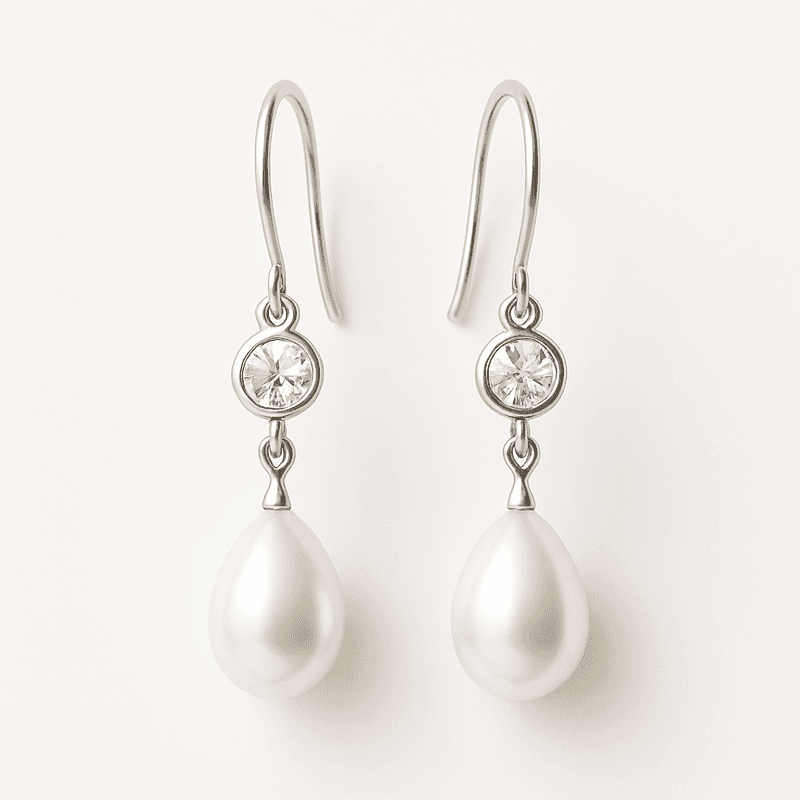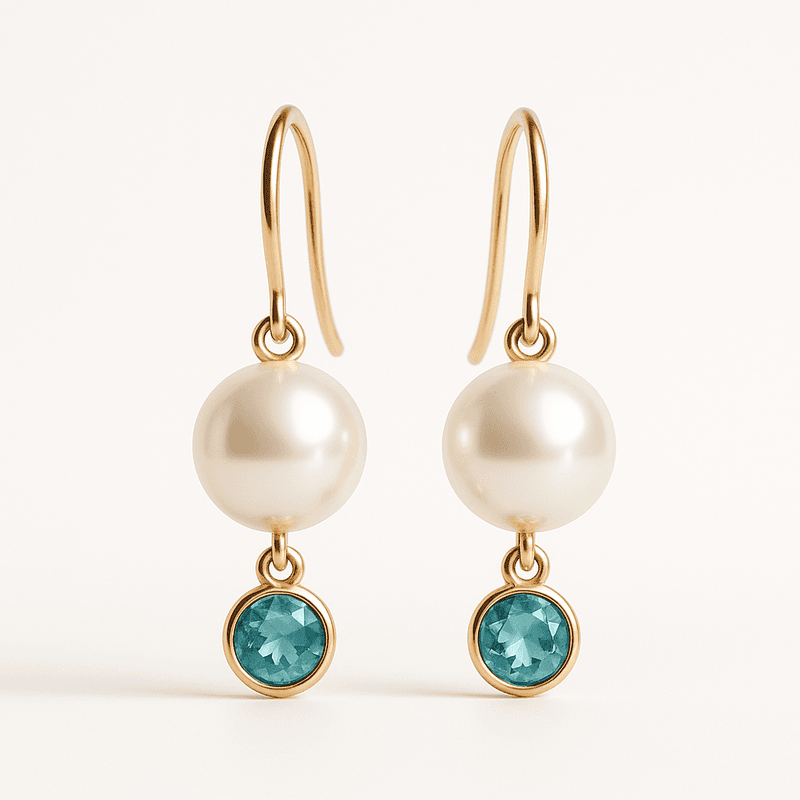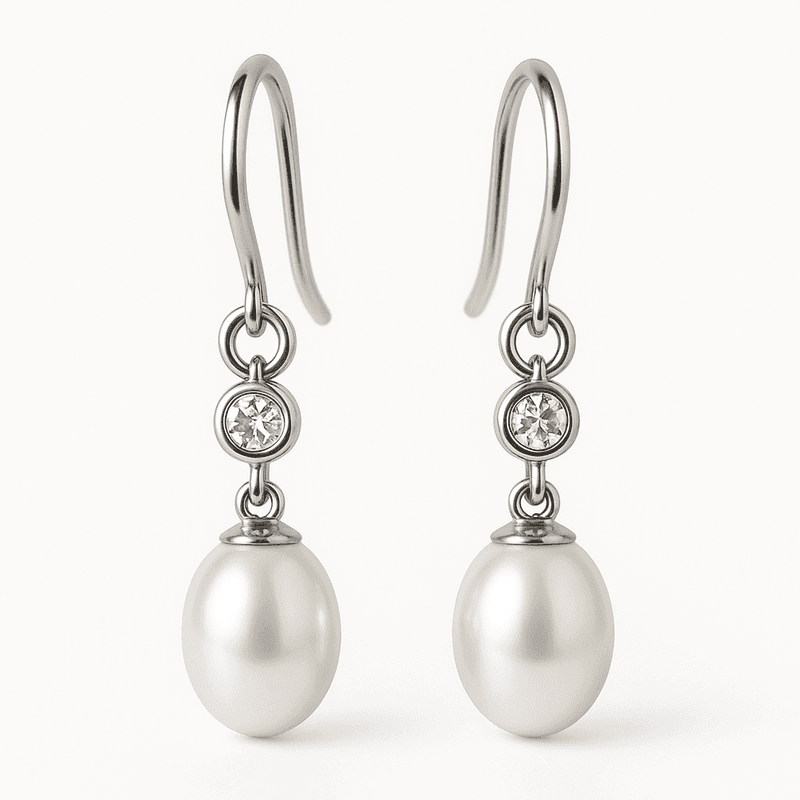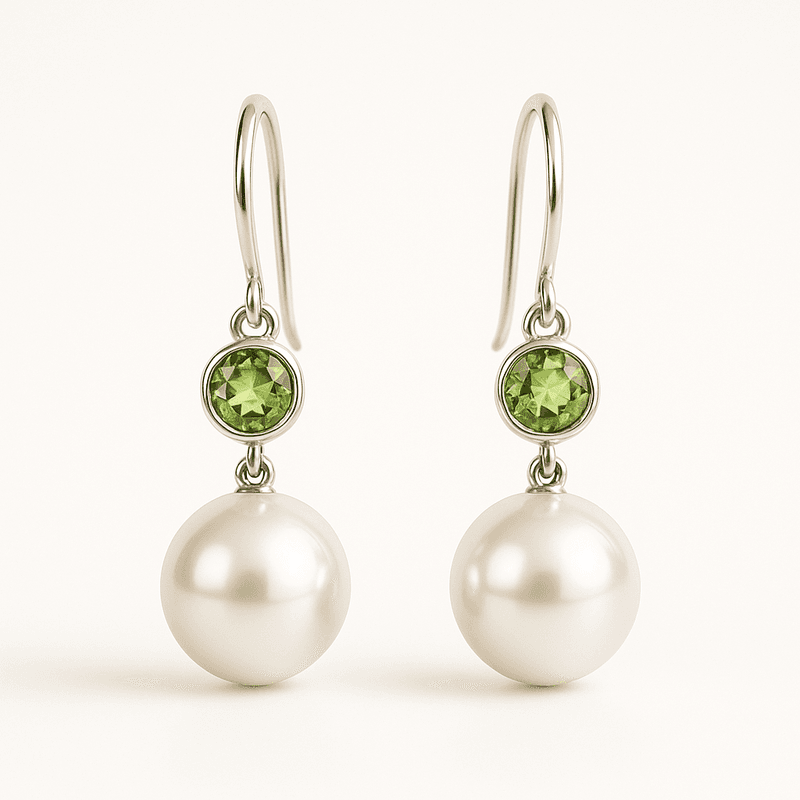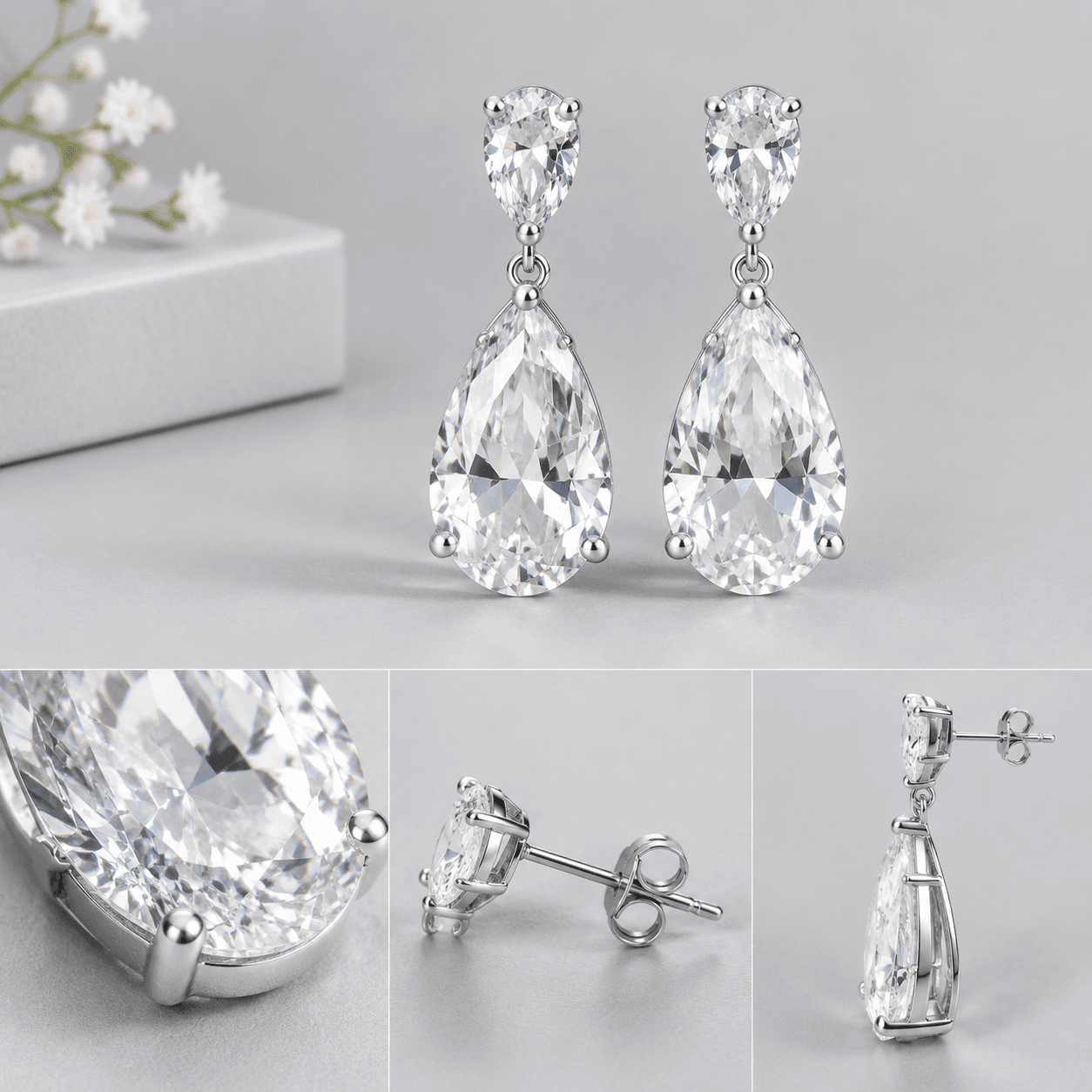
Large rhinestone earrings require coordinated decisions across metal selection, decorative setting, attachment structure, finishing, sampling, inspection, and packaging. For B2B buyers, the objective is not simply to create a visually prominent earring, but to define a repeatable product specification that a factory can sample, inspect, quote, and manufacture consistently. This guide explains the main technical and sourcing considerations for private label jewelry, wholesale programs, and custom collection development.
Lefeng Jewelry is a 15-year OEM/ODM stainless steel jewelry manufacturer supporting concept development, sampling, CNC and laser processing, polishing, PVD finishing, stone setting, quality control, custom logo work, packaging, and export coordination. Buyers can use the following framework to prepare clearer specifications, evaluate samples, discuss MOQ, and move qualified designs toward bulk production.
Understanding Large Rhinestone Earrings Material Selection
Large rhinestone earrings place greater emphasis on structural planning because the visible decorative area is usually more prominent than on smaller earring formats. The material specification should therefore cover the metal body, decorative stones, setting method, post or other wearing hardware, backing, attachment points, surface finish, and any logo detail. 316L stainless steel can be considered when a buyer wants a durable metal foundation with a controlled surface suitable for polishing and specified finishing processes. Depending on the approved design, 304 stainless steel, 925 sterling silver, copper, or zinc alloy may also be evaluated. Decorative components can include zircon, crystal, pearl, or enamel when they are appropriate to the confirmed construction.
Material selection also affects production communication. A buyer requesting a large decorative silhouette should provide target dimensions, approximate component thickness, stone arrangement, post position, backing requirements, and finish expectations rather than relying only on a reference image. This gives an OEM jewelry manufacturer enough information to assess manufacturability and identify areas where the design may need adjustment. For a coordinated earring collection, buyers should also consider whether the same 316L stainless steel specification, polish level, PVD gold plating, rose gold plating, or other approved finish should be carried across related pieces.
For B2B sourcing, sample development is the point where material decisions become measurable. Buyers can inspect the finished metal surface, attachment quality, decorative alignment, overall balance, and visual consistency before committing to a larger quantity. Lefeng Jewelry supports factory-direct development so specifications can be discussed with the production team and refined before an order moves into bulk manufacturing.
316L Stainless Steel, Rhinestone Setting, and Manufacturing Considerations
For large rhinestone earrings, the metal base and decorative setting need to work together as one production system. A 316L stainless steel structure can be processed through cutting, CNC work, laser processing, polishing, and other configured operations before the decorative elements are assembled or set. The exact process depends on the geometry and approved product specification. Buyers should pay particular attention to the thickness of the metal around posts, loops, edges, and setting areas because these details affect both appearance and assembly consistency. The same principle applies to 316L stainless steel charm elements used as part of an earring design: the charm should have a defined attachment point and a practical connection method rather than relying on an ambiguous visual reference.
Stone and decorative placement should be defined during sampling. Zircon and crystal can be positioned through an approved setting method, while pearl or enamel may be used when the design calls for those materials. The factory should confirm the intended decorative component, dimensions, placement, and attachment method before production. PVD plating can then be considered for specified gold or rose-gold surface finishes where applicable. A controlled process is important because large earrings expose more visible surface area, making differences in polish, plating appearance, or setting alignment easier for buyers to identify during inspection.
An ODM jewelry supplier can help convert an initial design concept into a manufacturing sequence by reviewing the structure, decorative requirements, finish, and assembly points. For wholesale stainless steel jewelry, this technical review is especially useful when the buyer plans several related styles. A standardized material and finishing specification can make sample comparison, quality control, replenishment, and future collection development more consistent.
Sample Development and Quality Control Workflow
Jewelry sample development gives B2B buyers an opportunity to evaluate large rhinestone earrings before production quantities are finalized. A useful sample review should cover the complete earring structure rather than appearance alone. Buyers can check the silhouette, metal thickness, post position, backing fit, decorative setting, connection points, edge finishing, polish level, and overall balance. For a pair, both earrings should be reviewed for dimensional consistency and matching decorative placement. If a 316L stainless steel charm or pendant-like element is included, its attachment point should also be checked to confirm that the component is securely connected and physically plausible.
Quality control should be organized around defined checkpoints. Appearance inspection can cover scratches, polishing marks, inconsistent PVD appearance, visible setting defects, misalignment, and surface contamination. Assembly inspection can focus on posts, backs, loops, jump rings, decorative settings, and other connections. Packaging inspection should confirm that the finished pieces are protected and presented according to the approved packaging specification. Project-specific documentation or testing requirements should be discussed before production and handled according to the confirmed order specification rather than assumed as a universal feature.
For a stainless steel jewelry factory, clear buyer specifications make inspection more practical. An RFQ can include drawings, dimensions, approved materials, finish requirements, decorative details, logo artwork, packaging instructions, target quantity, and sample approval criteria. Lefeng Jewelry uses factory-side communication and quality control checkpoints to help buyers move from design review to sample approval and then toward bulk-order planning with fewer avoidable specification gaps.
Customization, Finishes, and Private Label Collection Planning
Customization allows large rhinestone earrings to become part of a coherent private label jewelry collection rather than functioning as an isolated product. Buyers can define the earring silhouette, dimensions, decorative arrangement, metal specification, finish, logo engraving, packaging, and coordinated collection elements. Lefeng Jewelry supports OEM and ODM development for buyers who need factory communication from concept through sample approval. Depending on the confirmed design, a collection may combine 316L stainless steel earrings with matching necklaces, bracelets, rings, anklets, brooches, cuff links, charms, or jewelry sets using compatible specifications.
Finish selection should be treated as a measurable production requirement. Polishing level, base-metal appearance, PVD gold plating or rose gold plating, enamel details, and decorative stone placement can all affect the final visual result. Buyers should identify which surfaces require a particular finish and which areas should remain in the base-metal appearance. Logo engraving should also be specified with artwork, location, approximate dimensions, and any legibility requirements. This is more useful for production than a general instruction to make the item look premium.
For private label jewelry programs, packaging is part of the manufacturing brief. Buyers should specify packaging format, quantity per unit, inserts, labels, outer cartons, and any required packing sequence. A practical RFQ should also include estimated order quantity so the factory can discuss MOQ, sample development, production scheduling, and packaging requirements together. This approach helps sourcing teams compare proposals using clear technical criteria instead of comparing product photographs alone.
Wholesale Sourcing, MOQ, Lead Time, and Buyer Decision Criteria
When sourcing large rhinestone earrings for wholesale, buyers should evaluate the complete manufacturing workflow rather than focusing only on the quoted unit price. Important criteria include material availability, factory communication, sample capability, production processes, finishing control, decorative setting, inspection checkpoints, packaging support, and export coordination. Lefeng Jewelry provides factory-direct OEM/ODM communication with 15 years of stainless steel jewelry manufacturing experience and in-house support across sampling, processing, finishing, quality inspection, packaging, and shipment coordination.
MOQ and lead time should be discussed against the actual specification. A straightforward stock-based product and a highly customized earring may require different development and production planning. Large decorative components, multiple finishes, custom logos, new packaging, or several coordinated SKUs can introduce additional sample and production steps. Buyers should ask for a project-specific schedule covering design review, sample development, sample approval, production, inspection, packaging, and shipment preparation. This creates a more useful planning reference than relying on a generic lead-time statement.
For wholesale stainless steel jewelry, buyers can also assess whether the supplier can support future replenishment with the same approved specifications. A clear master specification for metal grade, dimensions, decorative components, finish, logo placement, packaging, and inspection criteria can help maintain consistency across repeat orders. When preparing an RFQ, include estimated quantities, target markets, product drawings, material requirements, finish preferences, packaging expectations, and desired sample timing. This information allows the factory to respond with more relevant development and production guidance.
Buyer FAQ
Related Stainless Steel Jewelry Development Resources
Buyers developing large rhinestone earrings can broaden their sourcing review by examining related stainless steel jewelry categories and manufacturing resources. Lefeng Jewelry provides information on OEM/ODM manufacturing services, buyer education and manufacturing insights, and new stainless steel jewelry designs. Related product categories include stainless steel earrings, stainless steel necklaces, stainless steel bracelets, stainless steel rings, stainless steel anklets, stainless steel charms, and stainless steel jewelry sets.
Reviewing related categories can help buyers establish consistent specifications across an entire collection. For example, a sourcing manager may define one approved 316L stainless steel grade, a shared polishing standard, selected PVD finishes, coordinated decorative elements, and common packaging rules across multiple SKUs. This makes it easier to communicate collection requirements to an OEM jewelry manufacturer and compare samples using the same quality criteria.
For buyers developing a broader private label program, related resources can also support decisions about custom necklaces, bracelets, rings, and earrings. A consistent development process helps connect design files, sample approvals, logo engraving, packaging, quality control, MOQ discussions, and bulk-order planning into one practical sourcing workflow.
Request Your Large Rhinestone Earrings Development Quote
To start a large rhinestone earrings project with Lefeng Jewelry, prepare a concise RFQ package covering the product drawing or original design reference, target dimensions, preferred metal specification, zircon or crystal requirements, setting details, finish requirements, logo engraving, packaging format, estimated quantity, and desired sample timing. If the design includes a 316L stainless steel charm or other detachable decorative component, identify its dimensions and intended attachment method so the factory can review the connection structure during sample development.
For an efficient OEM or ODM discussion, buyers should also state their expected MOQ range, target markets, number of SKUs, preferred PVD finish if applicable, and any project-specific quality control or documentation requirements. Lefeng Jewelry can then review the manufacturing pathway, sample-development requirements, finishing options, packaging needs, and production planning. Buyers can use the contact page to submit requirements or explore the OEM/ODM manufacturing services available for custom jewelry projects.
A complete RFQ helps turn a visual concept into a workable manufacturing specification. Clear information at the beginning can reduce unnecessary sampling revisions and create a more practical basis for discussing MOQ, lead time, quality checkpoints, packaging, and bulk orders.
Related resources
Related resources
- Stainless Steel Earrings
- Stainless Steel Necklace
- Stainless Steel Bracelets
- Stainless Steel Rings
- Stainless Steel Anklets
- Stainless Steel Charms
- Lefeng Jewelry - OEM/ODM Stainless Steel Jewelry Manufacturer
- Best Stainless Steel Heart Charm Ideas: A Buyer's Design Guide
- Stainless Steel Jewelry Sets
- Stainless steel jewelry gift ideas: Retail design trends guide