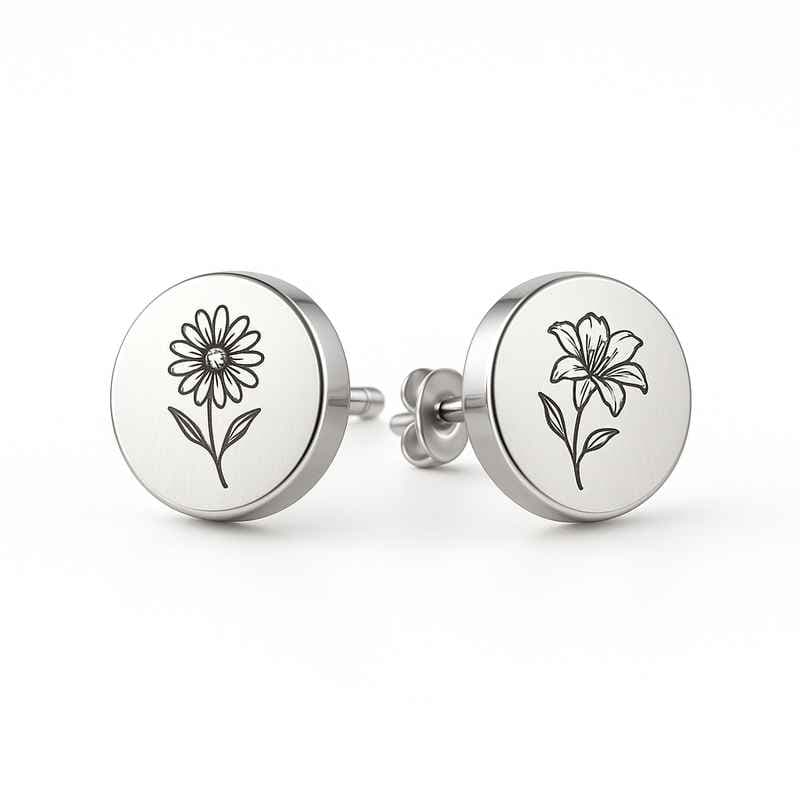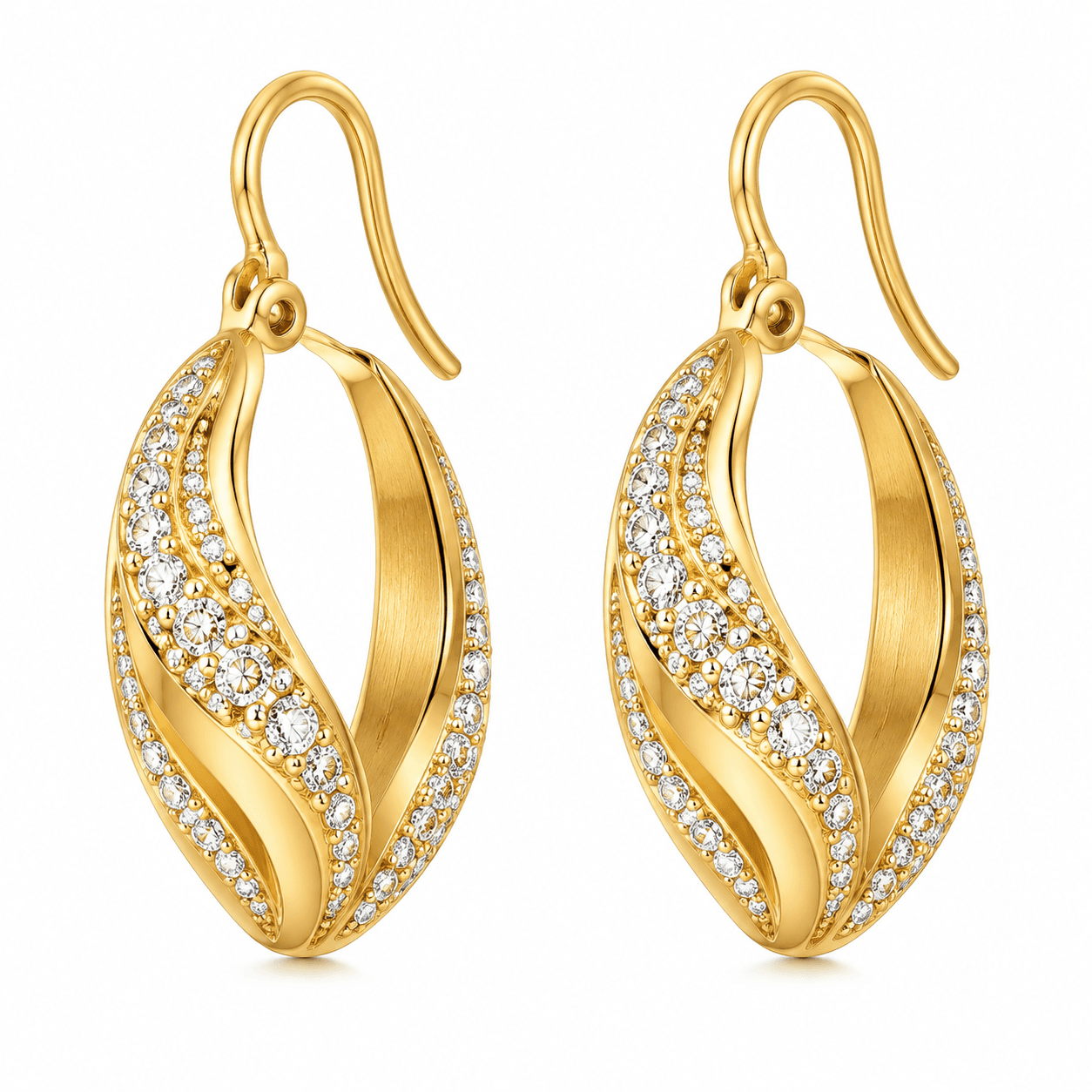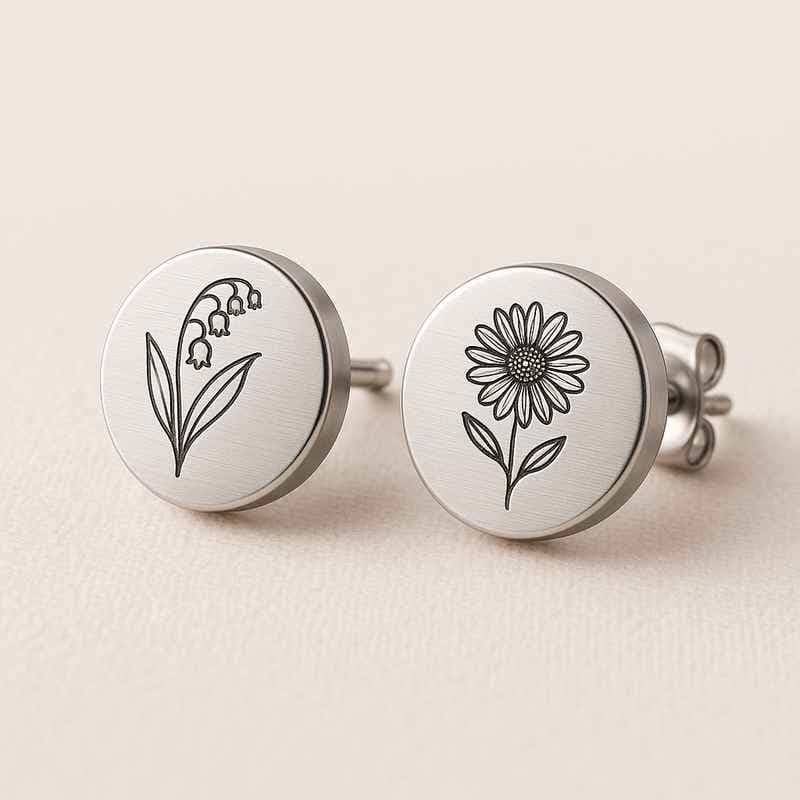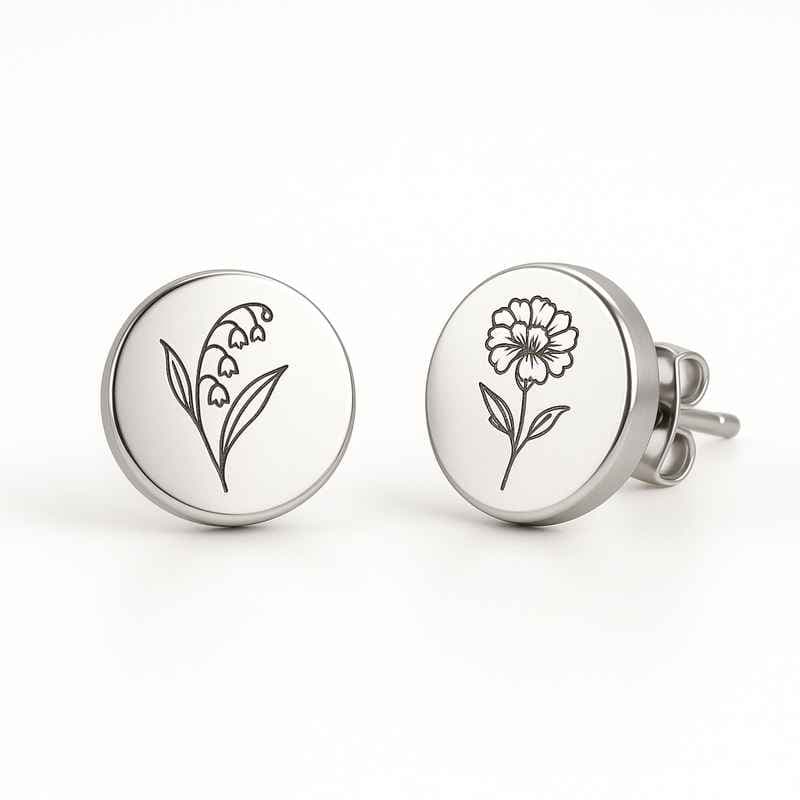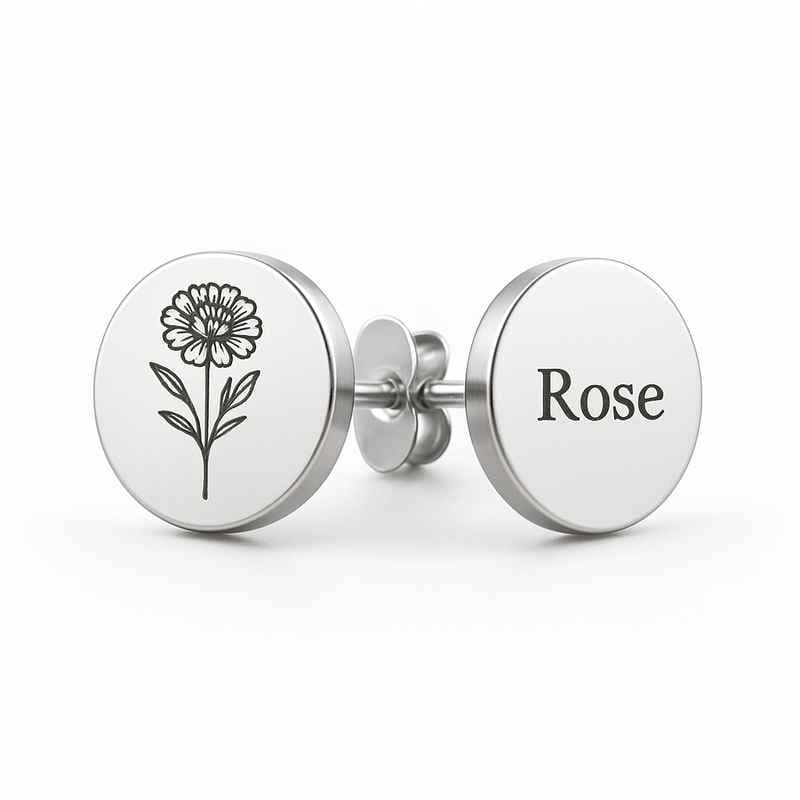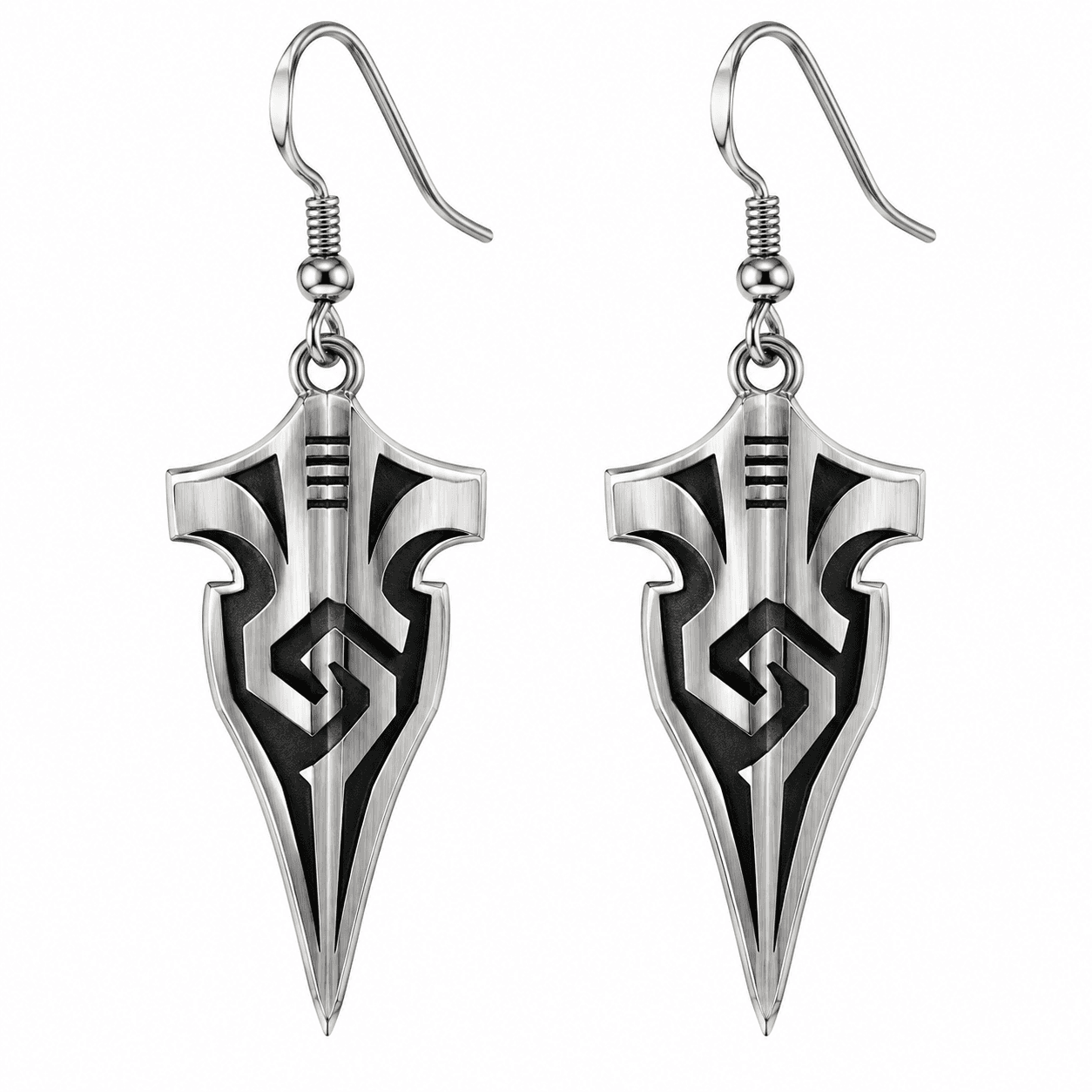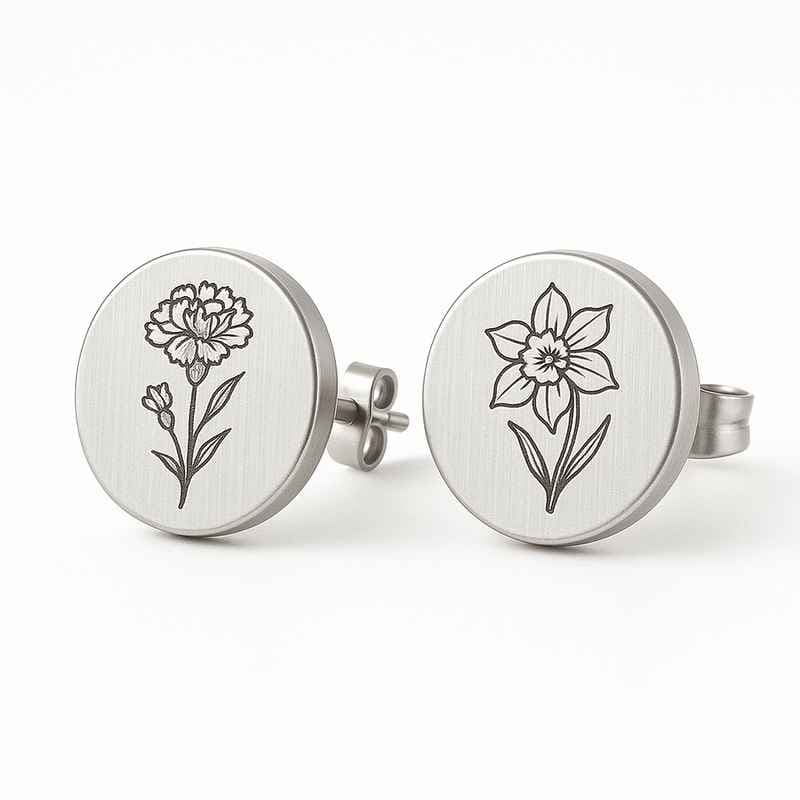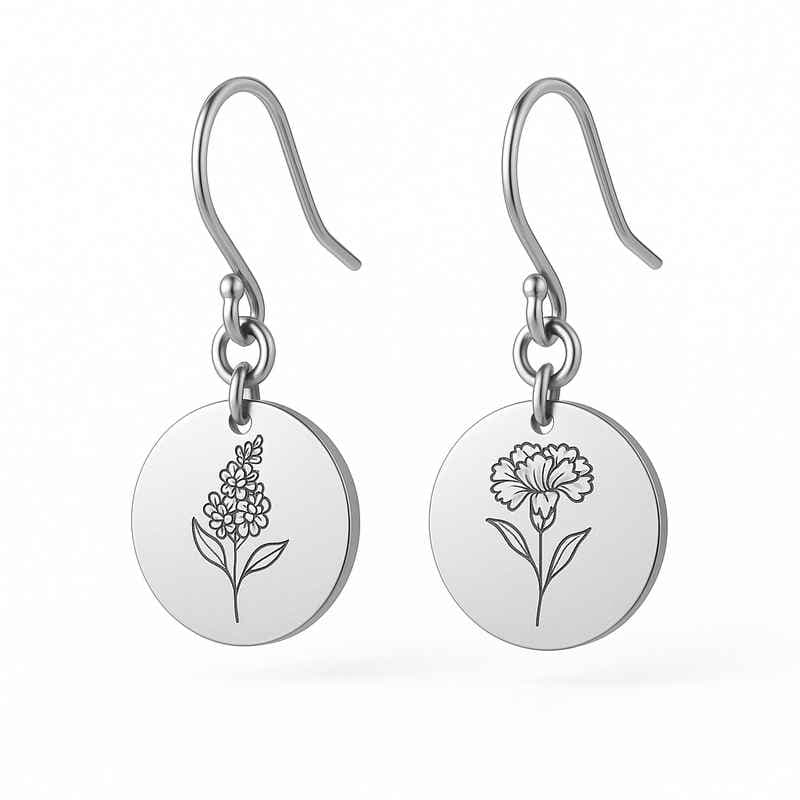
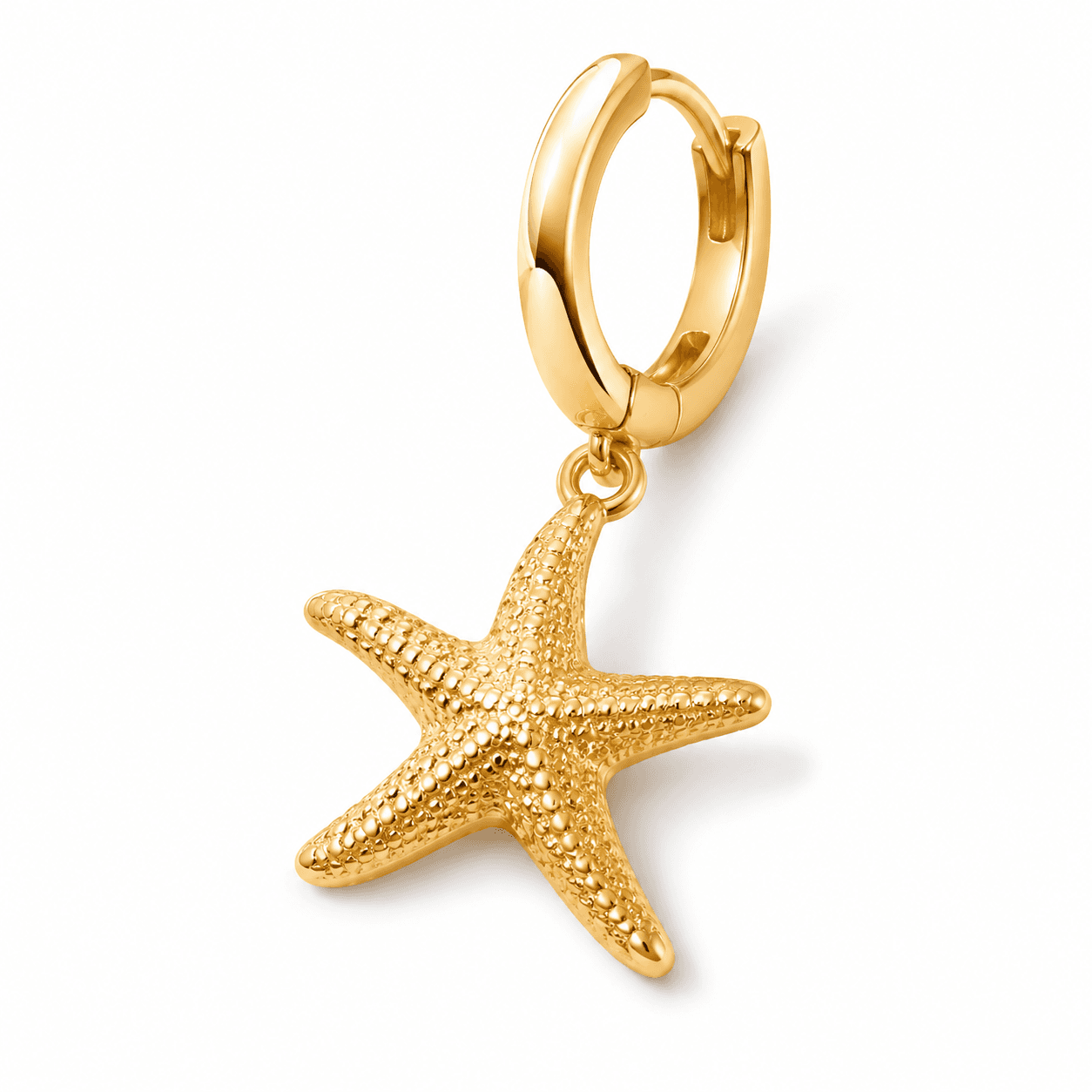
Reselling second-hand earrings can create inventory opportunities for jewelry distributors, wholesalers, and independent retailers. However, previously owned jewelry introduces challenges that can affect profitability, including inconsistent product condition, incomplete pairs, uncertain material information, hygiene concerns, and unpredictable stock availability.
This guide explains how B2B resellers can evaluate pre-owned earring inventory, establish consistent quality grades, calculate the actual cost per saleable pair, and develop transparent product descriptions and return policies. It also explores how newly manufactured 316L stainless steel earrings can complement second-hand merchandise when businesses need consistent specifications, repeat purchasing, and private-label product development.
For businesses exploring OEM and ODM sourcing, Lefeng Jewelry can be contacted to discuss project-specific manufacturing requirements, including material selection, sampling, finishing, customization, inspection, and packaging. Buyers should verify available processes, documentation, and commercial terms directly before placing an order.
1. Understand the Challenges of Reselling Pre-Owned Earrings
Before purchasing previously owned earrings for resale, distributors and retailers should understand the risks associated with inconsistent product condition and incomplete inventory. Unlike newly manufactured jewelry, pre-owned stock may contain mismatched pairs, missing backs, bent posts, surface scratches, worn finishes, or uncertain material descriptions. These variations make it difficult to maintain consistent product listings, establish reliable pricing, and meet customer expectations.
Start by categorizing incoming merchandise according to completeness and condition. Separate complete pairs from single earrings and incomplete sets. Record visible damage, loose decorative components, missing closures, finish deterioration, and other defects. Products with unverified material information should remain separate until their descriptions can be appropriately assessed. Establish written acceptance criteria before purchasing so that employees apply the same standards to every batch.
Profitability also depends on the total cost of making inventory ready for resale. Include acquisition costs, receiving, sorting, inspection, appropriate cleaning, replacement packaging, photography, listing administration, customer support, and potential returns. Calculate the actual number of saleable pairs rather than relying on the original purchase quantity. This provides a more realistic basis for purchasing decisions and resale pricing.
For distributors seeking more predictable inventory, newly manufactured stainless steel earrings may complement occasional pre-owned purchases. Wholesale manufacturing can provide an opportunity to establish agreed product specifications, develop repeatable designs, and plan replenishment orders. These two sourcing approaches serve different inventory requirements and should be evaluated separately.
2. Establish a Standardized Earring Inspection and Grading System
A consistent inspection procedure helps resellers determine which products are suitable for sale and which should be rejected or held for further assessment. Assign each incoming batch an inventory reference, record the quantity received, and inspect every pair individually. Examine symmetry, surface condition, posts, backs, closures, attachment points, and decorative settings. For earrings containing stones or pearls, check for visible damage, movement, or insecure components.
Develop a grading framework with clearly defined acceptance criteria. For example, a premium resale grade may indicate minimal visible wear, while a standard grade may allow minor cosmetic imperfections that are disclosed to buyers. Products with missing components, structural damage, or uncertain material composition should be categorized separately. Do not describe products as being in excellent condition without an inspection that supports the assessment.
Photograph representative products under consistent lighting and retain inspection records against their inventory references. Where individual items vary significantly, use photographs of the actual products rather than relying exclusively on representative batch images. This makes it easier to investigate complaints and identify recurring quality problems.
Hygiene procedures should account for the materials, finishes, and construction of each product. Establish appropriate handling and preparation instructions, and avoid applying cleaning methods that could damage plating, stones, pearls, or other decorative components. Do not describe a product as sterilized unless the specific treatment and supporting evidence are available.
For businesses considering newly manufactured alternatives, review stainless steel earrings and discuss material specifications, sample approval, finishing, and inspection requirements before confirming a wholesale project.
3. Track Saleable Inventory and Calculate Actual Resale Margins
Accurate inventory records are essential when purchasing mixed-condition jewelry. A batch containing 200 pairs may produce significantly fewer saleable products after inspection because of incomplete sets, missing closures, damaged components, or inconsistent designs. Record four separate quantities: merchandise received, merchandise inspected, approved saleable products, and items rejected or held for further review.
For each batch, maintain the purchase source, acquisition date, product description, verified material information, condition grade, storage location, and selling price. Use identifiable inventory references so that sales, returns, and customer complaints can be traced to the correct purchasing batch.
Consider a hypothetical purchase costing $600 for 200 pairs. If inspection identifies only 120 saleable pairs, the acquisition cost is $5 per approved pair, rather than the apparent $3 per pair based on the original quantity. If inspection, handling, and packaging add another $2 per approved pair, the working cost becomes $7 before marketing, shipping subsidies, transaction fees, and potential returns.
This calculation demonstrates why purchasing decisions should be based on inventory recovery rates rather than headline acquisition prices. Track average selling prices, gross margins, sell-through rates, return rates, and remaining inventory value. Compare these figures across suppliers and product grades to identify which purchasing sources offer commercially viable inventory.
Set maximum purchase prices using realistic resale performance and avoid committing to large quantities before testing a supplier's inventory quality. For products that require repeat replenishment, compare the economics of pre-owned merchandise with wholesale stainless steel jewelry manufactured against agreed specifications. A private-label sourcing project may also provide an opportunity to develop recognizable designs and coordinated packaging. Discuss sampling, logo customization, MOQ, pricing, inspection criteria, and production terms with prospective OEM/ODM suppliers before approving an order.
4. Improve Product Descriptions, Hygiene Communication and Return Policies
Accurate product descriptions reduce misunderstandings when customers purchase previously owned earrings. Every listing should identify whether the product is a complete pair or a single earring, describe its visible condition, disclose noticeable wear, and specify which components are included. Avoid unsupported claims about metal composition, plating, origin, or previous ownership history. If material information cannot be verified, communicate that limitation clearly.
Use photographs showing the front and back of each product, with close-ups of posts, closures, decorative settings, and visible imperfections. For wholesale transactions, provide batch-level condition records and explain whether photographs represent individual products or typical examples from the inventory. Consistent descriptions and images help purchasing teams evaluate stock before committing to larger quantities.
Hygiene communication is particularly important because previously worn earrings have direct contact with the ear. Explain your inspection and product preparation procedures without promising sterilization or specialized treatment unless documented evidence supports the claim. Products showing visible contamination, corrosion, or damage should be held for appropriate assessment rather than automatically prepared for resale.
Publish a written return policy covering the request period, eligible reasons, product condition requirements, authorization procedure, shipping responsibility, and available resolutions. Address missing components, incomplete pairs, inaccurate descriptions, and transit damage separately. Hygiene-related restrictions must comply with applicable consumer protection requirements in the relevant sales market.
For wholesale accounts, establish written responsibilities for quantity discrepancies, freight damage, product-description differences, and inspection findings. Retain order references, original product photographs, inspection records, and customer communications to support consistent decisions. Apply similarly clear documentation practices when purchasing newly manufactured earrings, including agreed specifications, quality checkpoints, packaging requirements, and any project-specific warranty arrangements.
5. Develop a Reliable Wholesale Earring Supply Strategy
Pre-owned earrings are generally available according to the supply of previously owned merchandise. This makes repeat purchasing, matching quantities, and consistent product specifications difficult. For distributors serving retail chains, boutiques, or established wholesale accounts, unpredictable replenishment can create problems when customers expect the same designs to remain available.
Separate your assortment into occasional resale opportunities and core products that require predictable sourcing. Use sales records to identify popular designs, preferred finishes, target price ranges, and recurring customer requirements. Avoid relying exclusively on irregular second-hand purchases for products that support ongoing retail commitments.
For core inventory, consider working with an OEM or ODM jewelry manufacturer to develop products based on agreed drawings, references, material specifications, and approved samples. Depending on the supplier's verified capabilities and project requirements, discussions may cover design development, CNC or laser processing, polishing, PVD finishing, enamel work, stone setting, logo customization, inspection, and packaging. Each requested process should be confirmed individually rather than assumed to be available for every product.
When evaluating a stainless steel jewelry manufacturer, request information about sample development, material specifications, MOQ, inspection checkpoints, packaging options, production arrangements, and export coordination. Evaluate physical samples for dimensions, weight, finish consistency, connection details, closure function, and decorative component quality. Confirm which inspection criteria will be applied during production and what supporting records can be supplied.
For businesses developing private-label collections across earrings, necklaces, bracelets, and rings, clarify the development scope, material requirements, customization options, and commercial terms before proceeding. Visit OEM and ODM manufacturing services to review the available service information, or explore new stainless steel jewelry designs for sourcing ideas.
6. Common Reselling Mistakes and Practical Ways to Avoid Them
One common mistake is purchasing merchandise based only on photographs without confirming its actual condition and quantity. Request itemized inventory information, representative photographs, and clear descriptions of missing or damaged components before committing to a batch. Where practical, inspect the merchandise or obtain an agreed sample.
Another mistake is treating the entire purchase quantity as saleable inventory. Maintain separate records for complete pairs, incomplete sets, damaged products, and items requiring additional assessment. Use actual recovery rates when calculating purchase limits and expected margins.
Inconsistent condition grading can also create customer disputes. Define grading terms internally and apply them consistently across listings, wholesale catalogs, and customer communications. Avoid unsupported claims about material quality, origin, durability, or product history. Make sure photographs accurately reflect the condition of the products being offered.
Do not overlook the cost of returns. Record the reason for every return, distinguishing missing components, inaccurate descriptions, transit damage, and customer preference. Review these patterns regularly to improve supplier selection, inspection procedures, product photography, and packaging. Keep warranty and guarantee language aligned with documented coverage and approved commercial terms.
Finally, avoid depending exclusively on irregular pre-owned inventory when building a scalable wholesale business. A mixed sourcing strategy can combine occasional resale opportunities with newly manufactured core products. Newly developed 316L stainless steel earrings may be worth evaluating when consistent specifications, repeat purchasing, logo customization, and private-label packaging are important. Explore Lefeng Jewelry's sourcing insights for additional jewelry product education, or review company information when evaluating a potential manufacturing relationship. Request relevant company, production, and project documentation directly before making a supplier decision.
Frequently Asked Questions About Reselling Second-Hand Earrings
Build a More Consistent Wholesale Earring Collection With OEM/ODM Sourcing
Successful resale of pre-owned earrings depends on accurate inventory records, consistent condition grading, transparent product descriptions, and practical return policies. However, distributors who need repeatable core inventory may also benefit from evaluating newly manufactured private-label stainless steel earrings. Combining occasional resale merchandise with planned wholesale sourcing can help businesses address different inventory and customer requirements.
Lefeng Jewelry is presented as an OEM/ODM sourcing option for distributors, wholesalers, boutique buyers, and jewelry brand developers. Buyers interested in working with the company should confirm the available product-development and manufacturing scope directly before proceeding.
To prepare a useful RFQ, provide your preferred earring style or product reference, design drawings or images, requested material such as 316L stainless steel, desired finish, dimensions, estimated quantity, target MOQ, logo requirements, packaging preferences, destination country, and required documentation. If you have an existing sample, include photographs and physical specifications to help communicate the project requirements. Identify your expected inspection criteria and any warranty or return terms that need to be agreed before production.
Before confirming an order, request clarification about sample development, applicable manufacturing processes, quality inspection checkpoints, packaging arrangements, export coordination, and project-specific commercial terms. Ask for relevant company information and supporting documentation as part of your supplier evaluation. Start your inquiry through Contact Lefeng Jewelry, review OEM/ODM manufacturing services, or add relevant products to your Quote List to prepare your wholesale inquiry.