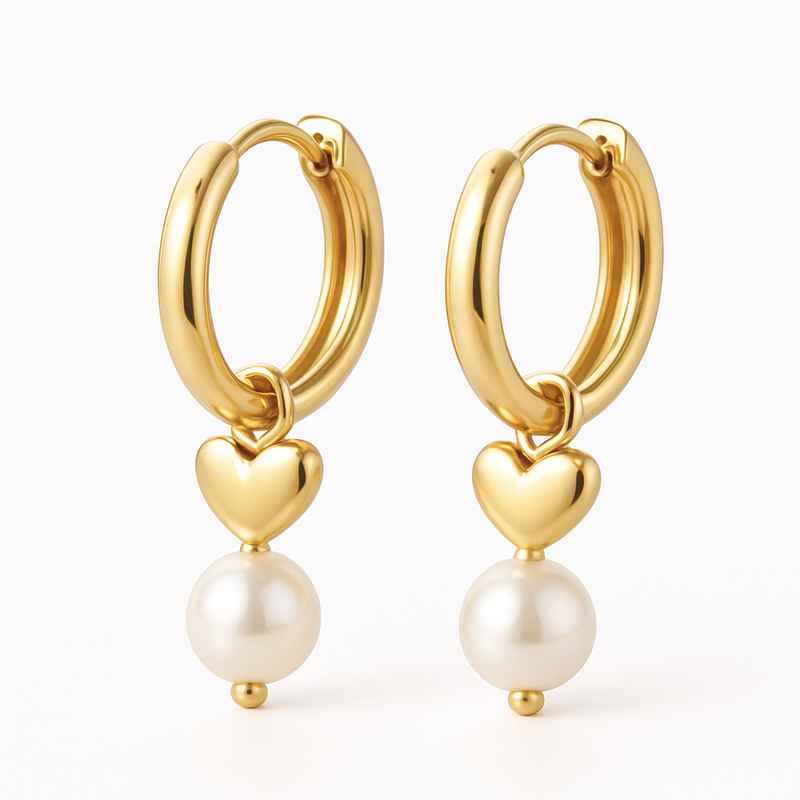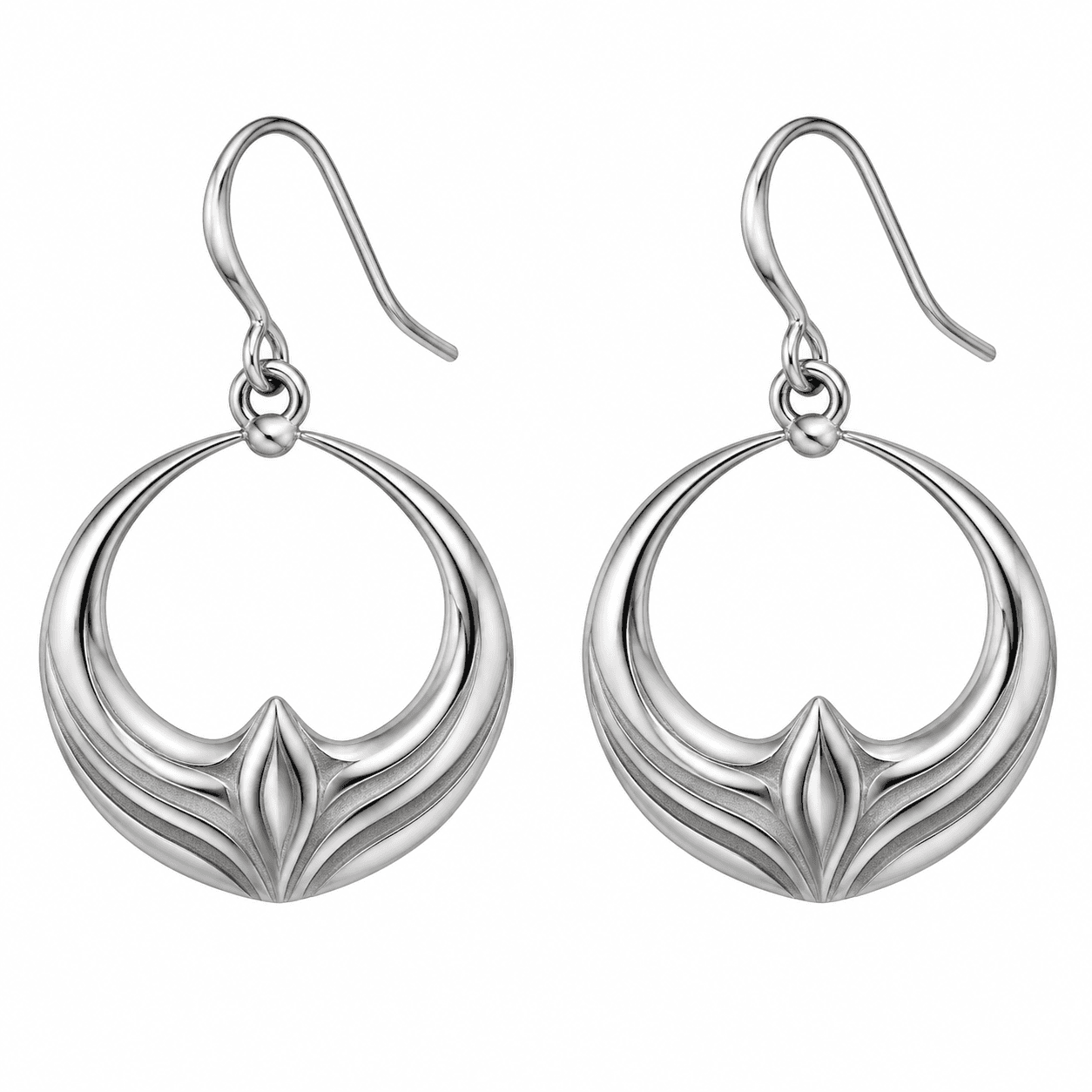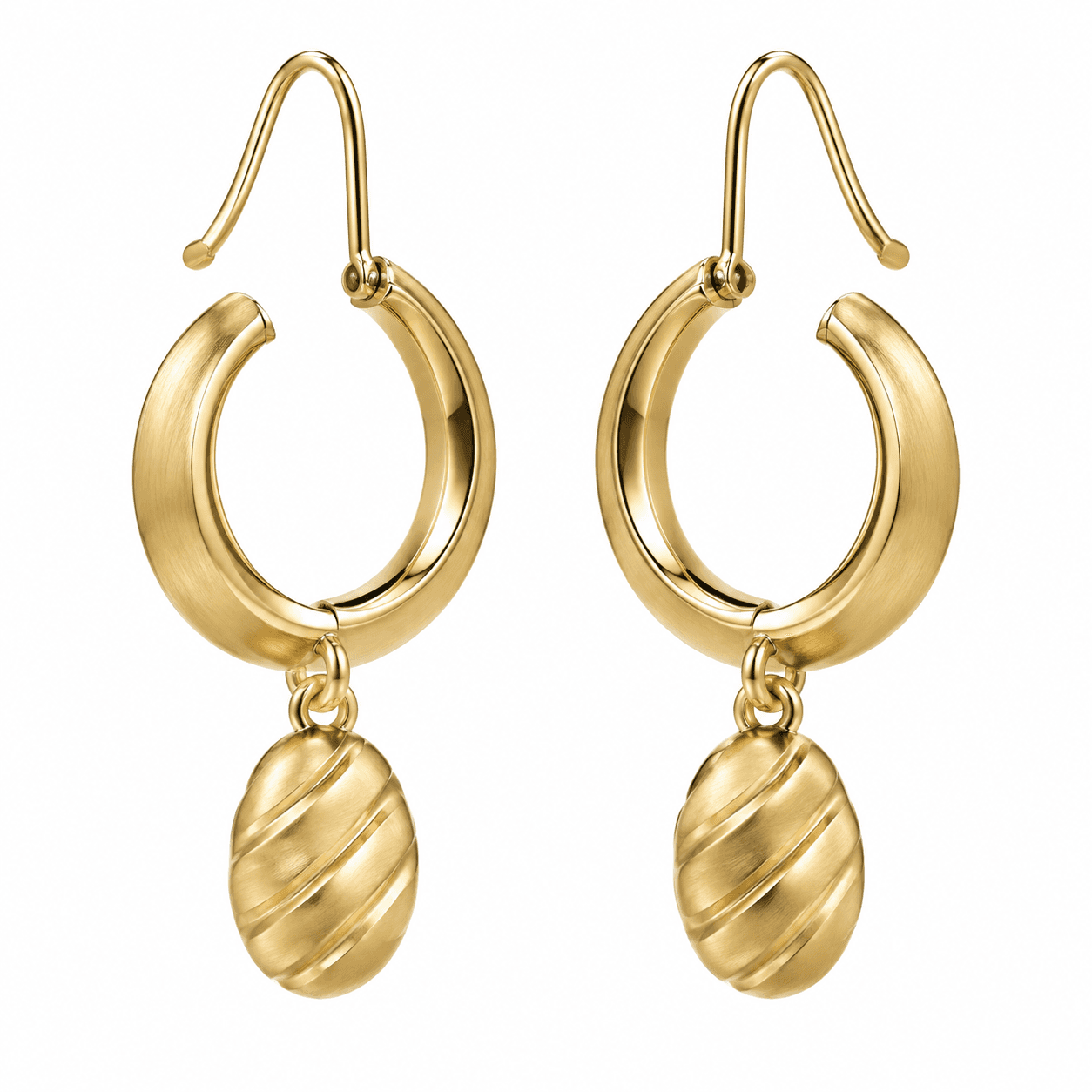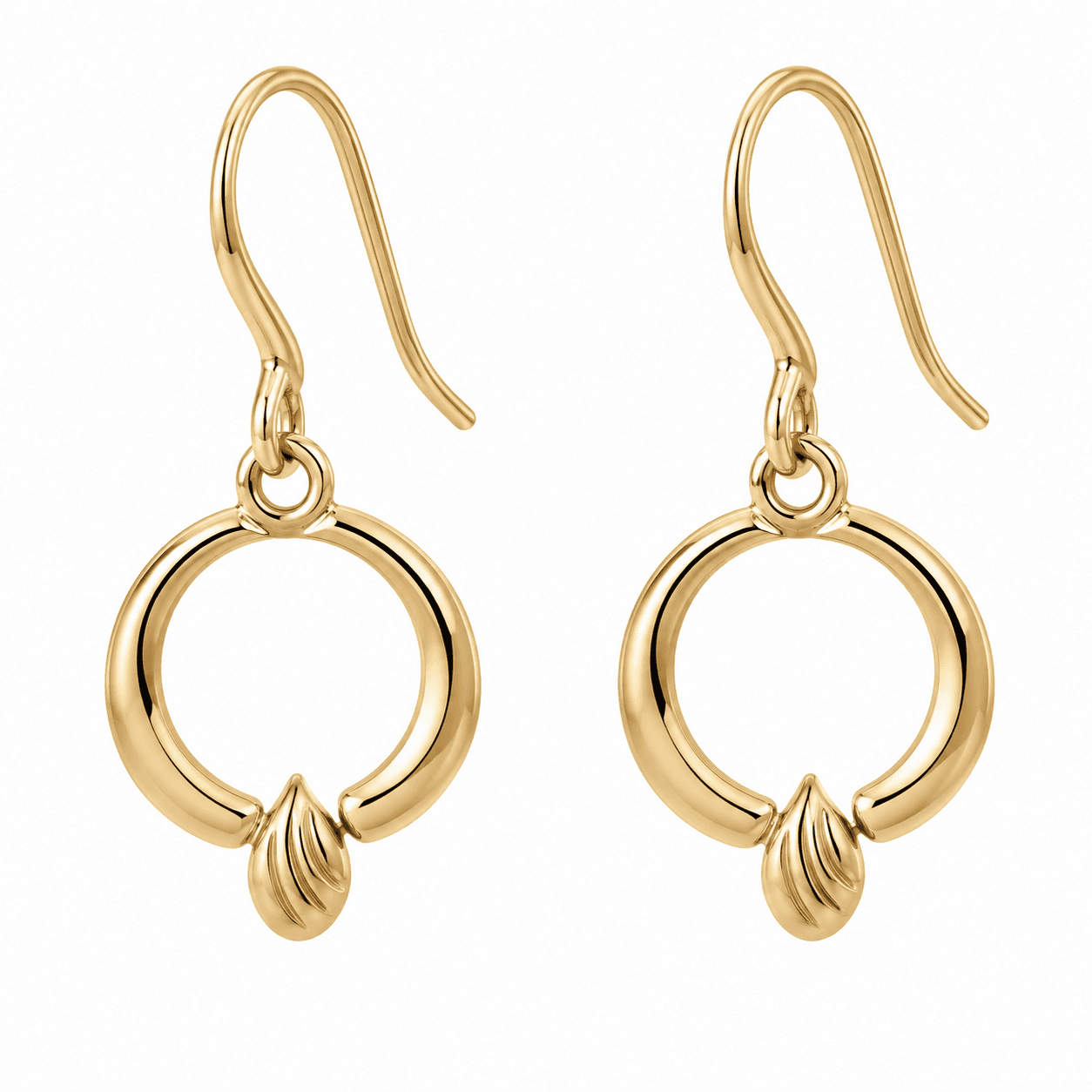
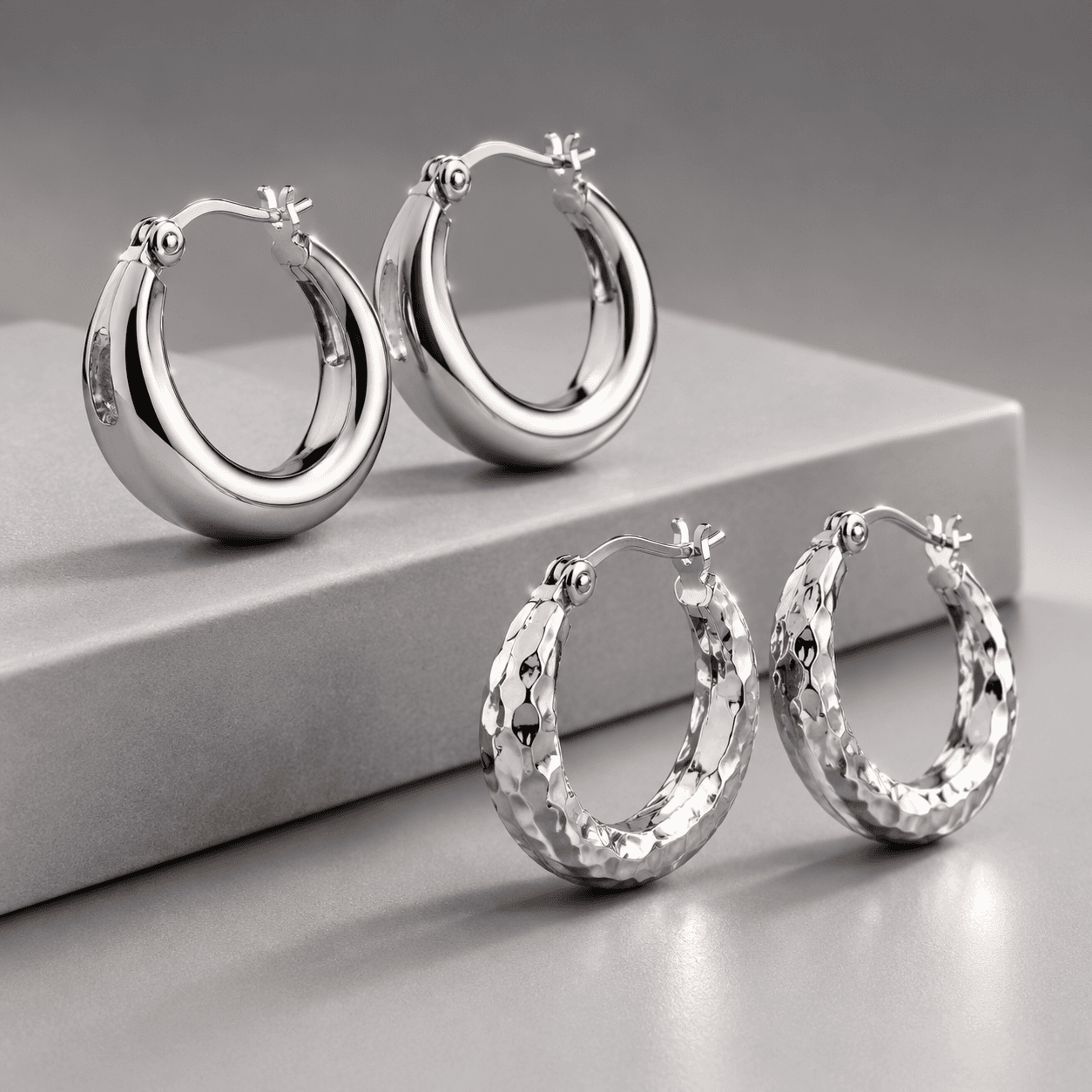
For buyers sourcing hoop earrings marketed as hypoallergenic, the first step is to define the material and construction precisely rather than treat the term as a guarantee about wearer response. Sensitivity can vary, and a finished earring may include a hoop body, post, hinge, closure, decorative components, and surface finish. Consider each part in the specification. This guide helps jewelry brands, wholesalers, and sourcing teams prepare a clear brief for sample development and production review.
Lefeng Jewelry offers OEM/ODM development and manufacturing support for stainless steel jewelry. Its stated capabilities include design development, sampling, CNC and laser processing, polishing, PVD and plating, quality control, custom logo work, packaging, and export coordination. Confirm which services apply to the proposed design and order. Use this guide to prepare an RFQ for a private-label earring collection. Material suitability and any requested documentation should be assessed against the confirmed design and applicable market requirements.
How B2B Buyers Should Evaluate Hypoallergenic Hoop Earrings
When a buyer searches for hypoallergenic hoop earrings, the useful sourcing question is which materials, components, finishes, and documentation should be specified for the intended product and market. “Hypoallergenic” is not a universal material grade or a guarantee that every wearer will avoid a reaction. Sensitivity varies. The complete earring matters, including the hoop body, post, hinge, closure, and any applied finish or decorative element. Make the terminology in product listings consistent with the evidence and claims approved for the final configuration.
Start an RFQ with the intended base metal, finish, construction, target market, planned order range, and any buyer-defined material restrictions. 316L stainless steel and 304 stainless steel are available options within Lefeng Jewelry’s configured manufacturing scope; 925 sterling silver, copper, and zinc alloy may also be evaluated where they suit the project. A stainless steel jewelry factory can review the proposed design and discuss what information applies to the selected material and process. See OEM/ODM services and Lefeng Jewelry’s factory information for manufacturing context.
This is a product development and sourcing guide, not medical advice. If a retailer, importer, or market requires specific material restrictions, testing, or documentation, state the requirement and its intended scope before sample approval. Do not infer a certification, test result, or compliance outcome from a material name alone. A clear brief helps the manufacturer assess feasibility and gives the buyer a defined basis for reviewing the sample and any available project documentation.
Material and Component Specifications for Hoop Earrings
Material selection affects product construction, finish planning, product descriptions, and the evidence a buyer may need to review. The base metal, component geometry, surface preparation, and finishing sequence all contribute to the final article. 316L stainless steel is one possible starting point for a design brief, while 304 stainless steel is another configured option. Choose based on the design, target price position, intended market, and buyer requirements rather than assuming one grade suits every wearer or use case.
Identify the material of each relevant component separately. For hoop earrings, this may include the hoop, post, hinge, closure, and decorative setting. If the design includes PVD gold plating, rose gold plating, enamel, zircon, crystal, or pearl, list where each finish or element appears. PVD describes a finishing process; it does not identify the underlying metal. Component-level detail allows the manufacturer to assess construction and lets the buyer compare the sample with the intended specification.
For private label jewelry, compare a polished stainless steel sample with a requested plated finish if appearance is a key buying criterion. Record the chosen color, surface appearance, and parts to be finished. Ask what project-specific material or process information can be reviewed for the exact configuration. Browse the stainless steel earrings category for product development context; final materials and finishes remain subject to technical review and written approval.
Hoop Geometry, Closures, and Wearer-Focused Design Review
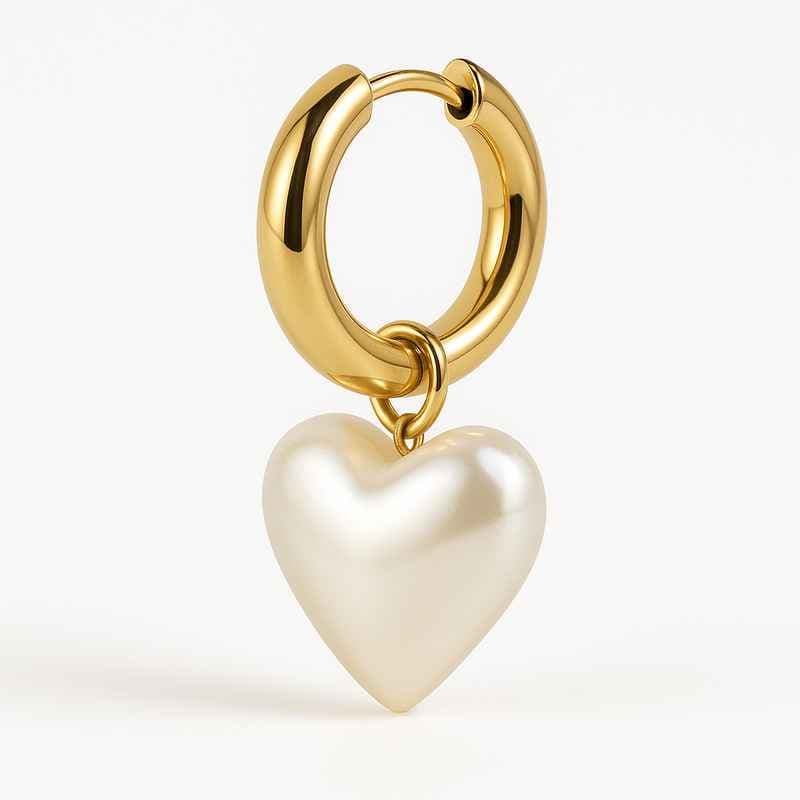
Hoop construction should balance the intended silhouette with repeatable assembly and functional connections. In a drawing or brief, note the hoop diameter, wire or tube profile, opening, hinge location, post alignment, and closure type. A closure should be assessed on the physical sample rather than judged only from a front-view image. For a pair, define expected symmetry in dimensions, finish, and decorative placement so the approval criteria are unambiguous.
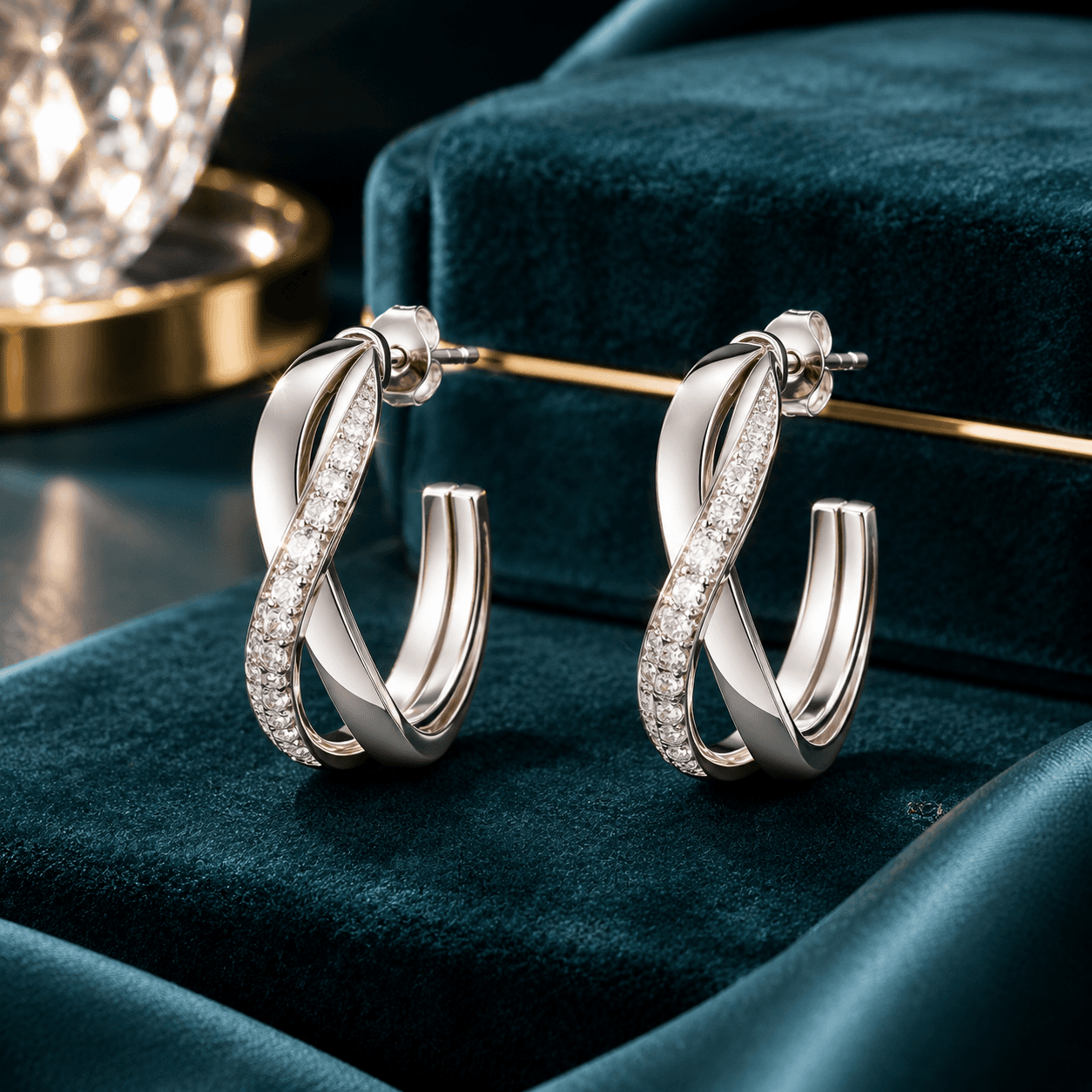
Comfort-related design considerations can be included as measurable review points without making medical claims. Buyers may assess the hoop profile, edge transitions, weight, contact area, and closure position on a sample. If the design includes pearl, zircon, crystal, or enamel, show its location and attachment method. Keep each part identifiable in the specification so the sample can be reviewed for clean finishing, plausible connections, and intended movement.
Useful design inputs include dimensioned sketches, reference measurements, close views of the hinge and closure, the requested finish, and pair-matching criteria. Lefeng Jewelry’s OEM/ODM development can include CNC and laser processing, polishing, and stone setting where applicable. Feasibility depends on the confirmed design, materials, and construction. Agree any design adjustments during sample development, then document the approved version so production and quality control teams have a consistent reference.
OEM Sample Development and Approval
A useful sample plan turns a concept into decisions that can be checked. Send clear reference views or a drawing, target dimensions, base metal, finish, component breakdown, closure details, target market, and order context. Separate essential requirements from features open to adjustment. For example, a buyer might compare a polished surface with PVD gold plating while keeping the hoop dimensions and closure consistent, making it easier to assess each version.
During jewelry sample development, review the complete pair under neutral lighting. Check roundness, alignment, hinge action, post placement, edge transitions, surface uniformity, and any decorative setting. Record comments by view, component, or measurement so revisions are actionable. When approving a sample, identify the version and document its agreed materials, finish, dimensions, closure, and decoration. The approved sample and specification can then guide production checks and packaging review.
Raise documentation questions before the project specification is finalized. If a buyer needs a test report or other record for a defined material, finish, or market, provide the requirement and ask whether it can be reviewed or arranged for the confirmed configuration. Scope and availability should be established directly; they should not be assumed. Lefeng Jewelry coordinates in-house sampling and factory communication to support practical prototype review and revision planning.
PVD Finishing and Surface Quality Review
Finish selection changes both appearance and what should be tracked in the product specification. A polished stainless steel surface, PVD gold plating, and rose gold plating are distinct finish choices. State the requested color and surface appearance, list the components to be finished, and note any boundaries or mixed-finish details. If the pair must match closely in tone and placement, include that expectation in the sample review criteria.
Inspect the sample for visible color variation, coverage, surface marks, transitions, and finishing around edges, joints, and decorative settings. These are practical visual checkpoints, not a promise of a specific test result or wear-life outcome. Discuss the relevant manufacturing sequence and inspection points for the confirmed design. If enamel or a stone setting is included, review its application, positioning, and attachment as part of the complete earring rather than as a separate visual detail.
Buyers planning wholesale stainless steel jewelry should record the approved finish reference in the order specification and retain the approved sample or an agreed visual record for comparison. Ask whether project-specific documentation is relevant to the base metal and finish selected. Clear references help connect the concept, approved sample, and bulk order while keeping technical claims tied to evidence for the actual configuration. For additional sourcing guidance, visit buyer education and manufacturing insights.
Quality Control, Packaging, and Production Planning
Quality control starts with criteria that can be checked against the approved specification. For hoop earrings, useful checkpoints include component identity, dimensions, pair matching, hoop shape, closure function, post alignment, surface finish, and the placement and attachment of decorative details. The buyer and manufacturer should agree which features need visual review or measurement for the specific order. Inspection criteria should reflect the design and refer to the approved sample rather than relying on a general product description.
Lefeng Jewelry incorporates quality inspection into its configured manufacturing process, alongside sampling, finishing, and packaging review. This describes available process support, not a claim that a particular batch has passed a test or achieved a stated result. Buyers can ask how the approved sample will be used as a production reference and which inspection records can be supplied for the defined project. Any compliance review should identify the applicable market, requirement, materials, and finish.
Before production, confirm logo engraving or other custom logo work, private-label packaging, pair count, labeling information, and export coordination needs. Packaging should protect the finished earrings and match the buyer’s approved presentation brief. Lead time depends on design complexity, sampling and revision requirements, production quantity, finishing, and packaging. Request a project-specific schedule after the specification and order details are reviewed. See new stainless steel jewelry designs for development starting points.
Wholesale and Private Label Sourcing Decisions
Organize a sourcing brief around product construction, material, finish, quantity planning, packaging, and evidence needs. Identify whether the project is a new OEM design or ODM development, and provide drawings, measurements, closure details, and decorative component information. State the intended sales market and any retailer or buyer restrictions. If a document is required, name it and explain which material or process it needs to address so its scope can be reviewed early.
Discuss commercial terms against the completed brief. Share the target order range and ask about MOQ, sample costs or requirements, logo engraving, private-label packaging, and export coordination. MOQ and lead time can vary with design, materials, finish, quantity, and packaging; neither should be assumed without project review. Factory-direct communication can clarify feasibility questions before sampling, including whether a requested finish or component arrangement needs adjustment.
For a coordinated assortment, consider how the hoop design fits a broader earring collection or a jewelry set. Buyers can also review stainless steel necklaces when planning related products. Confirm each item’s construction and sample independently, while keeping agreed material, finish, logo, and packaging standards consistent across the collection where appropriate.
Frequently Asked Questions About Hypoallergenic Hoop Earrings
Request an RFQ or Hoop Earring Sample
Prepare a concise brief so Lefeng Jewelry can assess your OEM/ODM hoop earring project. Include sketches or reference views, dimensions, component materials, finish requirements, closure details, target market, planned order range, and sample needs. Note pair-matching criteria, logo engraving, private-label packaging, and any documentation requirements you want reviewed. If you are considering 316L stainless steel, specify which components it should cover.
Ask about MOQ and lead time against the confirmed design, finish, quantity, and packaging plan rather than assuming standard terms. Lefeng Jewelry supports in-house sample development, CNC and laser processing, polishing, PVD and plating, enamel and stone setting, quality inspection, custom logo work, packaging, and export coordination where applicable to the project. Send your inquiry through Contact Us, or add relevant products to the Quote List to organize an RFQ.
Related resources
Related resources
- 316L Stainless Steel Earrings for Sensitive Ears: A B2B Buyer’s Quality Checklist
- Lefeng Jewelry - OEM/ODM Stainless Steel Jewelry Manufacturer
- Wholesale Stainless Steel Jewelry: Quality, Sourcing, and Private-Label Guide for OEM/ODM
- Gold Plated Stainless Steel Jewelry: Durability and Sourcing Guide
- Stainless steel jewelry gift ideas: Retail design trends guide
- How to Evaluate Quality in Stainless Steel Charm Bracelets
- Why Is Stainless Steel Heart Charm Waterproof? 316L Guide
- Is Stainless Steel Jewelry Waterproof? Quality Tests Guide
- Can You Shower With Stainless Steel Necklace? A Buyer’s Guide
- What Buyers Should Know About Minimalist Stainless Steel Necklace Styling for OEM/ODM Partnerships