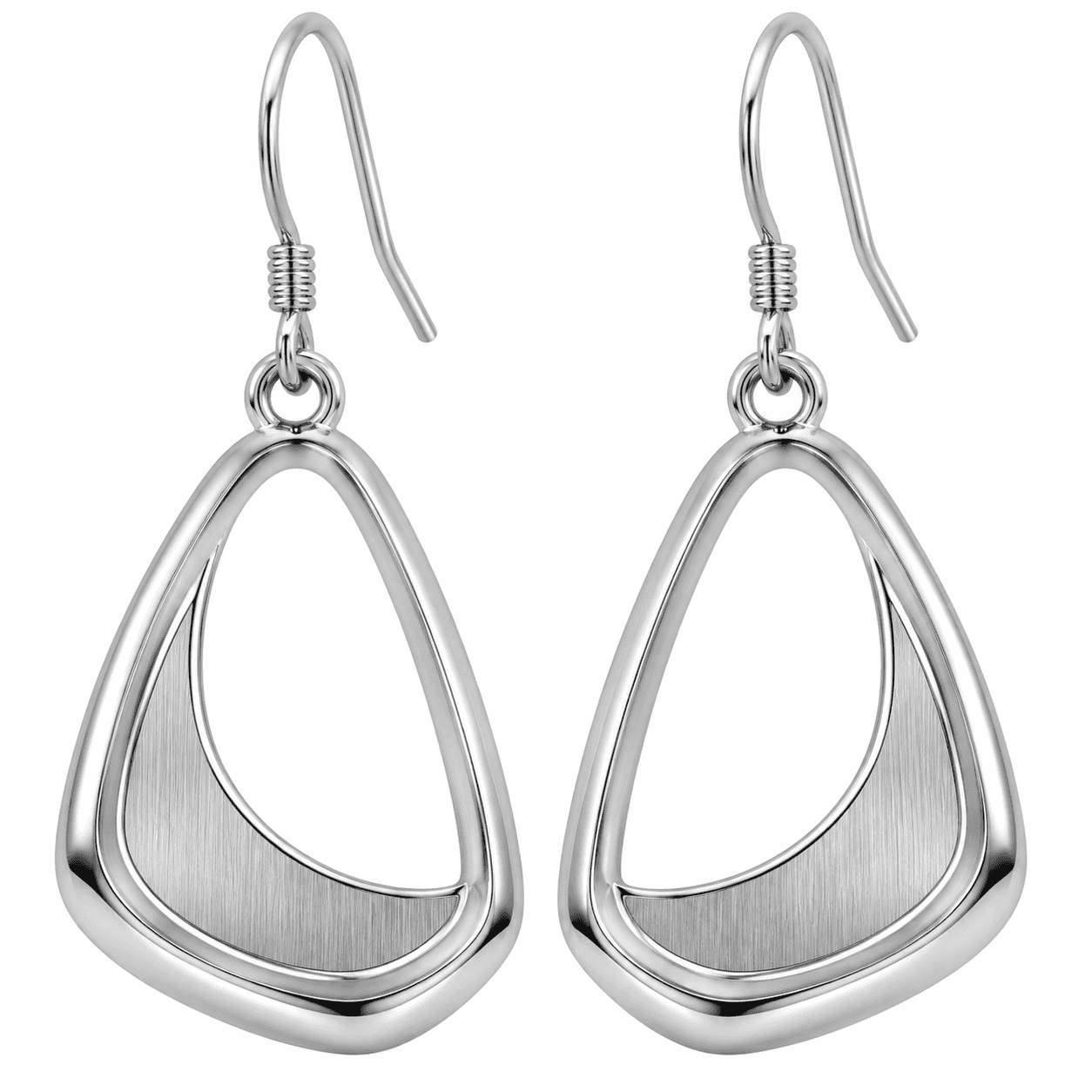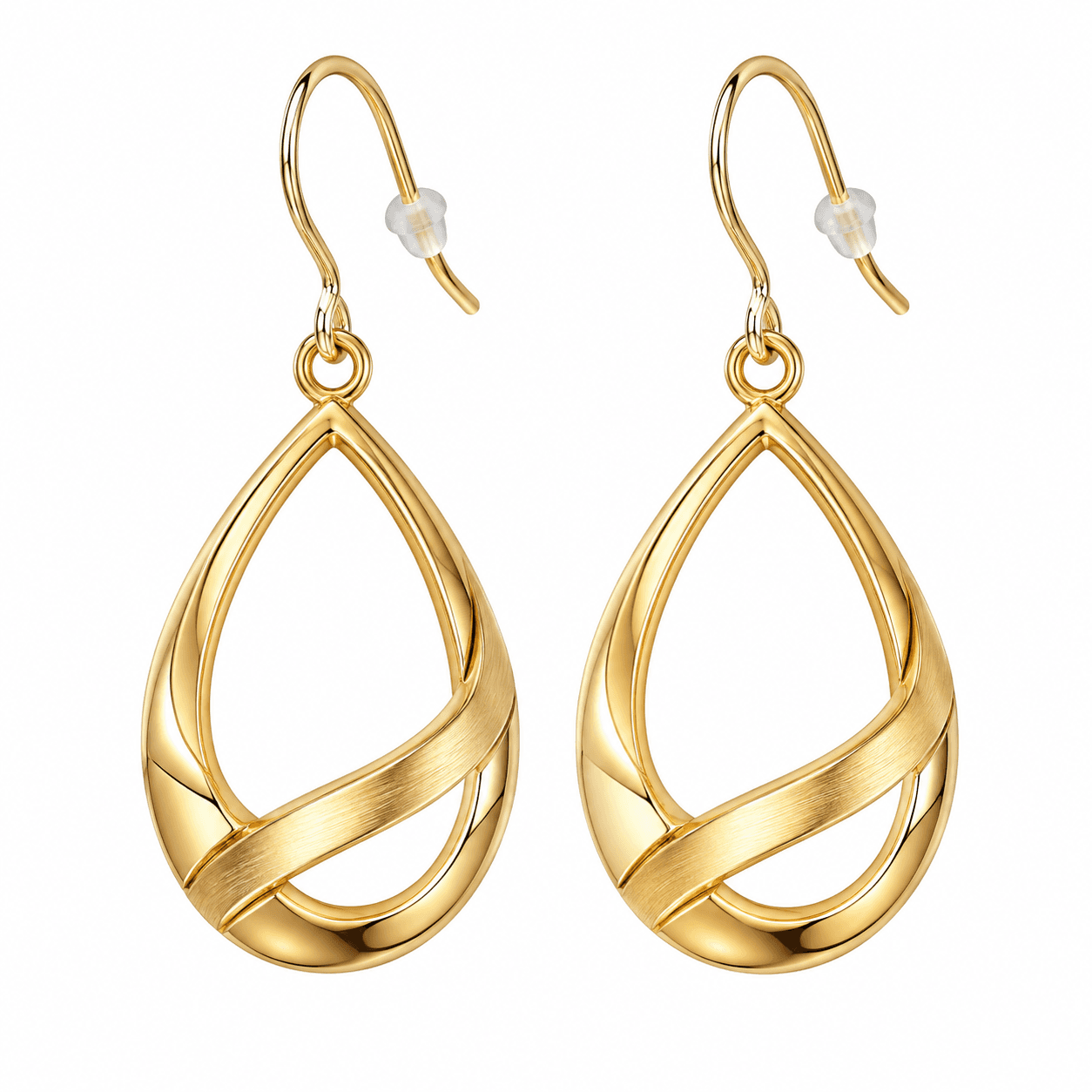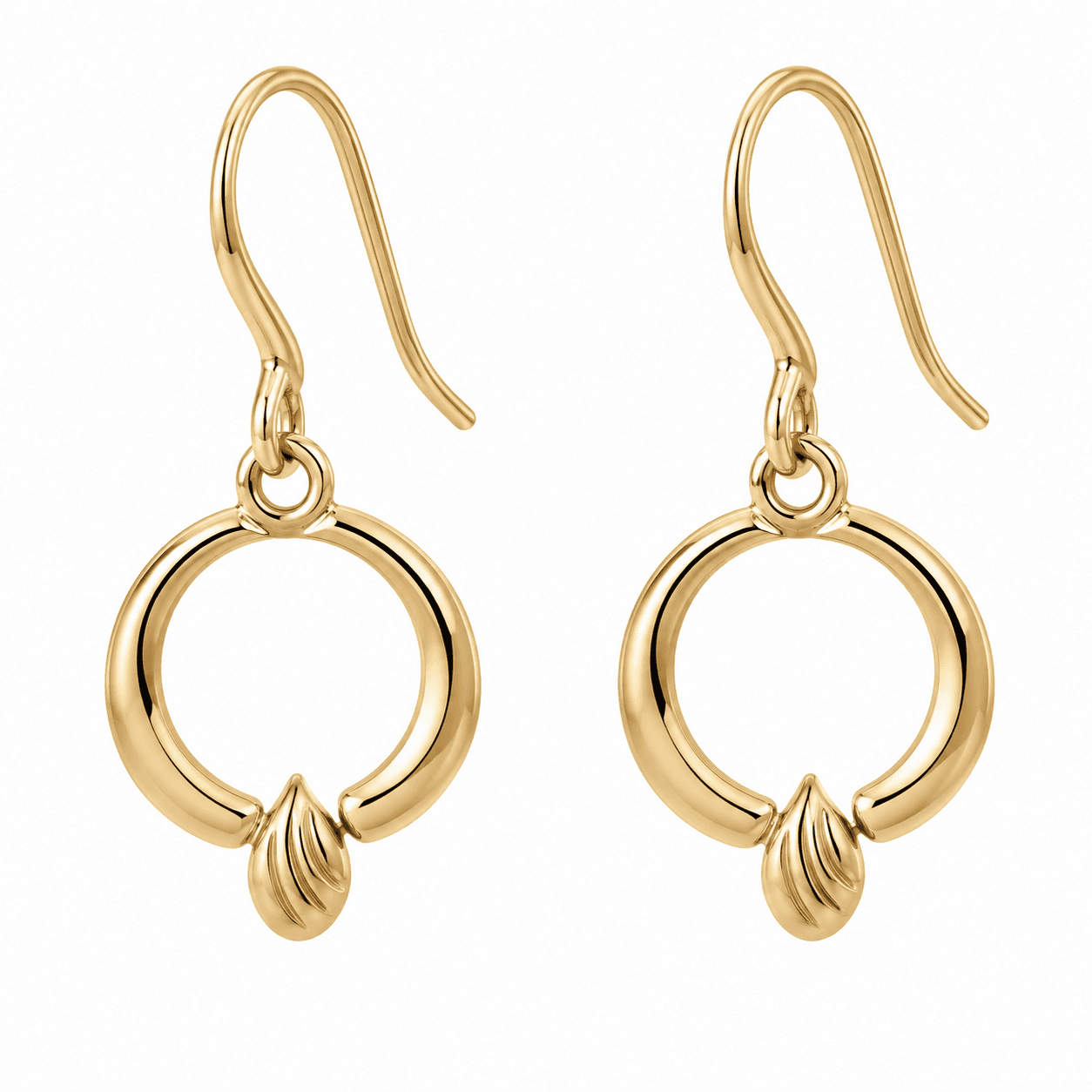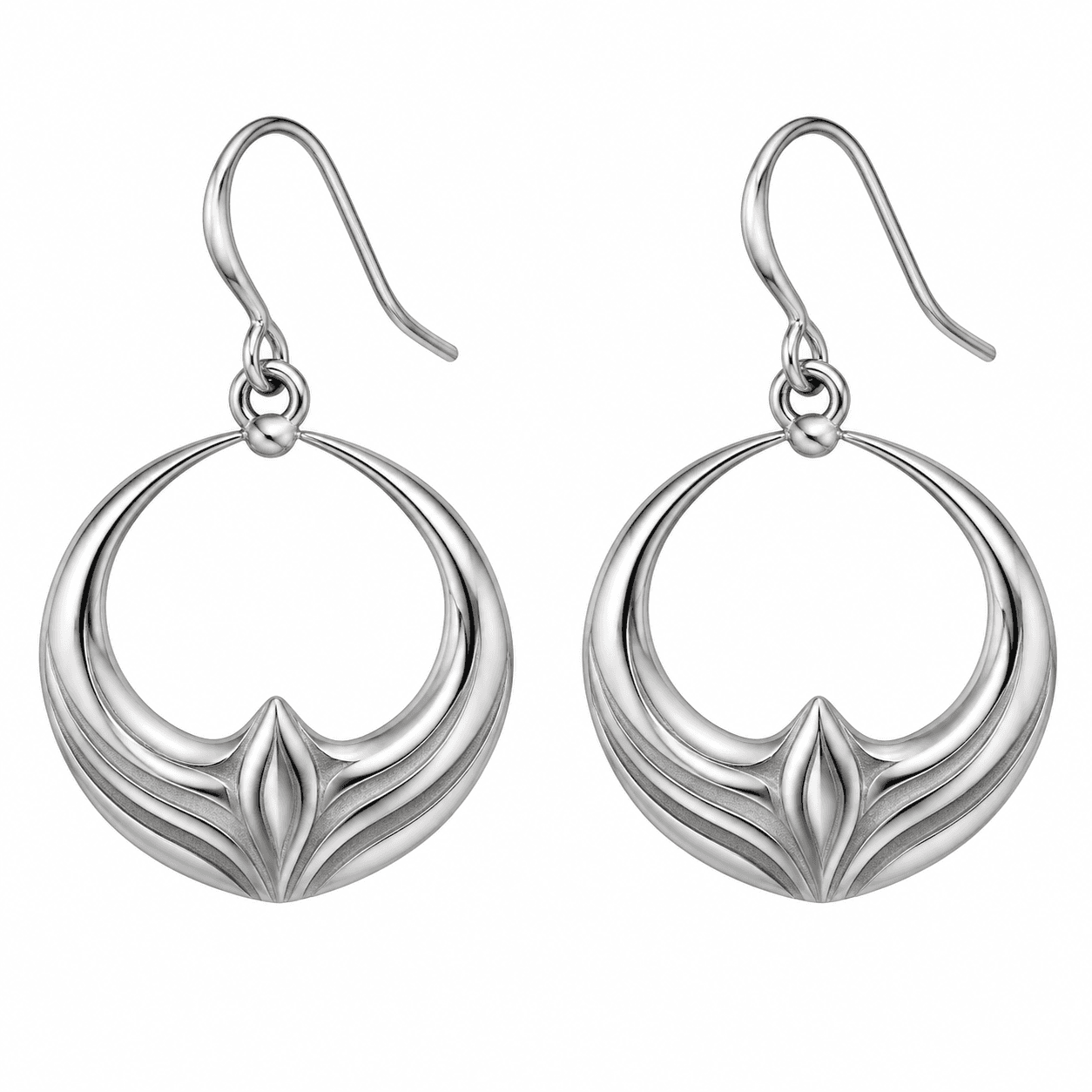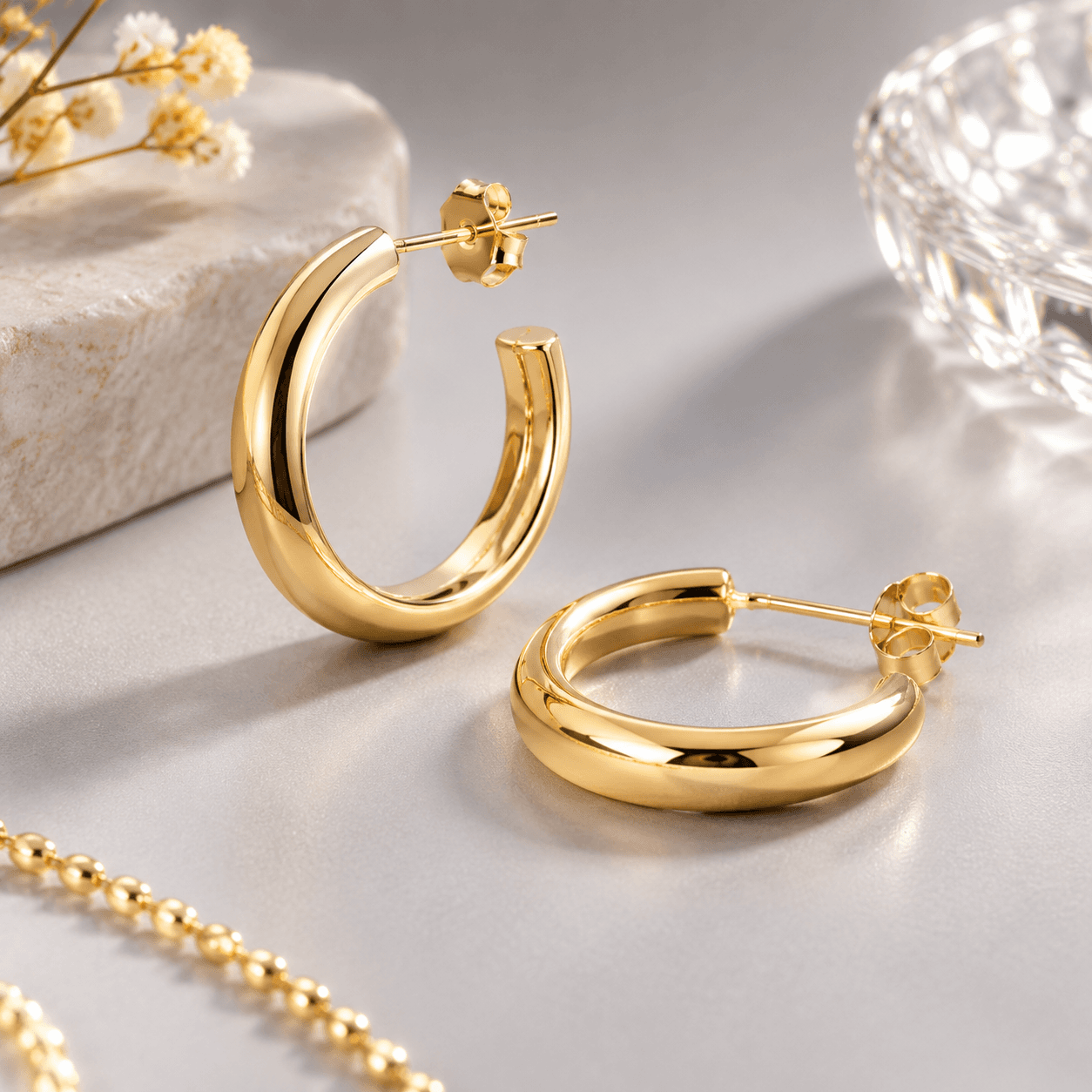
Hypoallergenic hoop earrings for sensitive ears begin with a careful look at the metal, the finish, and the parts that touch the ear. No material can be assumed to suit every wearer, so buyers should treat “hypoallergenic” as a product specification to verify rather than an automatic guarantee. 316L stainless steel is one material option for hoop designs; composition, surface condition, plating, and individual sensitivity all matter.
For fashion brands and sourcing teams, OEM and ODM development involves defining the product specification, reviewing samples, and agreeing on finishing, quality control, logo, packaging, and export requirements. This guide explains how to assess material choices and production details for a private label or wholesale collection, and what information to confirm before approving samples.
How to Evaluate Hypoallergenic Hoop Earrings for Sensitive Ears
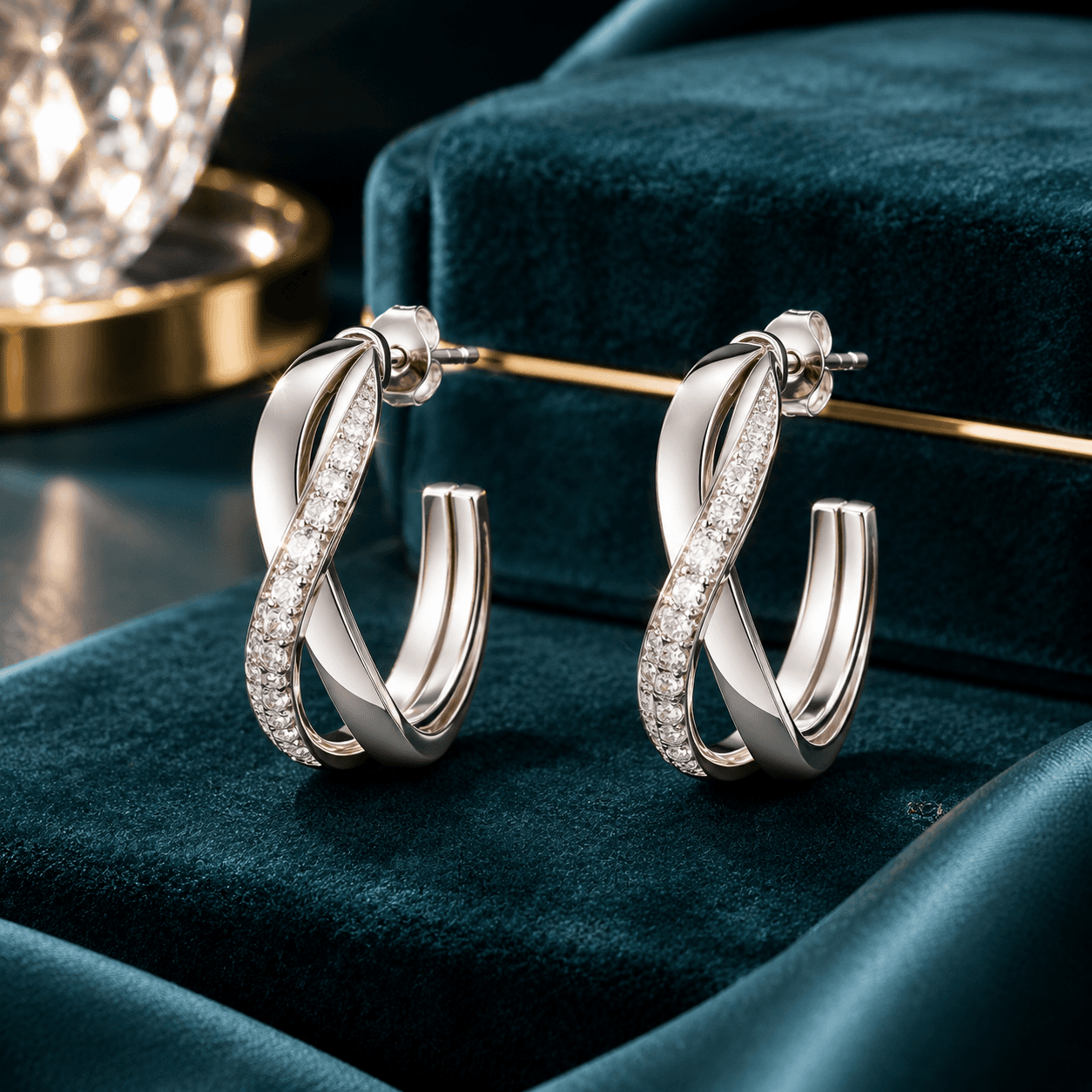
When evaluating hypoallergenic hoop earrings for sensitive ears, start with a precise question: which parts of the finished earring contact the wearer, and what materials and finishes are specified for those parts? The hoop, post or hinged segment, closure, and any applied finish should be considered separately. A product name alone does not identify the alloy or establish how a particular person will respond.
316L stainless steel is a common material option for B2B earring development because it can be formed and finished for a range of hoop structures. The exact grade and construction should be confirmed in the approved product specification. A reference drawing, dimensions, and finish brief can help guide sample development and review.
Use this guide to compare material declarations, finish choices, closure construction, and documentation needs. For product options, see OEM ODM stainless steel earrings; for manufacturing scope, visit OEM/ODM manufacturing services.
Material and Finish Details That Affect Wearability
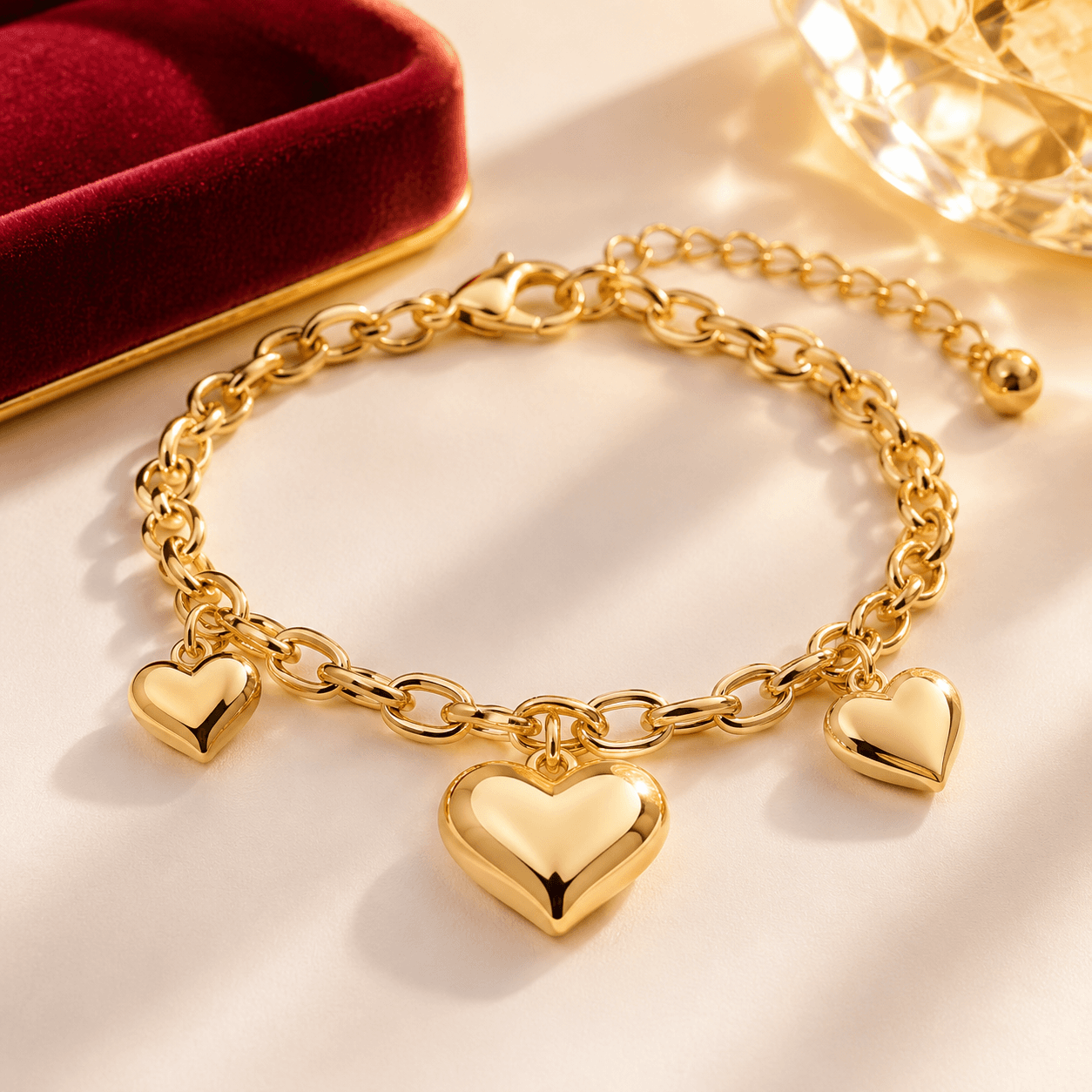
Material selection is only one part of comfort and wearability. A buyer should review the base material, the surface finish, and the physical design together. For a 316L stainless steel hoop, request confirmation of the specified material for each component, including any separate post or closure component. If the design includes PVD gold plating or rose gold plating, clarify which surfaces receive the finish and how the sample will be checked for even coverage and visible defects.
“Hypoallergenic” is not a universal result that can be inferred from a material name. Individual sensitivities vary, and evidence requirements depend on the destination market and the claims a brand intends to make. If a certification, test report, or compliance result is needed, define the requested documentation and relevant specification before production; availability and applicability must be reviewed for the confirmed project rather than assumed.
For sourcing, put the intended wear-contact components, base metal, finish, and any documentation request in the RFQ. This gives the ODM jewelry supplier a workable brief and helps prevent a sample from being approved against an incomplete material description.
Hoop Construction, Closure, and Quality Checkpoints
Hoop construction influences how the product opens, closes, and sits on the ear. Buyers should inspect the complete sample for a smooth profile, aligned ends, secure closure action, and a post or hinged connection that functions as specified. For small hoops and huggie-style forms, tolerances and closure geometry can be especially noticeable during handling, so the approved sample should represent the intended production construction.
Practical checkpoints can include confirming sample dimensions against the approved drawing, reviewing the metal surface under consistent lighting, checking the closure repeatedly during sample evaluation, and verifying that packaging protects the item. These are process checks, not a claim of a particular test result.
Share target hoop diameter, wire or band profile, opening method, finish, and any decorative details when requesting jewelry sample development. If the design includes enamel, zircon, crystal, or pearl, specify placement and attachment expectations so the sample can be reviewed for both appearance and construction.
A Practical Specification and Sample Approval Workflow
A buyer-ready specification makes material and finish review more repeatable. Record the material for each component, hoop dimensions, profile, closure type, surface finish, color reference where applicable, logo placement, and packaging needs. Add clear drawings or marked-up reference images when available, and distinguish essential requirements from options that can be assessed during sampling.
During sample review, compare the delivered item with the brief: check overall symmetry, surface consistency, closure engagement, attachment points, and the appearance of any PVD gold plating or rose gold plating. Record observations and request a revised sample when a point is unresolved. Quality control checkpoints should be agreed for the project, with inspection criteria tied to the approved specification rather than broad, unverifiable claims.
For commercial planning, confirm the requested MOQ, order configuration, packaging, and export destination during the RFQ discussion. For company and factory information, visit the company and factory information page or send a product-list inquiry through the quote list.
Designing a Wearable Hoop Collection for Wholesale
Hoop earrings offer a versatile silhouette for a boutique jewelry collection, but design direction should follow manufacturable details. Consider diameter, thickness, profile, hinge or post construction, and whether the finish is polished stainless steel or a specified plated color. Minimal forms place emphasis on surface quality and symmetry; sculpted or faceted forms require clear geometry and a sample review focused on edges, balance, and finish consistency.
To build a coordinated private label jewelry range, define shared finish and packaging standards across the earring collection, then identify any styles needing separate material or construction review. Buyers can browse current development directions at New Design and explore manufacturing insights through Insights. A wholesale program should still approve the exact sample and written specification rather than relying on a general category description.
Keep product claims aligned with evidence. If a brand plans to describe earrings as suitable for sensitive ears, establish what substantiation is required for the target market and product configuration. Lefeng Jewelry can review project documentation requests against the confirmed specification, but no universal response or certification should be presumed.
Frequently Asked Questions
Start Your Hoop Earring Sample Request
To discuss hypoallergenic hoop earrings for sensitive ears, send an RFQ with your target design or drawing, dimensions, specified material for each component, finish, closure type, estimated quantity or MOQ range, logo requirements, packaging brief, destination market, and any documentation request. Note whether you are seeking an existing design for adaptation or a new OEM/ODM development.
Use the Contact Us page to begin a sourcing conversation, or add relevant styles to the quote list. A clear brief helps align sample development, finish review, quality control checkpoints, and shipment planning with your collection requirements.
Related resources
Related resources
- 316L Stainless Steel Earrings for Sensitive Ears: A B2B Buyer’s Quality Checklist
- How to Choose Hypoallergenic-Positioned Stainless Steel Jewelry for E-commerce
- Stainless Steel Jewelry Trend 2026: A Wholesale Buyer's Quality Checklist
- Gold Plated Stainless Steel Jewelry: Durability and Sourcing Guide
- How to Evaluate Quality in Stainless Steel Charm Bracelets
- What Buyers Should Know About Minimalist Stainless Steel Necklace Styling for OEM/ODM Partnerships
- Why Choose Stainless Steel Jewelry? A Supplier Compliance Checklist
- How to Choose Durable Stainless Steel Jewelry Gift Suppliers
- Wholesale Stainless Steel Jewelry: Quality, Sourcing, and Private-Label Guide for OEM/ODM
- Best Stainless Steel Heart Charm Ideas: A Quality Checklist for Buyers