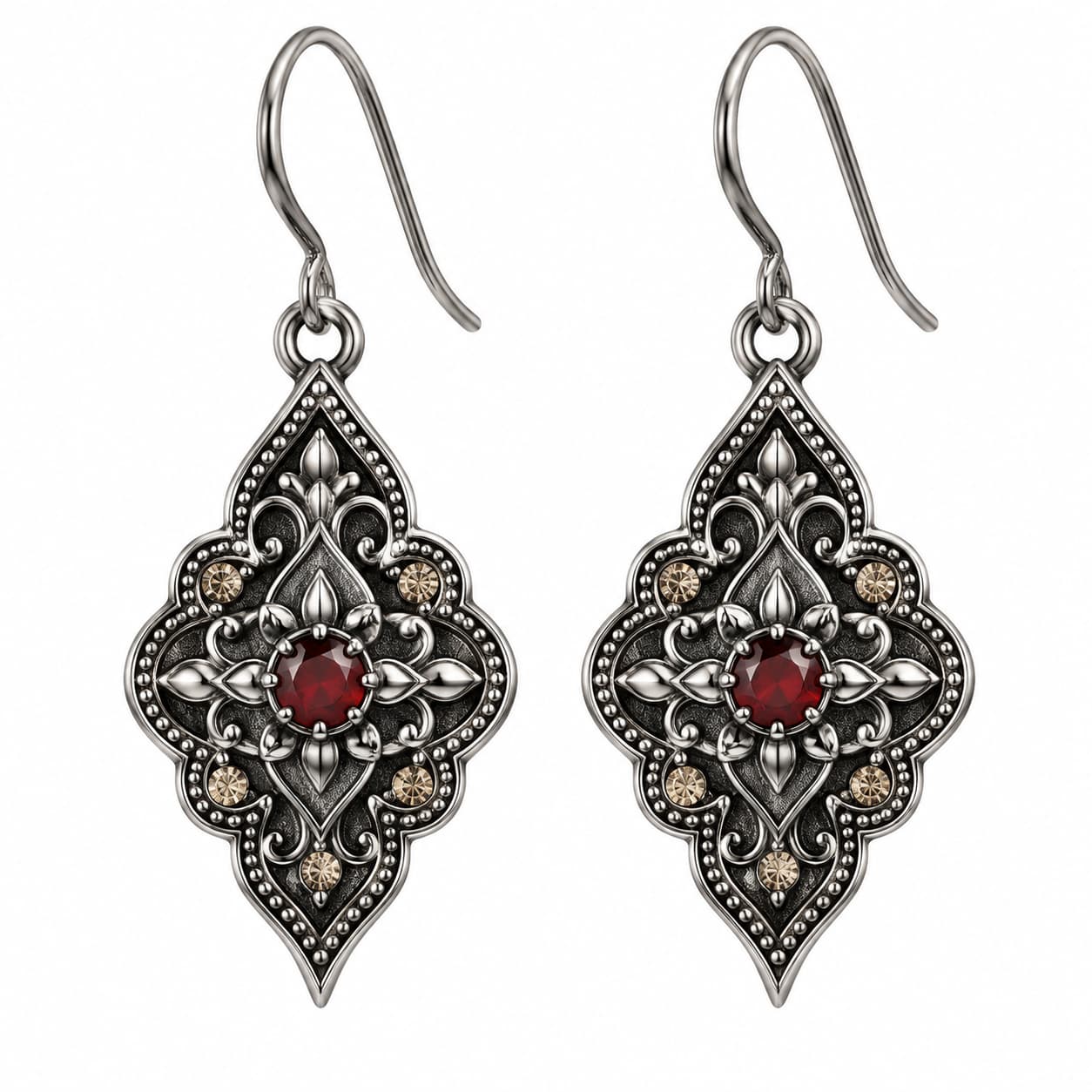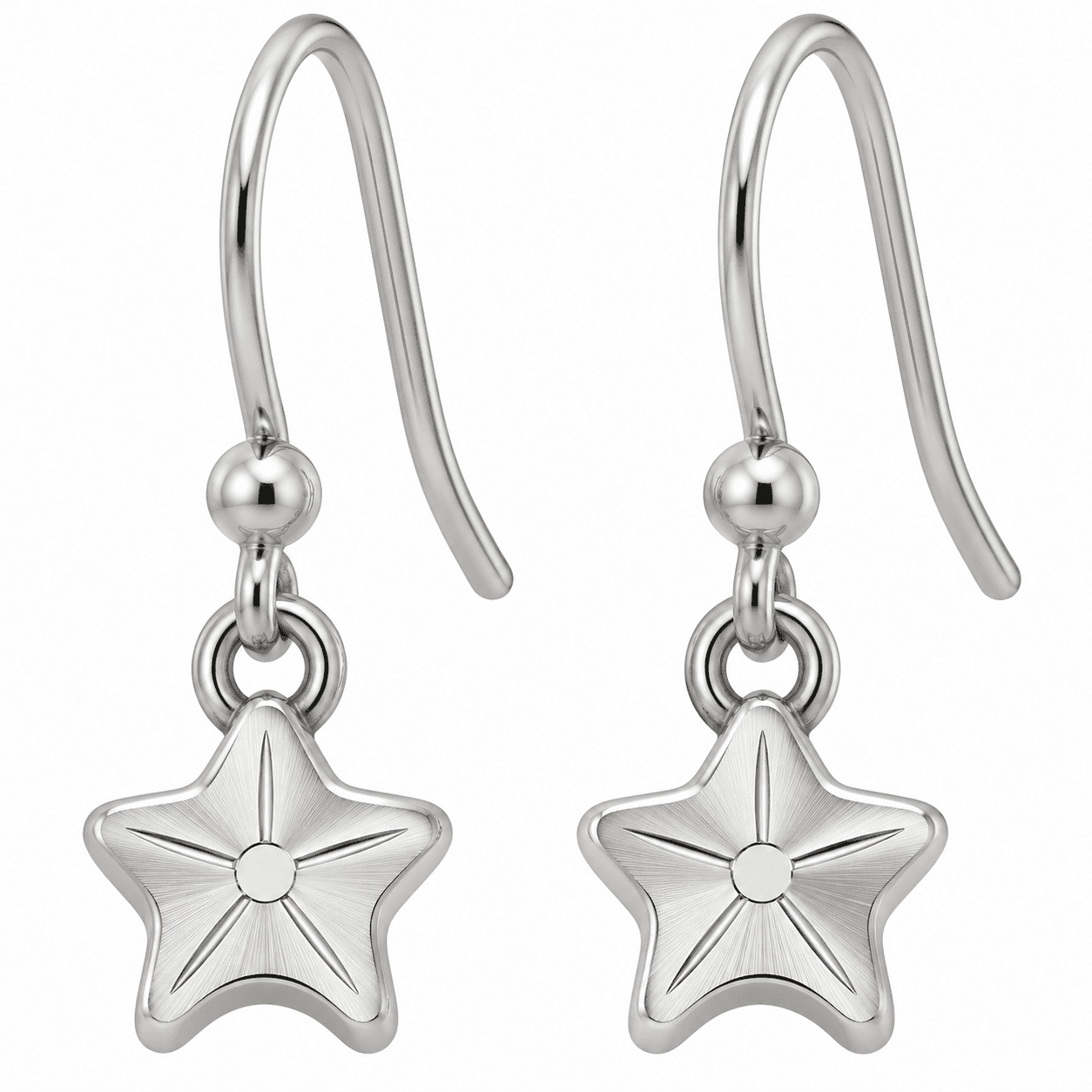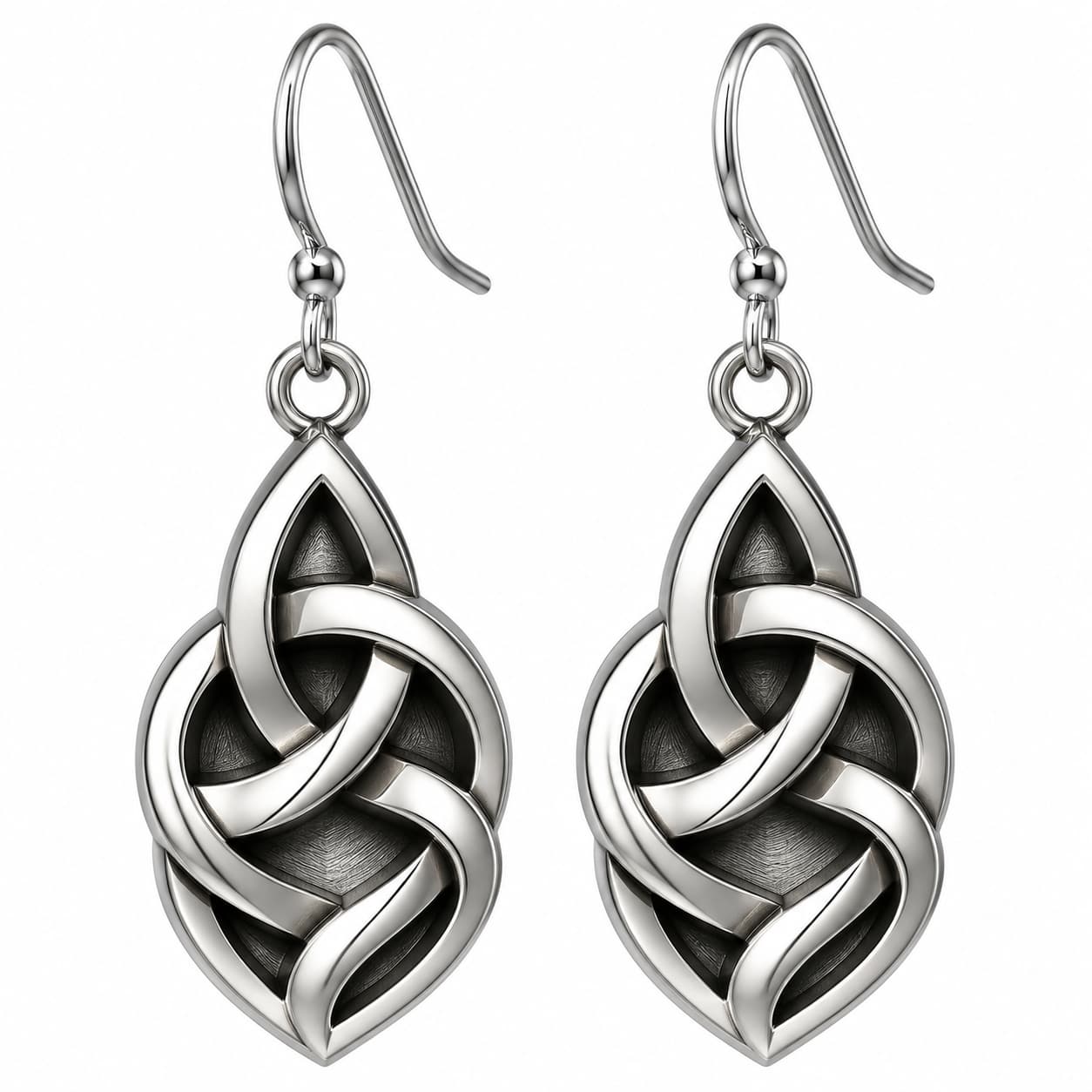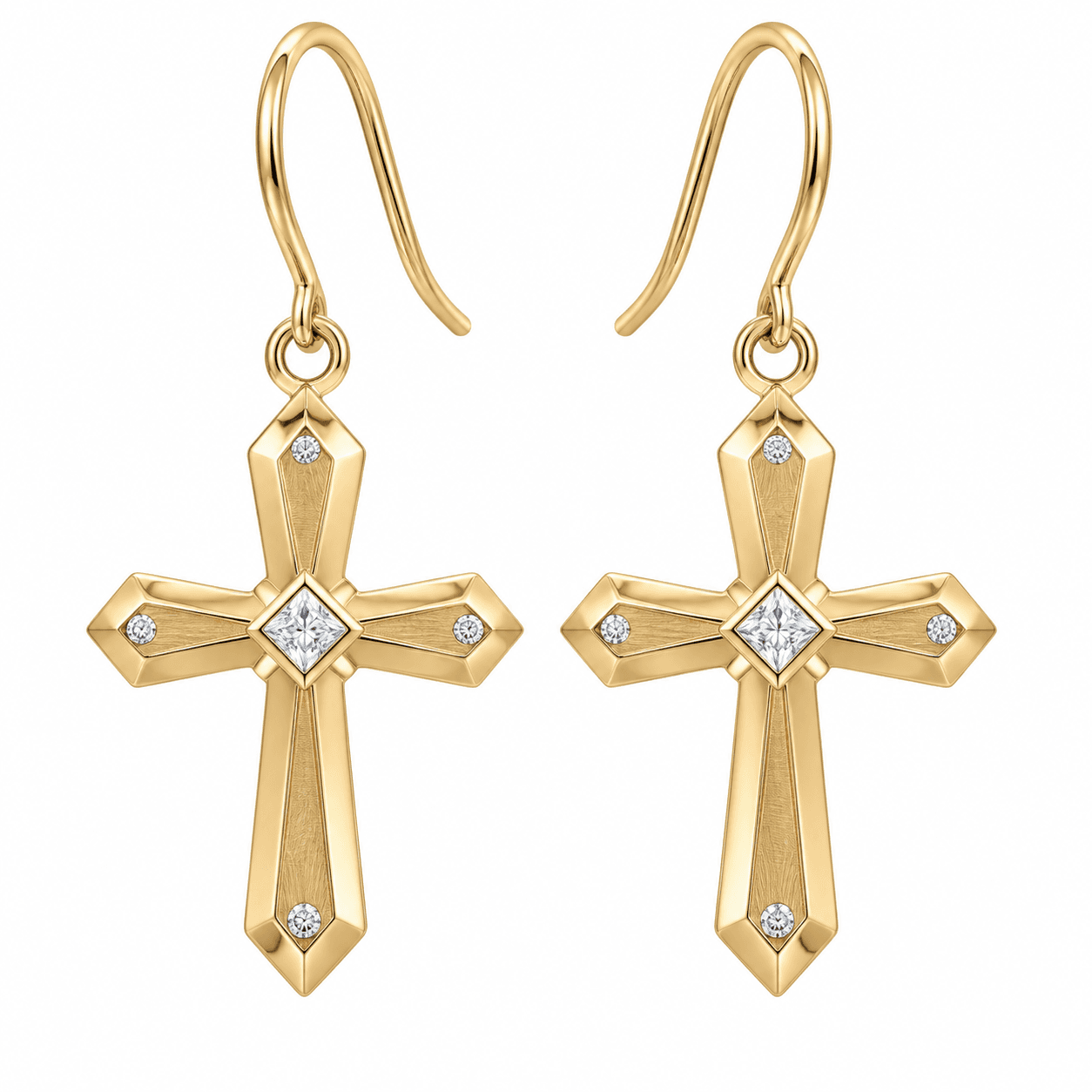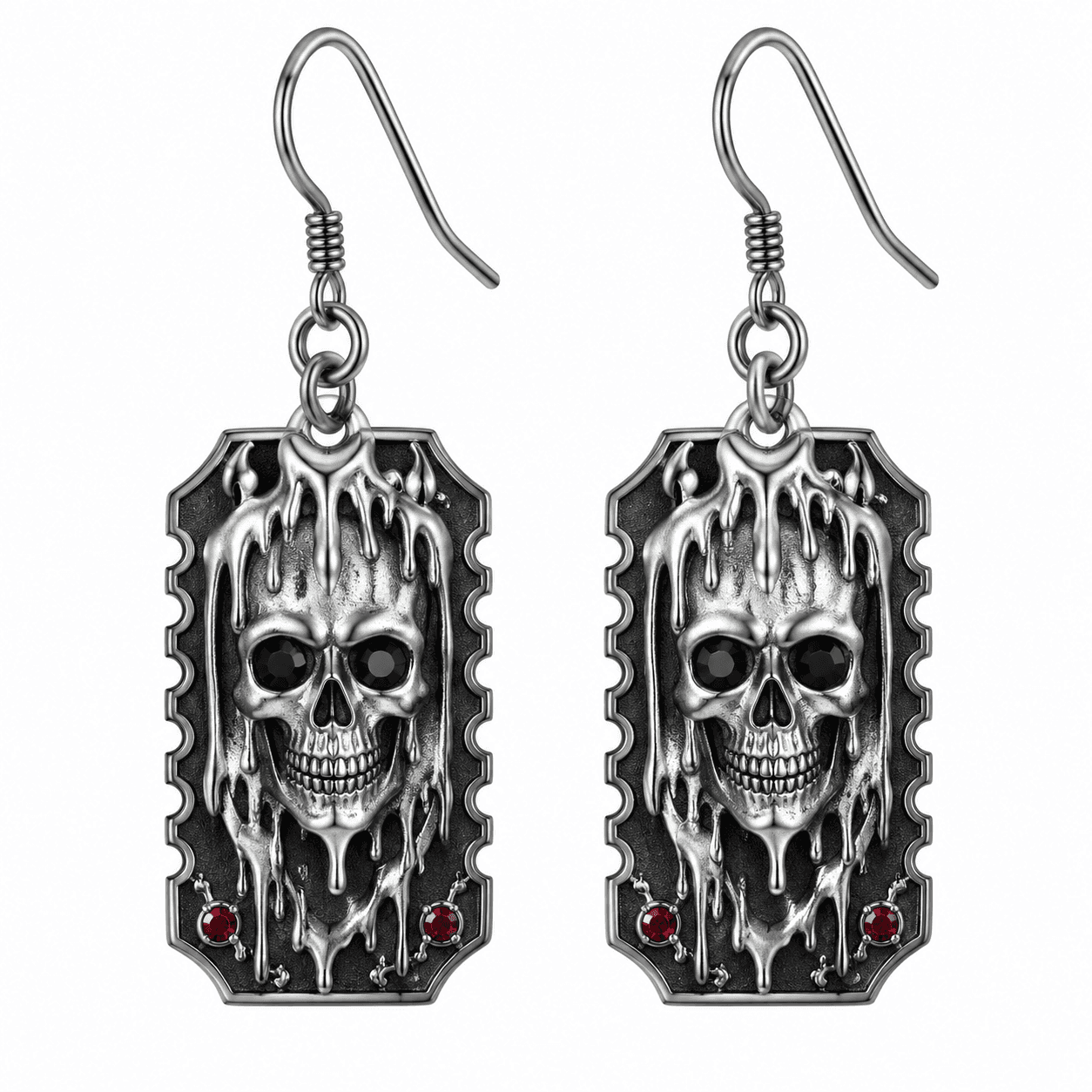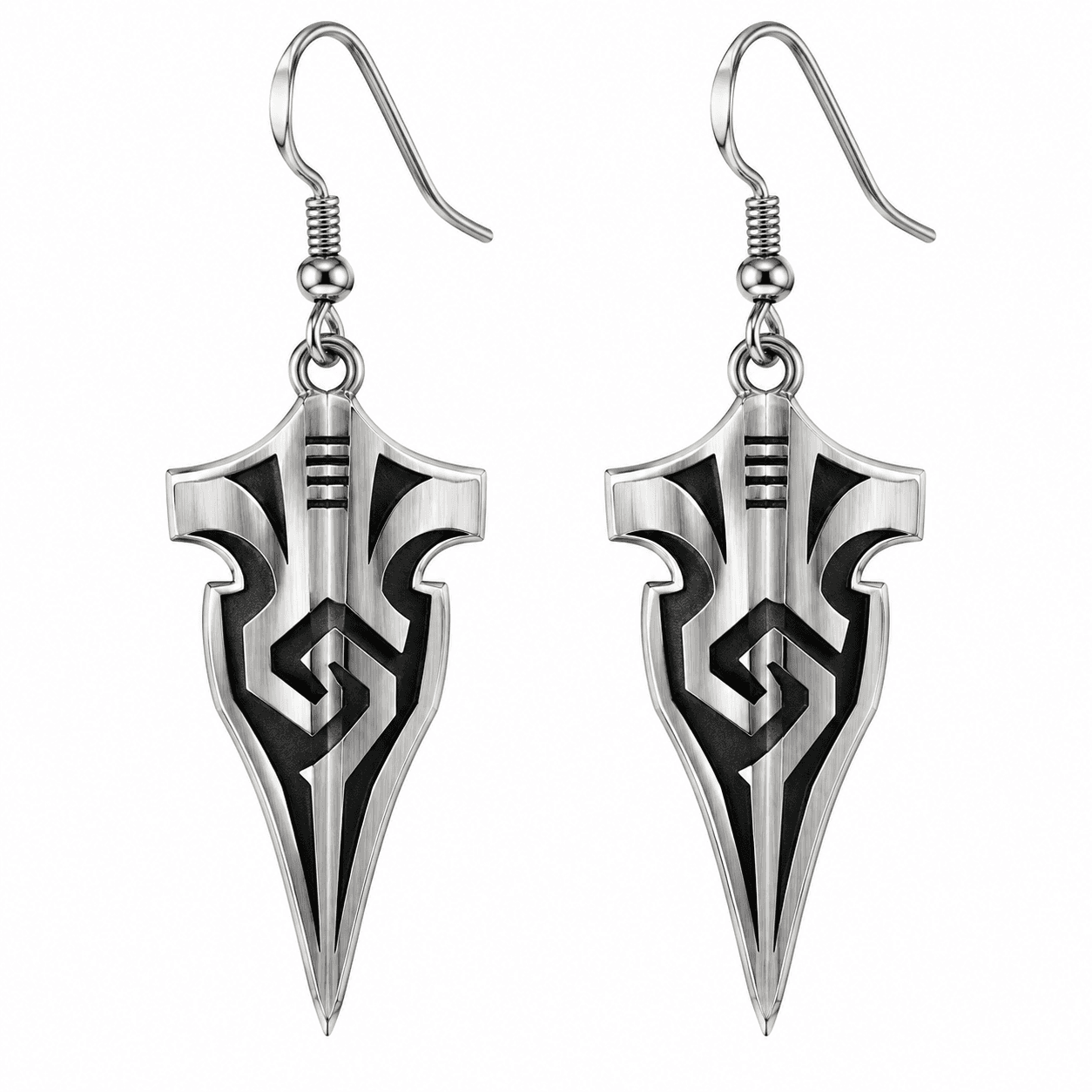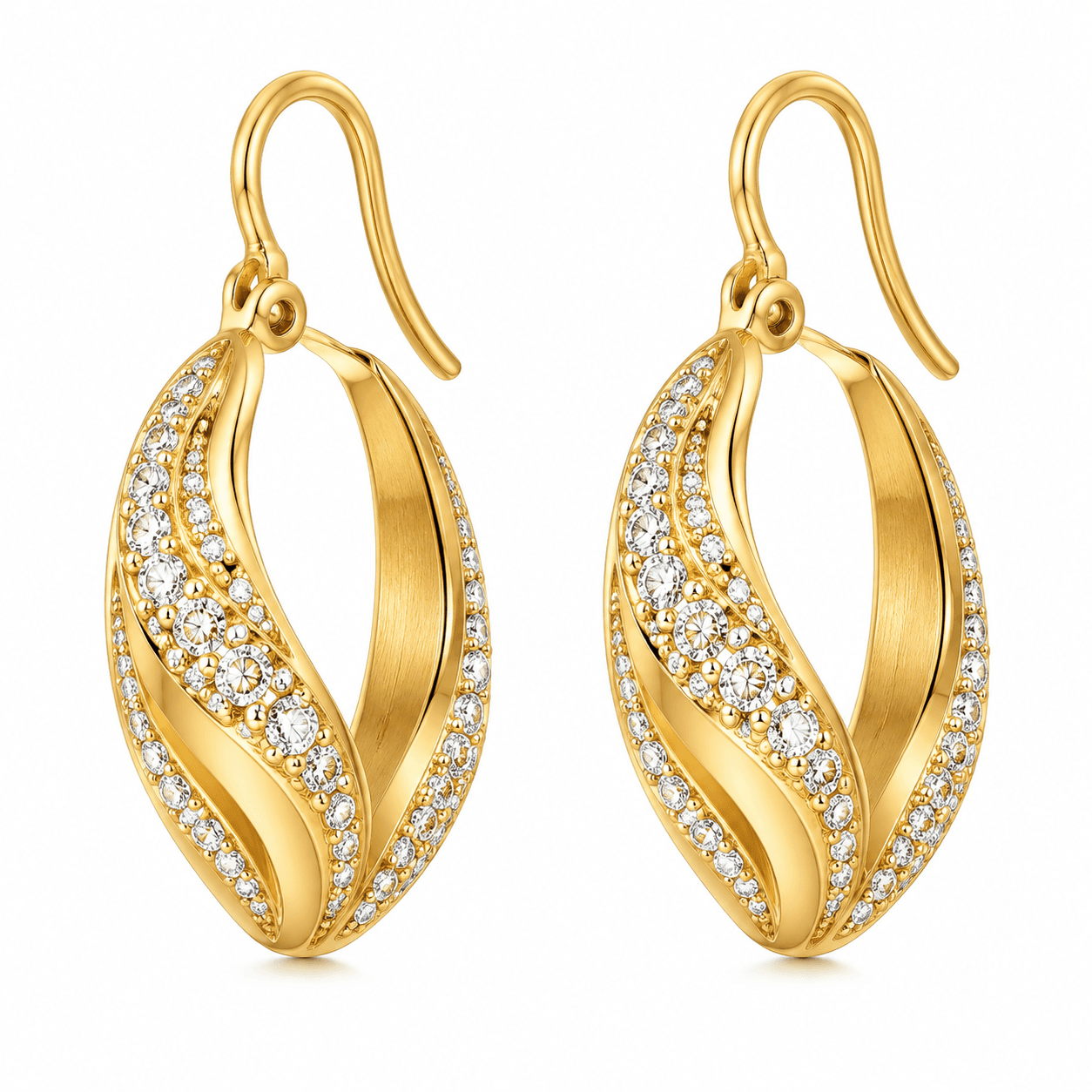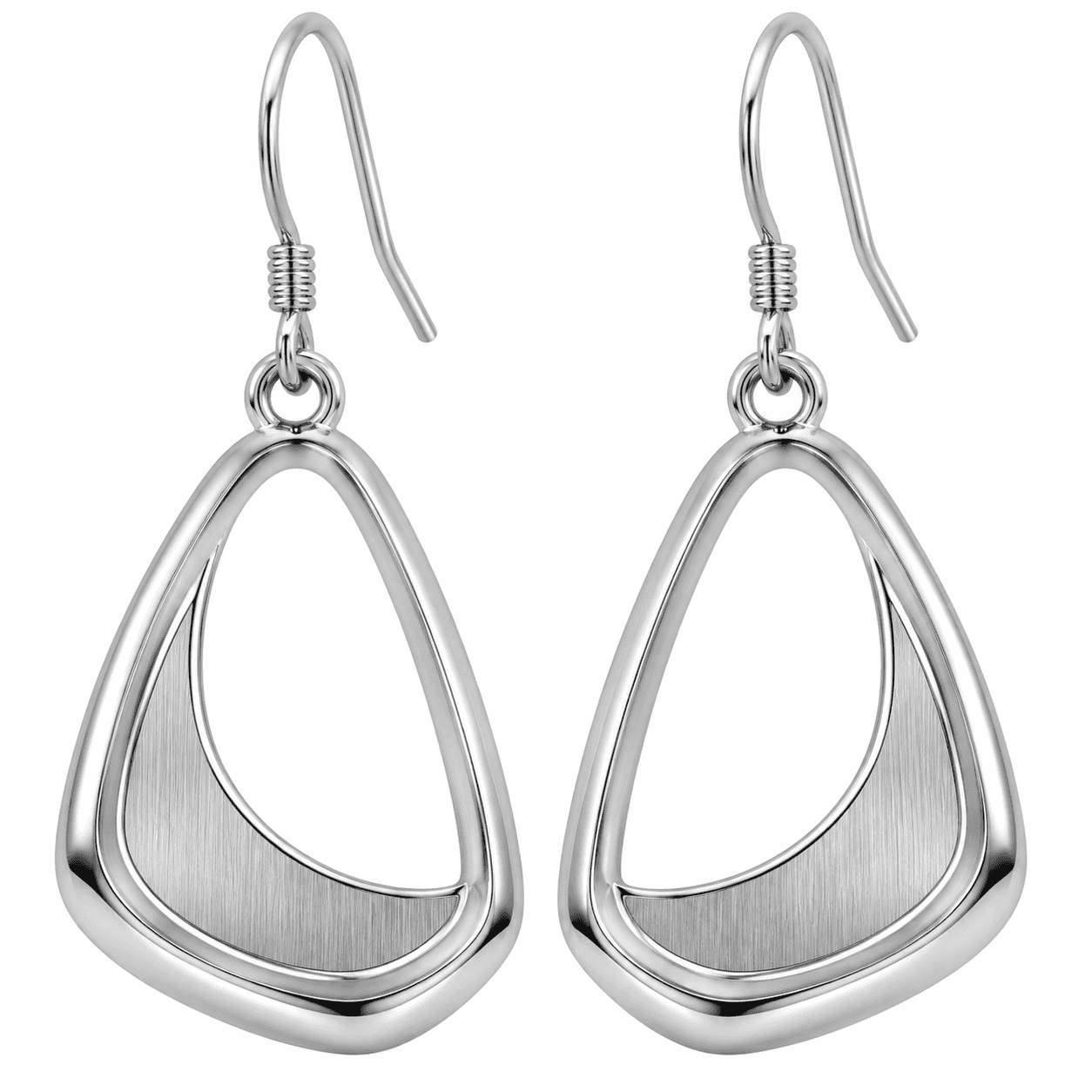
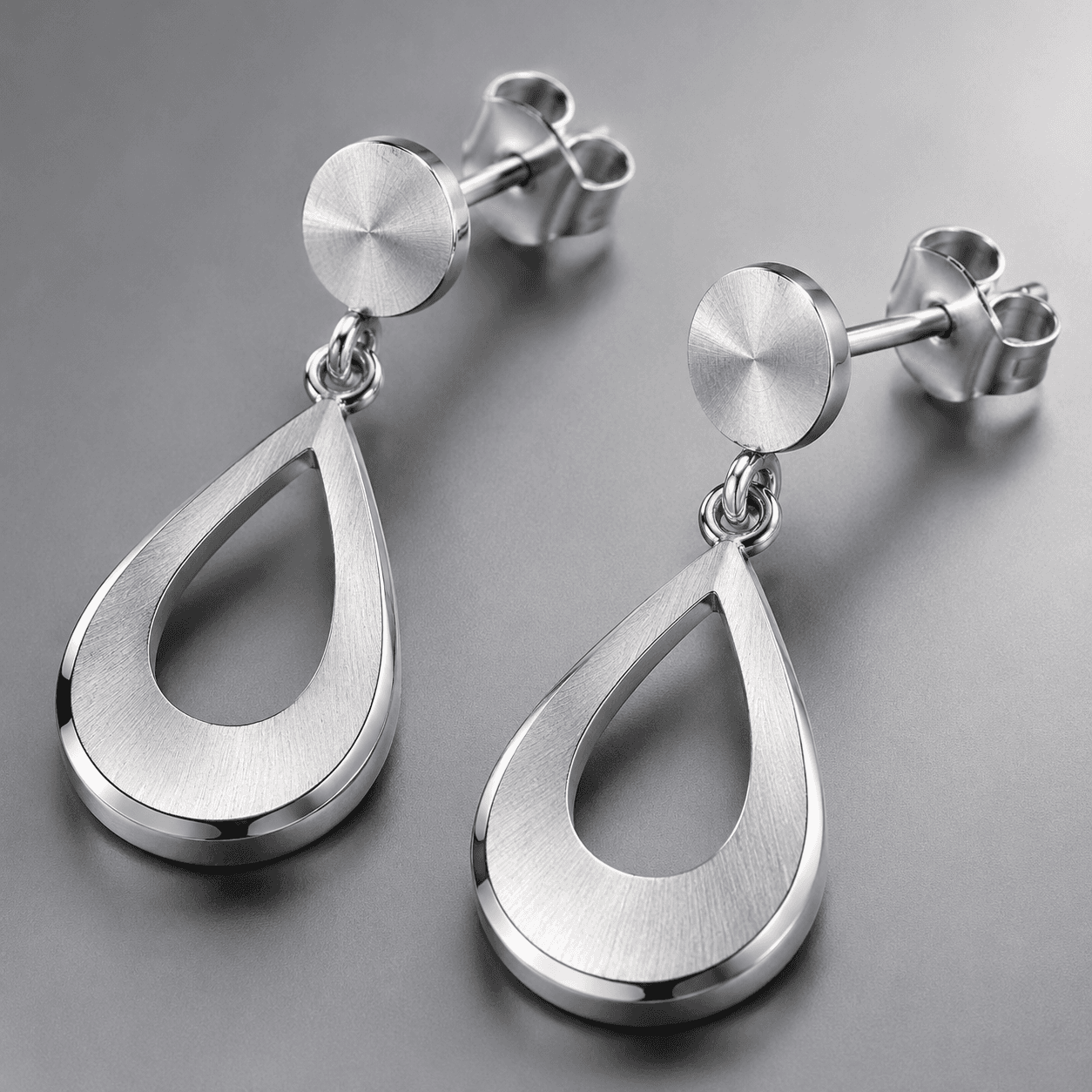
Material selection affects the weight, balance, durability, finish, attachment method, and target cost of a drop earring set. For jewelry designers and private-label buyers, these decisions should be defined early so a creative concept can be reviewed as a manufacturable product.
This guide explains how 316L and 304 stainless steel, 925 sterling silver, copper, zinc alloy, PVD finishes, enamel, zircon, crystal, and pearl may fit different components and design directions. It also outlines the information an OEM or ODM supplier needs to assess feasibility, prepare a sample, and establish practical inspection points.
Why Material Selection Matters
A drop earring set combines visible elements with functional parts: the decorative body, post or hook, backing, jump ring, bail, connector, and any stone or pearl setting. Each part has different requirements. A dense metal may help create a stable pendant, while the connector needs suitable geometry and clearance so the drop can move without placing unnecessary stress on the attachment point.
For a private-label project, the key question is not simply which material looks attractive. The selected material must suit the intended dimensions, weight, finish, attachment method, packaging format, and price position. Recording these decisions in a component-level specification gives an OEM jewelry supplier a practical basis for reviewing feasibility during sample development.
For related product references, review stainless steel earrings and the OEM/ODM manufacturing services page. Supplier capabilities and project scope should be confirmed against the final design brief.
Comparing Metals and Finishes
316L stainless steel may suit a design that requires a durable base, consistent geometry, and a surface suitable for polishing or PVD finishing. The choice should be assessed together with the pendant profile, thickness, connector size, and total pair weight. For a larger or heavier drop, revising the profile or attachment structure may be more effective than simply increasing material thickness.
304 stainless steel, 925 sterling silver, copper, and zinc alloy may also be considered for applicable components. They are not interchangeable in every design. Suitability depends on the component, forming or casting process, required finish, setting method, destination-market requirements, and confirmed specification.
Document the material component by component. Identify the base metal, surface finish, post and backing construction, stone or pearl application, and logo treatment. This allows the supplier to identify design adjustments that may be needed for manufacturability, balance, or inspection.
How Finishes and Settings Affect the Design
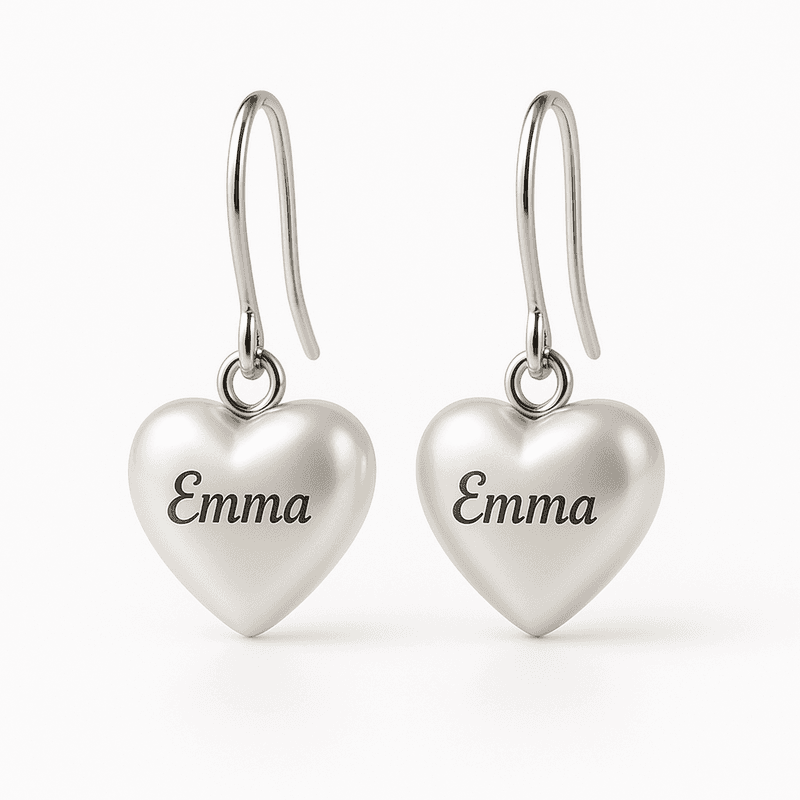
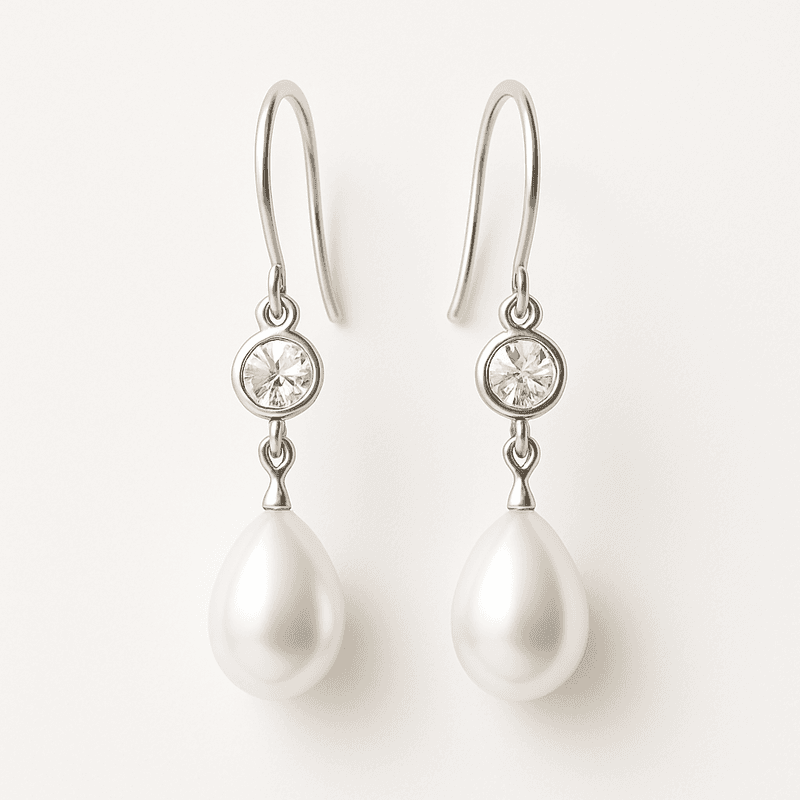
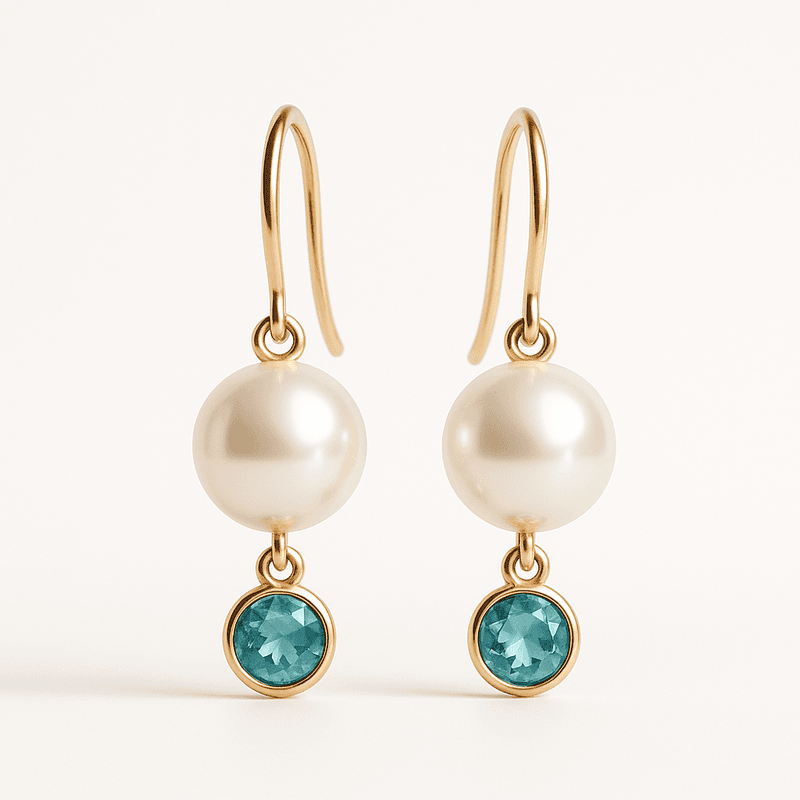
Geometry and surface treatment work together to create the visual character of an earring. Polishing can emphasize a smooth reflective plane. Enamel can add controlled color to a recessed or bordered area. Zircon and crystal can provide points of light when the setting is proportionate to the metal body. Pearl creates a softer focal element, but its attachment must provide adequate support and alignment.
PVD plating should be specified as part of the complete design. Define the intended color, covered surfaces, recessed areas, logo placement, and whether small connectors are plated. During sample review, inspect color consistency, edge definition, surface marks, and the transition between plated and unplated areas. Rose gold plating can be assessed using the same checkpoints.
Decorative choices should remain separate from mechanical requirements. A polished stainless steel body may provide a clean silhouette, while enamel, zircon, crystal, or pearl can add detail. Each added element should have a defined setting, attachment point, and inspection method.
Preparing a Manufacturable Prototype
Begin sampling with a drawing or reference specification that includes overall height and width, metal thickness, pair symmetry, post or hook type, backing, drop connection, finish, stone or pearl dimensions, logo requirements, and packaging expectations. Mark which dimensions are essential and which may be adjusted after technical review.
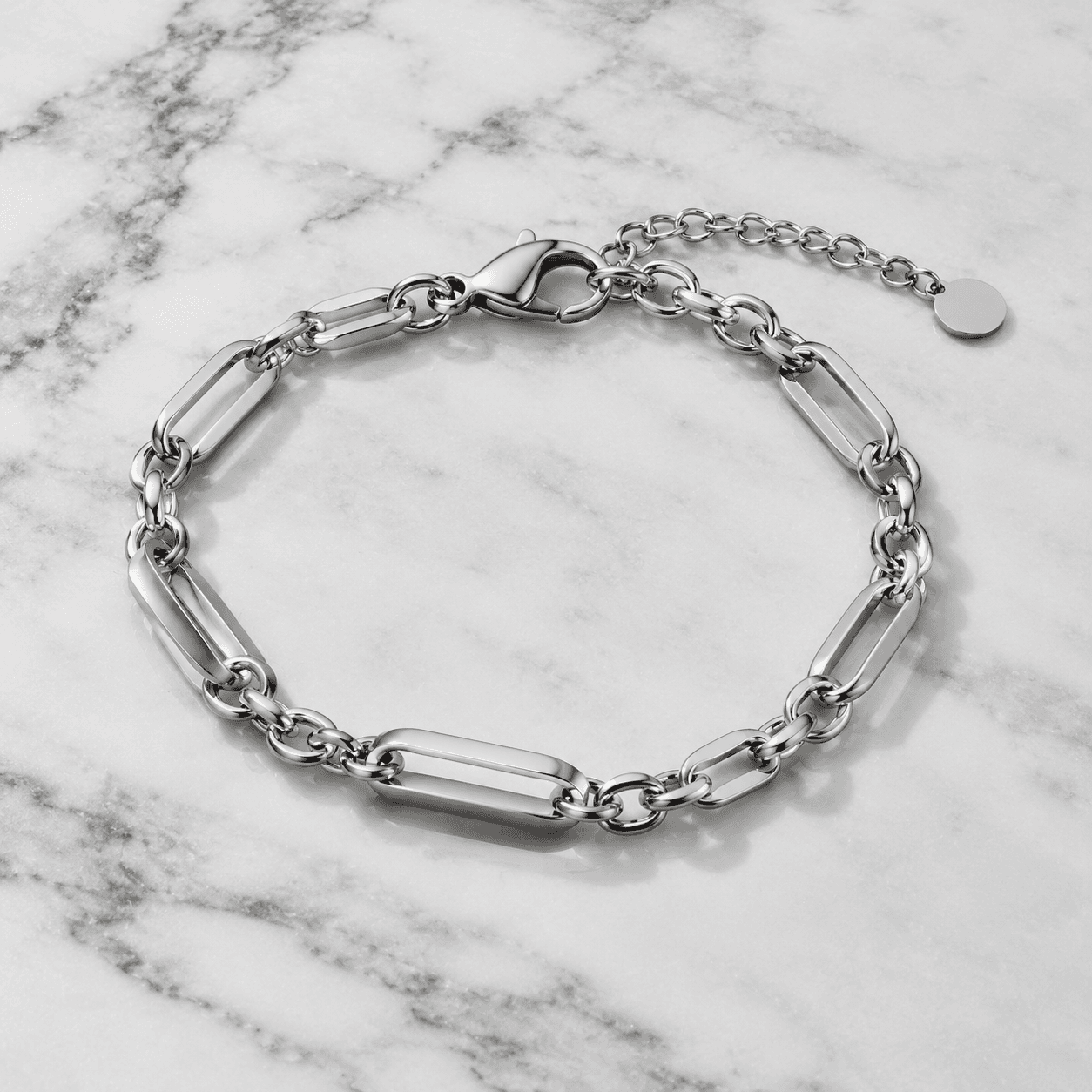
Review the physical construction carefully. The decorative drop may connect through a bail, jump ring, side loop, or drilled hole. The post and backing remain separate functional components, and a moving connector needs sufficient clearance for the intended movement. For this earring construction, a lobster clasp would generally be treated as a necklace or bracelet closure rather than the connector for the earring drop.
For an OEM or ODM inquiry, state the intended market, target assortment, finish, sample priorities, and any requested services. The supplier should confirm which design-development, sampling, processing, finishing, logo, packaging, and inspection options apply to the project.
Quality Checks Before Bulk Production
Quality checks should follow the product's risk points. Compare the left and right earrings, inspect the silhouette, confirm post or hook position, and verify that each drop hangs in the intended direction. Then examine jump rings, bails, formed or soldered joints where applicable, stone seats, pearl attachments, and backing operation.
Inspect the front, side, rear, edges, recesses, logo areas, and transitions between polished metal, plating, and enamel. Define acceptable visual variation against the approved specification. If the destination market requires testing, labeling, chemical-restriction review, or import documentation, identify those requirements before production so their applicability can be assessed against the final material and finish configuration.
Packaging should hold the pair securely without allowing posts, drops, stones, or pearl elements to press against one another. Review the packaging format alongside the product and inspection requirements rather than leaving it until the final production stage.
Turning the Specification Into an RFQ
A useful RFQ separates creative intent from measurable production information. Describe the visual direction, then provide dimensions, material, finish, component structure, setting type, logo treatment, packaging, and quantity range. This gives the supplier a workable basis for feasibility review and sample preparation.
State whether the project is for private-label jewelry, a boutique collection, a wholesale assortment, a gift program, or a broader brand launch. The intended use can affect pair presentation, assortment depth, packaging coordination, and customization requirements. An ODM request may begin with an existing design direction, while an OEM request may be based on buyer-supplied artwork or technical requirements.
Discuss MOQ after the design and customization requirements are understood. Material combinations, packaging, logo work, and special finishes can affect the production review. A complete RFQ should include reference images or drawings, approximate dimensions, material preferences, finish, quantity range, packaging, destination market, and required documentation.
Reading Material and Compliance Documents
A material specification should connect directly to the finished product. Record the base metal for each component, the finish applied to each visible surface, the setting method for zircon, crystal, or pearl, and the construction of the post, backing, drop, and connectors. This creates a shared reference for design review, sampling, inspection, and packaging.
When documentation is required, ask the supplier to review the confirmed specification and identify which certificates, test reports, or compliance results may apply in the destination market. Documentation should correspond to the actual metal, plating, enamel, stone, pearl, and packaging configuration. General statements should not replace project-specific review.
Process information should also be read in context. Sampling, finishing, inspection, packaging, and export services should be confirmed for the specific project. The buyer should approve the sample and record the quality checkpoints for the order.
Frequently Asked Questions
Start Your Drop Earring Set Project
For a material-focused project, send a design reference or drawing, target dimensions, preferred base metal, finish direction, stone or pearl details, post and backing construction, logo requirements, estimated quantity, packaging needs, destination market, and requested documentation. Identify which details are fixed and which may be adjusted during sample development.
Use the Contact Us page to submit an RFQ, or organize products through the Quote List. You can also review New Design, explore stainless steel jewelry sets for coordinated assortment planning, and read Insights for additional sourcing guidance.
Ask the supplier to confirm the applicable design-development, sampling, finishing, quality-control, packaging, and shipment-support options against your specification. A clear brief makes it easier to assess the material combination and agree on the next practical step.
Related resources
Related resources
- 316L Stainless Steel Earrings for Sensitive Ears: A B2B Buyer’s Quality Checklist
- Stainless steel jewelry gift ideas: Retail design trends guide
- Stainless Steel Jewelry Trend 2026: A Wholesale Buyer's Quality Checklist
- Why stainless steel rings outfit ideas Are Shaping Design Trends
- Stainless Steel Jewelry Trend 2026: Market Shifts Brands Need
- Is Stainless Steel Jewelry Waterproof? Quality Tests Guide
- Why Choose Stainless Steel Jewelry: A Retail Buyer Guide
- Stainless Steel Heart Charm vs Sterling Silver: Buyer’s Guide
- Gold Plated Stainless Steel Jewelry: Durability and Sourcing Guide
- What Buyers Should Know: Does Stainless Steel Heart Charm Tarnish