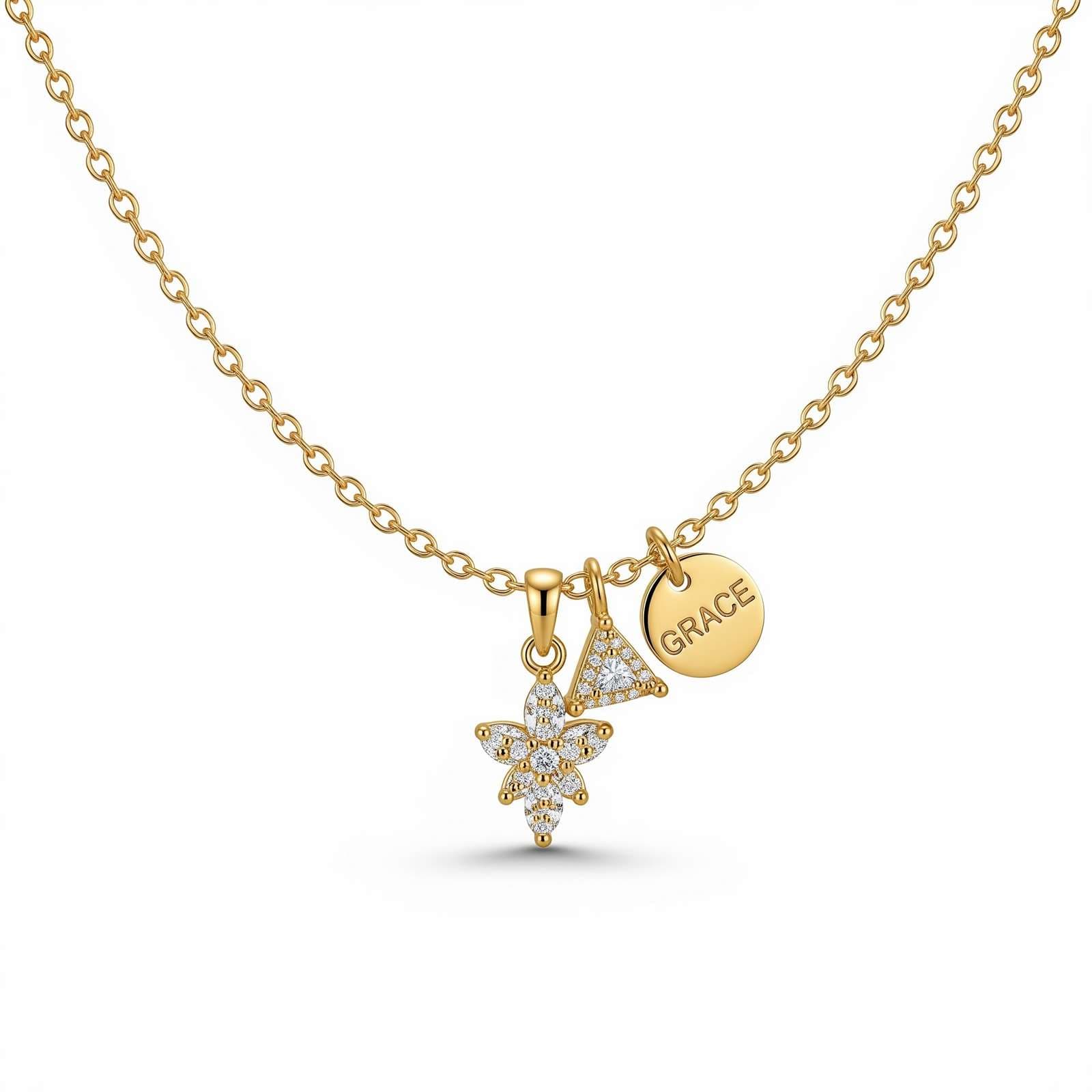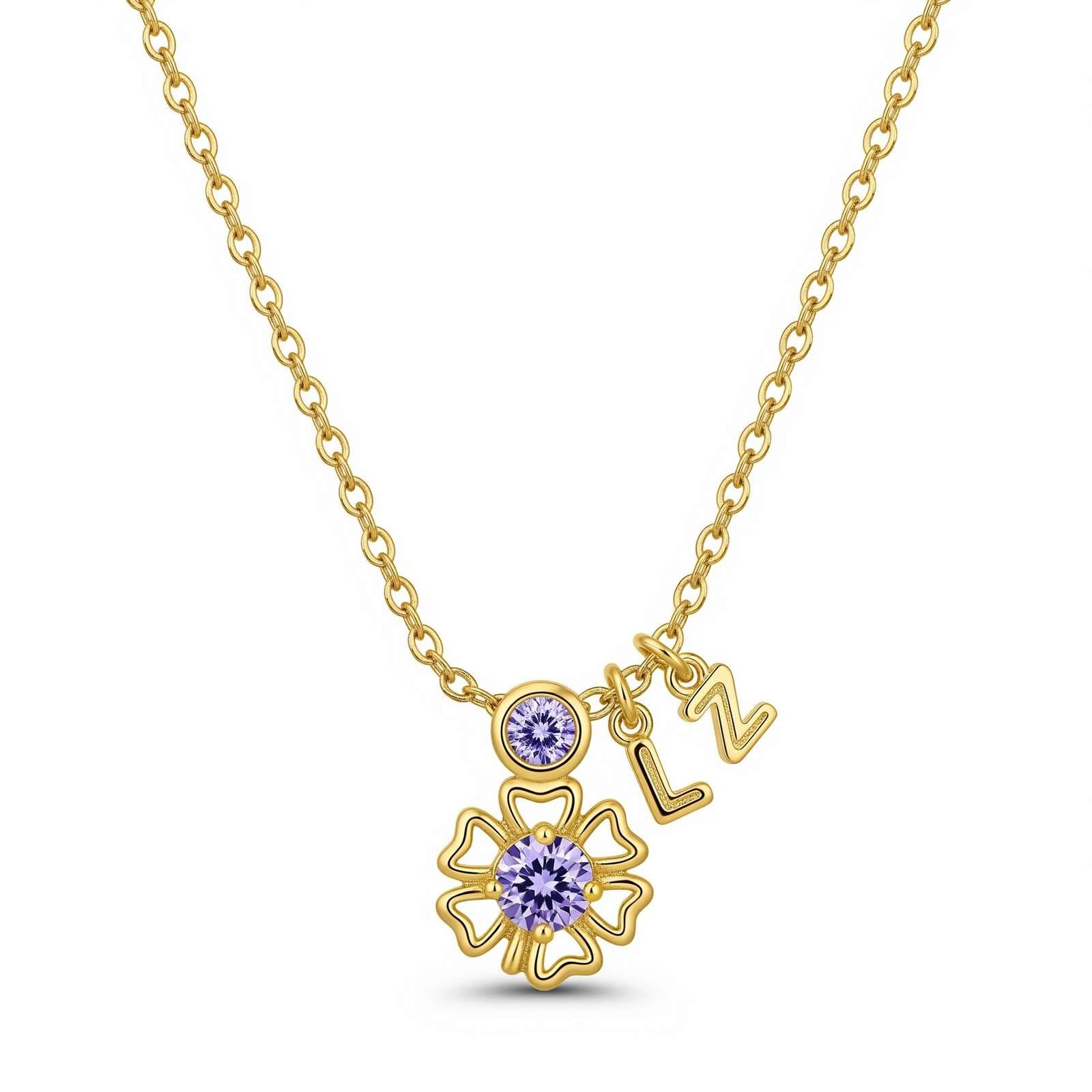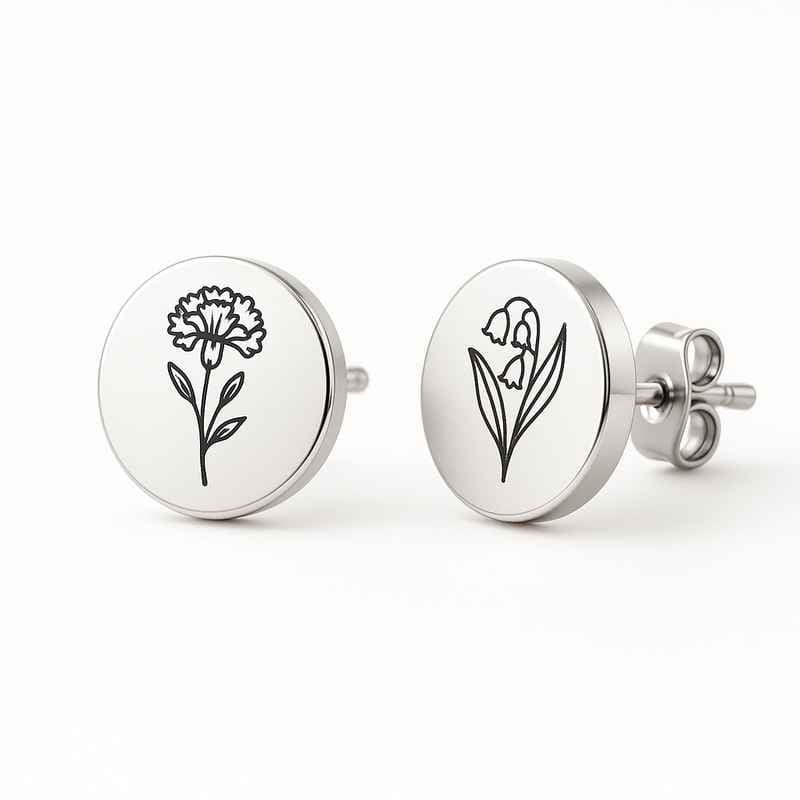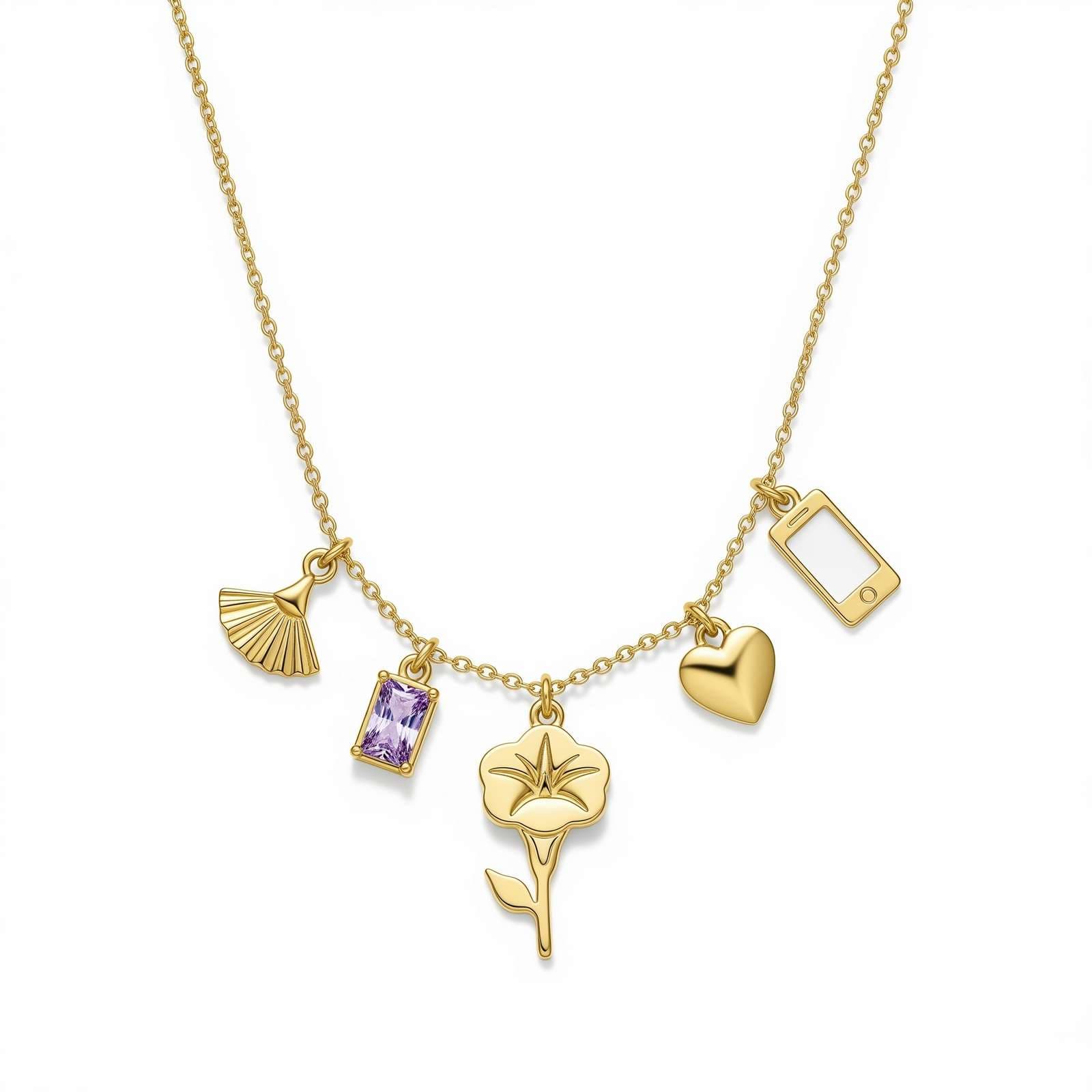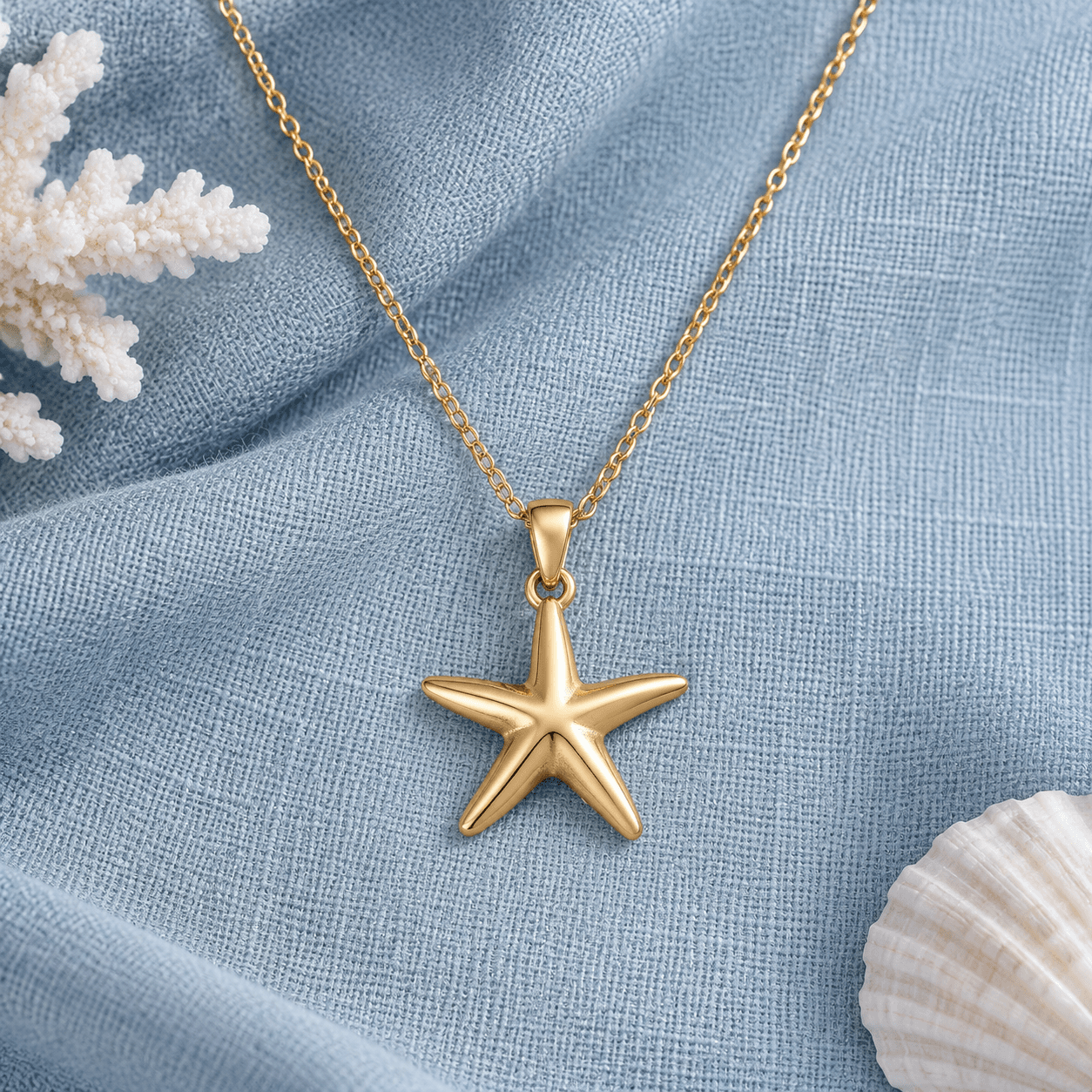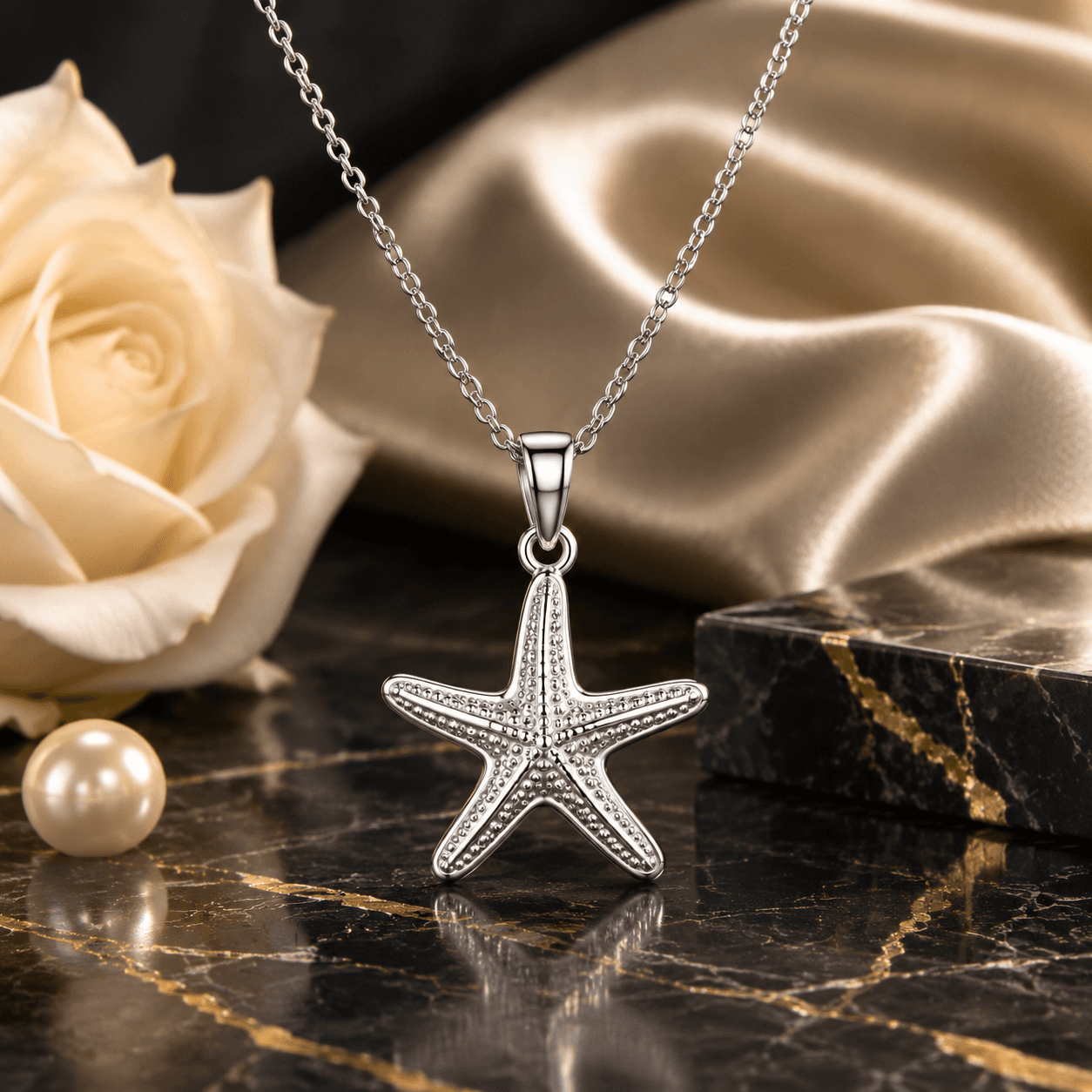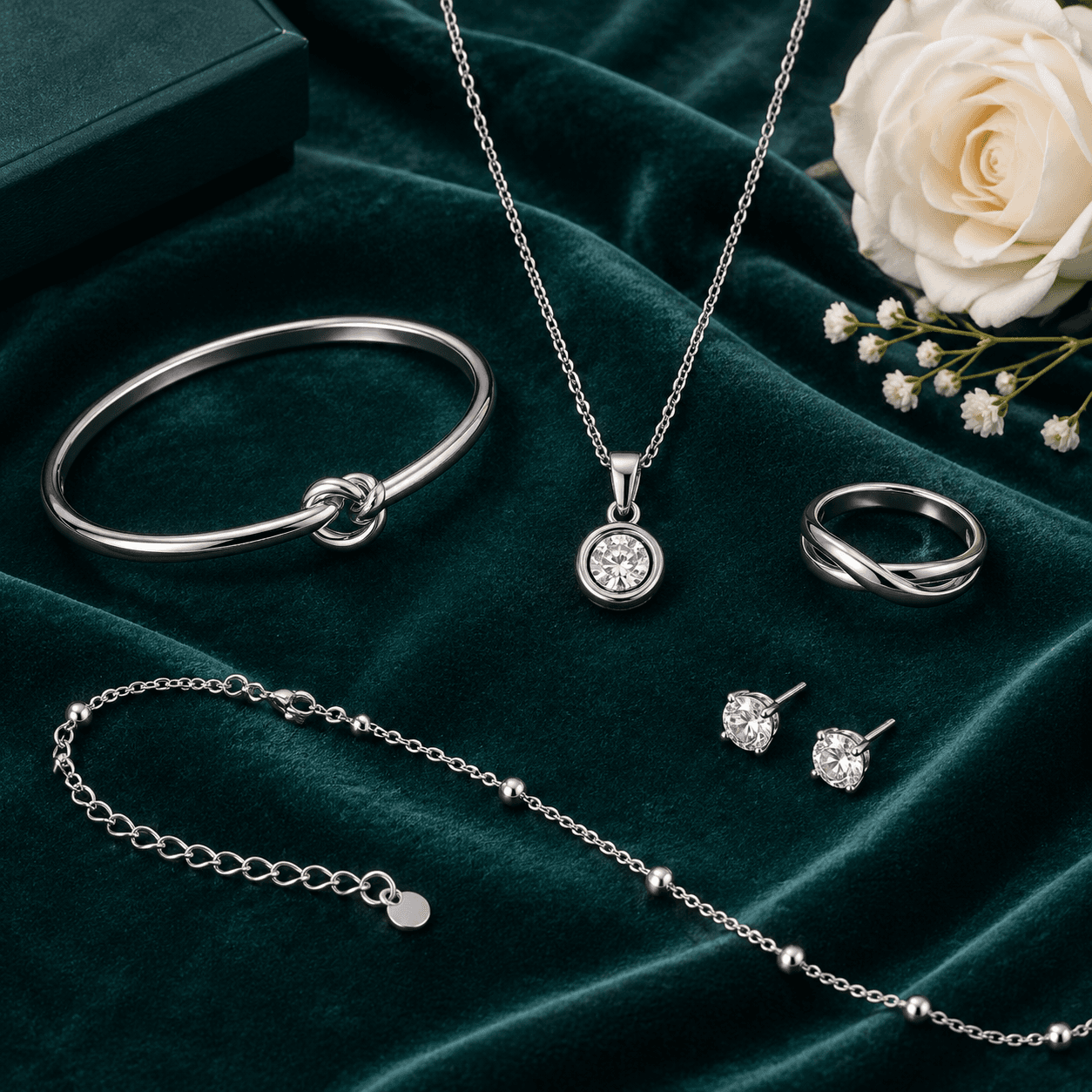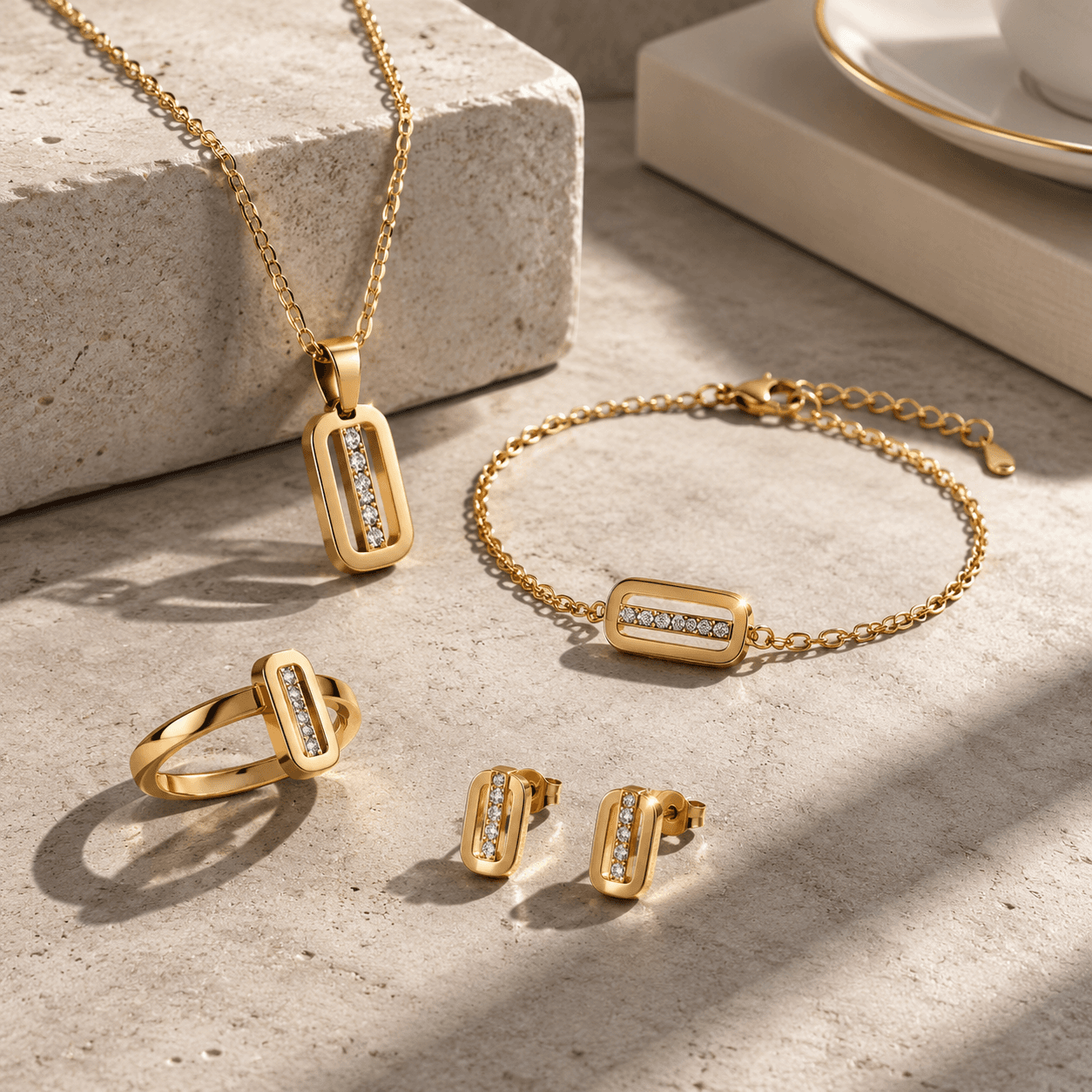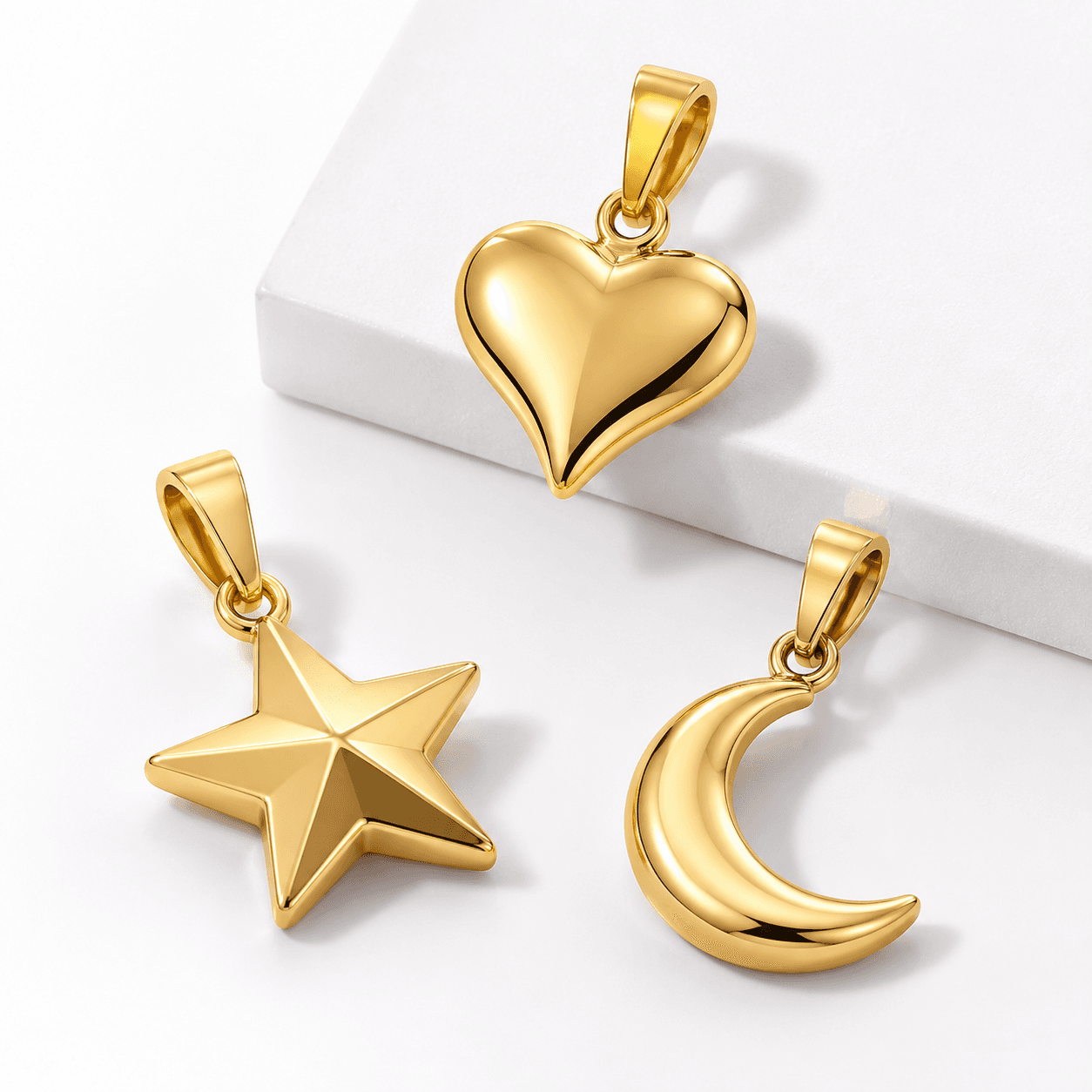
Wholesale stainless steel charms can create procurement challenges when buyers must coordinate material specifications, finish consistency, supplier documentation, packaging requirements, and delivery expectations across multiple stakeholders. For corporate procurement teams, distributors, and private-label jewelry businesses, selecting a manufacturing partner involves more than comparing product appearance. It requires a clear process for confirming specifications, reviewing samples, documenting quality expectations, and managing production communication.
Lefeng Jewelry is a stainless steel jewelry factory with 15 years of OEM/ODM manufacturing experience and in-house capabilities covering design development, sampling, CNC and laser processing, polishing, PVD plating, enamel application, stone setting, quality inspection, custom logo work, packaging, and export coordination. Its wholesale stainless steel charms manufacturing approach connects product development with practical procurement checkpoints, helping buyers evaluate specifications before confirming bulk orders.
For North American sourcing teams developing a boutique jewelry collection, wholesale program, or private-label jewelry assortment, this practical guide explains how a structured sourcing process can reduce specification uncertainty. Buyers can explore the stainless steel charms collection, review OEM and ODM manufacturing services, and prepare a project-specific RFQ with the information needed for a meaningful quotation.
Wholesale Stainless Steel Charms: A Procurement Challenge and Its Solution
Consider a representative procurement scenario involving a North American jewelry wholesaler preparing a new charm assortment for a boutique jewelry collection. The purchasing team needs several coordinated designs, a consistent metal appearance, private-label presentation, and clear documentation for internal product approval. The challenge is that design, purchasing, quality control, and packaging teams evaluate different aspects of the same order. A visually acceptable sample does not automatically establish that the production specification, finish requirements, logo placement, and packaging instructions are sufficiently defined for bulk purchasing.
The practical solution begins with a documented product specification rather than an informal design reference. The buyer identifies each charm's dimensions, thickness, outline, attachment structure, surface finish, decorative components, and intended application. Material selection is recorded separately, including whether the project requires 316L stainless steel or another configured material. Where PVD gold plating, rose gold plating, enamel, zircon, crystal, or pearl details are requested, the applicable finish and component requirements should also be identified. This creates a shared reference for the procurement team and the OEM jewelry manufacturer.
Lefeng Jewelry supports this process through in-house design development and sample development, allowing buyers to review practical manufacturing details before confirming production requirements. The procurement team can assess the physical sample, discuss finishing expectations, review attachment points, and clarify packaging instructions. Instead of relying on assumptions, the parties can establish an agreed specification for subsequent quality inspection. Buyers can also review the company's manufacturing background through the About Lefeng Jewelry page and identify suitable development routes through the manufacturing services page. This approach makes wholesale stainless steel charms procurement more structured, transparent, and easier to manage across departments.
Material Selection, PVD Finishes, and Product Specification Control
Material specification is one of the most important purchasing decisions when sourcing wholesale stainless steel charms. For a project requiring 316L stainless steel, the purchasing documentation should explicitly identify the selected material rather than relying on a general description such as metal jewelry. Buyers should also clarify whether different charm designs share the same base material, since a coordinated assortment may contain multiple product constructions or decorative configurations. Lefeng Jewelry works with configured materials including 316L stainless steel, 304 stainless steel, 925 sterling silver, copper, and zinc alloy, subject to the requirements of the individual project.
Finish specifications deserve equal attention. PVD gold plating and rose gold plating should be identified as distinct requested finishes, with the desired appearance confirmed against an approved sample. Buyers should communicate relevant surface expectations, including color consistency, polishing requirements, visible edges, and the treatment of detailed areas. Where enamel, zircon, crystal, or pearl elements are configured, procurement teams should additionally identify their positions, appearance requirements, and attachment details. These decisions help the factory translate a visual concept into an understandable production specification. For wholesale stainless steel charms, this level of detail is particularly useful when multiple designs must be reviewed together.
A practical approval process separates material confirmation, sample appearance, and finished-product inspection. First, the buyer confirms the intended material and finish. Next, the sample is reviewed for overall dimensions, surface quality, attachment construction, and decorative details. Finally, the approved specification becomes the reference for quality control checkpoints during manufacturing and before packaging. If a project requires a material certificate, test report, or other compliance documentation, the buyer should identify the precise requirement during the RFQ stage. Lefeng Jewelry can review documentation requirements against the confirmed specification or discuss arranging applicable project-specific documentation; buyers should not assume that an unrequested certificate or test report is automatically available. This distinction supports responsible procurement decisions without relying on unsupported certification claims.
Factory Quality Control: From Sample Approval to Bulk Order Inspection
For corporate procurement, quality control needs to be connected to observable manufacturing checkpoints. A sourcing manager should be able to understand what is reviewed, when approval is required, and which product requirements serve as the reference. In a wholesale stainless steel charms project, useful checkpoints begin with incoming material and component specification confirmation, followed by manufacturing and finishing reviews, sample comparison, and final product inspection. This structure gives purchasing and quality teams a common framework for discussing product acceptance without assuming that an unspecified inspection standard or external certification has already been established.
Lefeng Jewelry has in-house capabilities covering CNC and laser processing, polishing, PVD plating, enamel application, and stone setting. These manufacturing stages can influence the finished appearance and physical construction of a charm. Buyers should therefore identify the details that matter to their assortment: outline accuracy, hole or loop positioning, edge finishing, visible polishing marks, plating appearance, decorative component placement, and the integrity of connecting hardware. Where a pendant charm connects to a necklace or bracelet, its attachment point should be reviewed as part of the complete construction rather than treated as an isolated decorative feature. A sample review can help reveal issues before the production specification is finalized.
For an organized procurement record, the buyer can request a sample approval reference, agreed product specification, finish description, inspection checklist, packaging instructions, and applicable documentation for the confirmed project. Quality control discussions should distinguish between visual acceptance criteria and laboratory or material verification requirements. If a project requires particular testing, the method, scope, acceptance criteria, and relevant documentation should be confirmed before ordering. Lefeng Jewelry's factory-direct communication and in-house quality inspection capabilities provide a practical foundation for coordinating these discussions. The purpose is to make each approval traceable to an agreed requirement, rather than relying on broad or undefined quality claims. Procurement teams can also explore manufacturing and sourcing insights to prepare internal product review procedures.
Vendor Management, Private Label Packaging, and Documentation
Supplier management becomes more complicated when a charm assortment involves several designs, finishes, logo treatments, and packaging configurations. A purchasing manager may need to coordinate product development with merchandising, finance, quality assurance, and logistics while keeping the approved information consistent. For wholesale stainless steel charms, a centralized project record can reduce communication gaps. Each design should have an identifiable specification, material description, finish requirement, approved sample reference, logo instruction where applicable, and packaging requirement. Any change to a confirmed design should be discussed and reviewed before it becomes part of the production instruction.
Private label jewelry projects also require careful separation of product requirements from packaging requirements. Buyers should specify logo engraving or other custom logo work, including the intended position and appearance. Packaging instructions should identify the packaging type, quantity per unit, presentation requirements, labeling information, and any buyer-supplied artwork. Lefeng Jewelry supports custom logo work, private-label packaging, and export coordination as part of its configured manufacturing capabilities. The procurement team can review packaging samples and confirm presentation details before approving the final instructions. This is particularly useful for wholesale distributors and online jewelry retailers that need consistent product presentation across multiple designs.
Documentation should be proportionate to the actual project and the buyer's internal purchasing procedures. A practical vendor file may include the RFQ, approved product specifications, sample review records, confirmed commercial terms, packaging instructions, inspection requirements, and shipping coordination information. If the destination market or the buyer's internal compliance policy requires specific material declarations, test reports, or other records, those requirements should be stated clearly before production planning. Lefeng Jewelry can review the requested documentation against the selected materials, construction, and finish. The factory's 15 years of manufacturing experience and factory-direct communication provide a basis for coordinating these requirements, while the buyer remains responsible for identifying applicable market and company-specific documentation needs. For additional sourcing information, visit buyer education and manufacturing topics.
Building a Repeatable Wholesale Charm Procurement Workflow
A successful procurement program needs a repeatable workflow that can be applied to new designs and future purchasing cycles. For a wholesale stainless steel charms assortment, the process can begin with a product brief describing the intended collection, target customer, design references, approximate dimensions, material preferences, finish requirements, and estimated purchasing quantity. The buyer then requests a feasibility review and quotation from the manufacturer. This initial discussion helps identify which designs require additional development, which specifications are sufficiently clear for sampling, and which decorative or construction details need further confirmation.
The next stage is sample development and evaluation. The buyer reviews the physical sample against the brief, paying attention to shape, dimensions, thickness, surface finish, connecting structure, decorative details, and logo placement. Any revisions should be recorded in a clear change list so that the factory can distinguish approved details from outstanding requests. Once the sample and specification are approved, the purchasing team confirms the relevant MOQ, order quantity, commercial terms, inspection expectations, and packaging requirements. Lefeng Jewelry supports OEM and ODM development through in-house sampling and manufacturing coordination, allowing the discussion to progress from concept evaluation to a defined production brief.
During production planning, the approved information should remain the shared reference for factory communication and quality control. Buyers can establish checkpoints for material and specification confirmation, finishing review, final inspection, and packaging review according to the project requirements. Before shipment, the purchasing team should confirm the agreed product quantities, packaging instructions, destination details, and required export documentation. No fixed lead time, minimum quantity, or production capacity should be assumed without project-specific confirmation. For teams comparing wholesale suppliers, the most useful evaluation is whether the manufacturer can explain the process, review realistic specifications, communicate production requirements, and coordinate the requested documentation. Lefeng Jewelry offers this factory-direct approach for private label jewelry, wholesale programs, and OEM/ODM stainless steel jewelry development. Buyers can discover current product directions through New Design or browse the stainless steel charms collection.
Frequently Asked Questions About Wholesale Stainless Steel Charms
Partner With Lefeng Jewelry for Your Wholesale Charm Program
Planning a new wholesale stainless steel charms assortment or evaluating an OEM/ODM manufacturing partner? Lefeng Jewelry offers 15 years of stainless steel jewelry manufacturing experience, factory-direct communication, in-house sample development, finishing capabilities, quality inspection, custom logo work, private-label packaging, and export coordination. Share your procurement requirements so the team can review the product construction, material selection, finishing options, and documentation needs before preparing a project-specific quotation.
To make your RFQ actionable, include your design drawings or reference images, charm dimensions and thickness, preferred material such as 316L stainless steel, requested finish such as PVD gold plating, decorative details, attachment requirements, logo artwork, estimated quantity per design, packaging specifications, destination country, and any required inspection criteria or documentation. If you have a target MOQ or purchasing schedule, include it for commercial review rather than assuming a standard quantity or lead time. For custom concepts, indicate whether you need OEM development, ODM design support, or sampling based on an existing specification.
Start by exploring the wholesale stainless steel charms collection, reviewing OEM/ODM manufacturing services, or learning more about the Lefeng Jewelry factory. When your specifications are ready, submit your inquiry through Contact Us or organize selected products through the Quote List. A clearly documented RFQ gives both purchasing and manufacturing teams a practical starting point for evaluating samples, confirming requirements, and planning your next wholesale jewelry order.
Related resources
Related resources
- Stainless Steel Charms
- Why Is Stainless Steel Heart Charm Waterproof? 316L Guide
- Contact Us | Lefeng Jewelry
- How to Choose a Custom Feedback Sign in Stainless Steel Heart Charm Supplier
- Stainless steel jewelry gift ideas: Retail design trends guide
- Dashboard
- My account
- Shop
- Download
- Best Stainless Steel Heart Charm Ideas: A Buyer's Design Guide