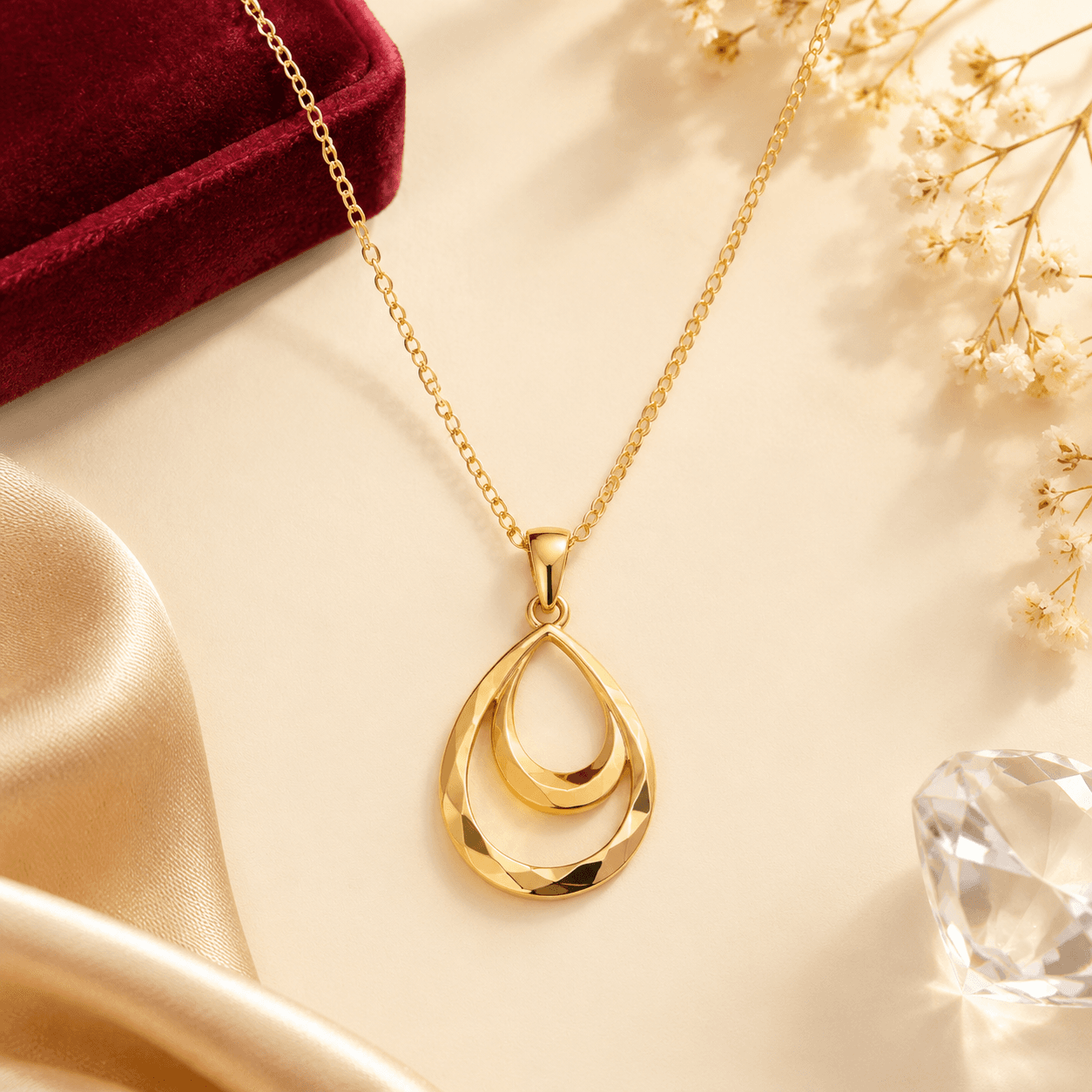
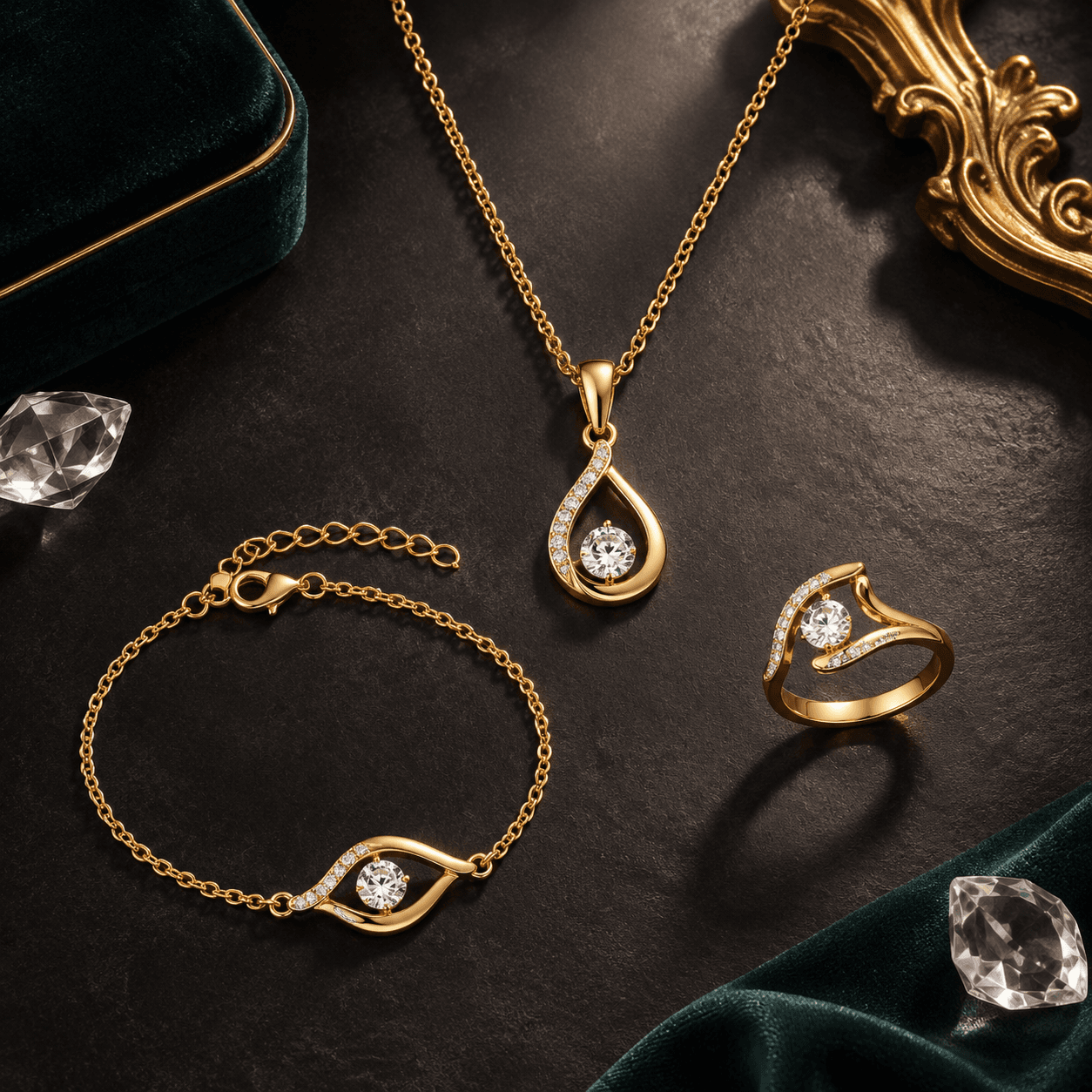
For procurement teams sourcing gold plated stainless steel jewelry for Europe, a polished sample is only one part of supplier qualification. Buyers also need to understand which rules may apply to the finished article, what evidence supports a compliance decision, and whether documents match the product specification. Use this checklist to structure supplier discussions, review available records, and identify open questions before approving a bulk order. It is a sourcing guide, not a substitute for advice on requirements applicable to a specific product or market.
Gold Plated Stainless Steel Jewelry Review: A Compliance Checklist
Assess the complete item rather than relying on a general statement about its base metal or finish. The design, components, intended use, and destination market can affect which checks are relevant. A gold-colored finish is not, by itself, evidence of regulatory compliance. Ask the supplier to connect each document to the product, materials, finish, and version under review.
Supplier and product definition
- ☐ Record the supplier’s legal and operating details, factory or sourcing role, and the person responsible for technical documentation.
- ☐ Request a product specification identifying the stainless steel grade, finish process, components, and any stones or other materials.
- ☐ Confirm whether the quoted article is a standard design or an OEM/ODM development, and document changes made after sampling.
- ☐ Assign a product code or version number so samples, test records, packaging, and purchase documents can be cross-checked.
- ☐ Ask which destination markets and intended uses the supplier has considered. A general export statement is not proof of EU compliance.
REACH and restricted substances
- ☐ Ask which REACH requirements the supplier considered for the specific article and its components. Request more than a broad, unsubstantiated declaration.
- ☐ Request relevant declarations or test reports. Check whether the product description, material scope, finish, and report date correspond to the current specification.
- ☐ Ask whether substance restrictions or information duties may apply to the article or its components. If applicability is unclear, agree who will obtain qualified regulatory advice.
- ☐ Keep the evidence with the product file and note its limitations, including which component or material a report covers.
REACH is a framework whose requirements depend on the substance, article, and applicable restriction. A general statement without product-specific context is difficult to evaluate. Request evidence and clarify its scope rather than assuming that one report covers every design, finish, or production revision.
Nickel release and skin contact
- ☐ Identify the parts that contact the wearer’s skin during intended use, including posts, chains, clasps, and other exposed components.
- ☐ For jewelry intended for prolonged direct skin contact, ask whether nickel-release requirements apply. Request relevant evidence for the finished article or appropriately representative components.
- ☐ Check that the test method, sample identification, and reported result are clear, and that the tested finish and construction match the production specification.
- ☐ For articles intended for insertion into pierced parts, confirm that the supplier has considered the distinct requirements applicable to those components.
- ☐ Agree how a material, plating, or component change will trigger a review of the evidence before production approval.
Nickel release is not the same as the presence of nickel in a material. A stainless steel grade or general material description does not automatically establish the release performance of finished jewelry. Ask for evidence relevant to the actual construction and intended contact conditions. If a report is unavailable or its scope is unclear, record it as an open verification item rather than treating the check as passed.
RoHS and the role of SGS
RoHS concerns restrictions on certain substances in electrical and electronic equipment. Ordinary jewelry is not automatically within scope simply because a buyer requests a RoHS document. If an item has an electrical or electronic function, ask a qualified compliance contact to determine whether applicable product rules bring it into scope. If it does not, document why RoHS was not treated as the controlling requirement rather than requesting an unrelated certificate.
SGS is a testing, inspection, and certification organization, not a regulation or universal product approval. A reference to SGS alone does not establish that an item meets a requirement. If a supplier presents an SGS report, review the report, issuer details, test scope, sample identification, date, and limitations. Buyers may ask whether project-specific testing can be arranged for the confirmed specification; do not assume a report exists before it has been provided and reviewed.
Benefits of a documented supplier review
Fewer specification gaps
A product file can connect the approved sample to its materials, finish, components, packaging, and purchase order. This helps procurement and quality teams identify mismatches before production approval. It also clarifies which version is being evaluated when development changes a clasp, post, surface finish, or other component.
More useful testing and audit discussions
Clear questions help buyers distinguish a relevant report from a generic document. Ask what was tested, which sample was used, and what the result covers. This makes discussions with a supplier or testing organization more practical and helps identify whether further evidence is needed before a purchasing decision.
Better coordination from sample to shipment
Setting technical requirements before an order can help align sampling, inspection checkpoints, packaging review, and export documentation with the buyer’s specification. This supports process clarity; it does not establish that a product meets regulatory requirements. Buyers remain responsible for confirming the obligations applicable to their product and market.
Detailed supplier-vetting guide
1. Establish the precise product scope
Start with a written bill of materials or equivalent product specification. For example, a 316L stainless steel item with a PVD gold finish should identify the base material and finish separately, as well as any additional components. Do not assume that one material description covers every part. Record intended wearer contact, product category, and changes between the reviewed sample and production version.
2. Request and check evidence systematically
Build a document register with the document name, issuer, issue date, product or sample identifier, component scope, and review status. Request applicable declarations and reports, then compare their scope with the product file. Check that each report is legible and complete, and ask the supplier to explain exclusions or differences. A supplier’s willingness to discuss evidence is useful, but it is not a substitute for reviewing the evidence itself.
3. Evaluate the sample and production controls
Review a representative sample for finish consistency, construction, functional connections, and correspondence to the specification. Ask which quality-control checkpoints are used during production and how deviations are recorded and escalated. For gold plated stainless steel jewelry, confirm the approved appearance and finish requirements in writing. Visual review alone cannot verify nickel release or restricted-substance status.
4. Define change control and audit records
Agree that changes to material grade, finish, component source, or construction will be communicated before implementation. Identify which changes require a new sample review, updated documents, or further testing. Keep the approved specification, correspondence, inspection notes, and document register together. In a supplier audit, focus on observable procedures such as version control, sample identification, inspection records, and handling of nonconforming product. Do not describe an audit as a certification unless the relevant evidence supports that statement.
5. Confirm commercial terms after technical review
Once the product scope and evidence requirements are clear, align the RFQ with the approved design, packaging needs, inspection expectations, and order assumptions. Buyers considering private-label jewelry should state logo and packaging requirements separately from regulatory evidence. Discuss MOQ for the specific configuration rather than assuming a standard quantity.
For more information, review OEM/ODM manufacturing services, learn about Lefeng Jewelry and its factory, or send product requirements through the RFQ and sales inquiry page.
FAQ
Does every gold plated stainless steel jewelry item need a RoHS report?
No. RoHS is relevant to electrical and electronic equipment, and ordinary jewelry is not automatically within scope. If a product has an electrical or electronic function, assess the applicable rules for that item. Record the scope decision and seek qualified regulatory advice where needed.
Does a stainless steel grade prove that nickel-release requirements are met?
No. A grade description does not establish the nickel release of the finished article. Request relevant evidence tied to the product, finish, components, and intended use, and verify that the report covers the version being purchased.
Is an SGS document automatically proof of compliance?
No. SGS is an organization, not a blanket approval. Review the actual document, sample identification, test scope, date, and limitations. Confirm that the findings relate to the applicable requirement and the product specification under review.
What should procurement teams include in an RFQ?
Include the product drawing or sample reference, materials and finish, intended market and use, component details, packaging needs, requested documentation, inspection expectations, and change-control requirements. Ask the supplier to identify MOQ and commercial assumptions for the defined configuration, and keep technical approvals separate from commercial acceptance.
Partner with Lefeng Jewelry
A reliable sourcing decision starts with a precise specification, relevant evidence, and clear communication between procurement, quality, and the supplier. Share your design, target market, finish, documentation needs, and order assumptions through an RFQ. The team can review the confirmed scope and discuss sample development and appropriate next steps without presuming a certification or test outcome.