Choosing a stainless steel heart charm supplier takes more than comparing unit prices. Buyers should check material specifications, production scope, sample accuracy, minimum order quantities (MOQ), quality control, communication and export requirements. A clear evaluation process helps reduce misunderstandings between quotation, sample approval and bulk production.
This guide is for jewelry brands, sourcing teams and distributors evaluating wholesale or OEM/ODM suppliers. Use the checklist to compare suppliers against the same product requirements and commercial assumptions.
What to Check Before Choosing a Supplier
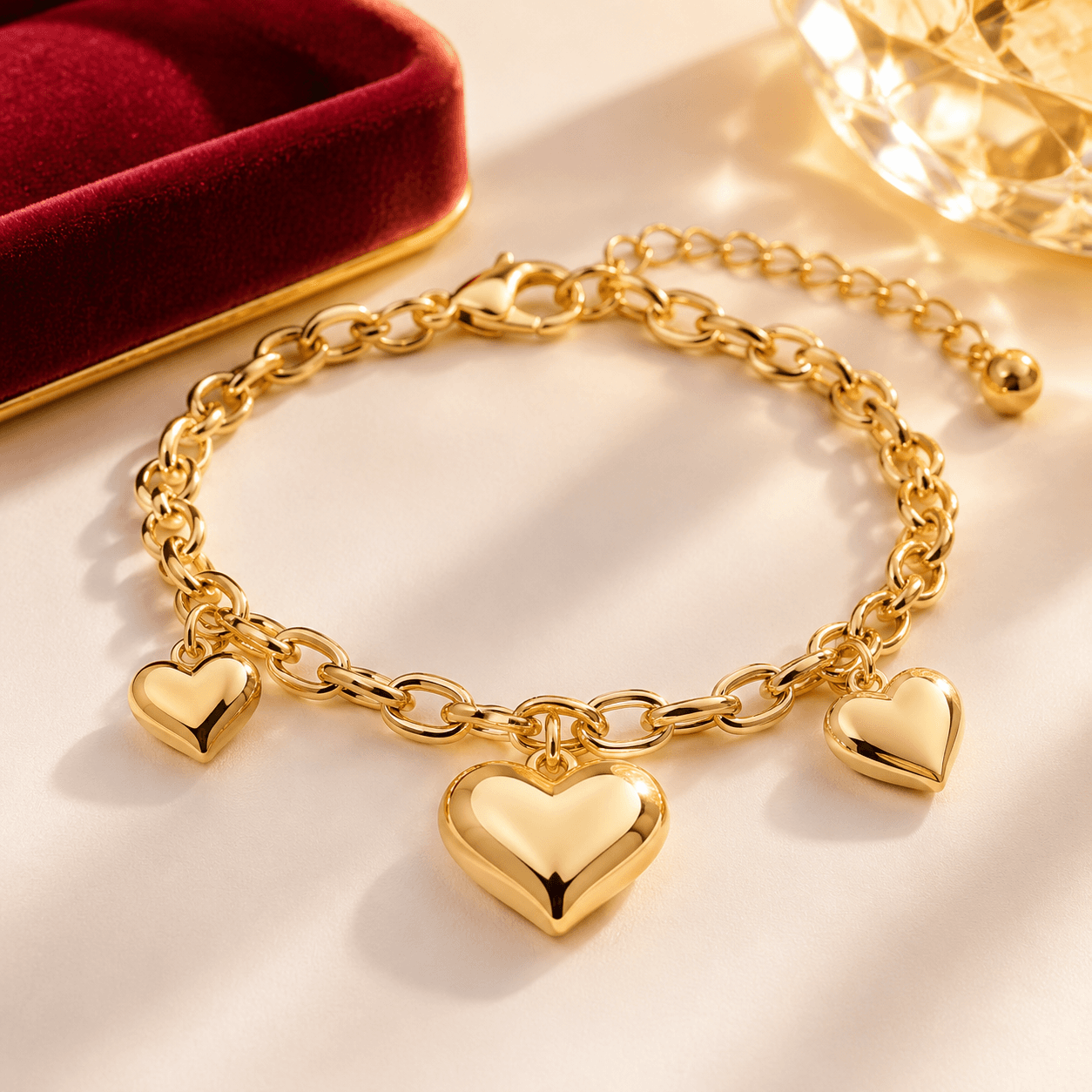
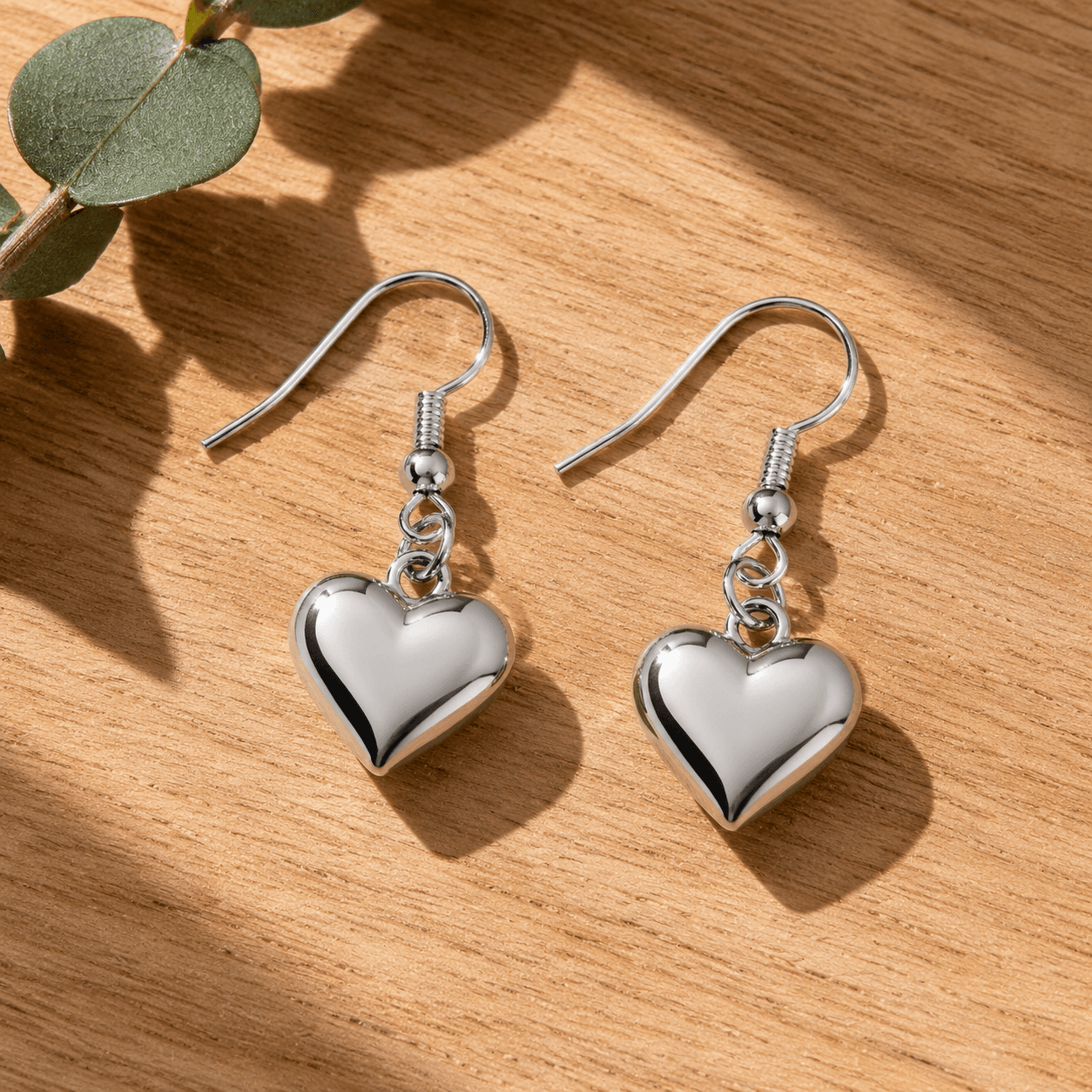
A heart charm may have a simple outline, but its dimensions, thickness, edges, attachment point and finish affect appearance and assembly. Before requesting a quotation, prepare a drawing or reference image and specify the intended use, material, finish, quantity and packaging needs.
1. Confirm the Supplier’s Production Scope
- Ask whether the supplier operates its own factory, uses external production partners, or combines both.
- Clarify which processes are performed in-house and which are coordinated externally.
- Ask how design review, sampling, production, inspection and packaging are managed.
- Confirm whether custom dimensions, attachment points, engraving and private-label packaging can be considered for your project.
- Request a written outline of the steps from design brief to sample approval and bulk production.
Specific answers about workflow are more useful than a general product catalogue. Confirm that the supplier’s proposed scope fits your requirements before comparing quotations.
2. Specify the Material and Finish
- State whether you are requesting 316L or 304 stainless steel and ask the supplier to confirm the specification in writing.
- Identify the finish, such as natural stainless steel, PVD gold, or rose gold, and clarify what the quoted finish includes.
- Specify any enamel, stone, crystal or pearl details if they are part of the design.
- Request applicable material documentation or project-specific inspection records if your purchasing program requires them.
Material choice should suit the product brief, target price and buyer requirements. Do not treat a material description alone as proof of a finished product’s exact composition. For North American orders, establish applicable product, labeling and import requirements for the specific item. Do not assume FDA requirements apply to ordinary jewelry; check the relevant product classification and obligations with an appropriate professional or authority when needed.
3. Approve a Sample Before Bulk Production
- Provide a drawing, reference dimensions or a detailed specification.
- Define the charm’s height, width, thickness, weight expectations and edge profile.
- Check that the hole, bail or connector suits the intended necklace or bracelet assembly.
- Inspect the front, back, sides and edges of the physical sample.
- Compare the sample finish with the written specification and approved reference.
- Record changes and obtain written approval before production.
A sample lets buyers review proportions, surface appearance, attachment functionality and overall presentation. Keep the approved sample or agreed reference and specification available for production inspection and repeat orders.
Compare Quotations on an Equal Basis
Unit price is only one part of sourcing cost. Depending on the project, quotations may differ in development or tooling charges, finish, engraving, packaging, inspection and shipping arrangements. Ask suppliers to identify included and excluded items so you can compare equivalent specifications.
Assess MOQ and Bulk Pricing
- Request the MOQ for each design and finish.
- Ask whether different colors, engraving or packaging affect the MOQ.
- Request prices at several realistic order quantities.
- Confirm quotation validity and the cost components included.
- Ask how sample or development costs relate to a bulk order.
- Clarify whether approved specifications can be used for repeat orders.
Share a realistic initial quantity and, if available, a repeat-order forecast. If you are developing several designs, ask whether any production or packaging arrangements can be coordinated across the collection. Confirm the MOQ and pricing for each design and finish in writing; do not assume that quantities can be combined.
Evaluate Quality Control and Communication
Discuss inspection requirements before placing an order. Agree on observable criteria based on the approved specification, including dimensions, symmetry, edges, attachment details, surface finish, logo placement and packaging presentation.
- Ask how materials and production specifications are checked.
- Confirm when dimensions and design details are inspected.
- For plated items, clarify the specified finish and the inspection approach for the project.
- Agree how finished products will be reviewed before packaging or shipment preparation.
- Define how discrepancies, corrective actions and approval requests will be communicated.
If your program requires particular performance tests or reports, discuss them against the confirmed product specification and review relevant records. Do not assume that testing or documentation is available without confirmation.
During quotation and sampling, note whether the supplier answers technical questions clearly, flags missing information and documents revisions. Agree on communication channels, approval responsibilities and change-control procedures before production starts.
Check Private-Label and Export Requirements
Ask whether the supplier can support the project’s logo, packaging and shipping needs. Confirm available options and any related requirements rather than assuming they are included in the product quotation.
- Clarify logo application, artwork format and approval steps.
- Confirm packaging specifications, customization and any applicable MOQ.
- Agree who is responsible for reviewing packaging artwork and product labeling.
- Discuss export coordination and shipping-document responsibilities.
- Confirm destination-market requirements for your product and sales channel.
For US and Canadian orders, verify requirements for the actual product, destination and purchasing arrangement with an appropriate professional or authority when necessary.
Assess Long-Term Fit
For repeat programs, ask how approved samples and specifications will be referenced, how modifications will be quoted, and how production concerns will be handled. Consider whether the supplier can support related designs or coordinate packaging changes as your collection develops. Clear forecasts and timely approvals from the buyer also help keep projects organized.
Discuss Your Heart Charm Project with Lefeng Jewelry
If you are considering Lefeng Jewelry for a heart charm project, ask the team to confirm its current production scope, material options, sampling process, MOQ, quality-control arrangements, packaging options and export support against your requirements. Confirm all proposed capabilities and commercial terms before proceeding.
Share your design or reference image, preferred material and finish, estimated order quantity, intended application and packaging requirements. You can explore the stainless steel charms collection for product references or review OEM/ODM manufacturing services for information about the services offered.
Frequently Asked Questions
What should wholesale buyers check when choosing a stainless steel heart charm supplier?
Compare production scope, written material specifications, sample quality, finish, MOQ, pricing, inspection procedures, communication and any packaging or export requirements. Ask how changes and repeat orders will be managed.
Is 316L stainless steel an option for heart charm collections?
316L is one material specification buyers may evaluate. Confirm the exact material, finish and supporting documentation required for your project before approving production.
How can buyers compare MOQ and bulk pricing?
Request pricing at several realistic quantities and confirm whether each finish, logo or packaging option affects the MOQ. Compare offers using the same product specifications and included cost components.
Why approve a sample before placing a bulk order?
A sample allows buyers to check dimensions, thickness, attachment details, polishing, finish and design accuracy. Written approval and a documented specification give both parties a reference for production review.
Start a Sourcing Discussion
A structured supplier review helps buyers assess product quality, production fit and commercial terms before committing to bulk production. Prepare your design details and questions about material, MOQ, inspection, packaging and shipping so suppliers can respond against a clear brief.
Contact the Lefeng Jewelry team for an RFQ to discuss your heart charm requirements.