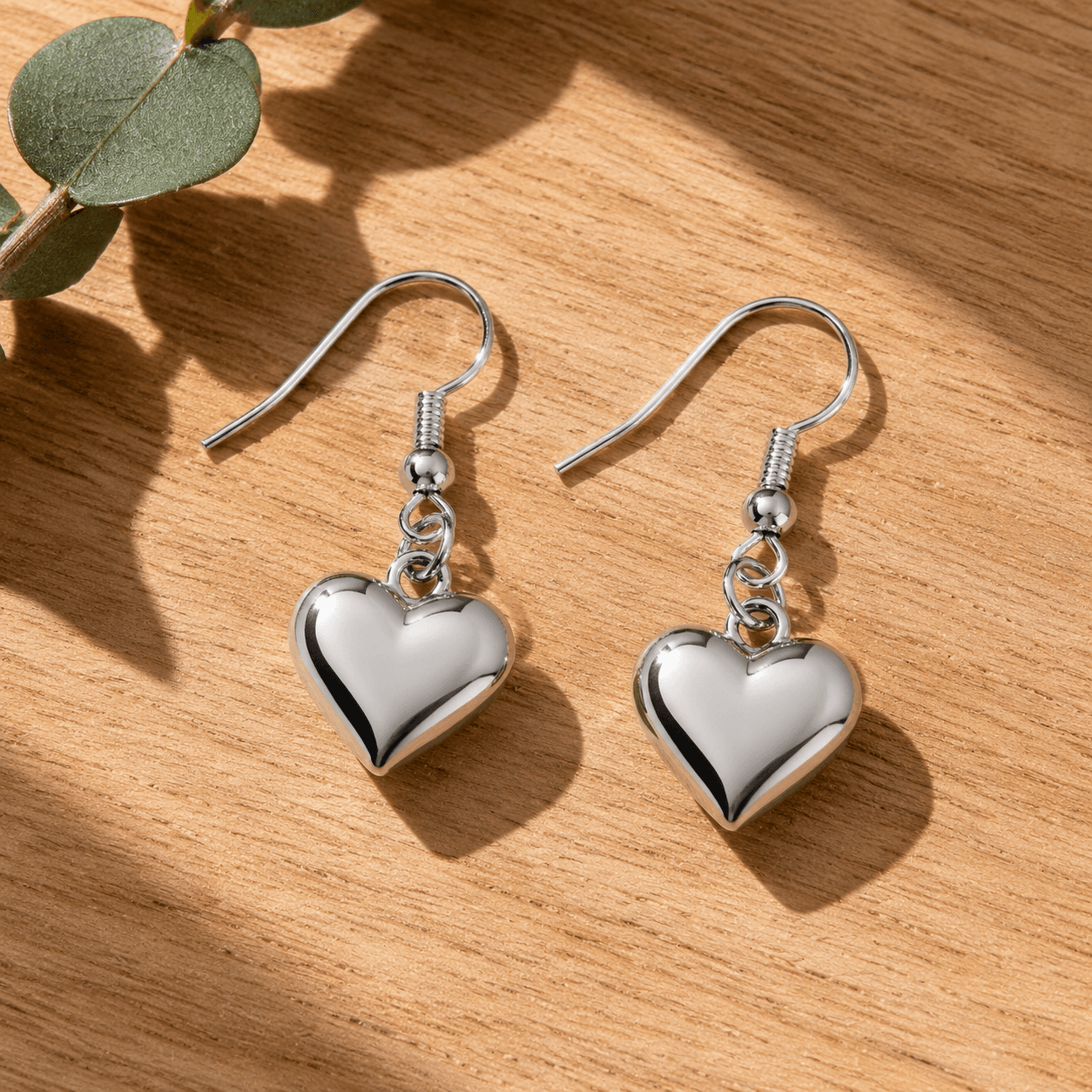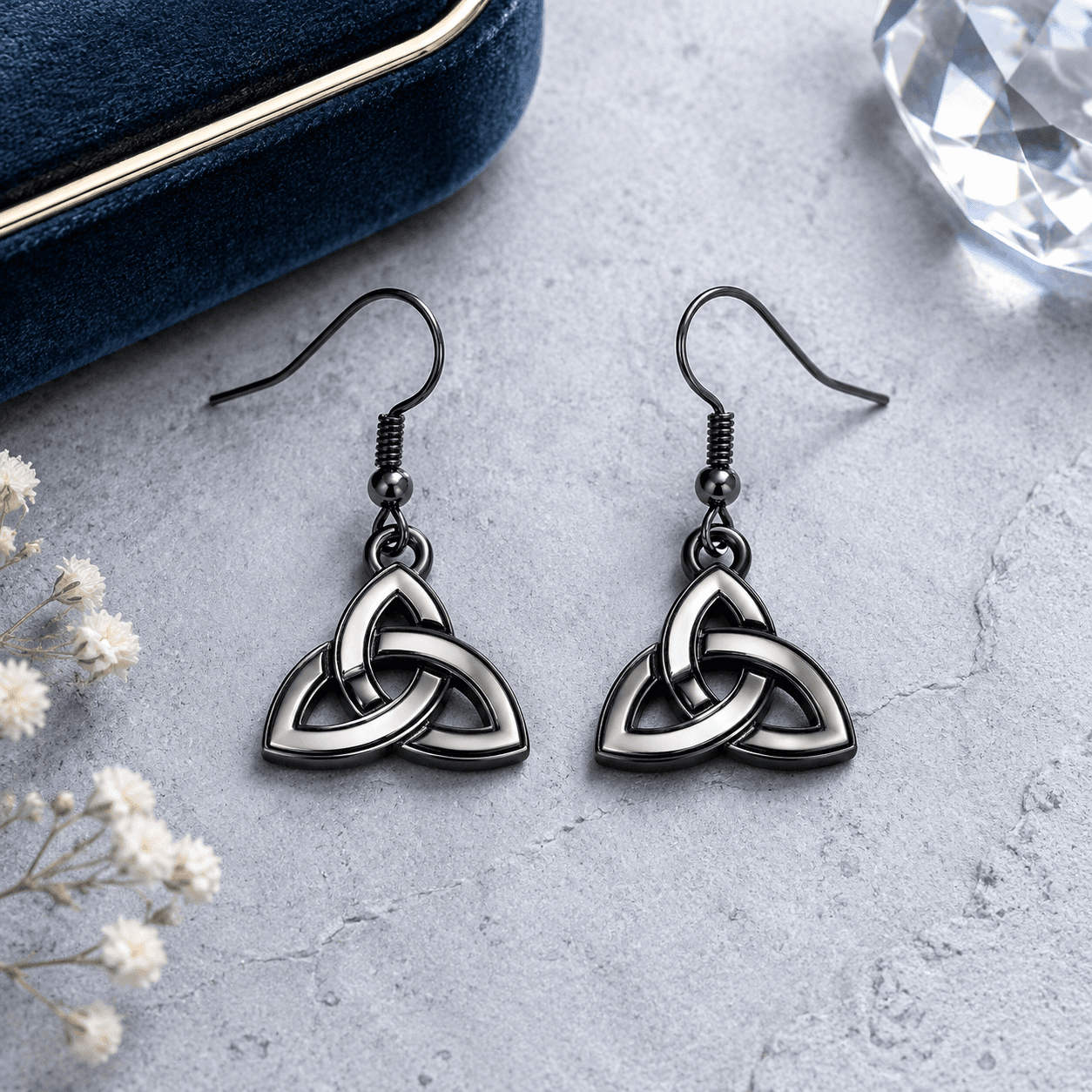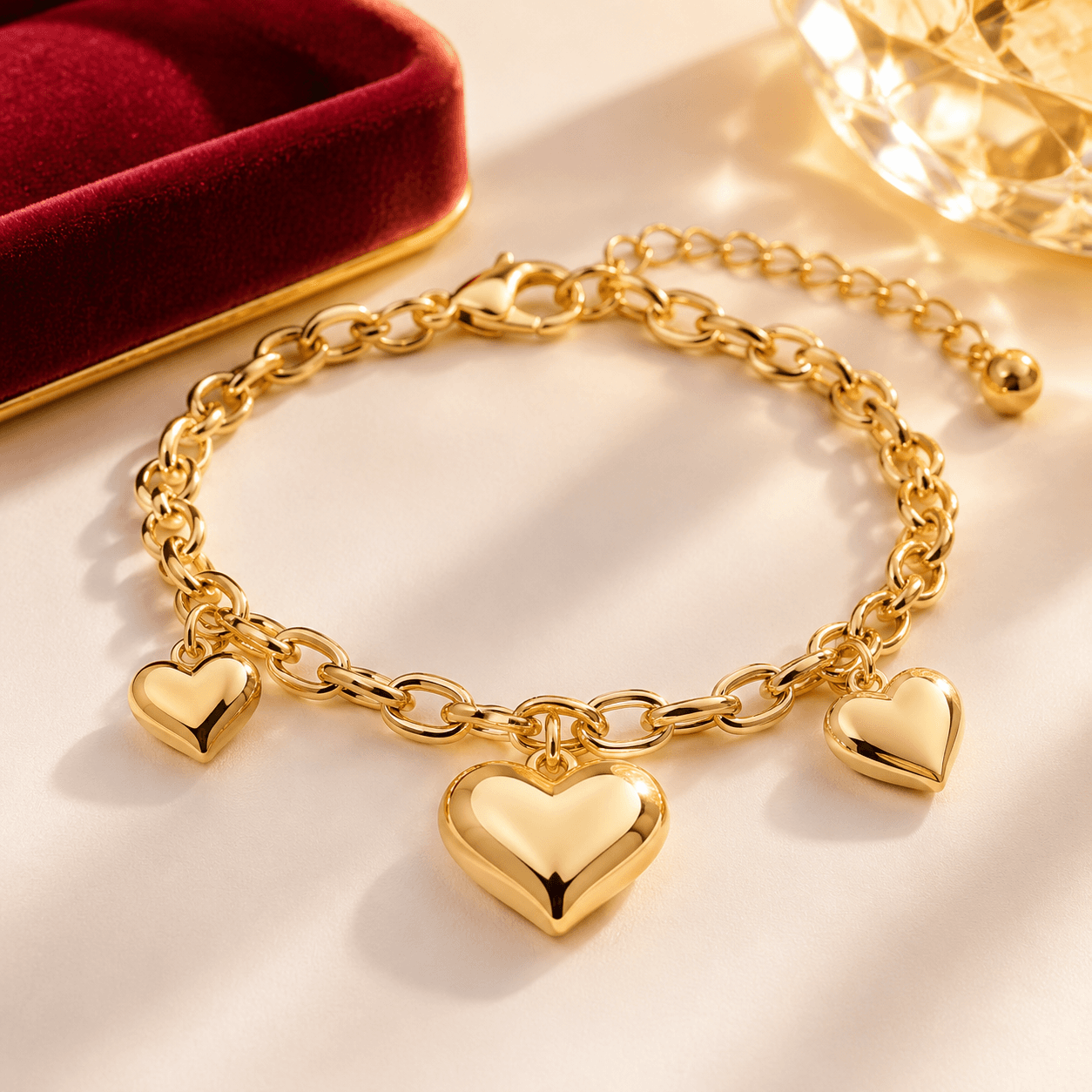
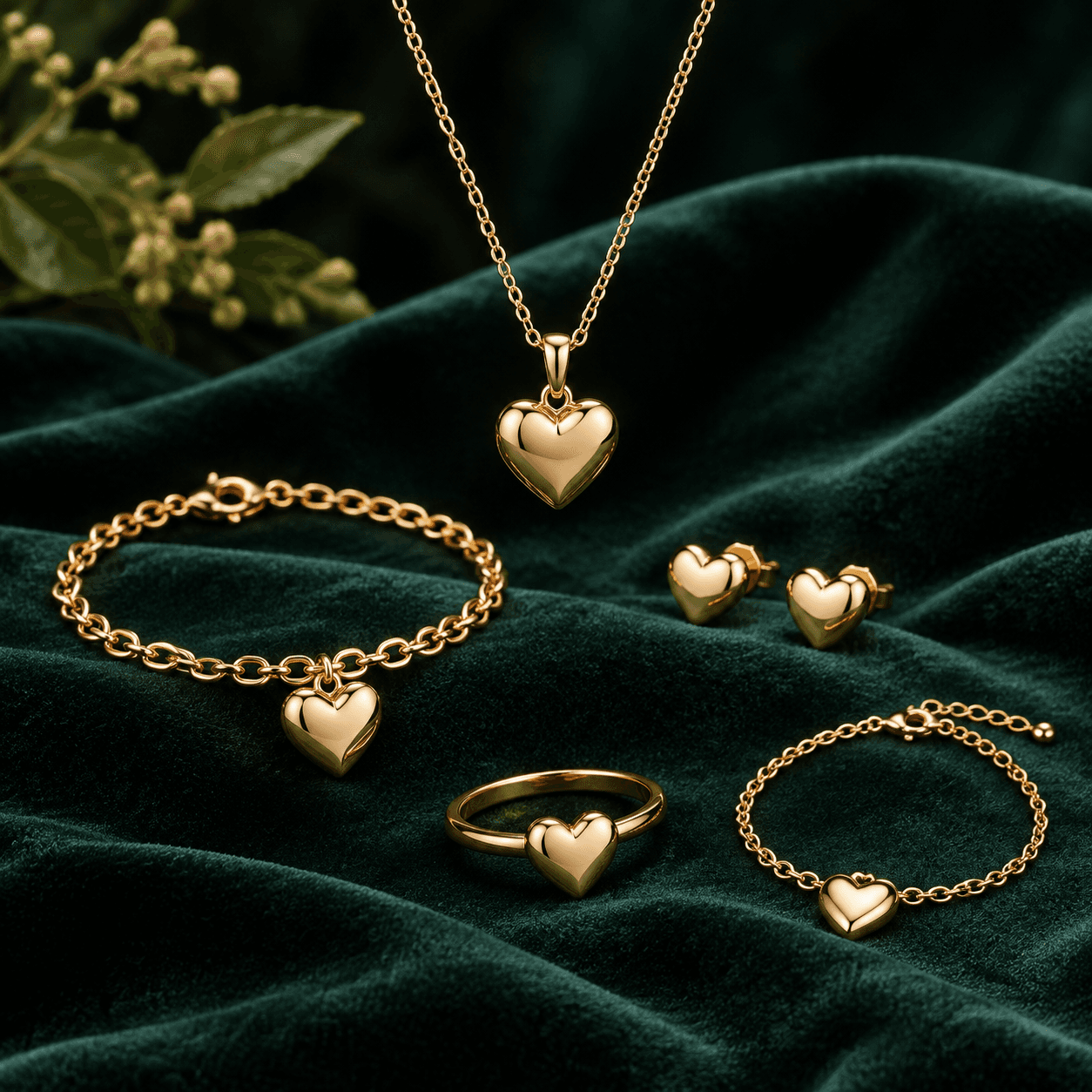
For jewelry buyers, a heart charm's commercial value depends on more than its appearance. Material grade, finish, construction, packaging, and accurate product information all affect the customer experience and total sourcing cost. Stainless steel generally resists ordinary moisture, but no charm should be described as completely waterproof without evidence for the finished product and its intended conditions of use.
Is a Stainless Steel Heart Charm Waterproof?
Water-resistant is usually more accurate than waterproof. A plain stainless steel charm may tolerate incidental water exposure, but prolonged immersion, saltwater, chlorine, cleaning products, and residue can affect its appearance. The grade, surface finish, assembly, and care all matter. Attachment rings, decorative elements, and coatings should be considered as part of the finished product.
Customers may interpret “waterproof” to mean suitable for showering, swimming, or exercise. Unless the complete product has been evaluated for those conditions, avoid unrestricted claims. Provide care guidance that matches the approved specification.
316L vs. 304 Stainless Steel
Both grades are used in products, but they are not interchangeable by default. 316L generally offers better resistance to chloride-related corrosion than 304, while 304 may be an option for projects prioritizing material cost and general use. The right choice depends on the design, target market, intended use, and confirmed material specification.
| Factor | 316L | 304 |
|---|---|---|
| General positioning | Often selected when corrosion resistance is a priority | General-purpose stainless steel option |
| Ordinary moisture | Generally suitable for incidental exposure | Generally suitable for incidental exposure |
| Chloride exposure | Generally more resistant | Generally less resistant |
| Cost | May have a higher material cost | May offer a lower-cost starting point |
| Buyer check | Confirm the grade, finished sample, and applicable documentation with the supplier. | |
Choosing 316L does not by itself guarantee a better commercial result. Consider dimensions, finish, target retail price, intended use, and the complete product configuration.
Plain Steel and PVD Gold-Colored Finishes
Plain polished steel and a PVD gold-colored finish serve different merchandising goals. A coating adds a production step, and its performance depends on the coating specification, substrate preparation, coverage, and manufacturing consistency. Do not assume a coated charm has the same water-resistance characteristics as an uncoated component. Review the finished sample against the intended appearance and use.
Enamel, zircon, crystal, or pearl details may also be possible, subject to design and manufacturing feasibility. These additions introduce their own attachment, inspection, and care considerations. Assess the complete assembled charm rather than inferring durability from its steel base.
What Drives Wholesale Cost?
A quotation can depend on material grade, dimensions, thickness, weight, design complexity, and material utilization. Polishing, laser or CNC processing, plating, enamel, stone setting, sampling, and packaging may add cost when required. When comparing suppliers, confirm that each quotation covers the same specifications and production steps.
For custom development, provide dimensioned drawings or reference images, finish preferences, logo requirements, and packaging details. A sample can help assess proportions, edges, surface appearance, attachment points, and color before bulk production. Confirm any sample charges, order quantities, and pricing directly with the supplier for the specific project.
Estimate total landed cost rather than comparing unit price alone:
Total landed cost = product cost + allocated development cost + packaging + freight + import expenses + fulfillment + expected return-related costs.
Also consider working capital, storage, expected sales, and slow-moving inventory risk. A controlled initial order may be more appropriate than maximizing order quantity before demand is understood.
Practical Sourcing Checklist
- Define the specification. Confirm material grade, dimensions, thickness, target weight, finish, attachment method, and any decorative components.
- Set the intended use. Identify the customer and use conditions. Avoid swimming-safe or unrestricted waterproof claims without supporting evidence for the finished product.
- Review a sample. Check the outline, edges, polish, color consistency, dimensions, connection points, and decorative details against the agreed specification.
- Agree on quality checks. Discuss material documentation, production inspection, finish review, and final inspection. Specify which characteristics must match the approved sample.
- Plan listing and care information. State confirmed material, finish, dimensions, and care guidance. Use photography that accurately represents the product's color, scale, and attachment point.
- Confirm packaging and shipping. Review individual packing, jewelry cards, private-label packaging, protective materials, labeling, and shipping arrangements for the destination.
Market and Claims Considerations
For US and Canadian sales, assess applicable import, product-safety, labeling, chemical, and consumer-protection requirements for the specific product and destination. An ordinary jewelry charm is not automatically FDA-approved because it is made from stainless steel. Identify any applicable requirements and documentation during the RFQ process, and have claims reviewed against the actual product and available evidence.
Frequently Asked Questions
Can a stainless steel heart charm be worn in the shower?
Plain stainless steel generally handles incidental moisture, but soap residue and prolonged exposure may affect appearance, especially on decorative finishes. Recommend removing jewelry before showering unless the finished product has supporting evidence for that use.
Is 316L better than 304?
316L generally offers better resistance to chloride-related corrosion. 304 may suit projects with different cost and use priorities. Confirm the grade and assess the finished sample for the intended application.
Does PVD gold plating make a charm waterproof?
No. A decorative coating does not establish unrestricted waterproof performance. Review the coating specification and finished product, and provide care instructions appropriate to the evidence available.
What should a wholesale RFQ include?
Include material grade, dimensions, finish, decorative details, attachment design, estimated quantity, logo requirements, and packaging preferences. Drawings or reference images can help clarify the design. Confirm sampling, inspection, and documentation requirements before production.
Develop a Stainless Steel Heart Charm
A sound sourcing decision balances material, finish, design, cost, and customer expectations. Define the specification, review a sample, and calculate total landed cost before placing a bulk order. Ask Lefeng Jewelry to confirm which materials, finishes, development services, and packaging options are available for your project.
Share your reference design, material preference, target quantity, finish, and packaging requirements to discuss an OEM/ODM proposal. Any proposed options remain subject to confirmation against the project specification and sample approval.
Explore our stainless steel charms, review our OEM/ODM manufacturing services, learn more about Lefeng Jewelry, or contact our team for an RFQ.