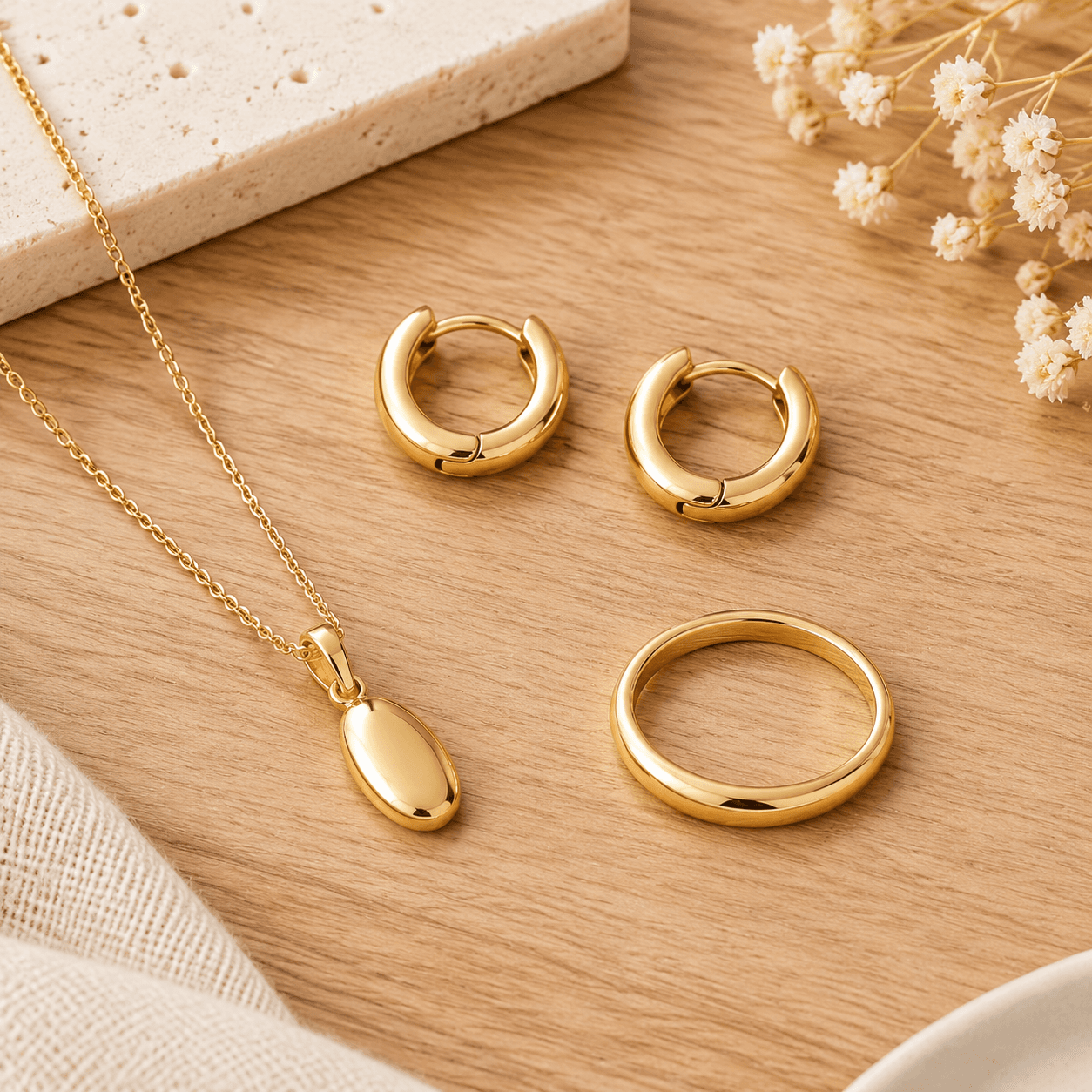
Small huggie hoops are a practical addition to jewelry assortments because their compact proportions work across everyday, gift, and curated fashion collections. For retailers, the strongest assortment balances recognizable silhouettes with enough variation in finish and detail to support comparison, coordinated displays, and repeat purchases.
This guide covers polished hoops, gold-tone and rose gold-tone finishes, geometric details, and complementary studs or drop earrings. It also explains the information buyers should request when reviewing stainless steel jewelry for wholesale or private label development, including dimensions, closure construction, plating details, packaging, and quality-control expectations.
Waterproof and water-resistant wording requires product-specific support. A 316L stainless steel base does not, by itself, establish unrestricted water performance. Before approving a claim, confirm the complete construction, finish, decorative components, care guidance, and any documentation applicable to the finished SKU.
Small Huggie Hoop Styles for Retail Assortments
Small huggie hoops can anchor a modern earring assortment because their compact profiles suit countertop trays, gift sections, product walls, and coordinated metal-tone displays. A useful range may combine understated hoops with a limited number of textured, faceted, stone-accented, or botanical designs. The goal is to give shoppers clear choices without making the display difficult to navigate.
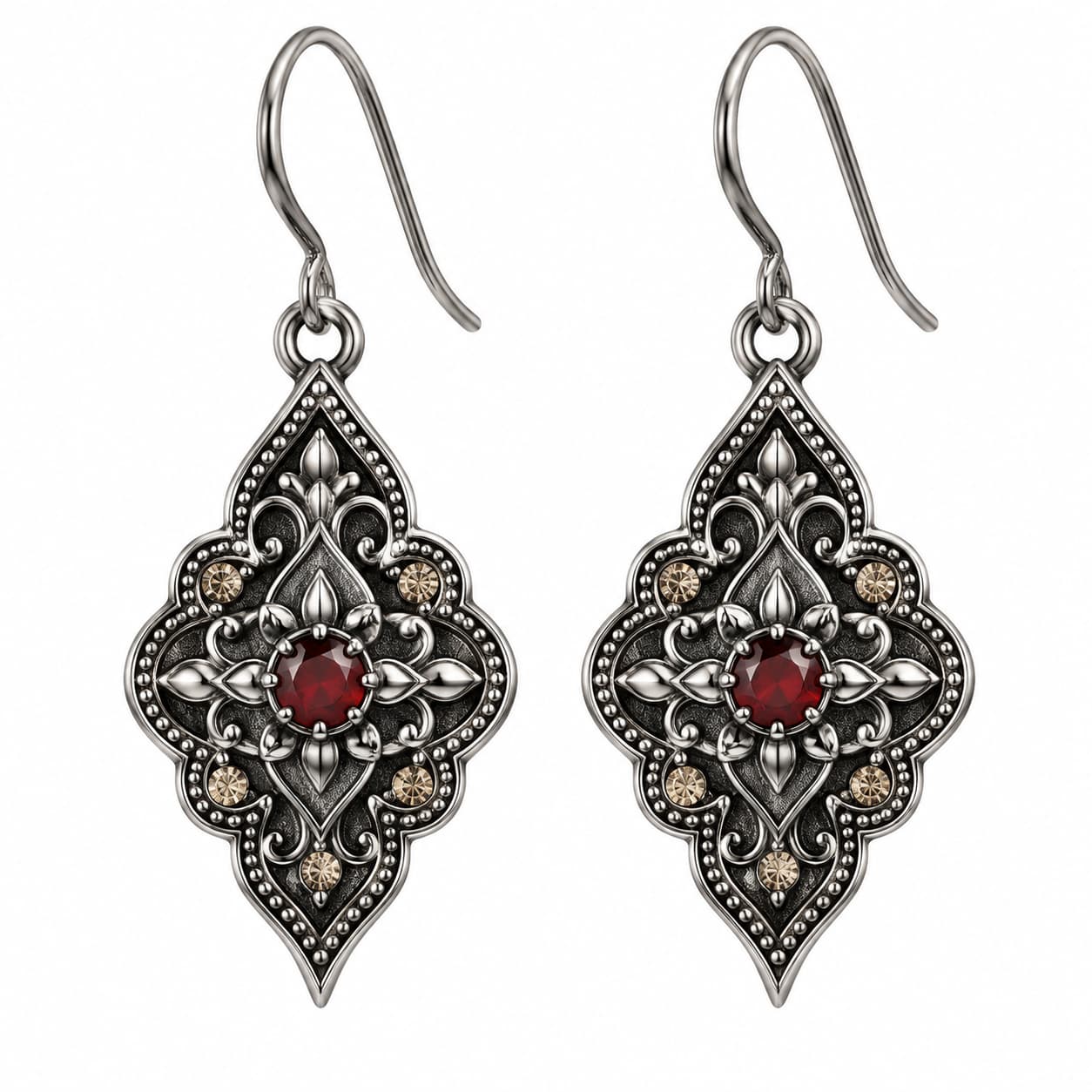
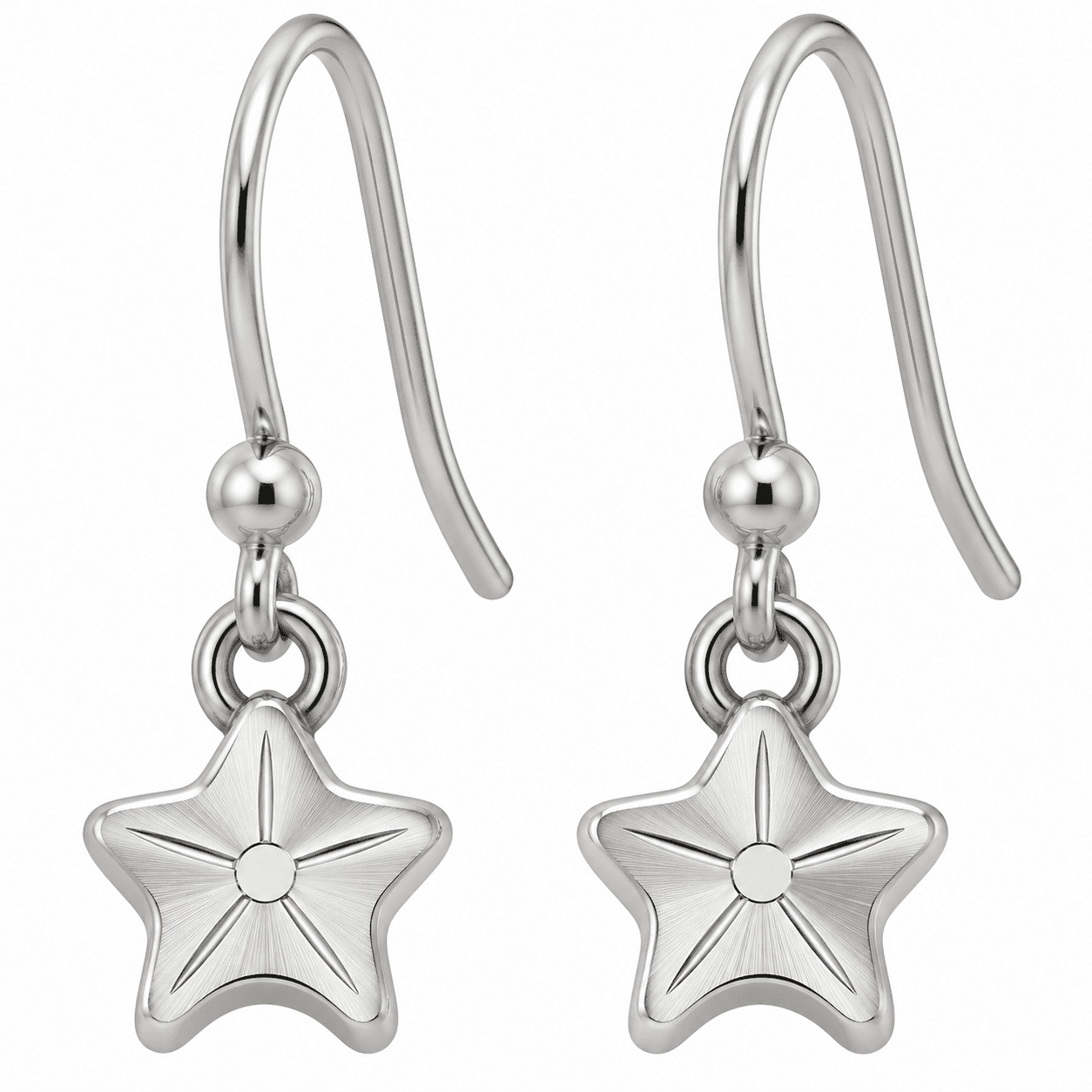
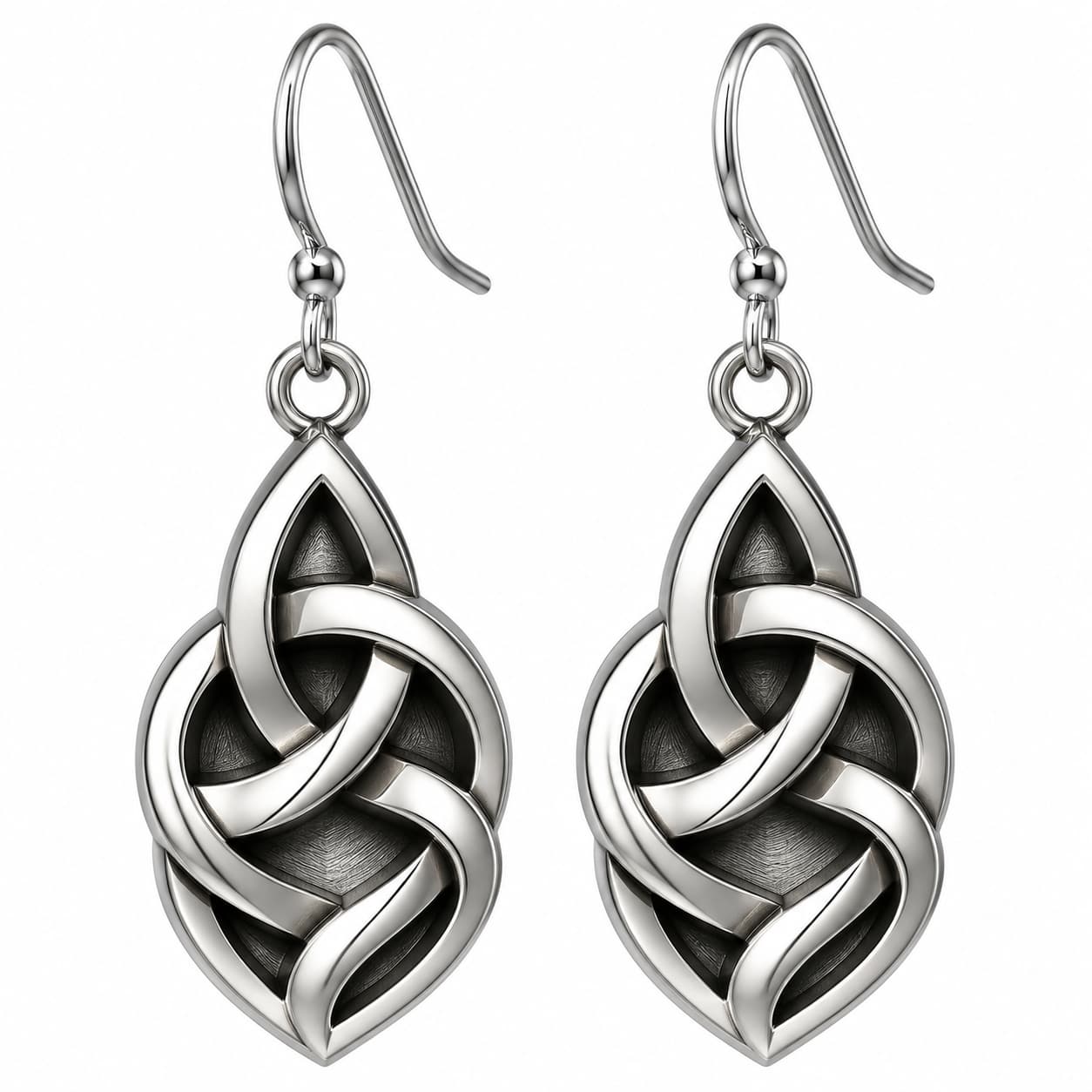
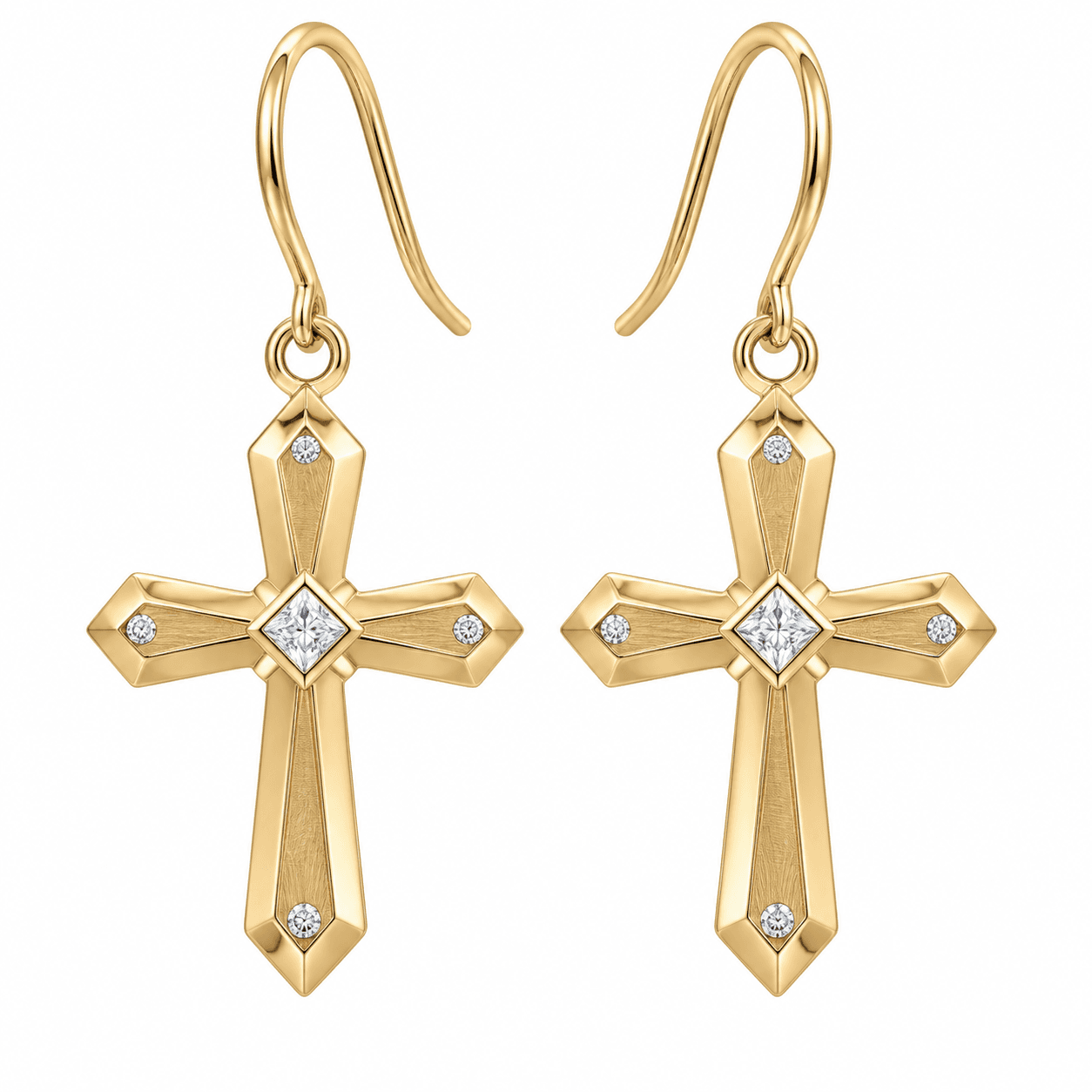
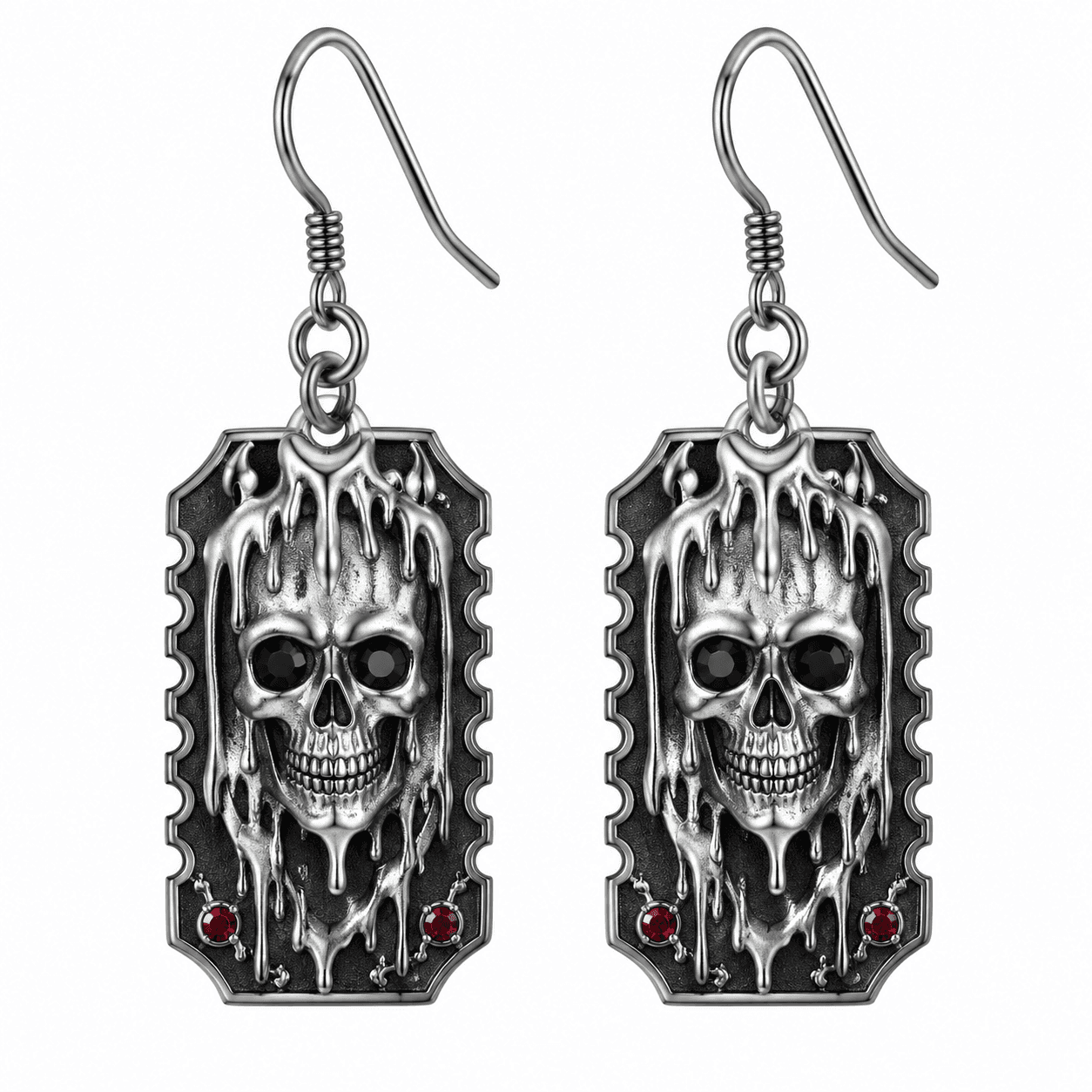
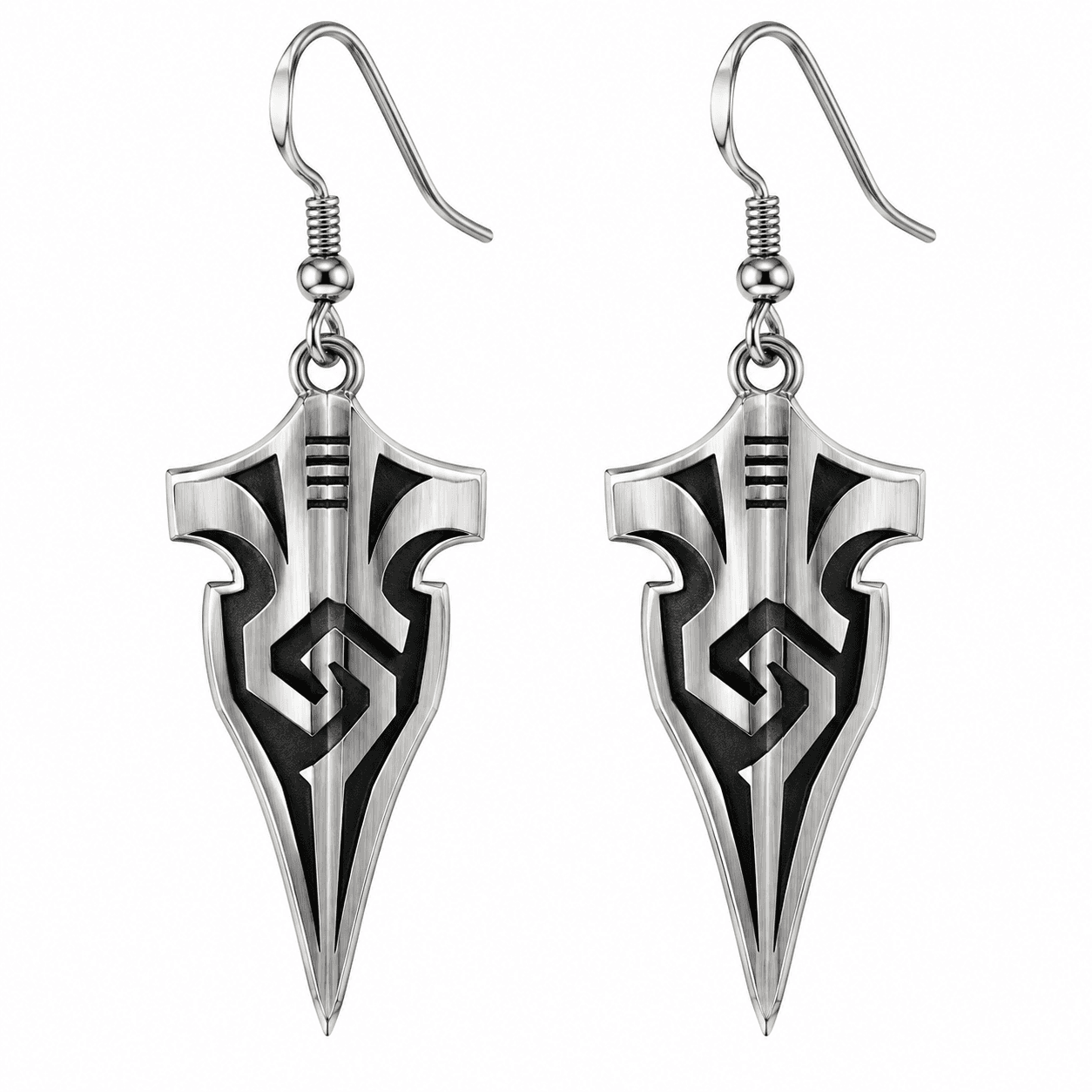
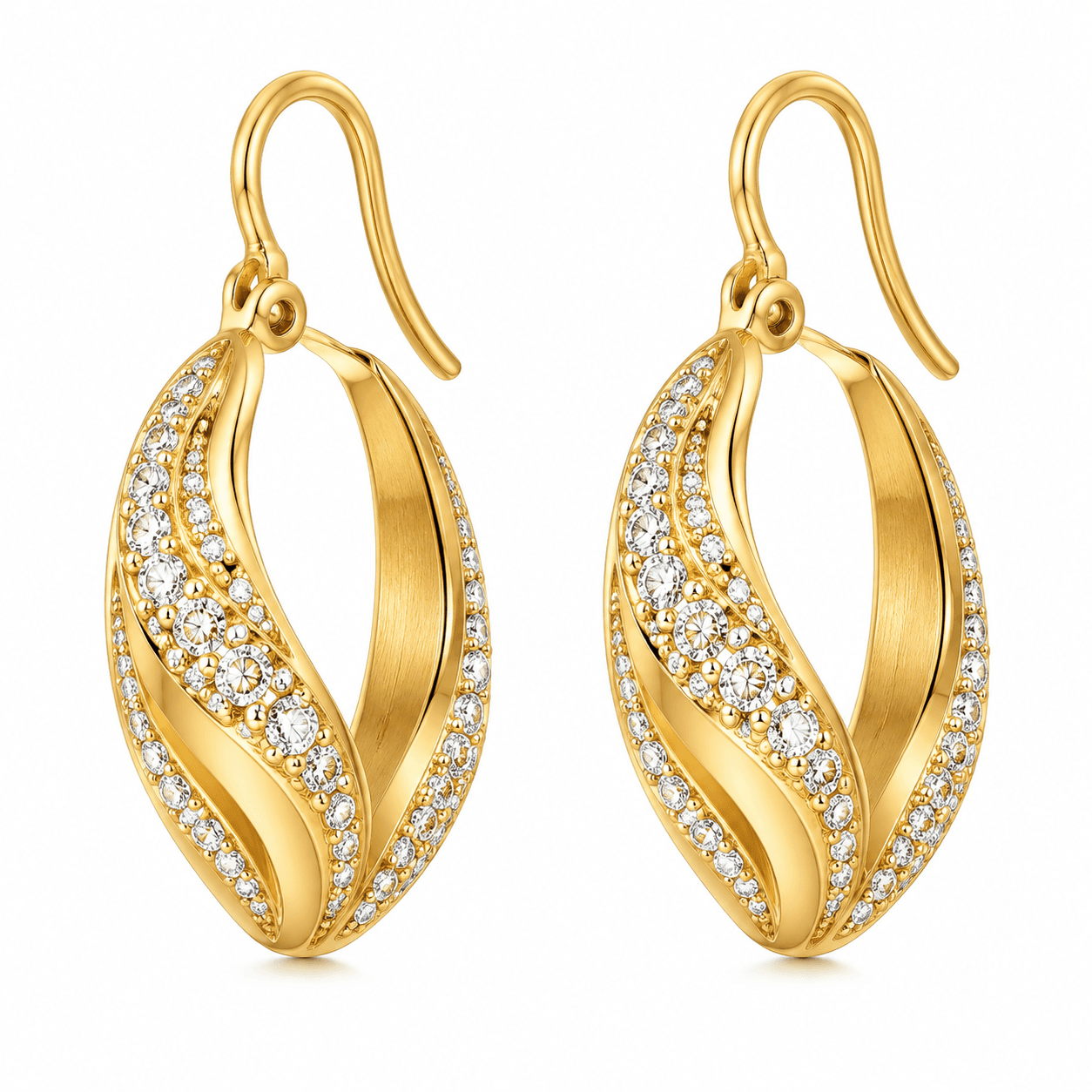
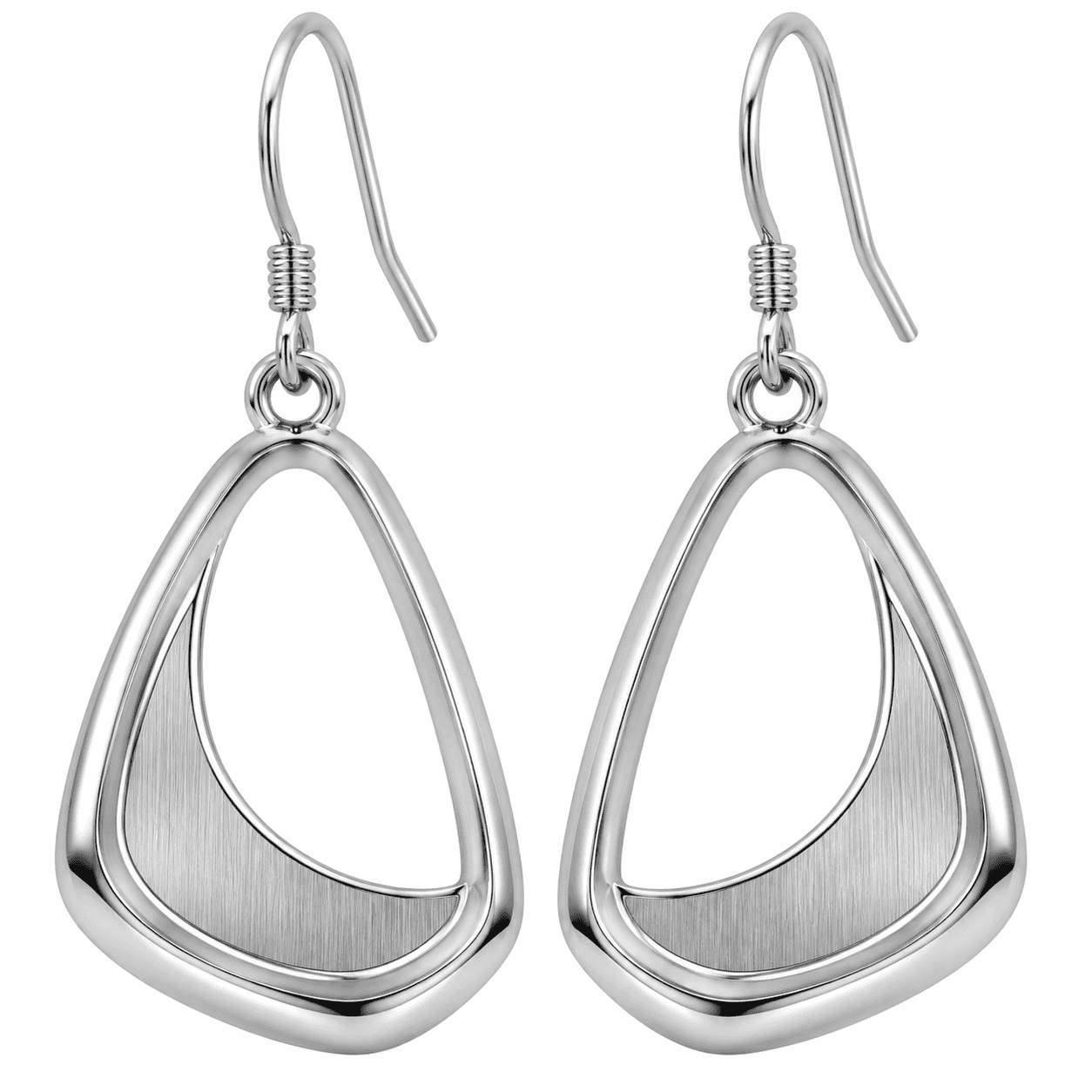
For assortment planning, consider five complementary directions: classic polished hoops, decorative drop earrings such as Midnight Fern Victorian-Inspired Drop Earrings, botanical studs such as Little Daybreak Daisy Stud Earrings, geometric styles such as Axis Duo Facet Cross Stud Earrings, and more distinctive editorial pieces such as Midnight Triquetra Crescent Witch Knot Drop Earrings or Deadlight Shattered Mirror Horror Earrings. These references provide design inspiration only; their material, finish, and performance specifications should be confirmed separately.
Review construction as well as appearance. Check hoop diameter, band thickness, hinge alignment, opening clearance, post or latch engagement, surface consistency, and the finish around connection points. Request samples before a larger order and compare the physical product with the intended retail positioning. Browse the stainless steel earrings collection and new designs for related assortment ideas.
Five Design Directions for a Compact Hoop Display
1. Minimal polished hoops. These provide a dependable visual foundation. Compare diameter, band thickness, closure construction, weight, and surface quality across samples.
2. Gold-tone finishes. Gold-tone hoops can broaden a metal-color story without changing the core silhouette. Confirm the base material, coating or plating process, finish expectations, and care guidance before making claims about water exposure.
3. Rose gold-tone finishes. A warmer finish adds variation to a compact range. Inspect sample consistency, especially around hinges, edges, and closures.
4. Geometric and faceted details. Facets, crosses, and other small structural details can differentiate products without requiring a larger hoop. If zircon, crystal, enamel, or other components are used, review their attachment and specification separately.
5. Coordinated statement accents. Decorative studs and drop earrings can add editorial interest beside core hoops. Keep detailed styles in proportion to the foundational range so the display retains a clear hierarchy.
Arrange products by silhouette, finish, or design character and use consistent naming and packaging information. For custom development, buyers can discuss design, sample, finishing, packaging, and inspection requirements through the supplier's stated OEM/ODM service channels, subject to project feasibility and confirmed specifications.
How to Review Water-Resistance Wording and 316L Specifications
Waterproof is a strong retail claim, so buyers should define exactly what it means for the finished product before using it in listings, packaging, or advertising. 316L stainless steel may be an appropriate base-material specification for some everyday jewelry, but it does not automatically establish performance under every water or wear condition.
Request the base-material specification, finish description, plating details, construction information, and care instructions for each relevant SKU. Clarify whether the design includes PVD, other plating, zircon, crystal, enamel, soldered or joined components, and hinged closures. Ask how the supplier checks finish uniformity, closure function, dimensional accuracy, and decorative attachment.
If a claim depends on a defined exposure condition or test method, request documentation for the exact finished configuration or arrange project-specific verification. Do not generalize evidence from one SKU to an entire collection. Product-specific documentation and agreed wording provide a more reliable basis for retail positioning.
For related sourcing information, visit the jewelry manufacturing and sourcing insights section and the guide Is Stainless Steel Jewelry Waterproof? A 316L Buyer's Guide.
Wholesale Buying Criteria: Assortment, Cost, and Replenishment
Wholesale decisions should connect design appeal with inventory control. Begin with the store's customer profile, existing price architecture, display space, and collection identity. A polished hoop can serve as a core option, while alternative finishes and coordinated studs or drops provide visual variety. More distinctive designs can add interest without making every SKU equally complex.
Calculate landed cost rather than reviewing the factory quotation alone. Include product cost, packaging, freight, import-related expenses, payment costs, and expected markdowns where applicable. Compare the result with the intended retail price and required margin. No universal turnover or margin rate should be assumed; performance depends on customer demand, traffic, price positioning, merchandising, and replenishment decisions.
A controlled first order can help retailers assess customer response before expanding the range. Ask the supplier to clarify MOQ conditions, customization charges, packaging specifications, quotation assumptions, and destination-market requirements. Consistent naming, finish identification, packaging, and repeatable specifications can simplify replenishment across multiple SKUs.
Use the OEM/ODM manufacturing services page to review available project pathways and the quote list to organize products for inquiry. Related stainless steel bracelets and stainless steel necklaces may support coordinated displays.
Sampling and Quality Checks Before a Bulk Order
Product images communicate silhouette and finish, but physical samples are needed to assess construction and retail suitability. For a compact hoop project, review overall diameter, band thickness, weight, opening clearance, hinge alignment, closure engagement, surface smoothness, pair consistency, and finish uniformity.
Inspect both earrings in a pair and examine edges, joints, hinges, and other areas where finish control may be more difficult. Confirm that decorative components are correctly positioned and securely attached. Review packaging for product protection, presentation, labeling, and logo requirements. If water-resistance wording is part of the commercial brief, agree on the verification method before production rather than relying on appearance or material descriptions.
A useful RFQ should include reference drawings or photographs, target dimensions, preferred material, finish, closure requirements, decorative details, packaging expectations, estimated quantity, and destination market. Also identify the required quality-control checkpoints, acceptable appearance, closure function, and packaging standard. Any certification, inspection result, or performance claim should be supported by project documentation before publication.
For background on the supplier and its stated manufacturing services, review the About Lefeng Jewelry page and confirm project-specific capabilities during the inquiry process.
Frequently Asked Questions About Small Huggie Hoops
Develop a Small Huggie Hoop Collection for Your Retail Business
For a wholesale or private label project, prepare the key product decisions before sending an inquiry: hoop silhouette, target dimensions, material specification, finish, closure construction, decorative details, packaging, logo requirements, estimated quantity, budget, and intended sales market.
Explain whether you need an existing design selection, an ODM concept, or OEM production based on your own specifications. Identify any requested PVD or other finish, rose gold-tone treatment, zircon, crystal, enamel, or related details. If water-resistance positioning matters, define the performance requirement and request documentation or project-specific verification before approving retail claims.
Start with the stainless steel earrings collection, review the OEM/ODM services, or send requirements through Contact Lefeng Jewelry. A clear RFQ and approved sample provide a practical basis for discussing feasibility, pricing, production requirements, and quality expectations.
Related resources
Related resources
- Stainless Steel Jewelry Trend 2026: A Wholesale Buyer's Quality Checklist
- 316L Stainless Steel Earrings for Sensitive Ears: A B2B Buyer’s Quality Checklist
- Stainless steel jewelry gift ideas: Retail design trends guide
- Why Is Stainless Steel Heart Charm Waterproof? 316L Guide
- Is Stainless Steel Jewelry Waterproof? Quality Tests Guide
- Best Stainless Steel Heart Charm Ideas: A Quality Checklist for Buyers
- How to Evaluate Quality in Stainless Steel Charm Bracelets
- What Buyers Should Know About Minimalist Stainless Steel Necklace Styling for OEM/ODM Partnerships
- Best Stainless Steel Heart Charm Ideas: A Buyer's Design Guide
- Is Stainless Steel Jewelry Waterproof? A 316L Buyer’s Guide